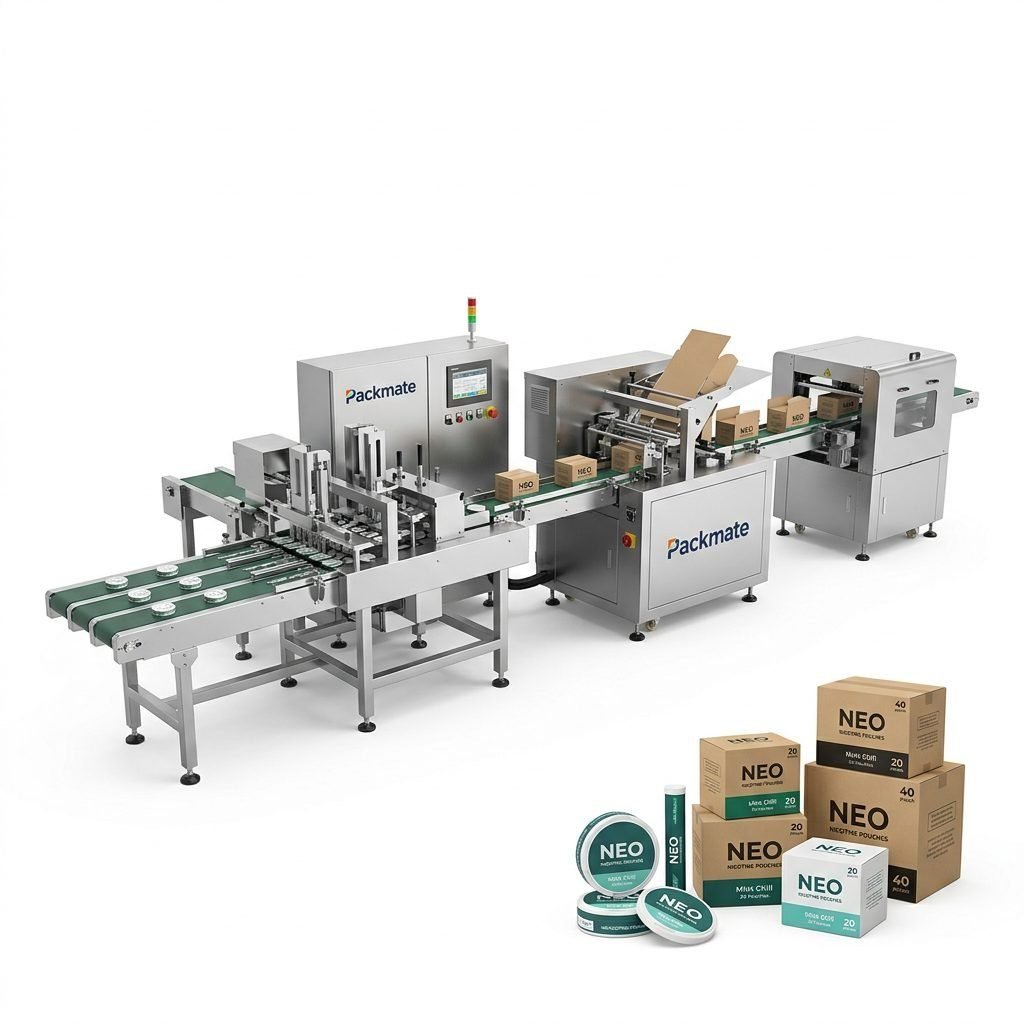
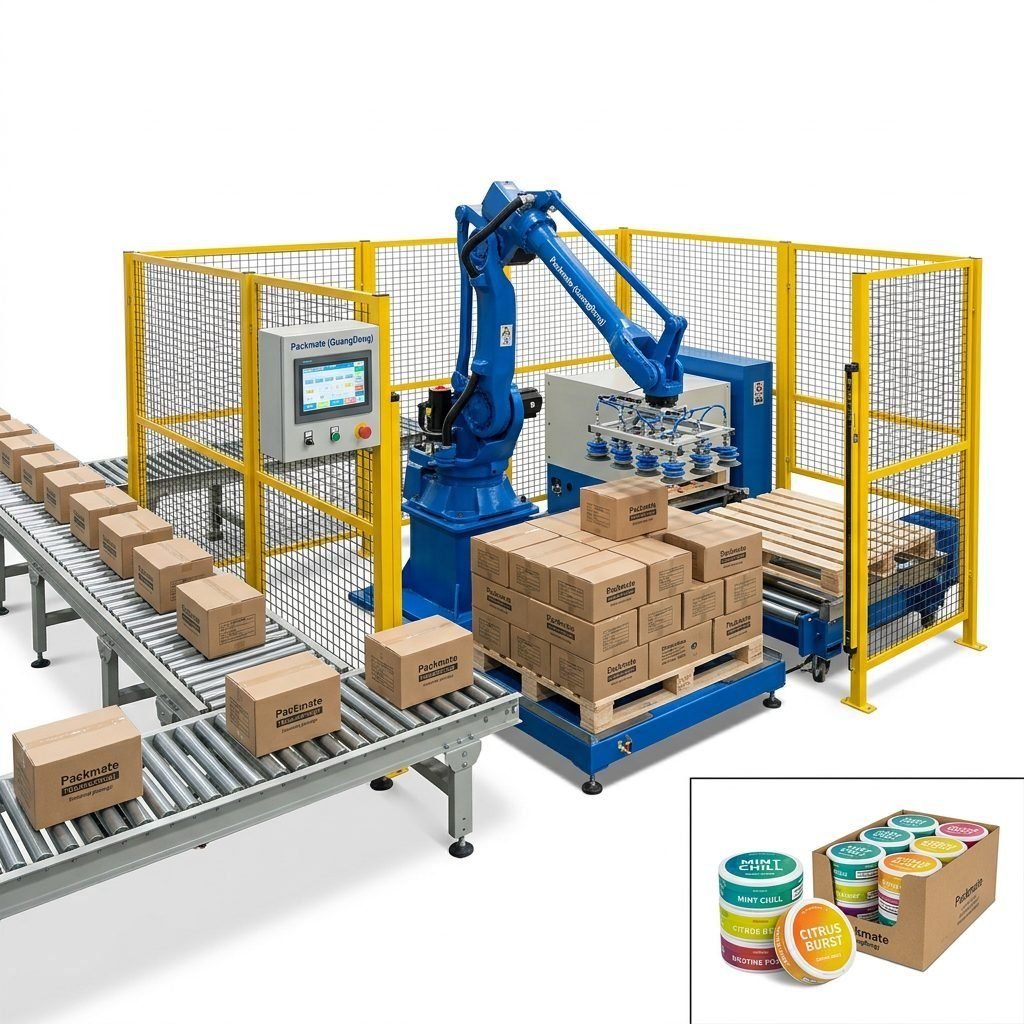
Choosing the right snus packaging machine manufacturer in the Maldives can be a decisive step for your nicotine pouch business. Whether you are launching a new product line or scaling up production, the machine vendor you select will affect product quality, regulatory compliance, costs, and time-to-market. This guide walks you through practical factors, evaluation tactics, and negotiation tips to help you select the best snus packing machine manufacturer for your business needs.
Understand Your Production Requirements
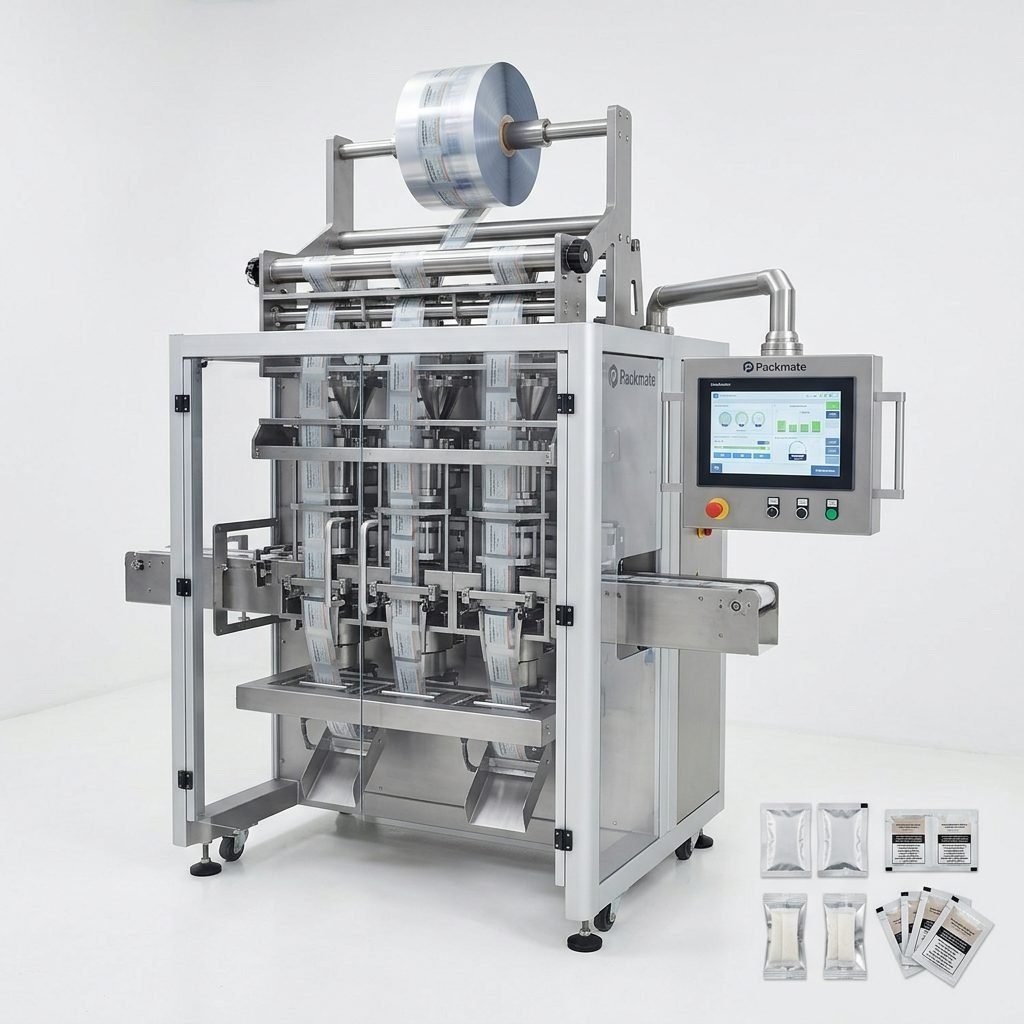
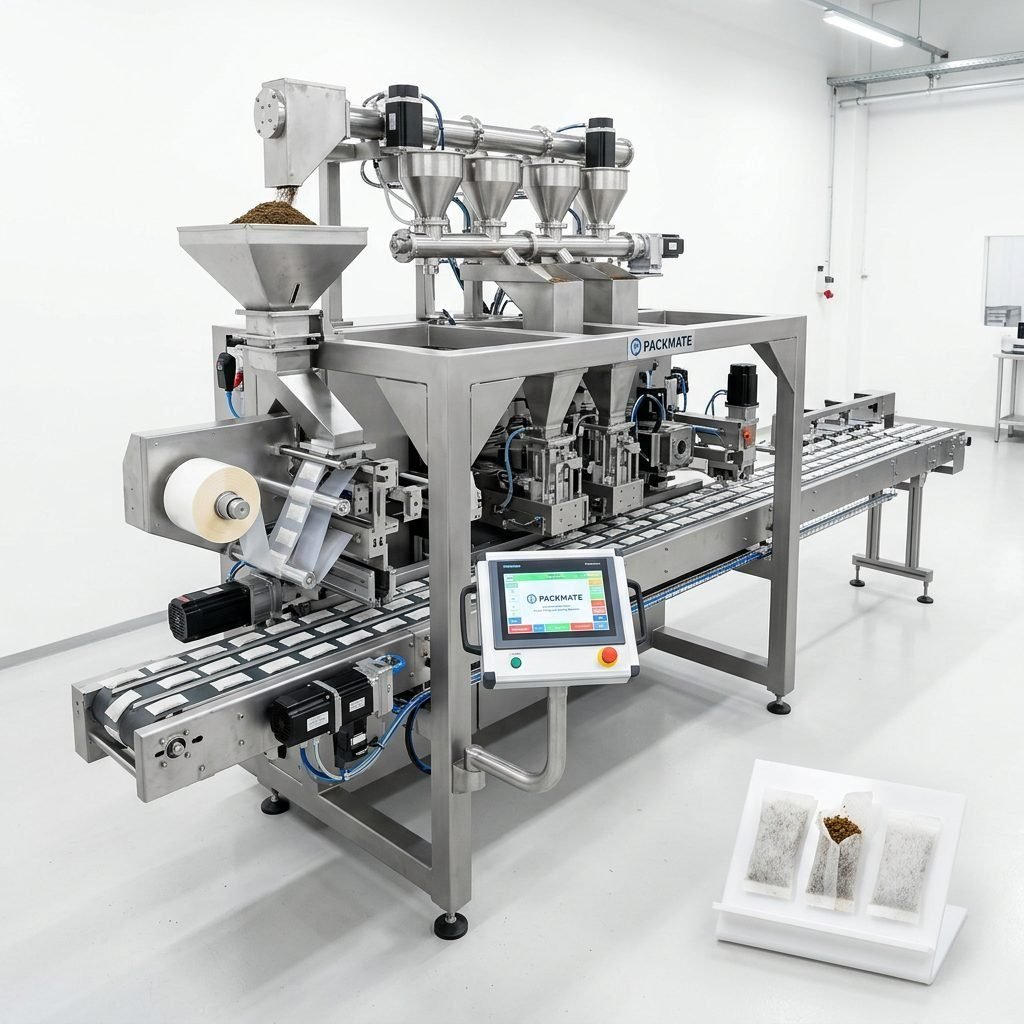
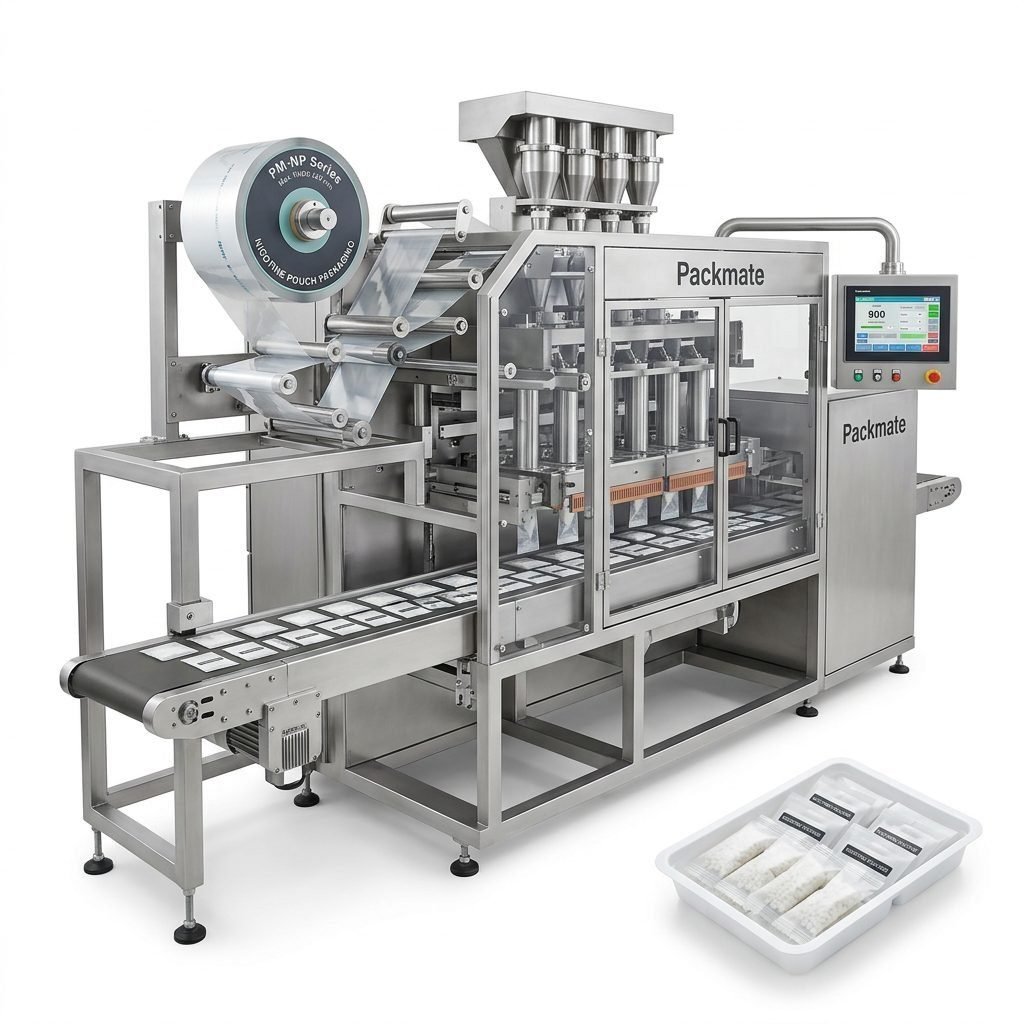
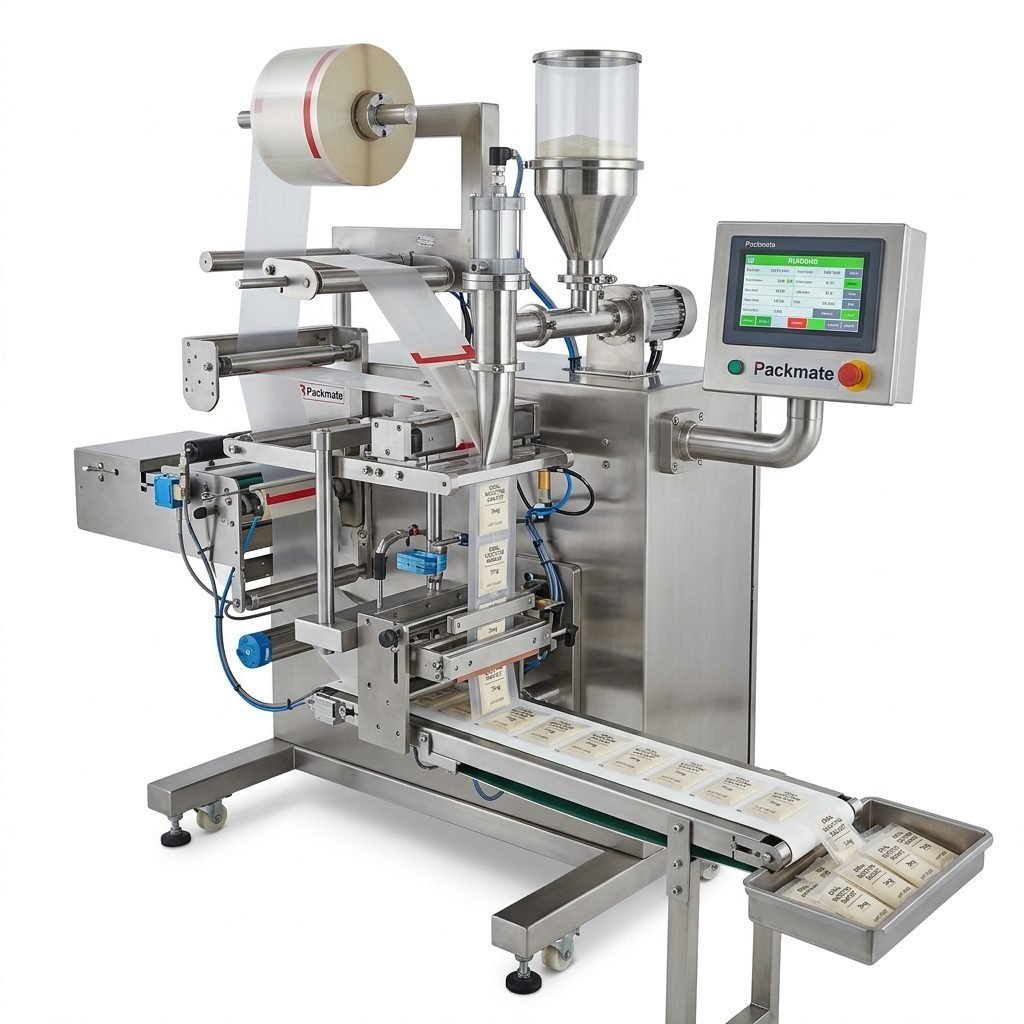
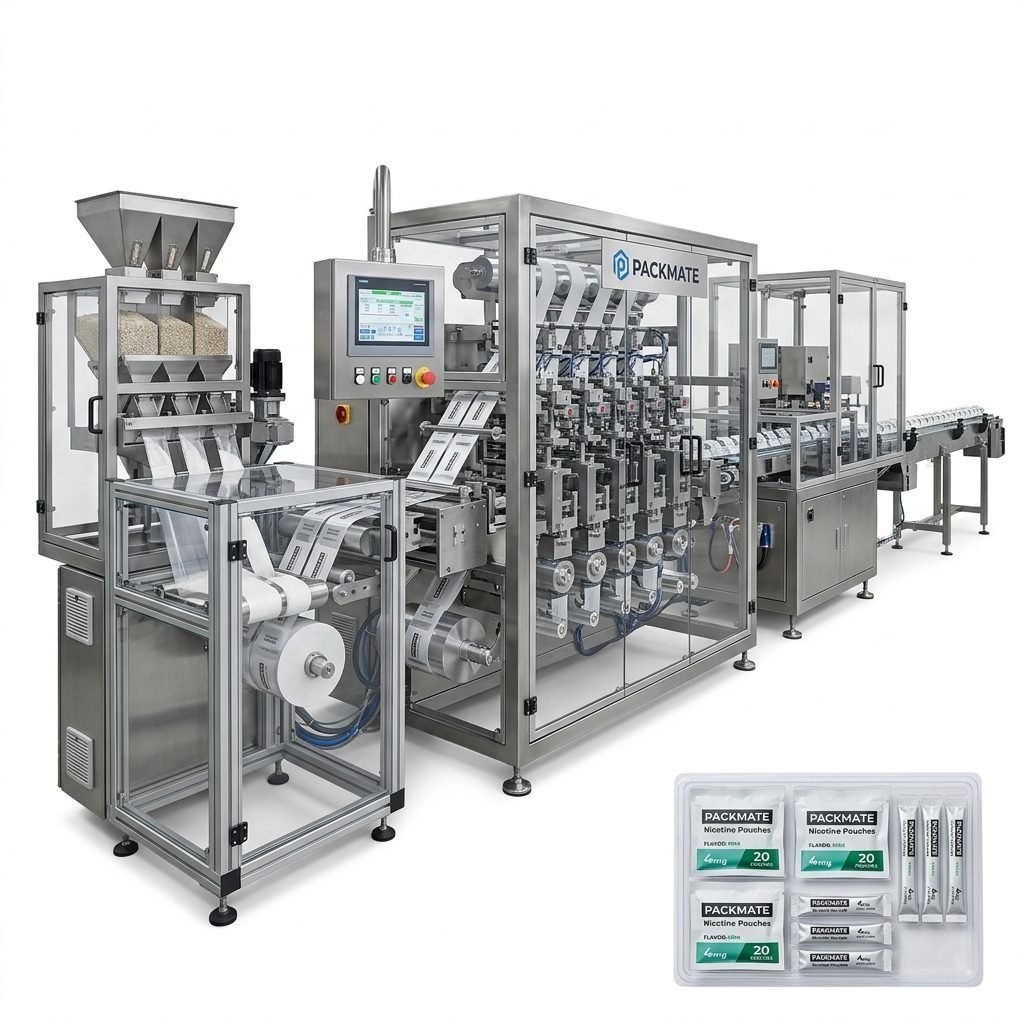
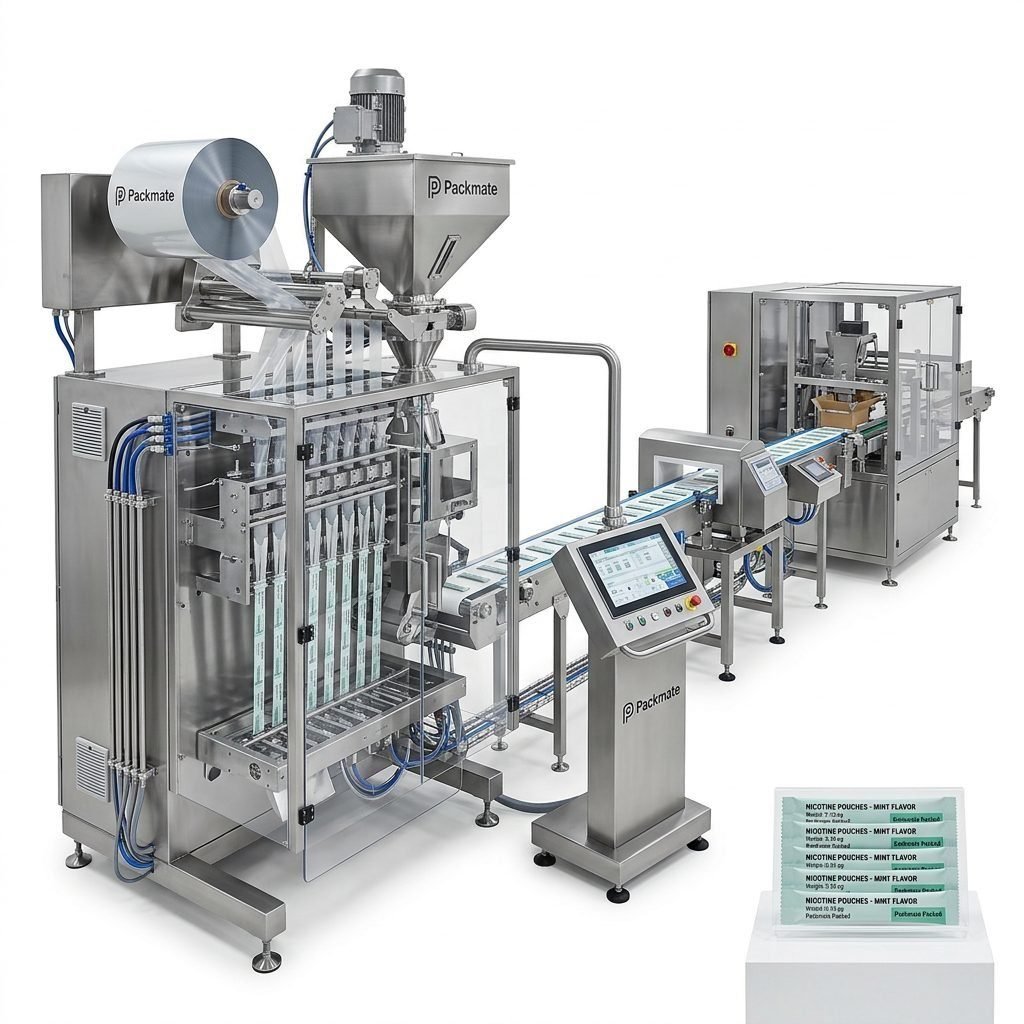
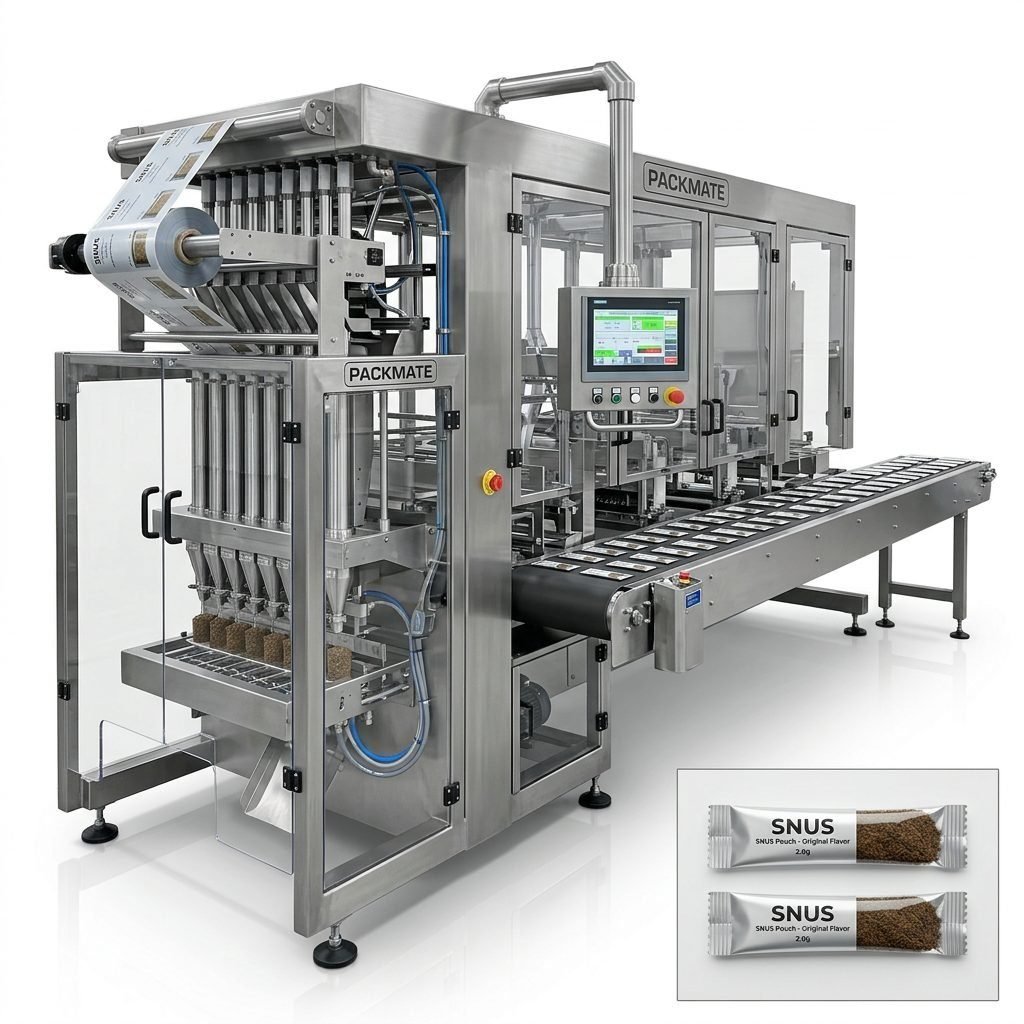
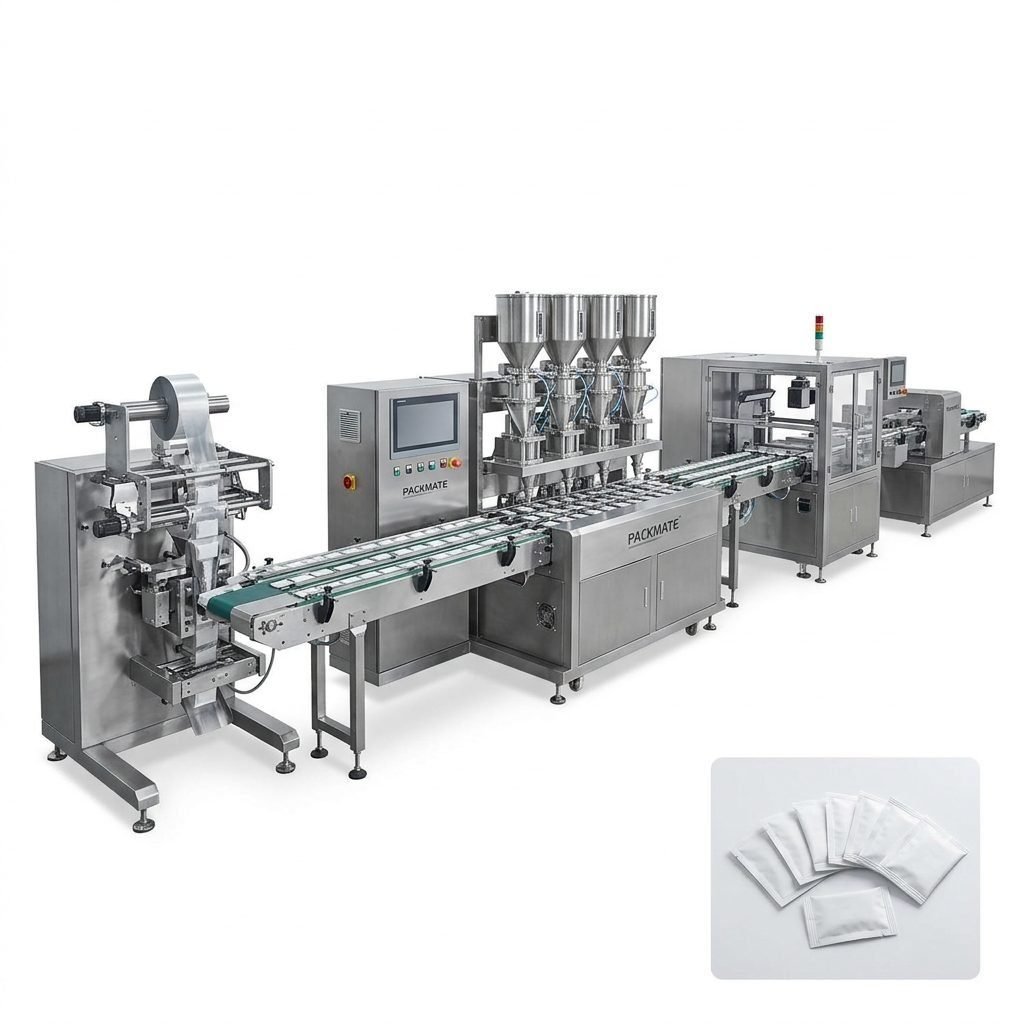
Start by defining your production goals clearly: daily output, pouch types (stick pack, sachet, multi-lane pouch), product formats (powder, granules, nicotine pouch), and any filling accuracy requirements. Manufacturers like Packmate offer specialized lines for snus and nicotine pouches; explore their product pages such as
Snus & Nicotine Packaging Machines
and
Sachet & Stick Pack Machines
to match machine capabilities with your output targets.
Key production parameters to list
– Target units per minute or per hour
– Desired number of lanes for multi-lane production
– Tolerance for fill weight and acceptable waste
– Compatible pouch sizes and materials
– Required integration with upstream/downstream equipment (weighing, sealing, case packing)
Machine Types and Technological Fit
Match the packaging format with the right machine technology. For nicotine pouches and snus, manufacturers provide specialized machines including multi-lane pouch fillers, stick pack systems, and sachet machines. If you need a fully integrated line, look into combined solutions like those listed under
Filling & Packaging Lines.
Tip: For small-dose nicotine pouches, prioritize machines with high-precision dosing and multi-lane synchronization to maintain consistency and minimize product loss.
Assess Manufacturer Experience and Factory Strength
Experience matters in packaging machinery. Look for vendors with decades of engineering history, robust manufacturing facilities, and a variety of proven models. For example, Packmate Snus Machine highlights over 30 years of R&D and a 20,000㎡ manufacturing site with CNC machining centers—indicators of strong production and quality control capabilities. Refer to the vendor’s company profile and factory details on their
About Packmate
page.
What to verify
– Size and equipment of the manufacturing plant
– Availability of CNC and precision assembly lines
– Number of machine models (diversity indicates engineering depth)
– Certifications such as CE and ISO that demonstrate compliance and quality systems
Quality, Certifications and Compliance
For nicotine pouch and snus packaging, adherence to international safety and quality standards is non-negotiable. Ensure the manufacturer holds relevant certifications (e.g., CE, ISO) and can provide documentation for machine safety, electrical compliance, and hygienic design where applicable. Equipment that meets global standards reduces the regulatory burden when you export finished products.
Customization, Flexibility and Upgradability
Your initial needs might evolve. Choose manufacturers that offer customization and scalable modular solutions. Vendors that build turnkey lines—from dosing and filling to packaging and case packing—help you avoid integration headaches. Explore complementary systems like their
Weighing & Packaging Systems
and
Auxiliary Packaging Equipment
to ensure smooth integration.
🔧 Customization matters: Confirm whether the vendor can modify lane width, pouch formats, and control software to match future SKUs.
After-Sales Service, Spare Parts and Training
Reliable after-sales service is vital. Ask about:
– Spare parts availability and lead times
– Remote technical support and local service partners
– On-site commissioning and operator training programs
– Warranty terms and service-level agreements (SLAs)
A manufacturer with global reach and exhibition presence often provides better global support—review their exhibition history for proof. You can learn more about Packmate’s show appearances on their
Our Exhibition page.
Total Cost of Ownership (TCO) Beyond the Purchase Price
Consider TCO: initial investment, installation, spare parts, consumables, maintenance, downtime risk, and energy consumption. Cheaper machines might cost more over time due to lower efficiency or higher maintenance needs. Request case studies or references showing long-term performance—see examples under the manufacturer’s
Case page.
Compare quotes on these items
– Machine cost (base machine and optional modules)
– Installation and FAT (Factory Acceptance Test) costs
– Shipping, import duties and local handling
– Training and commissioning fees
– Consumables and spare parts pricing
Logistics, Delivery Time and Lead Times
Delivery timelines can make or break your launch schedule. Confirm manufacturing lead times, shipping options to the Maldives, and expected customs clearance durations. If the vendor offers project management and shipping support, this will reduce coordination burden and potential delays.
Evaluate Communication and Project Management
Strong communication is a sign of a trustworthy supplier. During pre-sales, observe responsiveness, clarity in technical documentation, and willingness to provide references. Ask for a dedicated project manager for complex turnkey projects.
✅ Quick checklist: responsiveness, documented timelines, FAT availability, clear warranty, spare parts lead time, on-site support options.
Practical Steps to Vet a Supplier
1. Request detailed technical specifications, including tolerance, speed, materials compatibility, and electrical requirements.
2. Ask for a video demo or live demonstration at an exhibition or factory—attend if possible.
3. Verify references and visit local installations if available.
4. Negotiate a clear FAT procedure and acceptance criteria.
5. Include spare parts lists and consumable lifetimes in the contract.
Contract and Payment Tips
Use milestone-based payments tied to manufacturing milestones and FAT completion. Keep warranty and after-sales clauses explicit. Consider a retention that gets released after successful commissioning.
Local Considerations for the Maldives
Shipping to island nations requires attention to transit options and local handling capacity. Work with suppliers experienced in island logistics or local agents who can expedite customs clearance. Confirm electrical specifications and any required local certifications to avoid installation delays.
Why Choose an Experienced Global Partner?
Global vendors with turnkey solutions bring advantages: mature designs, tested multi-lane lines, spare parts distribution, and proven export experience. Suppliers like Packmate provide modular solutions for snus packaging along with after-sales networks—use their contact pages to start discussions:
Contact Us.
Decision-Making Matrix
Rank prospective suppliers across critical categories: technical fit, quality & certifications, factory strength, lead time, cost, customization ability, and after-sales support. Assign weights based on what matters most to your operation (e.g., 30% technical fit, 20% quality, 20% cost, 30% service).
⚠️ Red flags: vague technical specs, no FAT offer, poor reference availability, or unclear spare parts availability.
Final Selection and Onboarding
Once you select a supplier, agree on FAT criteria, delivery milestones, commissioning schedule, training plan, and parts provisioning. Ensure all deliverables are recorded in the purchase order and that a project manager from the manufacturer is assigned to your project.
After purchase
Maintain a spare parts stock based on recommended parts lists, schedule periodic maintenance, and keep close contact with your supplier for updates or upgrades. Regular training refreshers for operators reduce downtime and prolong machine life.
Conclusion
Selecting the right snus packaging machine manufacturer for the Maldives market requires balancing technical fit, manufacturer experience, TCO, lead times, and after-sales support. Prioritize vendors with proven snus/nicotine experience, robust factory capabilities, and clear service commitments. Use a structured evaluation approach, request FAT, and secure detailed contracts to protect your investment.
Further resources
Explore manufacturer product ranges further on related pages such as
Bag & Pouch Packaging Machines
and review certifications for peace of mind on the
Certificate page.
Common Questions
Q1: How long does it typically take to receive a custom snus packaging line?
A1: Lead times vary by complexity and customization. Standard models can be shipped in weeks, while fully customized turnkey lines often require several months. Always confirm lead times and FAT schedules with the supplier.
Q2: What certifications should I insist on for nicotine pouch packaging machines?
A2: CE and ISO are common and important for safety and quality systems. Additionally, request hygiene-related documentation and electrical compliance relevant to your import market.
Q3: How can I minimize downtime after installation?
A3: Invest in operator training, maintain a recommended spare parts inventory, schedule preventive maintenance, and secure remote support or local service contracts.
Q4: Should I prioritize price or long-term reliability?
A4: Long-term reliability often yields better ROI. Evaluate total cost of ownership rather than the lowest upfront price to avoid higher maintenance and downtime costs.
Q5: Where can I see real-world examples of snus packaging lines?
A5: Review manufacturer case studies and exhibition demonstrations to see machines in operation—many vendors publish examples on their
Case and
Exhibition pages.