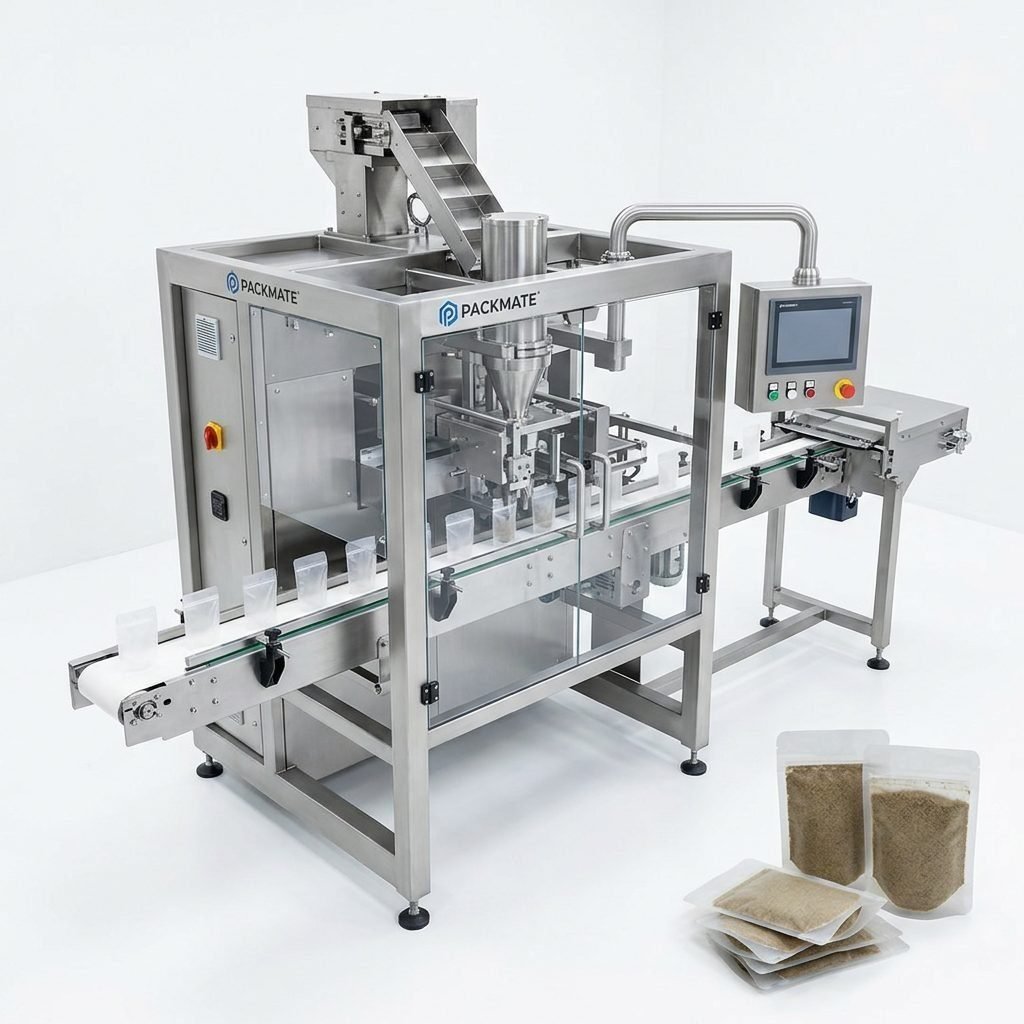
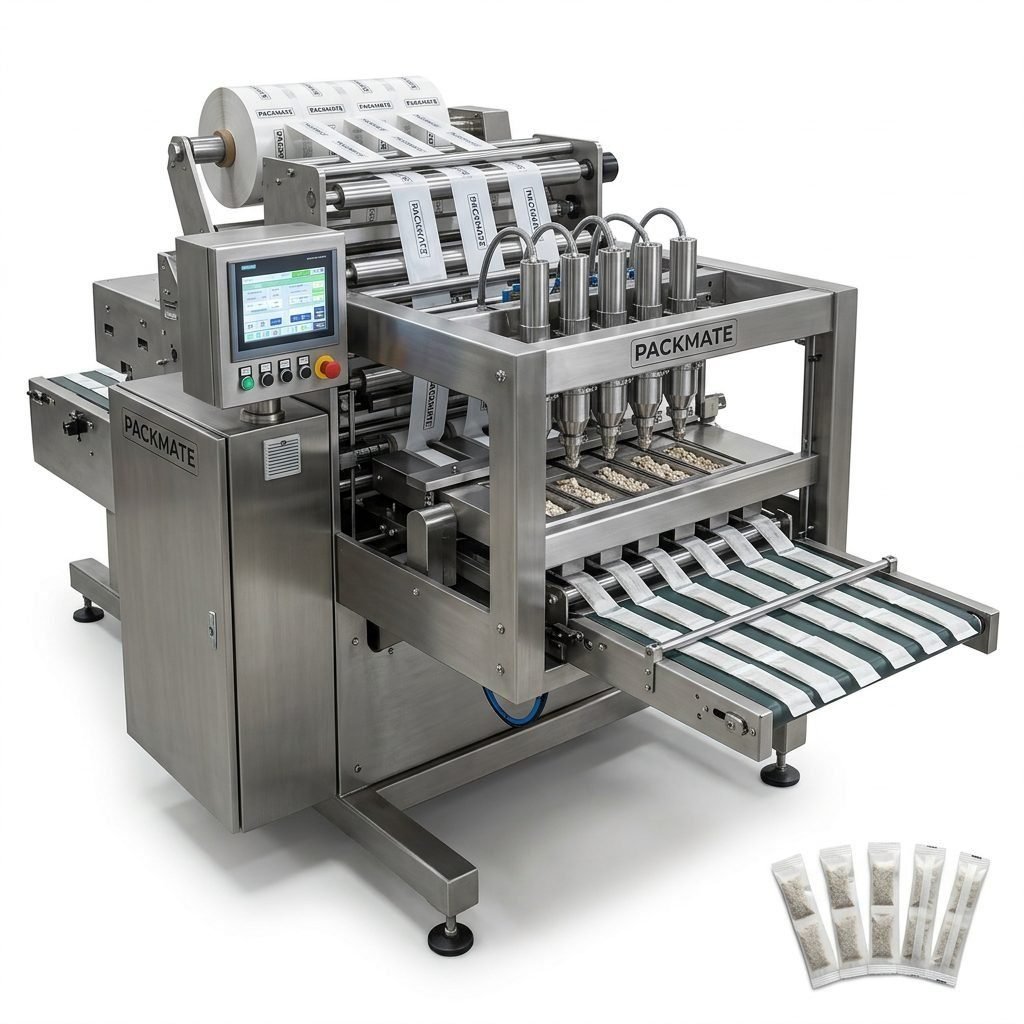
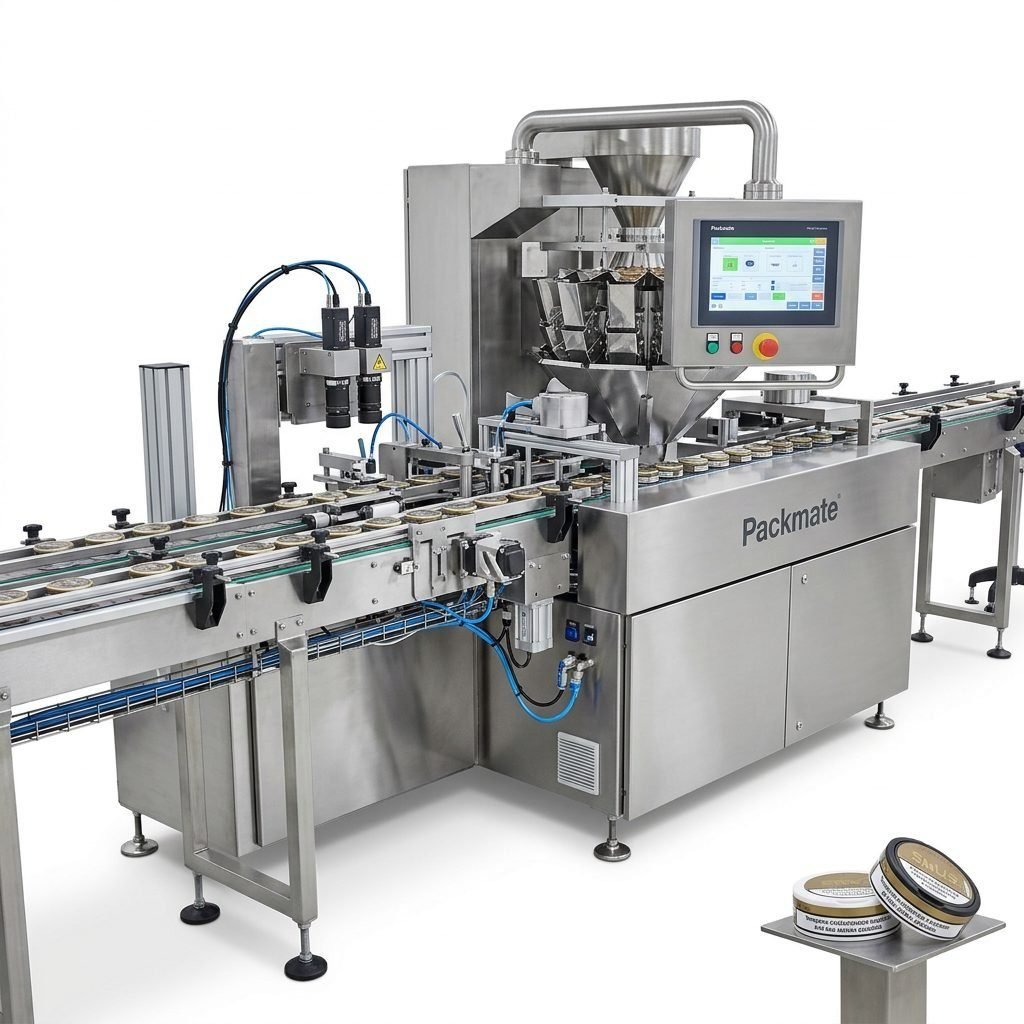
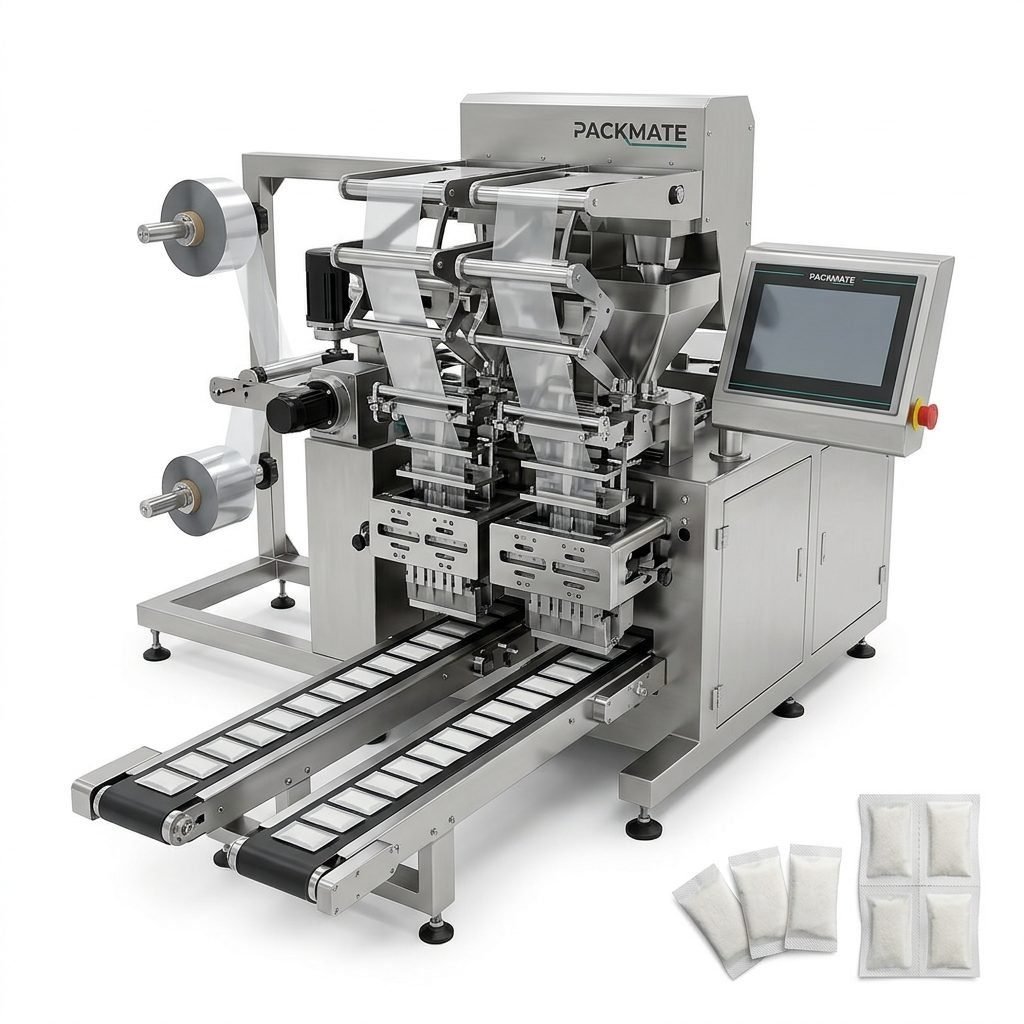
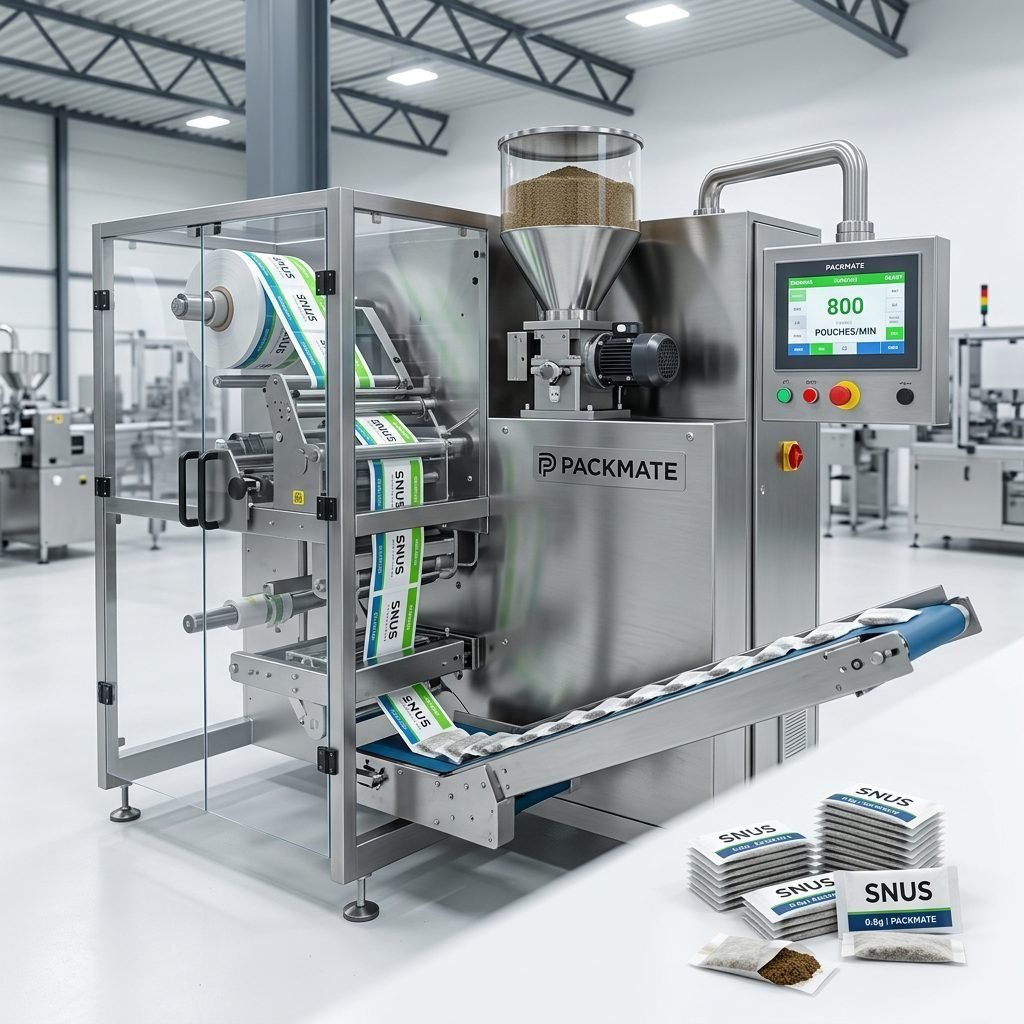
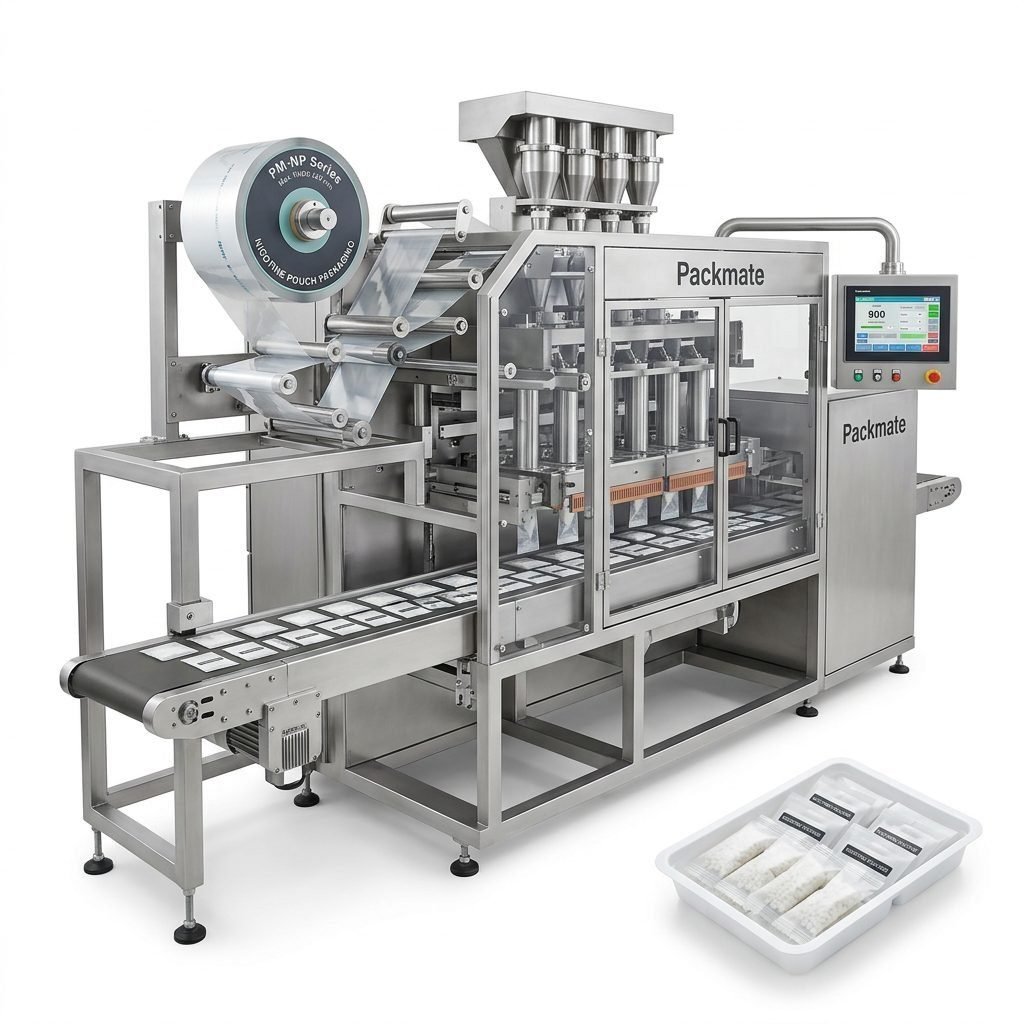
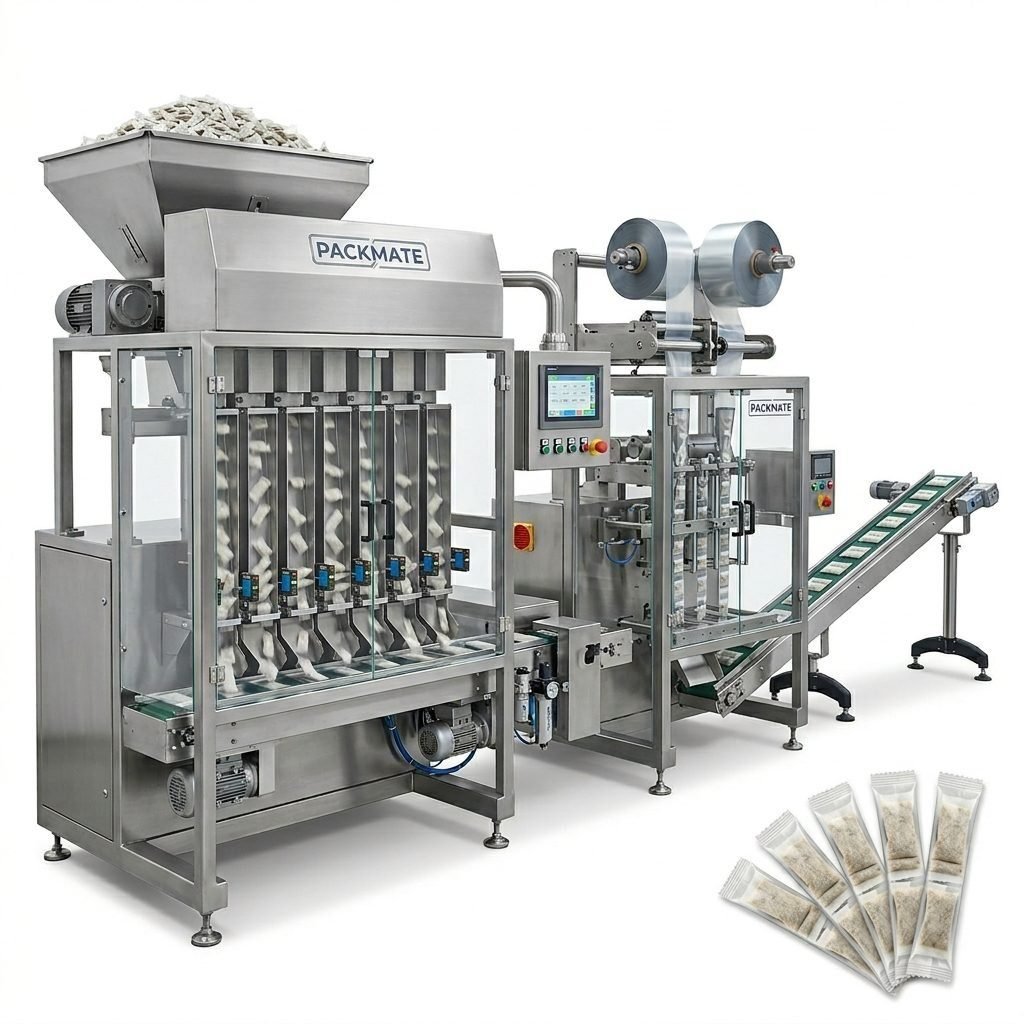
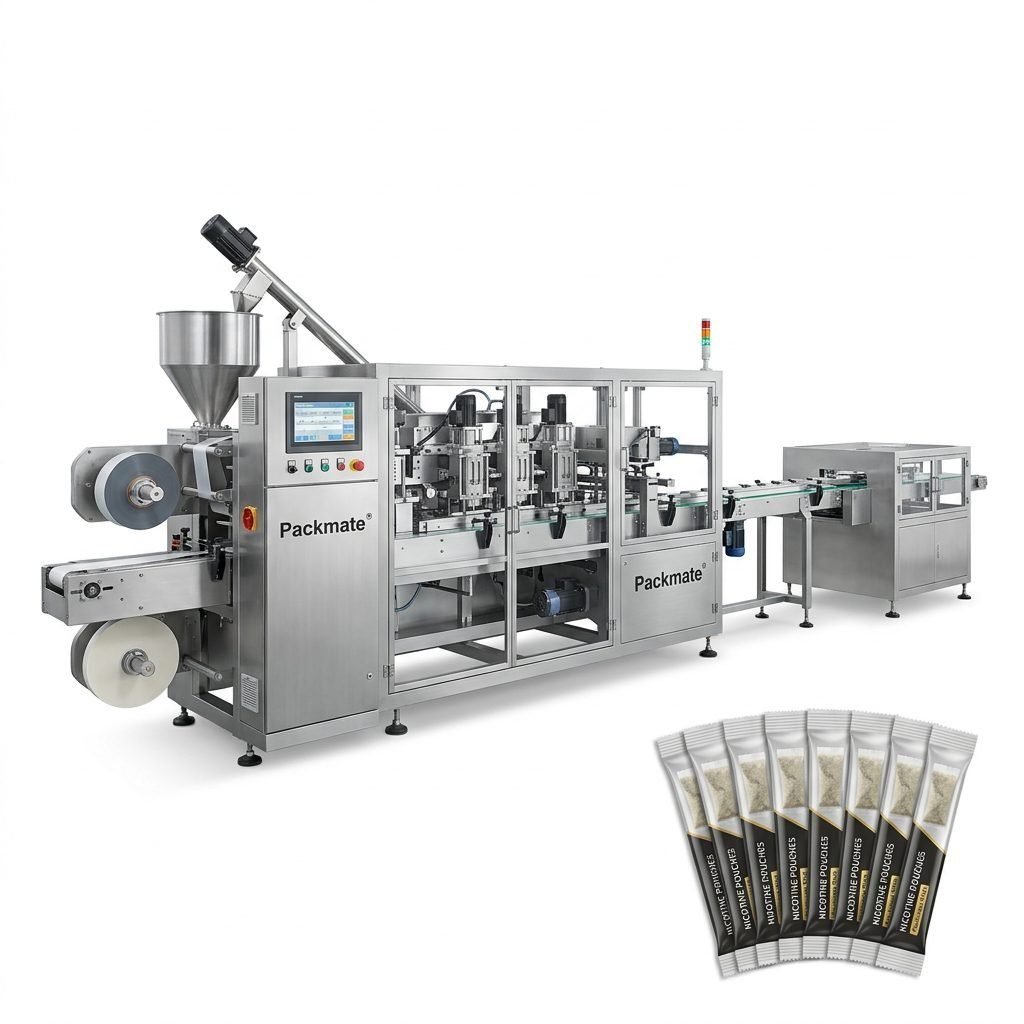
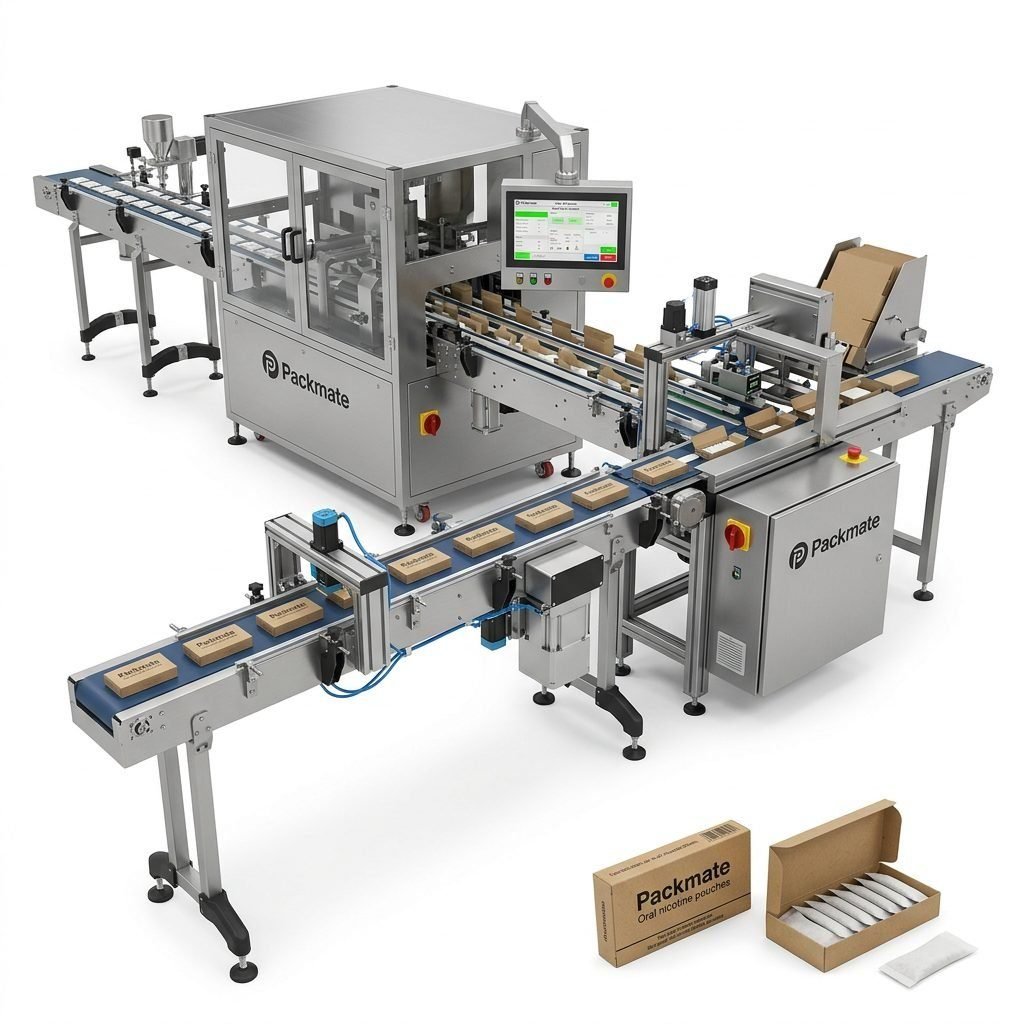
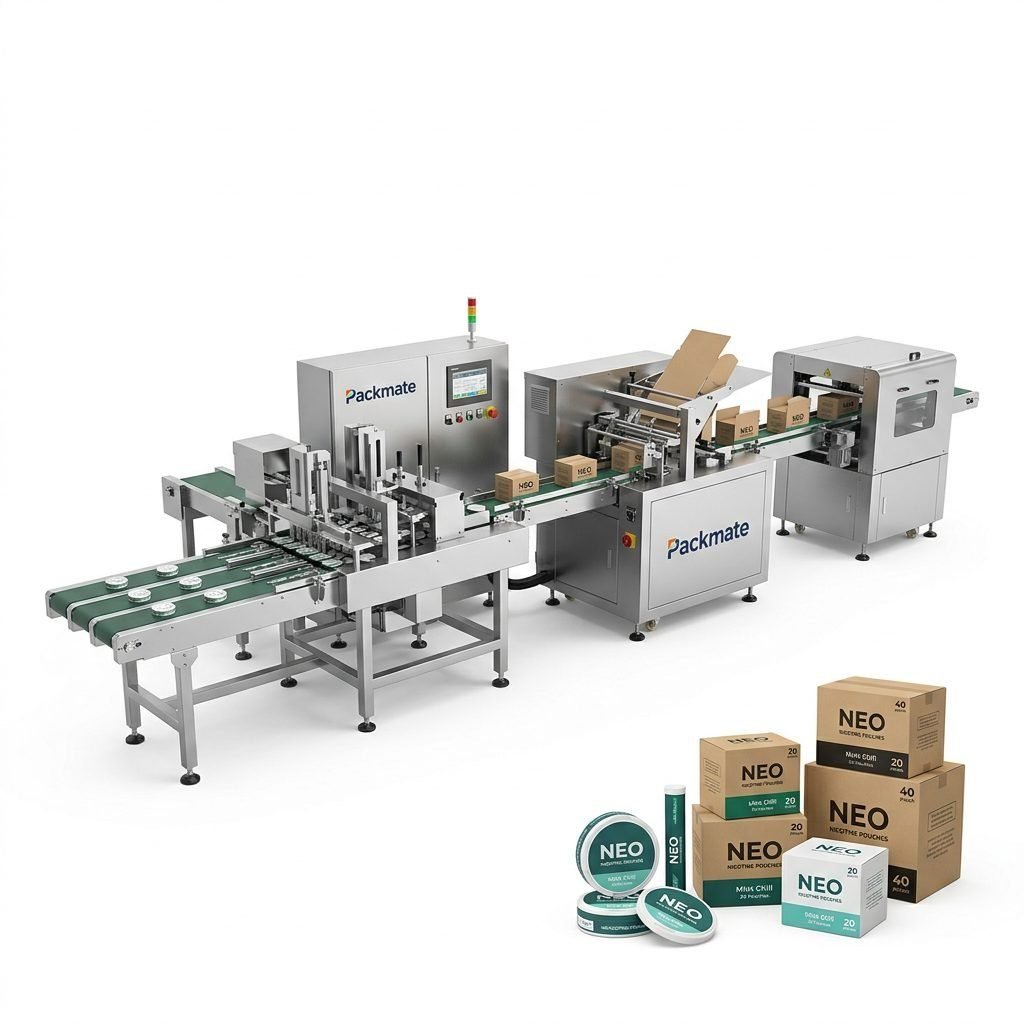
Choosing the right snus packaging machine supplier for your Finland-based production is a critical business decision. Finnish market characteristics, strict regulatory environments, and high consumer expectations for sustainability and product quality mean that your equipment partner must deliver precision engineering, compliance, and reliable service. This guide walks you through what to evaluate — from technical specifications and certifications to local service considerations — so you can select a supplier who supports long-term productivity and growth.
Understand Finland’s Market, Regulations and Consumer Habits
Finland has specific rules and a cautious public attitude toward nicotine products. While regional variations and product categories (tobacco snus vs nicotine pouches) matter, regulatory compliance and label requirements in both Finnish and Swedish are essential for any packaging line. Nordic consumers also prioritize discreet, high-quality packaging and increasingly demand environmentally friendly materials and minimal waste. When evaluating suppliers, prioritize companies that demonstrate knowledge of local labeling, transport, and waste-handling customs — and that can adapt line configurations to meet both compliance and market taste.
Key Technical Requirements for Snus Packaging Lines
The right machine architecture depends on your product format (pouches, sachets, stick packs, sachet boxes), dose size, and target throughput. Consider the following technical priorities:
Core technical checklist 🔧:
✅ Multi-lane capability for high output with small-dose consistency.
✅ Accurate dosing and weighing integration to ensure uniform pouch weight.
✅ Gentle material handling for delicate pouches and powders.
✅ Quick-change tooling and format recipes for multiple SKUs.
✅ Compliance-ready options for traceability and labeling.
For manufacturers exploring machine options, review product families like Snus & Nicotine Packaging Machines and Sachet & Stick Pack Machines to compare specifications, lane counts, and format flexibility.
Performance Metrics to Verify
When asking suppliers for data, insist on these measurable performance indicators:
Must-have KPIs:
• Nominal throughput (pouches per minute) per lane and total.
• Dosing accuracy and standard deviation.
• Changeover time between formats.
• Average uptime and expected MTBF.
• Maintenance intervals and common spare parts list.
Quality, Certifications and After-sales Support
European customers expect CE marking and international quality systems such as ISO. Suppliers that provide detailed documentation, factory acceptance testing (FAT) videos, and serialized certificates reduce import and commissioning delays. For example, Packmate Snus Machine highlights CE and ISO compliance across its lines — a sign of mature quality management and traceable production.
After-sales service is equally critical. Look for:
Support essentials 🔶:
• Spare parts availability and shipping times to Finland.
• Remote diagnostics, software updates, and training programs.
• Local or regional partners for faster on-site response.
• Long-term warranty options and clear SLAs.
Factory Capability & Track Record
A supplier’s manufacturing footprint and decades of experience often reflect their capacity to deliver durable machines. Packmate’s 20,000㎡ facility, 30+ years of engineering, and extensive product range are examples of scale that can support customized turnkey lines. Learn more about company history and capabilities on the About Packmate page.
Customization, Integration and Scalability
Finnish producers who plan to grow or diversify SKUs should emphasize modular solutions. Key integration points include:
– In-line weighers and checkweighers for dosing verification.
– Robot integration for case packing and palletizing.
– Vision systems for label/language accuracy.
– Full filling and packaging line coordination for synchronized speeds — explore complementary systems like Weighing & Packaging Systems and Filling & Packaging Lines.
Format Flexibility and Tooling
A supplier should provide quick-change tooling, recipe memories, and format kits for both snus pouches and nicotine pouches, so you can switch between sizes and materials without long downtimes. Ask for case studies or FAT videos showing real changeovers to validate claims.
Energy Efficiency & Sustainability — A Nordic Imperative
Sustainability matters strongly in Finland. Energy-efficient drives, low-compressed-air designs, recyclable packaging compatibility, and minimized waste during production are differentiators. Suppliers that can optimize material usage and provide life-cycle assessments will better align with Finnish procurement policies and green branding efforts.
Local Support, Spare Parts and Logistics
Fast, predictable spare parts delivery and local technical support reduce downtime. Confirm the supplier’s European shipping routes, spare part kits, and reseller network. If the supplier lacks a Finnish office, investigate nearby hubs in Scandinavia or the Baltics for quicker service. Case histories and references from Northern Europe are highly valuable — see real-world examples in the supplier’s Case portfolio.
A Practical Selection Process — Step by Step
Use a structured procurement process to compare suppliers objectively:
Step 1 🔎 — Define product formats, target throughput, and acceptable tolerances. Document all label language, regulatory and traceability needs.
Step 2 🔧 — Request detailed machine specs, electrical and pneumatic consumption, FAT videos, and references from similar projects in Northern Europe.
Step 3 ⚙️ — Evaluate total cost of ownership (TCO): spare parts, energy, training, and expected lifecycle vs. purchase price.
Step 4 🛠️ — Negotiate FAT acceptance criteria, installation timelines, warranty terms, and local support commitments before signing.
Document each supplier’s responses so you can compare apples-to-apples on throughput, CAPEX, and predictable operating expenses.
Common Pitfalls and How to Avoid Them
Several recurring mistakes lead to delays and cost overruns:
Pitfall ⚠️: Focusing solely on headline speed figures without verifying dosing accuracy and real uptime.
Solution: Ask for reference runs and weighment data from existing clients using similar formulations.
Pitfall ⚠️: Choosing a low-cost supplier with poor documentation and limited spare-part inventories.
Solution: Validate spare part lead times and request spares kits with long-lead items included.
Avoid these by requiring clear, contractually bound acceptance tests and SLAs for response times in Finland or nearby EU countries.
Cost Considerations and ROI Analysis
Purchase price is only one part of the equation. When calculating ROI, include:
TCO factors:
• Energy costs per year (motors, heaters, air).
• Expected downtime and mean time to repair.
• Cost and lead time for consumables and spare parts.
• Training costs and line commissioning.
• Packaging material efficiency and scrap rates.
A supplier who demonstrates lower scrap rates and higher dosing accuracy will usually deliver a faster ROI, even if initial CAPEX is higher.
Why Consider Packmate Snus Machine?
If you are assessing global suppliers, Packmate’s decades of engineering experience, wide product portfolio (including stick pack, sachet, and multi-lane systems), and strong manufacturing capacity are relevant factors. Their factory size, CNC capabilities, and CE/ISO certifications indicate robust quality processes and scale to support customized turnkey solutions.
Meet the team, review product documentation, and arrange a factory visit or FAT session. For more detailed product descriptions, consider the company’s product pages and certificates: Snus & Nicotine Packaging Machines, Bag & Pouch Packaging Machines, and Certificate.
Practical Next Steps for Finnish Buyers
1) Define production forecasts and regulatory constraints.
2) Shortlist 2–3 suppliers with documented European experience.
3) Request FAT videos, customer references, and a clear spare parts matrix.
4) Negotiate installation, training, and spare parts kits into the contract.
5) Schedule a commissioning plan with KPIs and acceptance tests.
Final Considerations
In the Finnish context, balancing regulatory compliance, sustainability, and production reliability is essential. Selecting a supplier that understands Nordic needs — from bilingual labeling to recyclable packaging and energy efficiency — will protect your brand and support efficient operations. Prioritize suppliers with proven multi-lane expertise, rigorous certification, and clear after-sales support for Europe to minimize risk and accelerate your time-to-market.
Frequently Asked Questions
Q: How important are CE and ISO certifications when buying a snus packaging machine?
A: Very important. These certifications ensure the equipment meets European safety and quality standards, easing customs clearance and regulatory inspections. Confirm certificate validity and scope for each machine model.
Q: What lead times should I expect for spare parts delivery to Finland?
A: Lead times vary. Reputable suppliers keep critical spares in regional hubs or offer expedited shipping. Negotiate spare kits and guaranteed delivery times into your contract to avoid long downtimes.
Q: Can packaging lines be adapted for both tobacco snus and nicotine pouches?
A: Yes, but adaptation depends on dosing systems, material handling, and regulatory labeling. Discuss material compatibility and format tooling with suppliers to ensure safe and compliant operation for both product types.
Q: What sustainability features should Finnish companies ask for?
A: Request energy-efficient drives, low-air-consumption designs, reusable or recyclable packaging options, and process controls that minimize scrap and material waste.
Q: How can I verify a supplier’s real-world performance?
A: Ask for FAT videos, references from similar projects (preferably in Northern or Western Europe), and access to site visits where machines run your product or a close analogue. Review performance metrics against acceptance criteria before final approval.