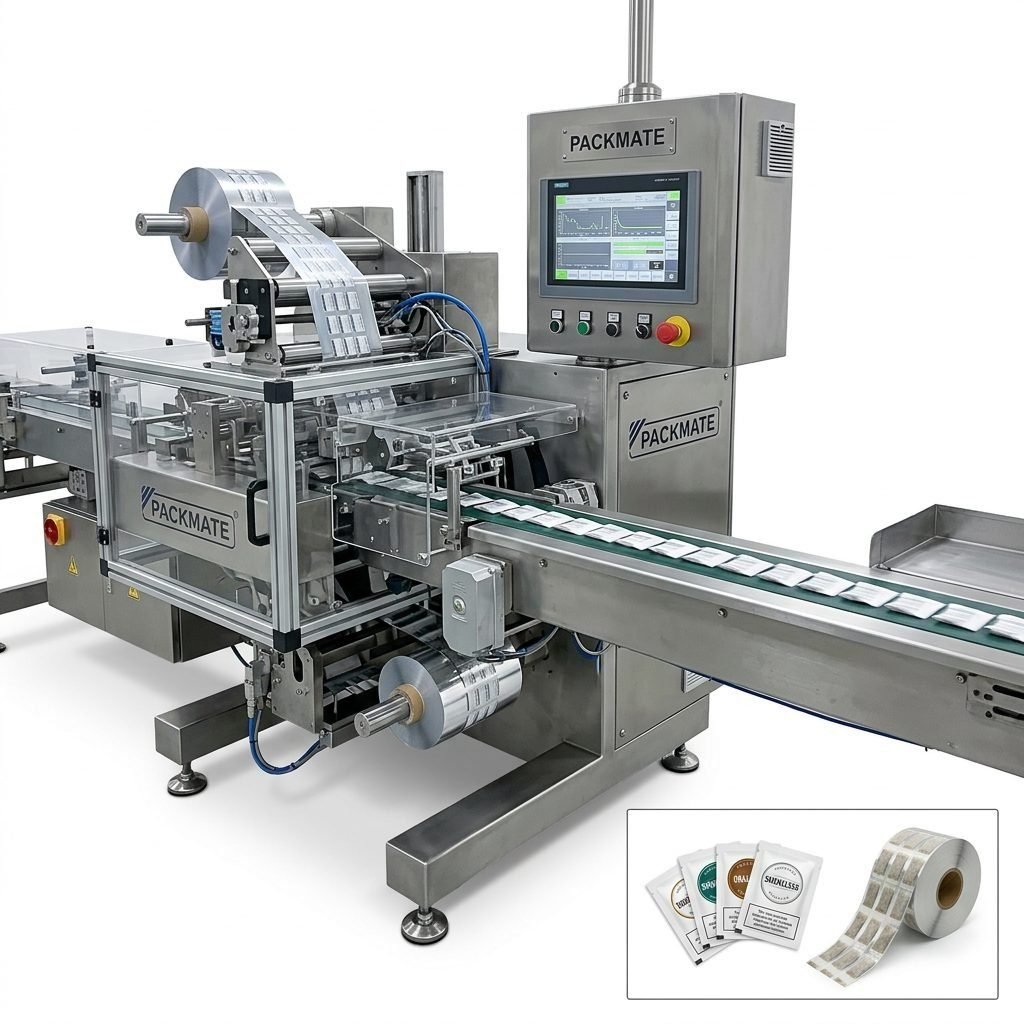
Selecting the right nicotine packaging machinery manufacturer is a critical decision for any company operating in Cuba’s growing nicotine pouch and snus market. The right partner affects product quality, regulatory compliance, operational uptime, and long-term profitability. This guide walks you through a practical, production-focused process to evaluate potential manufacturers, compare technical capabilities, and secure the best match for your production needs — whether you are starting a small-batch line or scaling to multi-lane high-speed output.
Understand Your Production Requirements
Before contacting vendors, clearly define your production goals. Consider the following variables:
• Target output (pieces per minute or per hour) — Determine peak and average production rates.
• Packaging formats — nicotine pouch/snus pouches, stick packs, sachets, or multi-lane pouches. Different machines are specialized for each format.
• Fill types and dosing accuracy — powder, granule, or liquid fillings require specific filling systems and weighing modules.
Having exact production parameters makes technical comparisons objective and lets manufacturers propose the right model and optional modules (e.g., multi-lane systems, automated feeding, in-line checkweighers).
Match Machine Types to Your Product
Typical packaging solutions for nicotine products include:
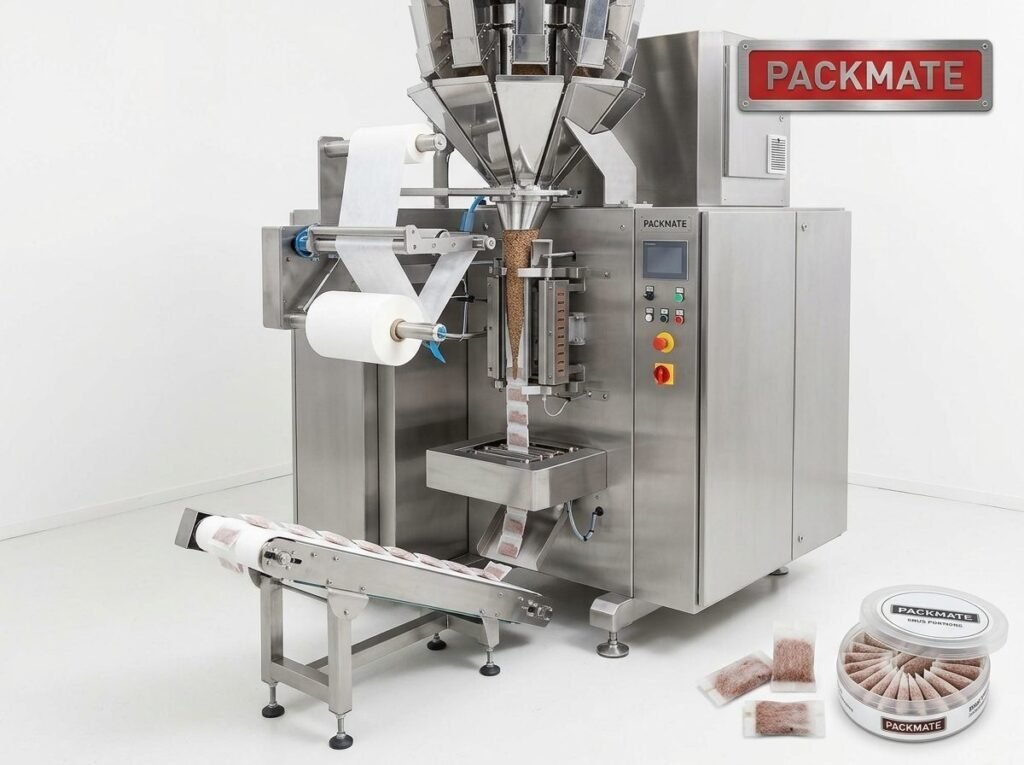
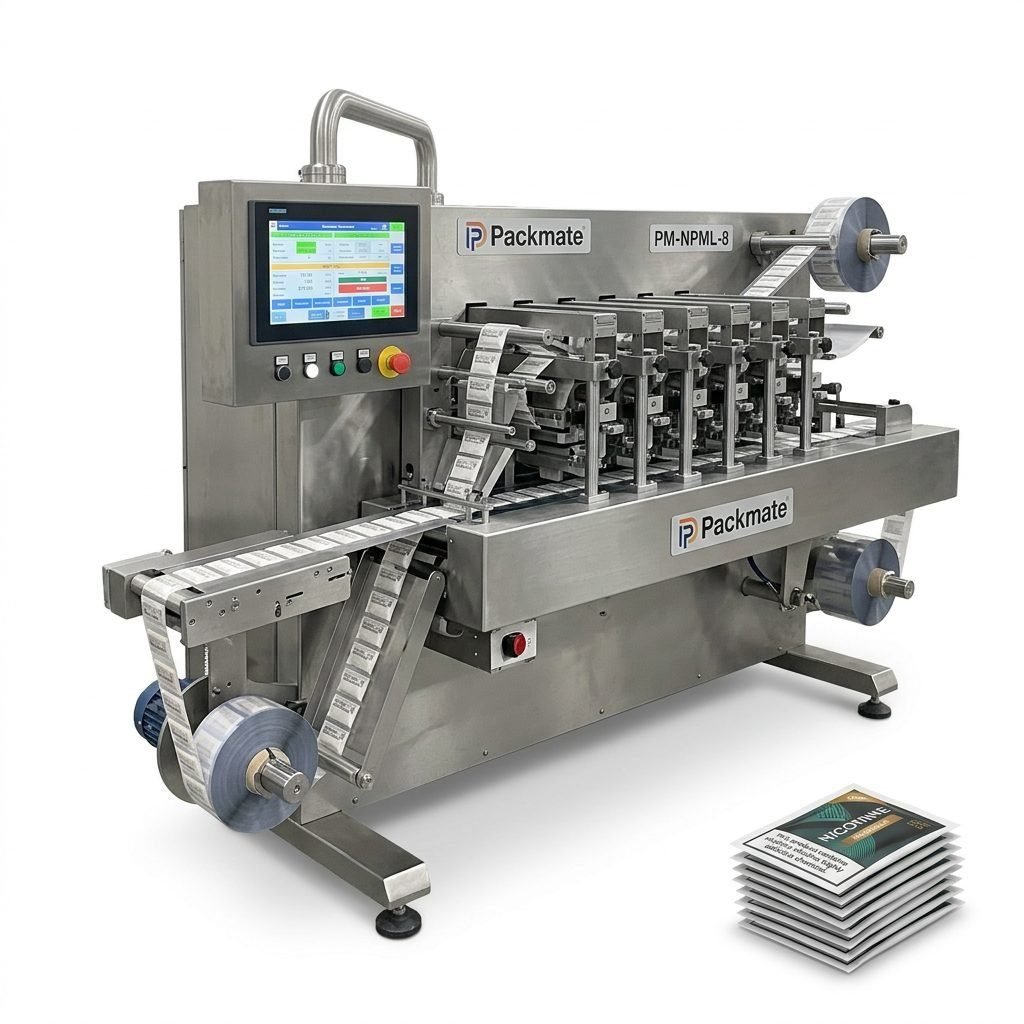
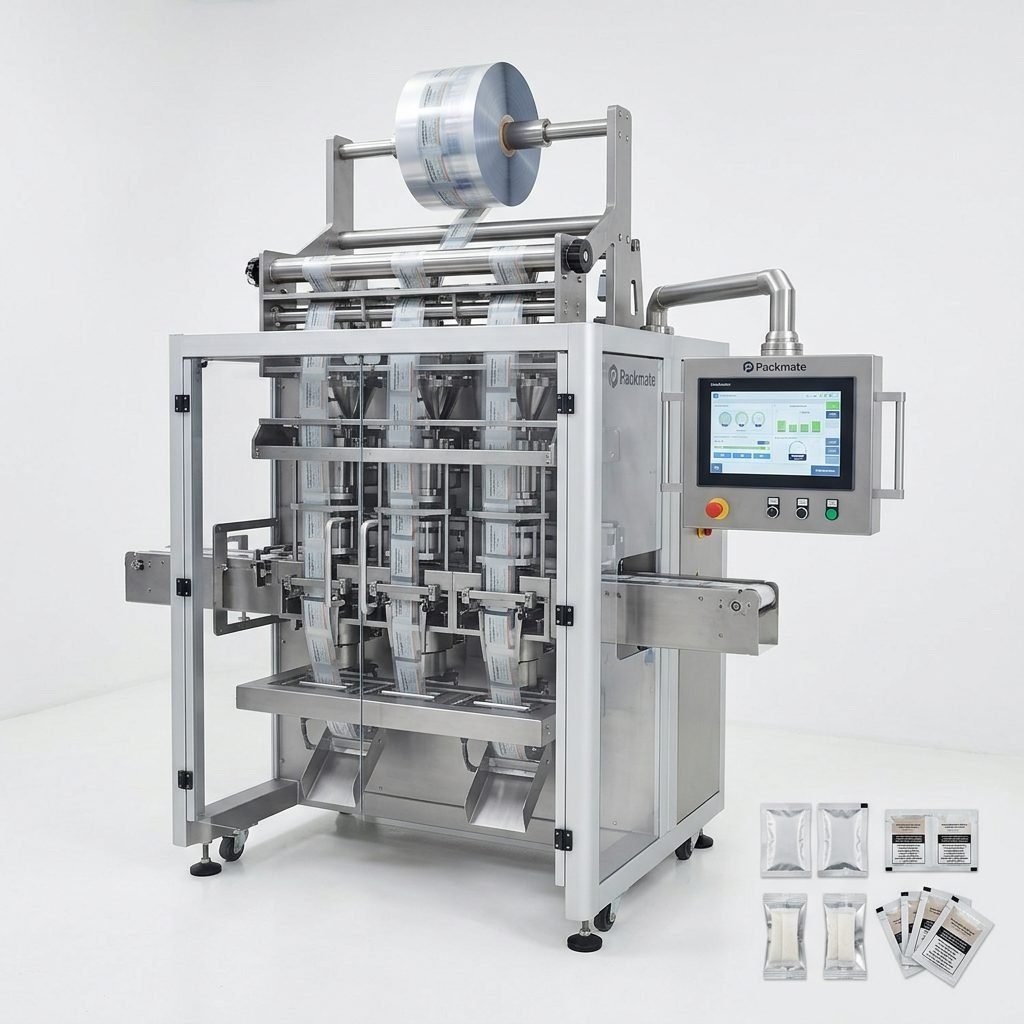
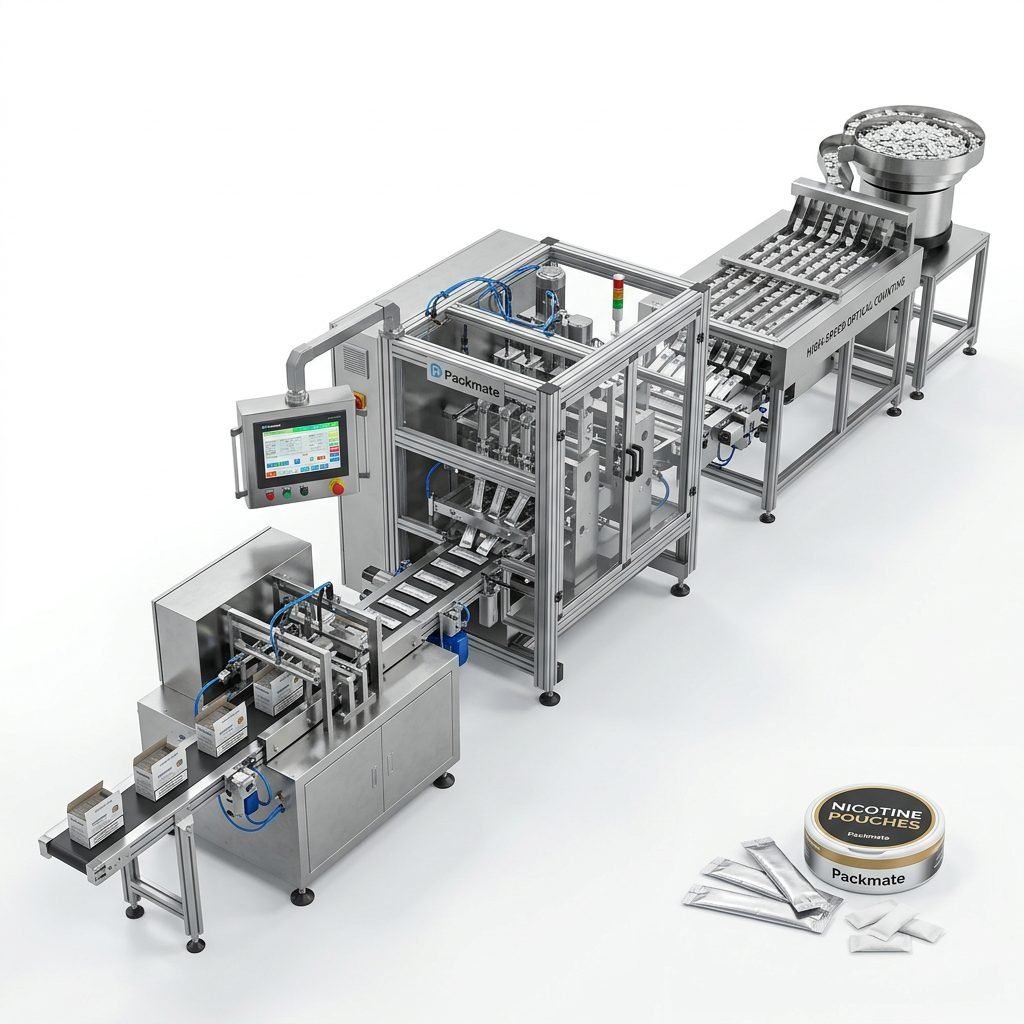
• Snus & Nicotine Pouch Machines — designed for small-dose pouches with high accuracy; ideal for snus production. See product examples: Snus & Nicotine Packaging Machines.
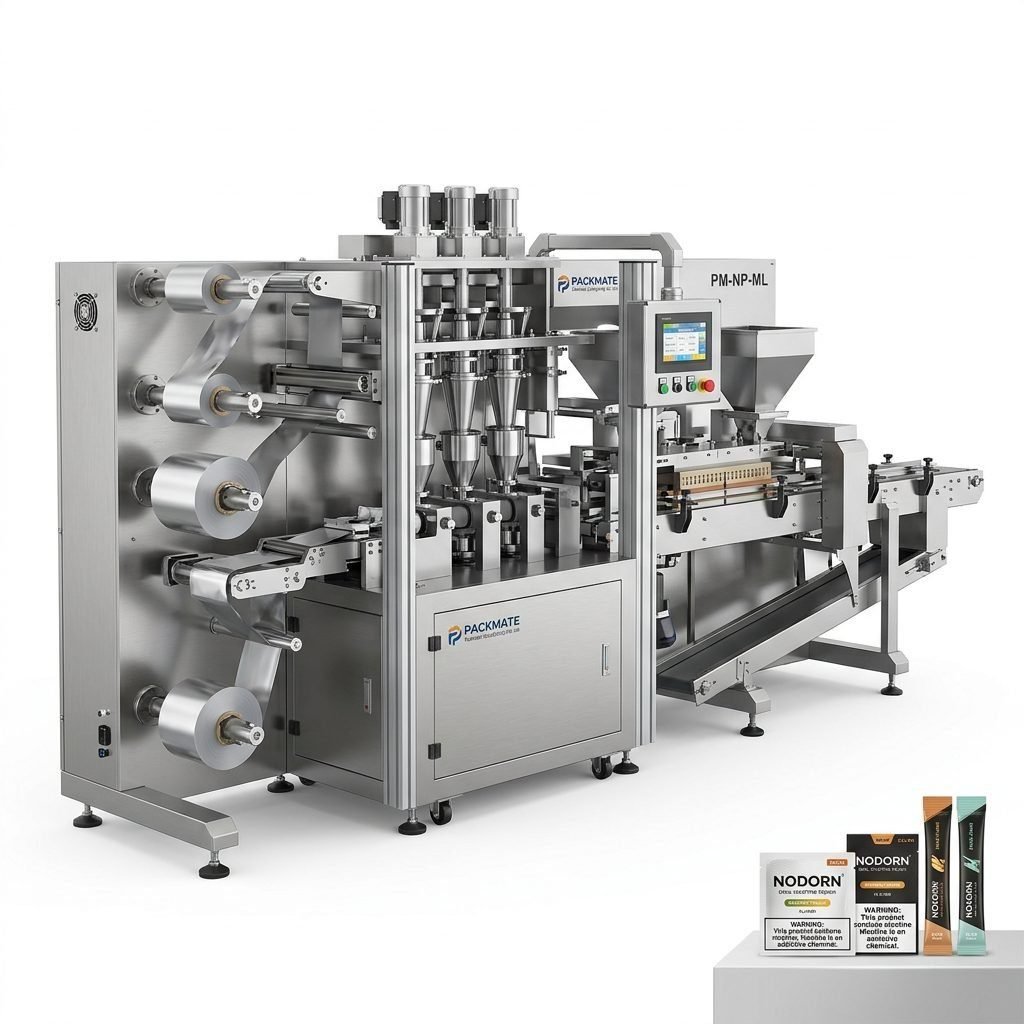
• Sachet & Stick Pack Machines — suitable for single-dose stick formats and sachets; flexible for promotional sizes. More models here: Sachet & Stick Pack Machines.
• Weighing & Filling Systems — critical if you demand high dosing accuracy or handle variable formulations. Check options: Weighing & Packaging Systems.
Key Manufacturer Evaluation Criteria
✔️ Engineering experience — Look for manufacturers with decades of R&D and practical production engineering. Companies with 20–30+ years typically offer more mature designs and reliable support.
✔️ Range of models — A supplier that offers modular choices (single-lane to multi-lane, stick pack to sachet) can grow with your business. Example: suppliers offering 50+ models demonstrate flexibility.
✔️ Certifications & compliance — Ensure CE/ISO or equivalent certifications for safety and quality; check documentation for export compliance to Cuba.
Factory Capabilities & Quality Control
Visit or audit the vendor’s factory (virtually or in-person) and verify:
• Presence of CNC machining centers and precision assembly lines.
• Clear QA & testing procedures for each machine before shipping.
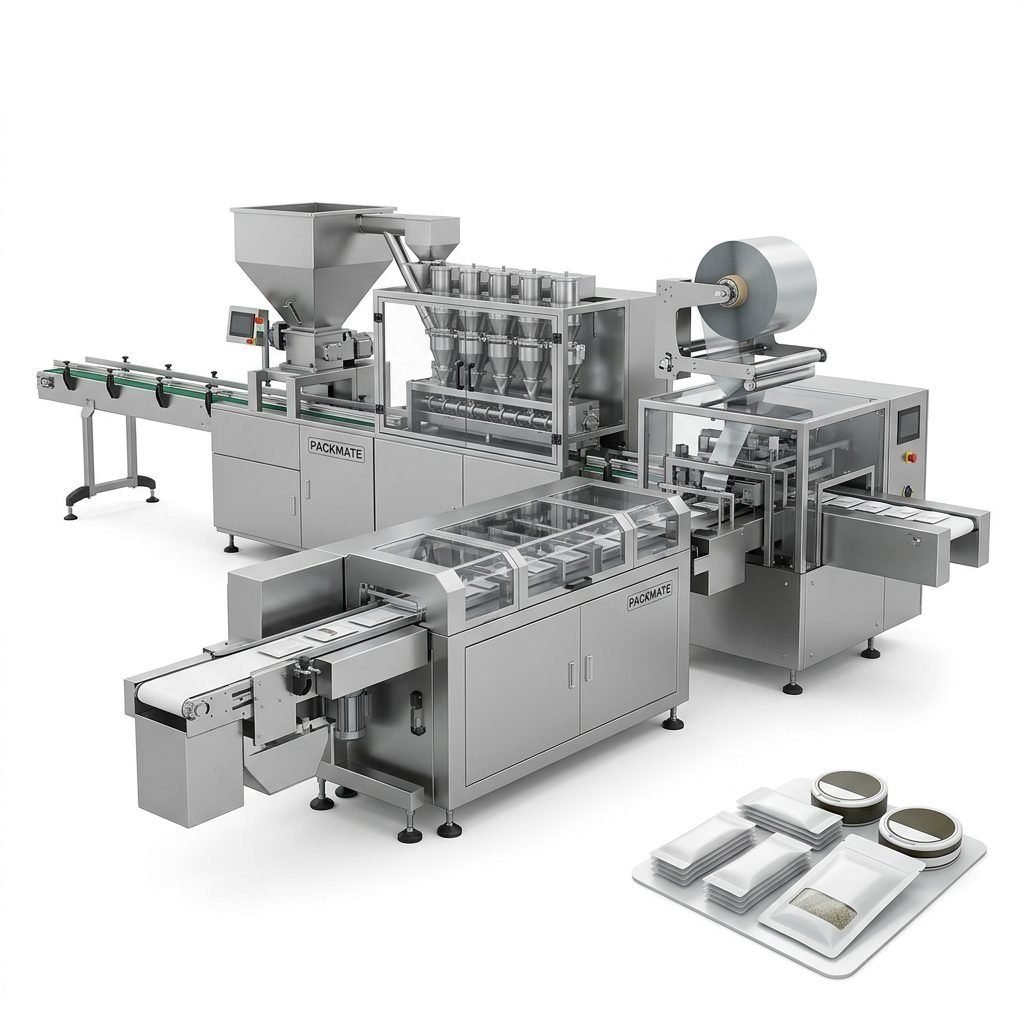
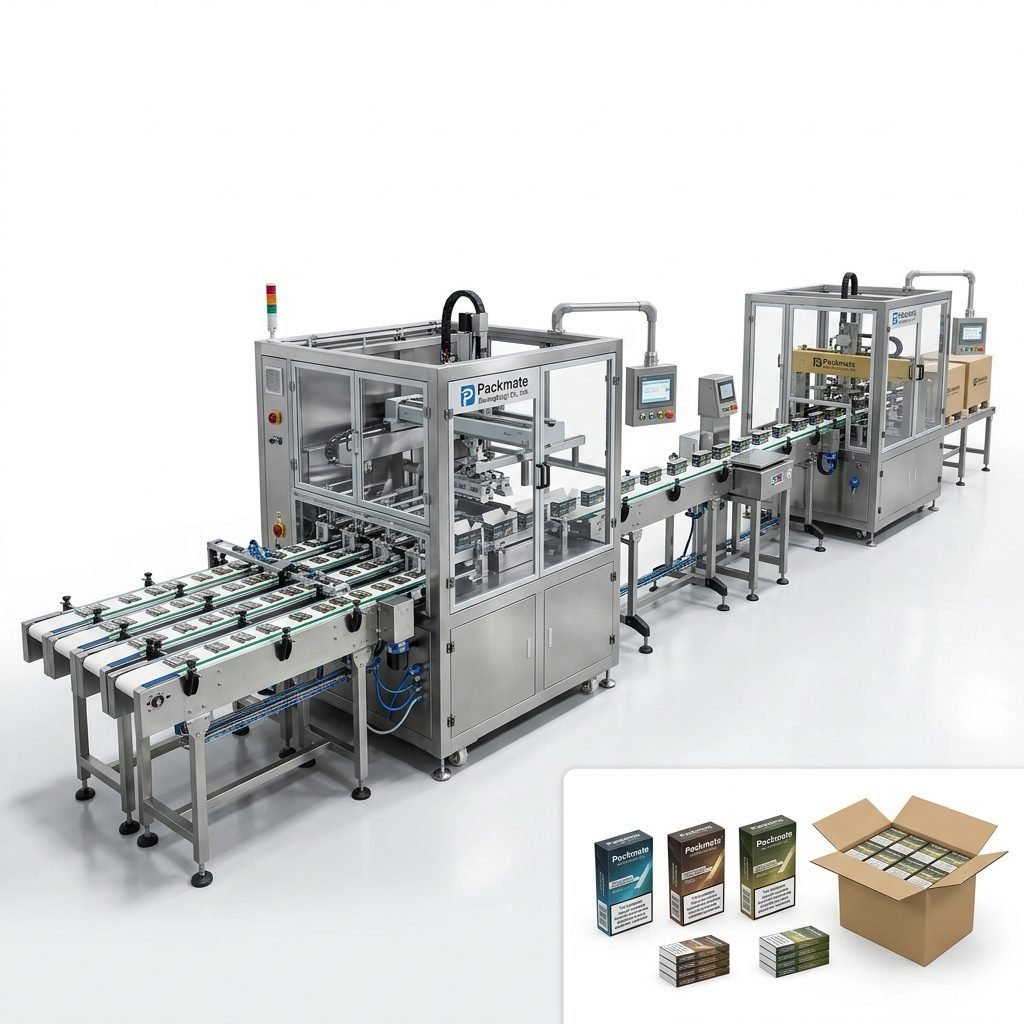
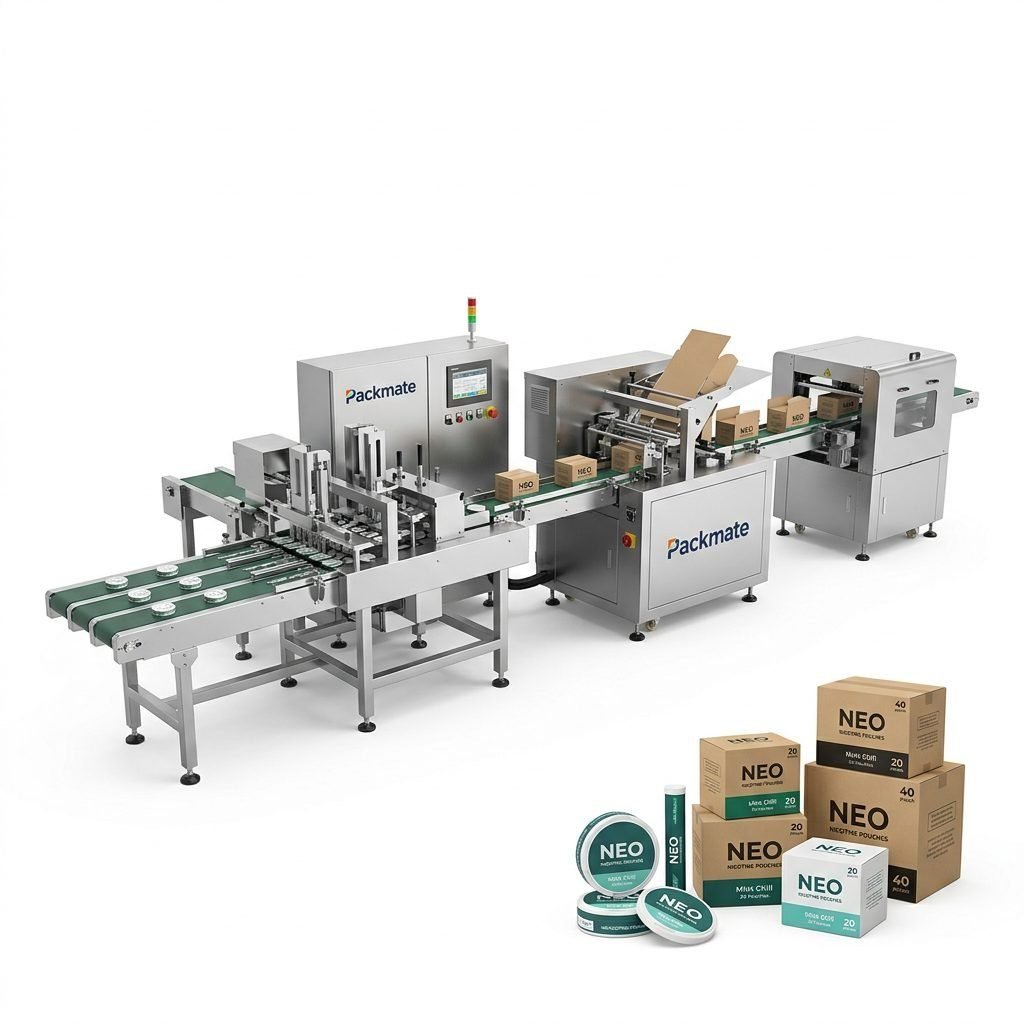
• Turnkey capabilities — can the manufacturer integrate filling, weighing, and secondary packaging into a full line? See turnkey examples: Filling & Packaging Lines.
After-sales, Spare Parts & Local Support in Cuba
For Cuban operations, rapid support and local parts availability are crucial due to logistics constraints. Evaluate:
• Spare parts policy — Ask for a recommended spare-parts kit for first 6–12 months and lead times for replacements.
• Remote support & training — Confirm availability of remote troubleshooting, operator training, and on-site commissioning. A detailed training package reduces downtime.
• Local representation or partners — A regional agent or service partner shortens response times for repairs and maintenance.
Costs, Financing & Total Cost of Ownership
Price is only one element. Calculate total cost of ownership (TCO):
• Initial machinery cost and optional modules.
• Installation, training, and qualification expenses.
• Energy consumption, spare parts, consumables, and expected MTTR (mean time to repair).
A lower upfront price may lead to higher downtime and maintenance cost. Prioritize reliability metrics and warranty terms.
Technical Features That Matter
• Dosing accuracy — Critical for nicotine products where dosage consistency is regulated. Look for electronic weighing systems and vibration-free dosing solutions.
• Multi-lane scalability — If you plan to increase capacity, choose machines that can be upgraded from single-lane to multi-lane formats without replacing core components.
• Cleanability & material compatibility — Stainless-steel contact parts, easy-to-disassemble components, and smooth surfaces reduce contamination risk.
• Automation & HMI — Intuitive human-machine interfaces, recipe management, and PLC controls speed changeovers and reduce operator errors.
Regulatory Compliance & Documentation
Nicotine products are often subject to strict regulations. Confirm that the manufacturer provides:
• CE/ISO certificates and material declarations for contact parts.
• FAT/SAT test reports, IQ/OQ documentation, and calibration certificates when required.
Documentation simplifies regulatory audits and speeds up local approvals in Cuba. Visit the manufacturer’s about page for corporate and certification details: About Packmate.
References, Case Studies & Exhibition Presence
Proof of performance is essential. Ask for:
• Case studies from similar markets and products. Reliable manufacturers will share real-world performance metrics and customer feedback. Example case archive: Case.
• Exhibition history — vendors demonstrating machines at major international trade shows are more likely to support global clients and continuous innovation. See shows and demonstrations: Our Exhibition.
Factory Visit & Virtual Audit Checklist
Use this checklist during a visit or virtual audit:
✔️ Inspect machining quality and assembly benches.
✔️ Observe running demos at production speed with your product or similar formulation.
✔️ Review QA test reports and sample outputs.
✔️ Check inventory of spare parts and lead times for custom components.
Negotiating Contracts & After-sales Terms
Ensure your purchase agreement addresses:
• Detailed scope of supply, including software, spare-parts kits, and tooling.
• Clear acceptance criteria (FAT at vendor, SAT at customer site) and test protocols.
• Warranty duration and exclusions; include service-level agreements (SLAs) for critical failures.
Strong contract language reduces ambiguity and protects uptime for your Cuban operations.
Quick checklist before you sign:
✔️ Machine demo with comparable product and output numbers.
✔️ Complete spare parts list and lead times.
✔️ Training, installation, and warranty terms documented.
Why Global Manufacturers Remain a Strong Option for Cuba
While local suppliers may provide quick access, established global manufacturers bring engineering depth, proven designs, and turnkey capability. They often maintain consistent spare parts supply, documentation for regulatory approvals, and global service networks. For example, vendors with large manufacturing facilities and 30+ years of engineering experience typically offer robust snus packaging lines and custom solutions for nicotine pouch production. Explore more service options here: Service.
How to Start the Selection Process
1) Prepare a concise RFQ with product specs, target OEE, and expected uptime.
2) Shortlist 3–5 suppliers based on references, certifications, and model range.
3) Request FAT videos or on-site demos with your product, review contracts carefully, and negotiate SLAs and spare parts commitments. For direct contact and inquiries, use the manufacturer’s contact page: Contact Us.
Final Recommendation
The best nicotine packaging machinery manufacturer for Cuban operations will be the one that combines proven machine design, clear documentation for regulatory compliance, realistic lead times for parts and support, and a transparent service relationship. Prioritize a partner who demonstrates experience with snus and nicotine pouch lines, offers turnkey options, and is willing to validate performance through FAT and case studies.
Useful Resources
If you want to explore specific machine categories and specifications, consider reviewing the manufacturer’s product pages for detailed model comparisons: Snus & Nicotine Packaging Machines, Bag & Pouch Packaging Machines, and Auxiliary Packaging Equipment.
Key takeaway: Choose a supplier who balances engineering experience, documented quality, and reliable after-sales support — these factors determine long-term production success more than the lowest upfront price.
Frequently Asked Questions (FAQs)
Q1: How long does it typically take from order to machine delivery and installation for nicotine pouch machines shipped to Cuba?
A1: Typical lead times vary by model complexity and customization. Standard machines may ship in 8–16 weeks, while fully customized turnkey lines can take 4–6 months. Factor in additional time for shipping, import clearance, and on-site commissioning.
Q2: What warranties and post-sale services should I expect?
A2: Standard warranties generally cover 12 months for mechanical and electrical faults. Strong suppliers offer extended support contracts, remote troubleshooting, spare-part kits, and operator training. Clarify SLAs for critical failures.
Q3: Can these machines be upgraded from single-lane to multi-lane production?
A3: Many modern designs are modular and allow capacity upgrades by adding lanes or optional modules. Confirm upgrade paths and compatibility before purchase to avoid unexpected replacement costs.
Q4: What certifications should I request for regulatory compliance in nicotine product manufacturing?
A4: Request CE and ISO certificates, material compliance reports for product-contact parts, and FAT/IQ/OQ documentation. These documents facilitate local approvals and product audits.
Q5: How do I arrange training and machine qualification on-site in Cuba?
A5: Confirm training packages during negotiation. Good suppliers provide a combination of on-site commissioning, operator training, maintenance workshops, and remote follow-up sessions to ensure smooth qualification and handover.