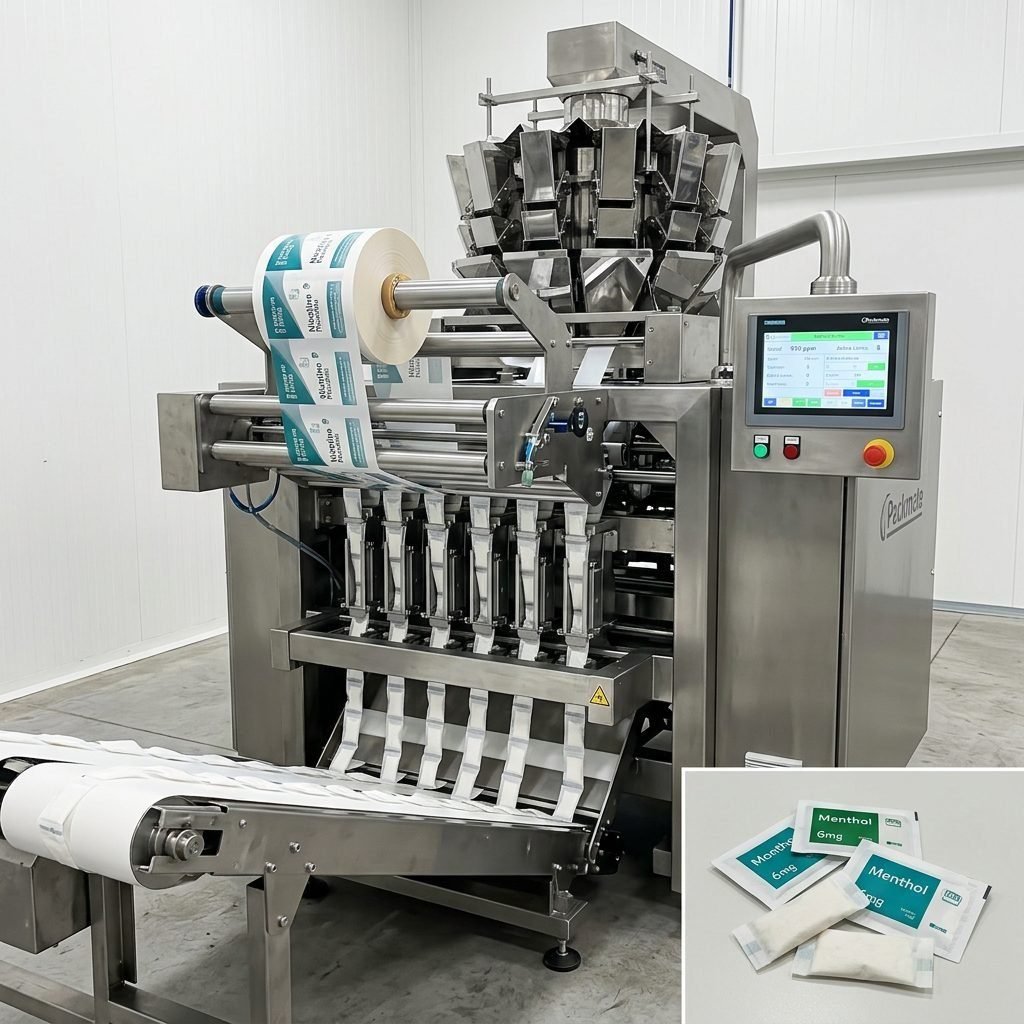
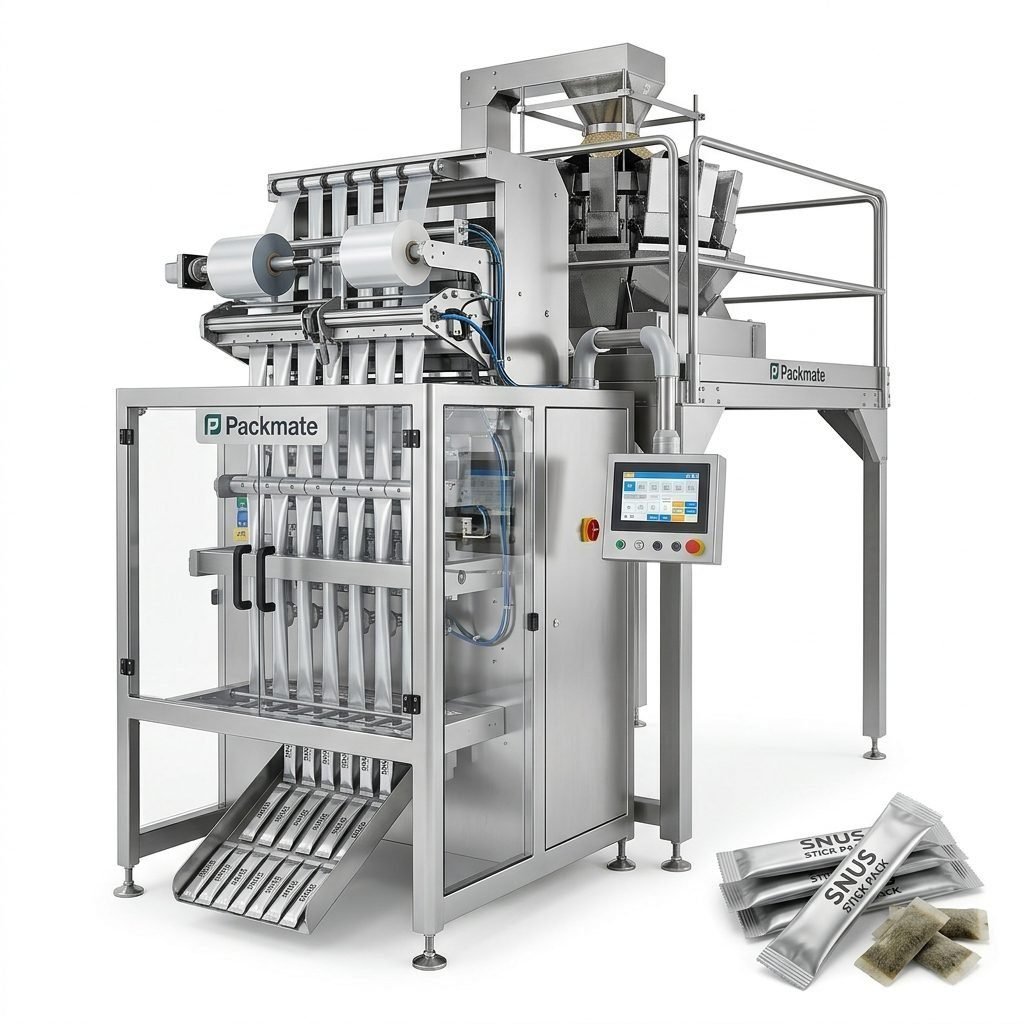
Choosing the right snus packaging machine for a small island market like the Solomon Islands requires a blend of technical understanding, respect for local logistics and culture, and realistic budgeting. This practical buyer’s guide walks you through the selection process step by step, helping importers, contract packers, and local entrepreneurs make confident decisions about snus and nicotine pouch packaging equipment that fit local demand, infrastructure, and regulations.
Understand the Solomon Islands Context
The Solomon Islands is an archipelago with dispersed population centers and a strong communal culture. In many provinces, retail happens through small shops and market stalls rather than large supermarkets. This influences preferred pack sizes, distribution frequency, and the level of automation that makes sense. Import routes are limited and freight costs can be high, so consider machines that are reliable, easy to maintain locally, and tolerant of occasional supply delays for spare parts.
⚠️ Local regulation note: Laws and tax rules around tobacco, nicotine pouches and related products can change. Before purchasing, confirm local legal status, labeling requirements, and import restrictions with Solomon Islands authorities or a local legal advisor.
Why these local factors matter
Small-batch flexibility, ease of operator training, and low downtime are often more valuable than raw maximum throughput for island markets. A machine that delivers consistent quality and can be serviced by technicians with basic tooling will produce better business outcomes than a high-speed line that requires frequent specialized service visits from overseas.
Define Your Production Targets
Start by defining daily, weekly, and monthly production goals. Are you packaging snus for a local brand, supplying a regional chain in the Pacific, or acting as a contract packer for imports? Typical questions to answer:
✅ Target units per day/week
✅ Mix of pack formats (single pouches, multi-pouch sachets, stick packs)
✅ Required levels of automation and shift patterns
Practical capacity thresholds
For a new operation in the Solomons, a single-lane or 2–4 lane machine that produces between 1,000 and 20,000 pouches per day often matches demand and keeps initial investment manageable. If you plan rapid expansion or export, consider modular multi-lane systems that scale without complete replacement.
Decide on the Right Packaging Format
Different formats require different machine types. Common formats include:
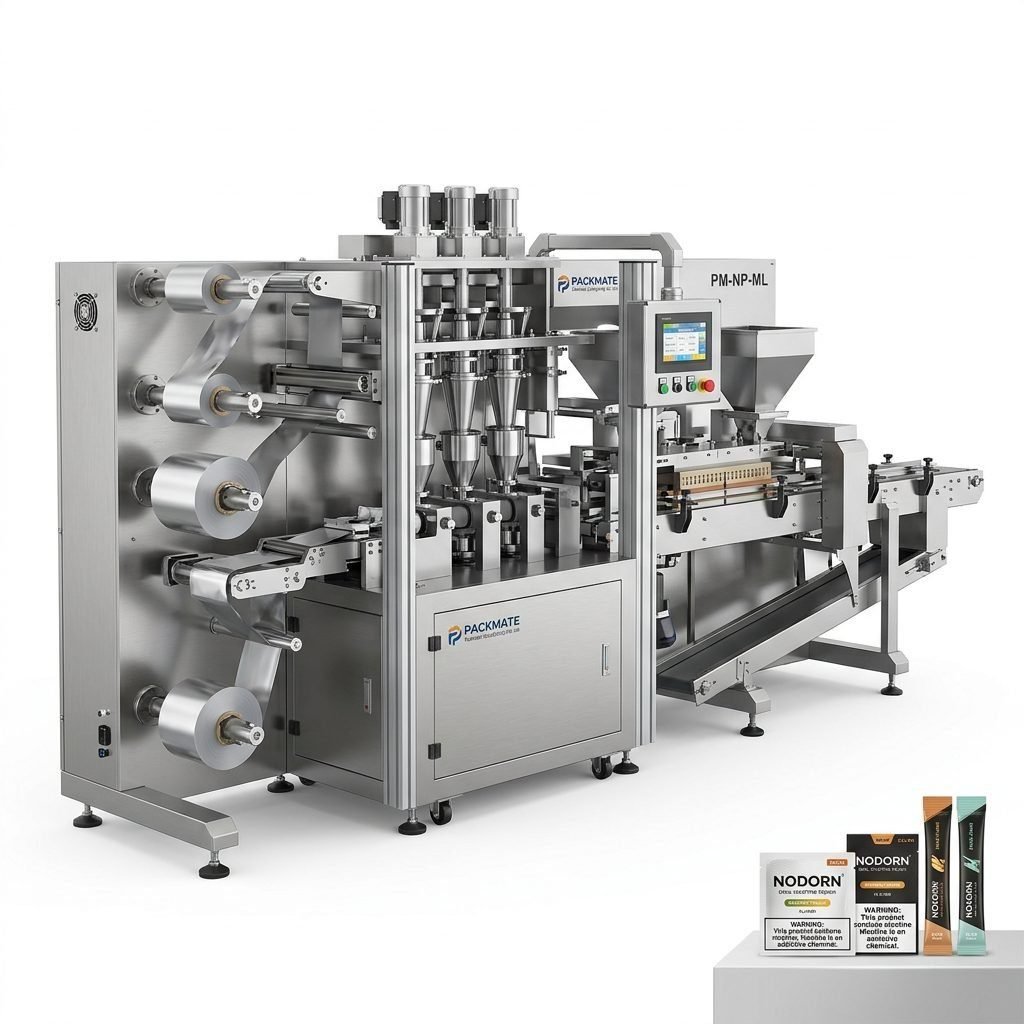
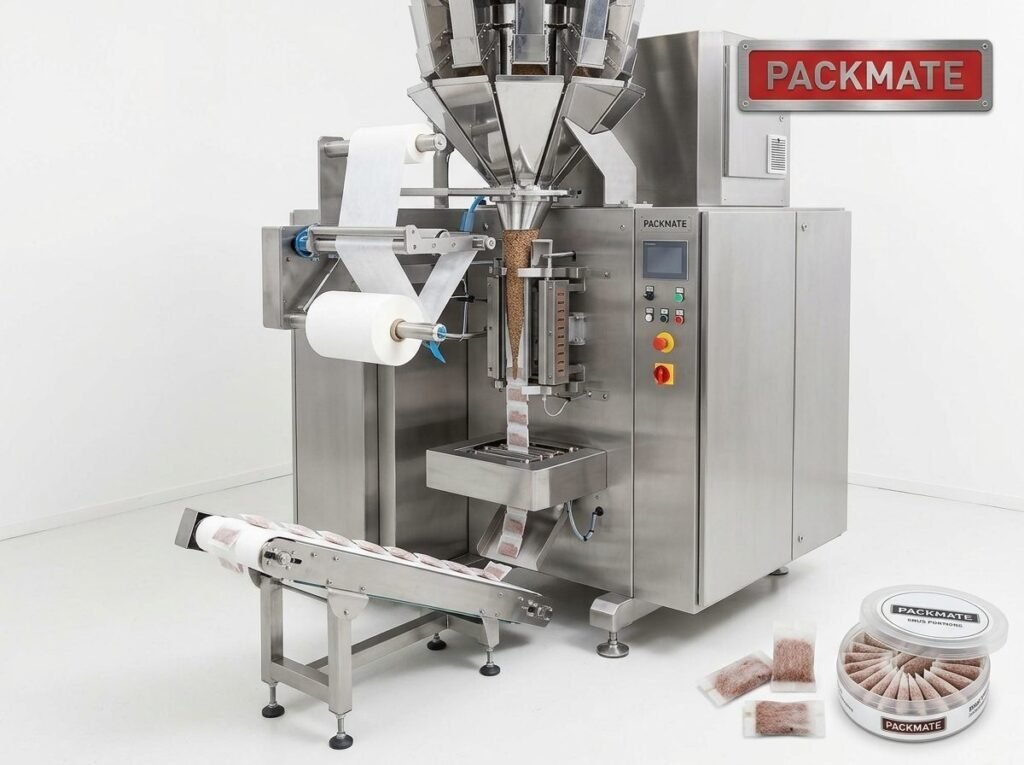
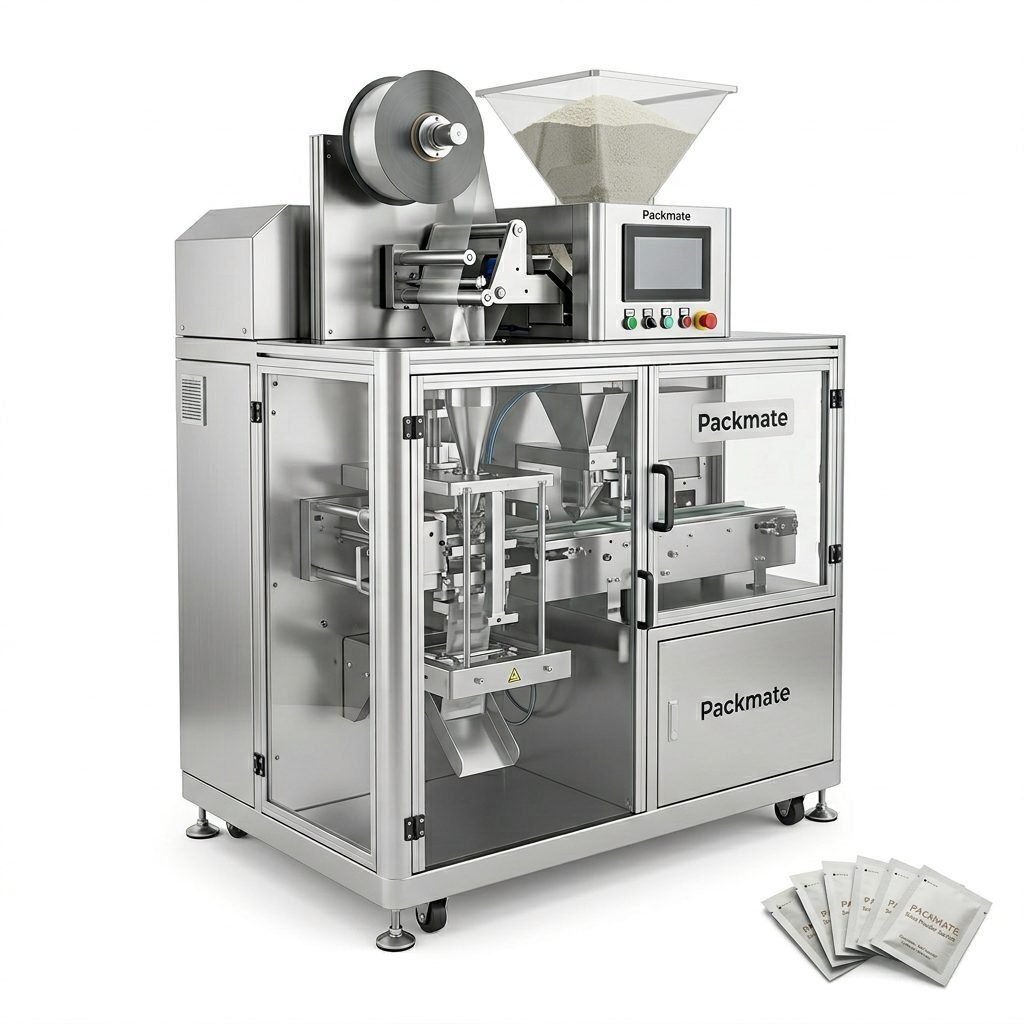
- Single-dose snus pouches (small sachets)
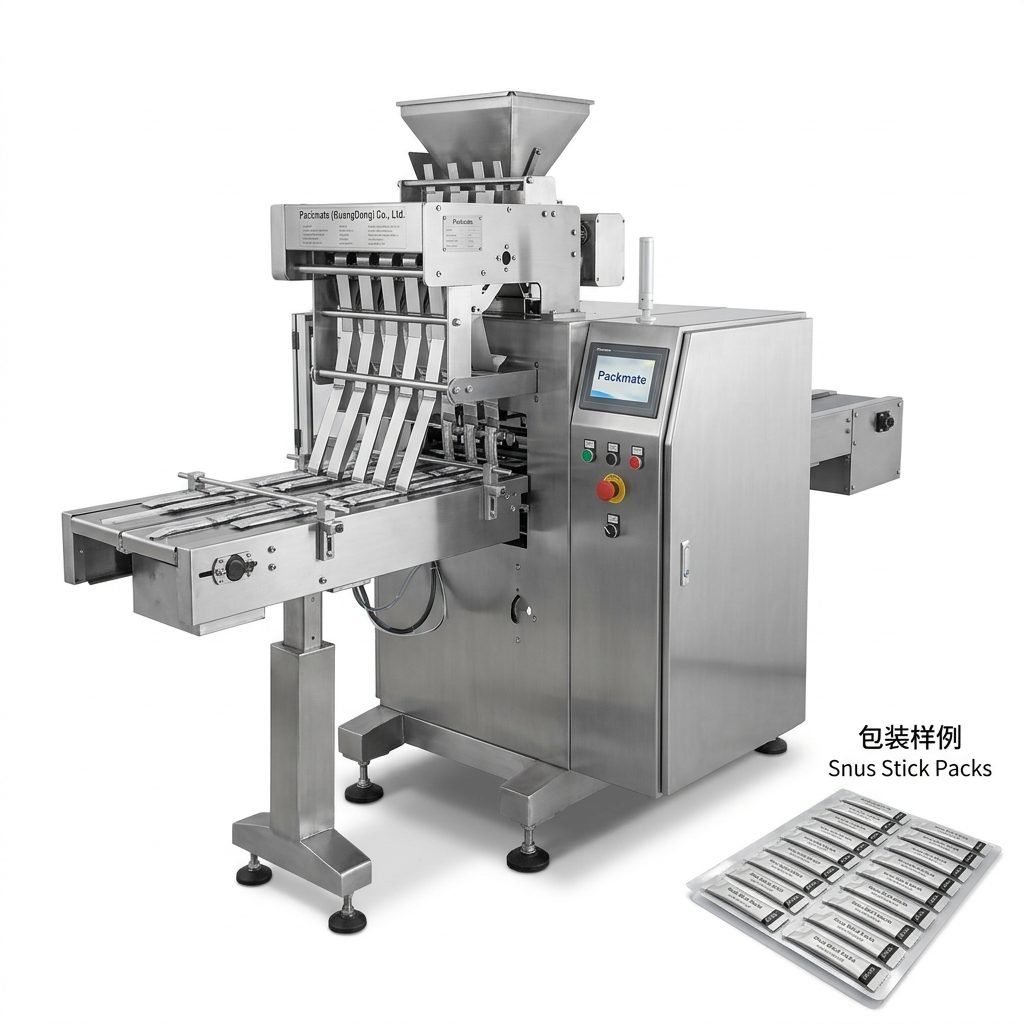
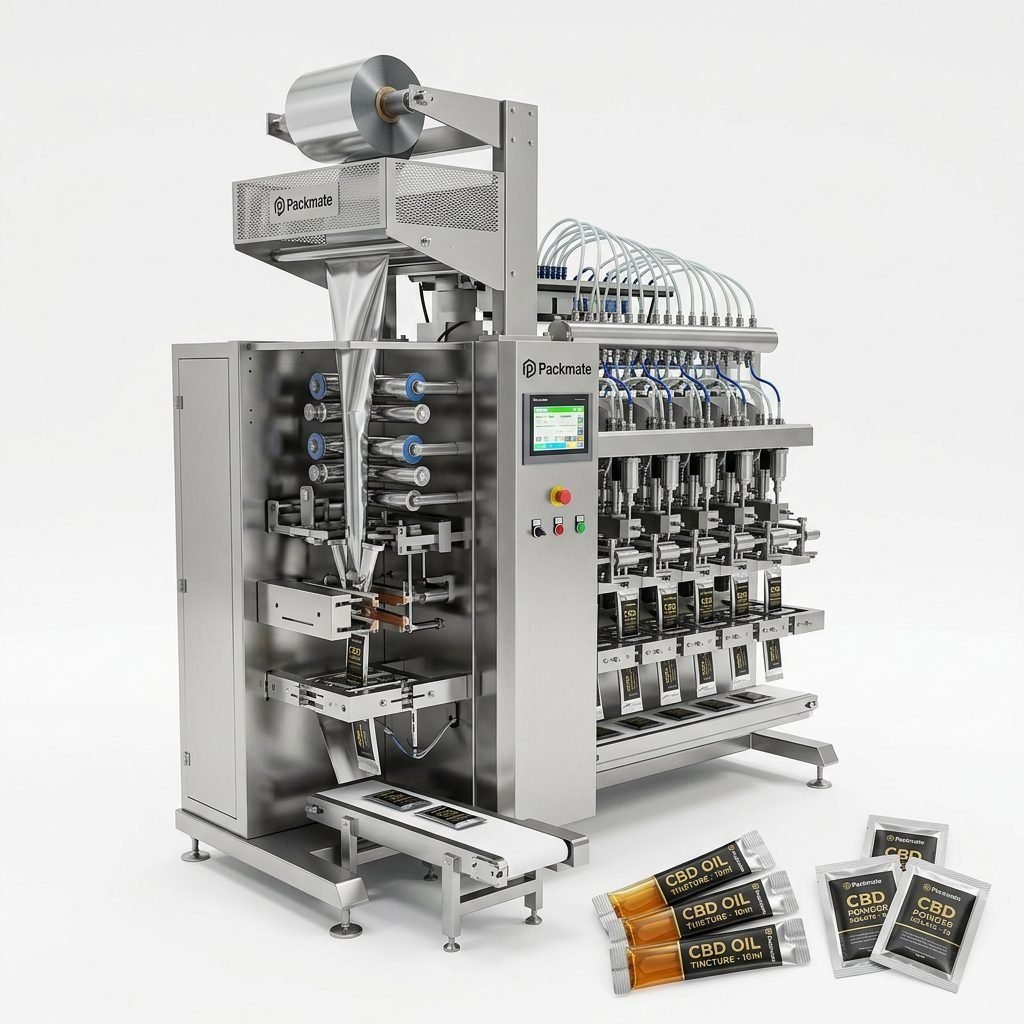
- Stick packs for portioned doses
- Multi-pouch flow-wrap or outer carton integration
Match your chosen format to customer preferences in the Solomon Islands. Many island consumers prefer compact, easy-to-carry packs that fit small shops and pockets.
Key Machine Selection Criteria
Use the following checklist to evaluate potential machines:
1. Compatibility with product and packaging material
Ensure the machine handles your snus formula (powder, granule, or moist pouch) and packaging materials (paper-based, laminated film, biodegradable options). Machines that allow quick tooling changes will save setup time if you run multiple SKUs.
2. Throughput and scalability
Compare rated throughput vs. realistic output. Manufacturer speeds are often tested under ideal conditions — expect slightly lower real-world figures. Consider modular machines or multi-lane options for future capacity increases.
3. Reliability and local serviceability
Machines built with standard electrical components, easy-to-source spare parts, and clear documentation reduce downtime. Ask suppliers about local partners, spare parts logistics, and remote diagnostic support.
📦 Tip: Choose machines from vendors that provide clear spare-parts lists and the option to kit common wear items for freight-efficient shipments to the Solomons.
4. Automation level and operator training
Highly automated lines reduce labor but require higher-skilled technicians. In many island settings, a balance toward semi-automatic or easy-to-operate automated lines with intuitive HMI is preferable. Confirm training scope and whether the supplier offers on-site commissioning or remote training.
5. Energy and utilities
Check machine power, compressed air consumption, and water needs. In areas with unstable electricity, machines tolerant of voltage fluctuations or compatible with generators are advantageous. Factor in local utility costs for total operating expenses.
Choose a Trusted Supplier
A reputable supplier will reduce risk. Evaluate potential vendors on experience, machinery portfolio, certifications, and global support. Packmate Snus Machine is one example of a professional manufacturer with more than 30 years of experience, a large factory footprint, and CE/ISO compliance — qualities that matter when buying equipment for remote markets.
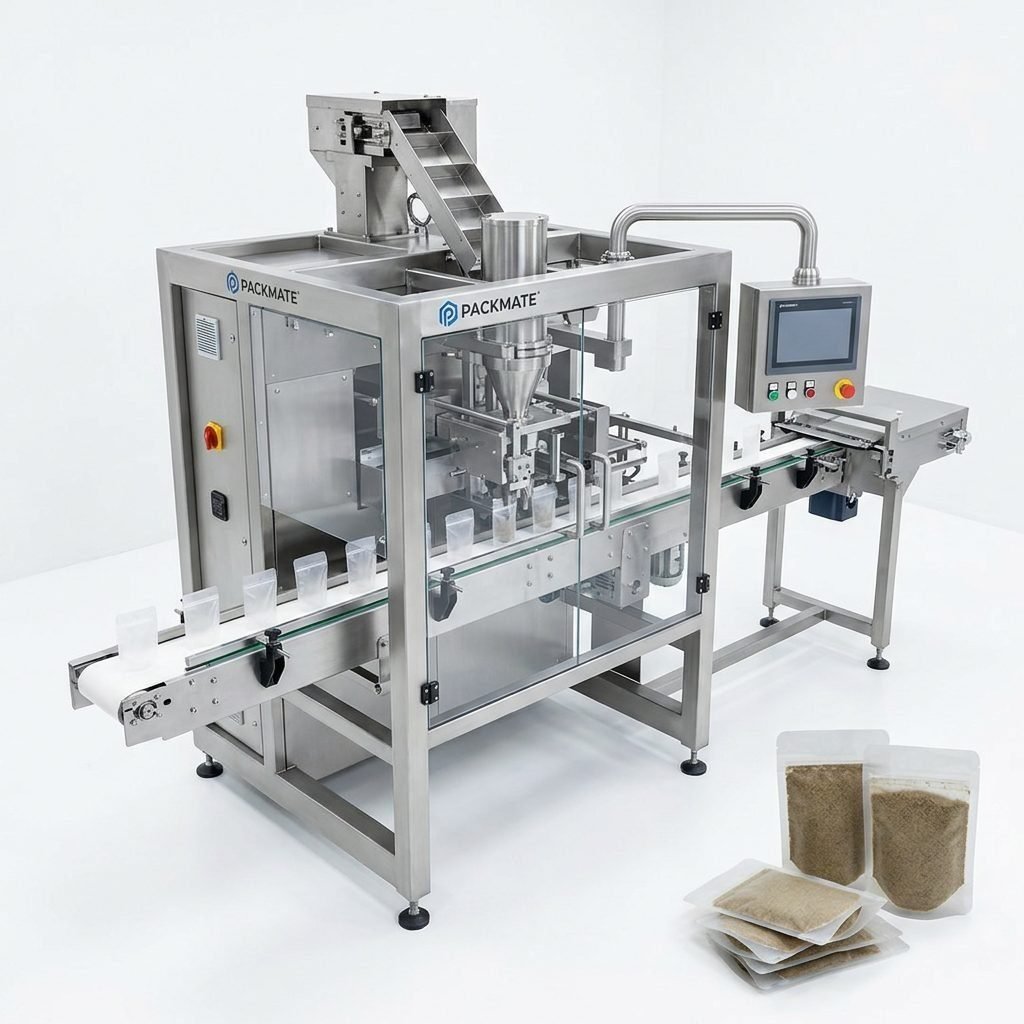
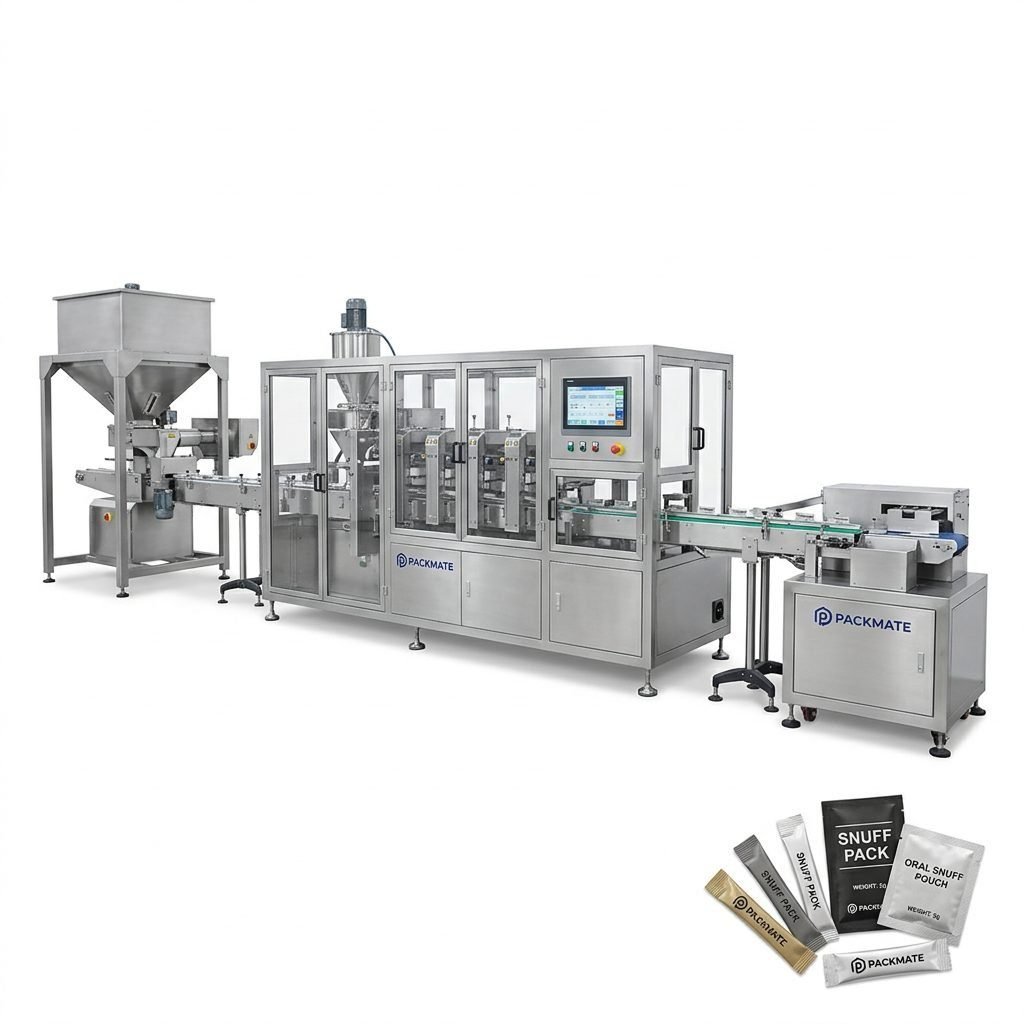
Explore compatible product lines and machine models to match your needs: Snus & Nicotine Packaging Machines, Bag & Pouch Packaging Machines, or modular Sachet & Stick Pack Machines.
What to ask a supplier
Ask for factory acceptance test videos, CE/ISO certificates, references in similar markets, spare parts lead times, and installation packages. Verify whether the supplier offers remote monitoring, commissioning, and ongoing service.
Installation, Site Preparation and Utilities
Preparing your site prevents costly delays. Ensure your production area supports machine footprint, foundation load, ventilation, and hygiene requirements. Confirm power supply specs and stable compressed air. For island sites, designate a secure storage area for spare parts and consumables to avoid extended downtime during shipping delays.
⚙️ Site checklist: floor strength, power supply (V/Hz), air pressure/flow, drainage, operator work area, and pallet access for incoming materials.
Total Cost of Ownership (TCO) Considerations
Purchase price is only part of the story. Calculate TCO across machine lifetime, including spare parts, consumables (films, pouches, adhesives), energy costs, maintenance labor, and shipping. For the Solomon Islands, increased freight and customs costs can significantly affect TCO, so plan spare-part inventory levels accordingly.
Warranty & after-sales service
Prioritize suppliers who offer clear warranty terms and service commitments. Ensure access to technical manuals, electrical drawings, and remote troubleshooting capabilities. Consider extended service contracts if local technical expertise is limited.
Practical Procurement Steps
Follow a structured purchasing process:
- Request detailed specifications and FAT (Factory Acceptance Test) evidence
- Compare TCO, not just invoice price
- Confirm spare-part kits and shipping timelines
- Plan for training and commissioning (on-site or remote)
- Negotiate payment terms that match shipment risk
Logistics and import tips for the Solomons
Consolidate shipments where possible, use trusted freight forwarders with Pacific experience, and prepare required documentation early to avoid customs delays. Keep a small local stock of high-wear parts and consumables to minimize downtime between shipments.
Sustainability and Packaging Waste
Consider packaging materials that balance cost, shelf life, and environmental impact. The Solomon Islands has fragile ecosystems; reducing plastic waste through recyclable or biodegradable films can be a competitive advantage and aligns with community values. Discuss material options with your machine supplier to ensure compatibility.
Case Example: A Typical Small-Scale Line
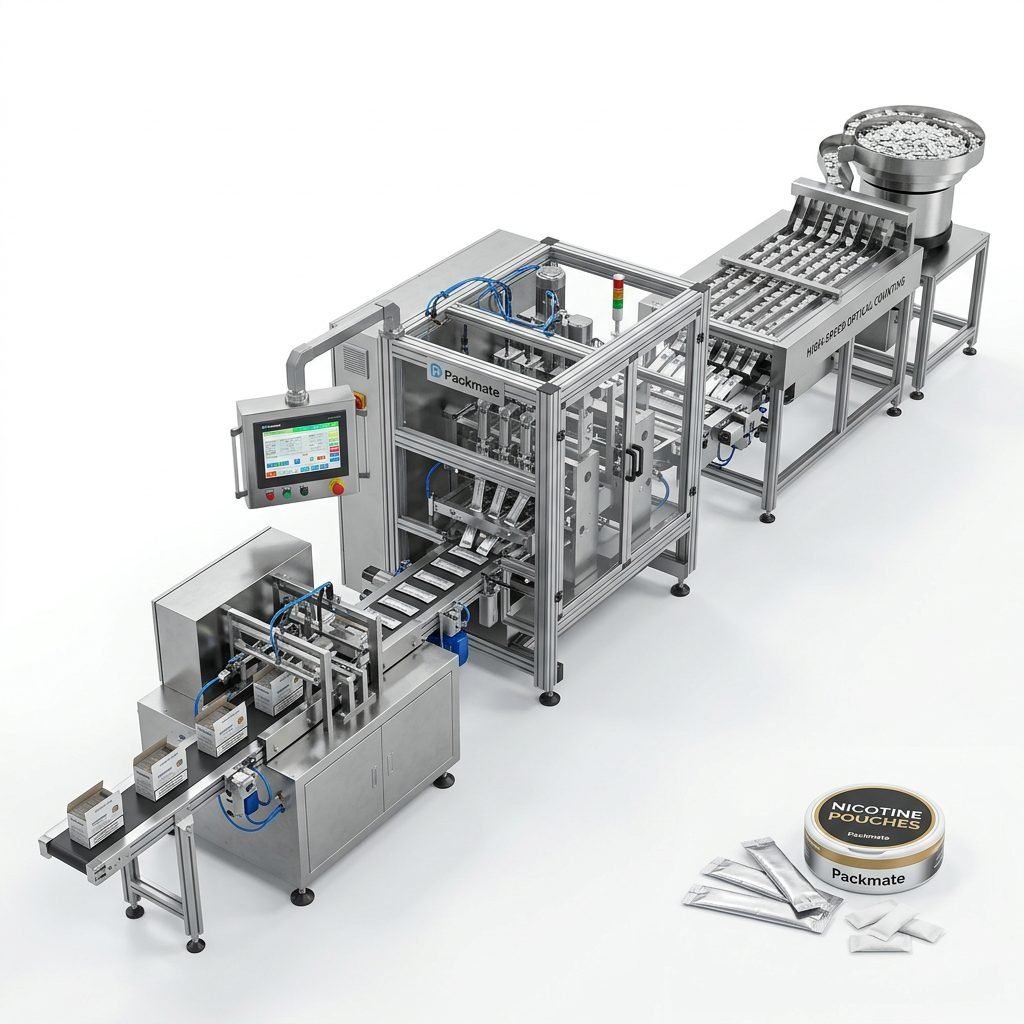
A practical small-scale configuration for a Solomon Islands operator could include a 2–4 lane snus pouch machine with a rotary filling station, integrated checkweigher, and simple flow-wrapping or carton integration. This setup balances throughput with maintainability and keeps initial investment and operating complexity manageable.
For turnkey options and lines tailored to nicotine pouch production, review turnkey packaging solutions and modular filling lines from specialist manufacturers to speed up deployment and reduce integration risk. See examples at Filling & Packaging Lines.
📌 Quick vendor checklist
• Experience with snus/nicotine pouch machines
• CE/ISO compliance and FAT evidence
• Spare parts availability and clear shipping plan
• Local or remote commissioning support
Final Buying Tips
– Prioritize machines that combine durability, ease of maintenance, and modular scalability.
– Confirm all regulatory, labeling, and import requirements before ordering.
– Keep a parts buffer to mitigate long freight times to the Solomon Islands.
– Build a relationship with a supplier that provides training, documentation, and after-sales support.
If you want to explore trusted manufacturers and machine families, visit the manufacturer’s company pages and catalogs for more information, technical specs, and contact options: About Packmate and Contact Us.
Next steps for buyers in the Solomon Islands
Start by documenting your product SKUs and forecasted volumes, then request machine quotes and FAT videos from shortlisted suppliers. Plan site preparation early, and budget for spare parts and training. With thoughtful planning, a well-chosen snus packaging machine can provide reliable production and help you meet growing local and regional demand.
Common Questions
Q1: How much power does a typical snus packaging machine require?
A1: Power needs vary by model and automation level, but many machines operate on standard industrial supplies. Confirm exact V/Hz and peak power draw with the supplier. In island contexts, ensure compatibility with generators or stabilizers if grid power is unreliable.
Q2: What spare parts should I keep locally?
A2: Keep critical wear parts (seals, blades, belts, sensors), PLC fuses, and common electrical components in stock. Suppliers can provide recommended spare-part kits for export-friendly packing.
Q3: Can a supplier provide remote commissioning and training?
A3: Many modern suppliers offer remote commissioning, video guidance, and online troubleshooting. However, plan for at least initial on-site setup if possible, or arrange paid on-site commissioning via trusted local agents.
Q4: Are eco-friendly packaging materials compatible with snus machines?
A4: Yes, but compatibility depends on material strength, sealing temperature, and thickness. Discuss material trials with your supplier to qualify films or laminates before committing to large orders.
Q5: Where can I find examples and technical catalogs?
A5: Review product lines and technical resources on manufacturer websites and catalogs. For example, consult the Catalog and case studies to compare real-world deployments.