Choosing the right nicotine packaging machinery in Saint Lucia is a critical step for manufacturers and importers aiming to scale reliably while meeting regulatory and quality requirements. Whether you are launching a new nicotine pouch brand, expanding production capacity, or replacing outdated equipment, this guide will walk you through the technical, commercial, and operational factors that matter most. Read on to make an informed decision that balances performance, compliance, and long-term value.
Understand Your Product Requirements
Nicotine pouches and snus have specific packaging demands: consistent dosing, moisture control, tamper-evident seals, and compact presentation. Start by defining the product parameters: pouch dimensions and material, target weight per pouch, moisture sensitivity, and whether you need multi-lane production for small-dose pouches. Matching machine type to these parameters prevents costly modifications later.
Key product questions:
✅ What is the exact pouch size and acceptable weight tolerance?
✅ Is the product hygroscopic or powdery, requiring special dosing?
✅ Do you need single-lane or multi-lane lines for higher throughput?
Select the Right Machine Type
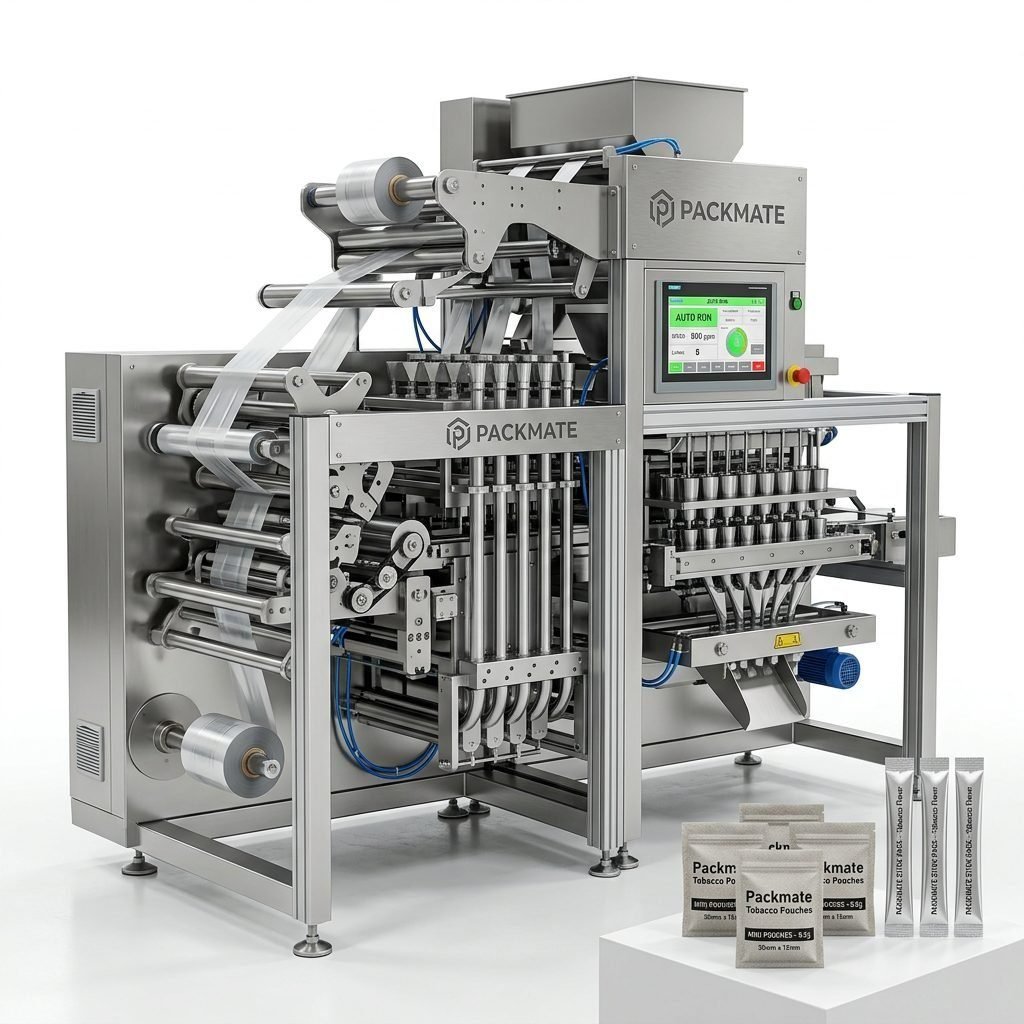
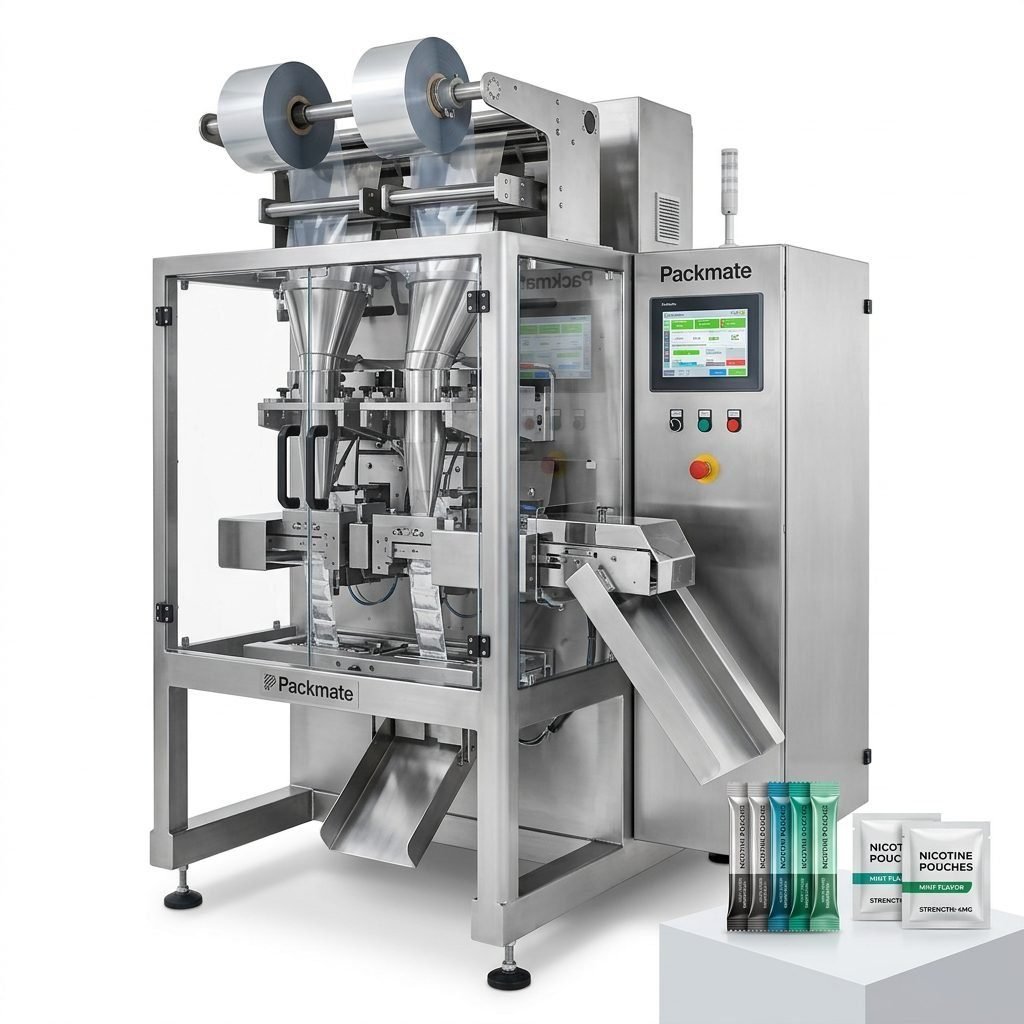
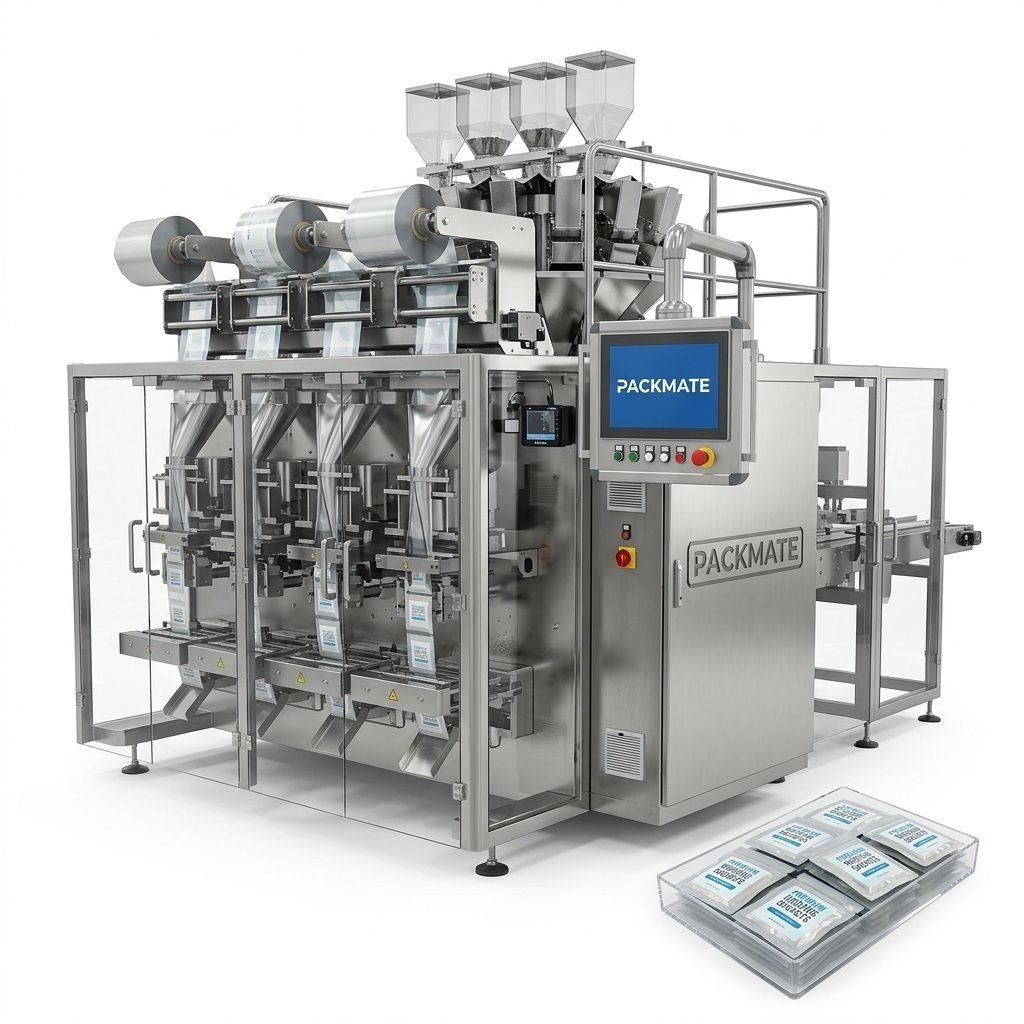
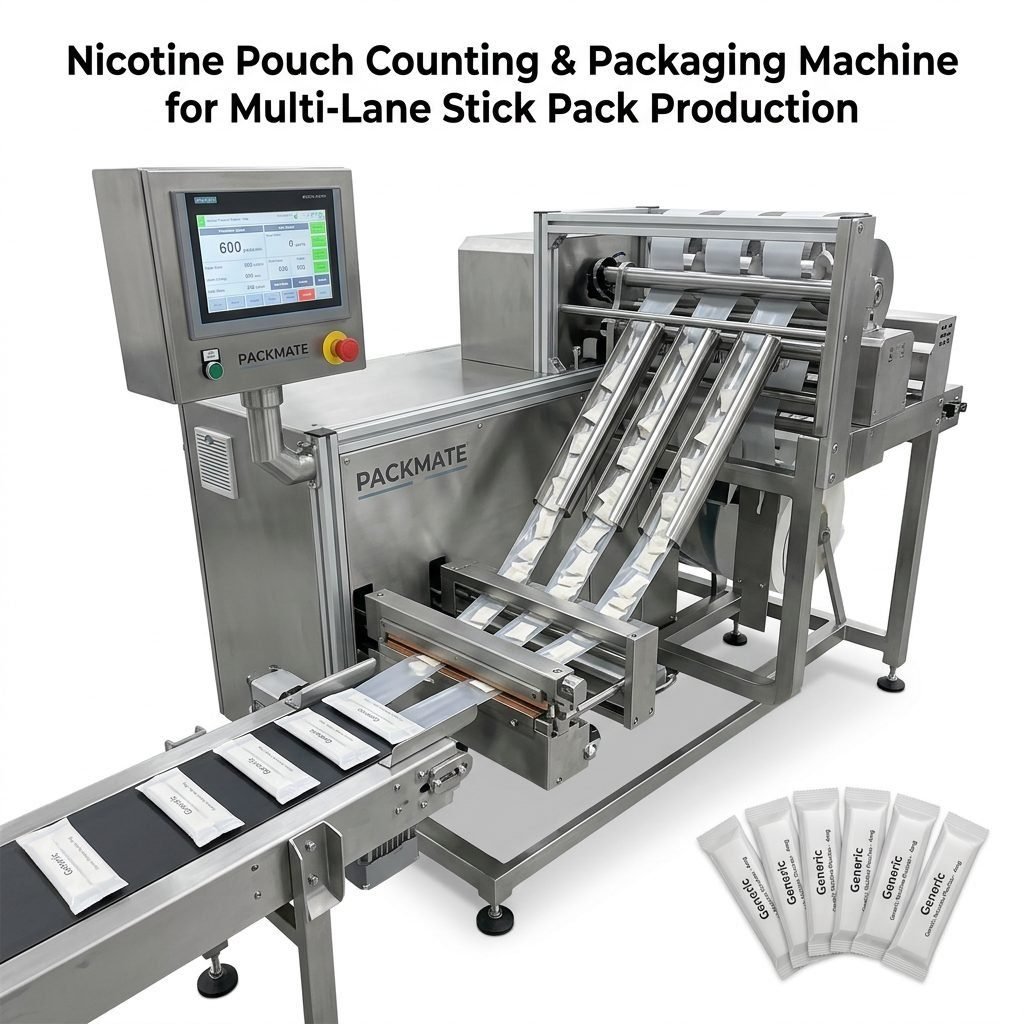
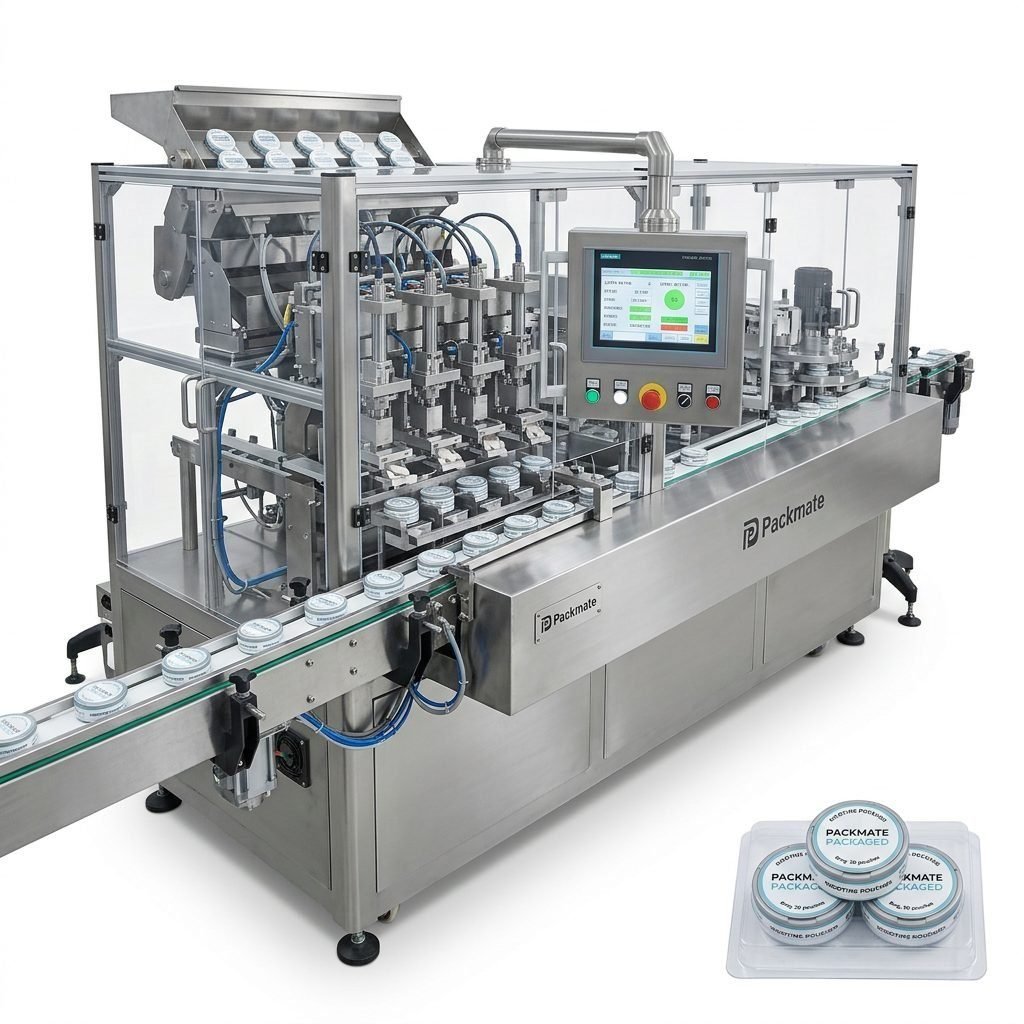
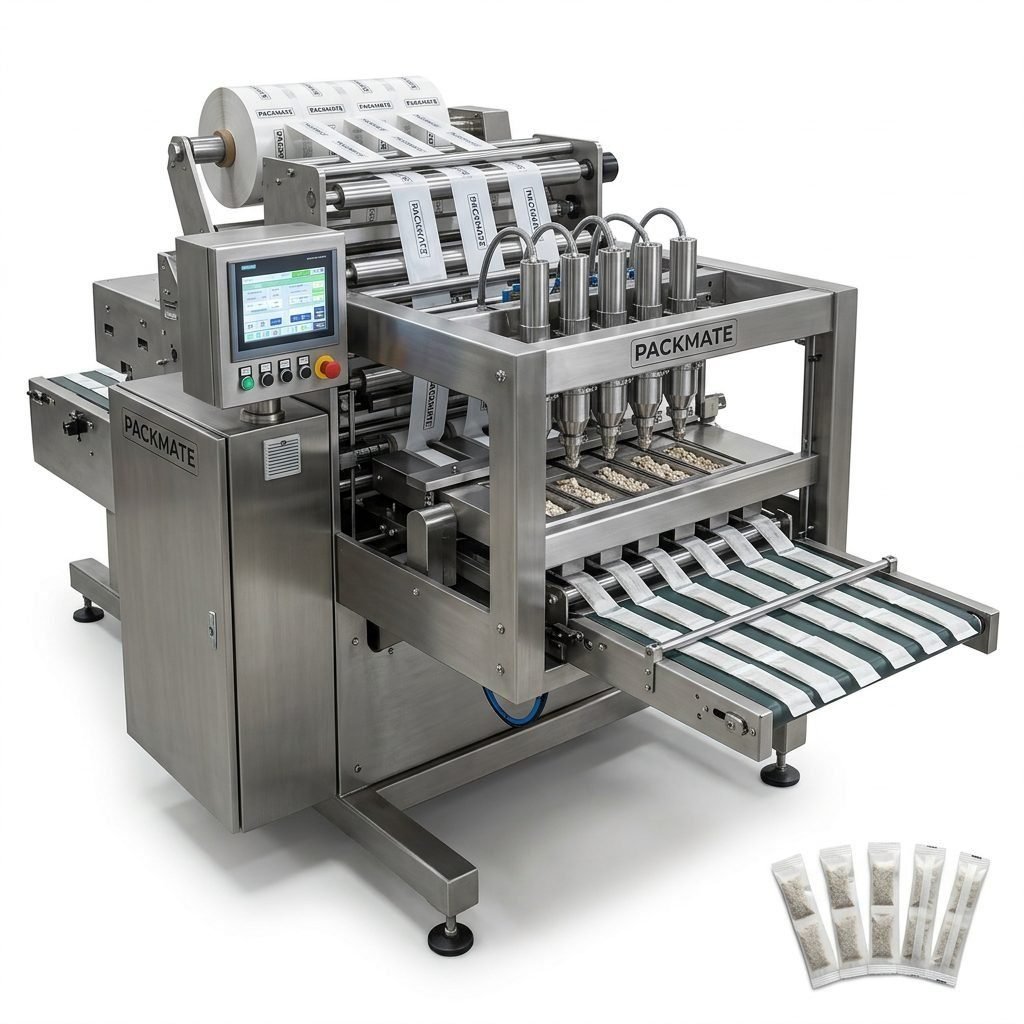
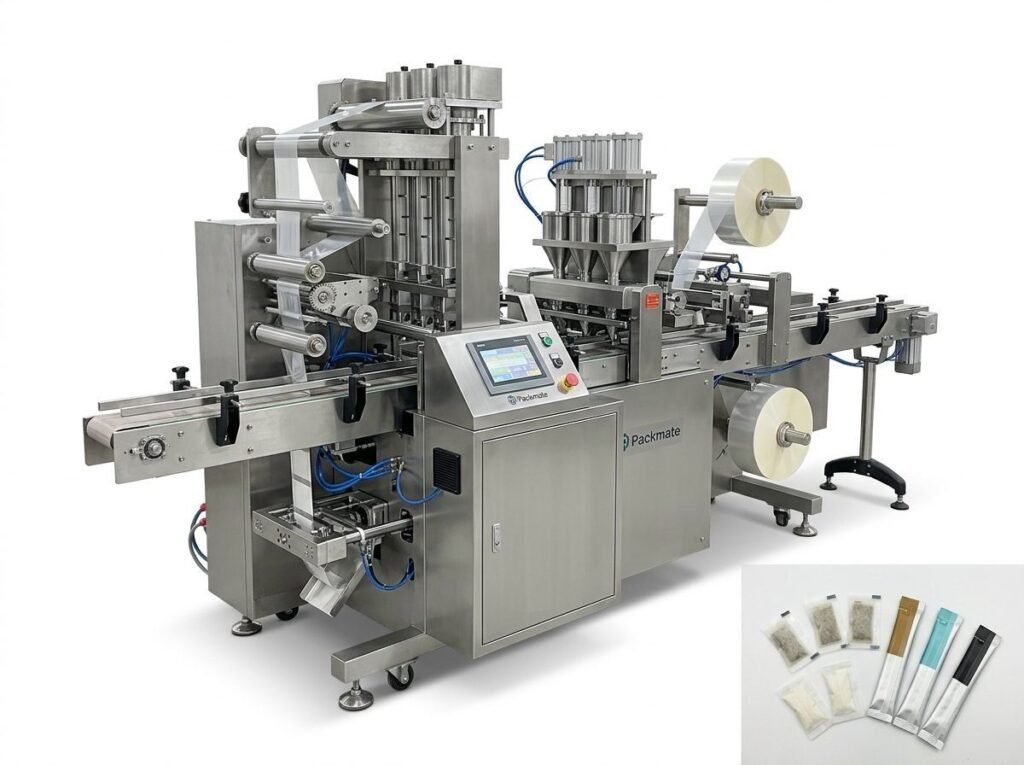
There are several machine categories suited for nicotine packaging: vertical form-fill-seal, stick pack, sachet and pouch machines, and specialized multi-lane snus packing systems. For nicotine pouches specifically, high-precision multi-lane machines provide stable dosing and excellent throughput. Explore equipment options and specifications at a reliable supplier to compare models and configurations: Snus & Nicotine Packaging Machines.
Regulatory and Compliance Considerations in Saint Lucia
Regulatory compliance is non-negotiable when selling nicotine products. Ensure any imported machinery helps you meet hygiene and safety standards and does not conflict with local tobacco and nicotine regulations. Machines with international certifications (such as CE and ISO) and documented material traceability simplify audits and approvals. Learn more about certifications and standards from reputable manufacturers: Certificate.
Production Capacity, Throughput, and Scalability
Estimate your current and near-future production needs carefully. Machines vary widely in throughput: low-speed semi-automatic machines suit pilot and R&D, while multi-lane automated lines handle high-volume production. Consider peak demand, seasonal spikes, and the possibility of product line expansion. A modular line design allows adding lanes or integrating auxiliary equipment later, reducing initial investment while keeping an upgrade path open.
Production planning tip:
🔧 Choose machines that support modular expansion and spare parts commonality across models.
Critical Machine Features to Evaluate
When comparing models, focus on functional design and materials handling. The most impactful features include:
🔹 Precision dosing systems (volumetric, auger, or loss-in-weight) for consistent nicotine dosage.
🔹 Gentle product transport and anti-clogging mechanisms that minimize dust generation and product loss.
🔹 Quick-change tooling for fast format changeovers, reducing downtime.
🔹 User-friendly HMI with PLC controls and recipe management to store parameters for different SKUs.
🔹 Sanitary design and easy cleaning access to meet hygiene standards.
Must-have features for nicotine pouch lines:
⚠️ Accurate micro-dosing, stable multi-lane synchronization, and robust sealing systems are essential for product quality and compliance.
Automation Level: Semi-Auto vs Full Automation
Decide whether to invest in semi-automatic or fully automated lines. Semi-automatic equipment is suitable for small runs, product trials, and lower-capex projects. Fully automated systems reduce labor cost per unit, improve consistency, and are preferred for long-term high-volume production. Calculate ROI by factoring in labor savings, downtime reduction, and throughput gains. If you plan to scale quickly in Saint Lucia or export regionally, automated multi-lane systems are often the best long-term investment.
Integration with Auxiliary Equipment
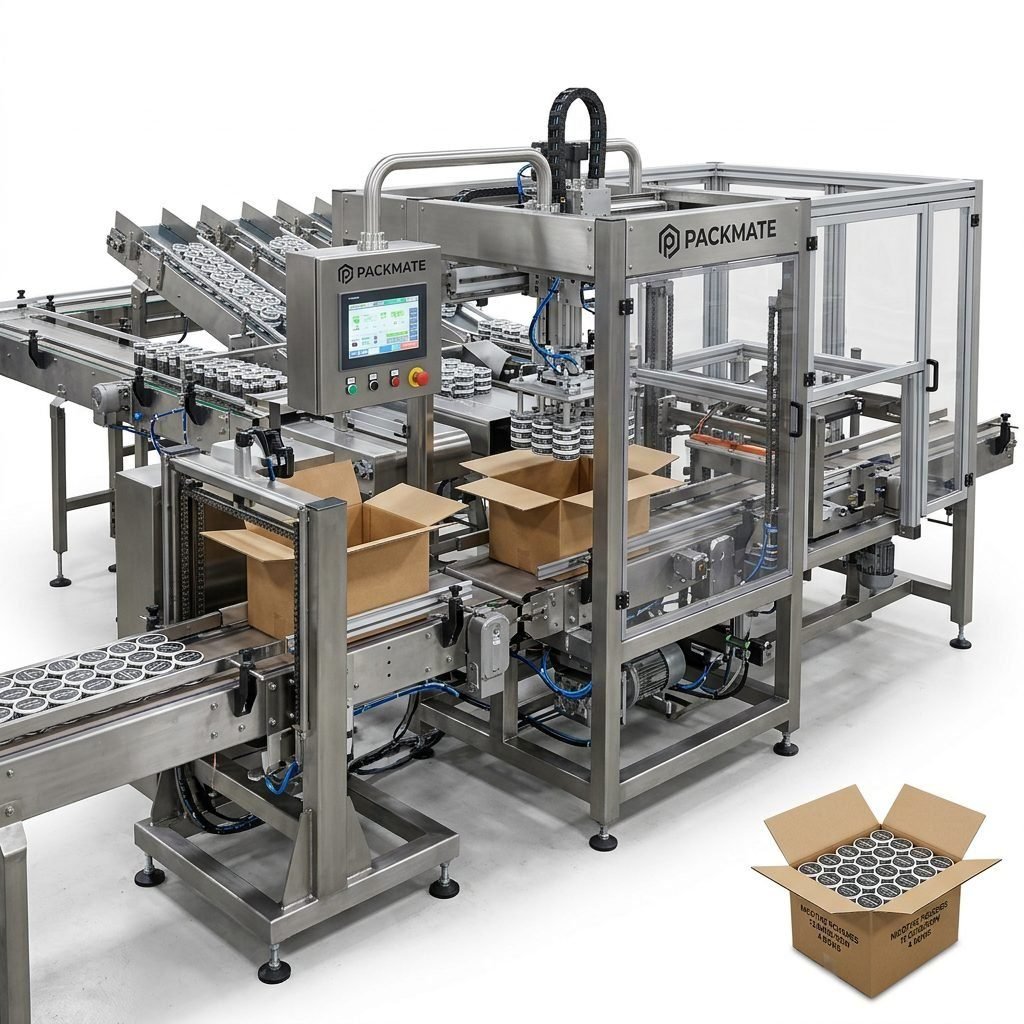
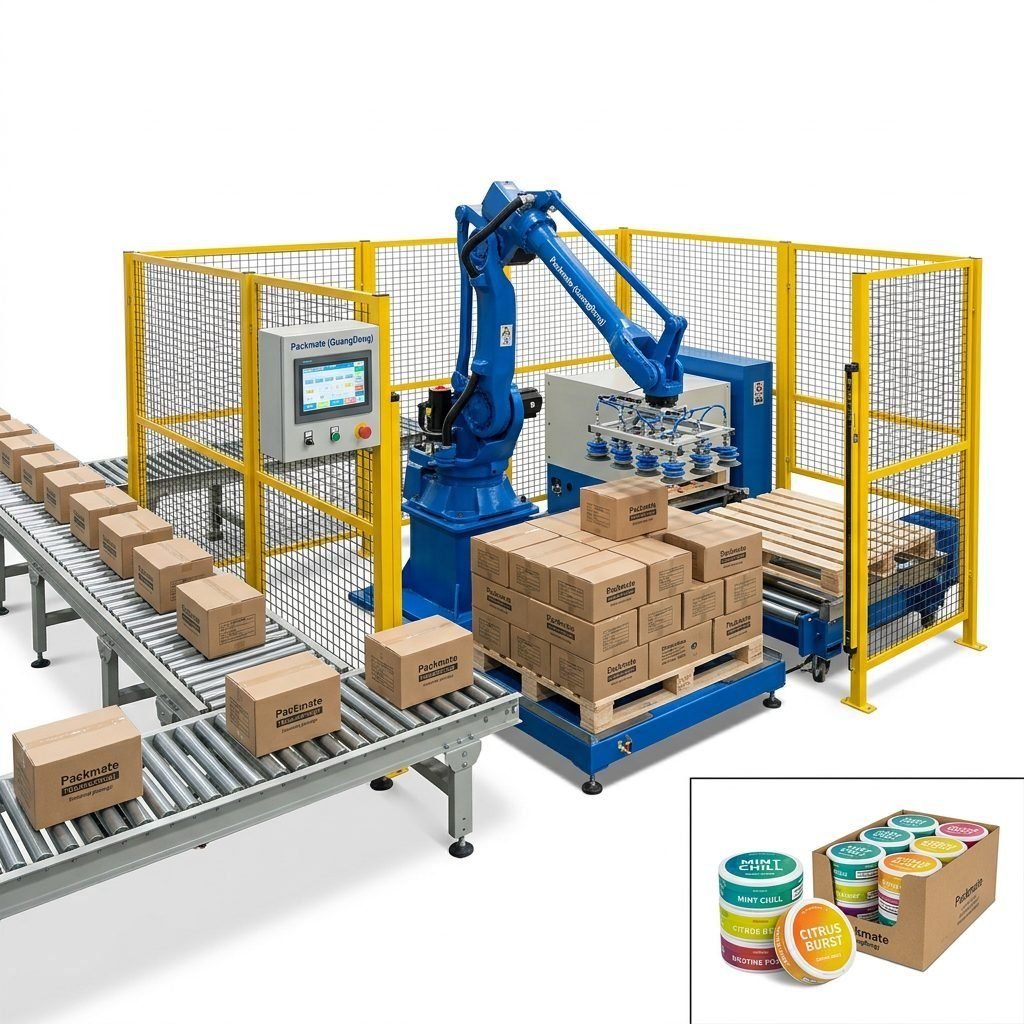
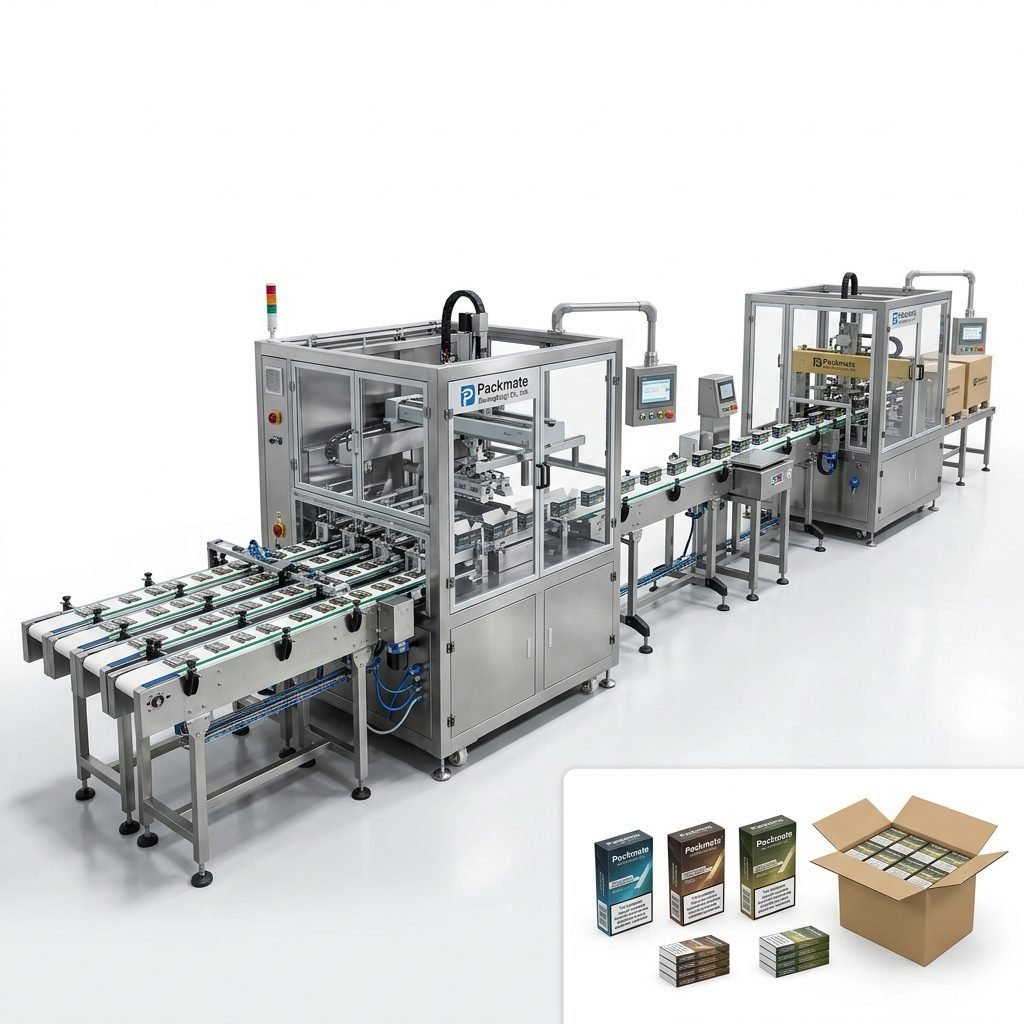
Packaging lines rarely operate in isolation. Consider auxiliary equipment such as weighing and dosing systems, metal detectors, inkjet coders, and packaging thermosealers. Ensure the main machine supports standard communication protocols and mechanical interfaces for a smooth line integration. For examples of compatible auxiliary gear, check the relevant product categories: Sachet & Stick Pack Machines.
Factory Capabilities and Supplier Credentials
Partner with suppliers that demonstrate robust engineering, manufacturing capacity, and long-term support. A manufacturer with extensive experience in snus and nicotine packaging, proven production lines, and a modern factory setup reduces risk. Look for partners that publish factory details, machine case studies, and international exhibition participation—these are indicators of global reliability.
Supplier evaluation checklist:
🔎 Factory size, quality control processes, and availability of spare parts and technical documentation are must-check items.
Installation, Training, and After-sales Support
After-sales service determines how quickly you can resolve production issues. Confirm installation support, operator and maintenance training, spare parts availability, and remote technical assistance. A reliable supplier offers structured commissioning, on-site training, and clear warranty terms. For service offerings, you can review manufacturer services here: Service.
Total Cost of Ownership and Financing Options
Look beyond the purchase price. Consider installation, shipping, customs duties, spare parts, maintenance, energy consumption, and labor costs. Request a full TCO analysis from suppliers and explore financing or leasing options if available. A slightly higher upfront cost can be justified by lower operating costs and higher uptime over the machine lifetime.
Site Preparation and Utilities
Prepare your facility for new machinery: allocate floor space, ensure correct electrical supply, compressed air capacity, and appropriate waste handling. Machine vendors typically provide installation drawings and utility requirements—use these to avoid last-minute site modifications that delay commissioning.
Testing, Factory Acceptance, and Quality Checks
Request factory acceptance tests (FAT) and sample production runs before shipment. FAT verifies machine performance against agreed specifications and allows you to identify issues early. Insist on documented performance data, video of test runs, and trial packs for evaluation. This reduces risk during customs clearance and on-site assembly.
Practical Tips for Buyers in Saint Lucia
Local logistics and market size matter. Partner with suppliers experienced in exporting to Caribbean markets or who can coordinate shipping and customs paperwork. Factor in local taxes and ensure all documentation is complete to avoid delays. If needed, consider a vendor who can assist with local partner introductions for installation and maintenance.
Final Selection Checklist
• Define product specs, dosing accuracy, and packaging materials.
• Choose the machine type and automation level that align with growth plans.
• Verify supplier credentials, certifications, and factory testing.
• Plan for installation, utilities, training, and spare parts supply.
• Calculate total cost of ownership and potential ROI for multiple scenarios.
Why Work with Experienced Manufacturers?
Suppliers with deep expertise in snus and nicotine equipment provide equipment optimized for small-dose pouches, multi-lane synchronization, and compliant sealing solutions. Their factory capabilities and engineering experience reduce customization risk and accelerate time-to-market. For company background and capabilities, review the manufacturer’s profile and contact information to discuss bespoke solutions directly.
If you are ready to engage with suppliers or request quotations, prepare a clear technical brief that includes product specifications, expected daily output, preferred automation level, and your target budget. Clear requirements yield accurate quotations and help vendors propose the best-fit machine or a turnkey packaging line.
For more detailed machine categories and case studies, you can explore product pages and examples to find machines that match your needs: Snus & Nicotine Packaging Machines | Sachet & Stick Pack Machines.
Next Steps: Requesting Quotes and Site Visits
When you reach out to manufacturers, include production targets, product samples if possible, and photos of your production site. Ask for FAT videos, references from other customers, and documentation on parts and consumables lead times. This will give you confidence in both the machine and the supplier’s ability to support your Saint Lucia operations.
Summary and Actionable Advice
Choosing the right nicotine packaging machinery is a strategic decision that impacts product quality, regulatory compliance, and profitability. Prioritize machine features that ensure dosing accuracy and reliable sealing, verify supplier credentials and certifications, and plan for installation, training, and spare parts. A modular approach to automation lets you grow without replacement of the entire line.
Frequently Asked Questions
Q1: How do I know whether to buy a single-lane or multi-lane machine?
A1: Evaluate your projected daily output and SKU mix. Single-lane machines suit lower volumes and frequent format changes; multi-lane machines deliver higher throughput and better per-unit costs for mass production. Factor in expected growth to avoid premature upgrades.
Q2: What certifications should I request from the supplier?
A2: Ask for CE and ISO certificates, material safety documentation, and FAT reports. Certifications demonstrate compliance with international safety and quality standards and make customs clearance and regulatory approval smoother.
Q3: How important is spare parts availability and local service?
A3: Extremely important. Downtime can be costly, so ensure the supplier offers fast spare parts shipping or maintains regional stock. Verify service response times, remote support options, and availability of technical documentation and training.
Q4: Can I get a turnkey solution including auxiliary equipment?
A4: Yes, many experienced manufacturers deliver turnkey lines that include dosing, weighing, sealing, inspection, and packing subsystems. Turnkey projects simplify procurement and reduce integration risks—discuss your full production requirements early with vendors.
Q5: How can I contact the manufacturer for quotes or support?
A5: Reach out through the manufacturer’s service channels or contact page to request detailed proposals, technical drawings, and FAT schedules. Starting the conversation with a clear technical brief accelerates the quotation and selection process.