Choosing the right snus packaging machine in Nigeria requires more than just comparing prices — it demands understanding local market habits, climate, power reliability, regulatory considerations, and the technical features that will keep your lines running smoothly in West Africa. This guide walks you through everything from machine types and throughput to site preparation, after-sales support, and return on investment so you can make a confident purchasing decision.
Understand the Nigerian Snus & Nicotine Market
Nigeria’s consumer base is young and mobile, and demand for alternative nicotine products is emerging alongside global trends. While snus and nicotine pouches are not as widely used as in Scandinavia, the urban pockets in Lagos, Abuja, and Port Harcourt are early adopters. Local tastes often favor compact, discreet formats, and packaging that protects contents from heat and humidity performs best.
Prioritize machines capable of producing high-barrier pouches or cans — humidity resistance is essential in Nigeria’s tropical coastal regions.
Key Machine Types and What They Offer
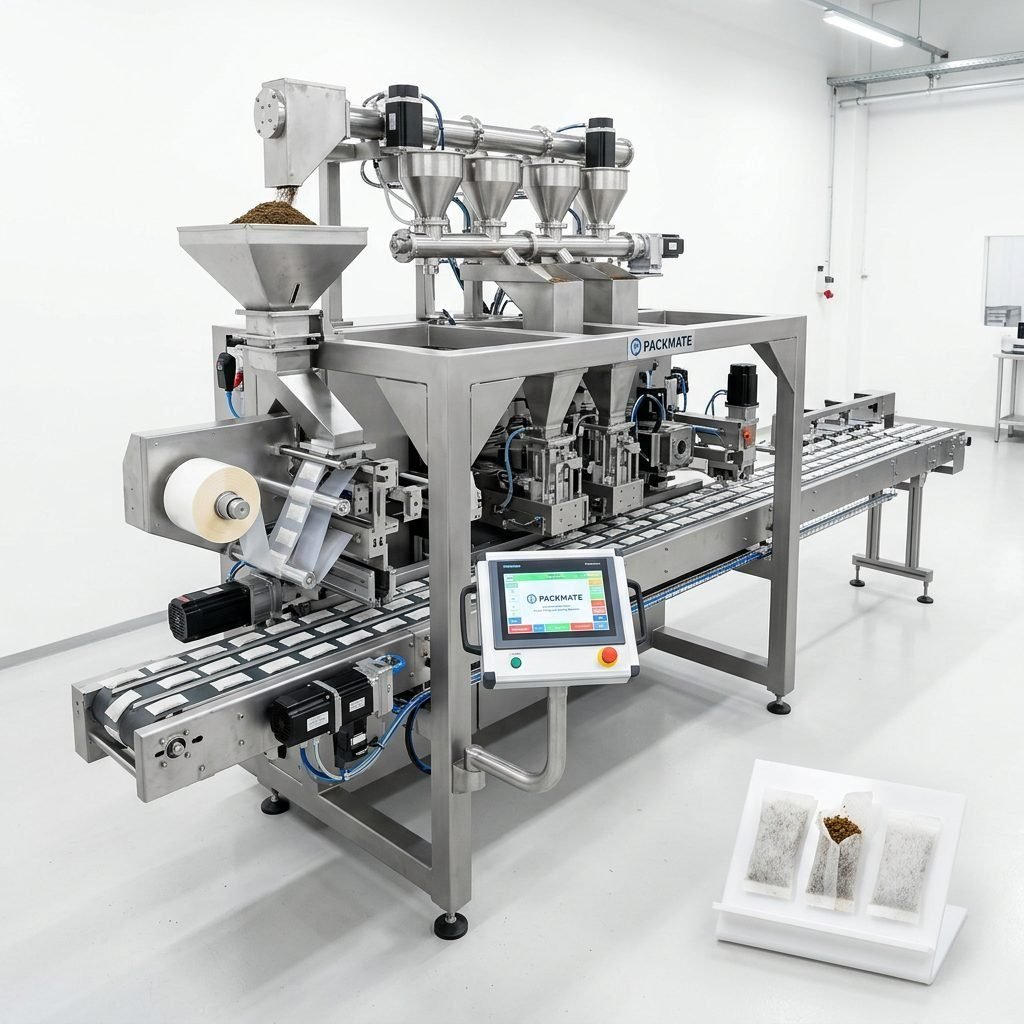
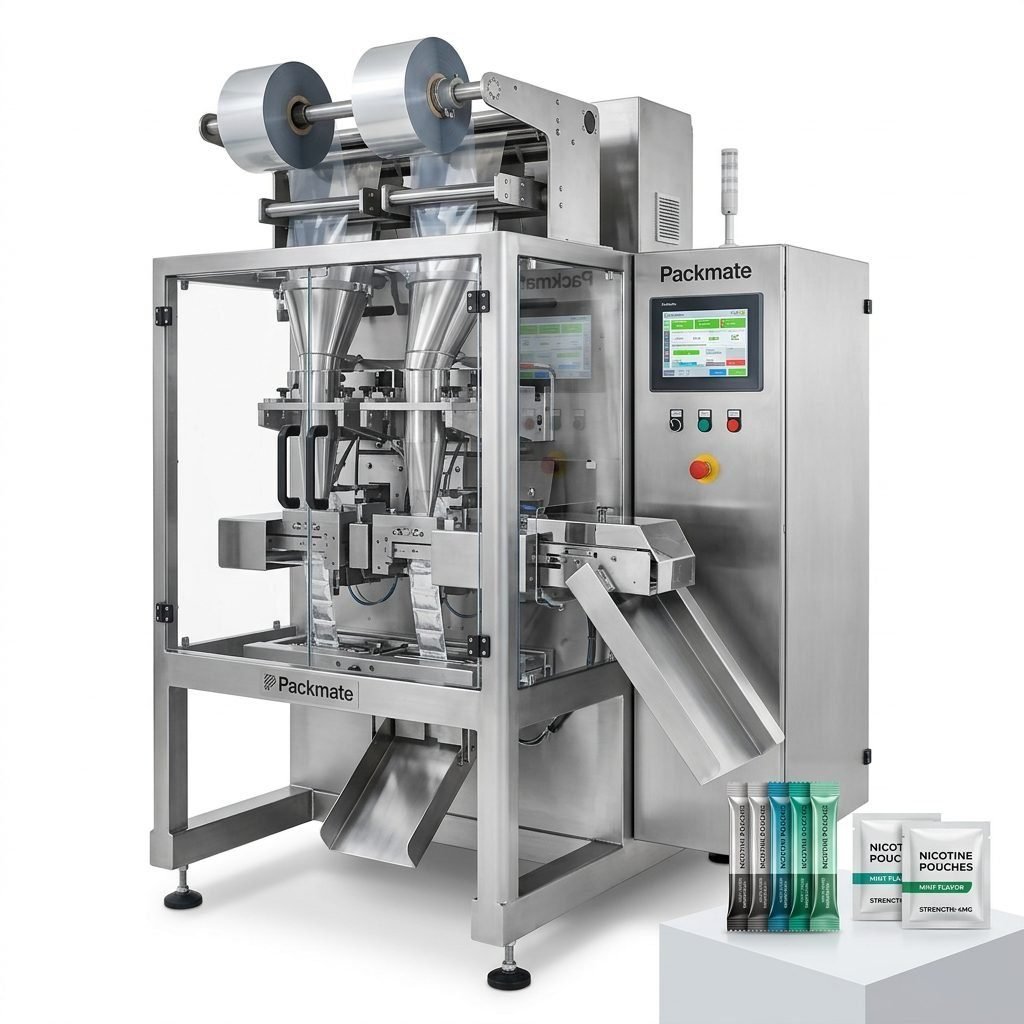
When evaluating equipment, consider these common packaging formats: stick packs, sachets, single-serve pouches, and multi-lane sachet systems. Each format serves a different market niche and production speed requirement.
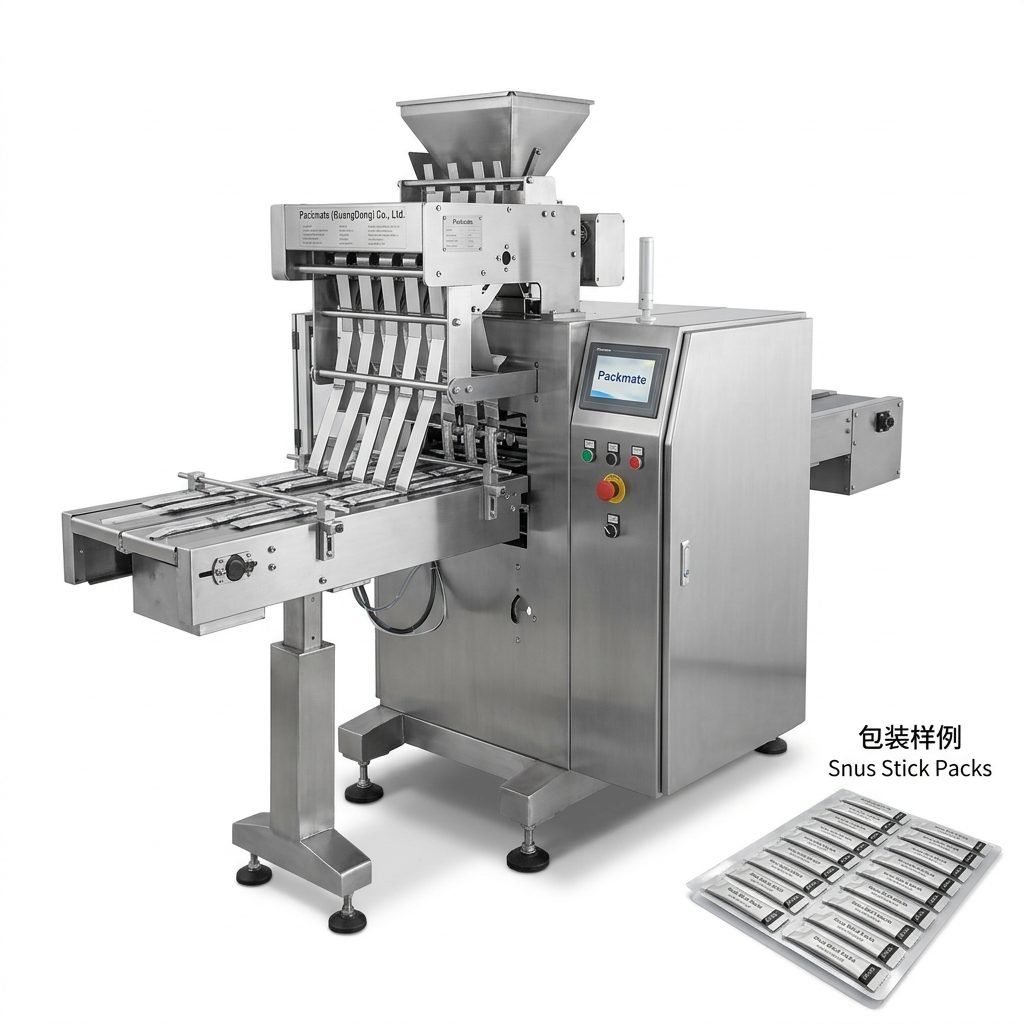
Stick Pack Machines
Stick packs are excellent for single-dose nicotine pouches. They are compact and ideal for trial-sized offers. Look for machines with precise dosing systems and gentle product handling to maintain pouch integrity.
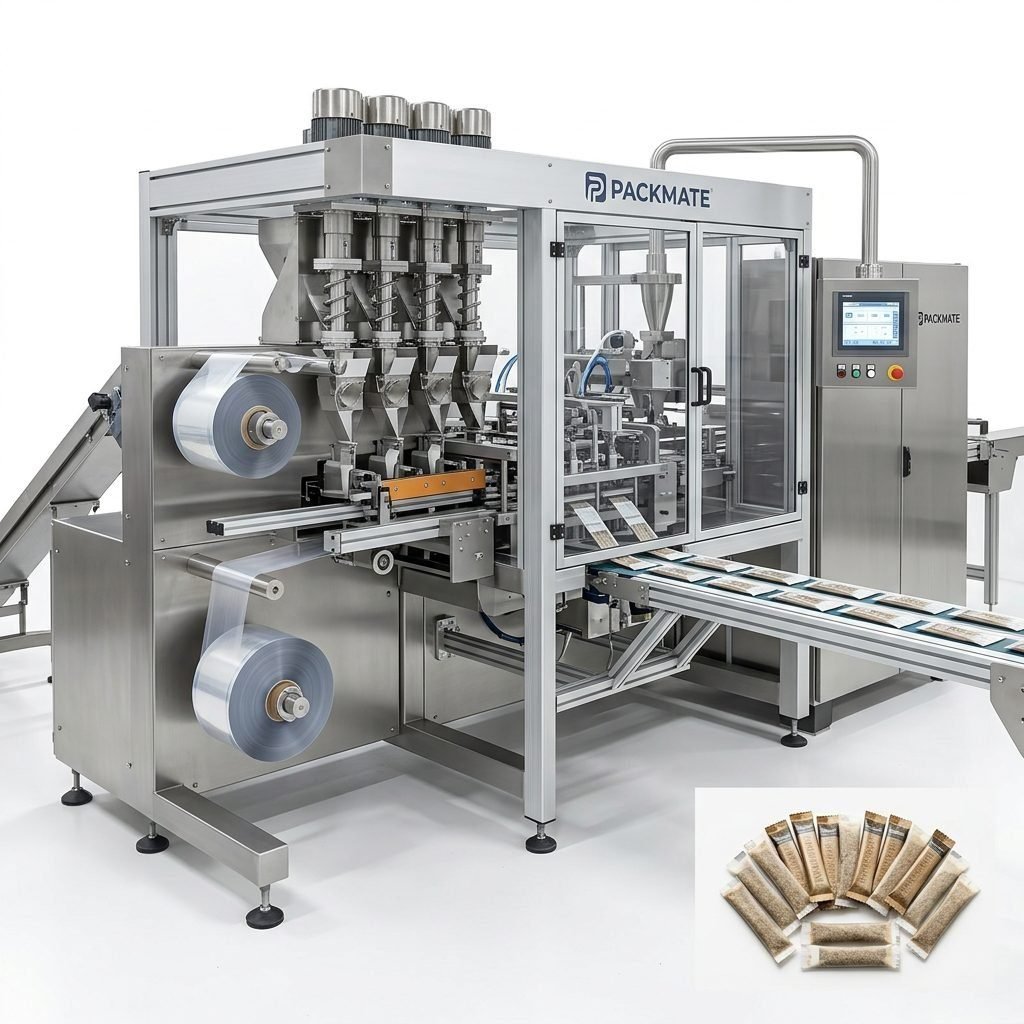
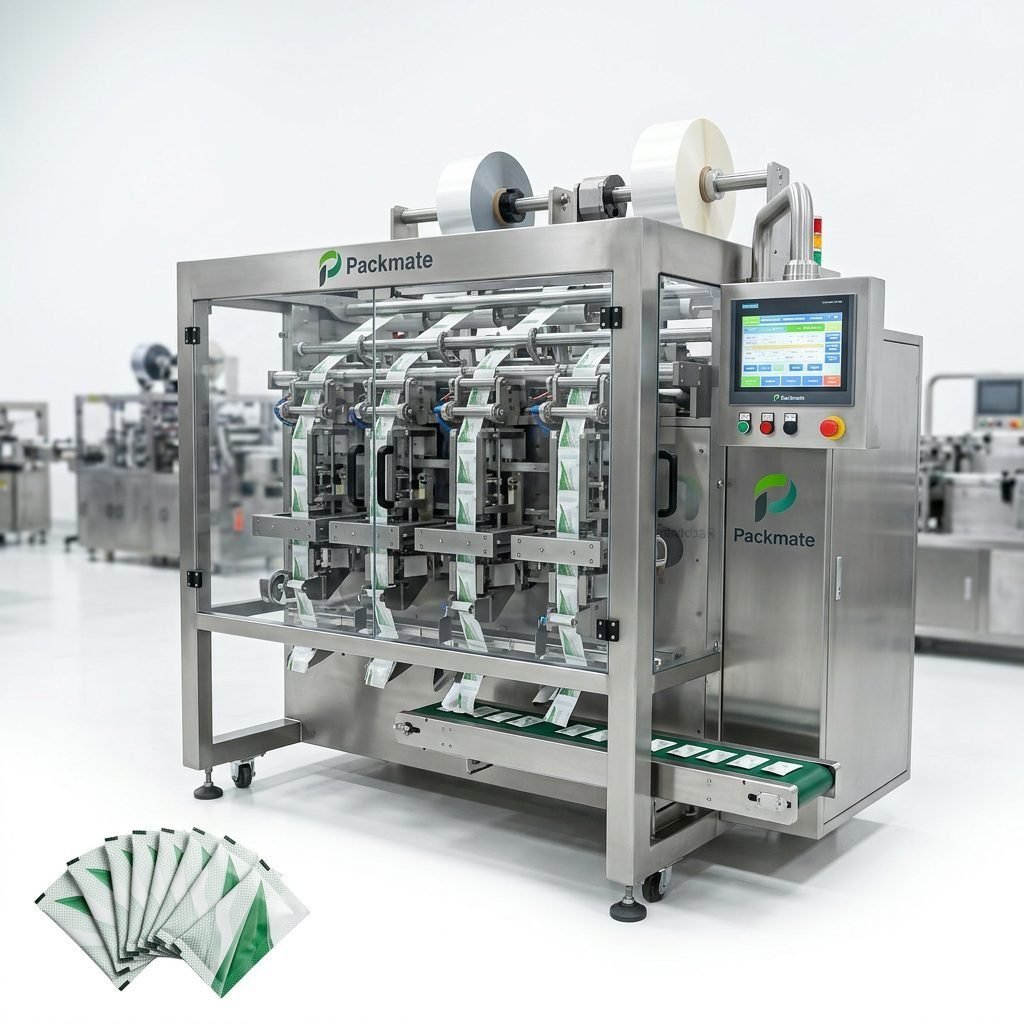
Sachet & Multi-Lane Machines
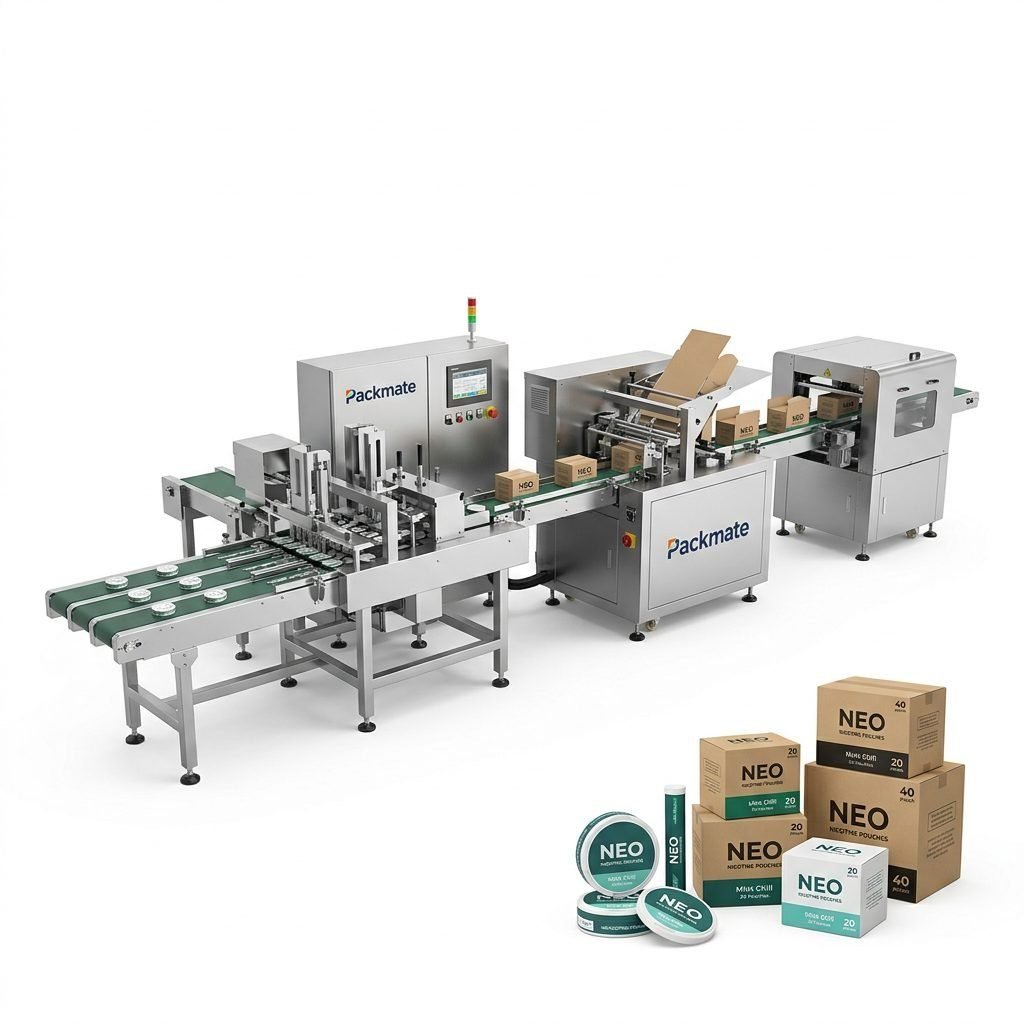
Multi-lane lines dramatically increase output per square meter and are a smart choice if you aim to scale quickly. Systems that offer easy lane adjustments and robust synchronization reduce downtime when changing products.
Pouch and Can Filling Systems
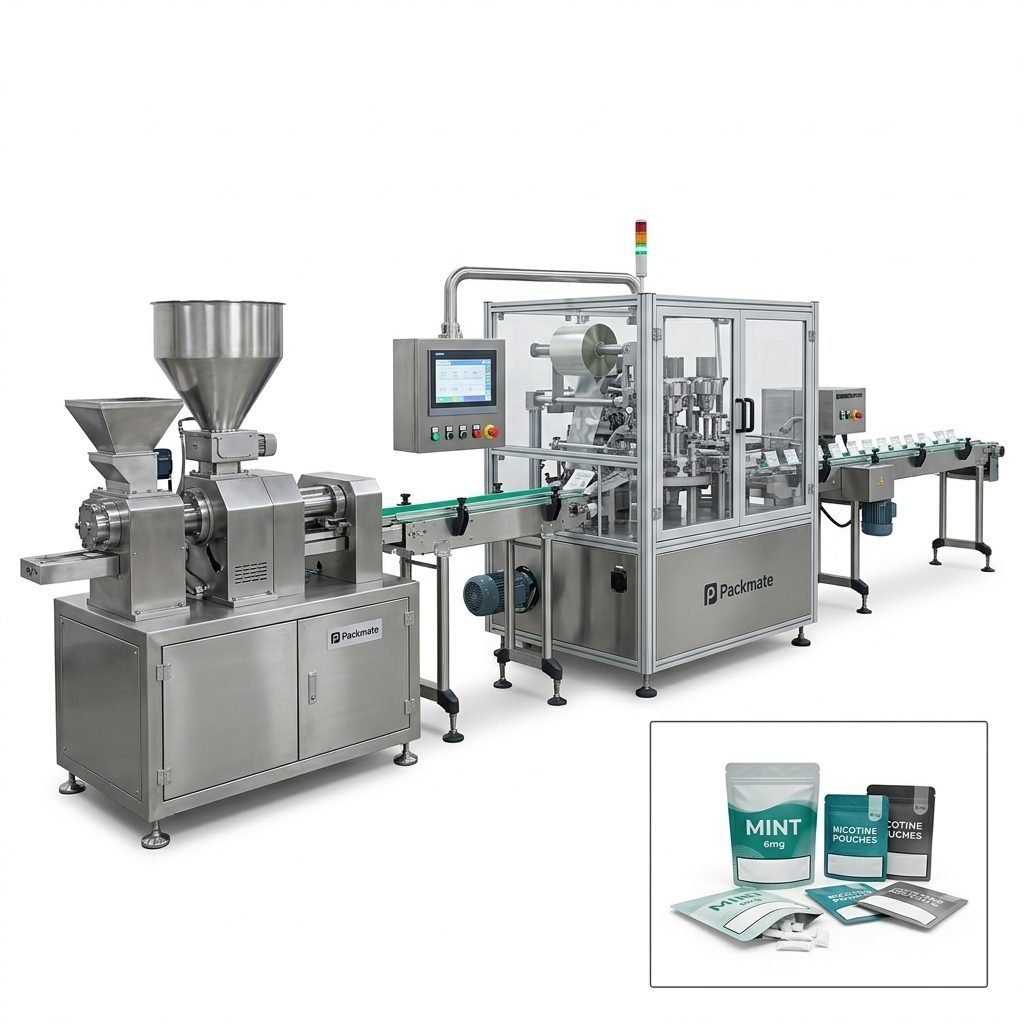
If your product uses cans or resealable pouches, modular filling and capping lines with automated feeding options will optimize packaging integrity and shelf life.
Performance Specs to Compare
Focus on throughput (pouches/min or cans/min), accuracy of dosing, product changeover time, and OEE (overall equipment effectiveness). Don’t be led by peak speeds alone — evaluate sustained performance during long shifts.
- Throughput: Target a machine that meets your current demand with 20–30% headroom for growth.
- Dose Accuracy: Critical for nicotine products — tighter tolerance means less waste and regulatory compliance.
- Changeover Time: Fast, tool-less changeovers reduce downtime for SKU diversity.
- Hygienic Design: Easy to clean, corrosion-resistant materials, and sealed drives for humid environments.
Materials, Sealing, and Barrier Requirements
Nigeria’s heat and humidity make packaging material selection critical. High-barrier laminates, aluminum foil layers, and oxygen/moisture barrier seals preserve nicotine quality and shelf life. Ensure your machine can handle lamination structures and offers consistent heat-sealing control.
Ask prospective suppliers for sample pouches produced on-site and lab data on water vapor and oxygen transmission rates.
Power, Site & Environmental Considerations in Nigeria
Nigeria’s electrical grid can be unpredictable. Machines must either tolerate minor voltage fluctuations or be paired with reliable power conditioning and backup generators. Also plan for adequate HVAC to maintain product and machine stability.
- Voltage & Frequency: Verify machine compatibility (typically 220–240V 50Hz) and the availability of local motor variants.
- Backup Power: Budget for UPS and generator integration to avoid costly production interruptions.
- Humidity Control: Consider dehumidification for storage and packaging rooms.
Regulatory Compliance & Safety
Nigeria has evolving regulations around tobacco and nicotine products; ensure your packaging meets labeling and child-safety regulations and that the machine manufacturer provides documentation (CE, ISO) and traceability for electrical and mechanical components.
Work with legal counsel or local regulatory consultants to confirm permissible claims, health warnings, and packaging formats allowed for nicotine pouches in Nigeria.
Evaluating Suppliers: Beyond the Machine Price
Price is only part of the purchase equation. Prioritize suppliers who offer reliable service, local or regional support, training, spare parts availability, and customization options for local needs. A lower upfront cost can become expensive if support is slow or parts are unavailable.
factory visits, CE/ISO certificates, spare parts lead times, onsite commissioning, staff training, and documented case studies in similar climates.
For reference on reputable equipment lines and global turnkey solutions, review manufacturer catalogs and product pages such as Snus & Nicotine Packaging Machines and Sachet & Stick Pack Machines.
After-Sales Service, Spare Parts & Training
Strong after-sales support is essential in Nigeria where local technical expertise for specialized packaging equipment may be limited. Ask about guaranteed response times, remote diagnostics, and the availability of critical spare parts stored regionally.
- Commissioning: Insist on full onsite commissioning and operator training as part of the contract.
- Spare Parts Kit: Order a recommended spare parts kit (belts, cutters, sensors) to minimize downtime.
- Remote Support: Choose suppliers who provide remote troubleshooting and PLC backups to reduce visit frequency.
Packmate Snus Machine highlights over 30 years of engineering experience, global turnkey solutions, and a well-equipped factory — details that speak to dependable after-sales capacity. See About Packmate for company background and capabilities.
Customization & Flexibility
Local market preferences in Nigeria can shift quickly. Choose modular systems that allow format changes, label upgrades, and integration with weighing or cartoning equipment. Machines with open architecture PLC and accessible spare parts make future upgrades easier.
If you plan multi-product lines, ask suppliers for case studies and videos of format changeovers, or request an onsite demo of multi-lane systems in climates similar to Nigeria’s.
Total Cost of Ownership (TCO) and ROI
Evaluate machine cost in terms of TCO: energy consumption, maintenance hours, spare parts, and expected lifespan. Compute ROI using realistic production hours, yield loss assumptions, and packaging material costs.
Factor in reduced waste from higher dose accuracy and faster changeovers — these can be major contributors to profitability in nicotine pouch production.
Installation, Training & Local Workforce Considerations
Training local operators and maintenance staff ensures sustainable operations. Request a training syllabus, hands-on sessions for mechanical and electrical troubleshooting, and documentation in English. Consider annual refresher training and certification to maintain performance levels.
- Language & Manuals: Ensure manuals are clear and include wiring diagrams and PLC logic notes.
- Skill Development: Invest in lockout/tagout and basic pneumatic/electrical training for in-house technicians.
Pre-Sale Checks & Factory Acceptance Test (FAT)
A Factory Acceptance Test (FAT) is your best chance to validate machine performance before shipment. Require test reports, video of full-speed runs with your product or a closely similar material, and signed performance guarantees.
Ask suppliers to share customer references and case studies — Packmate publishes global cooperation cases and exhibition demonstrations which can be useful when assessing real-world machine reliability. See examples at Case and Our Exhibition.
Logistics, Customs & Importing into Nigeria
Factor in lead times for shipping, customs clearance, and local transport. Heavy machinery may require special permits and handling; work with freight forwarders experienced in Nigerian ports (Lagos Apapa, Tin Can Island) and inland transport.
Documentation such as commercial invoices, packing lists, certificates of origin, and CE/ISO certificates can expedite customs. A local agent familiar with regulatory nuances can be invaluable.
Operational Best Practices for Nigerian Plants
– Maintain climate control in storage and packaging areas to minimize moisture ingress.
– Implement strict material quality checks for pouches, films, and lids.
– Schedule predictive maintenance and keep a log of wear parts to anticipate replacements.
– Use surge protectors and phase-correcting equipment to protect motors and PLCs.
Create a 90-day spare parts plan based on supplier recommendations and your expected run hours.
Why Choose an Experienced Manufacturer?
Manufacturers with decades of experience bring refined engineering, reliable supply chains, and tested designs that matter in harsh operating environments. Packmate Snus Machine, for instance, emphasizes long-term support, a wide product range, and ISO/CE certifications — important factors when establishing a stable production base in Nigeria.
For specific product lines, specifications, and turnkey options, explore Bag & Pouch Packaging Machines and Weighing & Packaging Systems.
Making the Final Decision
Balance technical fit, supplier reliability, local support, and financial terms. Insist on performance guarantees, FAT documentation, clear spare parts lead times, and a realistic training plan. When in doubt, prioritize machines with proven multi-lane performance and robust sealing technology for humid climates.
- Documented FAT & sample output
- Verified spare parts availability in region
- Local commissioning & operator training included
- Power compatibility and backup plan
- Regulatory labeling compliance support
Contact & Next Steps
Once you have narrowed your options, request detailed quotations that include installation, training, warranty terms, and a parts list. If you want to explore a reputable supplier with global experience in snus/nicotine lines, check company information and reach out via Contact Us or review service options at Service.
FAQs — Common Questions When Buying a Snus Packaging Machine in Nigeria
Q1: What power requirements should I prepare for?
A1: Most machines run on 220–240V, 50Hz. However, prepare for power conditioning and consider UPS or generator integration because grid reliability varies by region.
Q2: How important is a Factory Acceptance Test (FAT)?
A2: Extremely important. A FAT verifies machine performance with your product and provides contractual assurance before shipment.
Q3: What spare parts should I stock locally?
A3: Keep consumables and wear parts (cutters, belts, seals, sensors) on hand. Ask your supplier for a recommended 90–180 day kit based on expected run hours.
Q4: How do I ensure packaging quality in humid climates?
A4: Use high-barrier laminates, invest in climate control for storage, and select machines with precise seal control and reliable film handling.
Q5: Where can I view examples of lines and case studies?
A5: Review manufacturer case pages and exhibition demos; for example, see Case and Our Exhibition for real-world references.