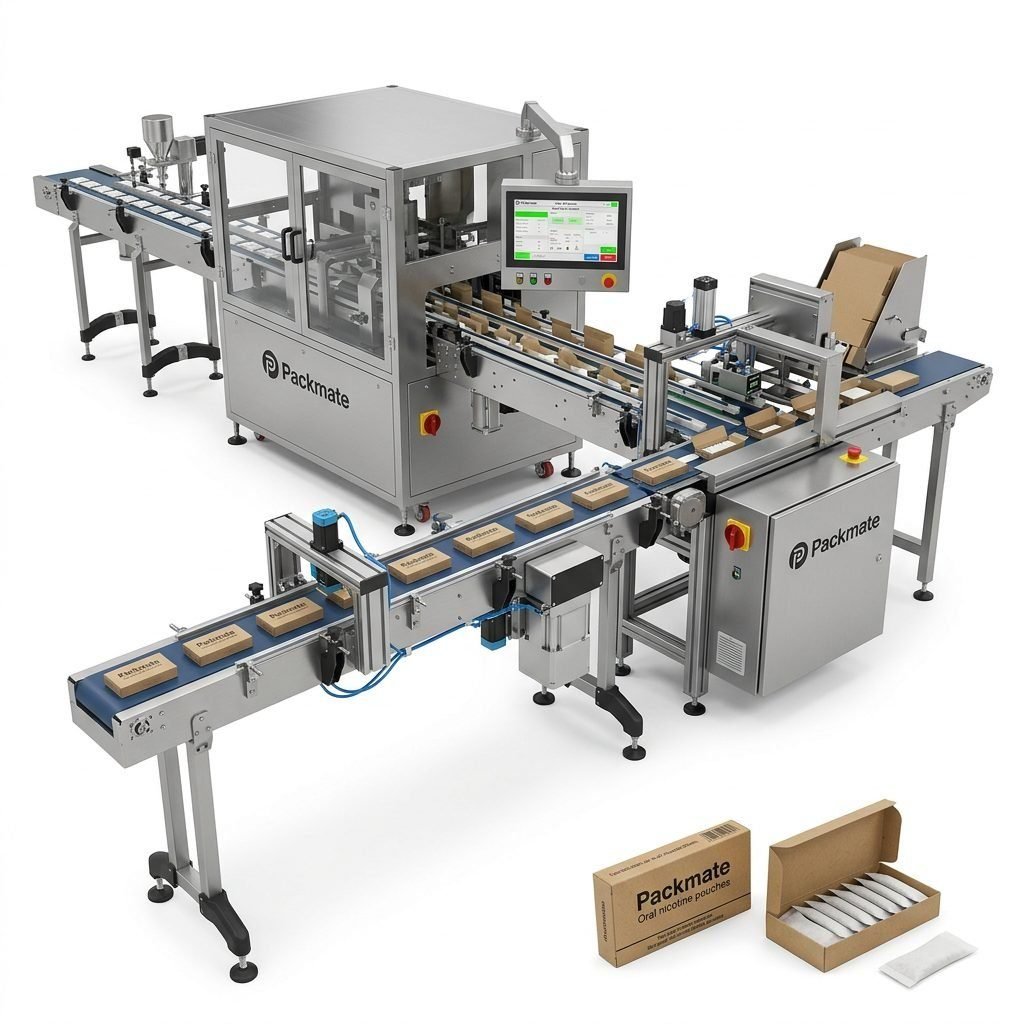
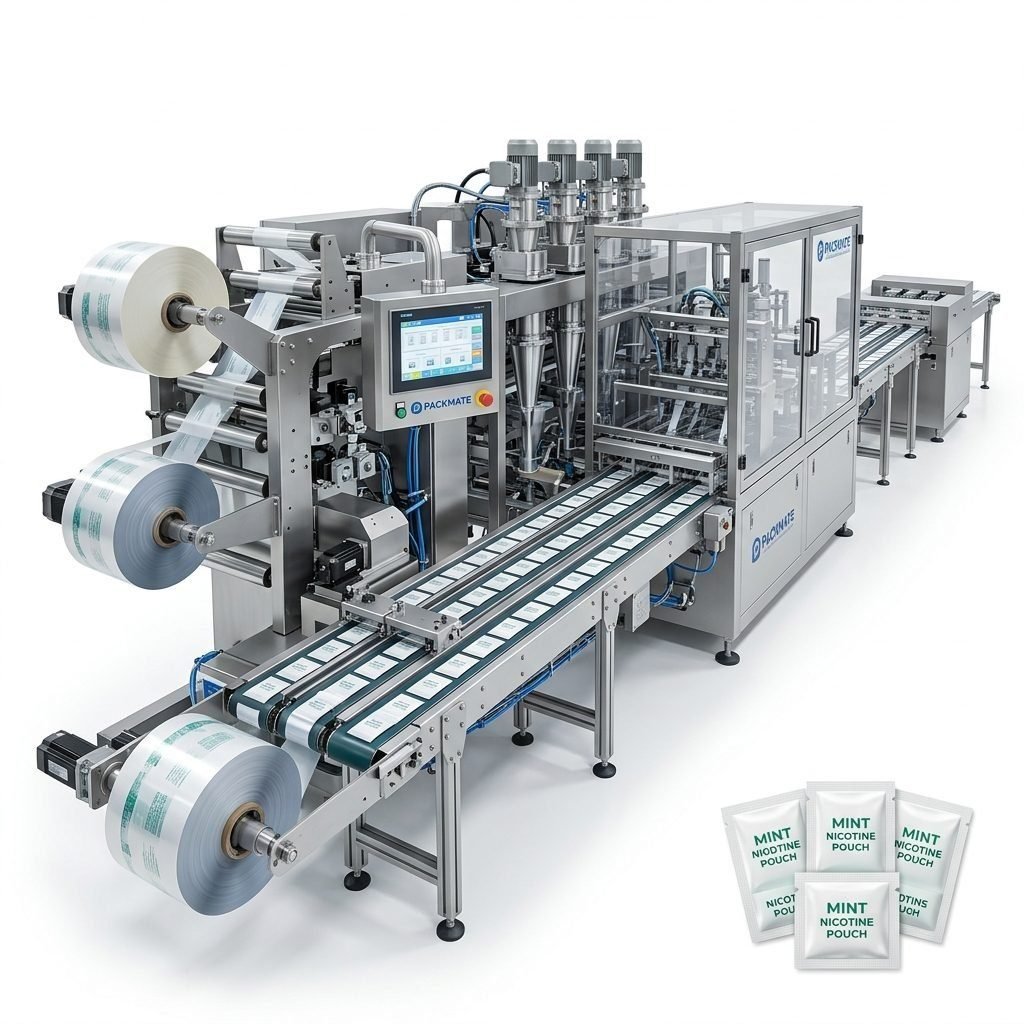
Choosing the right nicotine packaging machinery in Guinea-Bissau requires practical knowledge of local market conditions, product formats, regulatory requirements, and long-term serviceability. This guide walks you through the essential considerations—from machine types and production capacity to after-sales support and compliance—so you can make an informed purchase decision that minimizes downtime and maximizes ROI.
🔍 Understand Your Product and Packaging Format
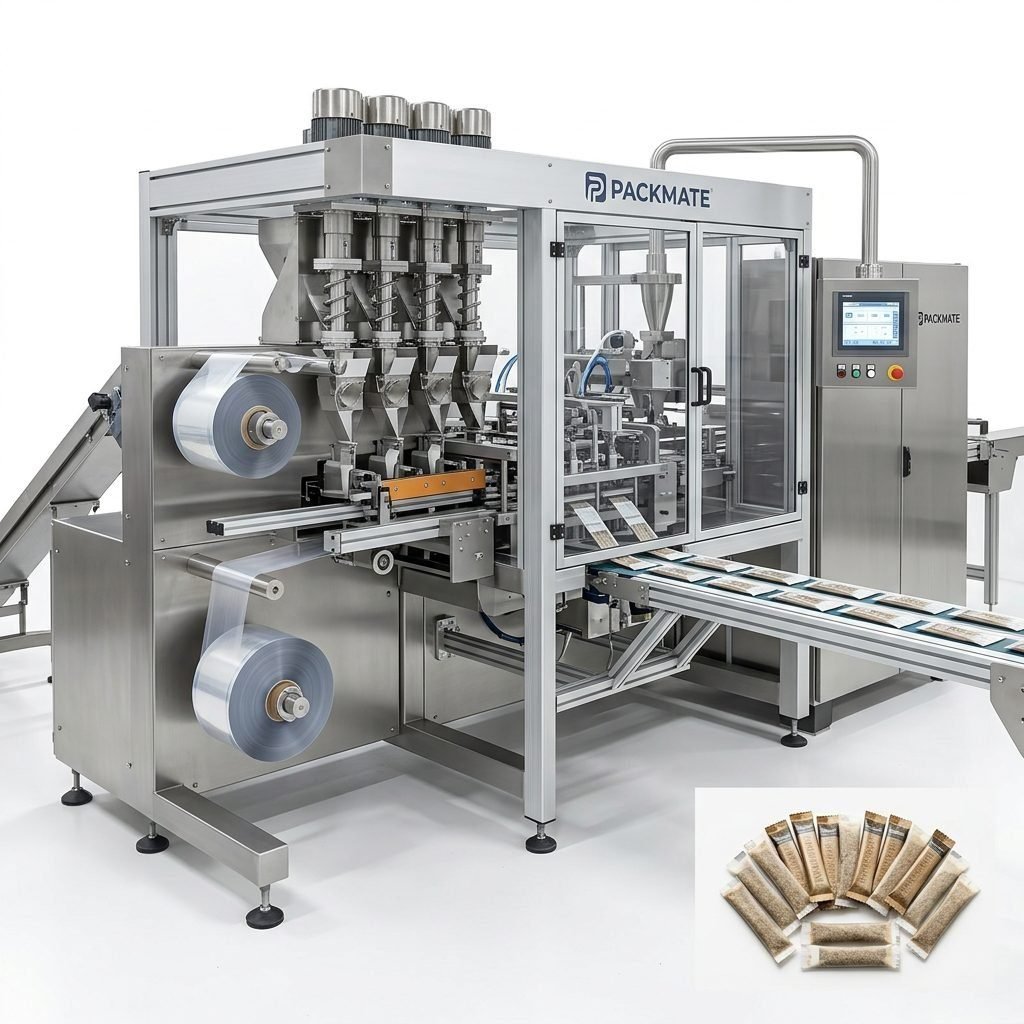
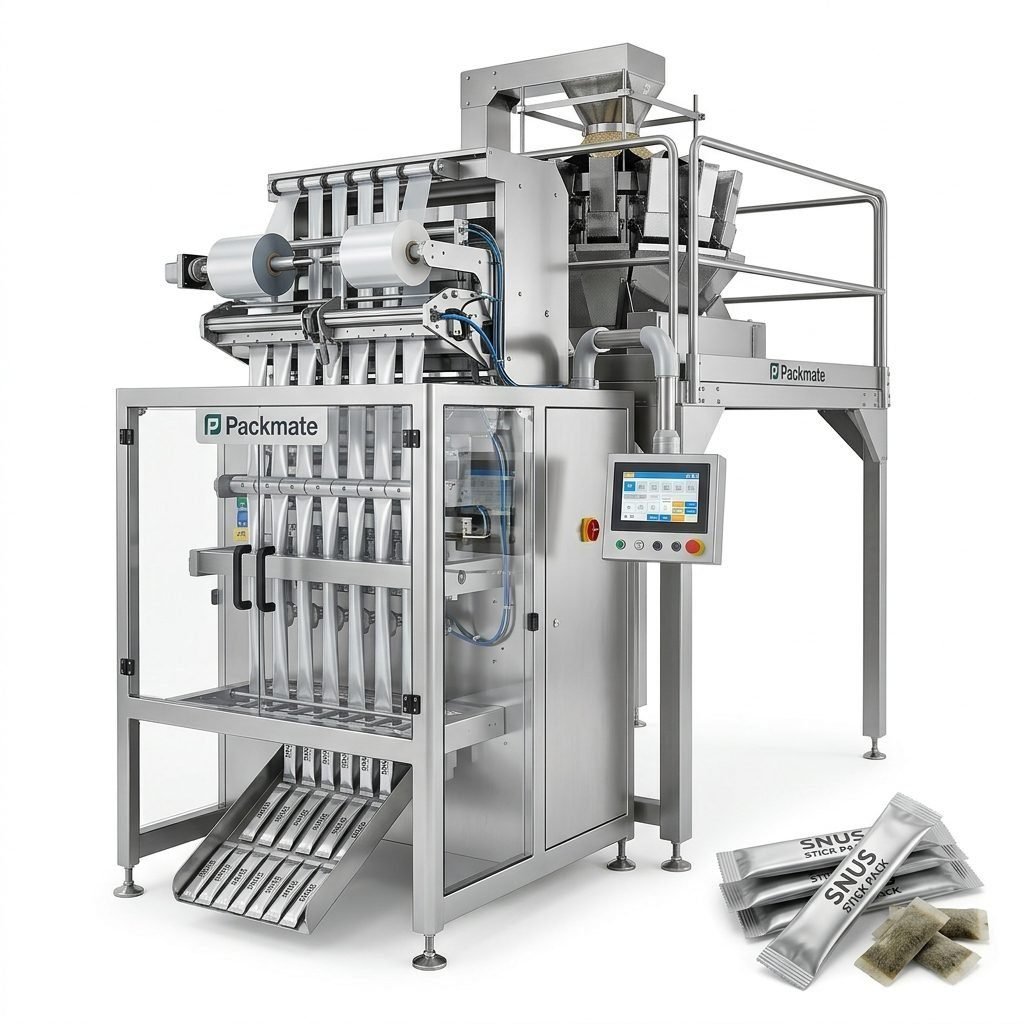
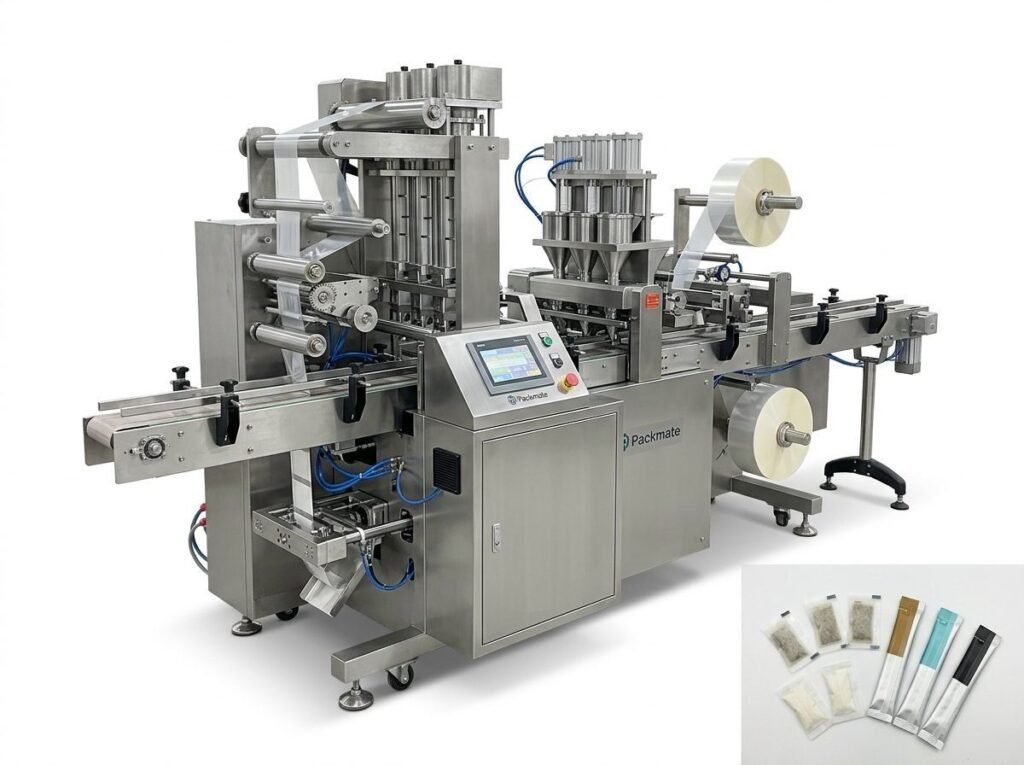
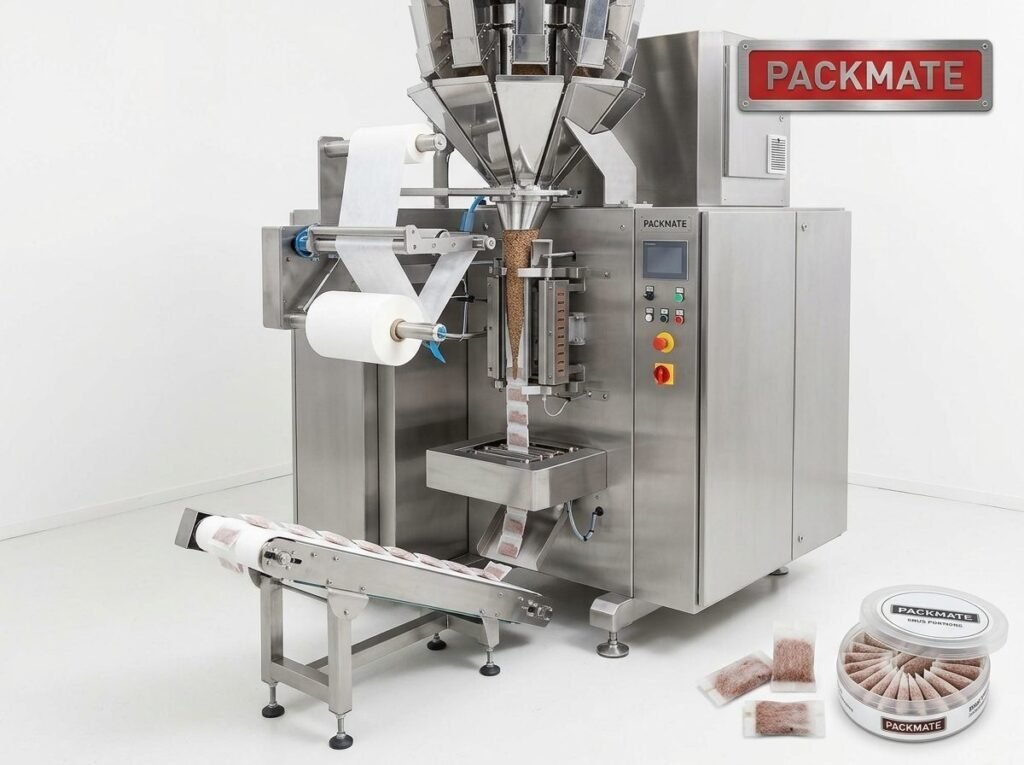
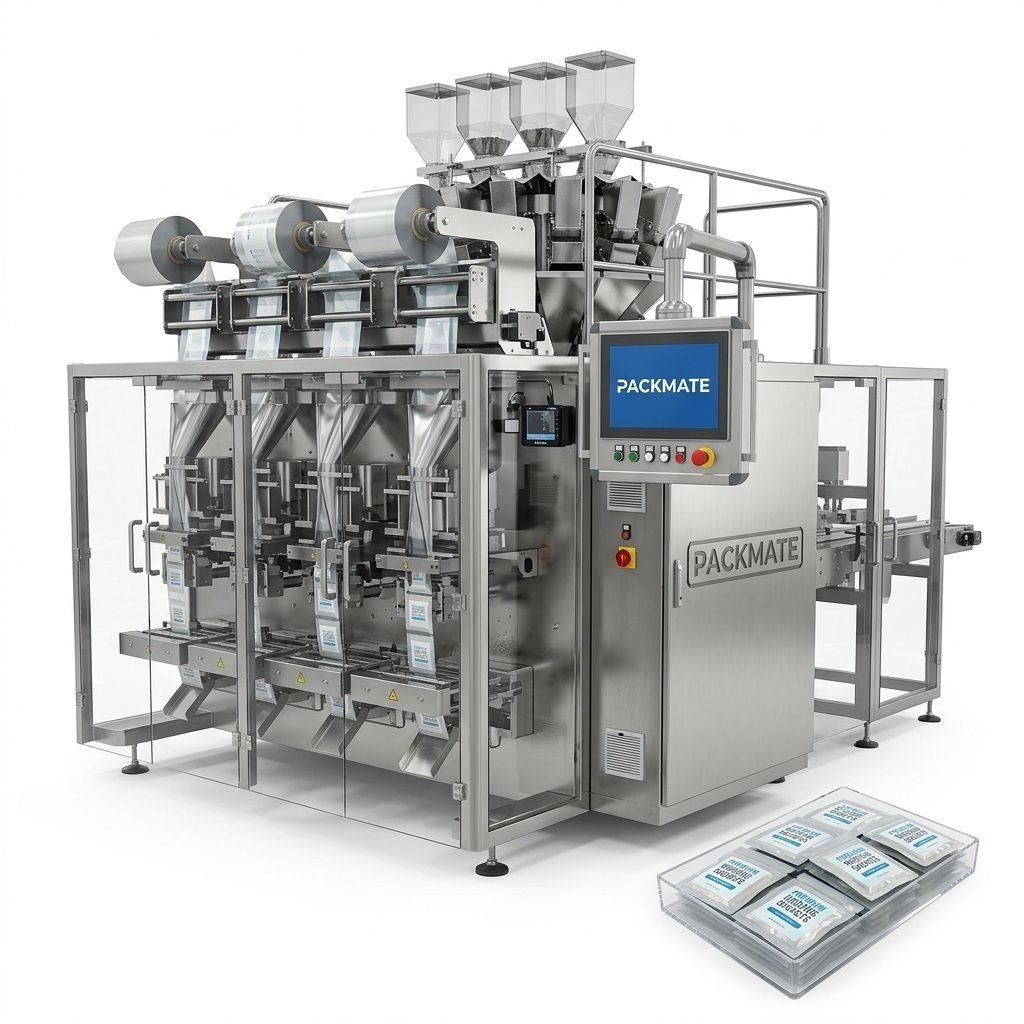
Before evaluating machines, define your product specifications clearly: nicotine pouches, snus sachets, stick packs, or multi-lane small-dose pouches. Each format has unique filling, sealing, and dosing needs. For example, small multi-lane snus lines demand extremely precise dosing and synchronised pouch forming, while stick packs may require a different film unwind and seal configuration.
Consider the end-customer presentation: single-dose sachets, resealable pouches, or bulk bagging? Your packaging choice heavily influences which equipment family you should shortlist—explore options like Snus & Nicotine Packaging Machines and Bag & Pouch Packaging Machines.
✅ Product Attributes That Matter
Pay attention to:
• Dose accuracy — critical for nicotine products to ensure compliance and customer safety.
• Seal quality — prevents moisture and leakage; heat-seal control must be precise.
• Compatibility with fillers — powder, granule or paste filling heads must match your product.
📈 Determine Your Required Production Capacity
Establish realistic production targets: units per minute, shifts per day, and expected monthly throughput. Machines come in configurations ranging from single-lane prototype units to high-speed multi-lane systems. A high-speed multi-lane line can dramatically increase output but demands greater investment and a trained operations team.
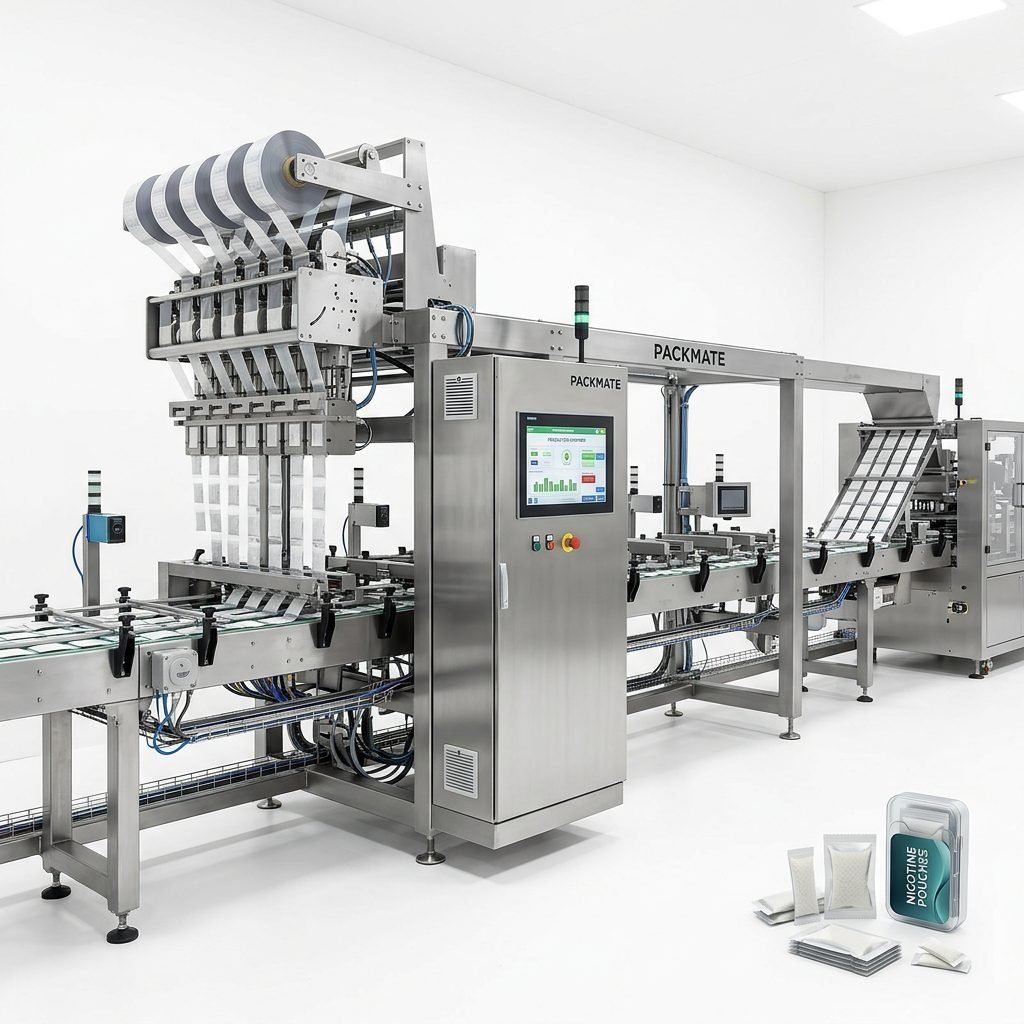
For scalable growth, evaluate modular systems that allow you to add lanes or auxiliary units such as weighing feeders or secondary packing equipment. See modular solutions and full lines at the Filling & Packaging Lines page.
⚙️ Matching Machine Type to Throughput
Typical choices:
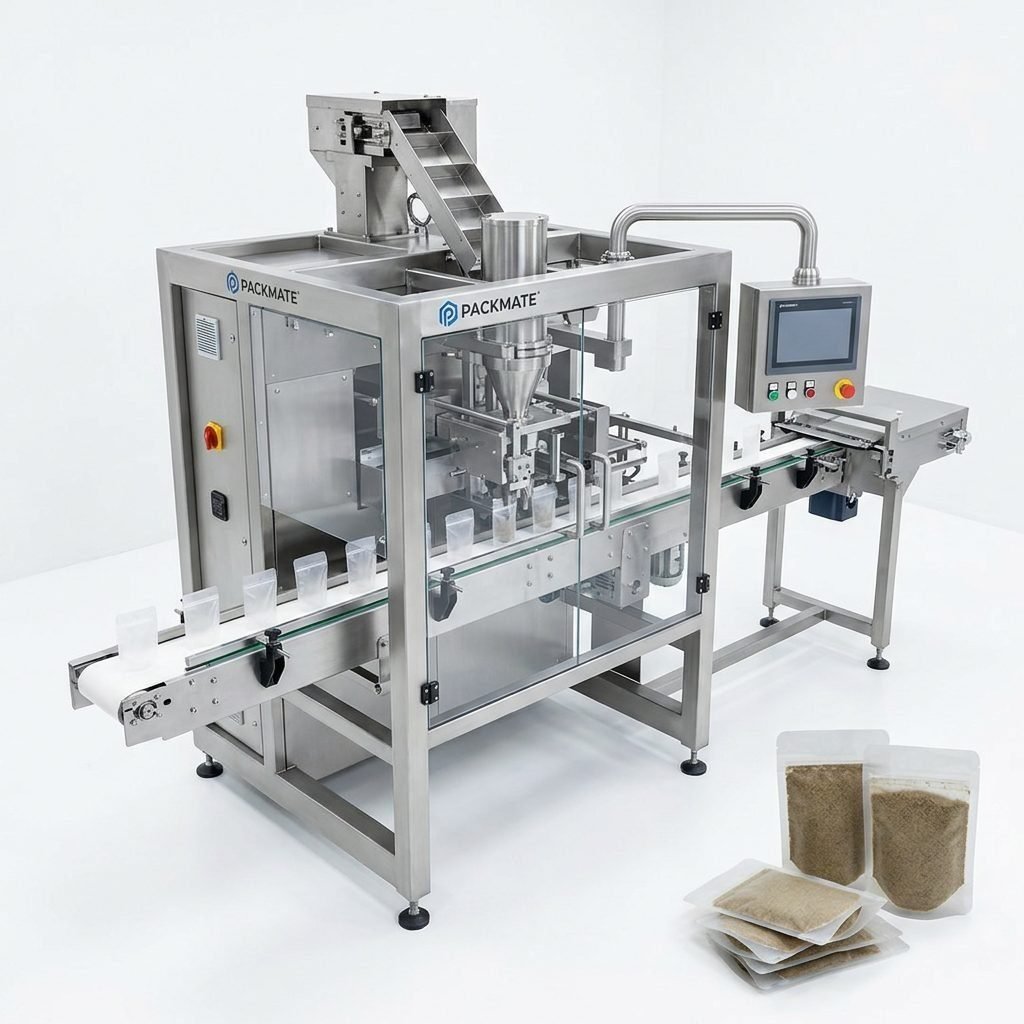
• Single-lane machines — ideal for R&D, small batches and limited investment.
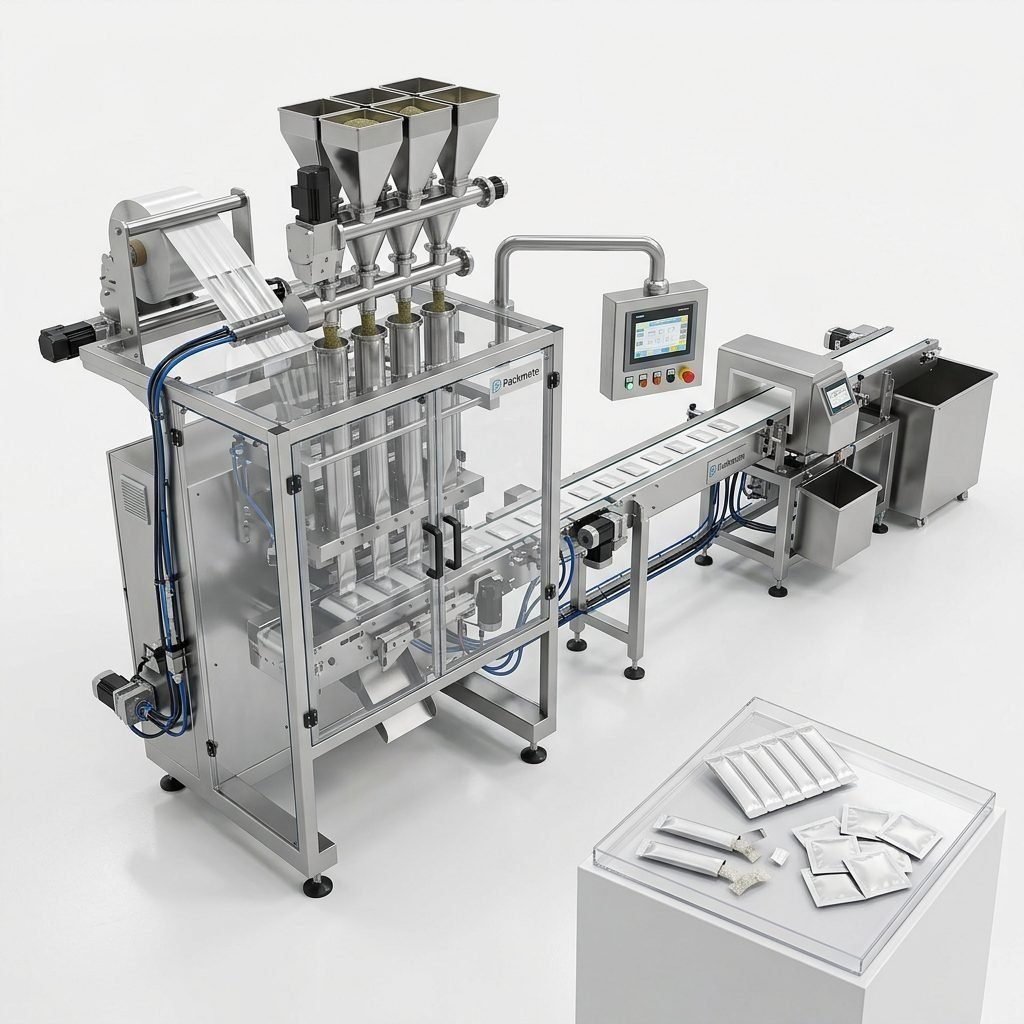
• Multi-lane machines — best for medium-to-high volume production with consistent dosing.
• Integrated lines — combine feeders, weighers, and packaging for full automation.
💡 Consider Quality, Compliance and Local Regulations
Nicotine-containing products are often regulated. Verify that the packaging equipment can support traceability, batch coding, and ingredient labeling. Prefer suppliers with recognized certification—CE and ISO compliance demonstrate machinery built to international standards and safer manufacturing practices.
Packmate Snus Machine, for example, emphasizes international standards and quality control in its manufacturing facility. Learn more about the company background and certifications via About Packmate and Certificate.
📋 Documentation and Validation
Ask potential suppliers for validation protocols, IQ/OQ documentation, and maintenance manuals. If you must satisfy import or health authorities in Guinea-Bissau, these documents will speed approvals and reduce regulatory risk.
🔧 Evaluate After-Sales Support and Spare Parts Availability
After-sales service is often the difference between a good investment and a costly headache. Confirm lead times for spare parts, availability of remote support, and local service partners who can travel to Guinea-Bissau when needed.
Look for manufacturers offering global cooperation and exhibition presence—these companies typically provide better international support networks. Packmate highlights global turnkey solutions and exhibition participation to better serve international customers.
🛠️ Service Checklist
✅ Spare parts lead time and cost
✅ Availability of remote diagnostics and training
✅ Local or regional service partners
✅ Warranty terms and preventive maintenance plans
💰 Total Cost of Ownership (TCO) and ROI
Purchase price is only the starting point. Estimate the full TCO by factoring in spare parts, consumables (films, adhesives), energy consumption, operator training, downtime, and expected life cycle. A slightly higher upfront investment in a robust machine can pay off through fewer failures, better uptime, and higher quality output.
📊 How to Model ROI
Build a simple spreadsheet including:
• Annual production volume × unit margin = revenue impact
• Downtime reduction × value per hour = saved cost
• Maintenance and consumables = yearly operating cost
Use this to estimate payback period and sensitivity to capacity growth.
🏭 Factory and Manufacturer Capabilities
Visit or request a virtual tour of the manufacturer’s facility. Key indicators of a reliable manufacturer include advanced CNC machining centers, precision assembly lines, and a documented quality control system. A reputable supplier will gladly provide references and case studies of similar installations.
You can review cases and installations to assess real-world performance: Case studies.
🔎 What to Inspect During Factory Acceptance
Inspect build quality, wiring, safety guards, access for cleaning, and spare-part kits. Request a FAT (Factory Acceptance Test) demonstrating the exact box/pouch format and throughput you need.
📐 Installation, Training and Local Adaptation
Plan for installation and operator training. Check if the supplier offers onsite commissioning and training or remote support options. Assess local infrastructure (power voltage, humidity control, floor loading) to ensure seamless installation.
For integrated projects, consider turnkey service providers who coordinate feeders, weighing scales, and secondary packing—see offerings under Weighing & Packaging Systems.
📦 Logistics, Import and Local Handling in Guinea-Bissau
Plan logistics early: machine dimensions, crating, and customs paperwork. Large machines may require special transport or assembly on-site. Partner with freight forwarders experienced with industrial imports to Guinea-Bissau to prevent delays.
🧾 Documentation to Prepare
• Commercial invoice and packing list
• Machine CE/ISO certificates
• Electrical and schematic diagrams for local electricians
• FAT report and acceptance certificate
📝 Final Selection Checklist
Use this concise checklist when evaluating vendors:
🔸 Product compatibility and format support
🔸 Required throughput and scalability
🔸 Build quality and certifications (CE/ISO)
🔸 Spare parts availability and service network
🔸 TCO and ROI analysis
🔸 FAT and documentation for regulatory compliance
📞 Next Steps: Requesting Quotes and Samples
Prepare a detailed RFQ that includes product specs, desired output, film types, and any special requests. Ask vendors for sample packs run on the proposed machine to verify seal integrity and dosing accuracy. When ready, contact manufacturers directly—many provide consultation, OEM options, and full-line integration services.
For more information about services and support, consider reaching out through the supplier’s contact channels: Contact Us.
🏁 Conclusion
Selecting the right nicotine packaging machinery in Guinea-Bissau is a strategic decision that hinges on product format, production capacity, compliance needs, and service infrastructure. Prioritize accuracy, build quality, and reliable post-sale support to ensure smooth operations and regulatory alignment. With the right planning and supplier partnership you can establish a robust, scalable packaging line that supports your market ambitions.
Frequently Asked Questions
Q1: How do I know whether to choose a single-lane or multi-lane machine?
A1: Choose single-lane for low-volume, flexible production and R&D. Multi-lane is suitable for medium-to-high volumes where throughput and consistency are priorities.
Q2: What certifications should I request from a packaging machine supplier?
A2: Request CE and ISO certification, FAT reports, and documentation for electrical schematics and safety compliance.
Q3: How important is spare parts availability for installations in Guinea-Bissau?
A3: Extremely important. Local or regional spare parts support reduces downtime and import delays—confirm lead times and stock levels before purchase.
Q4: Can I get a turnkey solution that includes filling, weighing and packaging?
A4: Yes. Many suppliers provide integrated lines including weighing, filling, and packaging. Check the supplier’s product portfolio for integrated systems.
Q5: What practical steps reduce installation risks?
A5: Prepare site power and floor specifications, request FAT before shipment, ensure clear customs paperwork, and schedule on-site commissioning and operator training.