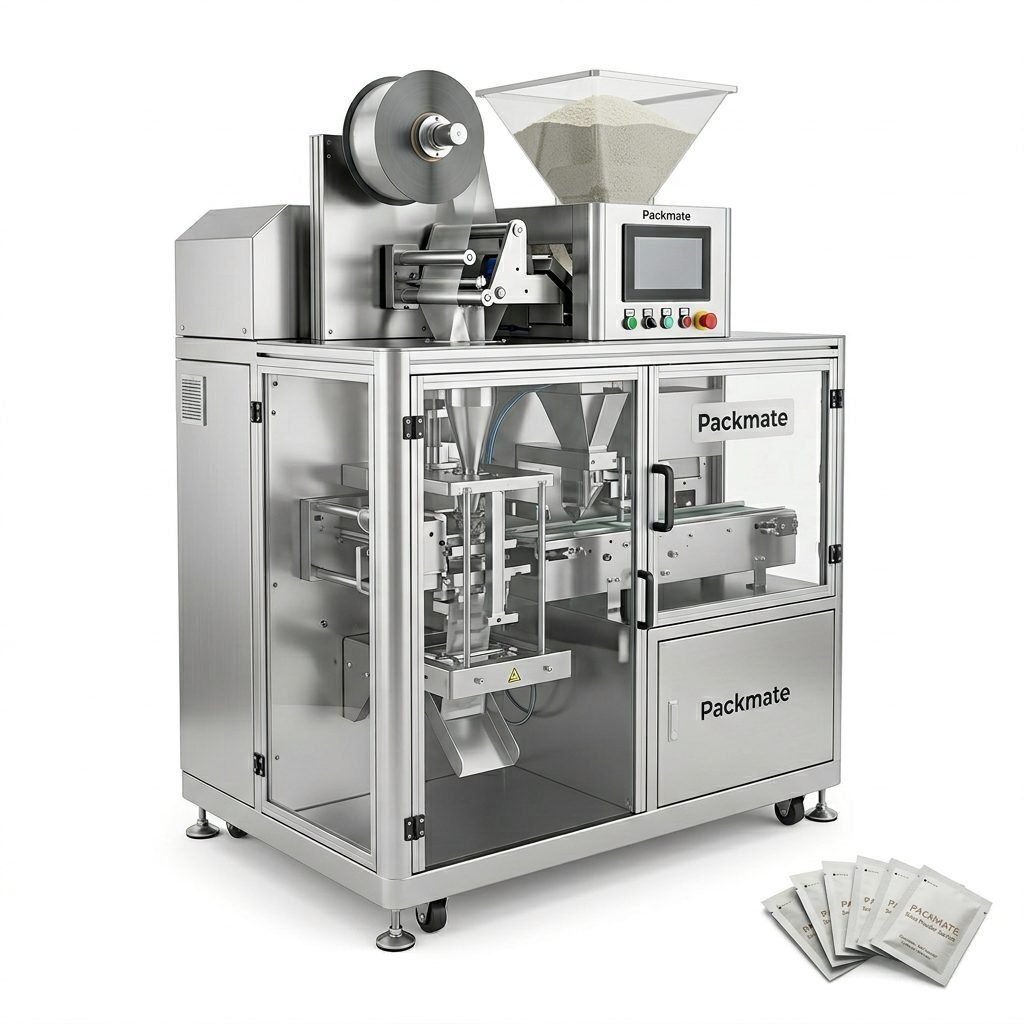
Choosing the right snus packaging machine in Ukraine can determine the efficiency, compliance, and long-term profitability of your nicotine pouch production. This guide walks you through technical specifications, regulatory considerations, local support options, and cost factors so you can make an informed purchase decision that fits your production targets and market demands.
Understanding the Market and Your Production Needs
Before evaluating machines, define your product format, daily output targets, and flexibility requirements. Snus and nicotine pouches come in multiple formats — single-dose pouches, sachets, stick packs, or multi-lane pouch formats. Your choice will influence the type of equipment needed, such as pouch forming machines, pre-made pouch feeders, or multi-lane high-speed lines. If you plan to scale, prioritize modular systems that allow capacity upgrades without full replacement.
Key production questions to answer
How many sachets/pouches per minute do you require? Do you need precise dosing for nicotine content? Will you run multiple flavors or formulations that require frequent changeovers? Answering these will guide you toward stick pack, sachet, or specialized snus packaging machines. For a catalog of compatible systems, consider reviewing Snus & Nicotine Packaging Machines and Sachet & Stick Pack Machines for comparisons and specifications.
🔍 Production capacity — Match machine speed to realistic production volumes, not just peak forecasts.
⚙️ Flexibility — Choose systems that support multiple pouch widths, fill types (powder, granule, liquid), and packaging films.
📦 Automation level — Balanced automation reduces labor costs but increases initial investment; consider turnkey solutions if you need minimal in-house integration.
Technical Factors: What to Compare
Technical specifications often distinguish a reliable long-term supplier from a short-lived purchase. Prioritize machines with robust mechanical design, easy-to-source spare parts, and proven dosing technologies. Important technical factors include accuracy of weighing/filling, sealing integrity, material compatibility, CIP (clean-in-place) or hygiene-friendly design, and control systems with intuitive HMI.
Essential specs checklist
Target speed (pouches/min), dosing accuracy (mg or percentage tolerance), film width range, forming tube options, servo-driven components for repeatability, and support for multi-lane production are all critical. For integrated weighing and metering, consult Weighing & Packaging Systems to ensure compatibility with your product’s physical properties.
✅ Dosing precision — Vital for nicotine content control and regulatory compliance.
✅ Material handling — Ensure powders or granules feed consistently; consider vacuum or vibration feeders.
Regulatory and Quality Considerations in Ukraine
Operating in Ukraine requires adherence to local product and machinery safety regulations as well as export/import rules if components cross borders. Choose machines that come with CE and ISO certifications to simplify local approvals and ensure international compliance. Equipment with documented validation, traceability features, and sanitary design will ease audits and product quality control.
Documentation and traceability
Insist on complete documentation: user manuals, electrical schematics, spare parts lists, and calibration certificates. Packmate Snus Machine offers certifications and global compliance records which can speed up regulatory acceptance and reduce time-to-market.
Sourcing Locally vs Importing: Pros and Cons
Sourcing locally in Ukraine may reduce lead times and provide faster service, but local options for high-precision snus machinery can be limited. Importing from experienced manufacturers with global service networks often yields higher reliability and advanced technology, but comes with customs lead times and potentially higher shipping costs. Consider a balanced approach: import core machinery from a reputable supplier while sourcing local installation and maintenance partners.
When evaluating suppliers, check global references and case studies. Many buyers rely on proven partners — explore Case studies and Exhibition records to confirm machine performance in environments similar to yours.
Service, Spare Parts and After-Sales Support
After-sales support is as important as machine performance. Confirm average lead times for spare parts, availability of remote troubleshooting, and options for onsite commissioning. Suppliers that provide training, preventive maintenance schedules, and long-term parts availability reduce downtime and lower total cost of ownership.
💡 Global service network — Helpful for fast resolution; check whether the manufacturer supports Ukraine.
📞 Remote diagnostics — Modern PLC and HMI systems often allow remote access for troubleshooting and software updates.
Warranty and spare parts strategy
Ask for spare parts pricing lists and typical consumable lifetimes. A clear warranty and extended service programs reduce risk. If you prefer a single-source solution, look into turnkey options that include installation, training, and post-sale support. The Packmate team offers turnkey packaging lines and detailed service options which can be reviewed on their Service and About Packmate pages.
Total Cost of Ownership (TCO) — Beyond the Purchase Price
When selecting equipment, evaluate TCO: purchase price, installation, utilities, consumables (films, sealing elements), operator training, maintenance, and downtime risks. Cheaper initial quotes can hide higher consumable costs or frequent maintenance needs. High-quality machines often pay back via reduced waste, higher uptime, and better product consistency.
Consider energy-efficient drives (servo motors), reliable dosing systems that minimize giveaway, and modular designs that allow slow expansion—these design choices can significantly lower operating costs over the machine lifecycle.
Practical Buying Checklist for Ukraine Buyers
Use this checklist during vendor selection: machine speeds and tolerance, film compatibility, hygiene features, changeover times, spare parts availability, certifications, local support capability, warranty terms, and references from similar customers. Ask vendors for on-site testing or video proof of machines running your product to validate real-world performance.
📌 Run-to-sample — Insist on a trial run with your formulation before purchase confirmation.
📌 References — Request references in similar industries or regions.
📌 Documentation — Verify CE, ISO, and calibration paperwork.
Recommended Machine Types for Snus and Nicotine Pouches
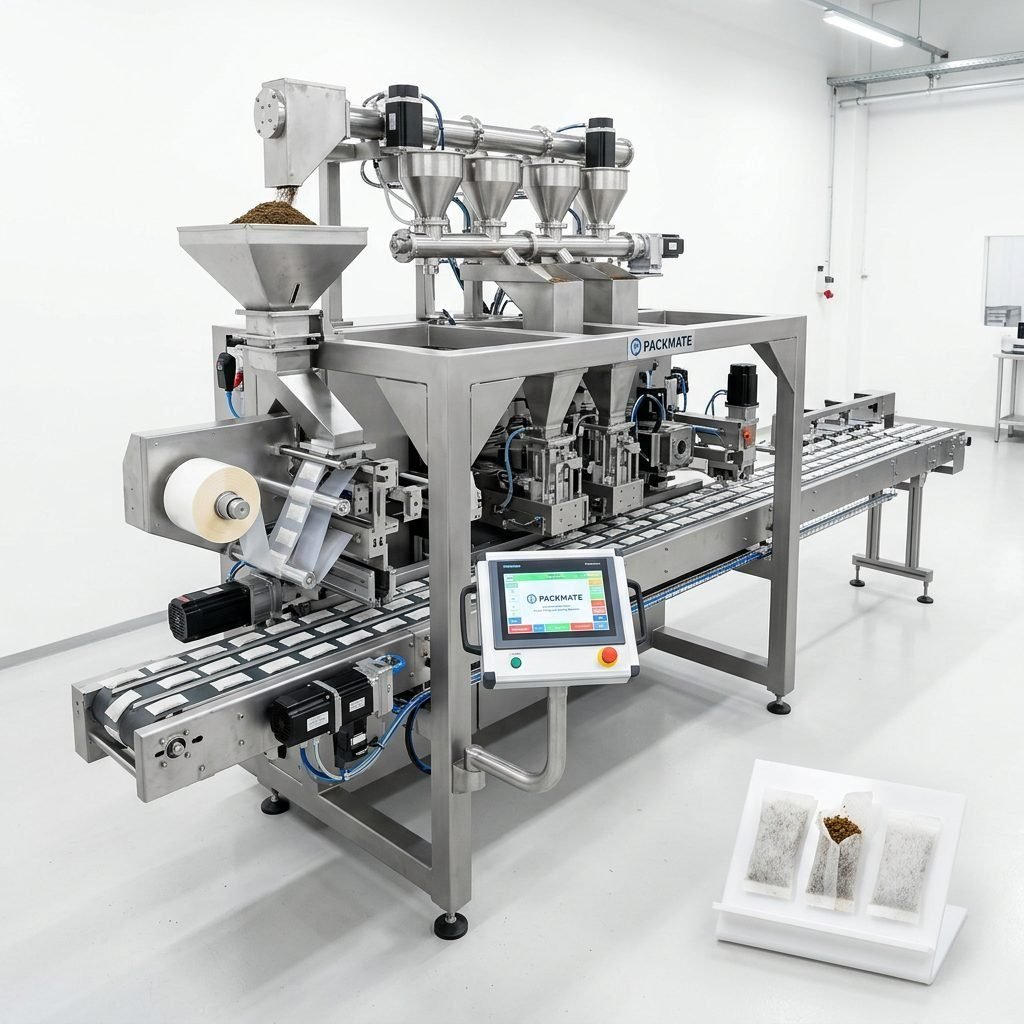
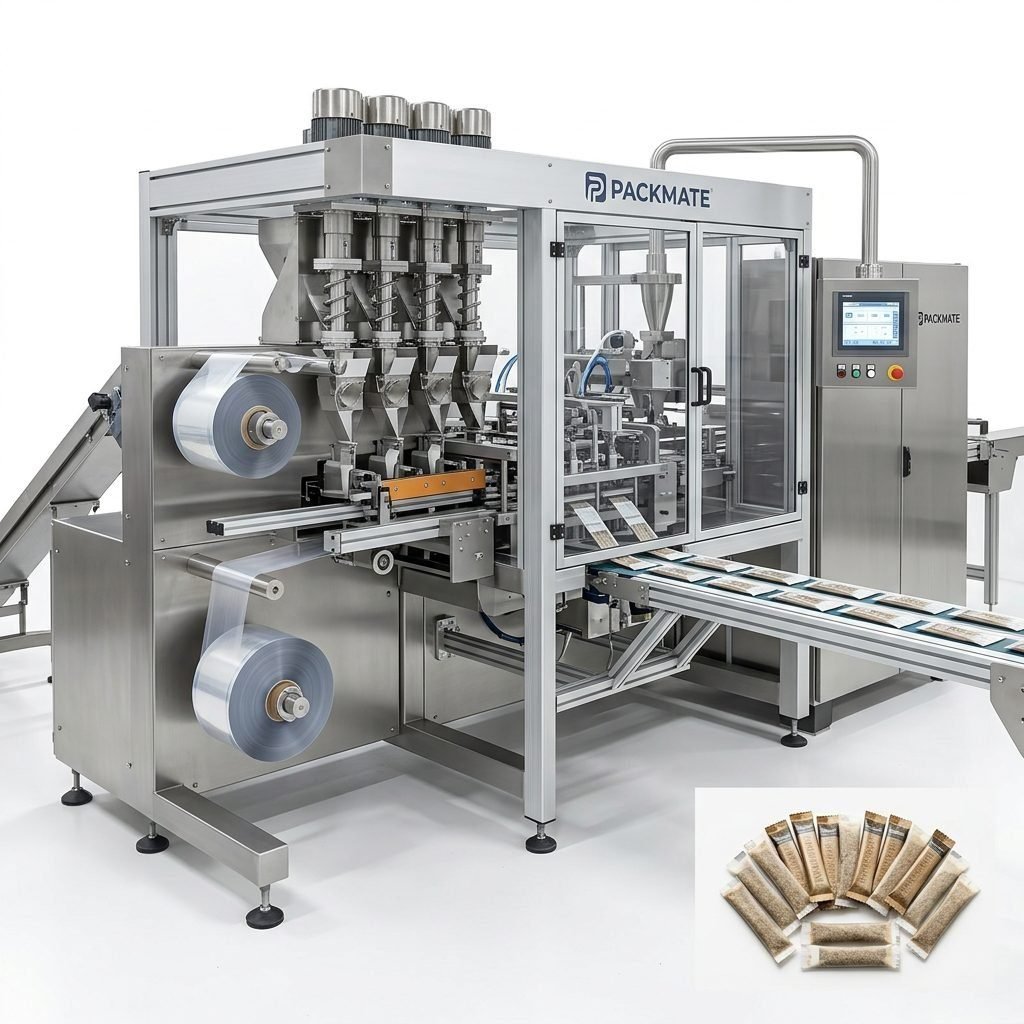
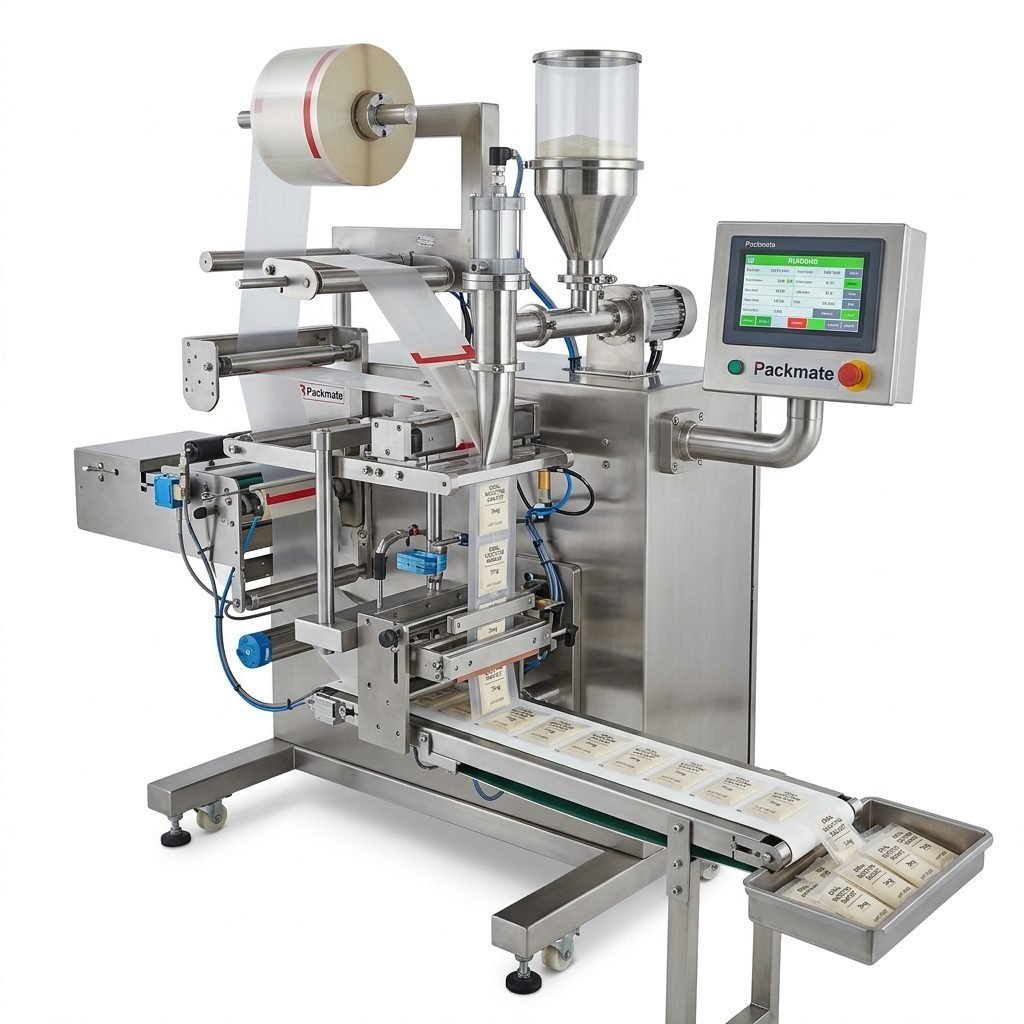
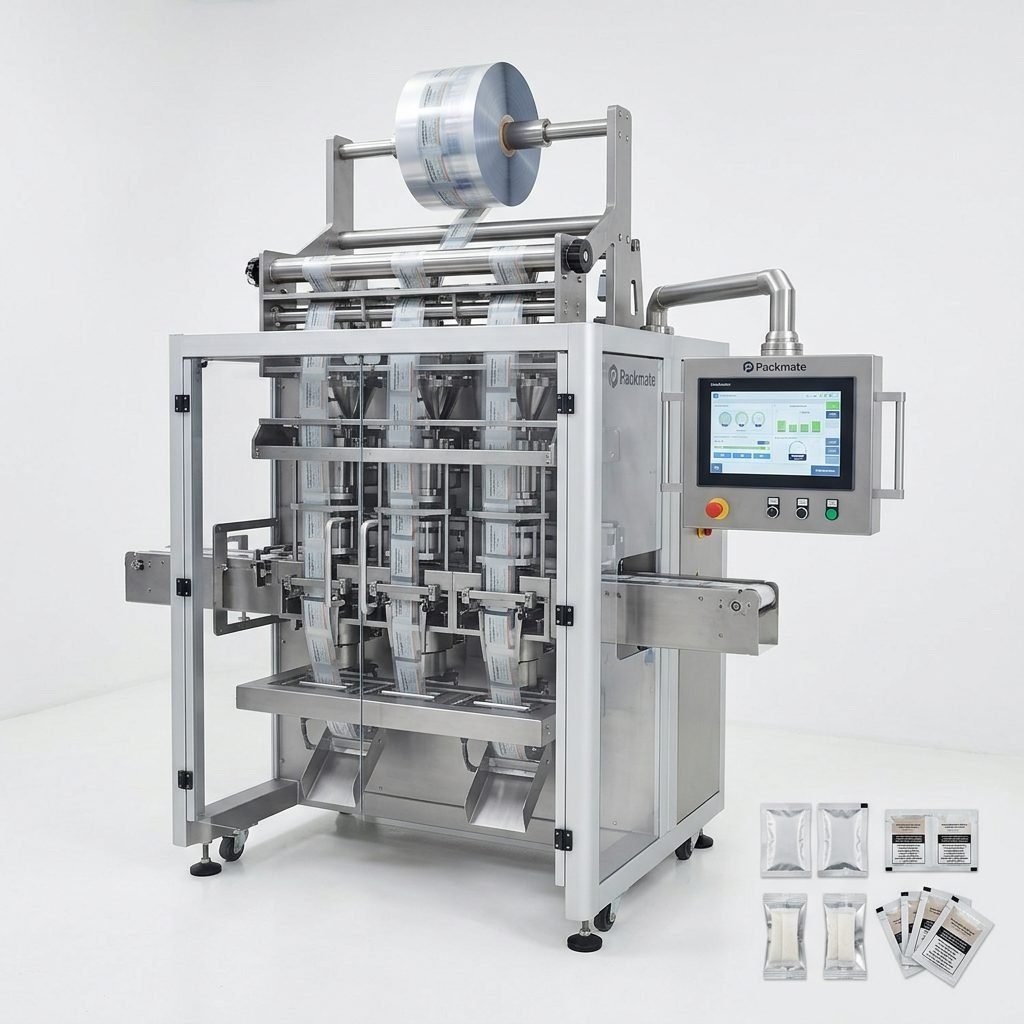
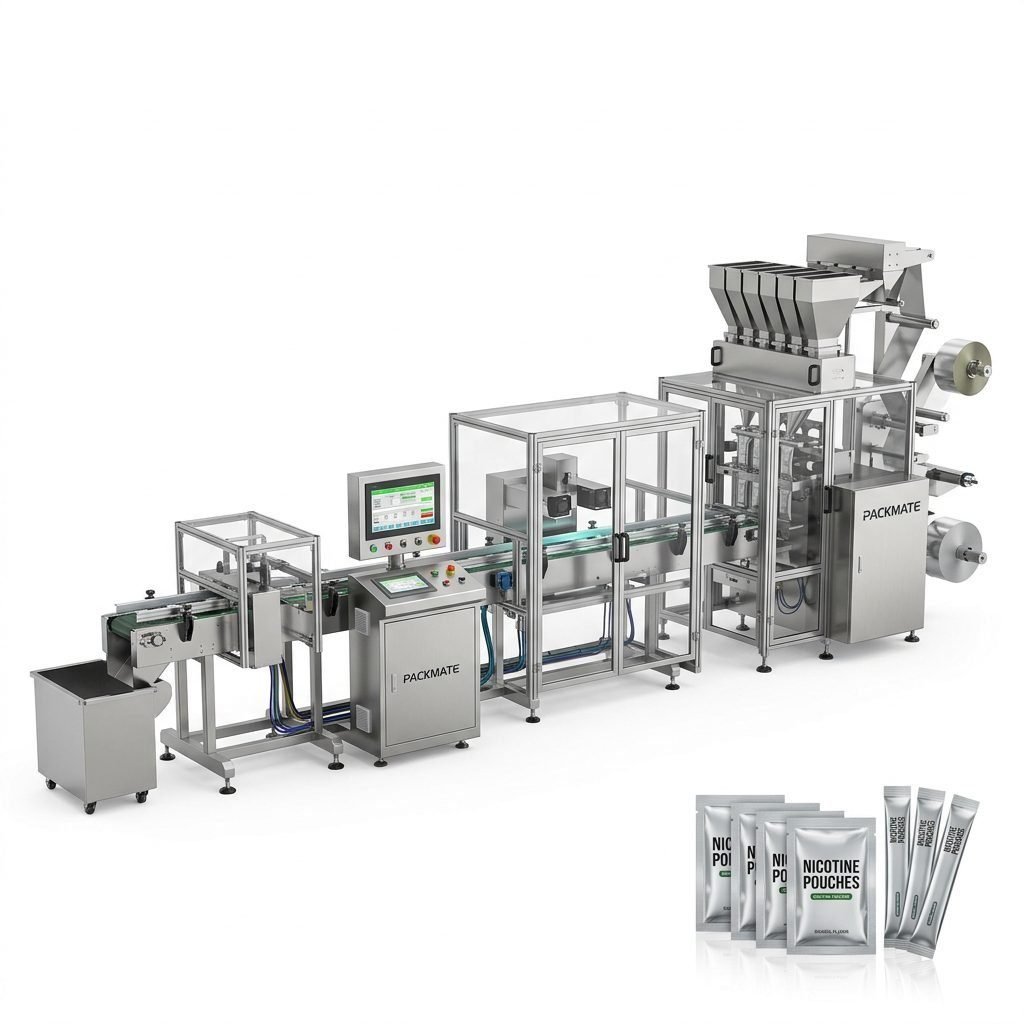
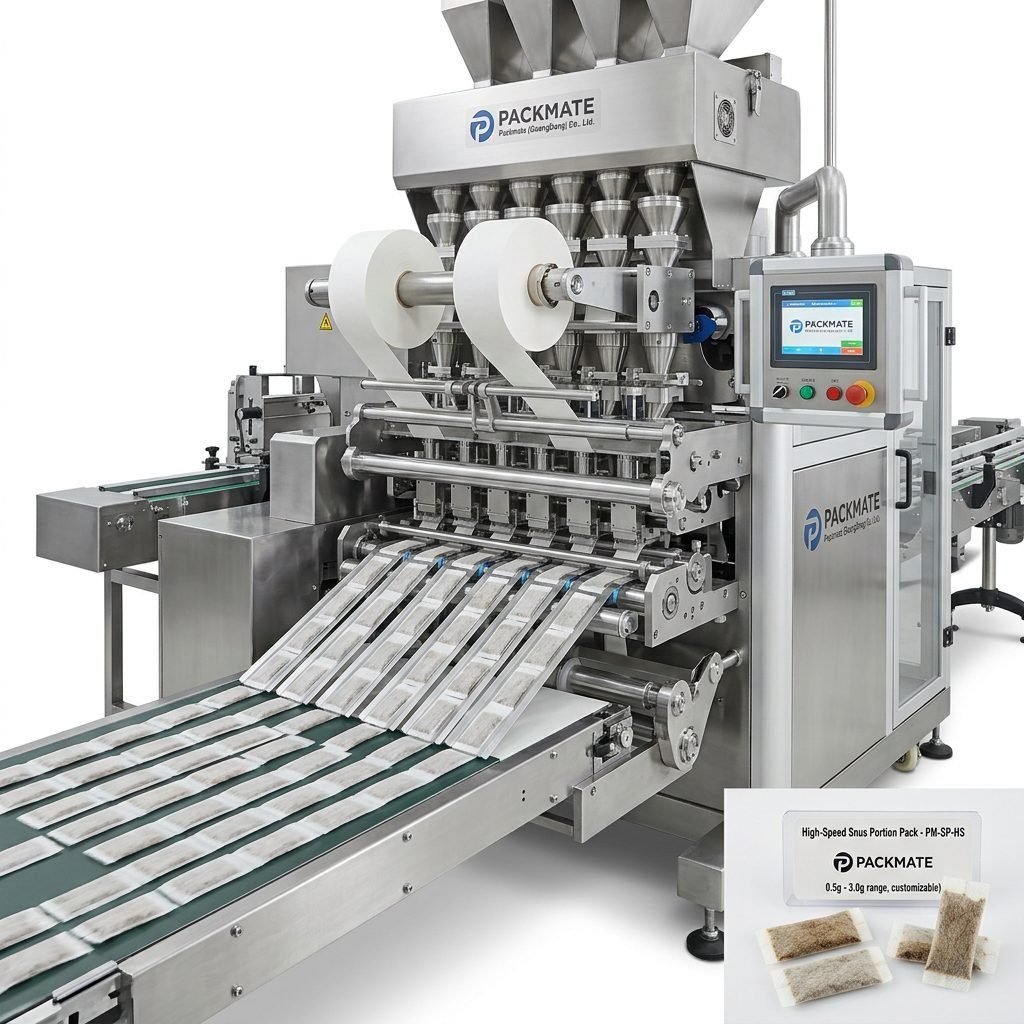
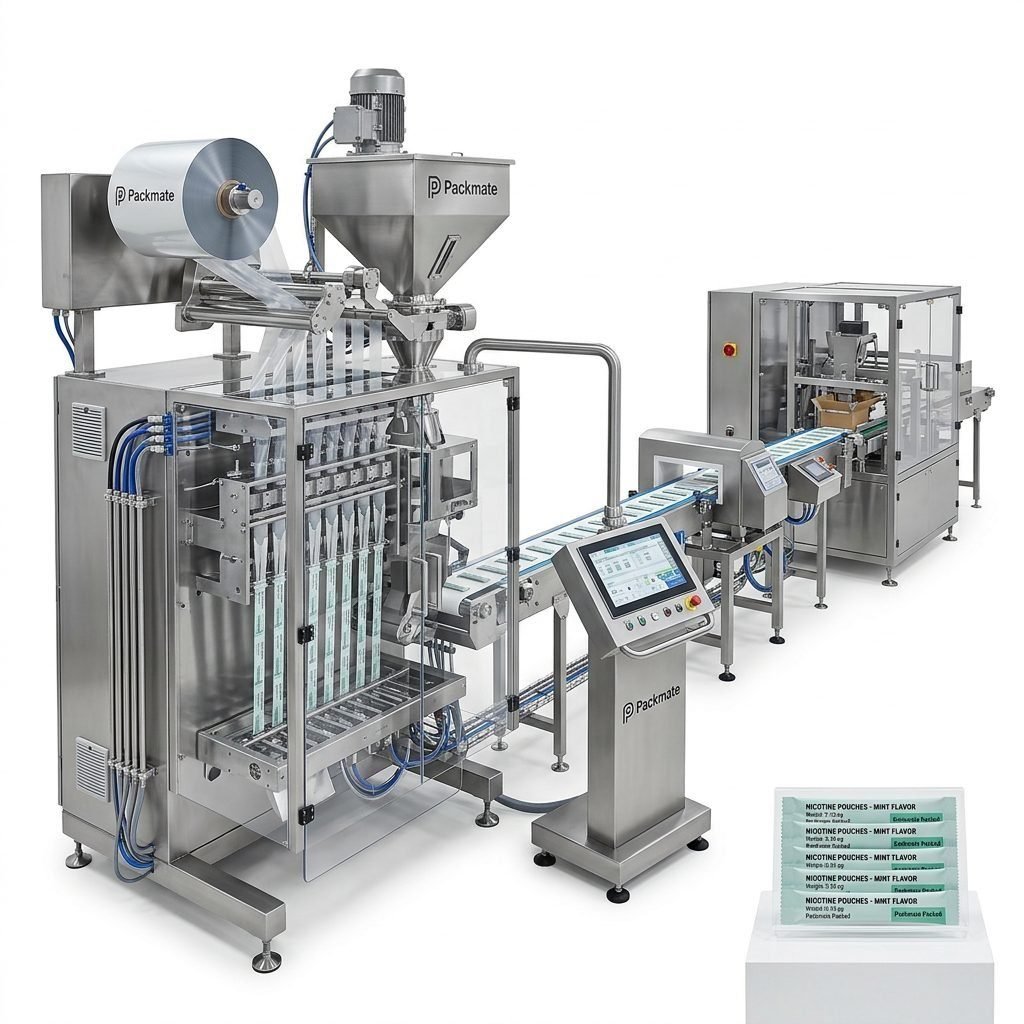
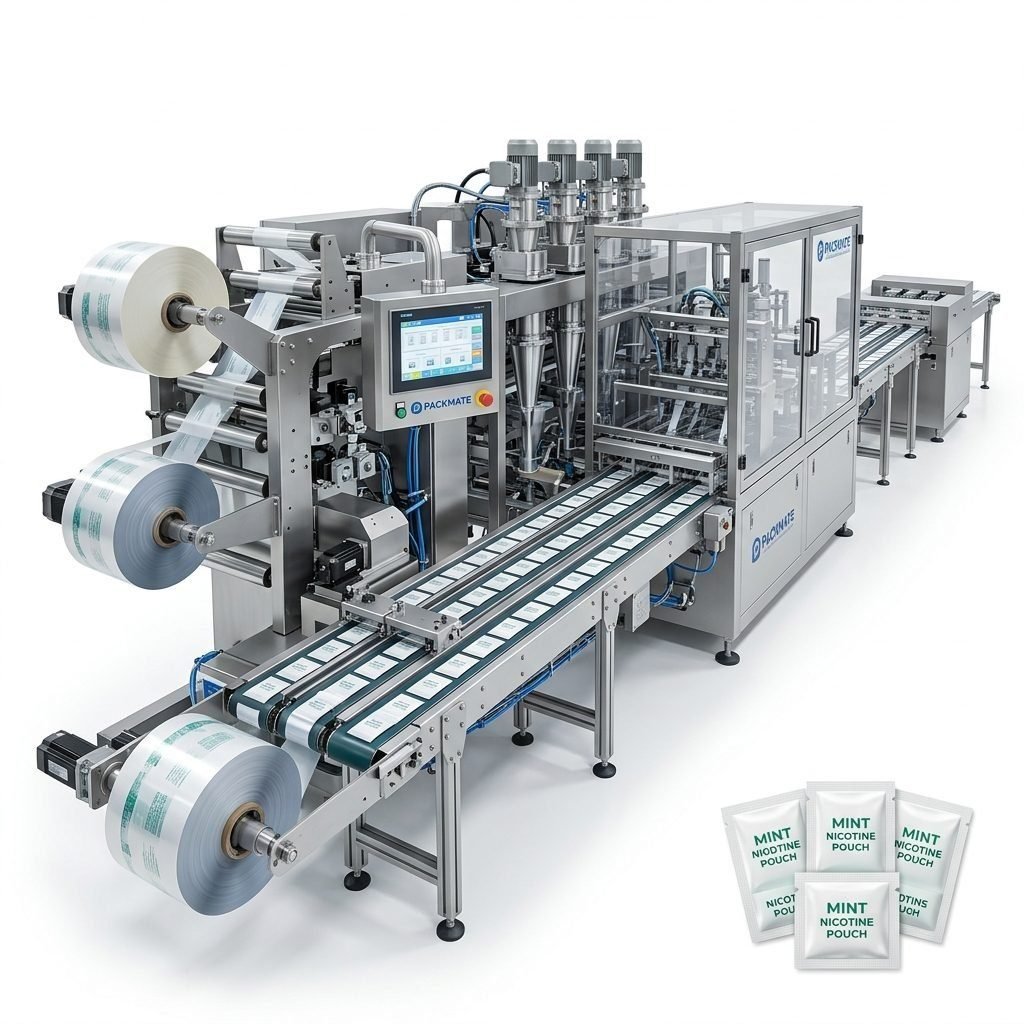
Depending on product format, different machines fit best: multi-lane stick pack systems for high-volume small-dose pouches, sachet machines for shaped pouches, and specialized snus packing machines for precise nicotine pouches. Browse product categories like Bag & Pouch Packaging Machines and Filling & Packaging Lines to align specific models to your product type and throughput needs.
When to choose multi-lane vs single-lane
Multi-lane systems increase throughput without requiring higher individual speeds, ideal for small-dose pouches where dosing accuracy is crucial. Single-lane or fewer lanes provide simpler maintenance and lower initial cost if your volume is modest.
Making the Final Decision
Compile quotes, verify technical claims, and prioritize vendors that offer demonstrations, strong after-sales support, and clear documentation. Consider visiting exhibitions to see machines in operation and ask detailed questions about integration into your production line. Packmate Snus Machine has a global presence and showcases technologies at major events — check Our Exhibition and Case pages for real-world references.
Negotiation tips
Negotiate for spare parts bundles, training hours, extended warranty terms, and inclusion of essential tooling. Clarify delivery timelines, factory acceptance testing (FAT) provisions, and responsibilities for import duties and logistics.
Useful Links and Resources
Explore detailed machine families and technical data on trusted supplier pages: Snus & Nicotine Packaging Machines, Sachet & Stick Pack Machines, and Weighing & Packaging Systems. For company capabilities, visit About Packmate and to see installation examples, review the Case section.
Conclusion
Selecting the best snus packaging machine in Ukraine requires balancing production needs, regulatory compliance, total cost of ownership, and after-sales support. Prioritize proven technologies, modular designs for future scaling, and suppliers with strong global service capabilities to minimize downtime and protect product quality. Thorough testing, clear documentation, and verified references will help ensure a successful purchase and a productive packaging line.
Frequently Asked Questions
Q1: What certifications should I require when buying snus packaging machines? — Require CE and ISO certifications, and ask for calibration and electrical schematics to meet local regulatory needs.
Q2: How can I validate a supplier’s machine before purchase? — Request on-site trials or video demonstrations using your product, references from similar customers, and a detailed FAT (Factory Acceptance Test) plan.
Q3: Are multi-lane machines necessary for small-dose snus pouches? — Multi-lane systems are recommended when high throughput and consistent dosing are required; single-lane may suffice for low volumes.
Q4: What level of after-sales support should I expect? — Ensure availability of spare parts, remote diagnostics, commissioning assistance, and training. Strong vendors offer service contracts and parts kits to minimize downtime.
Q5: Where can I find more information about turnkey snus packaging lines? — Review Packmate’s turnkey solutions and product families on About Packmate and Service pages, and contact the vendor directly for tailored proposals.