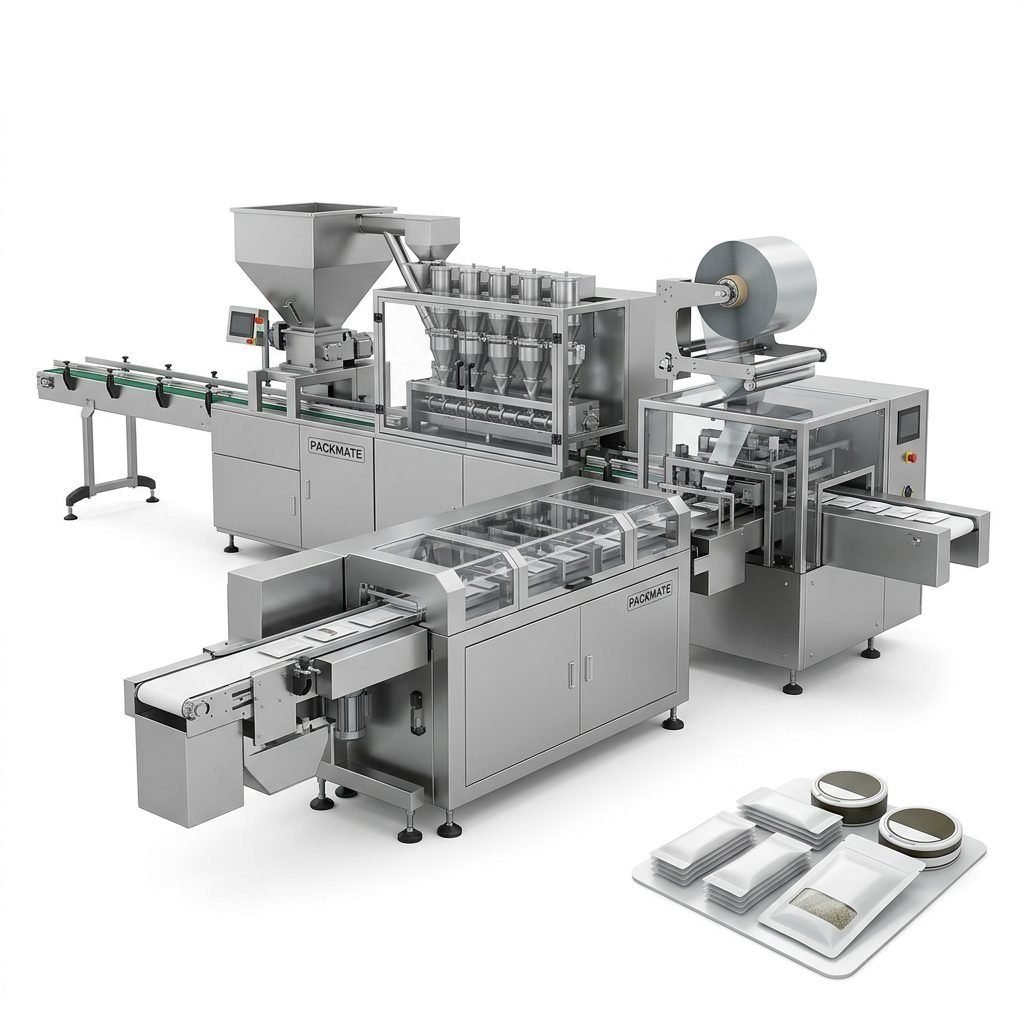
Choosing the right snus packaging machine supplier in Uganda is a strategic decision that affects your product quality, compliance, and profitability. Whether you are producing nicotine pouches, snus, or other small-dose sachet products, the machine you buy and the partner you select will influence your production uptime, scaling potential, and ability to meet local market preferences and regulations. This guide walks you through practical, Uganda-specific considerations and a supplier-evaluation checklist to help you make an informed purchase.
Understand the Uganda Market and Local Preferences
Uganda’s consumer base values both affordability and convenience. Many users in urban centers like Kampala prefer compact, discreet product formats that suit on-the-go lifestyles. When selecting a snus packaging machine supplier, keep in mind that packaging size, pouch type (stick, sachet, or multi-lane pouches), and branding flexibility are vital to capture local demand. Also consider the regional climate — high humidity requires packaging that maintains product stability and shelf life.
Why Supplier Experience and Track Record Matter
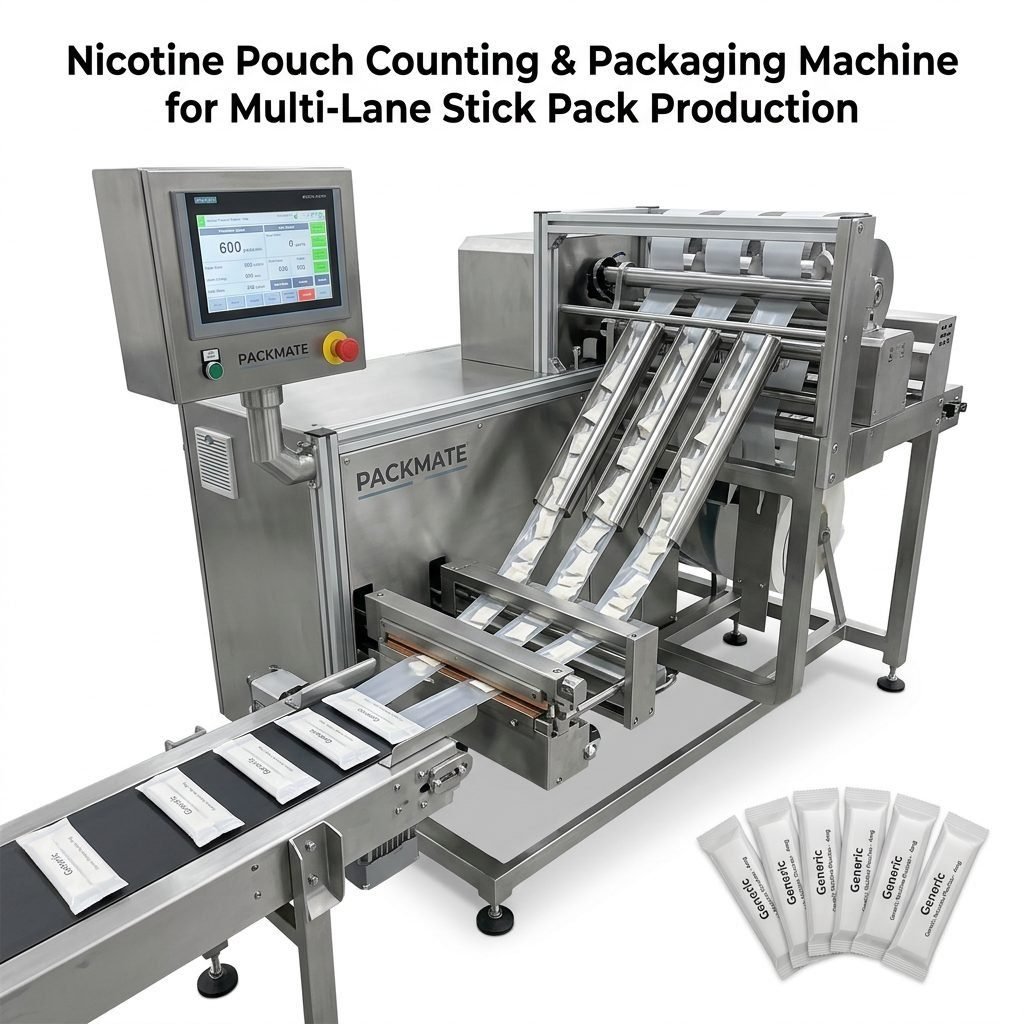
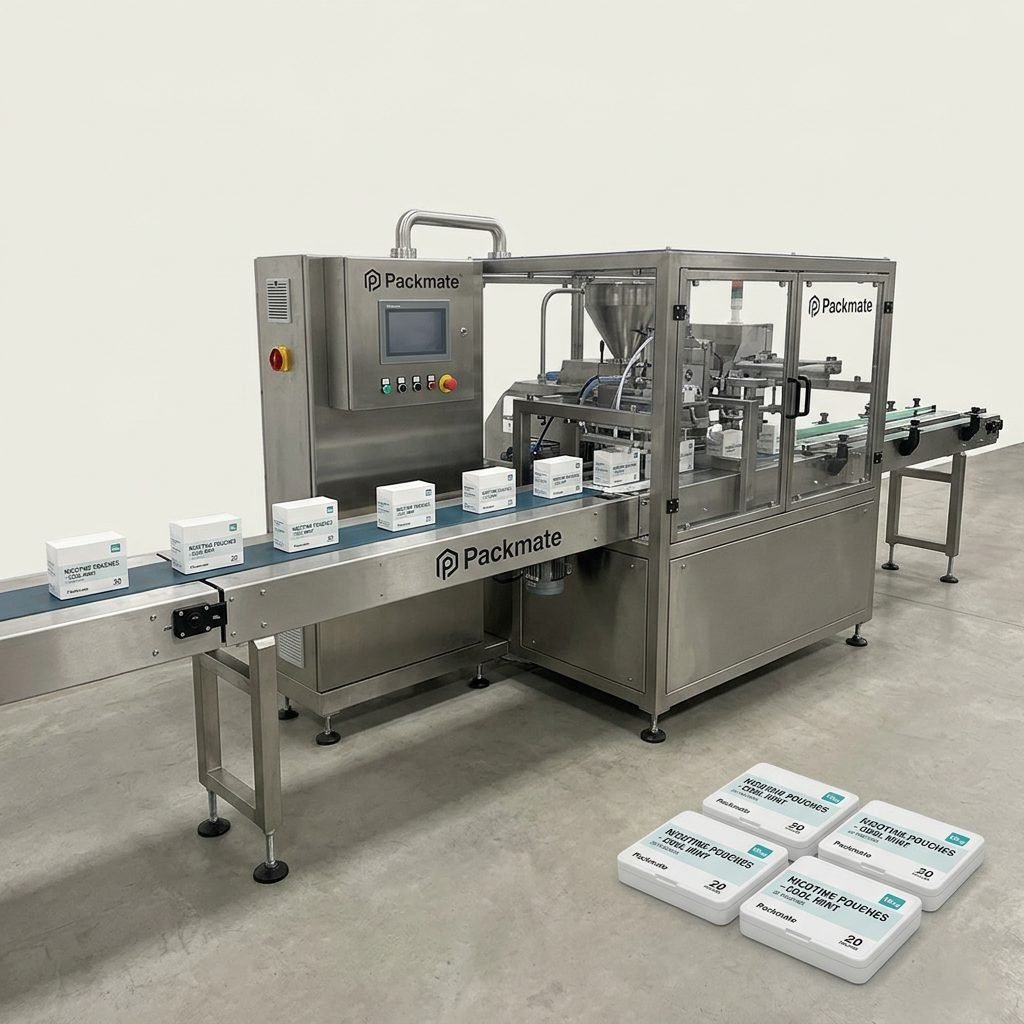
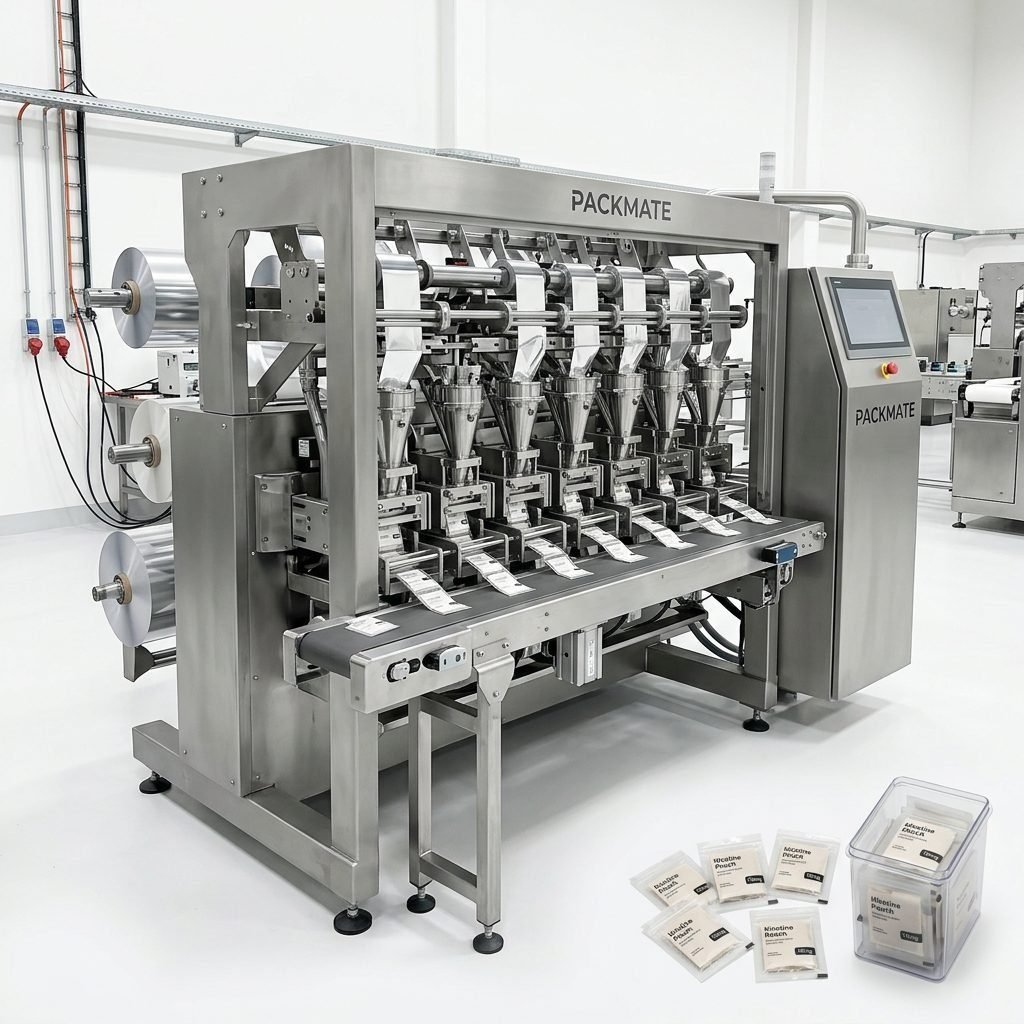
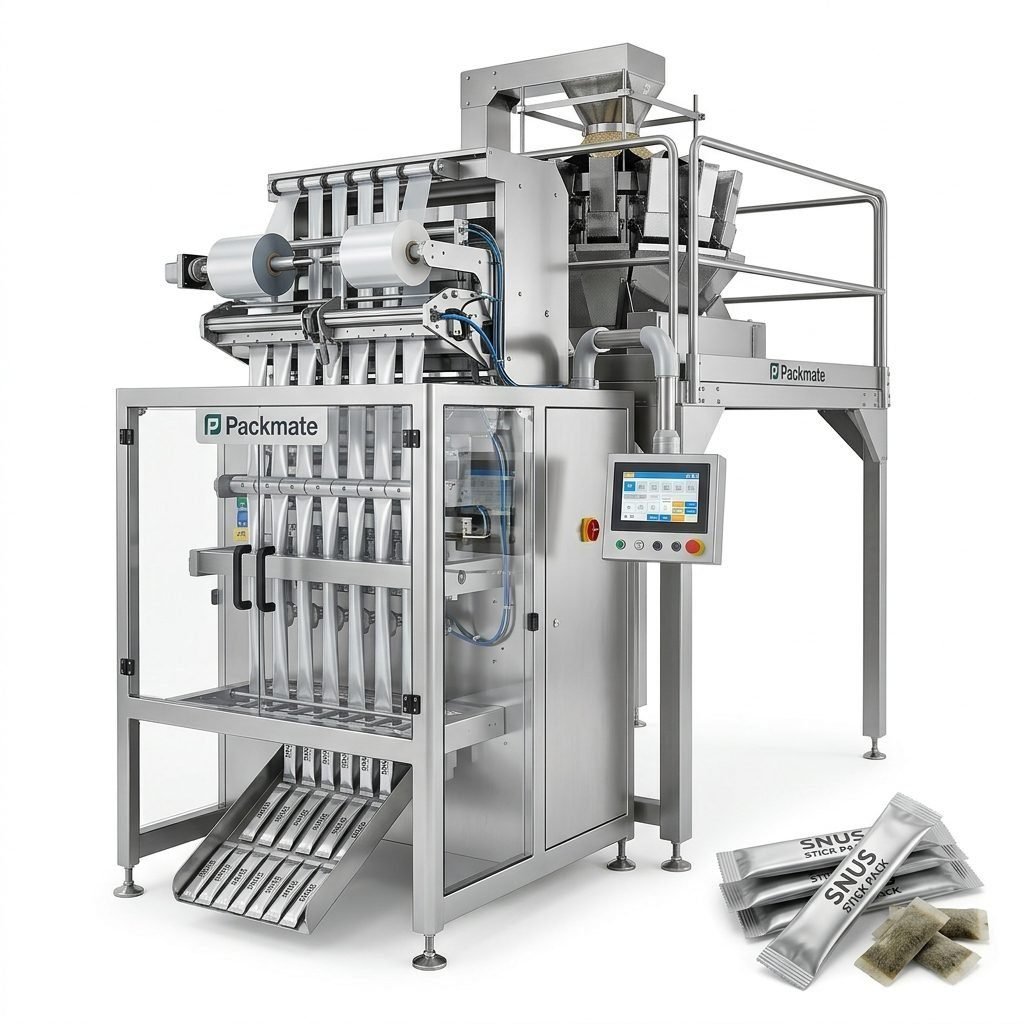
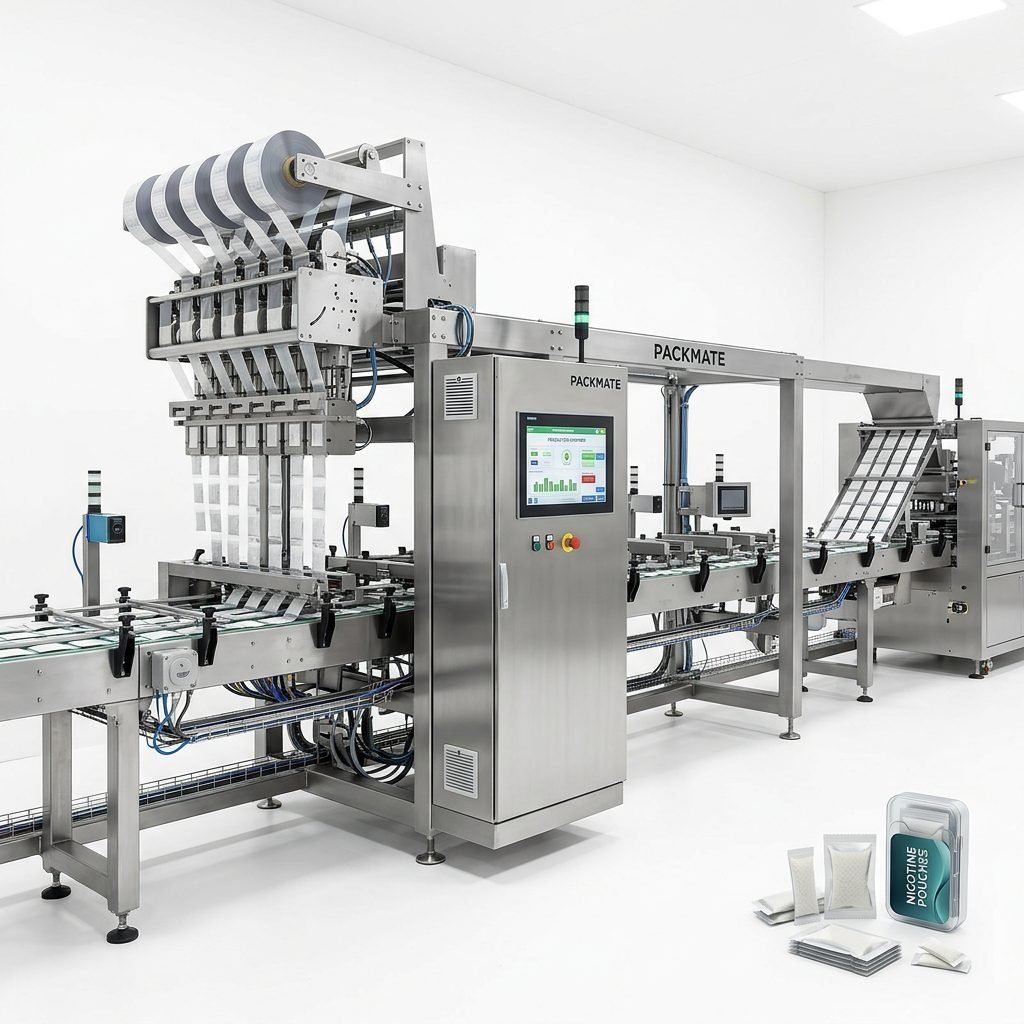
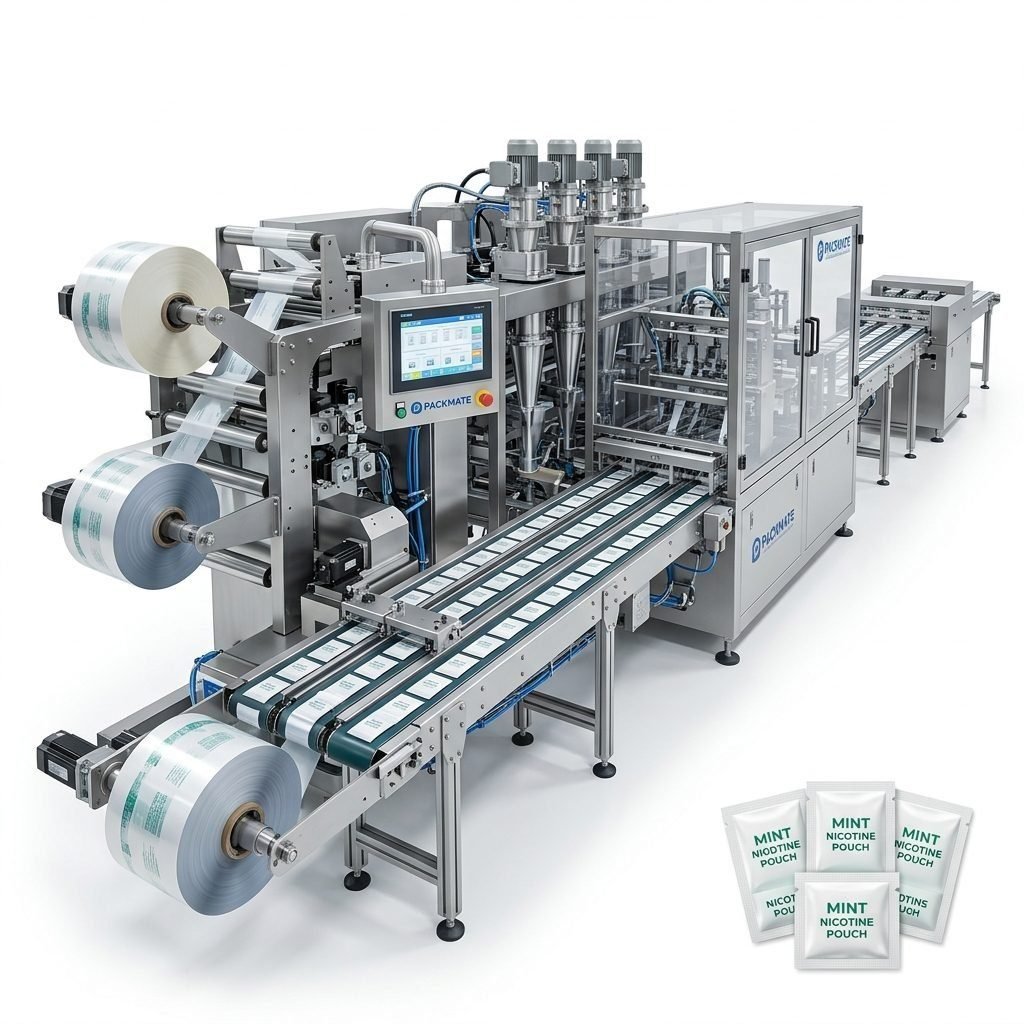
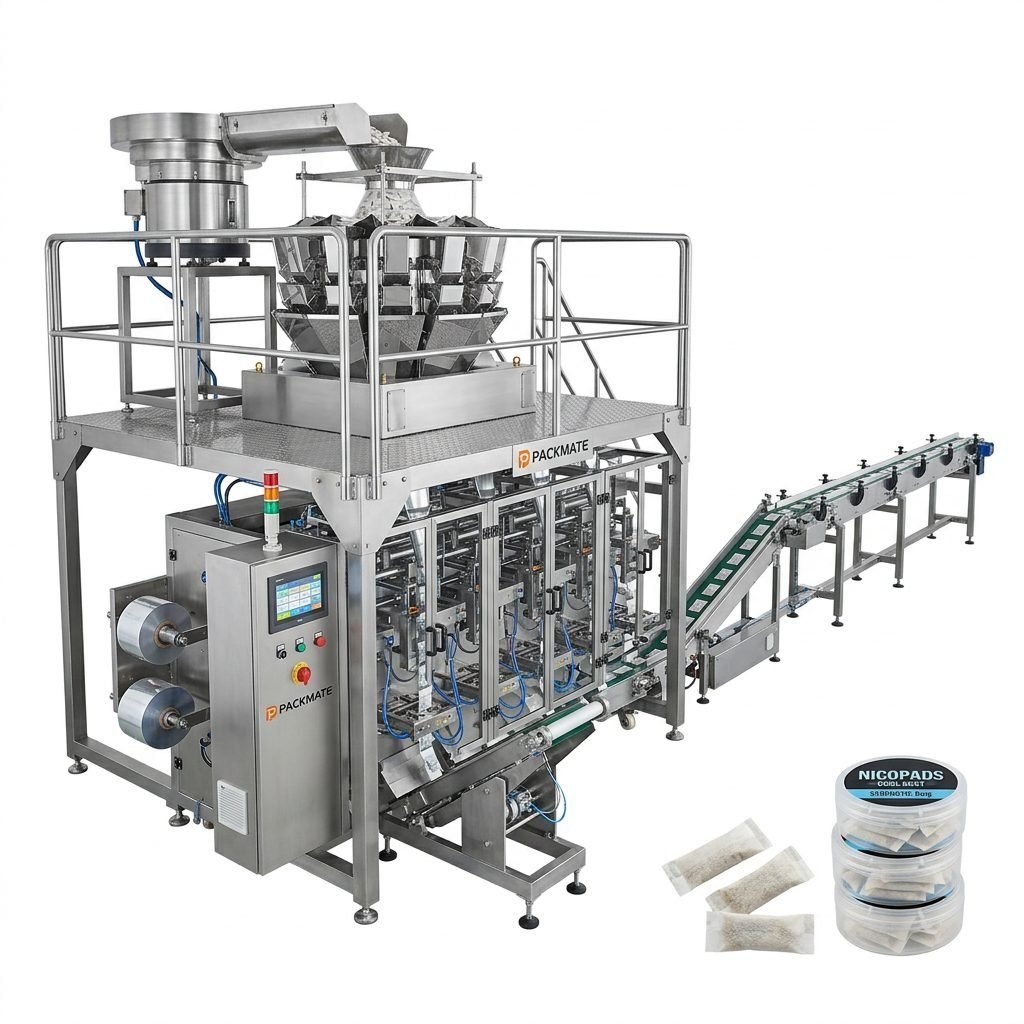
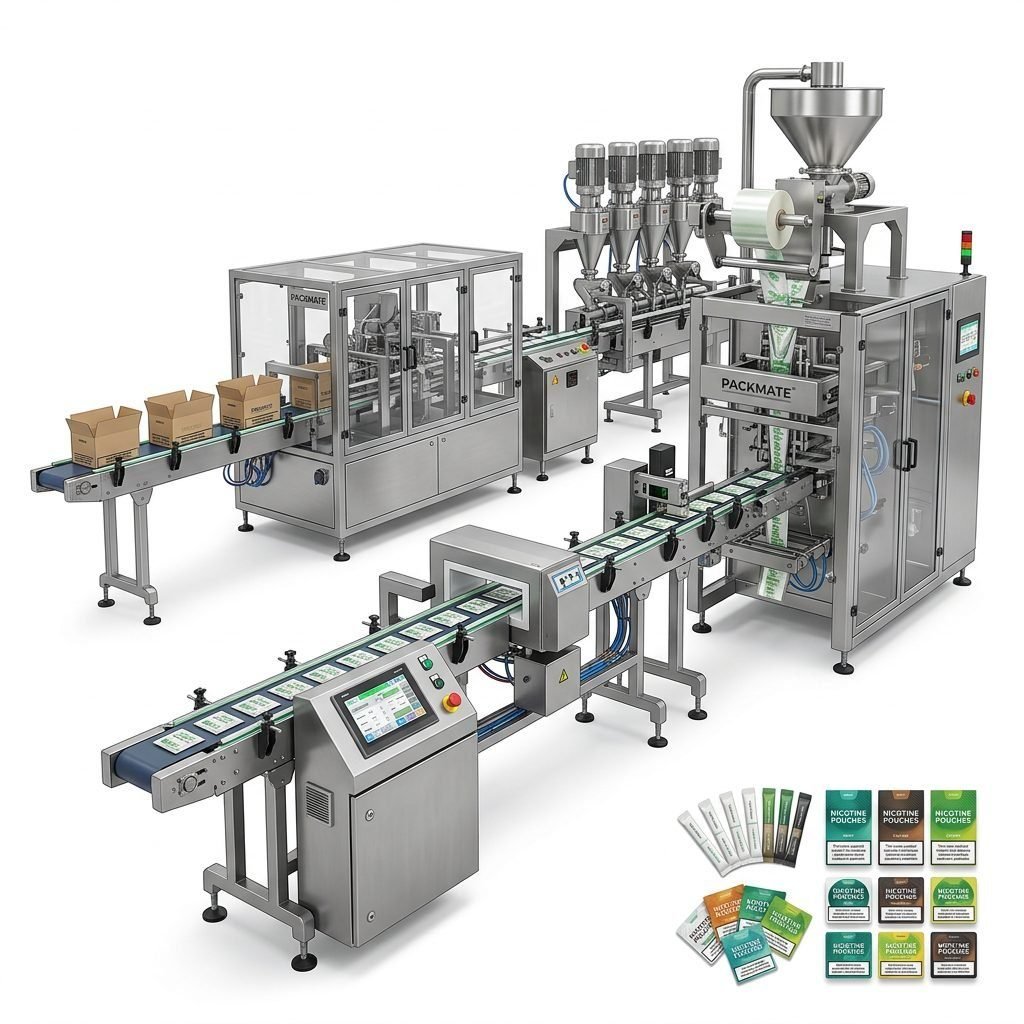
A supplier with decades of engineering experience will better anticipate production issues and offer robust solutions. Look for partners who have worked with nicotine pouch and snus packaging before — they understand dosing accuracy, multi-lane synchronization, and contamination control. For example, manufacturers such as Packmate Snus Machine emphasize 30+ years of experience and multiple machine models designed specifically for snus and nicotine pouch production. You can review relevant machine categories at
Snus & Nicotine Packaging Machines.
Key experience indicators
– Years in business and continuous product development
– References and case studies from similar regions or product types (look for examples on the supplier’s Case page)
– Presence at trade exhibitions and international certifications like CE and ISO
Factory Capacity and Manufacturing Strength
When your business scales, you will need a supplier who can deliver not just a single machine but full production lines and spare parts rapidly. Verify factory size, CNC capabilities, assembly lines, and quality testing processes. Suppliers with large facilities (for instance, a 20,000㎡ plant) can typically offer a wider range of models and faster customizations. Explore more equipment categories such as
Bag & Pouch Packaging Machines and
Sachet & Stick Pack Machines.
Quick checklist: ✓ Factory photos and videos available, ✓ Spare parts inventory, ✓ Ability to produce multi-lane systems for small-dose pouches.
Technical Capabilities: Machines, Models, and Customization
A supplier should offer diverse machine models to match your product and throughput needs. Look for:
– Multi-lane systems for high throughput without sacrificing accuracy
– Stick pack and sachet options for varied market preferences
– Integrated weighing and dosing systems for uniform fills (see Weighing & Packaging Systems)
– Capability for custom molds, film types, and print registration to match branding needs
Why customization is important in Uganda
Local tastes, labeling language, and regulatory requirements can require unique packaging sizes or labeling windows. A flexible supplier can adapt film seal types, barrier materials, and pack dimensions so you can introduce products tailored to specific consumer segments across Uganda, from city centers to more conservative regional markets.
Certifications, Quality Control, and Compliance
Ensure the supplier complies with international safety and quality standards. CE and ISO certifications indicate a commitment to safety and quality control. Also enquire about food-contact certifications and traceability systems if you plan to export products beyond Uganda. Suppliers should provide clear test reports and factory inspection documentation.
After-Sales Support, Training, and Local Service
Reliable after-sales support is critical. Ask about:
– On-site installation and commissioning services
– Operator training programs and operation manuals in English
– Remote troubleshooting and spare part dispatch times
– Local agents or partners in East Africa who can provide faster service
Service tip: Choose a supplier that offers a clear spare parts list and recommended inventory levels to minimize downtime.
Testing, Samples, and Factory Acceptance
Before shipment, request sample production runs and videos of your specific product being packed. A trustworthy supplier will allow factory acceptance tests (FAT) and provide machine operation videos. This minimizes surprises upon arrival in Uganda and helps confirm that filling accuracy, seal strength, and film feed are all within your specifications.
Total Cost of Ownership vs. Purchase Price
Low initial price can lead to higher long-term costs due to frequent maintenance, poor uptime, or low-quality components. Evaluate:
– Energy consumption and consumables cost
– Mean time between failures (MTBF) and warranty coverage
– Availability and price of spare parts shipped to Uganda
– Resale value and upgrade paths for the machine
Delivery, Shipping, and Customs Considerations for Uganda
Machines often ship by sea to Dar es Salaam or Mombasa and then move by road to Uganda. Confirm the supplier’s experience with export documentation, packaging for sea freight, and coordination with freight forwarders. Ask if the supplier can assist with customs paperwork and recommend local partners to smooth the import process.
Financial Terms and Support
Clarify payment terms, lead times, and available financing options. Suppliers may offer staged payment plans tied to milestones such as order confirmation, FAT completion, and shipment. Having flexible terms helps manage cash flow during ramp-up.
Sustainability and Material Choices
Sustainability is increasingly important. Consider partners who support recyclable or lower-carbon film solutions and can adapt machines to different film types without costly retrofits.
Visiting the Supplier and Factory Audit
When feasible, a factory visit is invaluable. If travel is not possible, request live video tours and direct conversations with technical leads. Ask to see assembly lines, CNC equipment, quality testing labs, and finished machine demos. Trusted suppliers often provide detailed factory documentation and real customer references.
How to Validate a Supplier Quickly
1. Request machine demos and sample production videos.
2. Ask for customer references in similar markets; contact them directly.
3. Verify certifications and factory photos/videos.
4. Confirm spare parts lead times and warranty terms.
5. Review the supplier’s portfolio — product pages such as About Packmate can provide helpful background.
A few red flags to watch for
– Vague answers about spare parts availability or lead times
– No factory footage or unwillingness to perform FAT
– No clear warranty or service-level agreement
Leveraging Local Partnerships and Agents
Having a local distributor or agent can reduce response times for service and increase the speed of spare parts delivery. Ask potential suppliers if they have East Africa partners or whether they can recommend third-party service providers familiar with their machines. Suppliers often list services under their support pages — for example check the supplier’s Service offerings.
Decision checklist (short):
🔧 Technical fit: multi-lane options, dosing accuracy
📦 Supply chain: shipping, spare parts, agent support
✅ Compliance: certifications and FAT capability
💬 After-sales: training, remote support, warranty
Case Studies and Proof of Performance
Ask suppliers for specific case studies where they delivered snus or nicotine pouch lines to markets with similar logistical challenges to Uganda. Real-world results such as production uptime, yield improvements, and time-to-market are valuable metrics. You can learn more about typical deployments and exhibition demos by visiting the supplier’s Our Exhibition page.
Putting It Together: A Practical Selection Process
1) Define your required throughput, pouch format, and budget range.
2) Shortlist suppliers with relevant snus/nicotine experience.
3) Request sample runs, FAT, and references.
4) Confirm service network and spare parts logistics for Uganda.
5) Negotiate terms, warranties, and training before signing the contract.
If you need direct contact or a quote, the supplier’s Contact Us page is a reliable starting point.
Final Thoughts
Choosing the best snus packaging machine supplier for your business in Uganda requires a careful balance between technical capability, local market understanding, and dependable after-sales service. Prioritize suppliers who demonstrate proven experience with nicotine pouch lines, transparent quality processes, and the ability to support you locally. This approach reduces risk and positions your business to scale with confidence.
Further reading
If you want to explore additional product categories and technical specifications, see related equipment pages such as Filling & Packaging Lines and Auxiliary Packaging Equipment.
Frequently Asked Questions
Q1: How long does it take to receive a snus packaging machine after ordering?
A1: Typical lead times vary by model and customization but expect 8–16 weeks for standard models; custom lines can take longer. Confirm lead time in the sales contract.
Q2: What warranty and spare parts support should I expect?
A2: A reliable supplier provides at least a 12-month warranty, spare parts lists, and recommended inventory. Check response times for dispatch to Uganda.
Q3: Can I get on-site installation and operator training in Uganda?
A3: Many suppliers offer installation and training either on-site or via remote coaching. Confirm whether the supplier has local partners to reduce travel costs.
Q4: How do I ensure my packaging meets Uganda’s labeling and regulatory requirements?
A4: Work with local regulatory consultants and choose a supplier who supports flexible label printing and film changes. Suppliers with export experience can often advise on documentation.
Q5: Where can I view real customer references and examples of completed lines?
A5: Ask the supplier for case studies and customer contacts, and review their case and exhibition pages for demos and past project summaries.