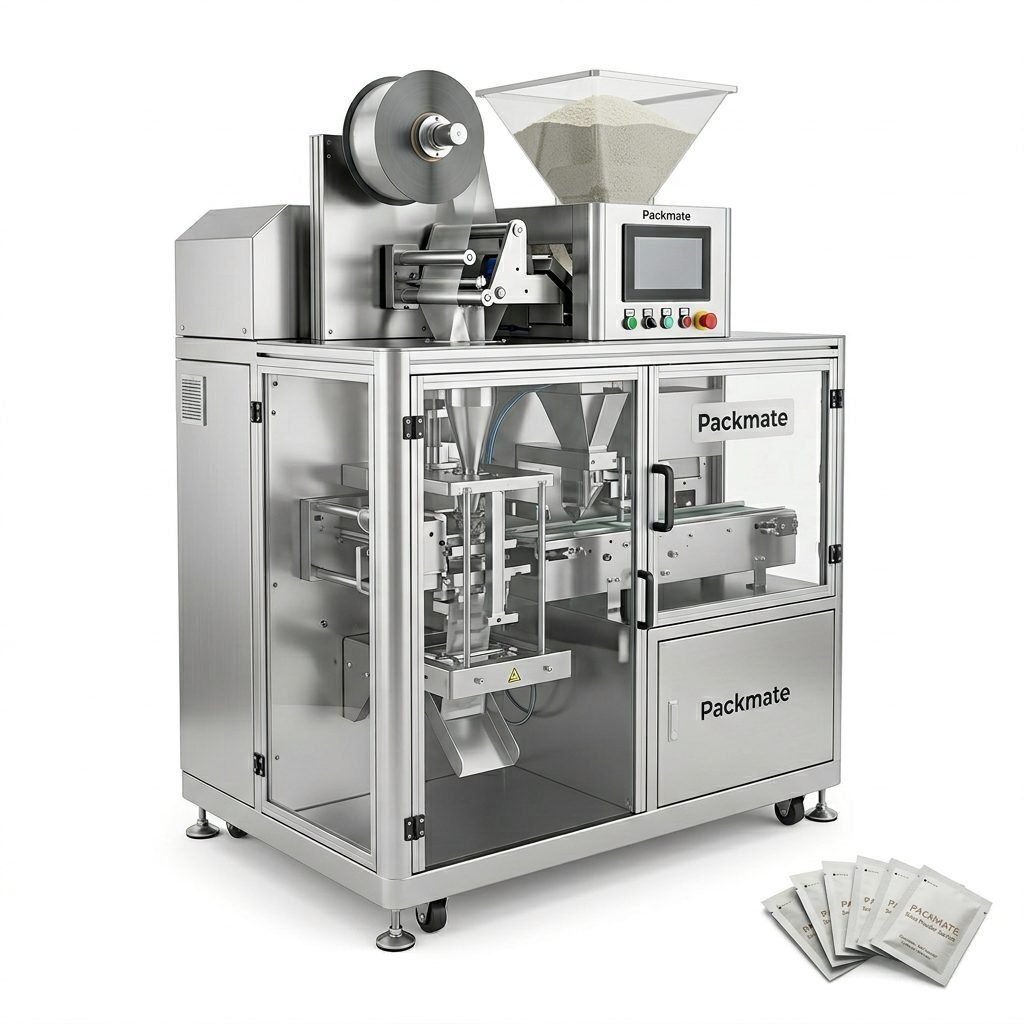
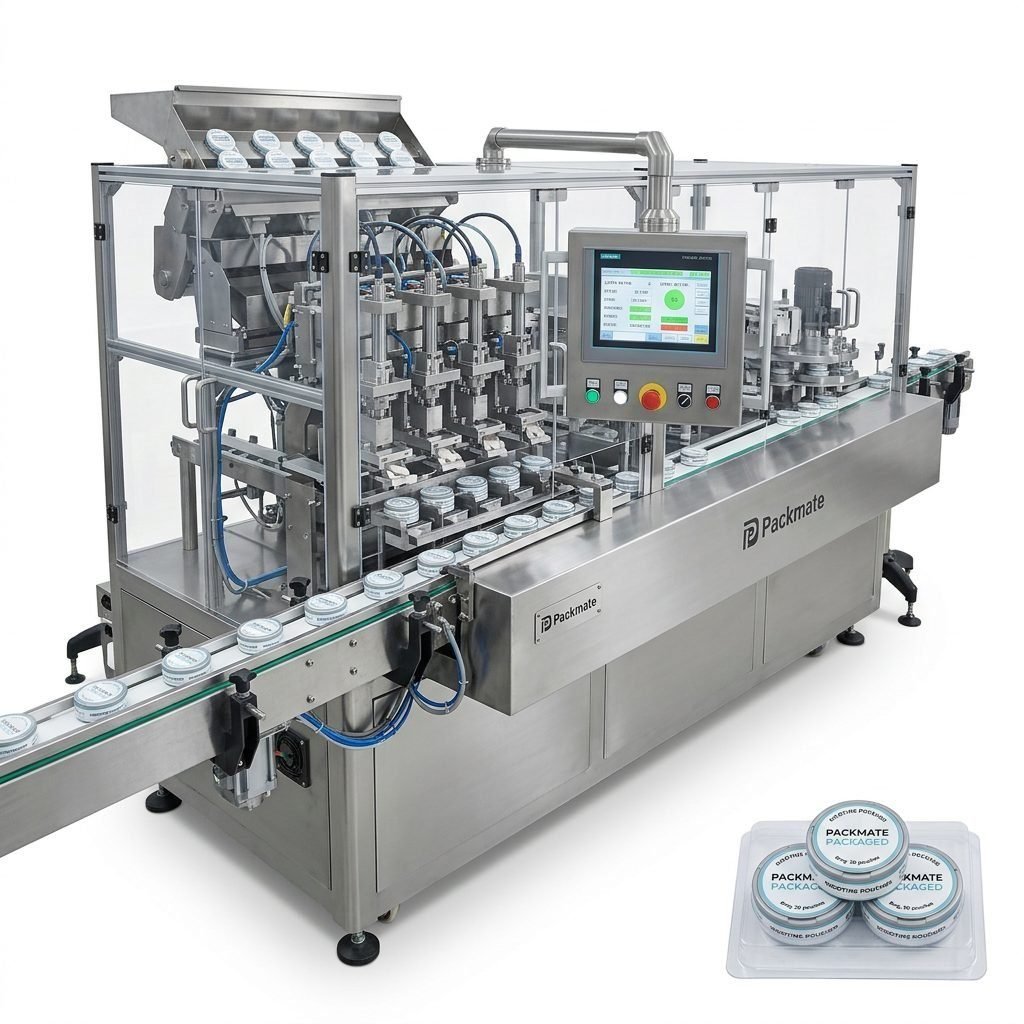
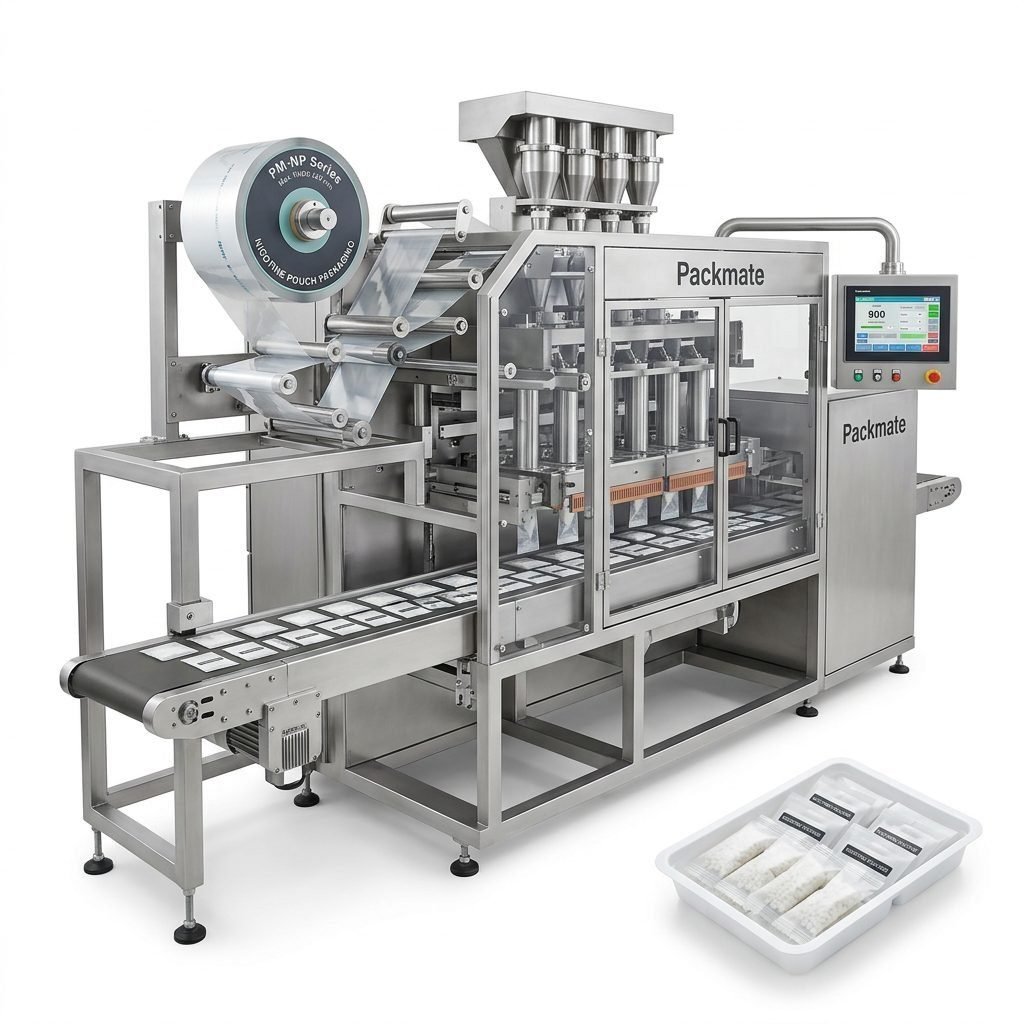
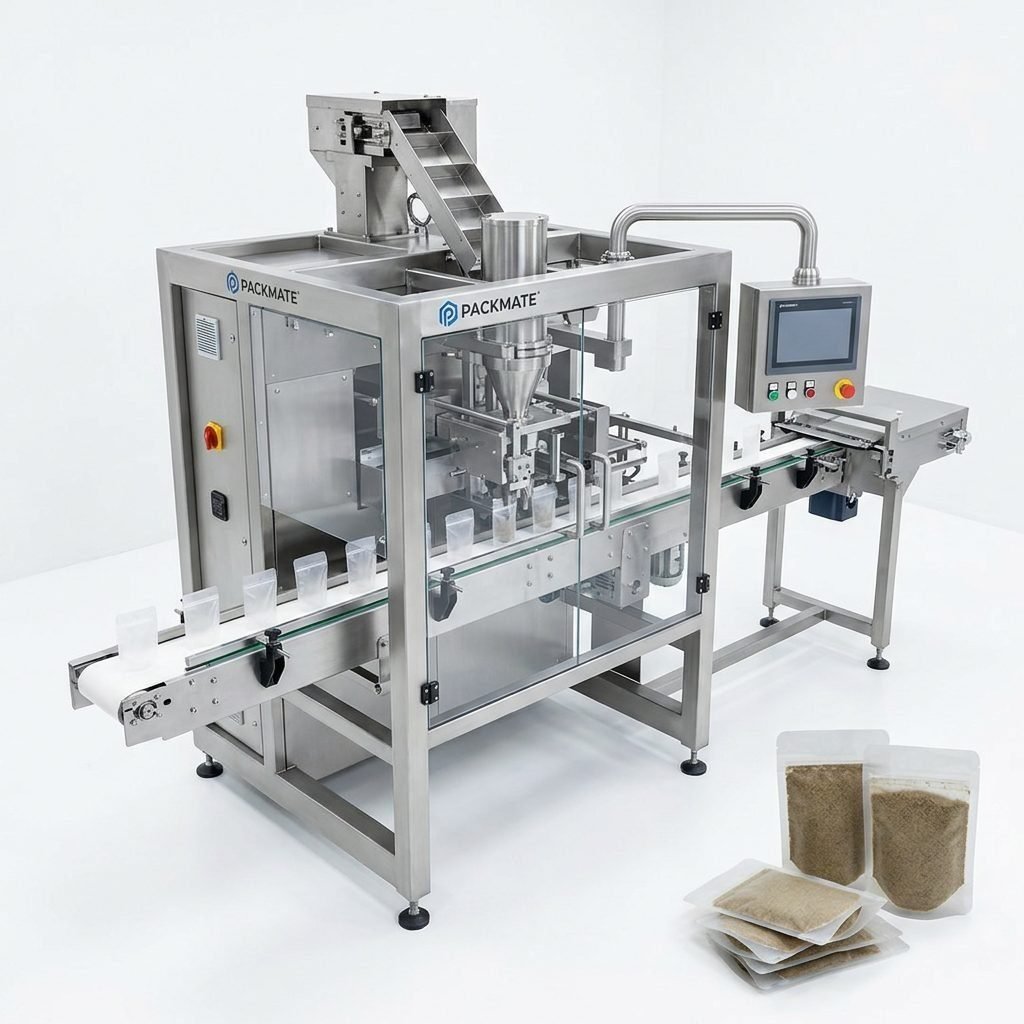
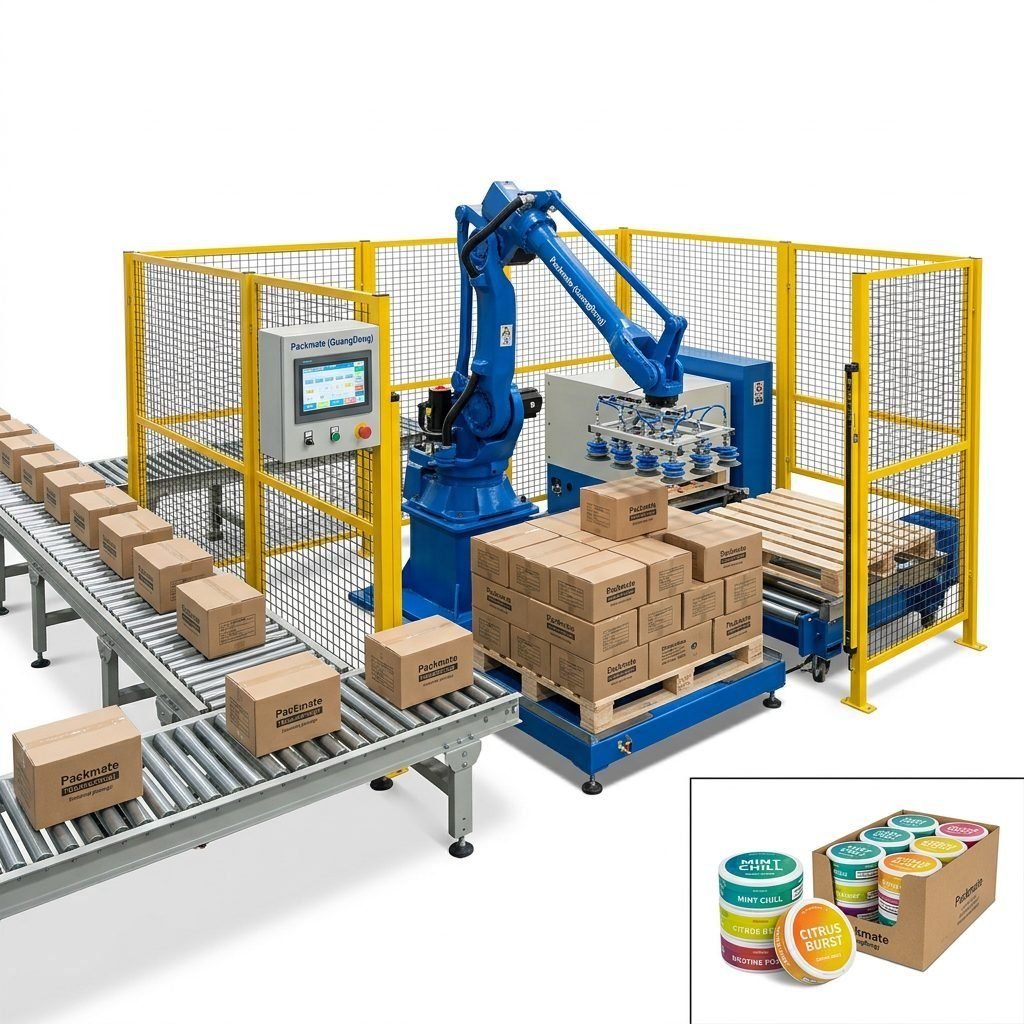
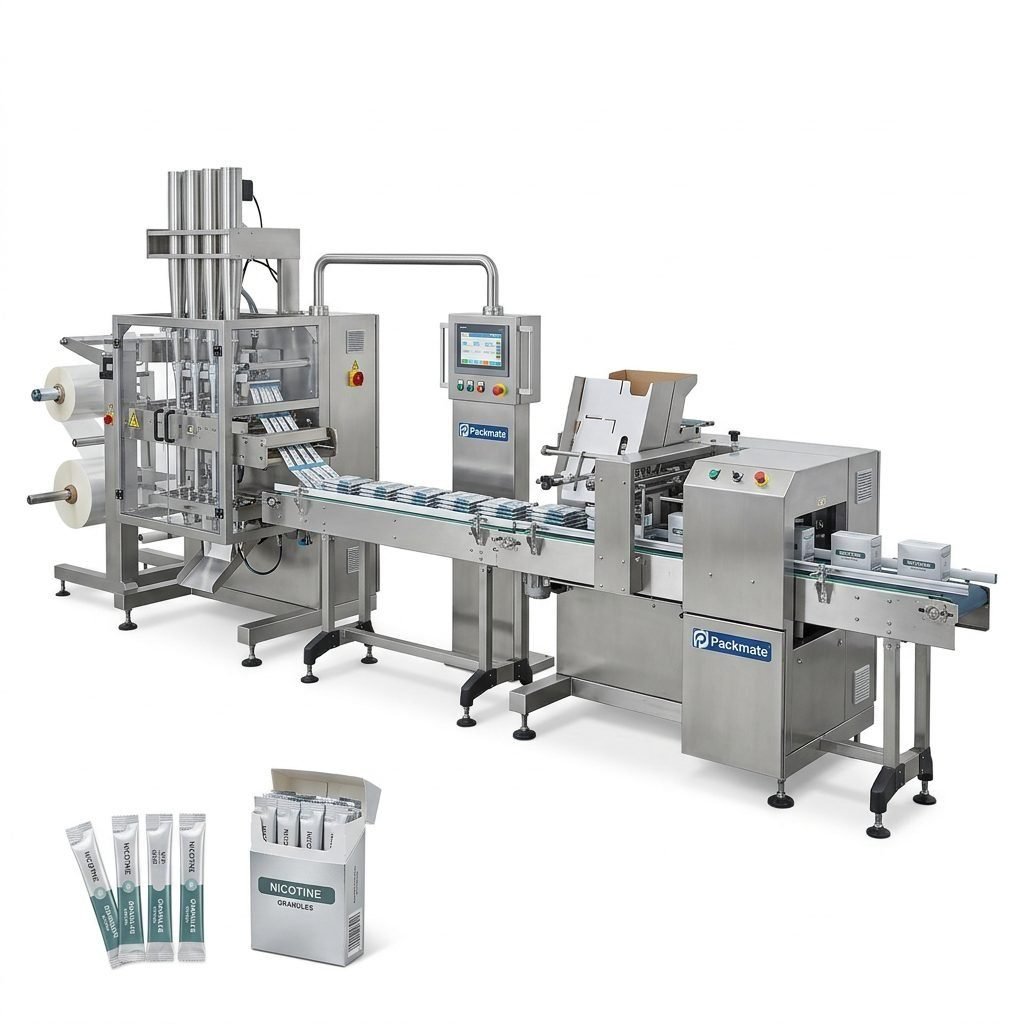
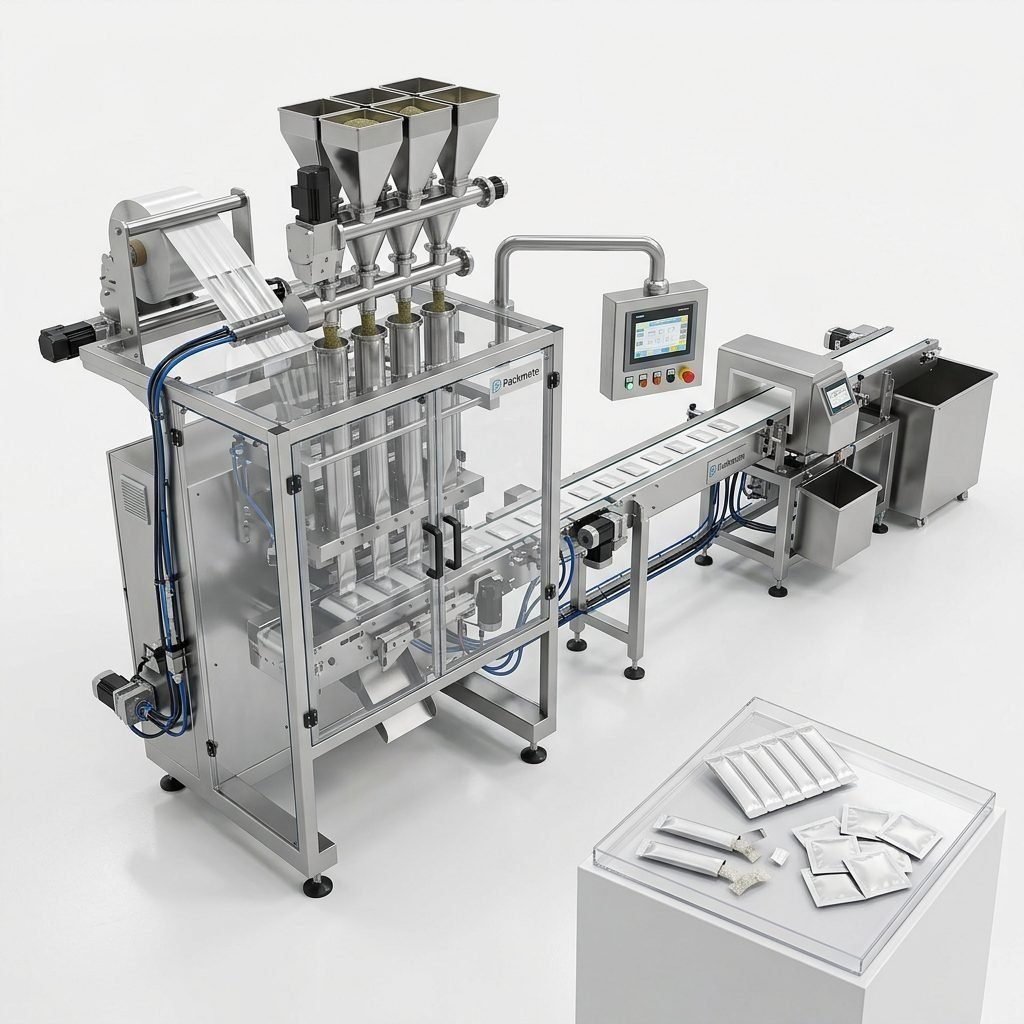
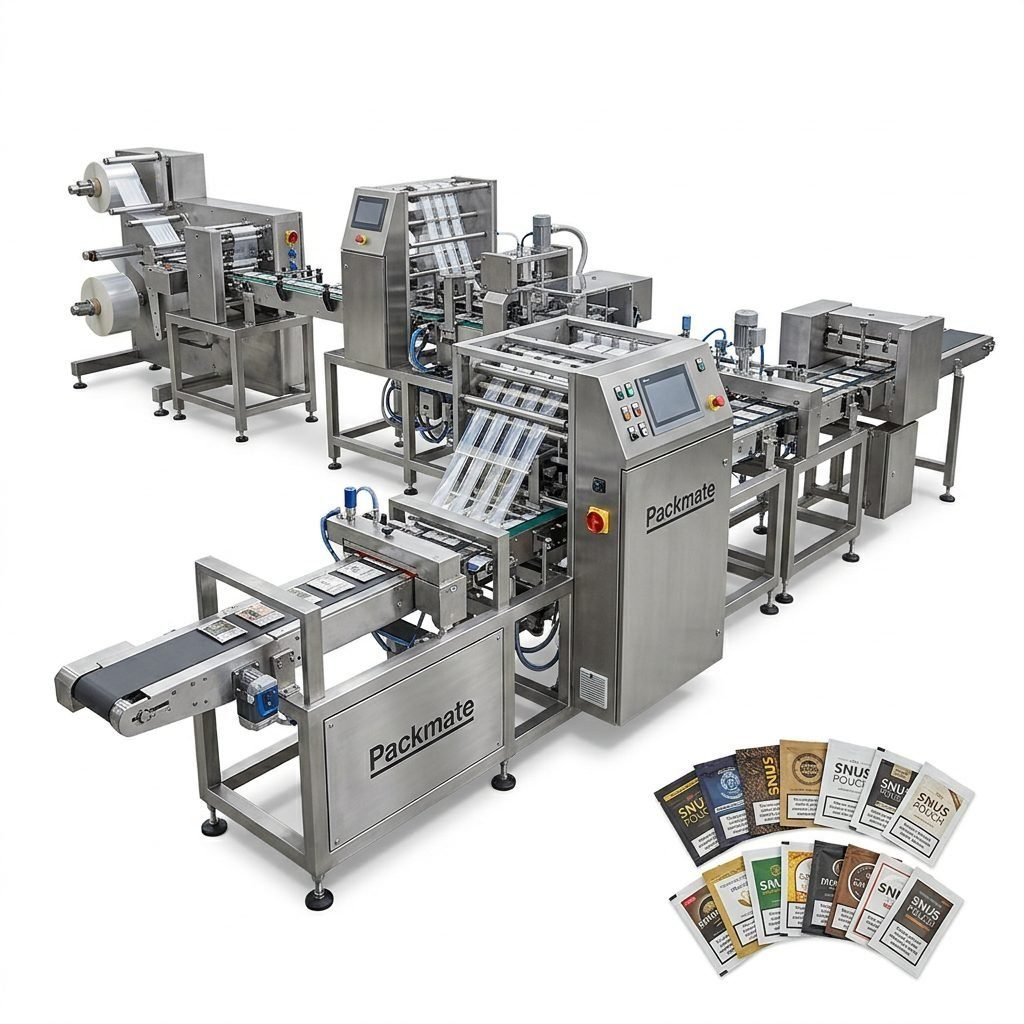
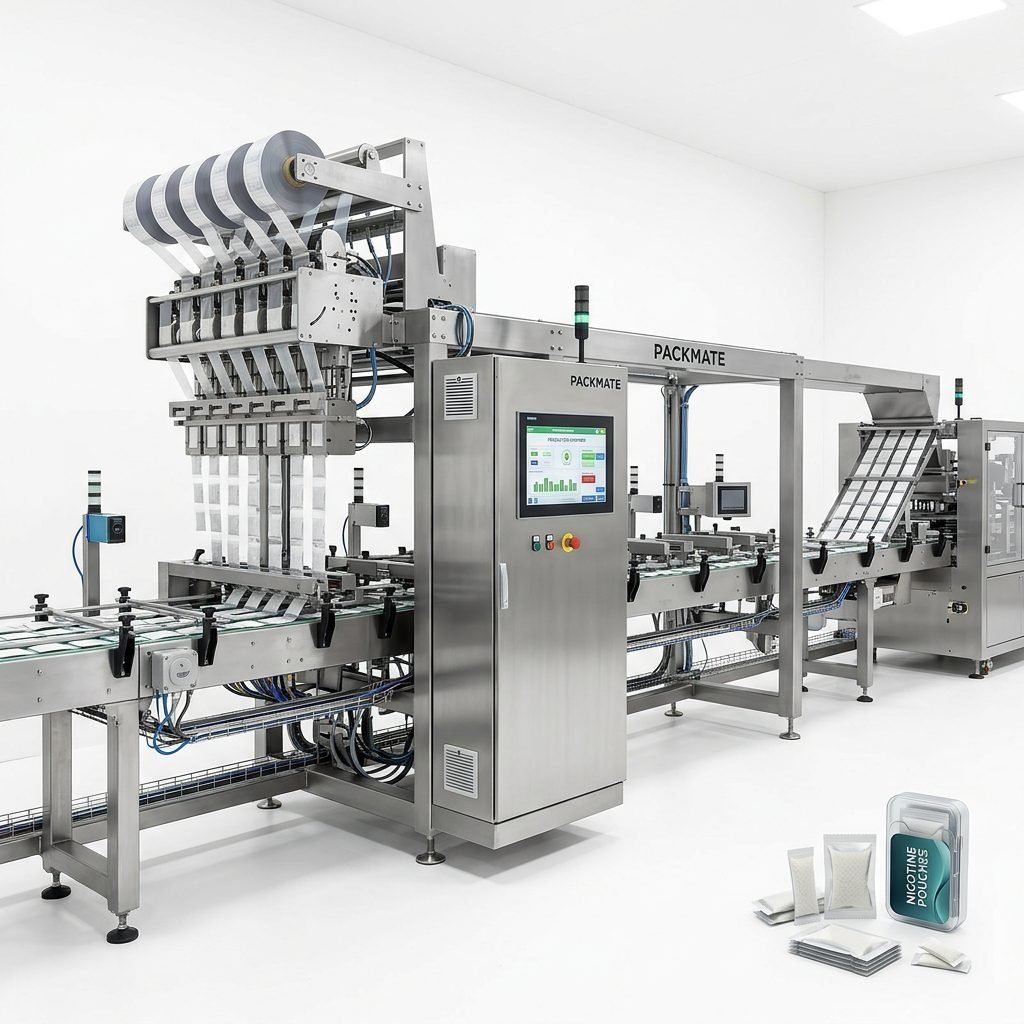
Choosing the right nicotine packaging machinery for your production needs in Argentina involves more than just picking the highest-speed machine. It requires a balance of local regulatory awareness, climate-adapted equipment, workforce skills, spare-parts availability, and long-term service support. This guide walks you through practical steps and decision points to select nicotine pouch and snus packaging systems that will deliver consistent quality, regulatory compliance, and the serviceability your operations need across Argentina’s diverse production regions.
Understand the Argentine Market & Local Habits
Argentina has a rich culture of communal consumption, notably the mate ritual, and a strong tradition in tobacco processing. While nicotine pouches and snus are not traditional goods in Argentina, the South American market is seeing increasing interest in smoke-free nicotine alternatives. When evaluating packaging machinery, consider:
- ⚖️ Regulatory environment: provincial and national regulations may differ regarding nicotine product classification and labeling—ensure machines can handle flexible label and batch code printing.
- 🌦️ Climate: factories in humid provinces (e.g., Buenos Aires, Misiones) need equipment that resists corrosion and offers humidity control options for dosing and sealing.
- 👩🏭 Workforce skills: choose machines with intuitive HMI in Spanish, reliable diagnostics, and local service training to minimize downtime.
Tip: Always request machine interfaces and documentation in Spanish and verify on-site training from suppliers or their regional partners.
Key Technical Specifications to Evaluate
When comparing machines, focus on specifications that affect product quality, throughput, and flexibility:
- 🔧 Throughput (pouches/minute): Balance speed with product integrity—higher speed must not sacrifice fill accuracy for low-dose nicotine pouches.
- 📏 Lane count & format flexibility: Multi-lane systems let you produce several small-dose pouches in one pass. If you plan multiple SKUs, choose machines that support quick format changeovers.
- ⚙️ Dosing accuracy: For nicotine pouches, micro-dosing systems and high-precision scales significantly reduce product variability and waste.
- 🔒 Sealing technology: Thermo-sealing and ultrasonic sealing options handle different substrate types—ask for sample runs on your actual pouch materials.
- 🖨️ Coding & serialization: Integrated inkjet or laser coding for batch numbers and expiration dates is critical to meet Argentine traceability requirements.
Electrical & Environmental Adaptation
Argentina uses 220V/50Hz in most industrial settings. Verify your machine’s power compatibility and whether local transformers or frequency adjustments are needed. Also evaluate machine cooling and humidity tolerance—controls and material handling should cope with seasonal variations, especially in northern provinces.
Compliance, Certifications & Safety
Regulatory conformity is non-negotiable for nicotine packaging. Look for manufacturers whose machines meet international standards:
- ✔️ CE and ISO certifications indicate adherence to safety and quality management practices—helpful for export and local approval processes.
- 🔍 Machine-level documentation for risk assessment (e.g., IP ratings, electrical schematics) will speed up local inspections and installation approval.
- 🧾 Food-contact materials and cleanability: If your line also handles consumables like mate or tea, ensure materials are compliant and easy to sanitize.
Note: Ask suppliers for a comprehensive compliance pack to simplify customs clearance and municipal inspections throughout Argentina.
Why Choose Multi-Lane or Modular Lines?
Multi-lane machines are increasingly popular for nicotine pouches because they allow small-dose products to be produced efficiently at high aggregate throughput. Modular designs offer flexibility for evolving SKUs and regional preferences.
- ➡️ Multi-lane increases capacity without expanding floor space—ideal for factories with limited footprint in industrial parks around Greater Buenos Aires.
- 🔁 Modular units enable incremental investment: start with a single-lane configuration and expand lanes as demand grows.
- 🛠️ Easier maintenance: modular sections can be serviced individually, reducing full-line downtime.
Select a Supplier with Proven Solutions
Choose suppliers that specialize in snus and nicotine pouch machinery and offer turnkey production lines. Manufacturers with global experience are more likely to provide robust engineering, spare-parts logistics, and local support arrangements. Explore suppliers’ product pages and case studies to ensure the machines match your product style.
Recommended resources:
Snus & Nicotine Packaging Machines,
Bag & Pouch Packaging Machines,
Filling & Packaging Lines
Evaluate Total Cost of Ownership (TCO)
Don’t be swayed only by the initial purchase price. Calculate TCO including:
- 💸 Spare parts availability and lead times to Argentina.
- 🔩 Service contracts and on-site training costs.
- 🔌 Energy consumption and utility compatibility.
- 📉 Expected scrap rate and material waste based on sealing technology and material handling precision.
Checklist: Obtain a complete breakdown of consumables, wear parts, and recommended spare kits for a 12-month production horizon.
Service & Spare Parts in Argentina and Latin America
Fast access to trained technicians and genuine spare parts reduces downtime. Key considerations:
- 📦 Does the supplier maintain regional inventory in South America or provide expedited shipping lanes to Argentina?
- 👥 Are there certified partner service providers across Argentina who can support installation and preventive maintenance?
- 🗣️ Is support available in Spanish and within local working hours?
Supplier Case Studies & Live Demos
Ask for reference sites and video demonstrations. Reputable manufacturers display real-world case studies with performance data. If possible, arrange an on-site performance demonstration or witness factory acceptance tests (FAT) before shipping.
Useful pages for deeper insight:
Case |
About Packmate
Operational Readiness & Installation
Preparing your facility beforehand will cut start-up time:
- 📐 Floor load and layout—ensure adequate space for maintenance access and material flows; multi-lane lines often require additional upstream/downstream conveyors.
- ⚡ Power and compressed air—confirm stable power supply and filtration for compressed air to protect dosing accuracy.
- 🧰 Tools & spares—stock specialist tools and spare wear parts identified by the manufacturer before installation.
Training and SOPs
Detailed Standard Operating Procedures and operator training in Spanish will preserve product quality and protect equipment. Insist on a training plan covering daily checks, changeovers, and preventive maintenance schedules.
Customization & Futureproofing
Your packaging needs will evolve. Look for suppliers who provide:
- 🔄 Firmware and software updates that add features without replacing hardware.
- 🧩 Retrofit options for adding lanes, upgrading dosing modules, or switching sealing heads.
- 📈 Scalable automation integration with weighing systems, metal detectors, and end-of-line cartoning.
For full packaging solutions including weighing and integrated filling lines, review suppliers with broad product ranges:
Weighing & Packaging Systems and
Sachet & Stick Pack Machines.
Red Flag: Be cautious of vendors who cannot provide factory acceptance testing, Spanish documentation, or clear spare-parts lead times to Argentina.
Purchase Process & Negotiation Points
Negotiate contract items that directly protect your production:
- 📝 Detailed acceptance criteria and performance guarantees based on tested throughput and accuracy.
- ⏱️ Lead times for spare parts with committed shipping terms to Argentina.
- 🧑🏭 Training scope and number of engineers provided during commissioning.
- 🧾 Warranty coverage for mechanical, electrical, and control systems, plus options for extended service plans.
Local Partners & After-Sales
When possible, work with suppliers that maintain local representation or trusted regional partners to ensure quick technical response across Argentina. If direct local presence is limited, confirm remote support capabilities and spare-part airfreight options.
Final Selection Checklist
Use this checklist when you are ready to make the final decision:
- ✅ Machine demonstrated with your product or similar materials.
- ✅ Spanish documentation and operator training confirmed.
- ✅ Spare parts availability and lead times defined.
- ✅ Electrical/environment compatibility with Argentine standards.
- ✅ Compliance certificates (CE, ISO) and a compliance pack for customs clearance.
- ✅ Service contract, warranty, and escalation procedure clearly stated.
If you need personalized guidance or a turnkey solution for nicotine pouch production, consider reaching out to established manufacturers who specialize in snus and nicotine packaging. For more information on packaging solutions, catalogs, and direct contact:
Catalog |
Contact Us |
Service
Final thought: Selecting machinery is a long-term decision. Prioritize quality, serviceability, and a supplier who understands local Argentine logistics and regulatory nuances.
Frequently Asked Questions
Q1: What certifications should I insist on for nicotine packaging machines?
Insist on CE and ISO quality-management evidence, as well as documentation proving electrical safety and machine risk assessments. These make customs clearance and local approvals smoother and demonstrate adherence to international manufacturing standards.
Q2: Can I get spare parts shipped quickly to Argentina?
Many reputable manufacturers maintain regional warehouses or offer expedited air freight. Confirm spare-part kits and lead times during negotiations and secure commitments in your purchase agreement.
Q3: Is multi-lane packaging suitable for small Argentine operations?
Multi-lane systems can be ideal if you need higher aggregate throughput without expanding factory area. For smaller operations, consider modular or expandable lines to scale as demand grows.
Q4: How important is local language support?
Extremely important—Spanish-language HMIs, manuals, and training reduce operator errors and speed troubleshooting, which is especially valuable in facilities outside major urban centers.
Q5: Where can I learn more about turnkey nicotine pouch packaging solutions?
Explore manufacturers with proven turnkey lines that combine filling, dosing, and packaging. For detailed product ranges and support options, visit supplier product pages and service sections linked above.