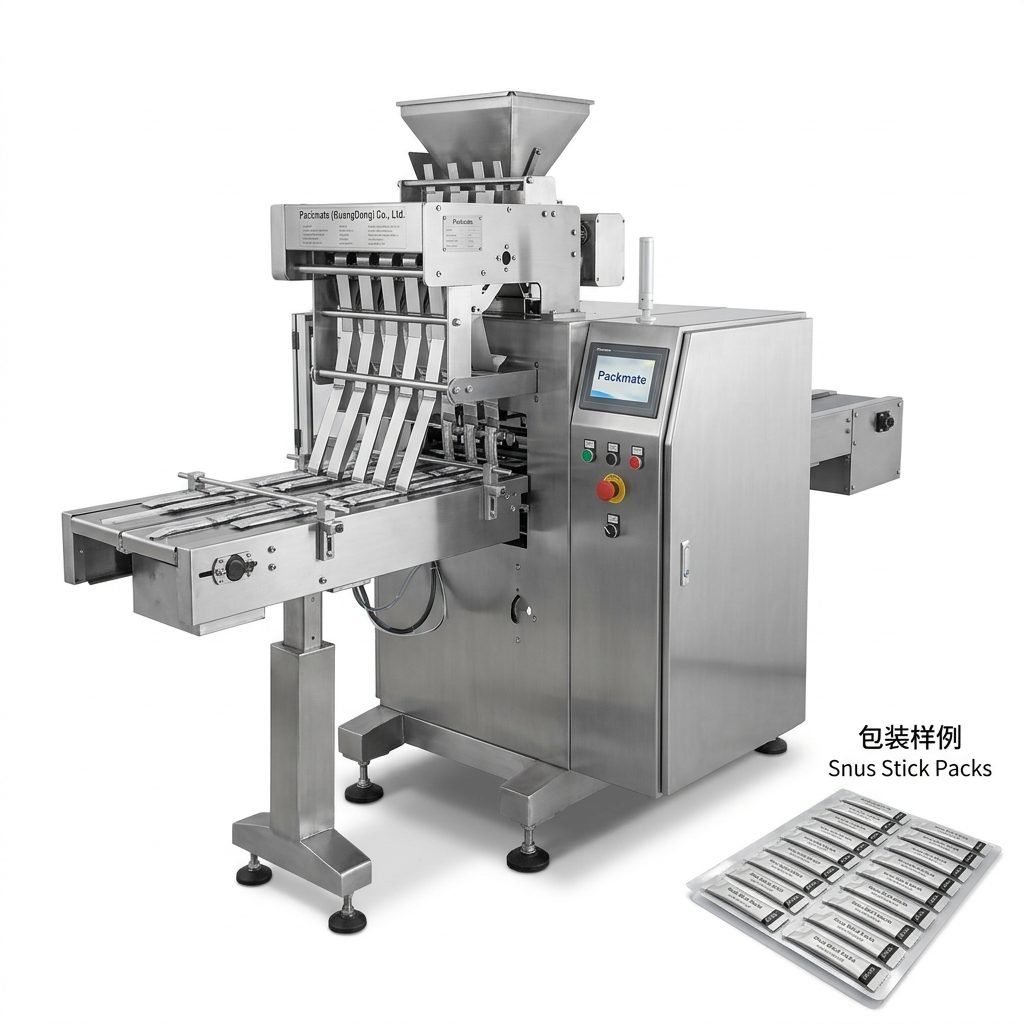
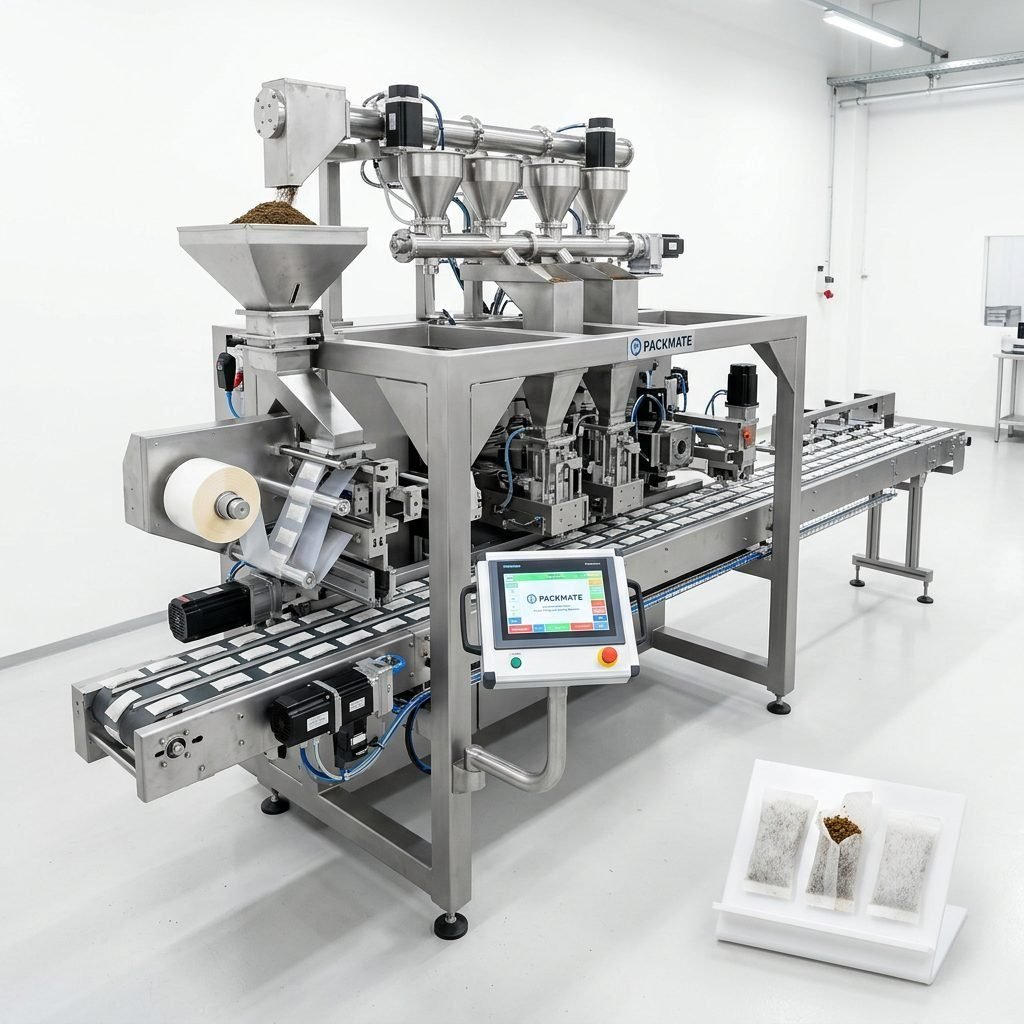
Choosing the right snus packaging machine in the Netherlands requires more than picking the fastest or the cheapest option. Manufacturers must balance product format, regulatory requirements, production capacity, hygiene standards, and long-term service — all within the Dutch market context where consumers value discretion, environmental responsibility, and consistent product quality. This guide walks you through the practical criteria and local considerations so you can select a snus or nicotine pouch packaging line that fits your production needs and business goals.
1. Understand your product and market needs
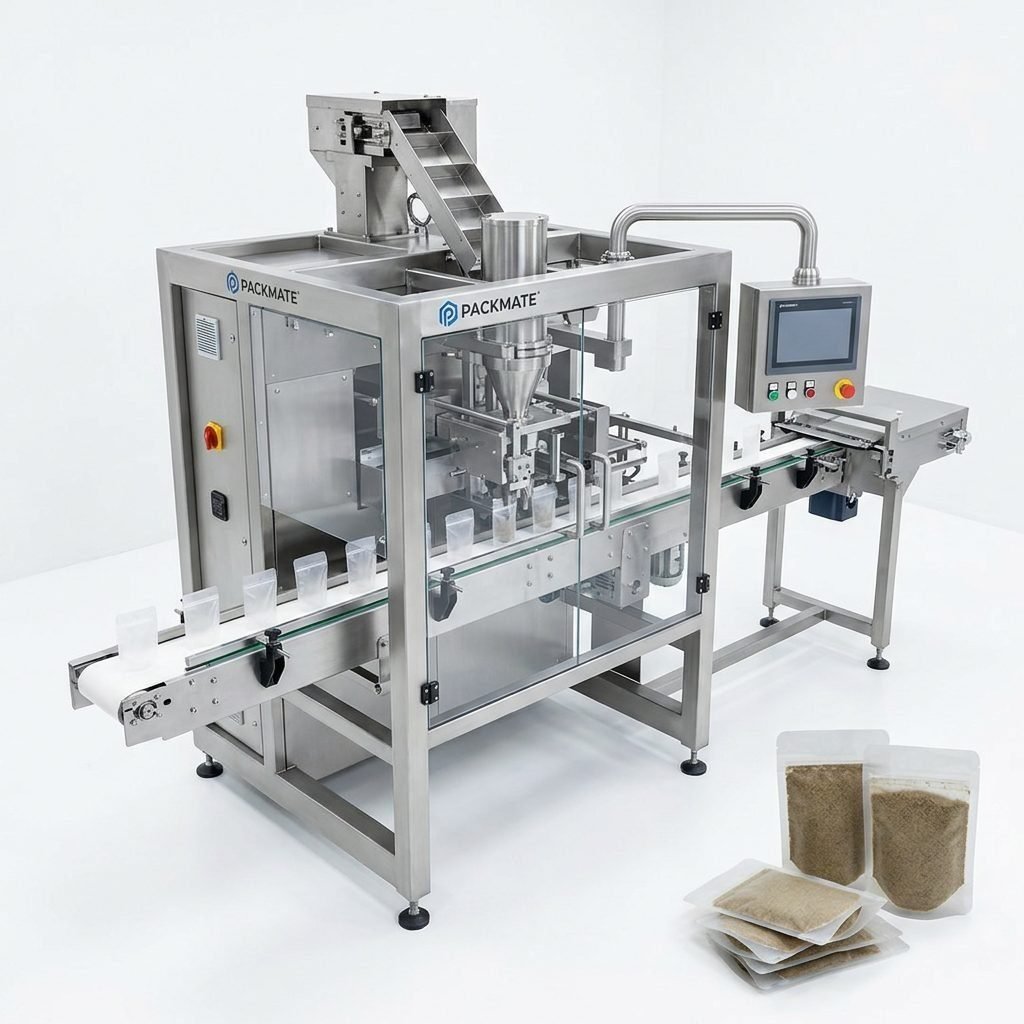
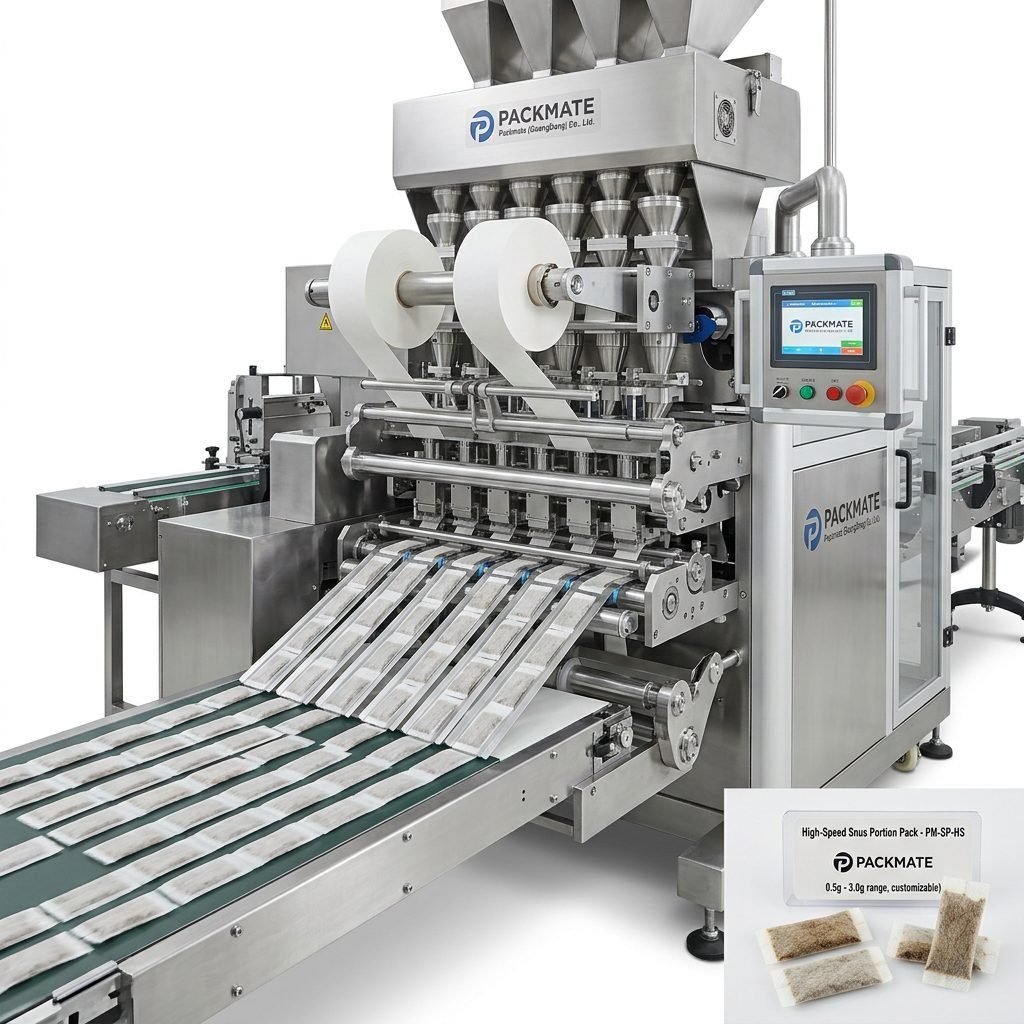
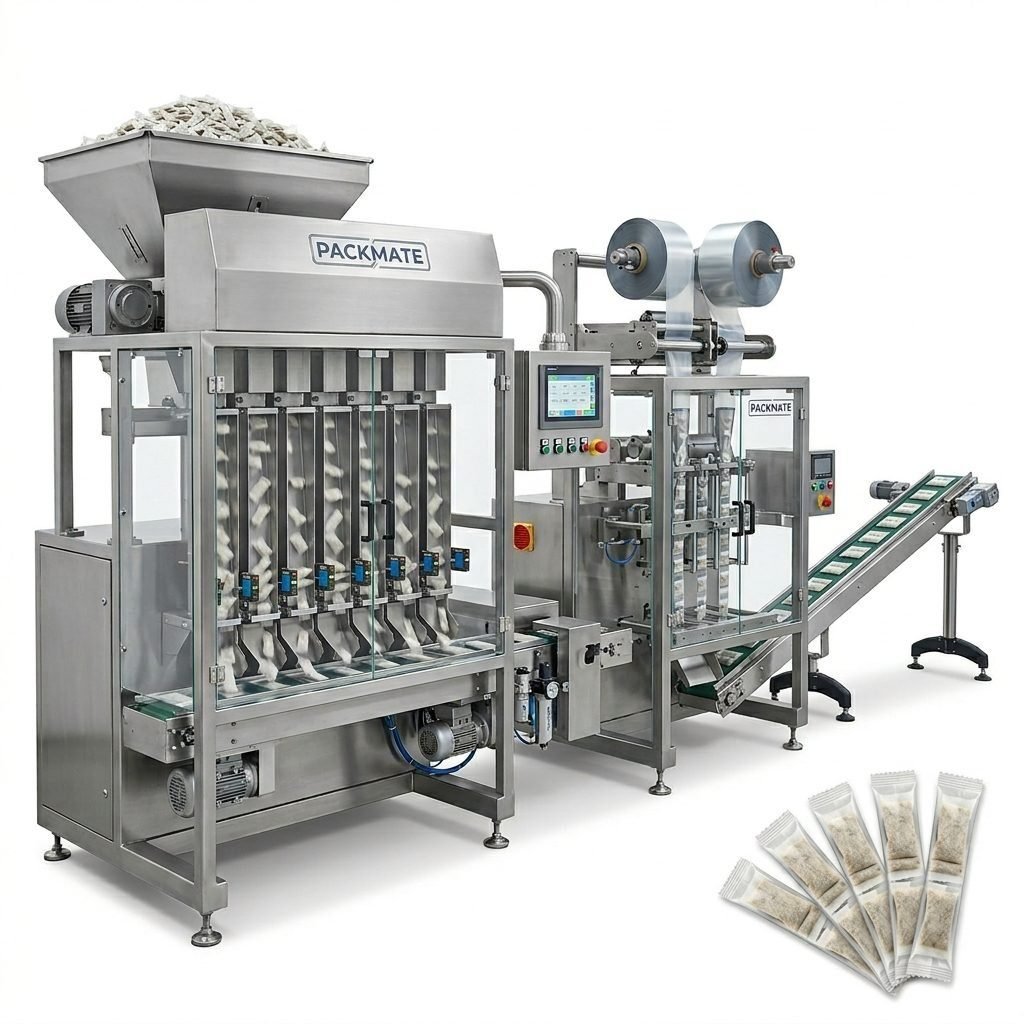
Different types of products need different machines. Are you packing tobacco-based snus or tobacco-free nicotine pouches? Will you produce single-dose sachets, multi-pouch cans, or stick packs? In the Netherlands, the growing nicotine pouch market trends toward discreet formats with high-quality appearance and reliable sealing. Choose a machine that supports the pouch shapes, sizes, and barrier materials you plan to use.
: If you plan to launch multiple SKUs (different weights, flavors, or materials), prioritize machines with format changeover flexibility and modular add-ons.
2. Production capacity and machine speed
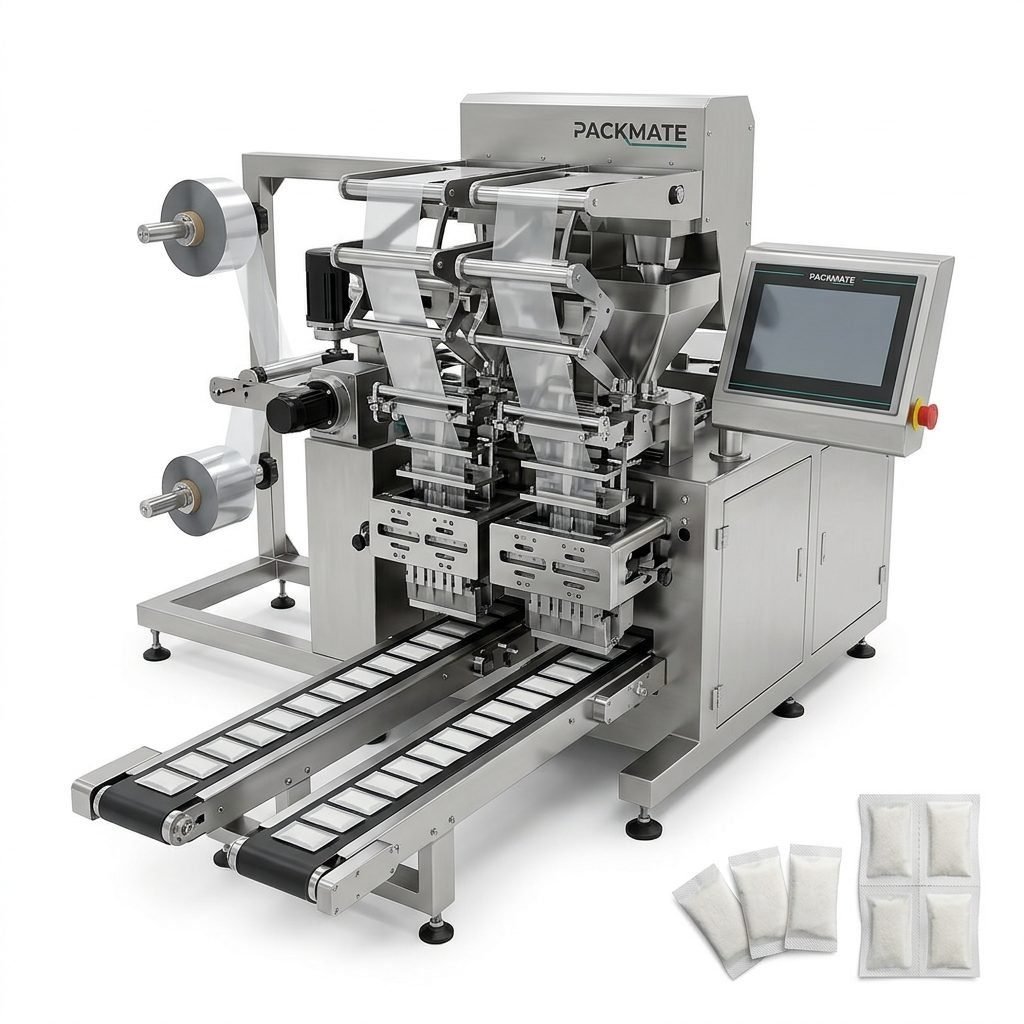
Estimate your steady-state and peak production volumes. Machines are rated by pouches per minute and lanes (single- to multi-lane systems). A smaller startup might prefer a high-precision single-lane or two-lane system with lower initial investment. Larger producers in the EU who serve supermarkets and distributors often choose 4, 8, or more lanes to achieve high throughput while minimizing floor space.
In the Netherlands, where small-batch premium products coexist with larger brands, consider starting with scalable machines that let you add lanes or integrate upstream weighing systems as demand grows.
Key capacity considerations
• Maximum pouches/minute and per-lane speed
• Ability to run multiple SKUs without long downtime
• Available floor space and machine footprint
• Energy consumption and utilities footprint
3. Pouch formats, materials and sealing
Packaging material choices (foil laminate, paper-based films, barrier laminates) affect sealing technologies. Heat-seal, ultrasonic, or cold-seal options may be required depending on material and regulatory needs. The Netherlands appreciates sustainable packaging initiatives — machines that can handle recyclable or mono-material films without compromising seal integrity are increasingly valuable.
: Ask about compatibility with recyclable or compostable films and the machine’s waste handling for trim and scrap.
4. Filling accuracy and dosing systems
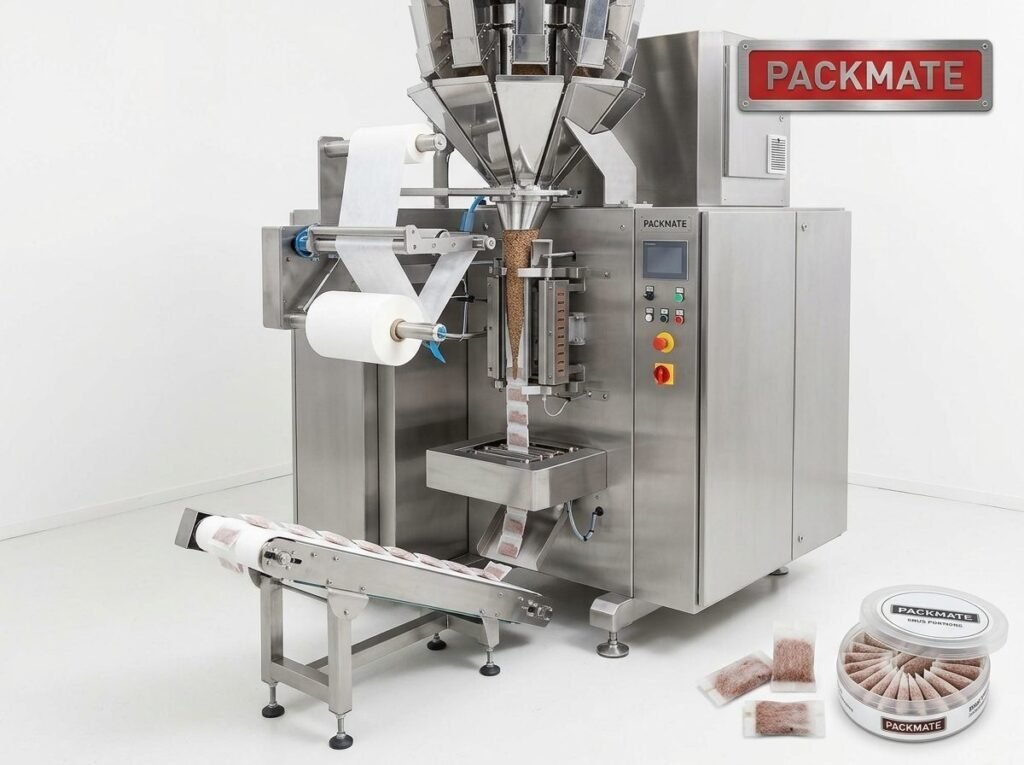
Precision dosing is essential for nicotine pouches where weight and nicotine dosage must be consistent. Evaluate the weighing and dosing system — volumetric fillers work for consistent bulk density products, while auger or multi-head weighers are needed for powders and mixed blends. Look for closed-loop control and minimal variation (low relative standard deviation).
5. Hygiene, cleanability and GMP compliance
Food-grade design, stainless-steel (SUS304/SUS316) contact parts, and tool-free disassembly for cleaning are critical. Dutch production facilities and EU markets expect robust hygiene practices. Choose machines with sanitary design, easy-to-reach components, and documented clean-in-place (CIP) or cleaning procedures. This reduces downtime and ensures compliance with audits.
: Verify CE certification and ISO-related documentation. Packmate machines comply with CE/ISO standards and offer validation support for regulated markets.
6. Automation, integration & Industry 4.0 readiness
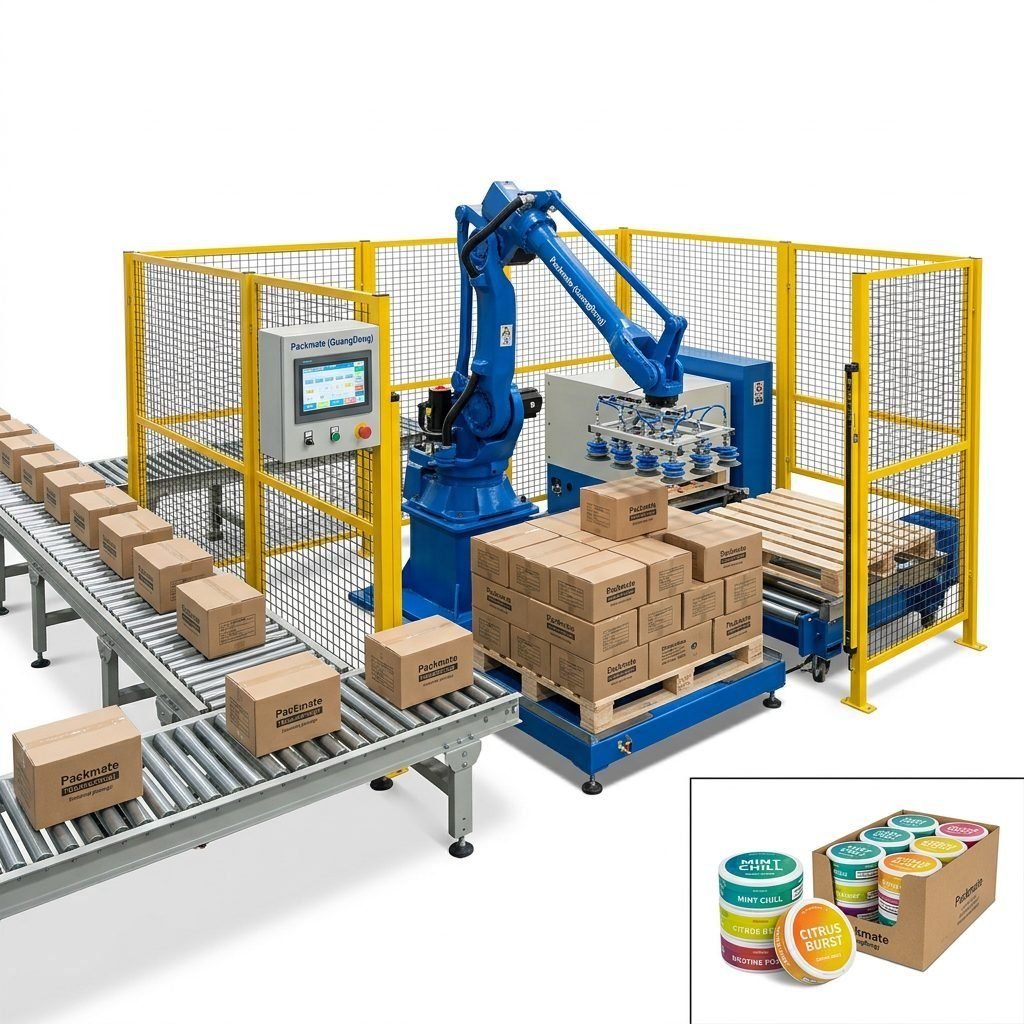
Modern packaging lines are more than stand-alone machines. Consider automation levels (PLC controls, HMI, recipe management), upstream integrations (automatic feeders, weighers), and downstream options (cartoning, case packing, labeling). For larger operations in the Netherlands and across Europe, remote diagnostics and data logging for traceability are big advantages.
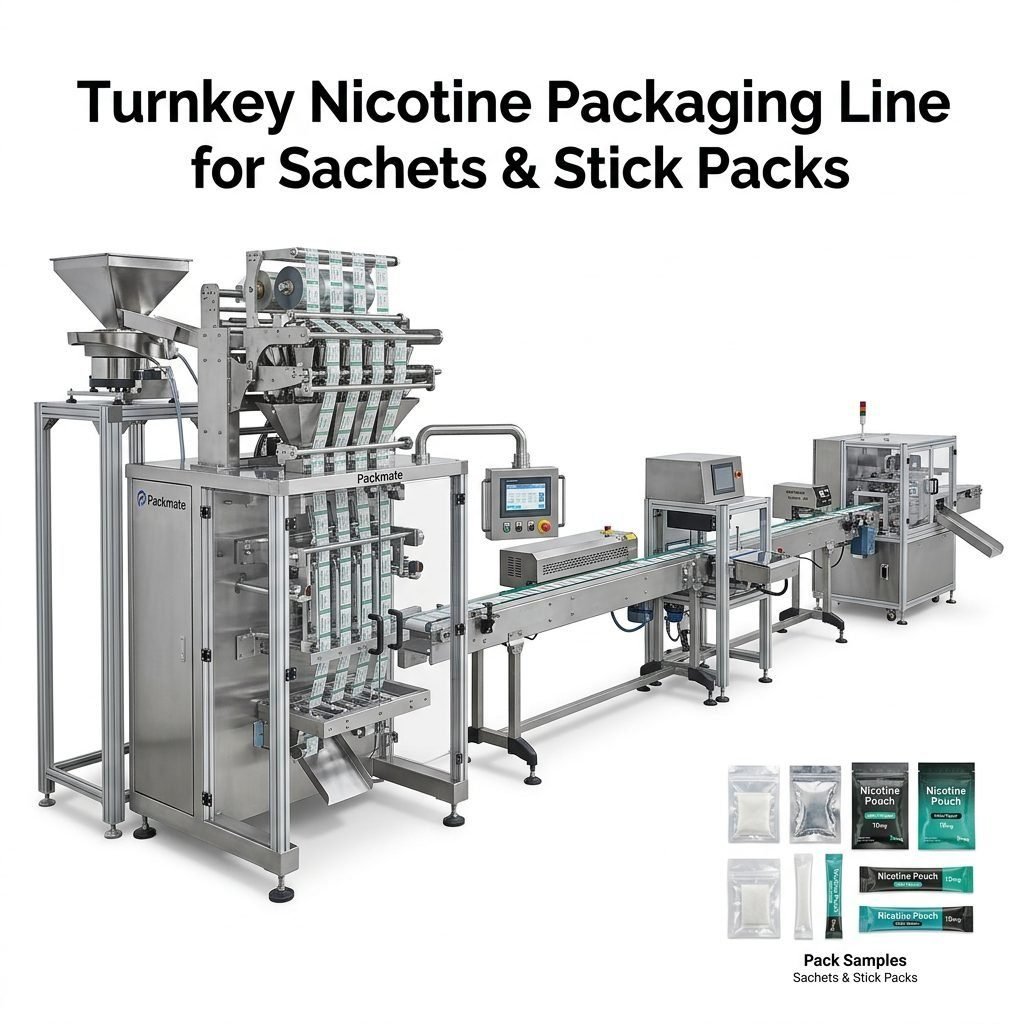
If you need full production lines, review multi-station solutions and the vendor’s ability to supply a turnkey line that includes filling, pouch forming, sealing, and secondary packaging.
7. Quality control & in-line inspection
In-line vision systems, metal detectors, and weight checkers ensure each pouch meets specification. For nicotine pouches, misplaced content, seal defects, or incorrect weights can damage brand trust. Look for integrated inspection systems and reject mechanisms to maintain consistent output quality.
8. After-sales service, spare parts & training
Local support in Europe can be decisive. Check the supplier’s spare parts lead times, training offerings, and remote support capabilities. For Dutch facilities, fast access to technicians or rapid spare-part shipment reduces production disruption. Ask about standard warranty, preventive maintenance contracts, and availability of consumables.
: Packmate offers global turnkey solutions and can support European clients through exhibition demos, training, and parts supply. Learn more on the About page.
9. Footprint, ergonomics & operator safety
Floor space and operator ergonomics matter — especially in smaller Dutch factories with limited real estate. Evaluate access for loading film rolls, operator panels, and maintenance clearances. Safety guards, interlocks, and emergency stops should meet local regulations and operator comfort standards.
10. Total cost of ownership (TCO) & ROI
Purchase price is only the beginning. Include installation, commissioning, training, spare parts, energy, and expected uptime in your TCO calculations. A slightly higher upfront cost for a reliable, energy-efficient machine may pay back quickly through reduced downtime and lower operating costs.
11. Regulatory and cultural considerations in the Netherlands
The Dutch market emphasizes product safety, clear labeling, and growing interest in sustainability. While snus originates from Scandinavia, Dutch consumers prefer discreet, well-designed pouches and increasingly demand eco-conscious packaging. Ensure your machine can handle label printing for multilingual EU requirements and child-safety or resealable features if needed by your product strategy.
Also, consider Dutch distribution habits: convenience stores, kiosks, and online channels all have different packaging expectations. Machines that support variable batch sizes and flexible labeling help meet diverse retail needs.
12. Choosing between standard models and custom solutions
Standard models speed up delivery and reduce cost, while custom solutions adapt to special pouch geometries, unusual materials, or unique downstream processes. If you have ambitious product innovation plans, a vendor that offers custom engineering and a broad product portfolio (stick packs, sachets, multi-lane systems) can be a long-term partner.
- Has CE and ISO certifications
- Offers spare parts and remote support
- Provides performance guarantees for throughput and accuracy
- Delivers training and commissioning locally
13. Real-world case scenarios
Scenario A – A Dutch startup wants to produce premium tobacco-free pouches in small batches for online sales. Recommendation: a flexible two-lane sachet or stick-pack line with rapid changeover, integrated label printer, and small-footprint design.
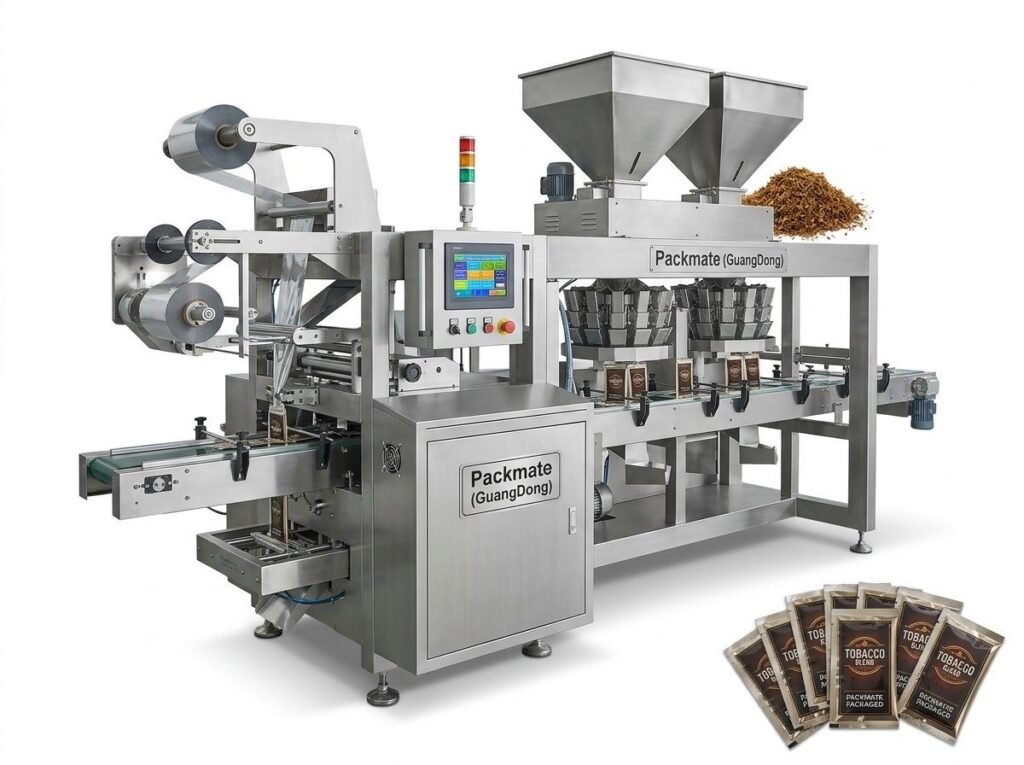
Scenario B – An established European brand needs high-volume output for retail chains. Recommendation: a multi-lane spouting line with high-speed dosing, in-line vision inspection, and automated case packing to meet strict delivery schedules.
14. Why Packmate is worth considering
Packmate Snus Machine brings 30+ years of experience in packaging machinery, offering a range of snus and nicotine pouch systems, from stick pack and sachet machines to multi-lane high-speed lines. With a 20,000㎡ manufacturing facility and advanced CNC capabilities, Packmate can provide tailored turnkey solutions and global support.
Explore relevant product lines: Snus & Nicotine Packaging Machines, Sachet & Stick Pack Machines, and Weighing & Packaging Systems.
: Schedule a consultation or attend a live demonstration at an international exhibition to experience machine performance. Check the Packmate exhibition schedule and company background via the links below.
Useful links:
About Packmate,
Our Exhibition,
Contact Us.
15. Final checklist before purchase
• Confirm throughput, lane count, and SKUs supported
• Validate material compatibility and sealing method
• Verify dosing accuracy and inspection systems
• Review hygiene, safety, and compliance documentation
• Ensure spare parts availability and support coverage in Europe
• Calculate TCO including energy, maintenance, and training
FAQs
Q1: How do I know which lane configuration I need?
A1: Base it on your target production per shift, the expected uptime, and product format. For modest volumes, 1–2 lanes are economical; for higher volumes, 4–12 lanes scale better. Run a simple calculation: (target pouches per day) ÷ (operating minutes per day) = required pouches/minute, then select lanes/speed accordingly.
Q2: Are Packmate machines compatible with recyclable films?
A2: Many Packmate models support a range of films and sealing technologies. Discuss your material specifications with the vendor to confirm compatibility and to minimize seal defects on new substrates.
Q3: What service and spare-part options are available in Europe?
A3: Packmate provides global turnkey solutions and can arrange parts and technical support. For European customers, plan for stocked critical spares and remote diagnostics to reduce downtime. Check the supplier’s lead times for spare components.
Q4: How important is in-line inspection for nicotine pouches?
A4: Very important. In-line vision, weight checks, and reject systems maintain quality and protect brand reputation. Skipping inspection increases risk of recalls and customer complaints.
Q5: Where can I see machine demonstrations?
A5: Attend international packaging exhibitions or request a factory demo. Visit the exhibition and case pages for upcoming events and completed projects: Our Exhibition and Case.