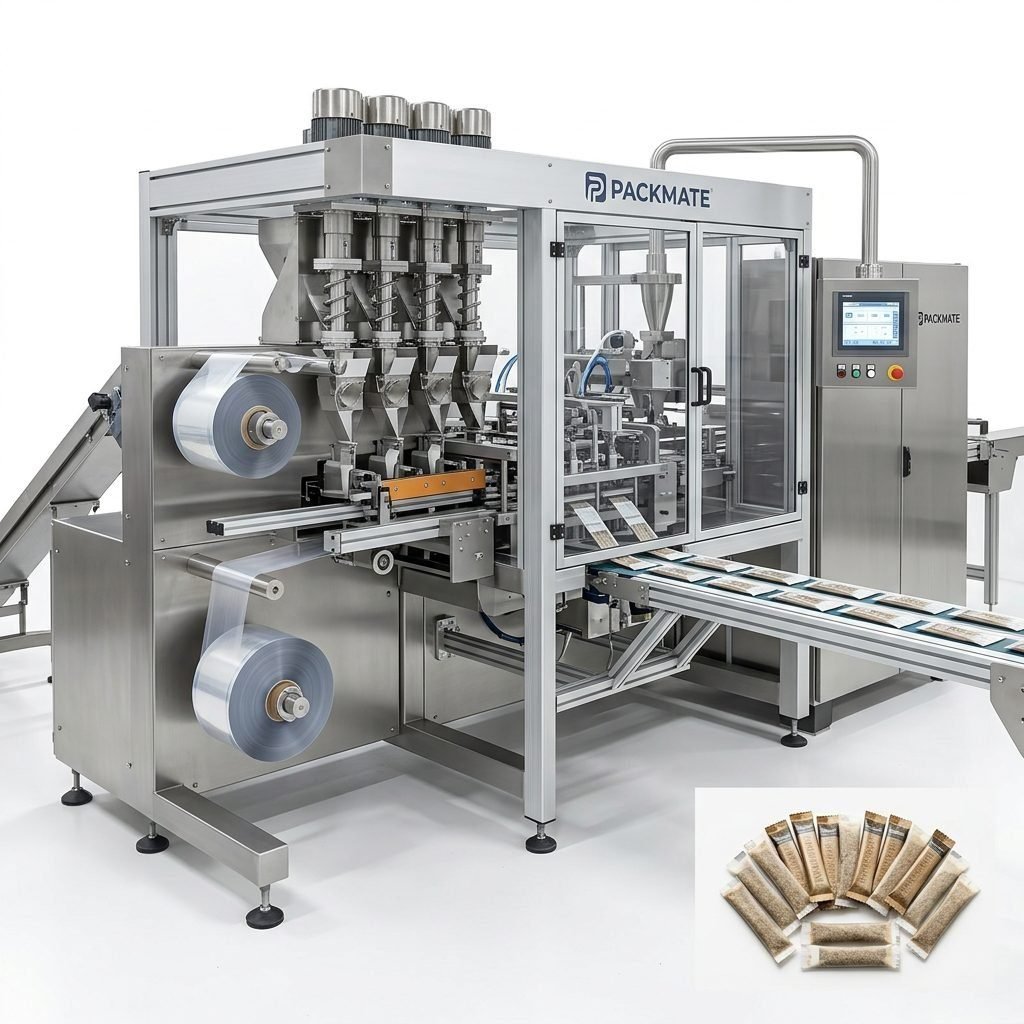
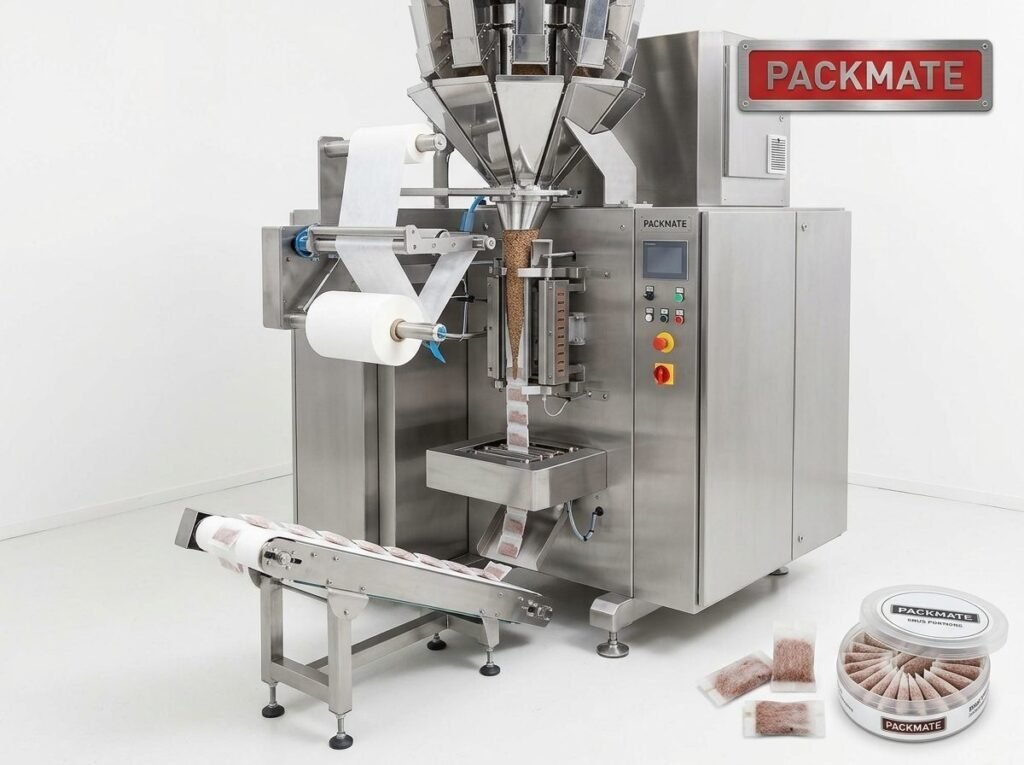
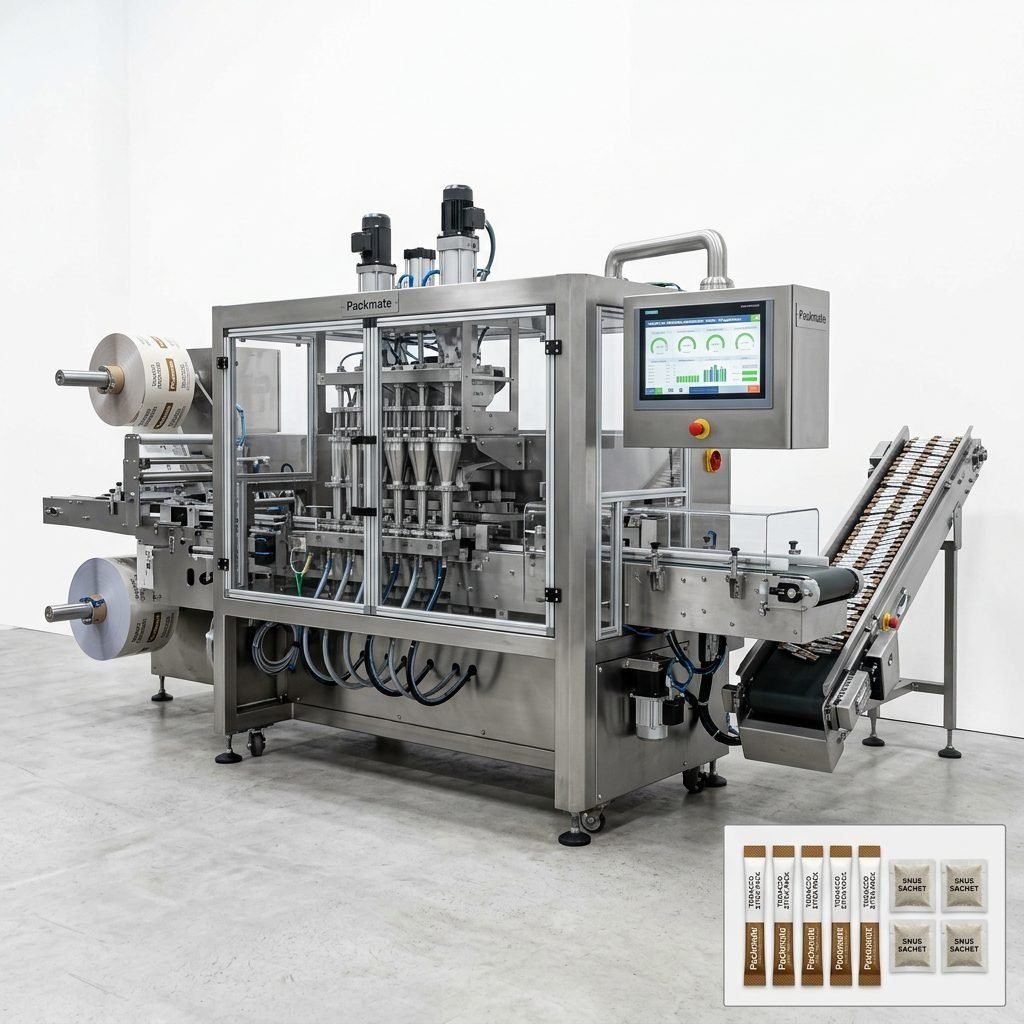
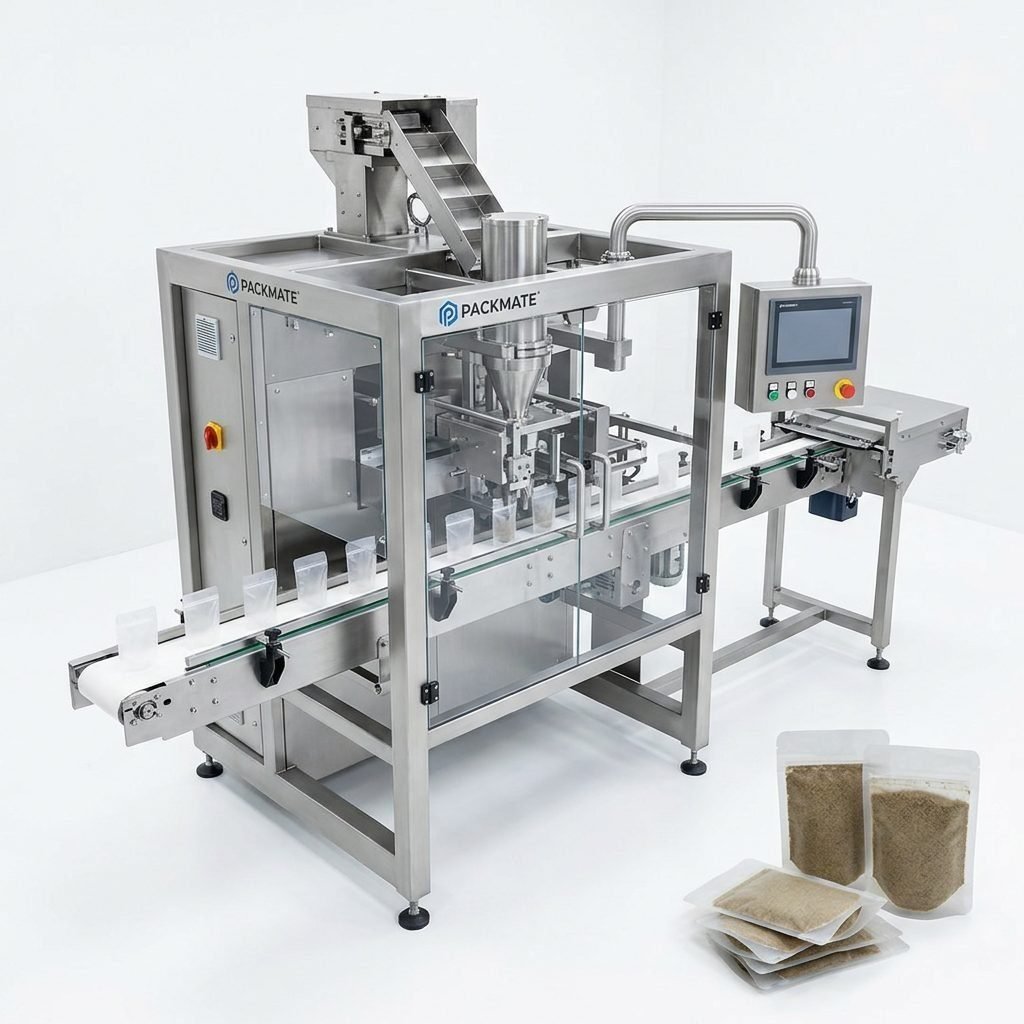
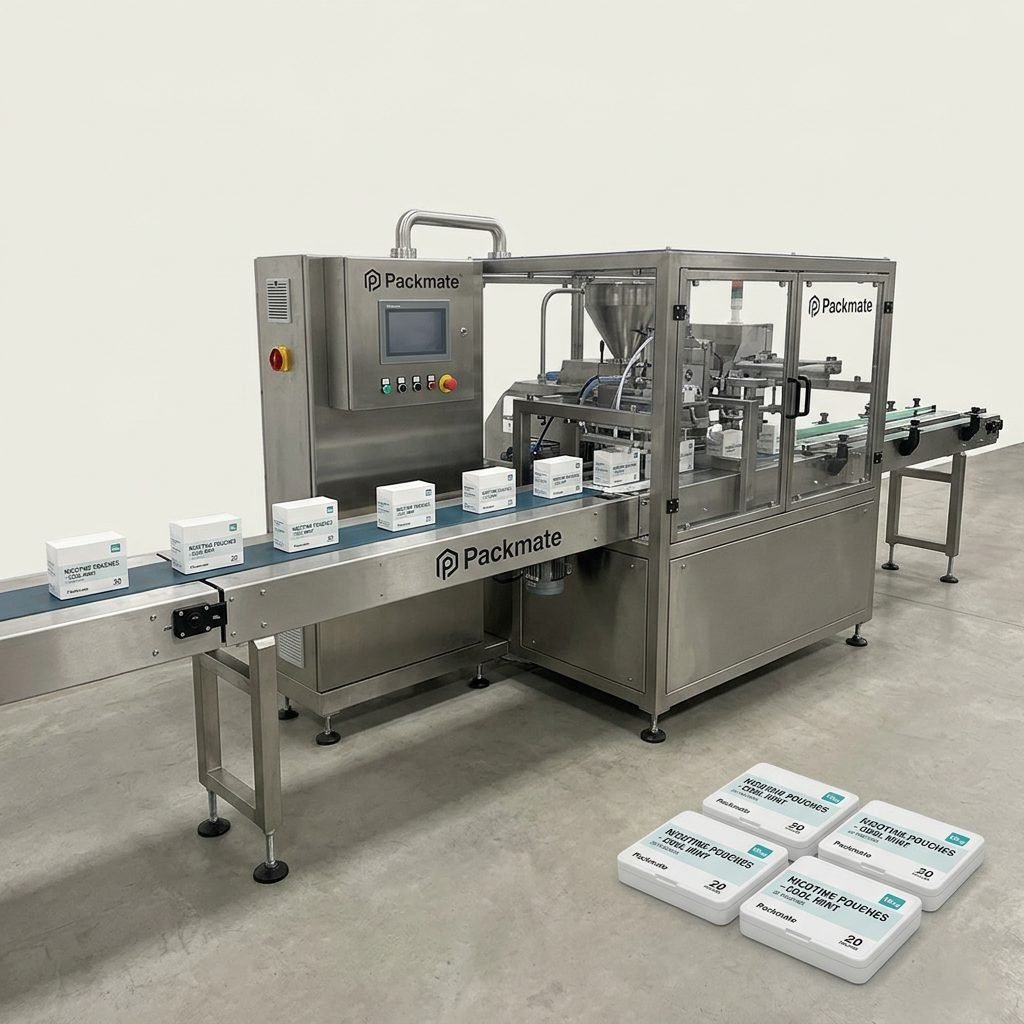
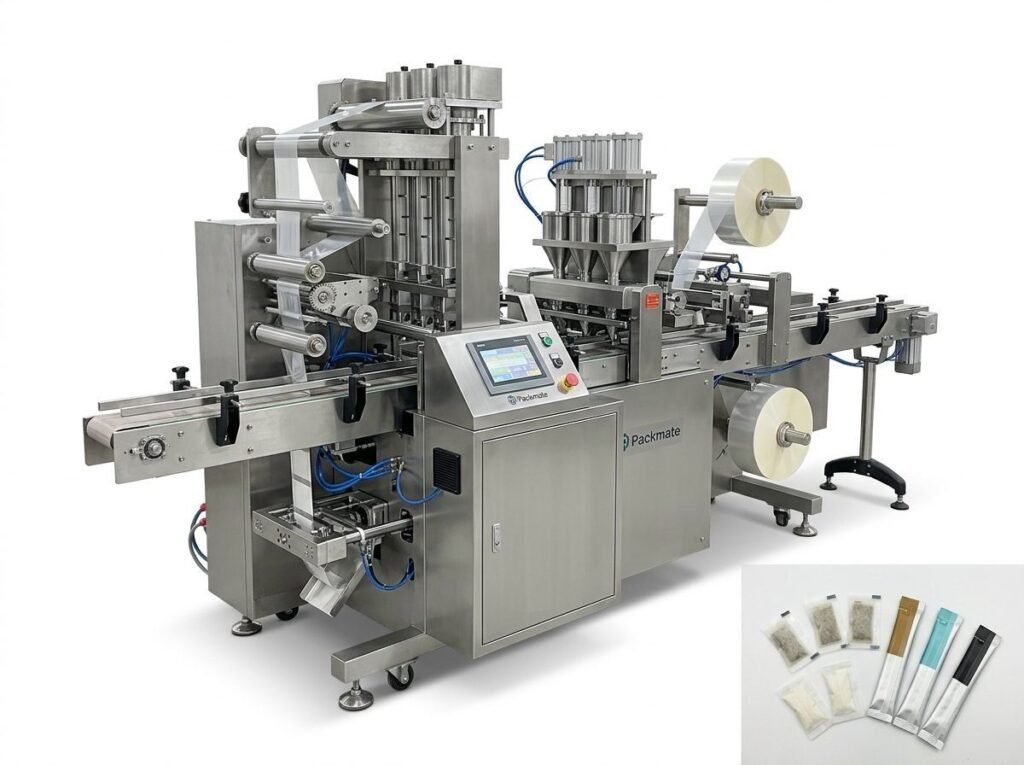
Choosing the right snus packaging machine manufacturer can make or break your production plans in the Solomon Islands. From regulatory compliance to machine uptime, a trusted partner delivers predictable output, reliable service, and long-term value. This guide walks you through a practical, business-focused selection process so you can confidently evaluate manufacturers and select a solution tailored to nicotine pouch and snus production.
Why the Manufacturer Choice Matters
A packaging line is more than a one-time purchase — it is an operational backbone. Choosing an established manufacturer affects production efficiency, product consistency, safety compliance, and your ability to scale. Important considerations include equipment reliability, spare part availability, and robust after-sales support. A poor choice can lead to costly downtime and lost market opportunities.
Key Business Risks if You Choose Poorly
⚠️ Unplanned downtime due to fragile components or poor assembly quality.
⚠️ Non-compliance with international standards, which may restrict export or local approvals.
⚠️ Long lead times for spare parts and weak technical support networks.
⚠️ Inability to scale capacity or adapt to new pouch formats and recipes.
Quick takeaway: Prioritize manufacturers with a proven track record in snus and nicotine pouch packaging, strong factory capabilities, and clear after-sales plans.
1. Evaluate Industry Experience and Track Record
Experience matters. Look for manufacturers with a long history in packaging machinery and specific expertise in snus or nicotine pouch lines. Companies that have iterated on designs for decades will have solved many practical production issues. For example, manufacturers with over 20–30 years of engineering experience often provide more mature multi-lane systems and optimized stick-pack or sachet solutions.
Questions to ask
• How many years has the company produced snus or nicotine pouch machines?
• Can they provide client references or case studies, especially for similar product formats?
• Do they exhibit at international trade shows where you can see live demos?
2. Factory Strength, Certifications, and Quality Control
Inspect the manufacturer’s production capability: factory size, CNC equipment, assembly lines, and inspection systems. A 20,000㎡ facility with advanced CNC machining centers and precision assembly lines indicates serious investment in quality. Certifications such as CE and ISO demonstrate a commitment to international standards — essential for export and regulatory compliance.
Look for: documented QC procedures, functional testing reports, and international certificates (CE/ISO).
3. Range of Machine Models and Customization Options
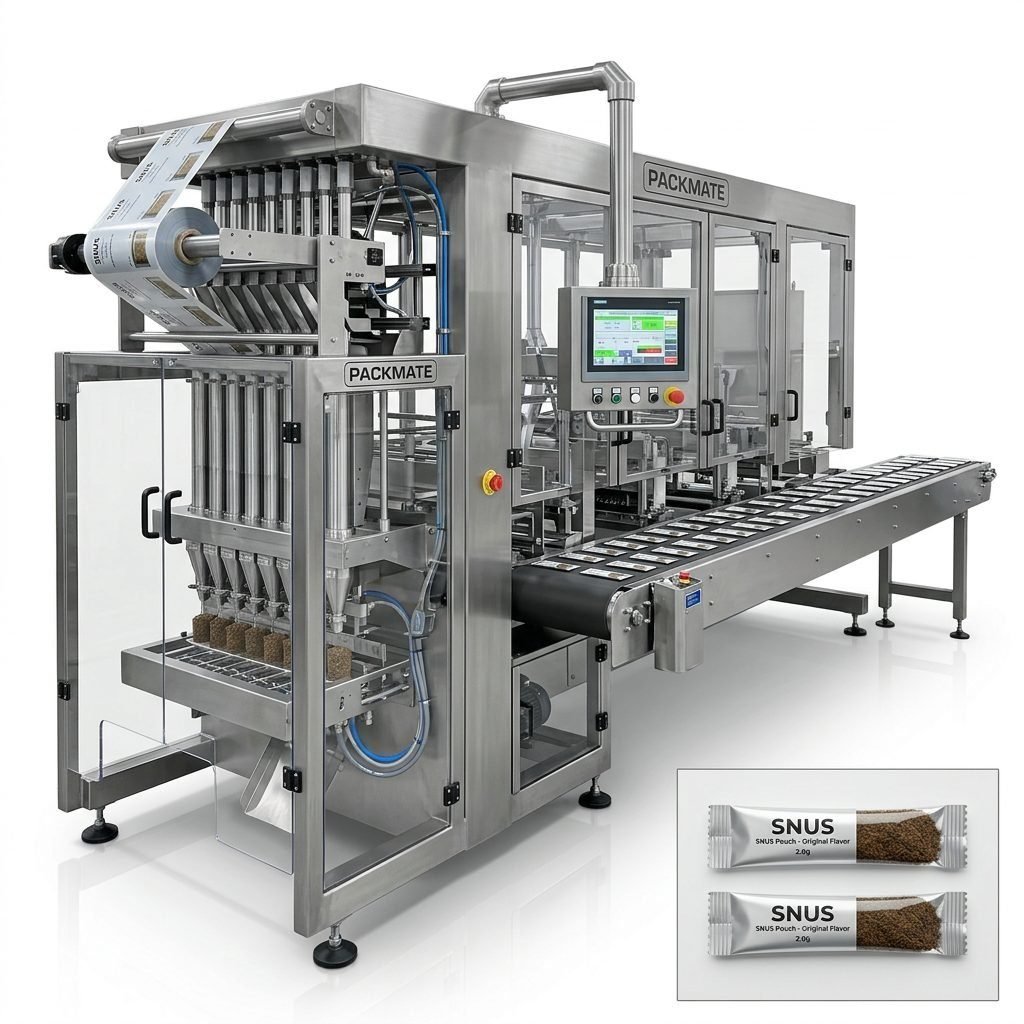
Your business needs will evolve. Choose a manufacturer that offers a range of models—single-lane to multi-lane systems, stick pack, sachet, and specialized snus pouch machines—plus the ability to customize for pouch size, dosing, and materials. A supplier offering 50+ models and turnkey lines is more likely to match your requirements without forcing costly compromises.
Explore product families like Snus & Nicotine Packaging Machines, Bag & Pouch Packaging Machines, and Sachet & Stick Pack Machines when matching models to your SKU mix.
4. Technology, R&D and Innovation
A manufacturer investing in R&D will deliver machines that are easier to maintain, faster to changeover, and more energy-efficient. Look for features like servo-driven mechanisms, automated weight control, modular design for quick format changes, and PLC/HMI systems with remote diagnostics. These technologies reduce labor costs and increase throughput predictability.
5. After-Sales Service, Spare Parts and Training
After-sales service is non-negotiable. Verify the manufacturer’s global service footprint, spare parts lead times, and availability of remote technical support. On-site commissioning, operator training, and maintenance contracts ensure you get consistent performance. A manufacturer that offers spare parts kits, preventative maintenance schedules, and dedicated service channels is preferable.
Service checklist: commissioning included, spare parts stocked, local service partners, remote diagnostics capability.
6. Compliance, Safety and Regulatory Considerations
Nicotine-related products are highly regulated. Confirm that the manufacturer understands packaging regulations for tobacco-alternative products in target markets. Machines must support hygiene protocols, safe electrical standards, CE marking, and documentation for inspections. A supplier familiar with export documentation and international compliance will simplify market entry.
7. Price vs Value: Total Cost of Ownership
The lowest upfront price rarely wins over the lifecycle of a packaging line. Consider total cost of ownership (TCO): energy consumption, spare part costs, labor requirements, downtime impact, and upgrade paths. A slightly higher capital cost may deliver significant long-term savings through better uptime and lower operating costs.
8. Lead Times, Production Capacity and Delivery Logistics
Confirm realistic lead times for manufacturing, FAT (Factory Acceptance Test), shipping to the Solomon Islands, and customs clearance support. Choose suppliers experienced with international logistics, packaging for sea freight, and partial disassembly/reassembly instructions. Shorter lead times and clear delivery milestones reduce planning risk.
9. References, Case Studies and Live Demonstrations
References are invaluable. Ask for customer case studies or references in similar markets. If possible, see machines running at a demo center or exhibition. Visiting a factory or watching a live demo provides clarity on build quality and operational characteristics. Manufacturer exhibition pages and case libraries often showcase real-world deployments and performance metrics.
For more background and real examples, review the manufacturer’s case portfolio at Case and their company profile at About Packmate.
10. Practical Step-by-Step Evaluation Checklist
✅ Define your product specs: pouch size, dose, material, required throughput.
✅ Request technical sheets: machine drawings, PLC/HMI specs, energy consumption.
✅ Inspect factory or videos: assembly area, CNC machines, testing rigs.
✅ Verify certifications: CE, ISO, and any client-requested standards.
✅ Ask for FAT: plan a Factory Acceptance Test with product samples.
✅ Agree service terms: warranty, spare parts delivery, training.
Selecting Packmate as a Potential Supplier
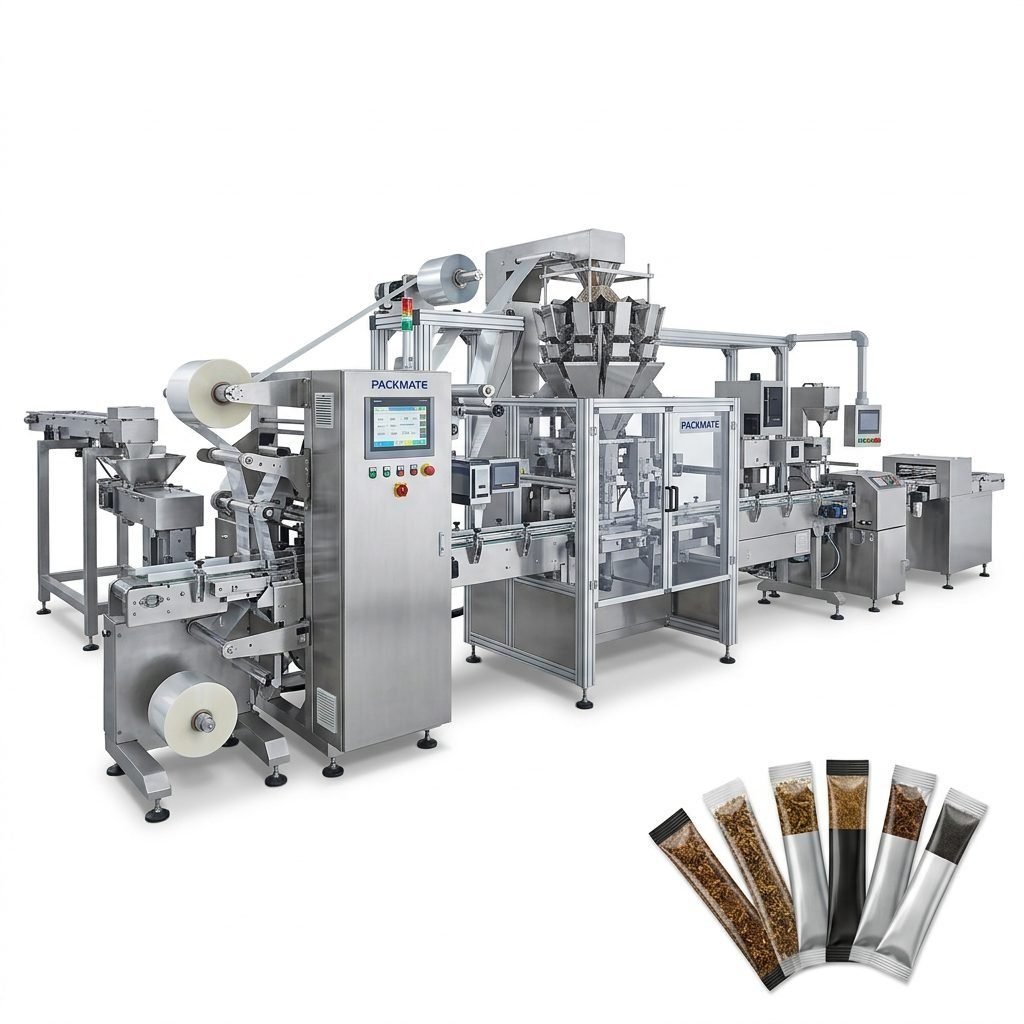
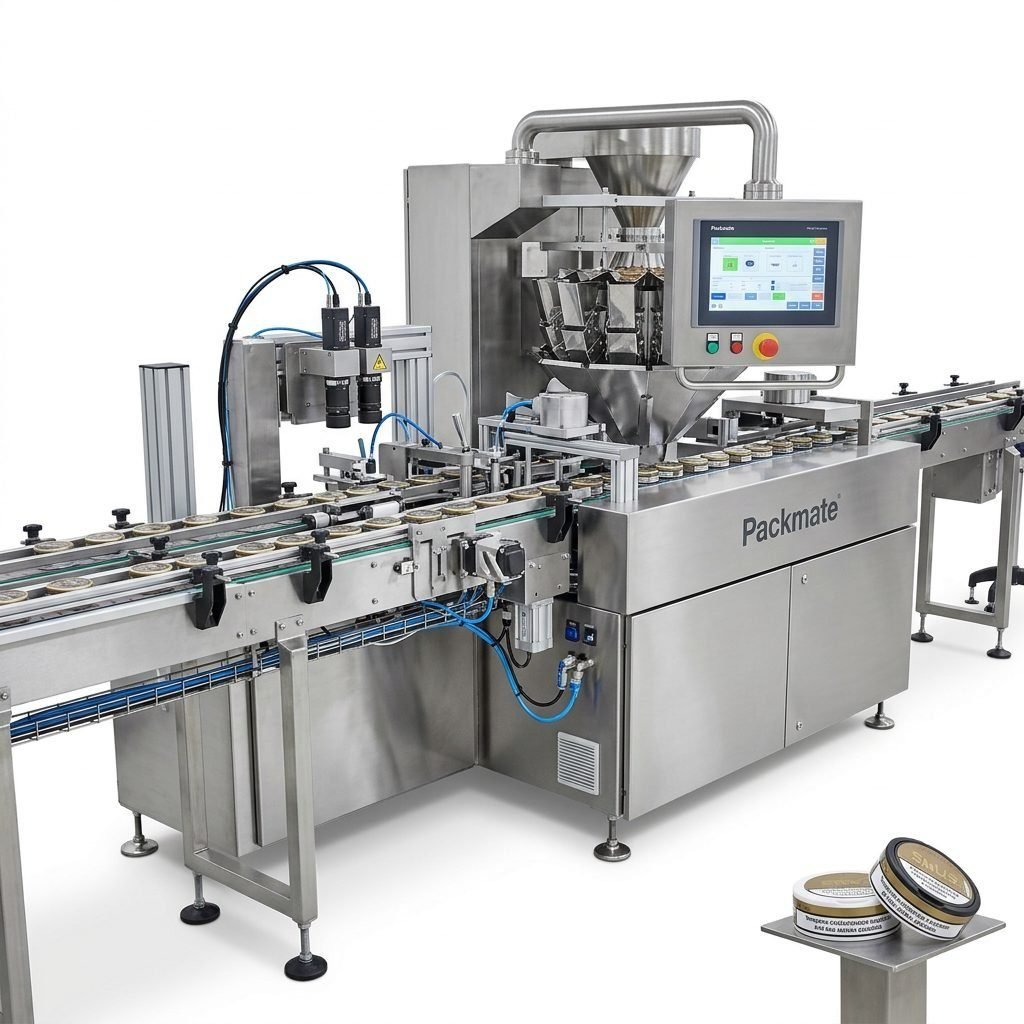
Packmate (GuangDong) Co., Ltd. presents a compelling option: decades of engineering experience, a 20,000㎡ facility, advanced CNC systems, and a focused portfolio for snus and nicotine pouch packaging. Their product range—snus packing machines, stick pack and sachet systems, and full filling & packaging lines—aligns well with the needs of businesses in the Solomon Islands. For more technical offerings, see their Filling & Packaging Lines and Weighing & Packaging Systems.
What makes Packmate stand out
• Long history of machine R&D since the 1990s with an emphasis on multi-lane solutions.
• Wide portfolio (50+ models) allowing tailored turnkey lines.
• International certifications and global exhibition presence for live demo verification.
• Factory capabilities that support customized builds and consistent QC testing.
Negotiation Tips and Contract Considerations
When negotiating, cover payment terms, milestones, FAT acceptance criteria, warranty scope and exclusions, spare parts agreements, training packages, and penalties for missed delivery. Include explicit acceptance tests, KPIs for throughput and weight accuracy, and definitions of ‘downtime’ for support guarantees.
Installation, Commissioning and Operator Training
A robust installation plan includes site assessment, utilities verification, electrical and pneumatic hookups, mechanical leveling, and control system commissioning. Ensure the manufacturer provides on-site training for operators and maintenance staff plus documentation and diagnostic guides. Remote support and periodic service visits are beneficial, especially in remote markets.
Scaling Up: Future-Proofing Your Investment
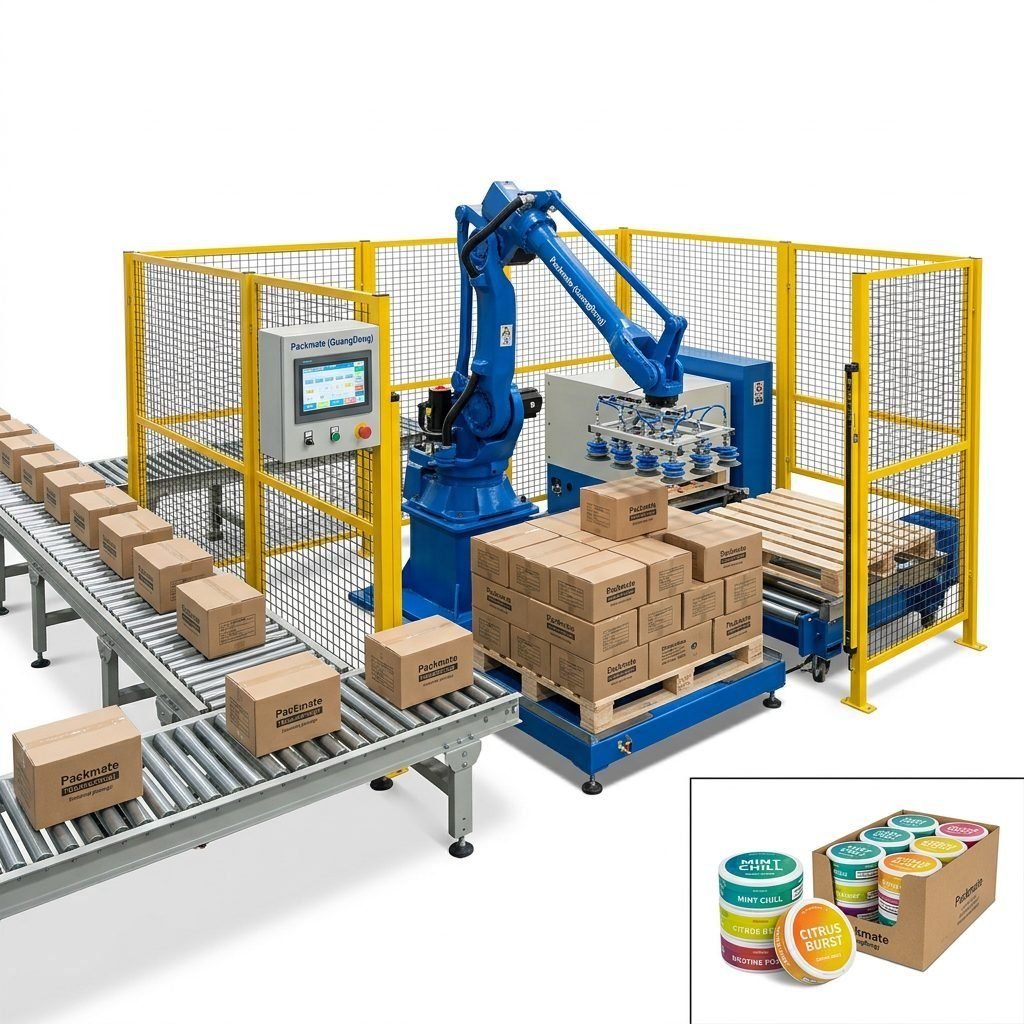
Plan for capacity increases by specifying modularity: can you easily add lanes, upgrade filling modules, or integrate automation like robotic pick-and-place? Future-proof designs save money and shorten deployment time when demand grows.
Buying checklist (short): production specs, FAT criteria, spare parts & warranty, training, logistics plan, and modular upgrade path.
Common Implementation Pitfalls and How to Avoid Them
• Underestimating spare parts inventory — keep a critical spares kit.
• Skipping FAT — always test with real product under production speeds.
• Ignoring operator training — invest in structured handover and manuals.
• Failing to secure proper site utilities — verify air, power, and floor strength before shipment.
Conclusion
Selecting the best snus packaging machine manufacturer in the Solomon Islands hinges on evaluating experience, factory capabilities, product range, R&D, certifications, and after-sales service. Favor vendors with proven snus/nicotine experience, international compliance, and clear support frameworks. A partner like Packmate, with decades of development and extensive model options, represents a strong candidate — but always validate with FAT, references, and a clear service agreement.
Frequently Asked Questions
Q1: How long does it typically take to receive a snus packaging line?
Lead times vary by complexity and customization. Standard models may be delivered faster, while bespoke turnkey lines can take several months for design, production, FAT, and shipping. Always confirm realistic timelines during contract negotiation.
Q2: What certifications should I require from a manufacturer?
At minimum, request CE and ISO certifications. Also verify electrical and safety compliance relevant to your target markets and any documentation necessary for nicotine-related product regulations.
Q3: Is on-site commissioning necessary?
Yes. On-site commissioning ensures proper installation, testing under real conditions, and hands-on operator training. Remote support complements onsite work but should not fully replace it for initial start-up.
Q4: How can I verify a manufacturer’s performance claims?
Request FAT with your product samples, visit the factory or exhibitions to see running machines, check references and case studies, and obtain documented performance guarantees in the contract.
Q5: Where can I find more product information and support?
Visit the manufacturer’s product pages and service resources such as Auxiliary Packaging Equipment and Service for detailed offerings and contact options.