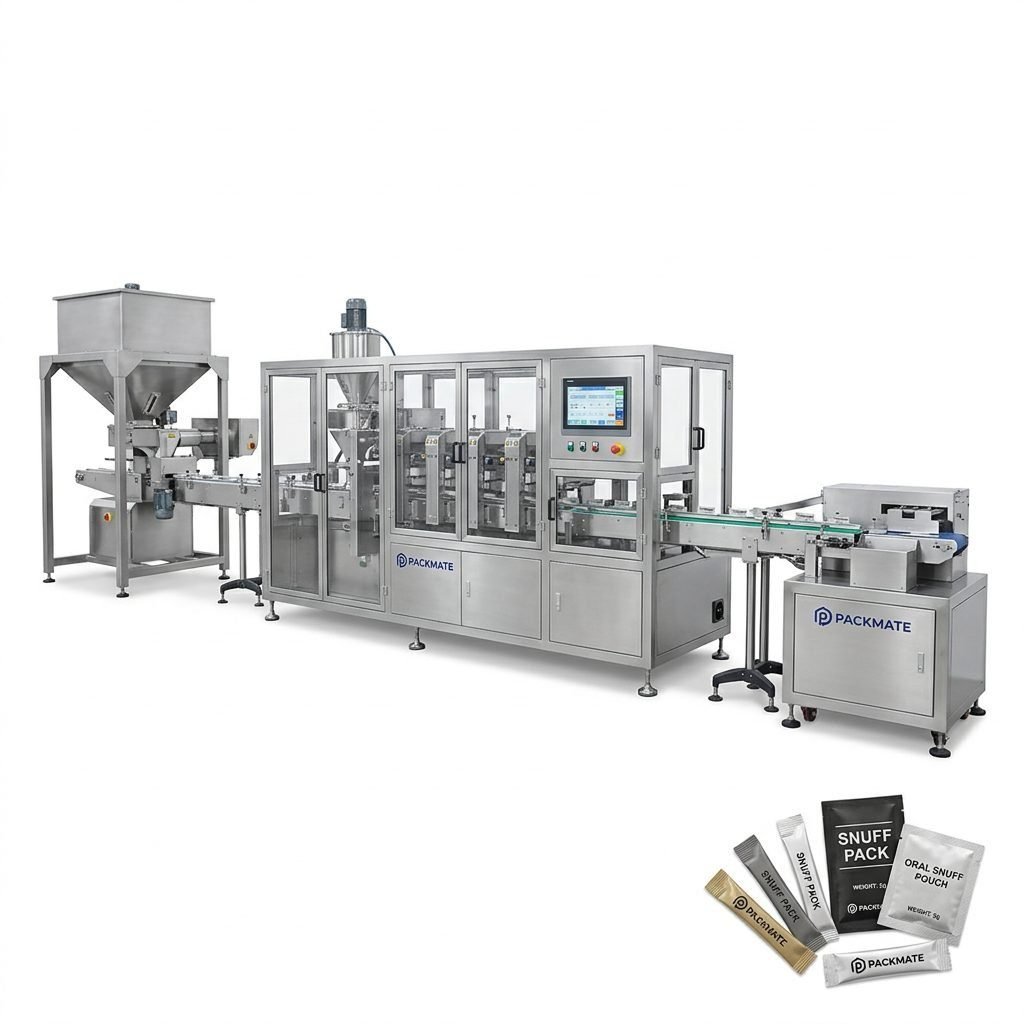
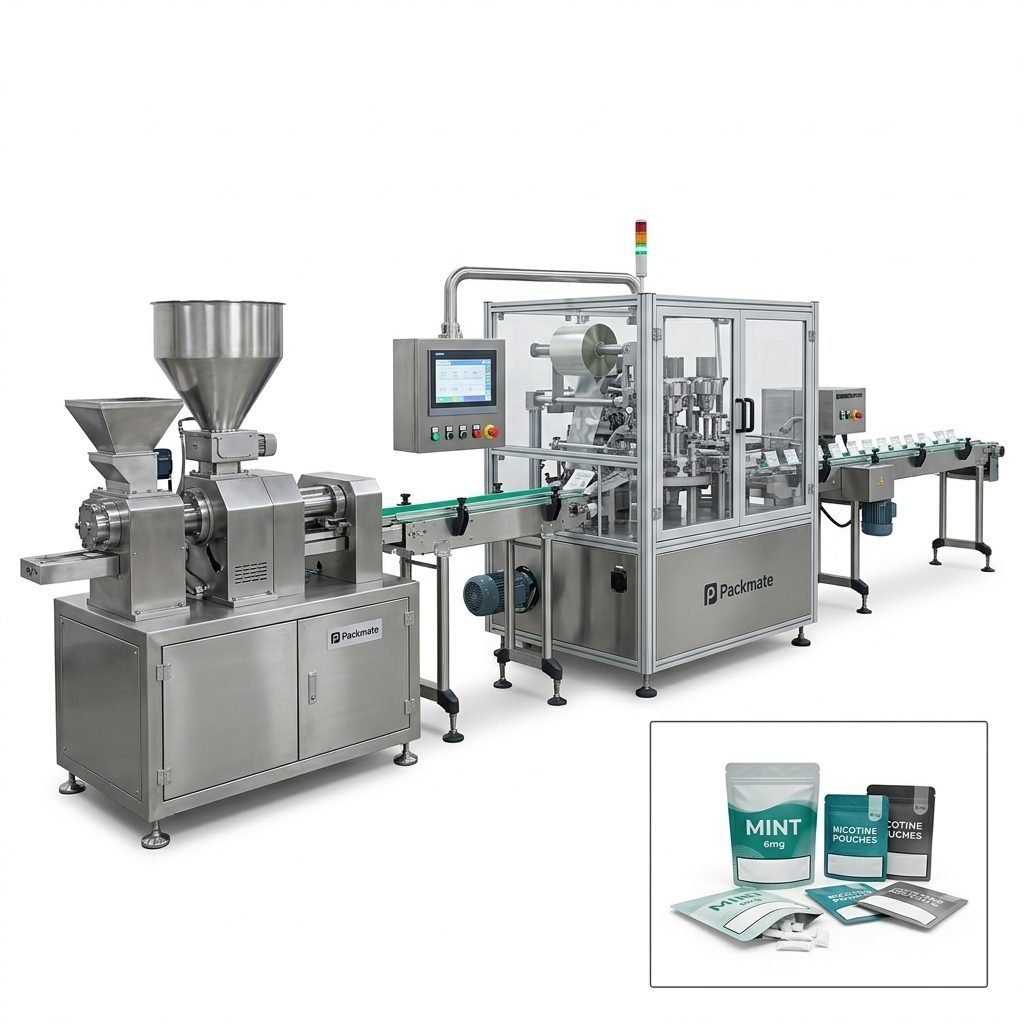
Choosing the right manufacturer for nicotine packaging machines in the Philippines is a critical decision that affects product quality, regulatory compliance, and long-term profitability. This guide walks you through practical steps, technical considerations, and local market factors so you can confidently select a supplier who meets production needs, safety standards, and the unique preferences of Filipino consumers.
Why Packaging Machine Choice Matters in the Philippines 🔍
The Philippine market features a mix of traditional retail (sari-sari stores), modern supermarkets, and fast-growing e-commerce channels. Packaging impacts shelf appeal, portion control, and product safety. For nicotine pouch and snus products, consistent pouch quality, accurate dosing, and hygienic filling are essential to maintain brand trust and ensure compliance with local regulations.
Local habits and distribution considerations
Filipino consumers often prefer smaller pack sizes and visually appealing designs. Distribution through small retailers means packaging must be durable, compact, and cost-effective. Machines that support multi-lane production and varied sachet/stick sizes can help manufacturers adapt to both bulk orders and smaller retail-friendly SKUs.
Key takeaway: Select equipment that balances production speed with flexibility — Filipino channels often demand rapid SKU changes and small-run customization.
Types of Nicotine Packaging Machines to Consider ⚙️
Different packaging styles require specialized machines. When evaluating manufacturers, confirm they supply or integrate the following systems:
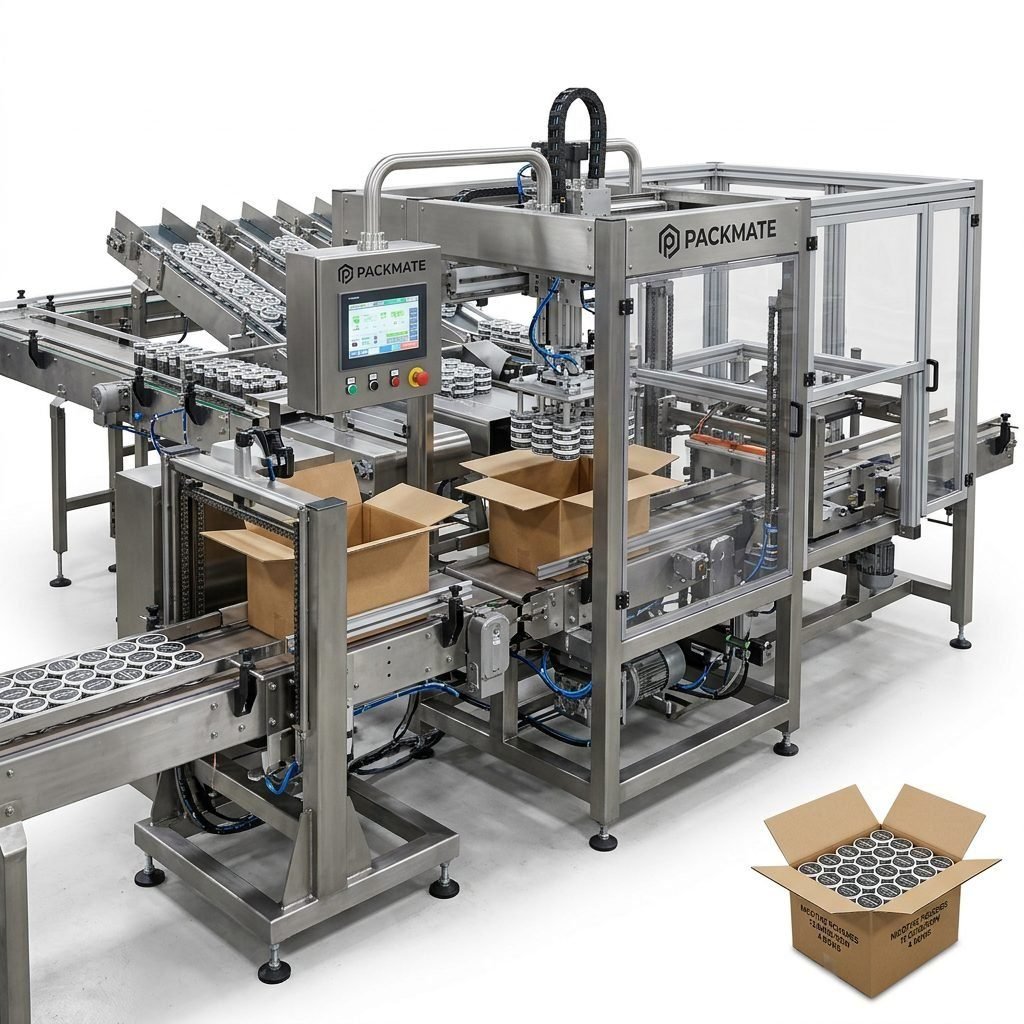
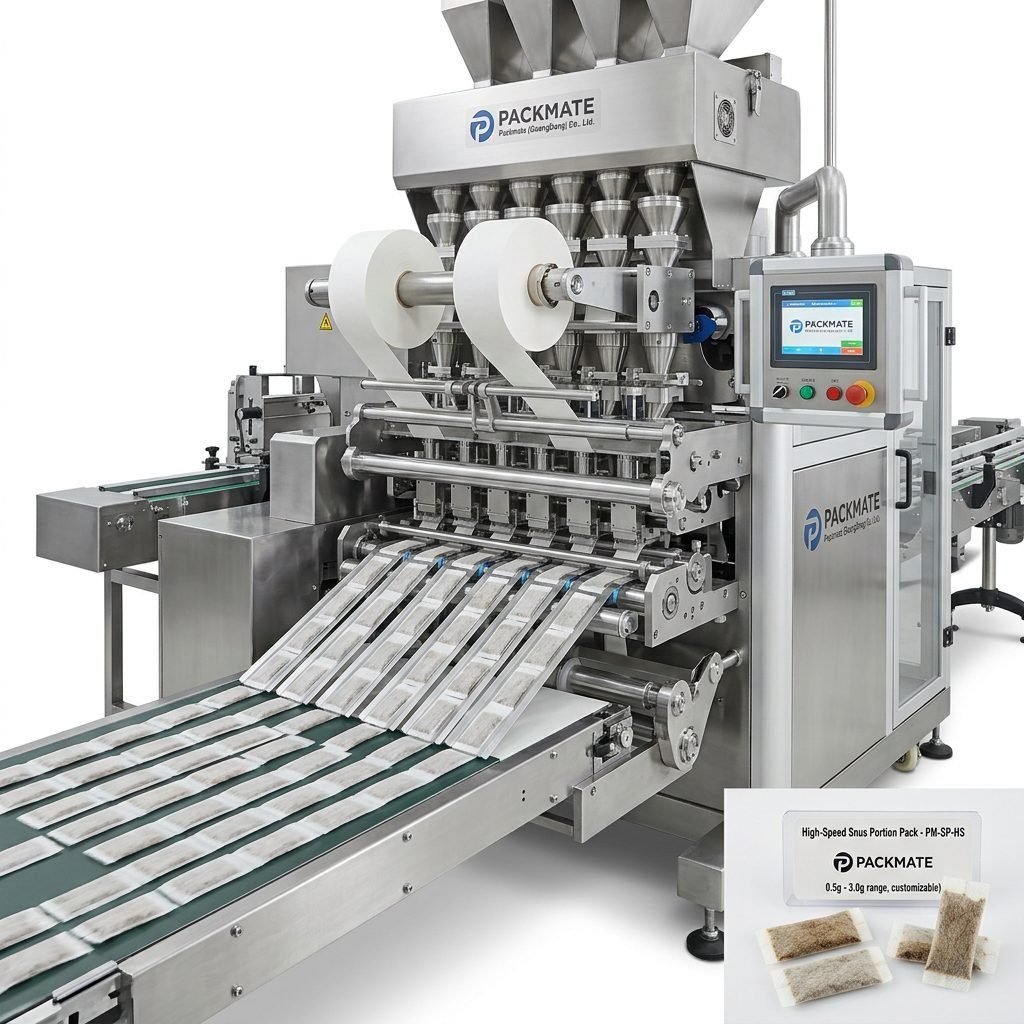
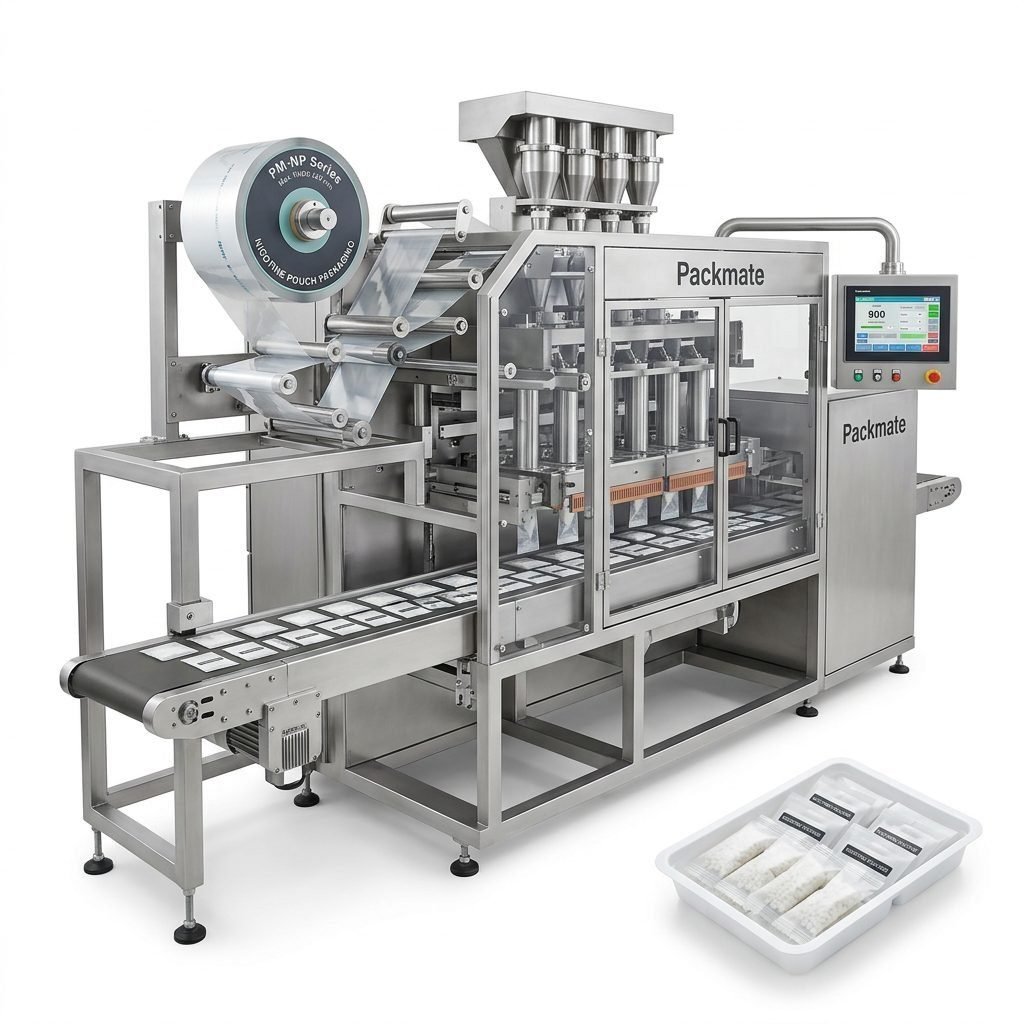
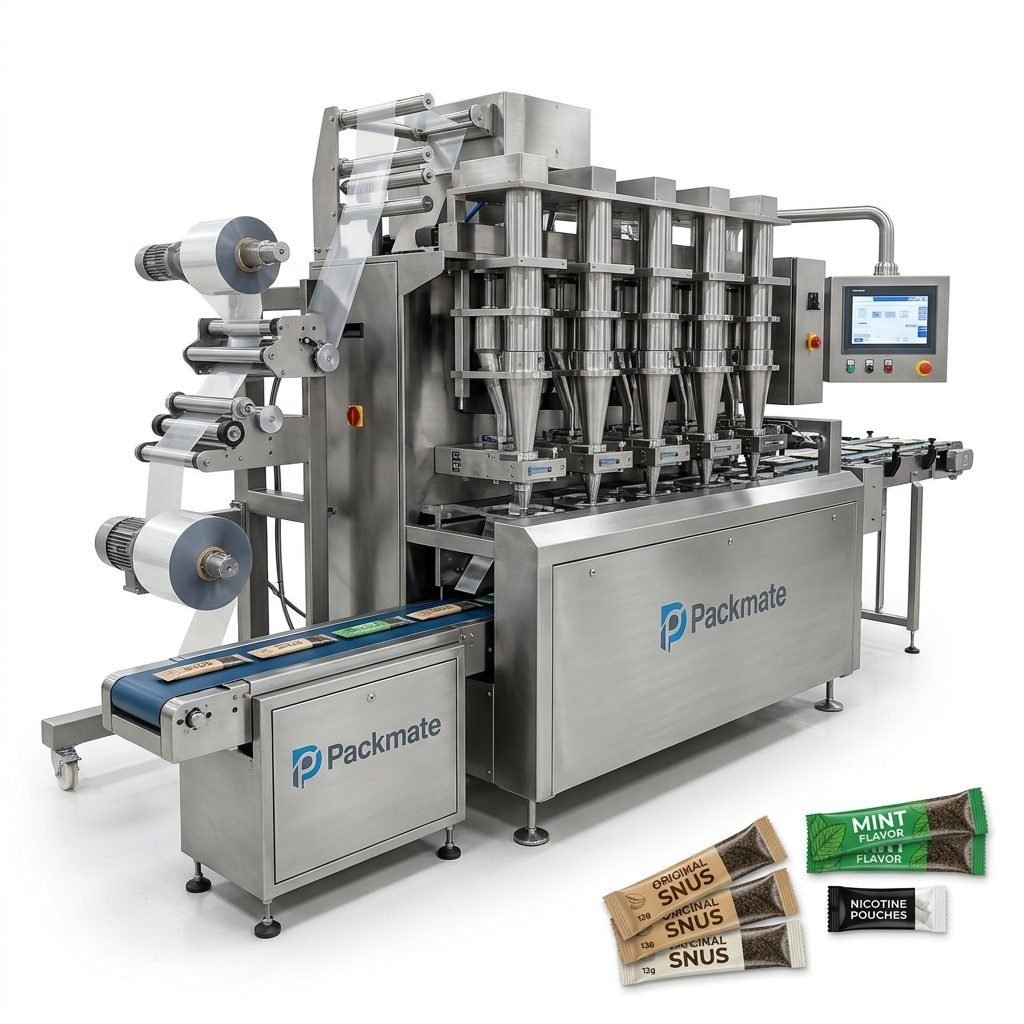
- Multi-lane snus and nicotine pouch machines for high throughput and small-dose production
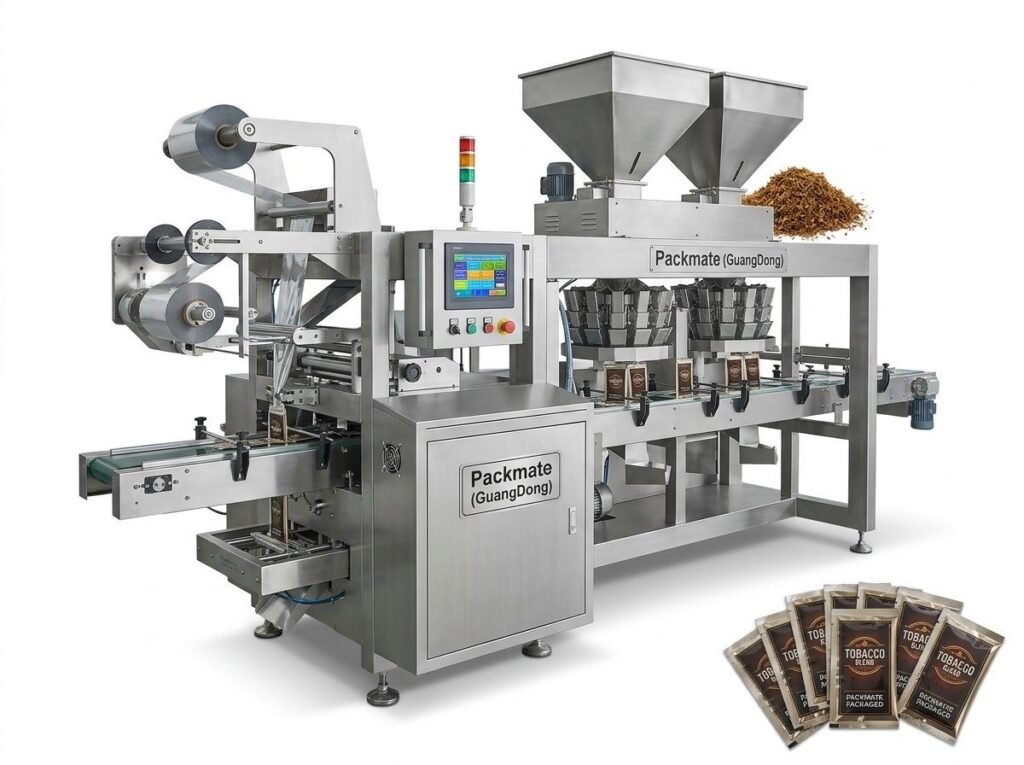
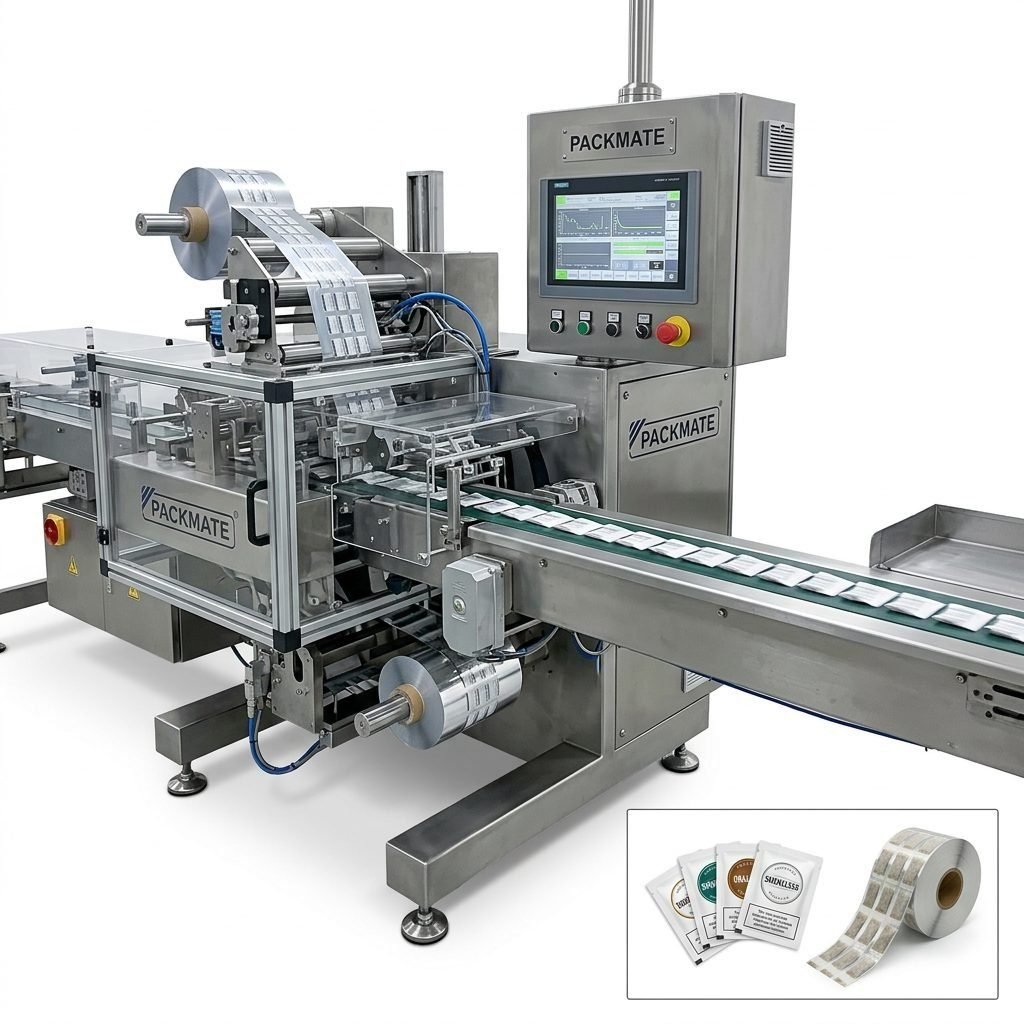
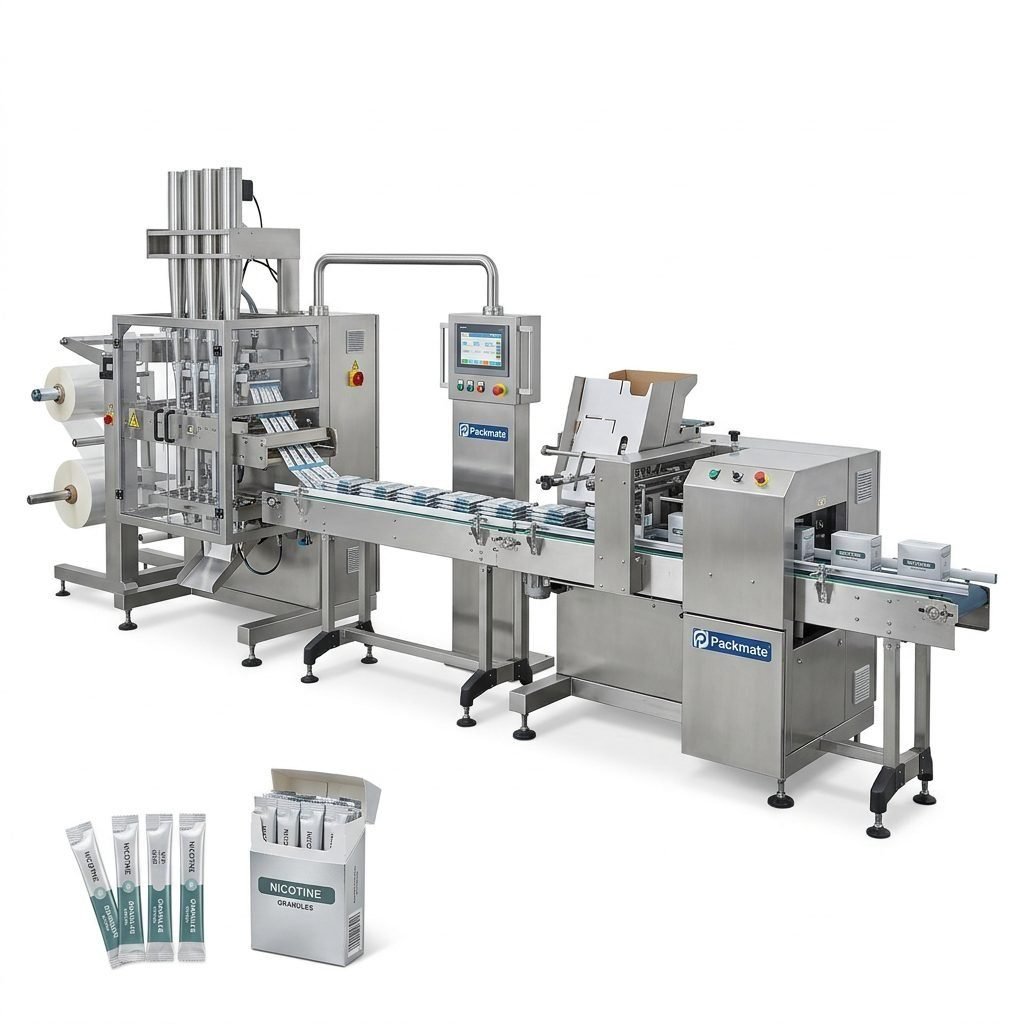
- Stick pack and sachet machines for single-serve formats
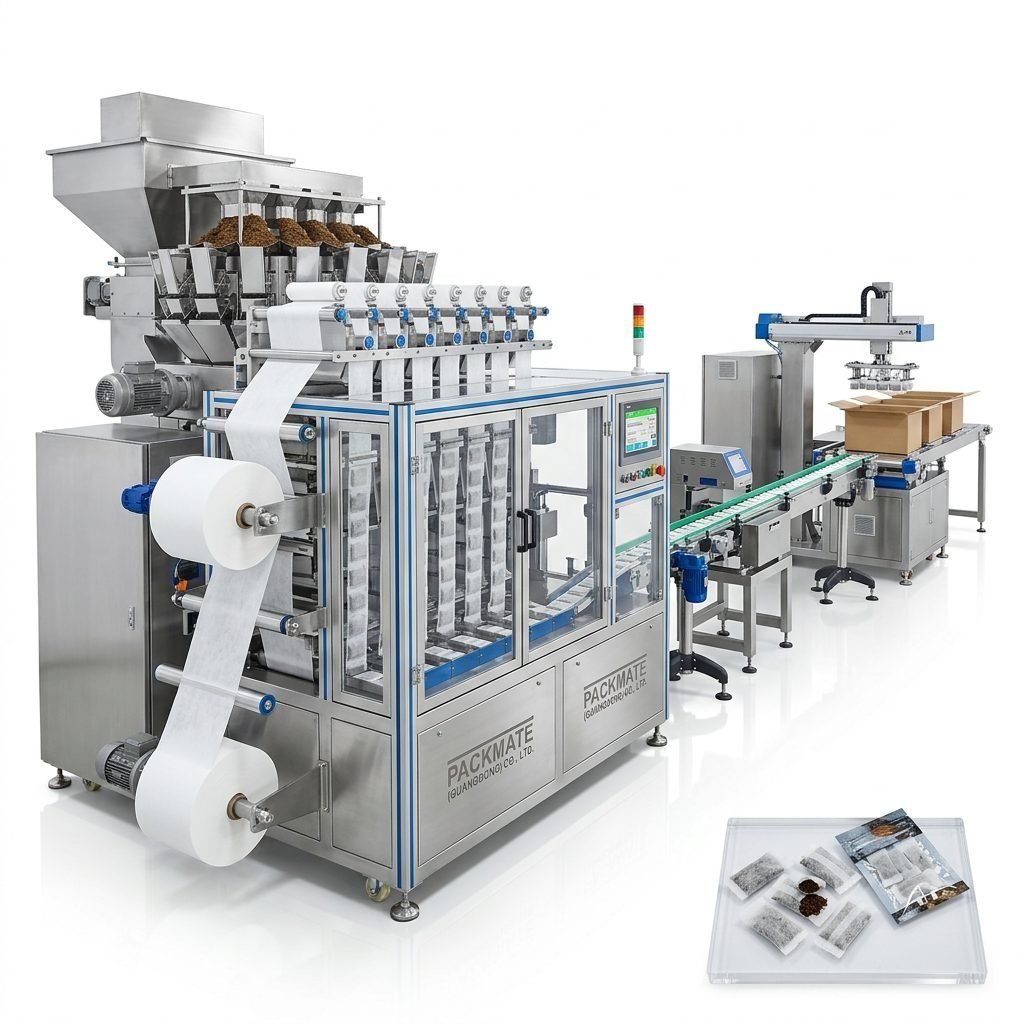
- Weighing & dosing systems for powdered or granular blends
- Filling & liquid handling lines (if applying liquid components or coatings)
- Auxiliary equipment: metal detectors, checkweighers, and date-coding units
Trusted manufacturers often provide complete solutions — for reference, review lines like Snus & Nicotine Packaging Machines and Sachet & Stick Pack Machines.
How to Evaluate a Manufacturer: Practical Checklist ✅
Use this checklist when you visit a factory or review proposals:
- Factory capability: floor area, CNC equipment, and assembly lines
- Model range: availability of multi-lane and small-dose options
- Quality control: testing protocols, tolerance levels, and sample records
- Certifications: CE, ISO, or other international compliance documents
- After-sales: spare parts lead time, training, and remote support
- Customization experience: ability to tailor to Philippine labeling and dosing requirements
⚠️ Must-check: verify spare parts inventory and expected lead times for critical components — Philippine import timelines can extend downtime costs.
Technical Specifications That Matter
Dive into specifications with attention to:
- Throughput (bags/min): Ensure the machine matches target daily volumes and potential scale-up.
- Filling accuracy: ± tolerance per dose to reduce waste and ensure compliance.
- Material compatibility: vibration-resistant feeders for powders, sanitary fillers for liquids.
- Changeover time: fast format change reduces downtime for multiple SKUs.
- Automation level: PLC/HMI integration, recipe storage, and remote diagnostics.
Integration with weighing & auxiliary systems
Accurate dosing often requires synchronized weighers and feeders. Consider turnkey solutions such as integrated Weighing & Packaging Systems and compatible auxiliary equipment.
Regulatory Compliance and Certifications
The Philippines enforces strict rules on tobacco and nicotine products. Partner with manufacturers who offer CE and ISO-certified equipment and can provide documentation for regulatory submissions. Ask for validation support and hygienic design features that simplify audits and inspections.
Pro tip: Request factory test reports and machine IQ/OQ/PQ data when available to accelerate local regulatory approvals.
After-Sales Service, Training, and Spare Parts
Reliable local or regional support reduces downtime. Confirm:
- Availability of technical training for operators and maintenance staff
- Spare parts catalogue and estimated shipment times to the Philippines
- Remote service options (VPN/HMI access) and field engineer response times
Manufacturers with global experience often provide better documentation and faster solutions. Learn more about a manufacturer’s profile through their company page like About Packmate.
Cost vs. Value: Calculating ROI
Price is important, but total cost of ownership matters more. Evaluate:
- Energy consumption and utility needs
- Labor savings from automation
- Expected uptime and spare parts costs
- Flexibility for future SKUs
Decision metric: prioritize a machine that pays back through reduced labor, lower rejects, and faster changeovers rather than the lowest upfront cost.
Why Packmate Snus Machine Could Be a Strong Candidate
Packmate brings over 30 years of engineering experience and a wide product range (50+ models). Their 20,000㎡ facility, advanced CNC centers, and focus on snus/nicotine pouch lines demonstrate strong manufacturing capability for both standard and custom requirements.
Explore Packmate’s product portfolio: Snus & Nicotine Packaging Machines, Filling & Packaging Lines, and their global case studies at Case.
Practical Selection Roadmap (Step-by-step)
Follow these steps to narrow down and finalize your supplier:
- Define target SKUs, daily volume, and acceptable tolerances.
- Request detailed machine datasheets and sample production videos.
- Inspect the factory (or request virtual tour) and review test reports.
- Compare warranties, spare parts availability, and training packages.
- Run a cost analysis including downtime scenarios and scaling plans.
- Agree on acceptance tests and on-site commissioning procedures.
Checklist item: ensure acceptance tests are documented and include sample runs with your actual product formulations.
Negotiating Contracts and Protecting Your Investment
Important contract clauses include warranty terms, response times for field service, spare parts pricing, intellectual property for custom tooling, and training scope. Define clear acceptance criteria and penalties for missed delivery or performance metrics.
Final Recommendations for the Philippine Market
– Prioritize machines that minimize downtime and support frequent SKU changes.
– Favor suppliers with global references and local support options.
– Keep regulatory compliance documentation ready for local authorities.
– Plan spare parts inventory to buffer against shipping delays to the Philippines.
Where to get more information
For detailed product catalogs and inquiries, visit the manufacturer’s service and contact pages: Service and Contact Us.
Conclusion
Selecting the best nicotine packaging machine manufacturer for the Philippines requires a balanced review of technical capability, factory strength, certifications, after-sales support, and awareness of local market habits. Manufacturers with deep experience in snus and nicotine pouch lines and the ability to deliver turnkey solutions will help you scale efficiently and maintain consistent product quality.
Frequently Asked Questions
Q1: How do I verify a manufacturer’s machine performance before purchase?
A1: Request live machine demonstrations, sample production runs with your formulation, factory test reports, and acceptance criteria. Insist on documented IQ/OQ/PQ where available.
Q2: What certifications should I expect?
A2: Look for CE and ISO certifications and any sanitary design documentation. Certification helps with global compliance and local regulatory confidence.
Q3: Can machines be customized for small package sizes popular in the Philippines?
A3: Yes. Choose manufacturers experienced in multi-lane and small-dose production. Confirm changeover times and tooling costs for frequent SKU shifts.
Q4: How important is local support?
A4: Very important. Local or regional technical support shortens downtime. If direct local support is unavailable, ensure robust remote diagnostics and spare parts strategies.
Q5: Where can I see examples of installed lines?
A5: Ask for case studies and references. Visit online case pages such as Case to review global projects and similar installations.