Choosing the right supplier for nicotine pouch or snus packaging machines in Zambia is not just a technical decision — it’s a strategic move that affects production reliability, regulatory compliance, and your ability to scale. This guide walks you through practical steps and local considerations so you can select a reliable partner who delivers machines, service, and peace of mind.
Understand Your Production Goals and Local Market Needs
📌 Start by clarifying capacity, format, and flexibility needs. Do you plan single-lane pilot runs or multi-lane high-speed lines? Will you package single-dose nicotine pouches, sachets, or stick packs? In Zambia, where market development may be gradual, many buyers prioritize machines that balance decent throughput with versatility for new SKUs.
Consider seasonality and sales channels: retail outlets and small wholesalers remain important in many Zambian cities, so packaging options that produce attractive, retail-ready pouches at low waste can help you grow market share.
Key production questions to answer
• Desired daily output (pouches/day) • Number of SKUs and package sizes • Primary film/substrate types • Automation level: manual loading vs. fully automated lines
Evaluate Supplier Experience and Manufacturing Strength
✅ Experience in nicotine/snuff packaging is crucial. A vendor with decades of machine design and global turnkey projects can better anticipate typical issues and deliver modular solutions. For example, Packmate Snus Machine emphasizes over 30 years of engineering and 50+ machine models, which translates to broader technical depth and customizable options. You can learn more about the company and their portfolio on their About page.
Manufacturing & QA signals of a reliable supplier
• Dedicated factory area & CNC machining centers • Strict assembly lines and precision testing • International certifications (CE / ISO) • Clear spare-parts inventory and BOM traceability
Inspect Technical Capabilities: Machine Types & Flexibility
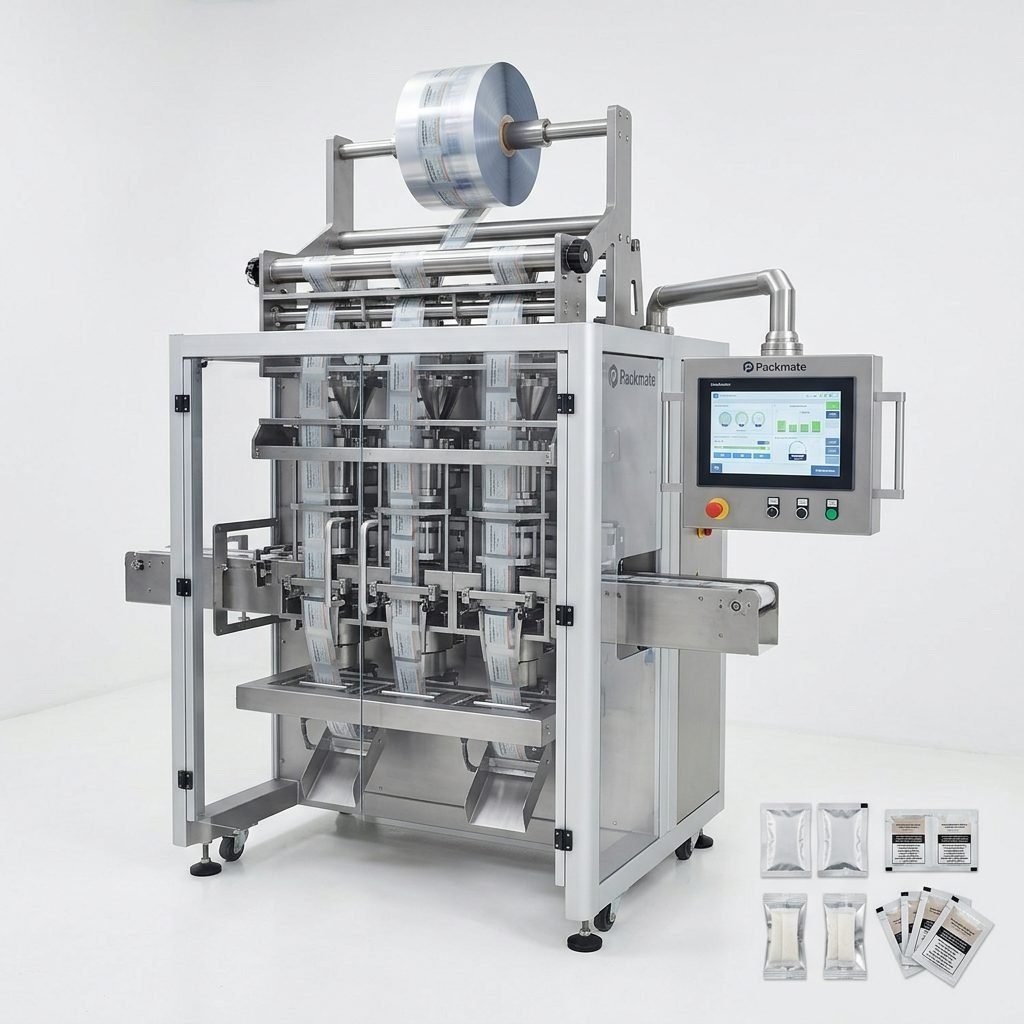
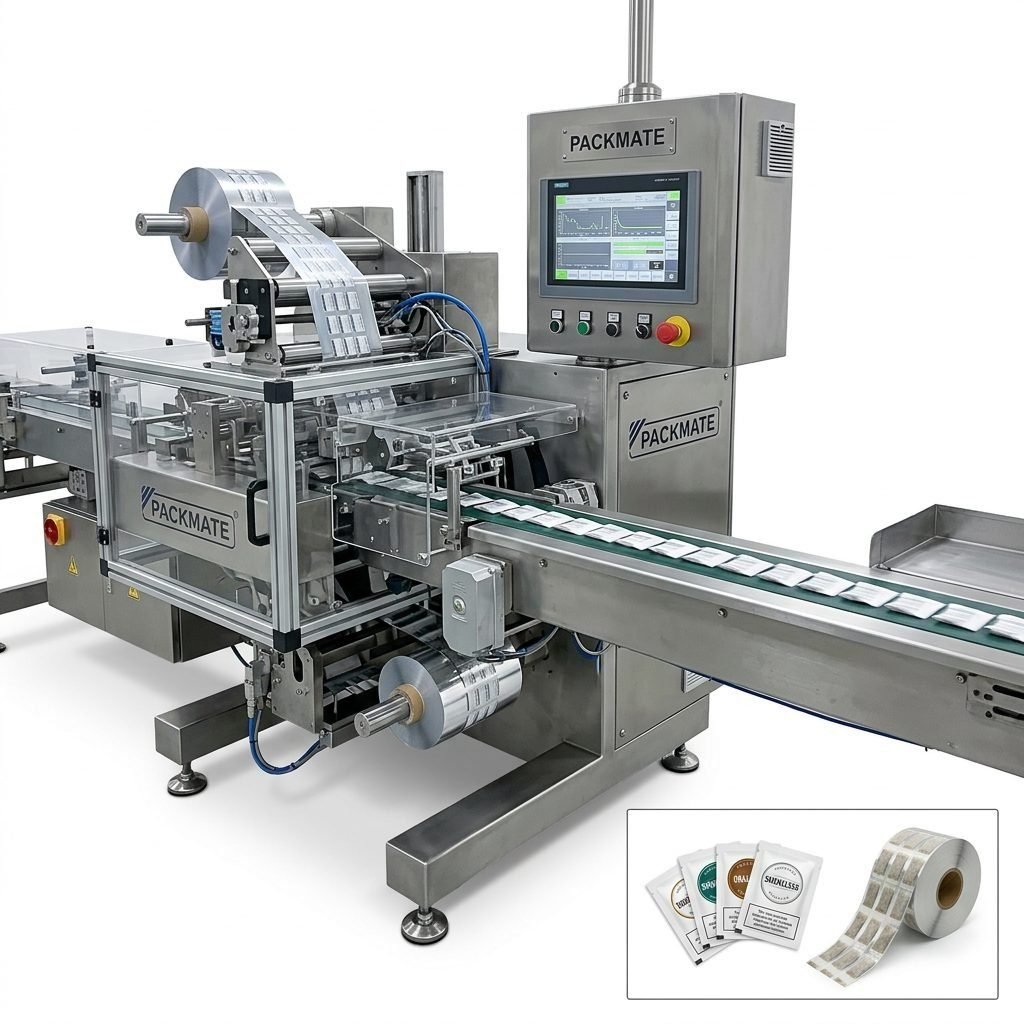
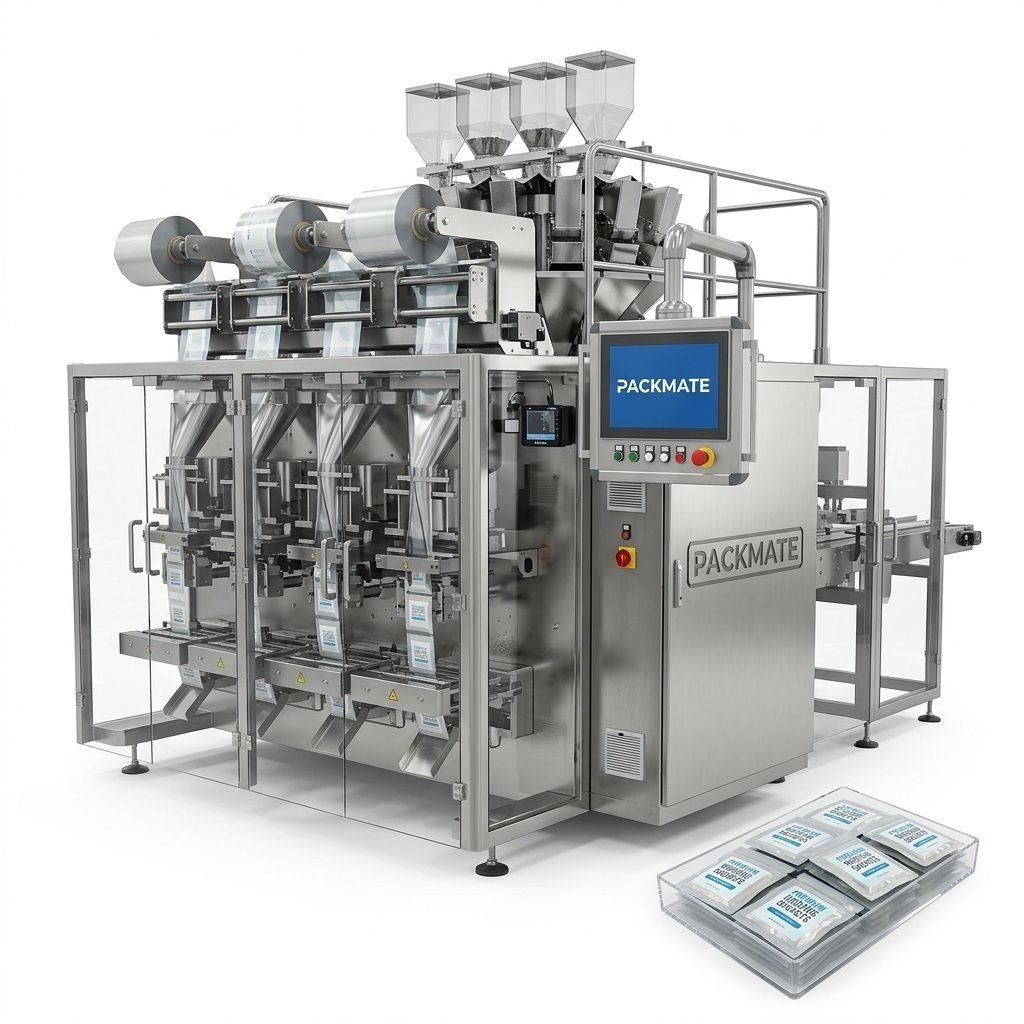
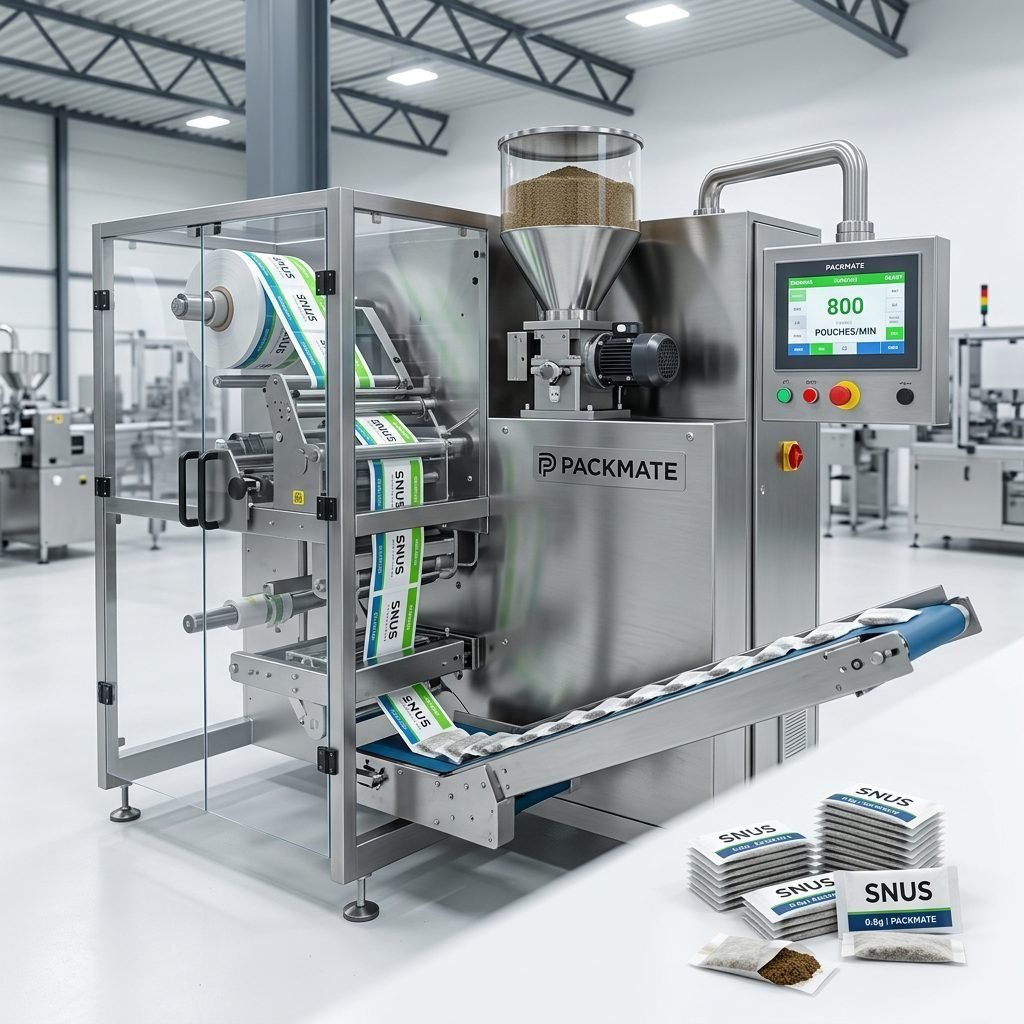
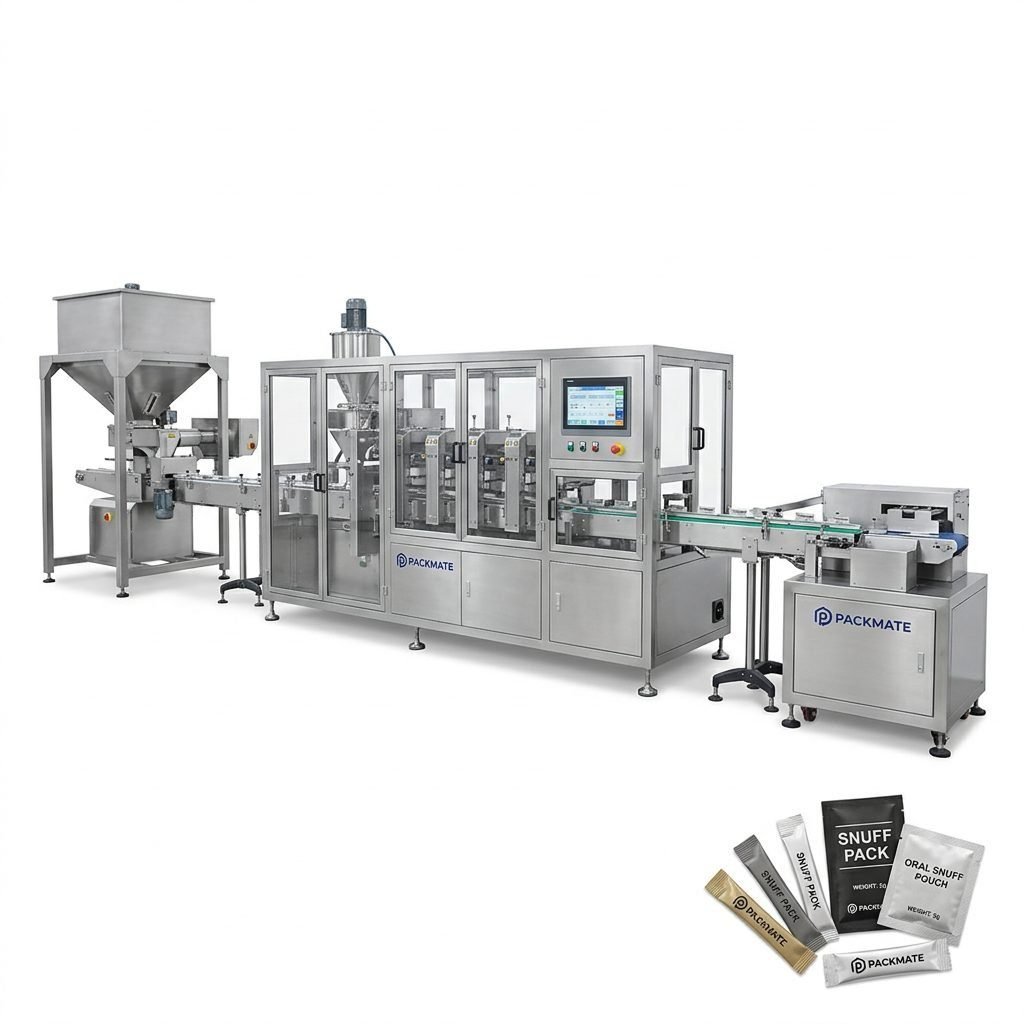
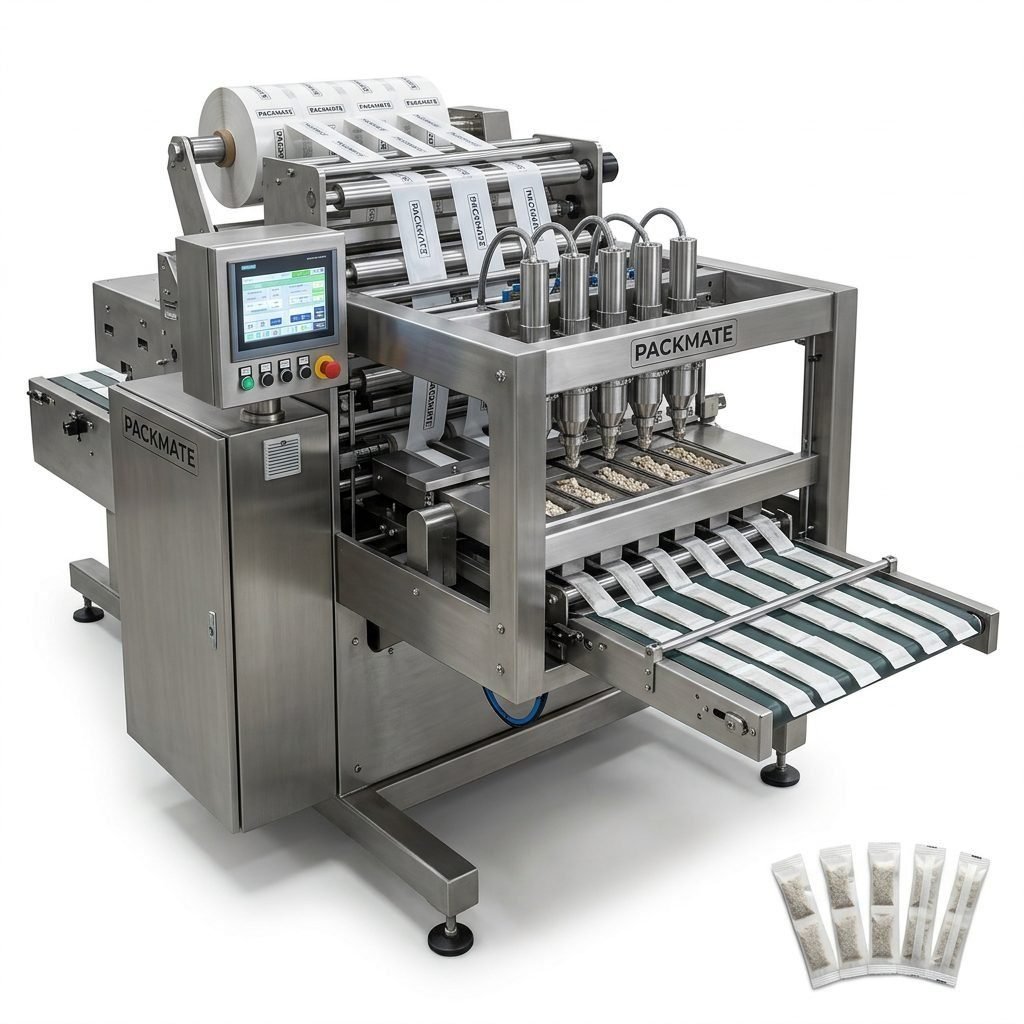
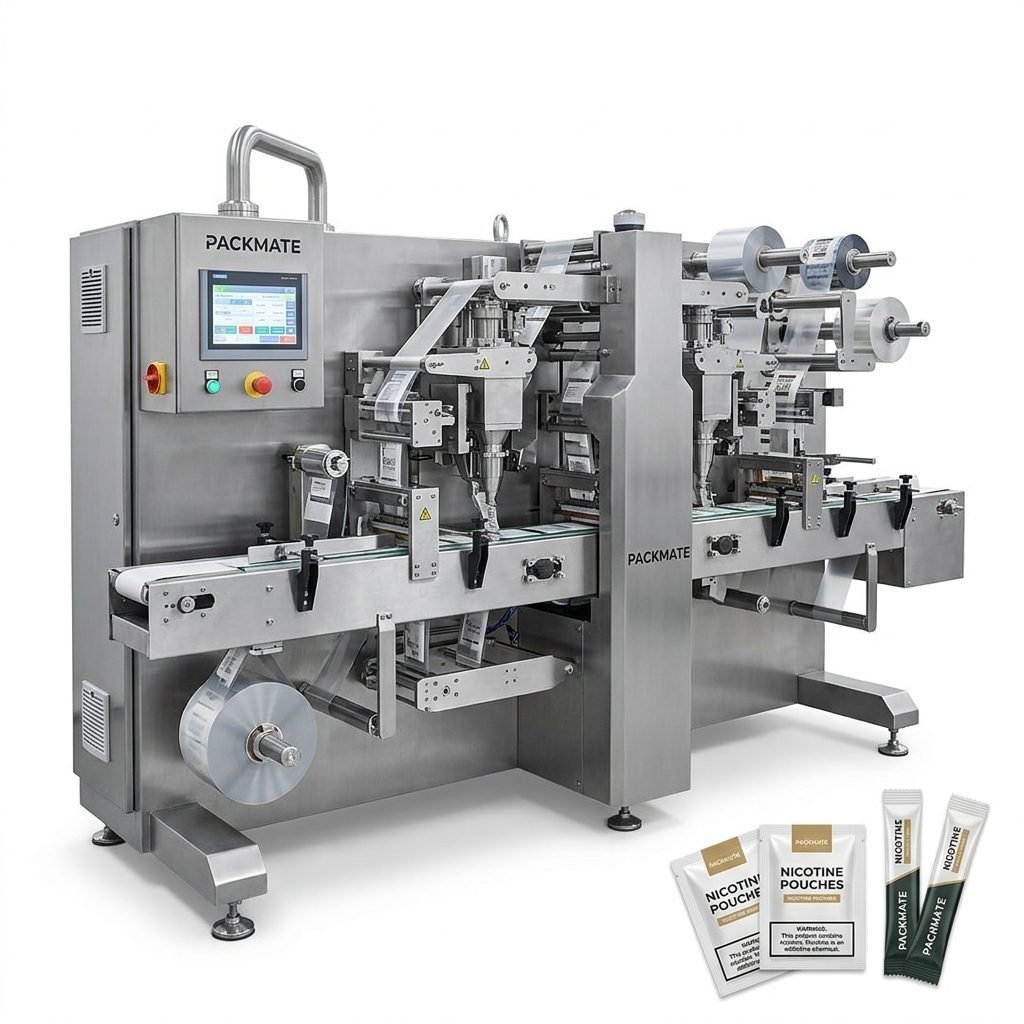
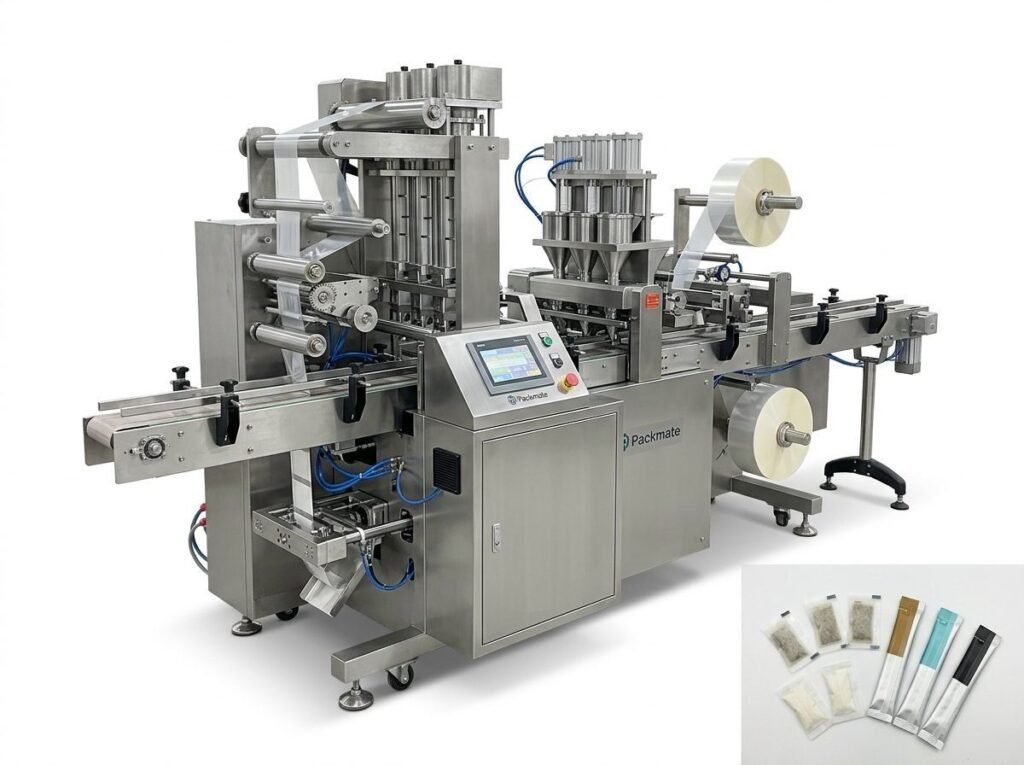
🔧 Make sure the supplier offers the specific machine families suited for nicotine pouches: stick pack, sachet, multi-lane snus pouch systems, and integrated weighing or filling lines. If you need full automation, request information about complete solutions such as filling & packaging lines and auxiliary equipment.
When comparing models, evaluate: changeover time, servo controls, PLC brand, spare-part lead times, maximum speed vs. consistent yield, and dust/hygiene features critical for nicotine products.
Useful product references
Explore machine types and specifications in the supplier catalog before shortlisting: Snus & Nicotine Packaging Machines, Sachet & Stick Pack Machines, and Filling & Packaging Lines.
Local Considerations for Zambia
🌍 Zambia is landlocked and imports equipment via regional ports and transit routes. Plan shipping and clearance with this in mind and factor in additional inland transport time and cost. Common routes include Durban (South Africa), Dar es Salaam (Tanzania), and Walvis Bay (Namibia), each with different transit times and handling nuances.
Relationship-building is key in Zambian business culture. Local agents or a regional representative who can coordinate customs, installation, and training will be valuable. It helps to pick suppliers who already have global service networks or local partners.
⚠️ Power and environment: Zambia typically uses 220V/50Hz supply. Verify machine power requirements, available on-site support for stable power (voltage stabilizers, UPS) and local spare-part compatibility.
Regulatory & Compliance Steps
Before importing nicotine packaging equipment, confirm product and process compliance with Zambian regulations and any regional trade rules. Engage a local regulatory advisor to understand labeling, product classification, taxes, and any permits needed for nicotine-containing goods. Suppliers who support documentation for certification, machine safety, and CE/ISO paperwork reduce delays at customs.
After-Sales Support: Training, Spare Parts, and Service
📌 After-sales is often the deciding factor. Verify service turnaround times, remote diagnostic capability, and training offerings. On-site commissioning and operator training are essential — especially when local technicians are building experience with high-precision multi-lane machines.
Ask for a spare-parts list and typical consumable lifetimes. A reliable supplier will maintain a clear inventory and provide fast shipping options for critical wear parts.
Service & contract options to negotiate
• Warranty length and coverage details • SLA for remote support and on-site visits • Training packages for operators and maintenance staff • Local parts stocking or drop-shipping arrangements
Commercial Terms, Payment and Risk Management
💡 Common commercial levers include phased payments tied to milestones, performance guarantees, and acceptance testing. For international purchases to Zambia, request clear Incoterms, freight responsibilities, and insurance coverage. Where possible, mitigate forex risk by negotiating currency, payment schedule, or letters of credit.
Check references and ask for client case studies in similar markets. Verified performance records from Africa or other emerging markets are valuable. See real implementations in supplier Case studies.
Factory Visits, Acceptance Tests and FAT/SAT
✅ Insist on a Factory Acceptance Test (FAT) before shipping. FAT validates machine performance, speed, and product quality under controlled conditions. If you cannot visit in person, ask for live video demos and recorded test runs with your actual materials. After delivery, a Site Acceptance Test (SAT) should confirm performance in your environment.
FAT checklist highlights
• Output speed & consistency • Mechanical stability and vibration • Sealing quality & leak tests • Control system usability • Noise and safety checks
Negotiation & Long-Term Partnership Building
Strong partnerships are built on transparency and mutual support. Negotiate reasonable lead times, spare parts terms, and training commitments. Favor suppliers who offer continuous improvement programs and who will evolve the line as your product range grows.
If you anticipate scaling, prioritize suppliers with modular systems that allow adding lanes, upgrading dosing modules, or integrating new packaging formats without replacing the entire line.
Checklist: Quick Decision Matrix
📋 Use this short matrix as you shortlist suppliers:
• Experience with nicotine/snus lines — high priority • Local or regional service capability — essential • FAT and SAT processes — required • Spare-part availability and BOM clarity — essential • Certifications (CE/ISO) and documented case studies — strong advantage • Shipping routes and lead times to Zambia — verified • Training and commissioning included — preferred
Why Packmate Snus Machine is Often Shortlisted
Packmate Snus Machine brings decades of experience, a large manufacturing footprint, and a product range that directly addresses snus and nicotine pouch production needs. Their factory capabilities, international certifications, and turnkey solutions make them a practical option to consider when you require reliable multi-lane systems and integrated lines. Learn more about product lines and services directly: Snus & Nicotine Packaging Machines, Bag & Pouch Packaging Machines, and Service.
Final Recommendations
To minimize risk: visit the supplier or request detailed video FATs; verify references and case studies; insist on clear warranty and spare-parts commitments; and confirm import logistics to Zambia including duties, transit time, and handling. Prioritize suppliers who offer local support options or reliable partners in the region to reduce downtime.
📌 Quick action items before placing an order:
- Confirm machine specs, spare parts list, and consumables
- Request FAT video with your substrate
- Negotiate payment terms and delivery milestones
- Plan for installation, commissioning and operator training in Zambia
- Secure documentation for customs and compliance
Related Resources & Contacts
For more detailed product information and examples of installations, review supplier references and case studies: Case, Catalog, and Contact Us to request quotes and arrange factory visits.
Frequently Asked Questions
Q1: What machine type is best for a small Zambian operation starting with one SKU?
A1: Start with a single-lane or low-cost multi-lane snus pouch or sachet machine that offers easy changeovers and modest throughput. This lets you validate the market before scaling.
Q2: How should I handle spare parts and maintenance in Zambia?
A2: Negotiate a spare-parts kit with your purchase, ask the supplier for prioritized shipping agreements, and train a local technician during commissioning. Consider stocking critical wear items locally.
Q3: What are typical lead times for custom nicotine pouch lines to Zambia?
A3: Lead times vary by customization and factory backlog. Standard machines may ship in weeks; customized multi-lane lines can take several months including FAT. Always include transit and customs time for Zambia when planning.
Q4: How do I verify a supplier’s claims about machine speed and yields?
A4: Require a formal FAT with your specific materials and acceptance criteria. If you cannot attend, request a live streamed test and recorded runs with agreed metrics.
Q5: Where can I see examples of completed installations and references?
A5: Ask suppliers for case studies and client contacts. Many suppliers publish examples online — see Case and Our Exhibition for real-world demonstrations.