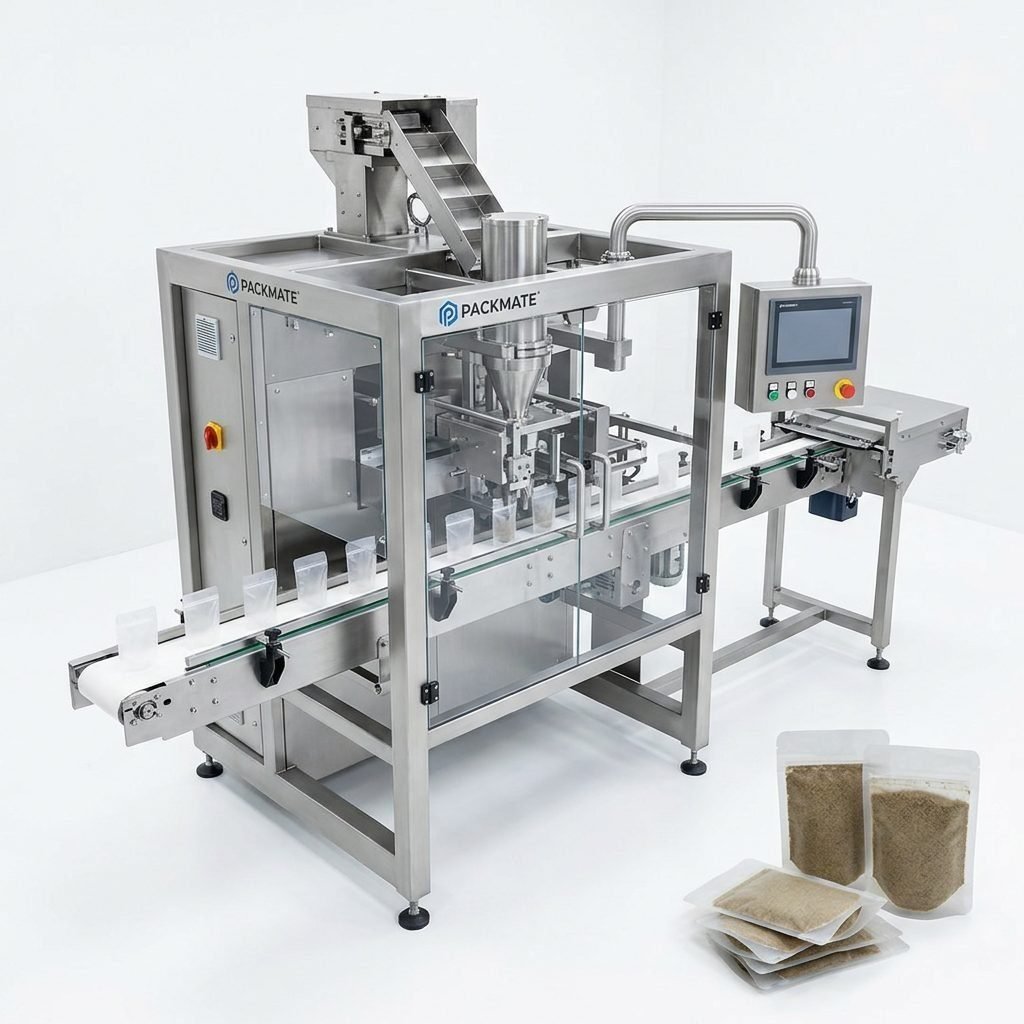
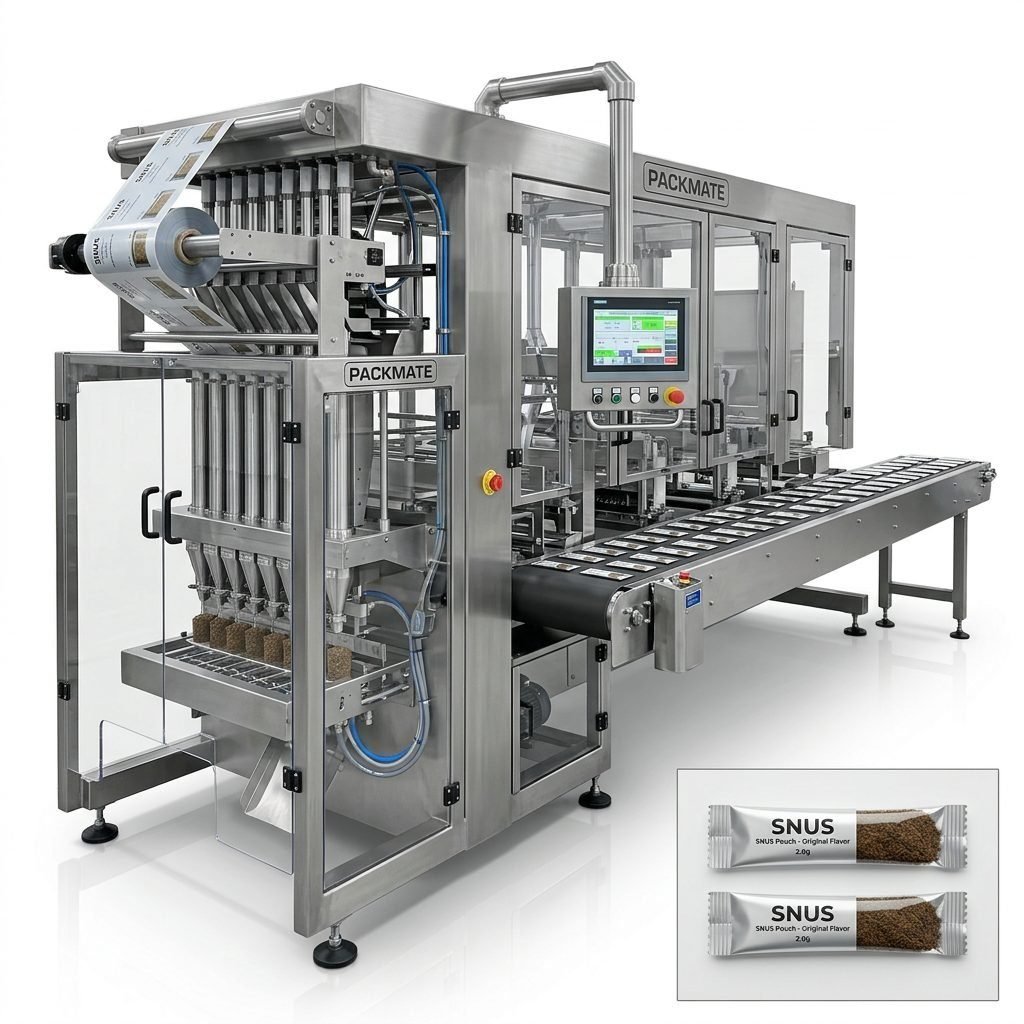
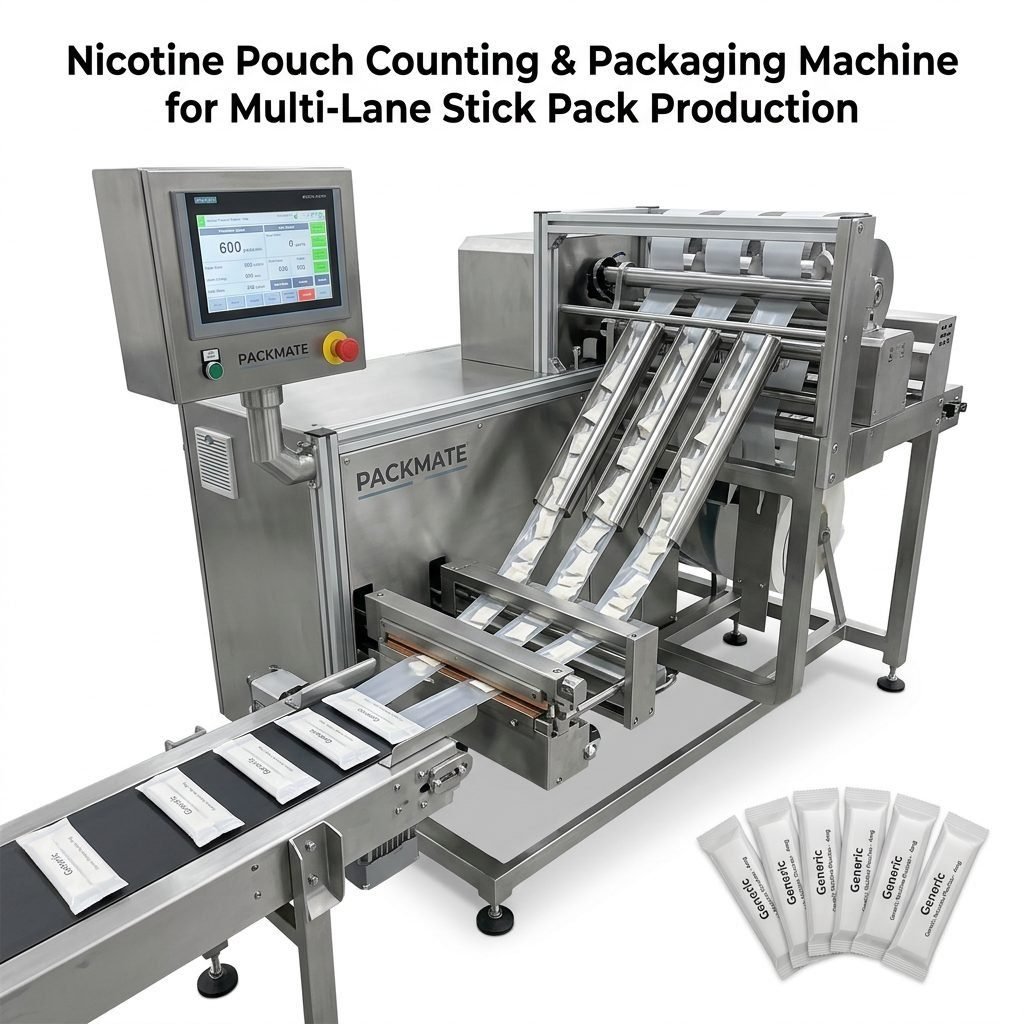
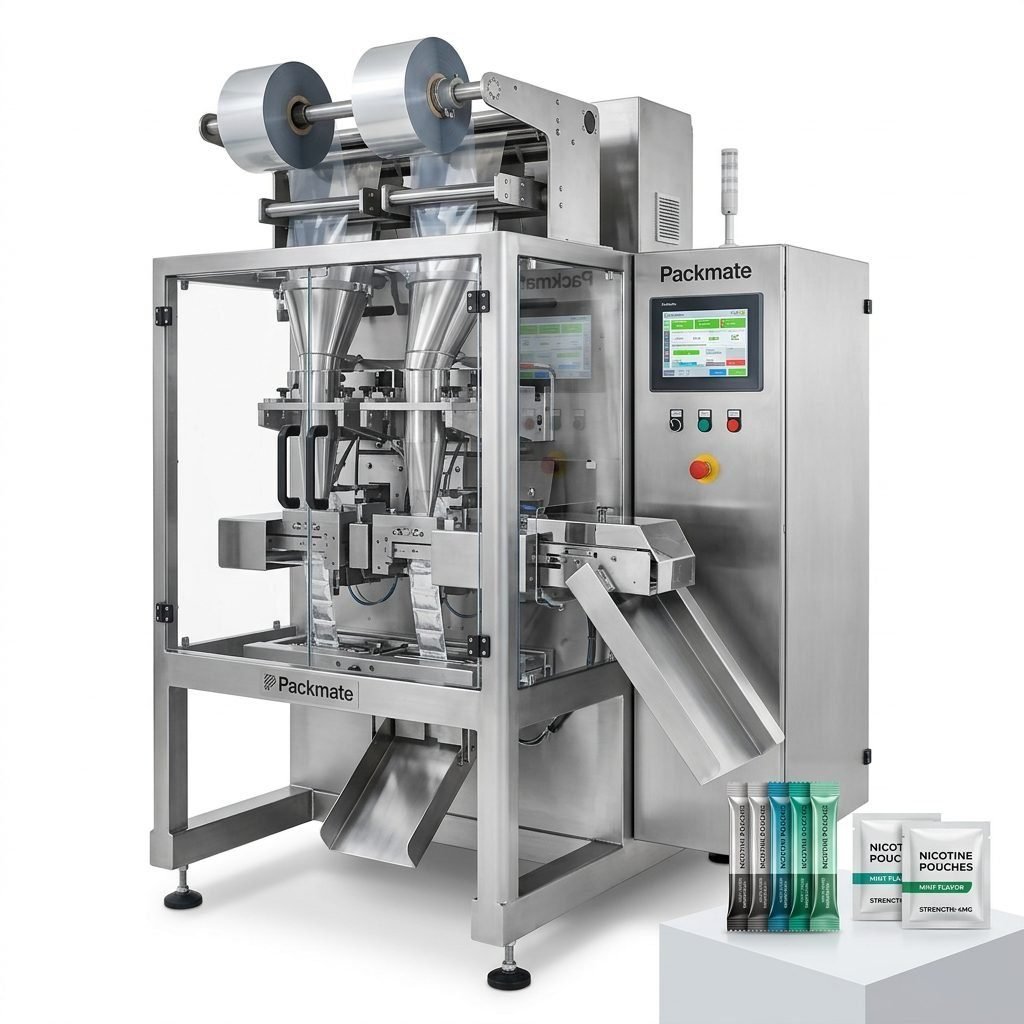
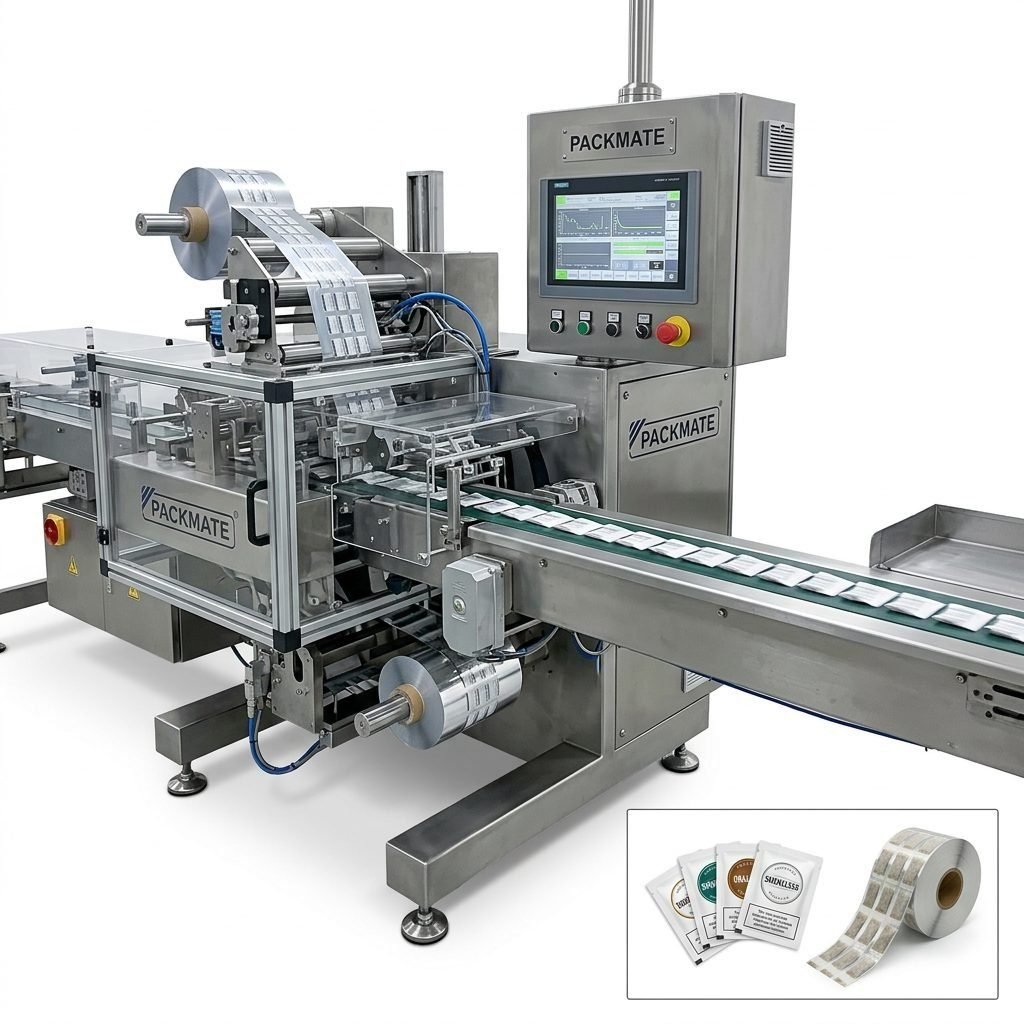
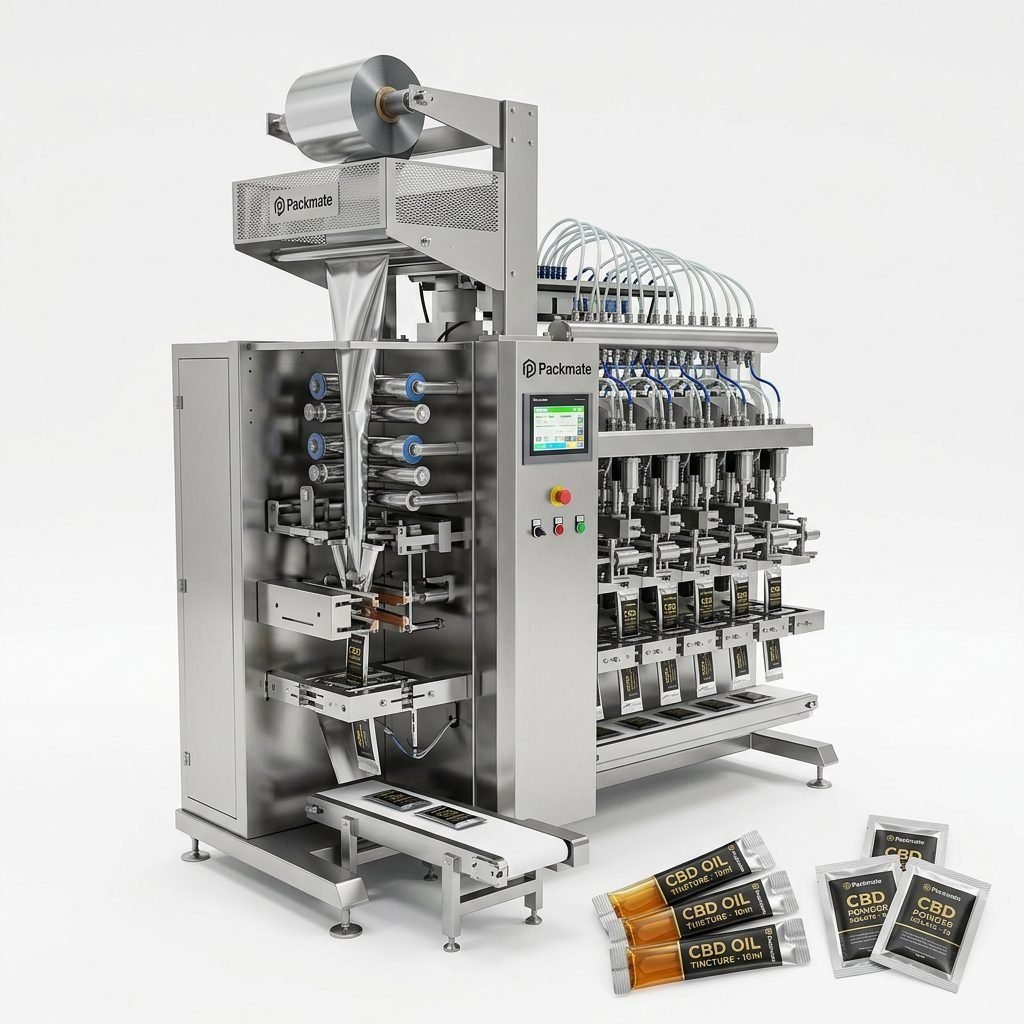
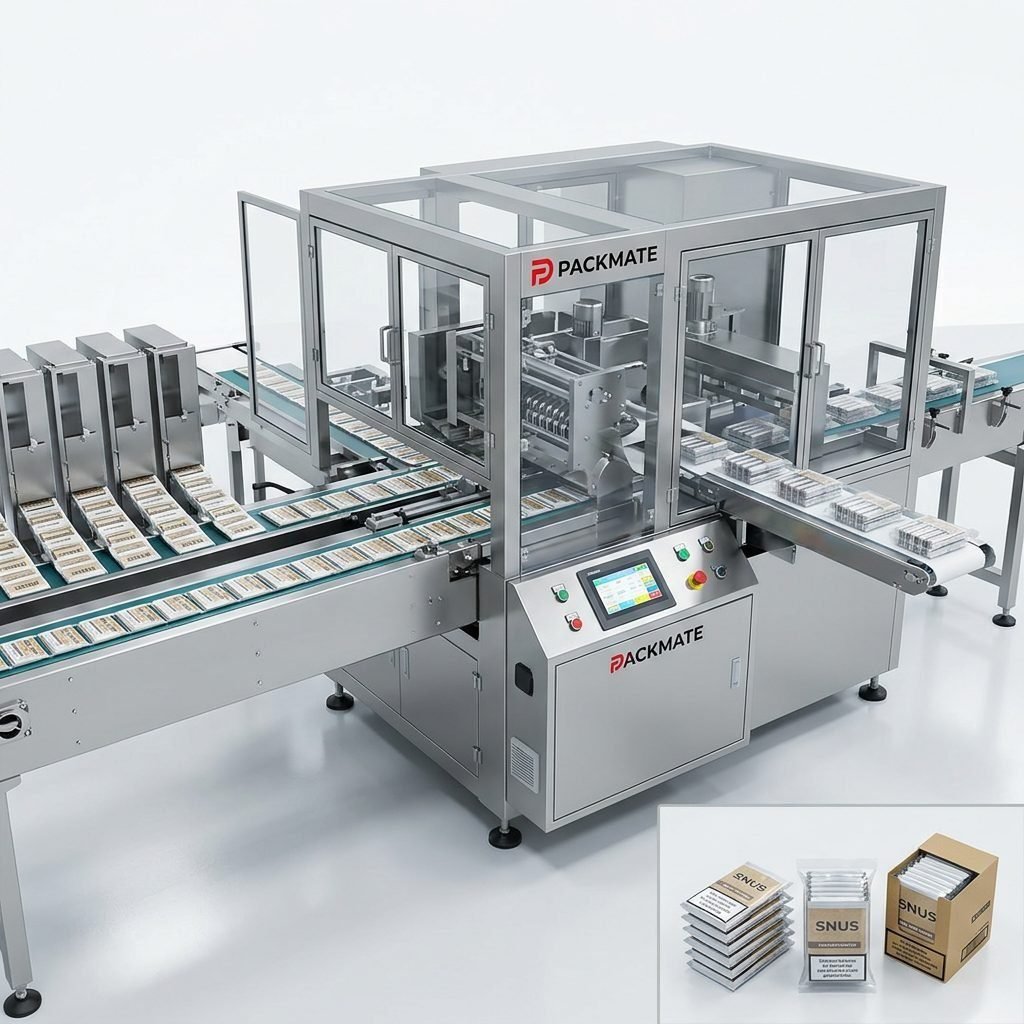
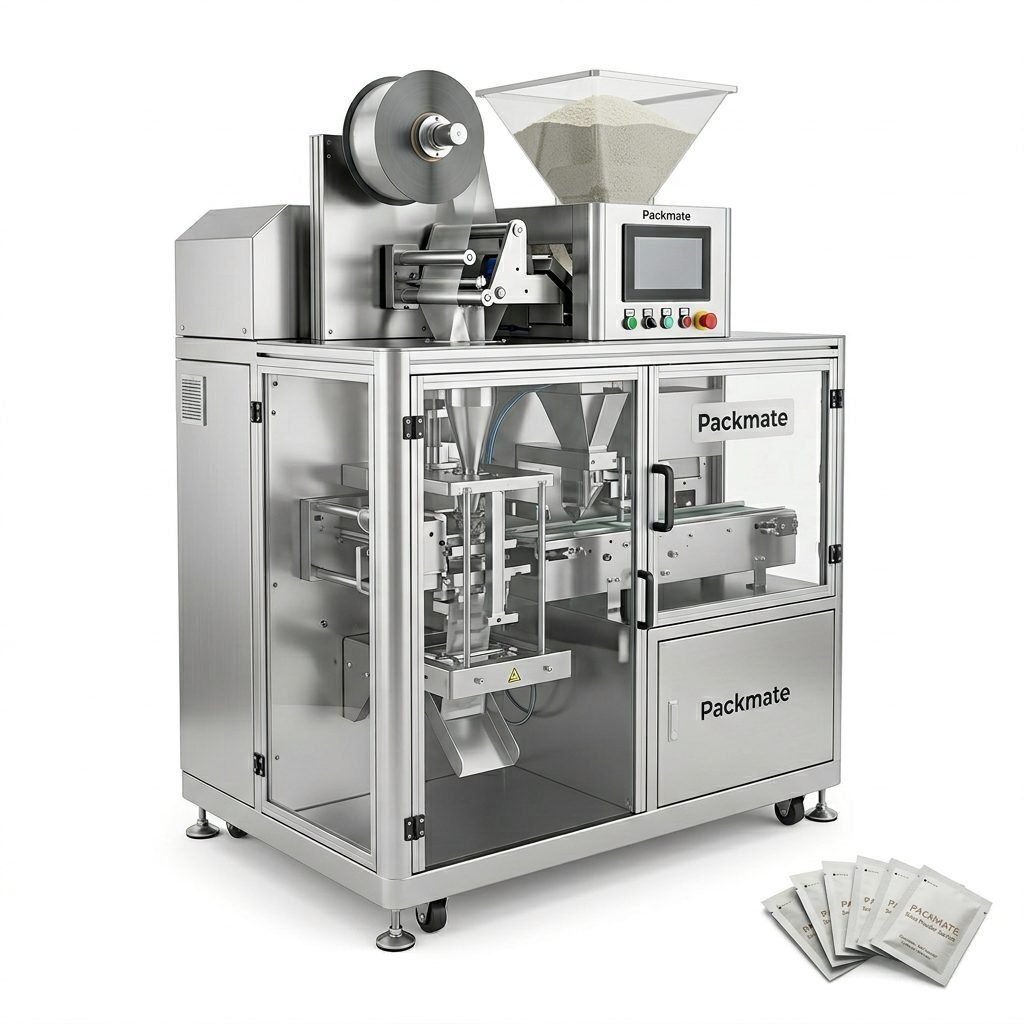
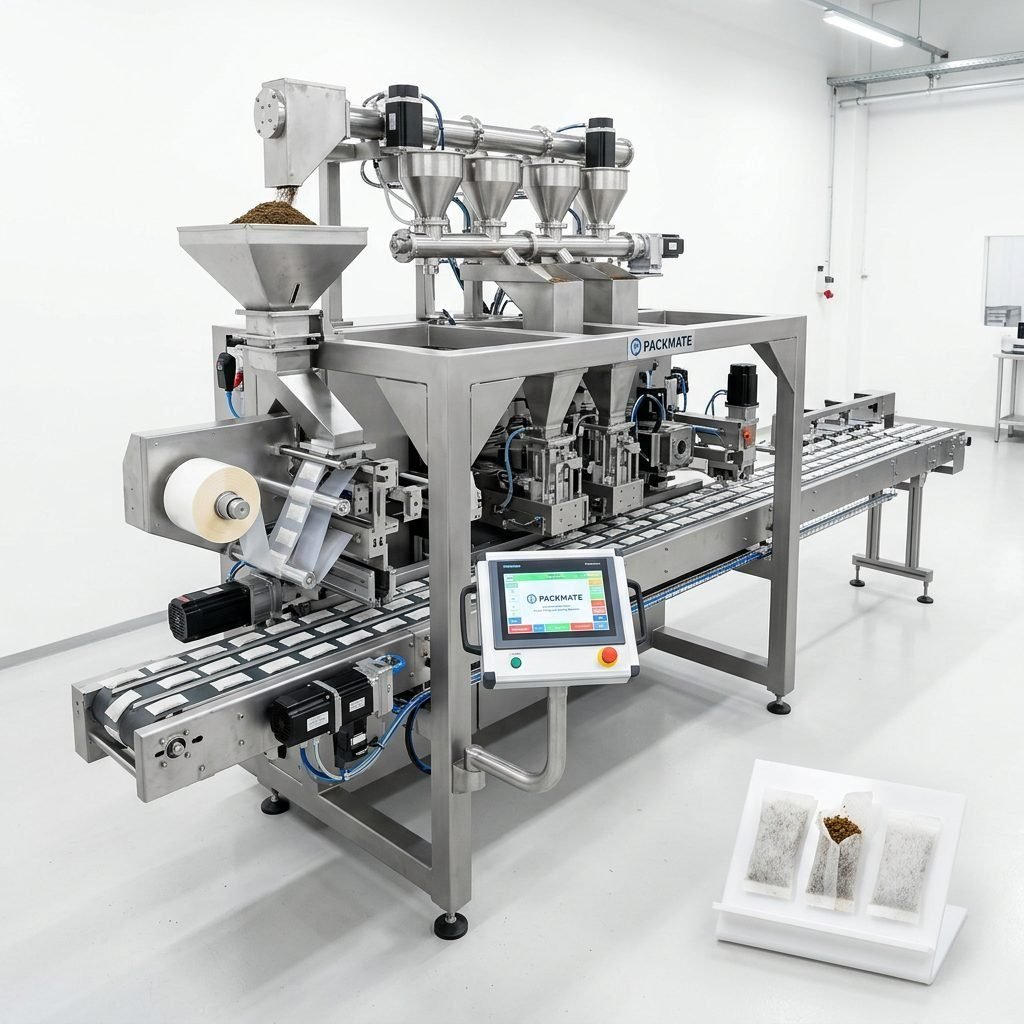
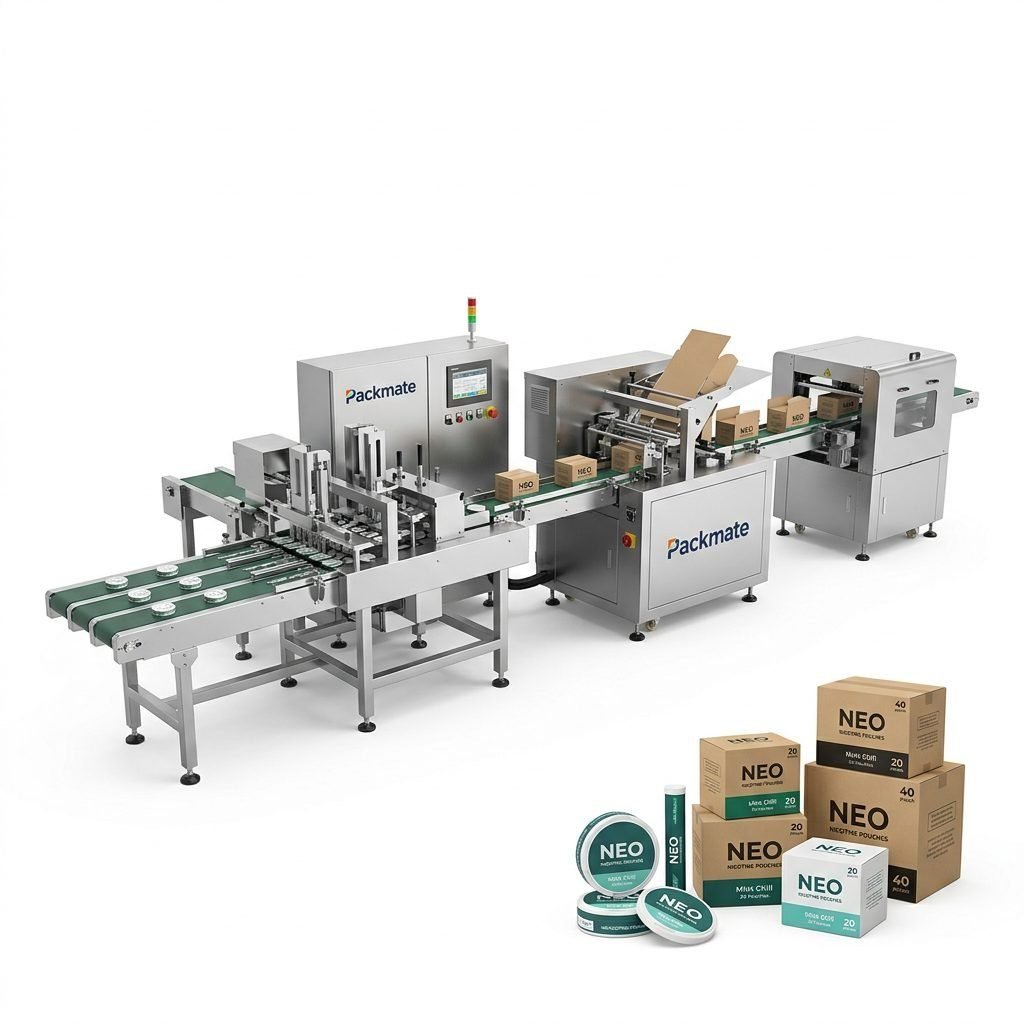
In the highly regulated world of nicotine pouches and snus production, achieving GMP-level packaging compliance is not optional — it’s a prerequisite for market access and long-term success. This guide walks you through what GMP means for snus packaging, the machine features that ensure compliance and efficiency, and a practical checklist to help you choose the best packaging solution for your operation.
🔎 What GMP Means for Snus Packaging
Good Manufacturing Practice (GMP) focuses on process control, hygienic design, traceability and documentation. For snus and nicotine pouch lines, GMP compliance covers:
✅ Hygienic machine design: surfaces and components must be easy to clean and resistant to cross-contamination.
✅ Material traceability: batch records and lot numbers must be captured and stored.
✅ Controlled environment: dust, moisture and particulate control in the packaging area.
✅ Validation & documentation: IQ/OQ/PQ, SOPs and maintenance logs to prove ongoing compliance.
🏭 Core Packaging Machine Features That Support Compliance
Not all packaging machines are created equal. When evaluating equipment, prioritize features that directly support GMP:
- Sanitary frames and stainless-steel 316 contact parts to resist corrosion and enable washdown.
- Tool-free or quick-release guards to reduce cleaning time and minimize contamination risk.
- Closed or controlled transfer points (vacuum or enclosed chute systems) to prevent dust escape.
- Integrated lot/batch printing and serialization capabilities for traceability.
- User-friendly HMI with password levels and audit trails to protect process integrity.
Key performance metrics
When optimizing for production, focus on throughput, yield, downtime and changeover time. Machines designed specifically for nicotine pouches and snus typically balance small-dosage accuracy with multi-lane throughput to meet market needs.
⚙️ Machine Types: Which One Fits Your Product?
The right machine depends on product format, dose size, target output and downstream requirements. Common snus packaging machine types include:
Sachet & Stick Pack Machines
Ideal for single-dose nicotine pouches and stick-style products. They offer tight dose control and compact packaging. If you need flexible pouch lengths and sealed sachets, explore Sachet & Stick Pack Machines.
Sachet & Stick Pack Machines
Multi-lane Snus / Nicotine Pouch Systems
For high-volume small-dose pouches, multi-lane lines multiply output while maintaining accuracy. These systems are engineered for synchronization, minimal variation and efficient downstream packaging.
Bag & Pouch Packaging Machines
If your product requires outer pouches or display boxes, integrate Bag & Pouch Packaging Machines for secondary packaging and presentation.
Bag & Pouch Packaging Machines
🔗 Building a GMP-Compliant Production Line
A complete, compliant line includes upstream dosing and mixing, filling/portioning, primary packaging (pouch/seal), secondary packaging, and inspection & labeling. Consider these auxiliary systems:
- Weighing & multi-head dosing with verification for accurate micro-doses and minimal giveaway. Weighing & Packaging Systems
- Filling & packaging lines that synchronize filling speed with sealing and labeling. Filling & Packaging Lines
- Metal detection, X-ray and vision inspection to ensure product integrity and correct labeling.
- Automated case packing and palletizing for hygienic secondary handling.
Integration matters
A well-integrated line reduces manual transfers, improves traceability and simplifies sanitation. Look for suppliers who can deliver turnkey integration and field support.
🧾 Supplier Evaluation: What to Ask
Selecting a machine vendor is as important as selecting the machine. Ask these questions to assess a supplier’s ability to deliver GMP-compliant, reliable solutions:
⚙️ Can you provide IQ/OQ/PQ documentation and validation support?
📄 Do you supply SOP templates and maintenance logs?
🏭 What are your factory capabilities (CNC, assembly, testing)?
🌐 Can you provide global references and case studies for snus lines?
Why Packmate is often chosen
Manufacturers with deep experience in snus packaging and turnkey integration stand out. For example, Packmate Snus Machine brings over 30 years of engineering experience, a 20,000㎡ factory, and a broad portfolio of snus-specific systems — a strong foundation for GMP-compliant solutions. Learn more About Packmate.
💡 Validation, IQ/OQ/PQ and Documentation
Validation ensures the machine does what it is intended to do, consistently and reproducibly. Key documentation includes:
- Installation Qualification (IQ): confirm correct installation and required utilities.
- Operational Qualification (OQ): test all functions to specification limits.
- Performance Qualification (PQ): prove consistent performance under real production runs.
Insist on SOP templates for cleaning, preventive maintenance, and corrective action. A supplier who supports on-site validation and provides training will accelerate your compliance timeline.
💸 Cost Considerations & ROI
When budgeting, consider capital expenditure, installation, validation, spare parts, and service contracts. Important ROI drivers include:
- Throughput scaling: multi-lane systems can dramatically lower per-unit costs.
- Accuracy: better dosing reduces product giveaway and improves margins.
- Downtime reduction via modular design and local support.
Financing & lifecycle support
Explore leasing, phased expansion, or retrofit options. Manufacturers that offer spare parts, remote diagnostics and field technicians reduce lifecycle costs and keep lines running.
📦 Real-World Case Example
A European snus brand upgraded to a multi-lane packaging line to meet rising demand. By integrating weighing, multi-lane pouching and automated case packing, they achieved:
• 3x increase in throughput
• consistent dosing accuracy within ±2%
• Faster changeovers and improved cleaning cycles, reducing downtime by 20%
For more case examples and exhibition demonstrations, visit the manufacturer’s case page or exhibition listings to see machines in action.
Case • Our Exhibition
✅ A Practical Selection Checklist
Use this short checklist when comparing OEMs and models:
- Hygiene: 316L contact surfaces, rounded corners, IP65 or washdown ratings.
- Traceability: integrated batch printing and data logging.
- Validation packages: IQ/OQ/PQ offered and supported.
- Spare parts availability and local service network.
- Compatibility with downstream packaging and inspection equipment.
Next steps
Start with a site survey and product trials. Request references from similar installations and insist on witnessing factory acceptance testing where possible.
📩 Get Professional Support
Choosing a partner who offers tailored engineering, a robust factory footprint and global support streamlines your path to GMP compliance. To discuss solutions or request a quote, contact a specialist.
Contact Us
🔚 Summary: Key Takeaways
• GMP compliance for snus packaging requires hygienic design, traceability and validated processes.
• Select machines with sanitary construction, quick-clean features and integrated data capture.
• Evaluate vendors by validation support, factory capabilities and after-sales service.
• Multi-lane, sachet and stick pack systems offer different trade-offs between throughput, flexibility and cost.
❓ Frequently Asked Questions
Q1: How important is machine sanitation design for snus lines?
A1: Sanitation design is critical. Machines with 316 contact parts, smooth welds and quick-release guards drastically reduce cleaning time and contamination risks.
Q2: Do snus packaging machines require specific validation documentation?
A2: Yes. IQ/OQ/PQ and SOPs are standard requirements for demonstrating process control and regulatory compliance.
Q3: Can a single supplier deliver a full turnkey snus line?
A3: Many experienced manufacturers provide turnkey solutions covering dosing, pouching, inspection and secondary packaging — reducing integration risk and validation time.
Q4: What is the best way to verify dosing accuracy for small-dose nicotine pouches?
A4: Use precision weighing systems, in-line checkweighers and periodic lab sampling. Multi-lane synchronization is important to maintain consistency across lanes.
Q5: Where can I see machines running before purchase?
A5: Visit manufacturer exhibition demos, request factory acceptance testing, or ask for video trials. Packmate exhibits globally and provides case references — see their product pages for examples: Snus & Nicotine Packaging Machines.