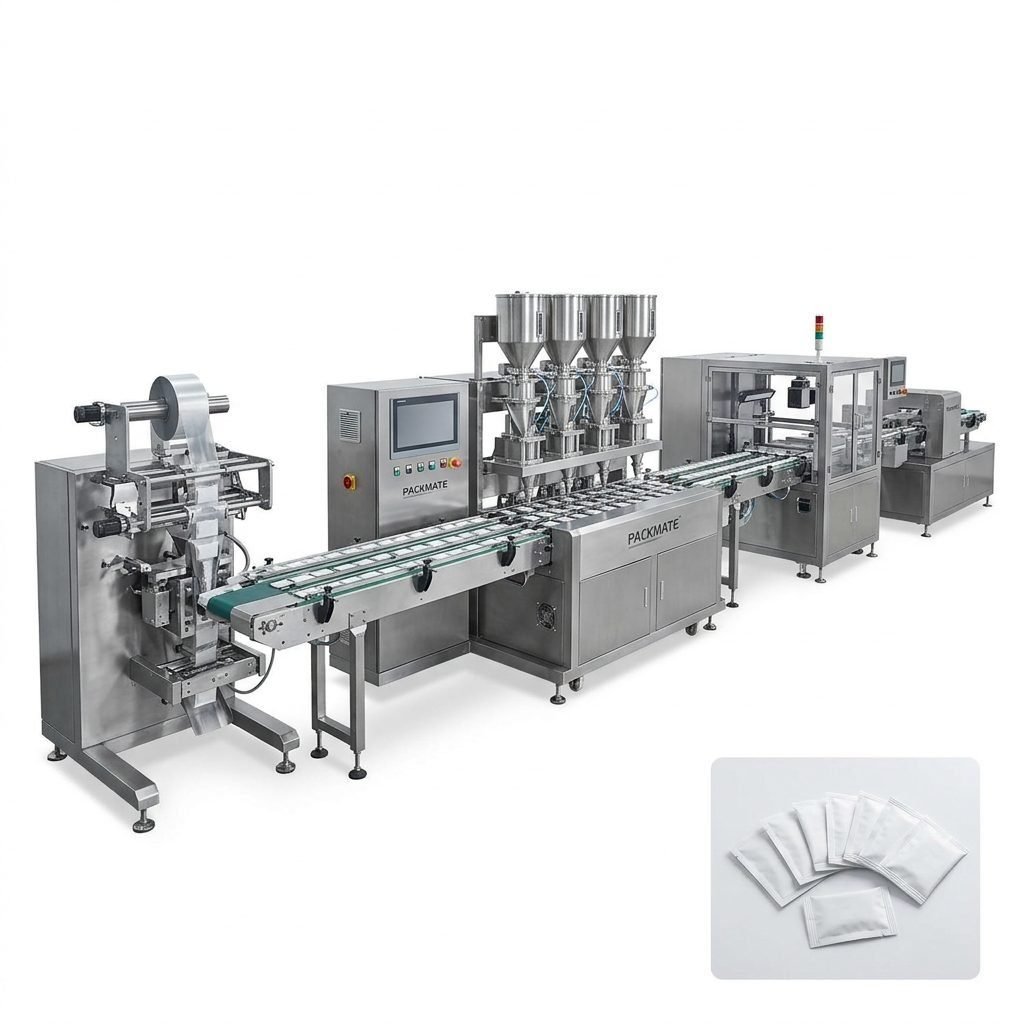
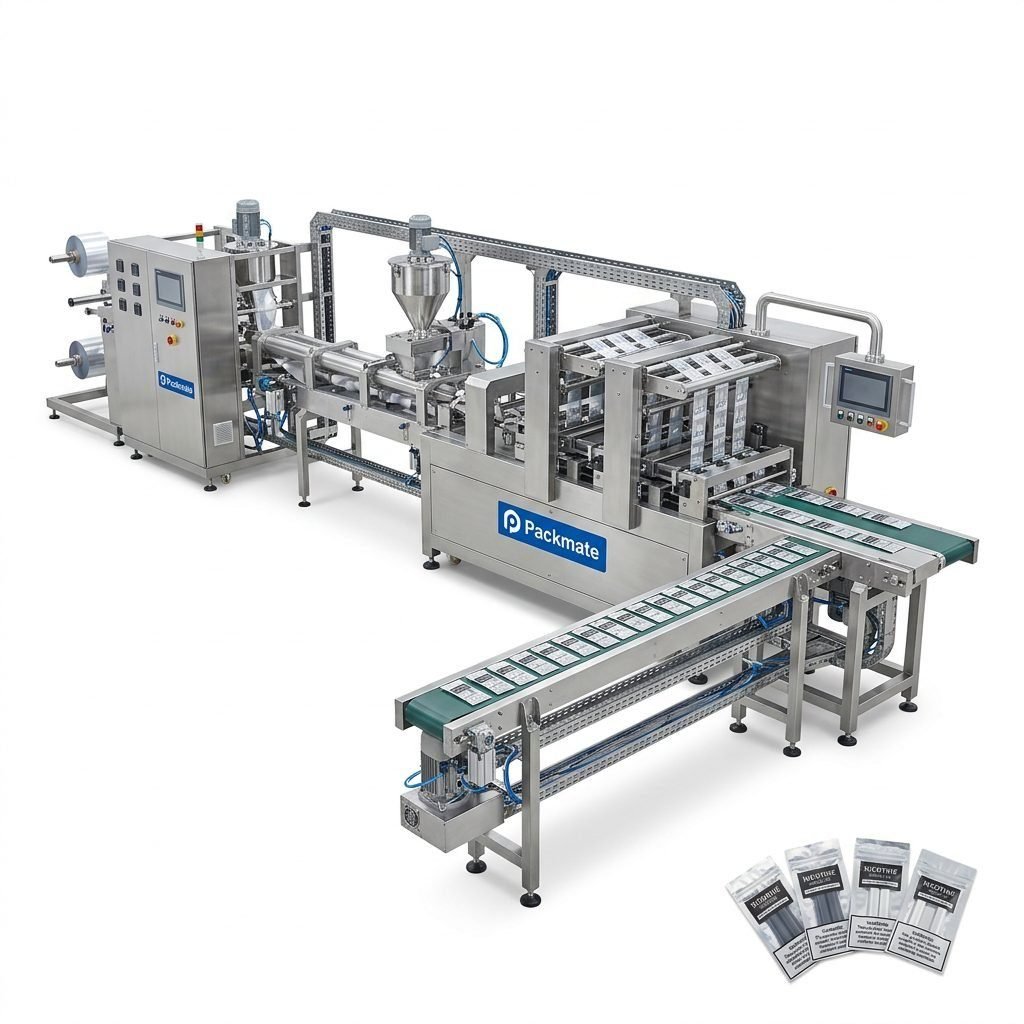
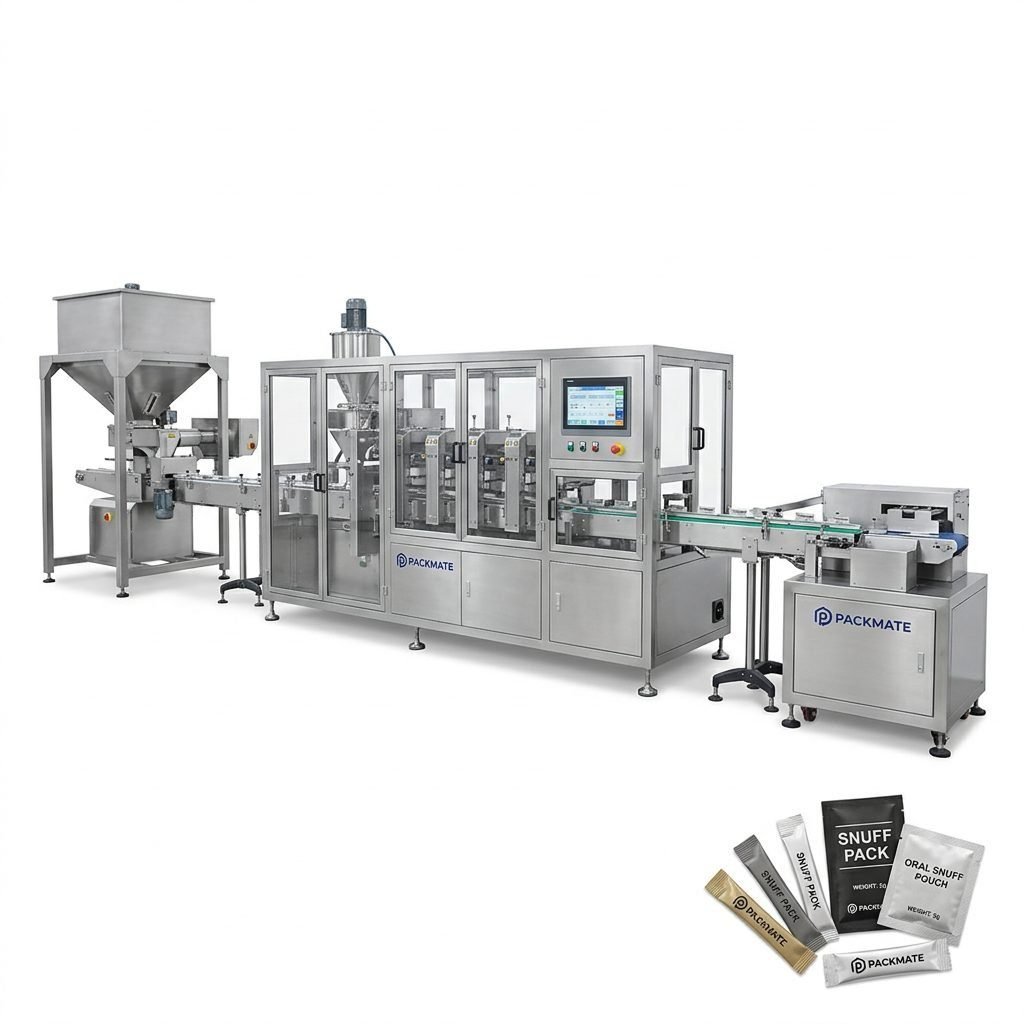
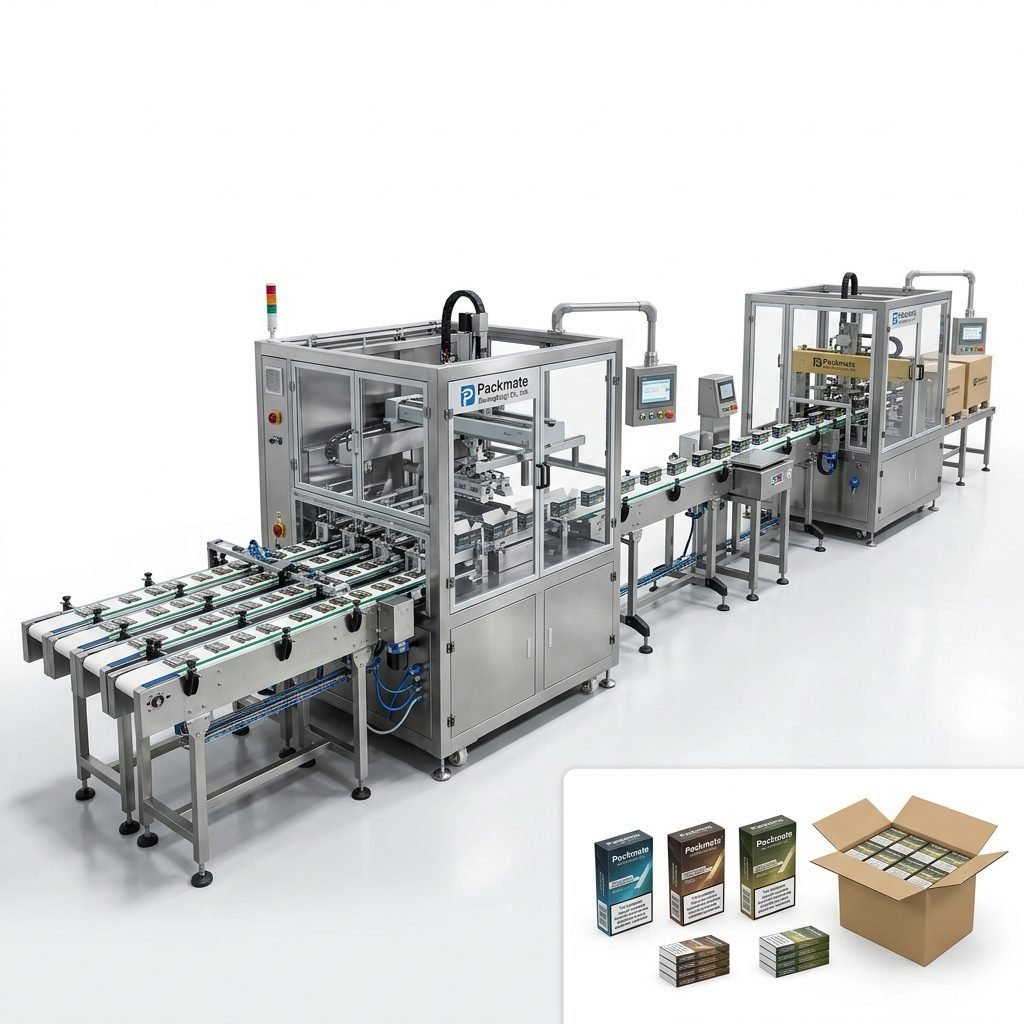
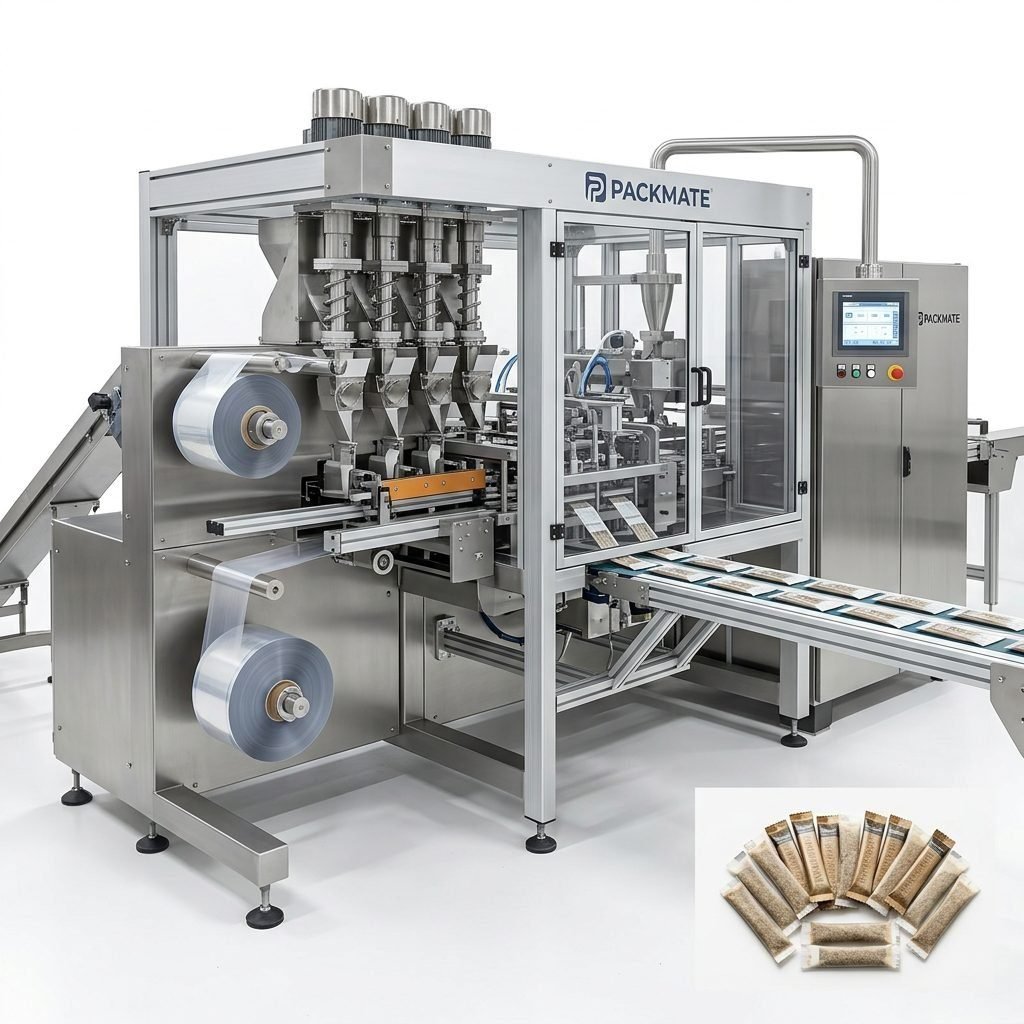
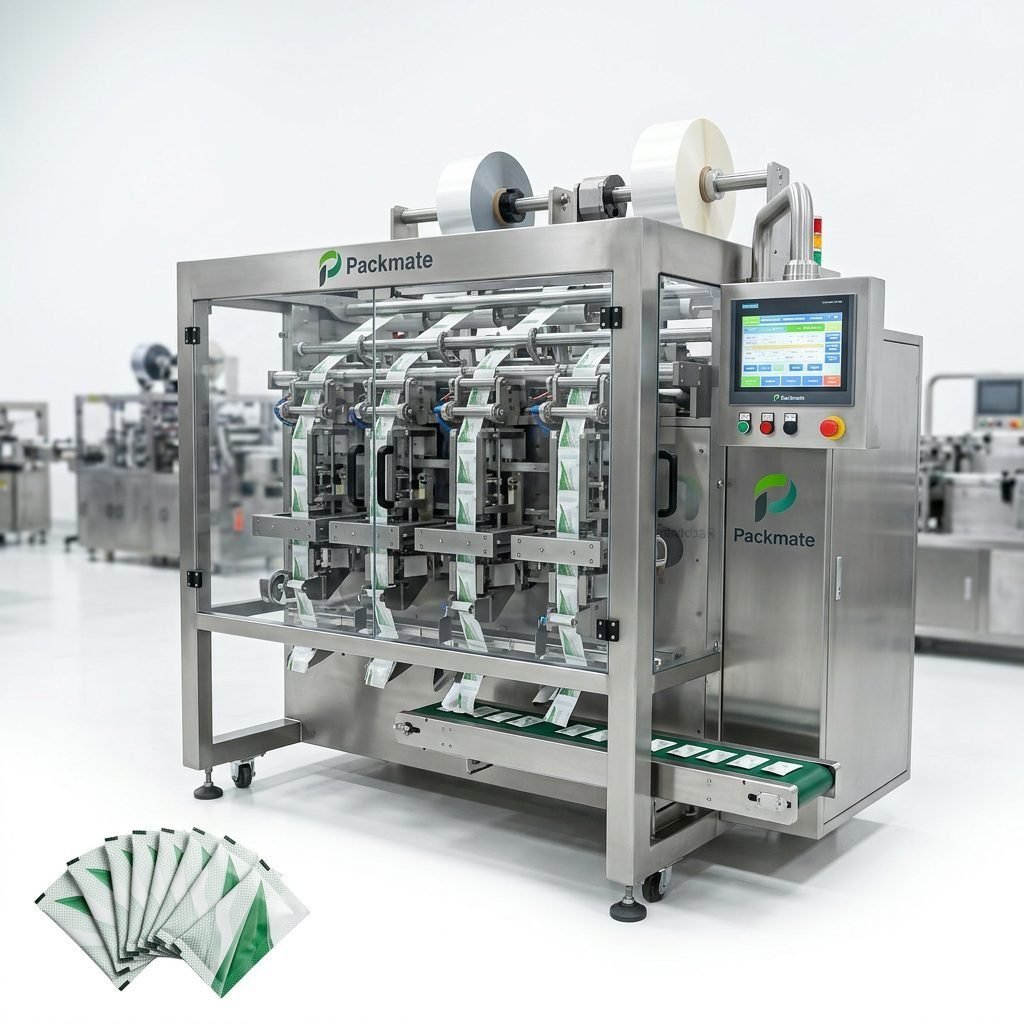
Choosing the right nicotine packaging machinery manufacturer in Laos is a strategic decision that affects production efficiency, product quality, regulatory compliance, and long-term costs. Whether you are launching a new nicotine pouch brand, expanding a smokeless product line, or upgrading existing packaging lines, the right partner can turn complex requirements into smooth, reliable operations. This guide walks you through practical steps and local considerations to help you select the best manufacturer for your Laos-based business.
📌 Understand the Laos Market & Local Customs
Laos has a unique business culture that values personal relationships, trust, and face-to-face interactions. Many Lao businesses prefer suppliers who demonstrate long-term commitment and respect for local practices. When evaluating manufacturers, consider how they approach communication, local partnerships, and service responsiveness. Manufacturers experienced with Southeast Asia will better understand cross-border logistics, import processes, and the preferences of Lao consumers.
🔎 Local regulations and cultural sensitivities
Compliance is essential. Nicotine products are often subject to specific labeling, health warnings, and import controls in Laos and neighboring markets. Ensure the manufacturer understands labeling languages, packaging sizes, and cultural preferences for design and user experience. Small details such as pouch size, sealing style, and presentation can influence customer acceptance in Laos.
🧭 Key Criteria to Evaluate Manufacturers
1. Industry Experience & Proven Track Record
Look for manufacturers with substantial experience in snus and nicotine pouch machinery. Experience matters—companies with decades of engineering know-how will have refined designs for stability, low downtime, and consistent dosing. Verify years in business, the range of models, and global references. Ideally, ask for references or case studies from customers in Southeast Asia to confirm real-world performance.
What to ask
Request details on machine uptime, maintenance intervals, average OEE (overall equipment effectiveness), and examples of production lines for nicotine pouches or similar small-dose products.
2. Range of Machine Types & Flexibility
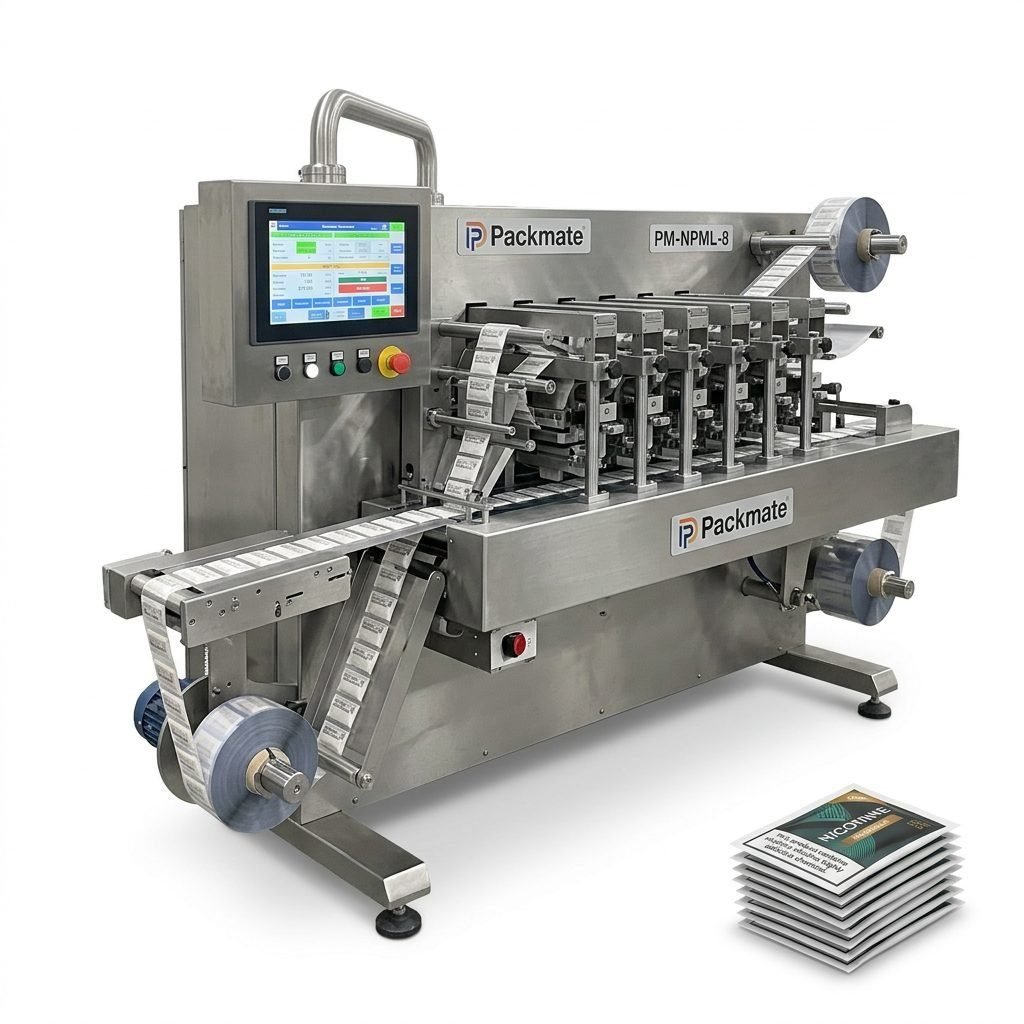
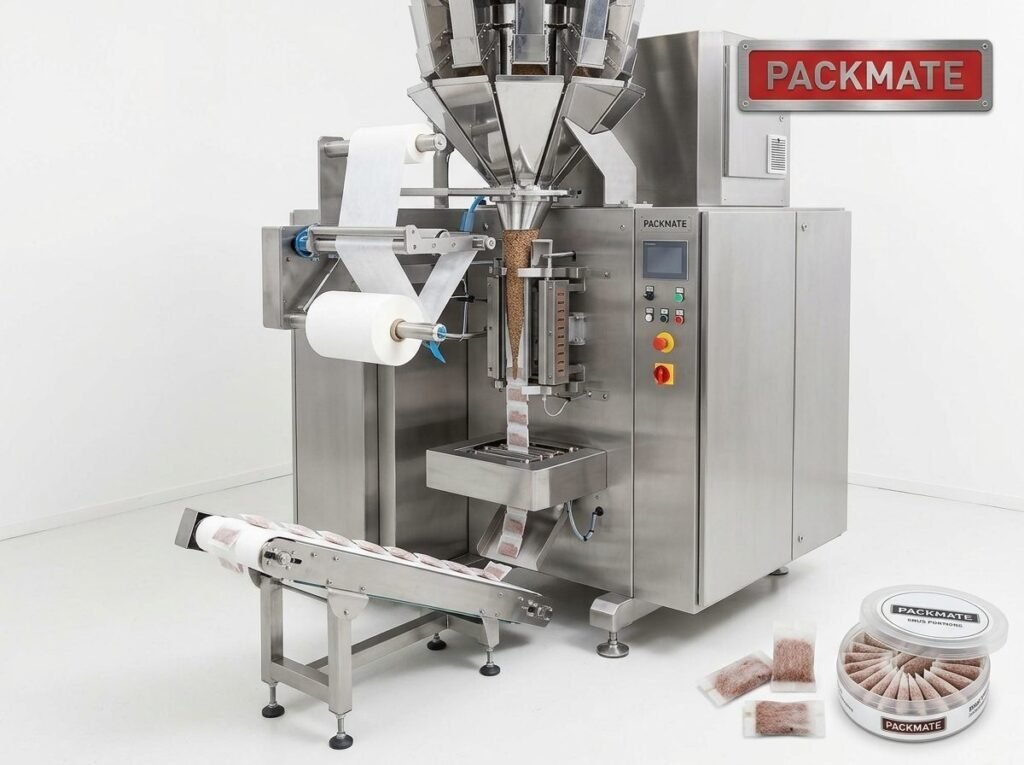
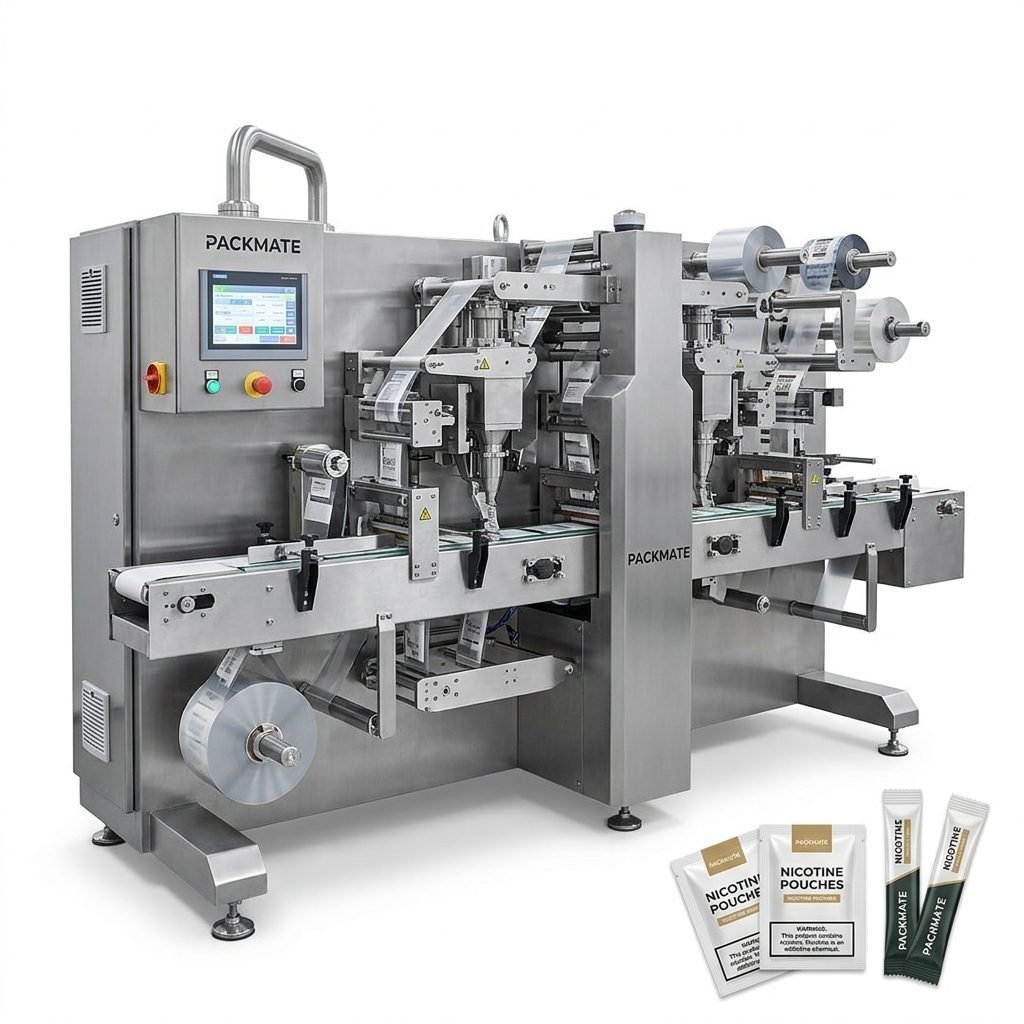
Your manufacturer should offer machines that match your product form: loose snus, nicotine pouches, stick packs, sachets, or multi-lane formats. Flexibility is crucial—machines that support multiple pouch sizes, dosing ranges, and packaging materials save capital over time. Ask about modular designs, quick-changeover solutions, and the ability to scale from pilot lines to full production.
Explore product families like Snus & Nicotine Packaging Machines to compare capabilities and select a machine that fits both current and future needs: Snus & Nicotine Packaging Machines.
3. Customization & Turnkey Solutions
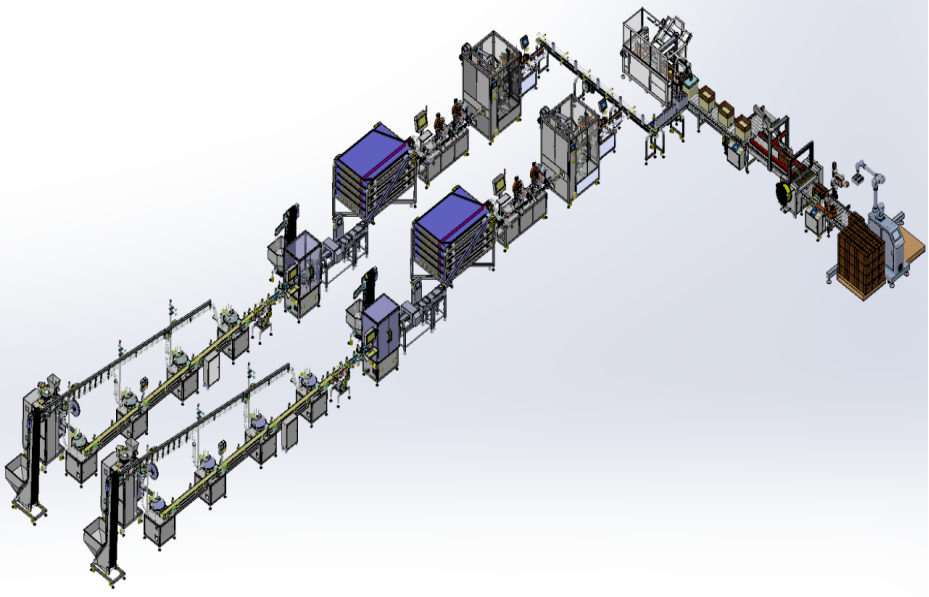
Many nicotine products require unique packaging solutions. A manufacturer who offers turnkey systems—including dosing, sealing, secondary packaging, and case packing—reduces integration risk. Check whether they can provide custom tooling, pouch print registration, and automation that integrates with your existing upstream and downstream equipment.
Tip: A full turnkey provider shortens the validation timeline and provides a single point of responsibility for performance and warranties.
4. After-Sales Support & Spare Parts
In Laos, rapid access to spare parts and reliable technical support is vital. Ask about local agents or service partners, response time for remote support, and availability of critical spare parts. Good manufacturers offer documentation, training for operators and maintenance teams, and remote diagnostic tools to minimize downtime.
5. Quality Control & Manufacturing Capacity
Inspect the manufacturer’s factory capabilities. A well-equipped facility with CNC machining centers, precision assembly lines, and documented quality control ensures consistent machine performance. Check for certifications like CE and ISO as indicators of compliance and quality management systems.
For reference on manufacturing strength and compliance, see About Packmate: About Packmate.
6. Price vs Total Cost of Ownership (TCO)
A low initial price can hide long-term costs. Evaluate energy consumption, downtime risk, maintenance needs, consumable costs (e.g., tooling, seals), and expected life span. Calculate expected throughput and the payback period—machines designed for nicotine pouches often deliver better ROI by reducing waste and improving yield.
7. Compliance, Safety & Documentation
Ensure machines meet local safety standards and have proper CE/ISO documentation. For export-oriented operations, confirm that machinery and documentation support international regulatory audits and third-party validations. Clear machine manuals, electrical schematics, and spare parts lists accelerate maintenance and regulatory inspections.
🧾 Practical Steps to Vet Potential Manufacturers
1. Request Technical Proposals
Ask for detailed proposals that include performance data, OEE expectations, layout drawings, and electrical requirements. Compare not just specs but also the assumptions behind throughput and material handling.
2. Review Case Studies & References
Real-world case studies show how machines perform under production conditions. Look for examples in similar product categories or within Southeast Asia. Manufacturer case examples will reveal adaptability and support quality. See multinational case references here: Case.
3. Factory Visit or Virtual Audit
If possible, visit the manufacturer’s factory or arrange a virtual tour. Inspect machining centers, assembly areas, test benches, and quality control procedures. Evaluating the production environment helps you judge manufacturing discipline and capacity.
4. Pilot Run & FAT (Factory Acceptance Test)
A pilot production run or FAT ensures the machine meets performance claims before shipment. Include acceptance criteria, test materials, and packaging specifications in the contract.
🚚 Logistics, Installation & Training in Laos
Plan shipping, customs clearance, and on-site assembly carefully. Manufacturers experienced in global exports can coordinate freight, handle import documentation, and assist with customs classification to avoid delays. Confirm whether the supplier will send engineers for commissioning and operator training in Laos, or if they’ll provide remote commissioning support.
Note: Local labor skills vary—ensure your supplier offers thorough training packages so operators and maintenance teams can quickly master machine operation.
🔧 Maintenance, Spare Parts & Long-Term Support
Clarify spare parts lead times and whether critical components are stocked regionally. Ask for recommended spare parts lists and preventive maintenance schedules. A manufacturer with global service networks or authorized local partners ensures faster response in Laos.
📈 How a Good Manufacturer Impacts Your Business
The right manufacturer increases production uptime, reduces waste, and enhances packaging consistency—directly improving product quality and margins. Machines tailored to nicotine pouches reduce dosing variability and maintain hermetic seals, which protect product shelf life and consumer trust.
✅ Why Consider Packmate for Laos Operations
Manufacturers like Packmate combine decades of engineering expertise with modular packaging solutions for snus and nicotine pouches. Their 20,000㎡ facility, advanced CNC systems, and range of over 50 models support scalable, reliable production. For more information on product ranges and turnkey lines, review these resources:
- Snus & Nicotine Packaging Machines: product details
- Filling & Packaging Lines and complementary systems: filling & packaging lines
- Global cases and industry references: case studies
- Contact and service inquiries: contact Packmate
🧾 Sample Checklist Before You Buy
Use this checklist when comparing quotes:
- Machine performance & throughput guarantees
- Warranty, spare parts policy, and service SLA
- Factory acceptance test conditions and acceptance criteria
- Training scope, documentation, and language support
- Customization options and future upgrade paths
- Local references and export experience in Southeast Asia
🔚 Final Recommendations
Selecting a nicotine packaging machinery manufacturer for Laos is more than a procurement process—it is a strategic partnership. Prioritize proven experience, local service capability, and a total-cost mindset. Require clear contractual terms for acceptance, spare parts, training, and support. When in doubt, prioritize reliability and service reputation over the lowest bid.
❓ Frequently Asked Questions
Q1: How long does it typically take to install and commission a nicotine pouch packaging line in Laos?
A typical installation and commissioning timeline ranges from 4 to 12 weeks depending on line complexity, shipping time, customs clearance, and the need for civil works. Simple single-lane machines can be commissioned faster, while turnkey multi-lane lines require more coordination for layout, utilities, and operator training.
Q2: What are common maintenance requirements for snus/nicotine pouch machines?
Regular preventive maintenance includes lubrication, belt and seal inspections, tool alignment checks, and PLC/software backups. Replace wear parts per the manufacturer’s recommended intervals and keep a minimum stock of critical spares to avoid long downtimes.
Q3: Can manufacturers help with regulatory labeling and packaging design for the Laos market?
Many experienced suppliers can advise on common regulatory requirements and support packaging material selection and print registration. However, final legal compliance and health-warning content should be validated with local regulatory authorities or legal advisors in Laos.
Q4: How do I ensure fast spare parts delivery in Laos?
Negotiate spare parts availability and lead times in the contract. Ask if the manufacturer stocks regional hubs or has authorized distributors in Southeast Asia. Predictive stocking (based on expected consumption rates) and local stocking agreements reduce lead time risk.
Q5: What level of customization is possible for nicotine pouch machines?
High: from pouch size and fill dosing to sealing methods and multi-lane configurations. Choose a manufacturer with engineering capability and experience in custom tooling and automation integration to ensure your packaging differentiates in the market while maintaining production stability.