Choosing the right snus packaging machine for manufacturing in Iraq involves balancing regulatory compliance, production capacity, cost, and long-term serviceability. This guide walks local manufacturers through practical considerations — from machine types and production lines to after-sales support and site preparation — so you can select equipment that delivers reliable output and fast return on investment.
🔍 Understand Your Product and Market Needs
Before evaluating technical specifications, start with a clear profile of your snus or nicotine pouch product. Key factors include pouch size and weight, fill type (powder, granule, moisture content), single vs. multi-dose formats, and required packaging materials (foil, laminated films, paper). Local market preferences in Iraq will shape your run sizes and packaging style.
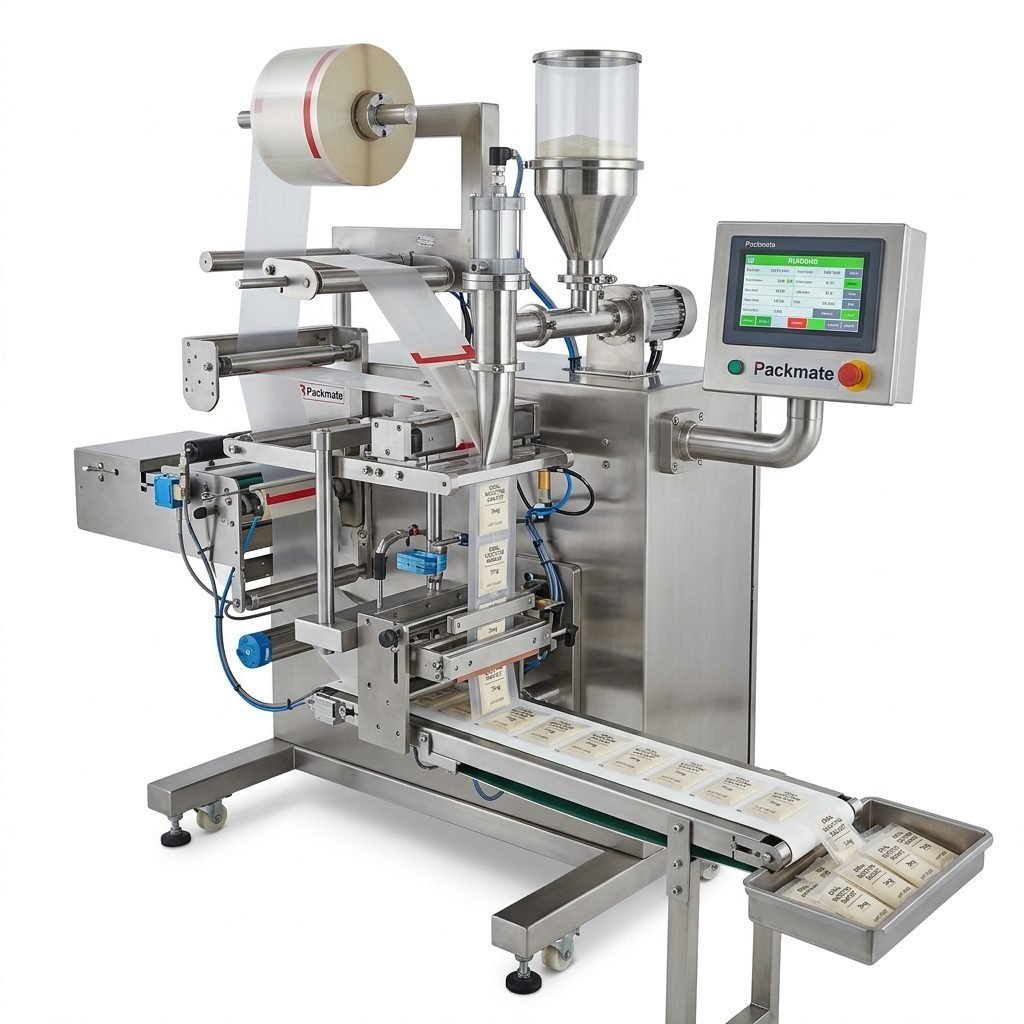
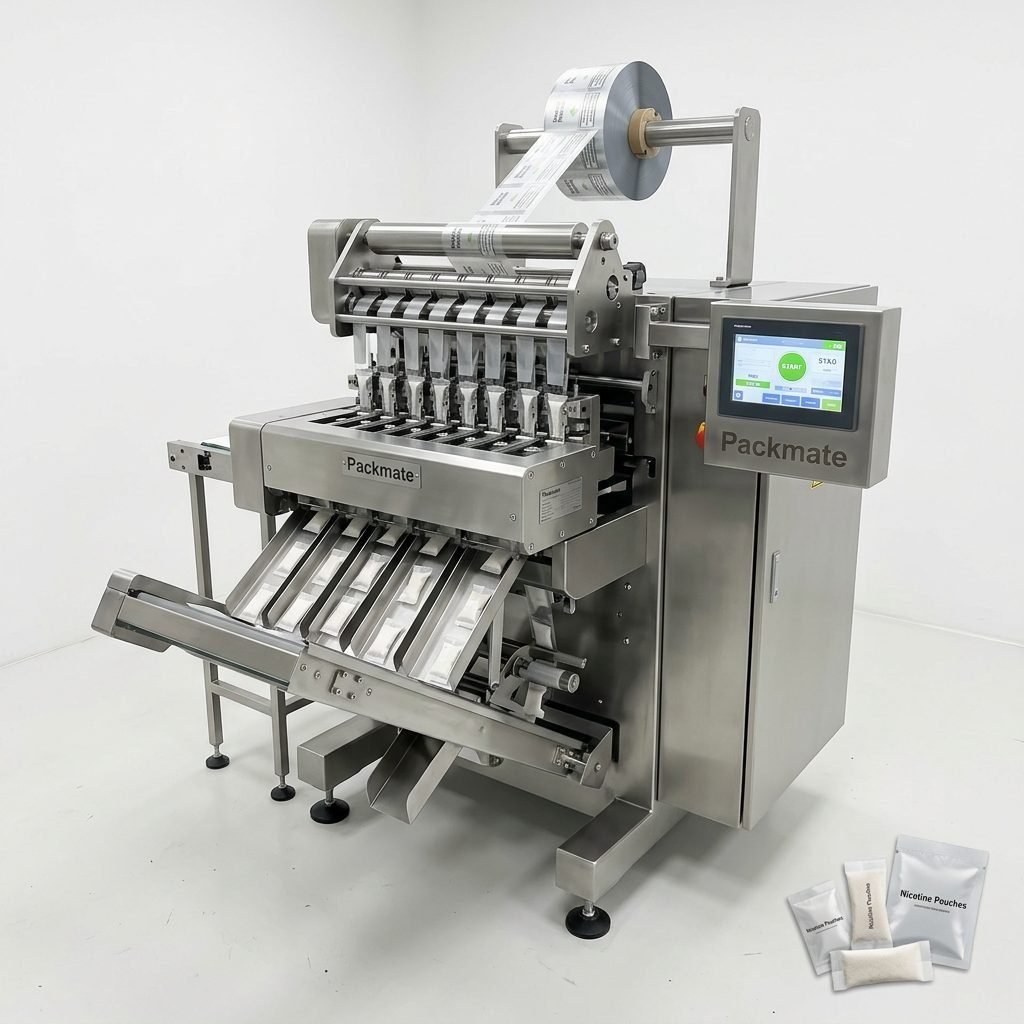
⚙️ Core decision: choose a machine family that matches your product form — for nicotine pouches and snus, consider specialized snus packaging machines with gentle handling and precise dosing.
📦 Machine Types and When to Use Them
Not all packaging machines are built for snus. Here are the typical options and use cases:
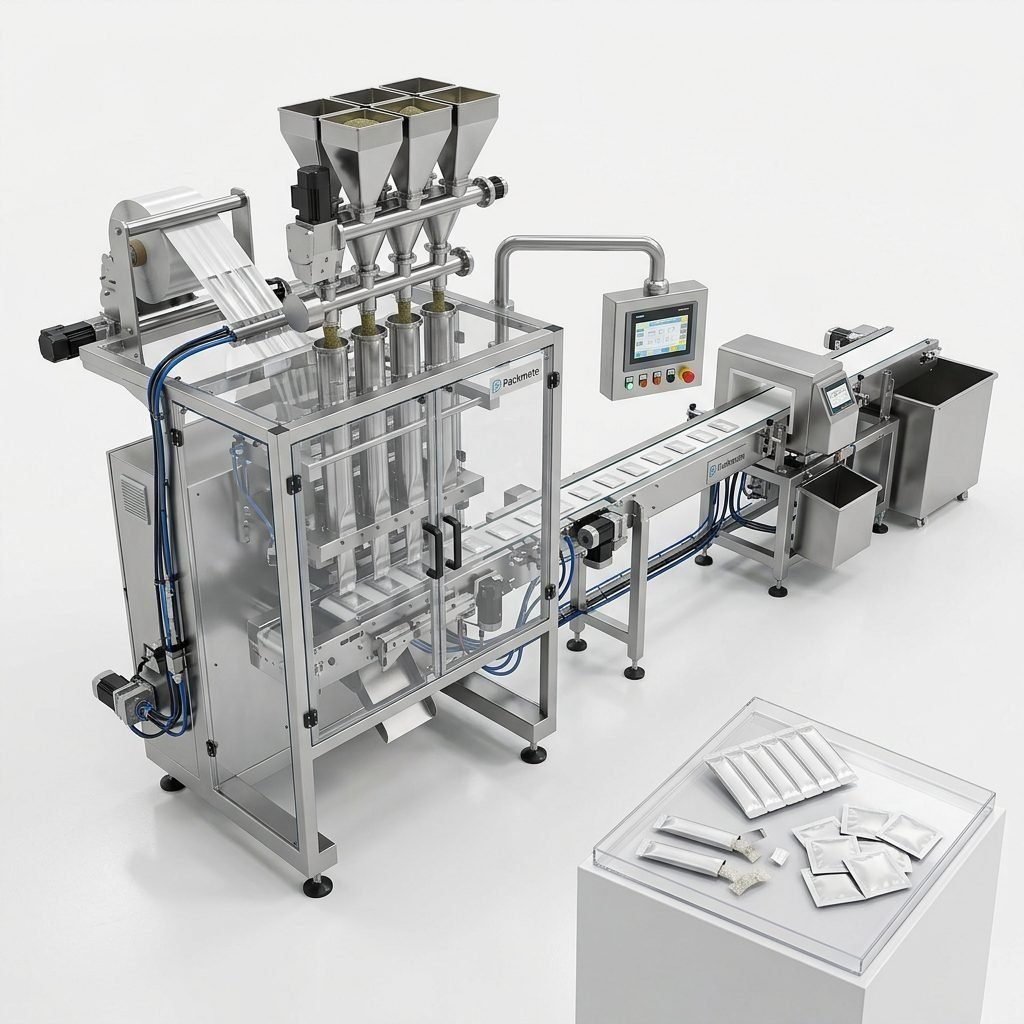
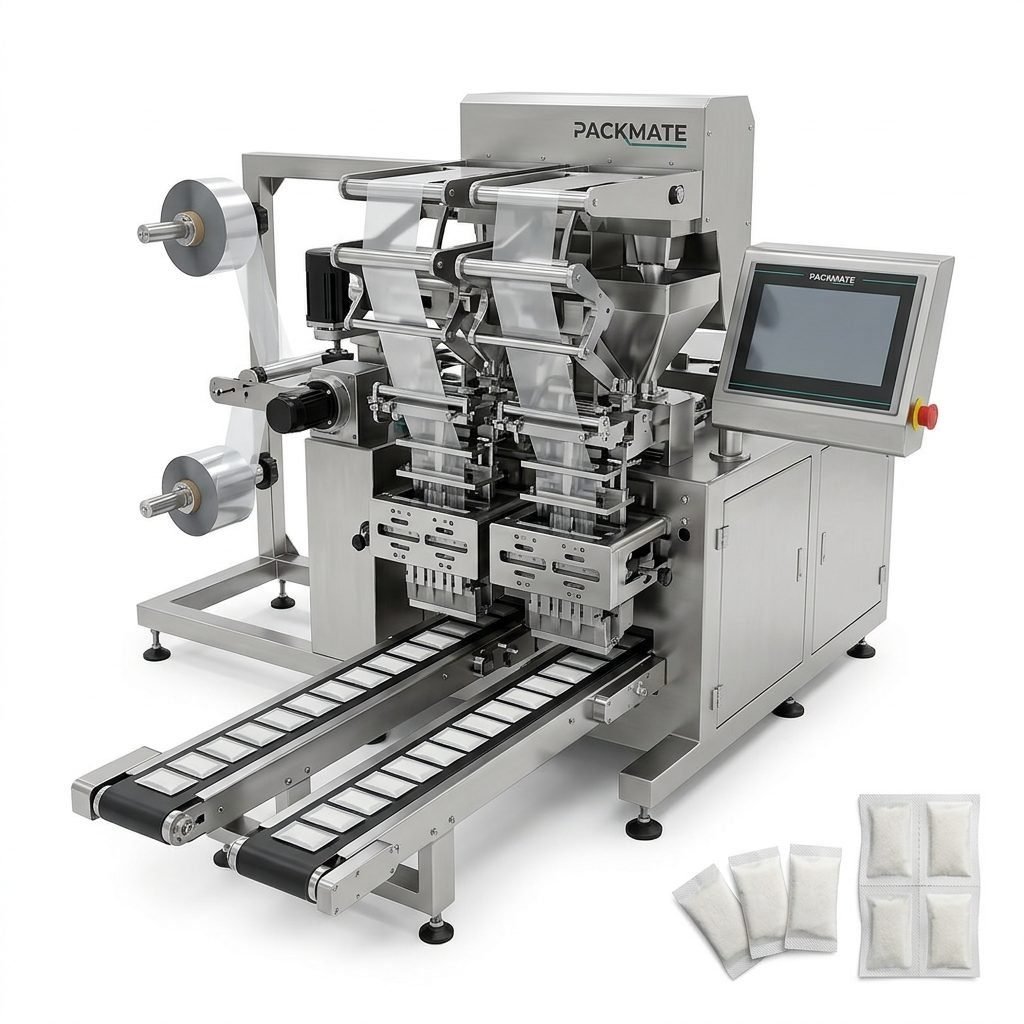
• Stick pack machines — ideal for single-dose sachets and small pouches; compact footprint and lower capital cost.
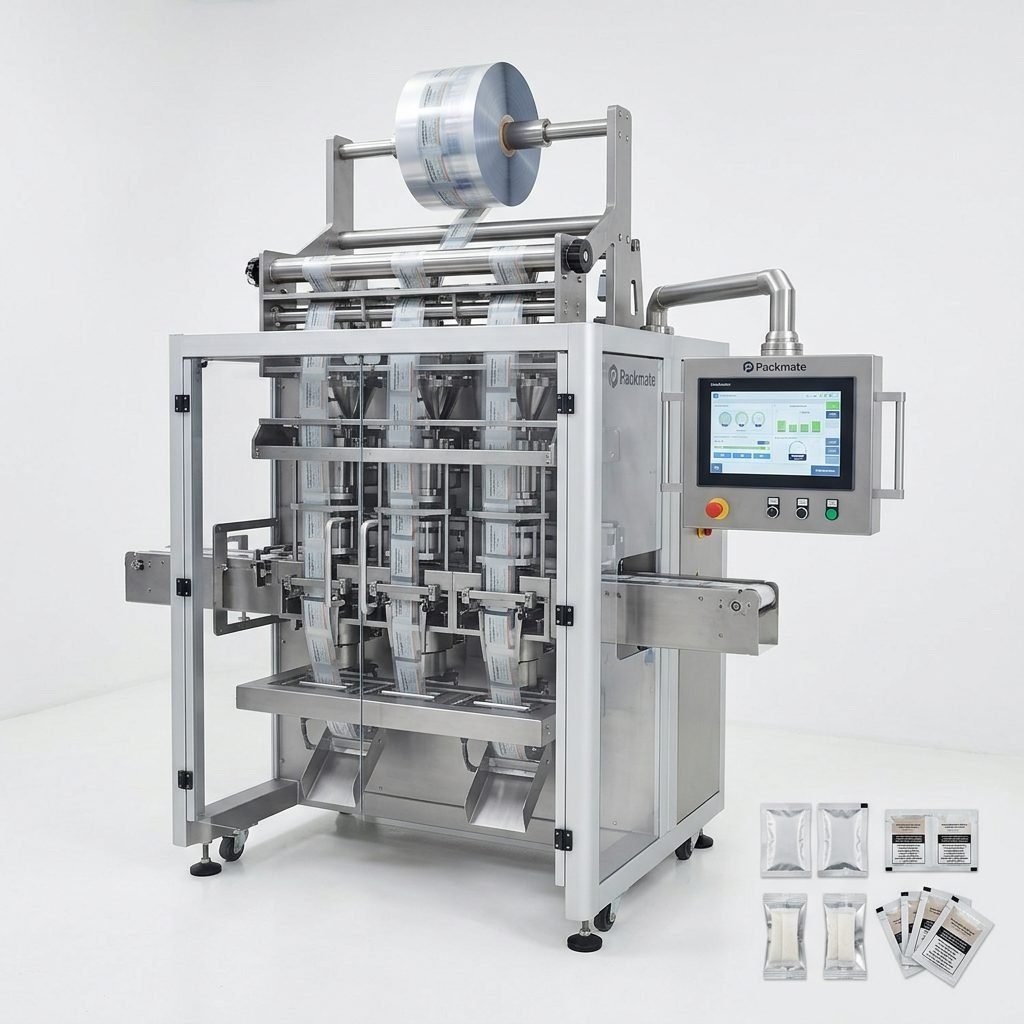
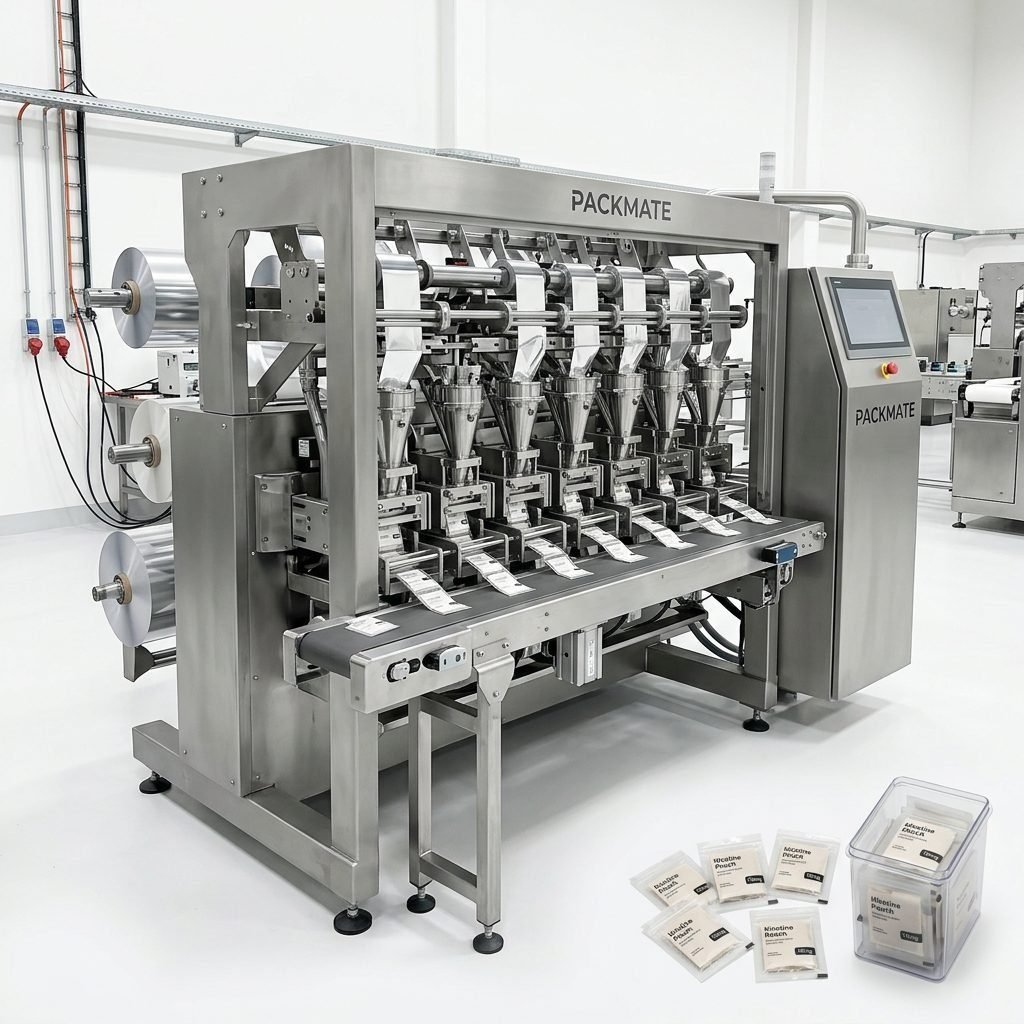
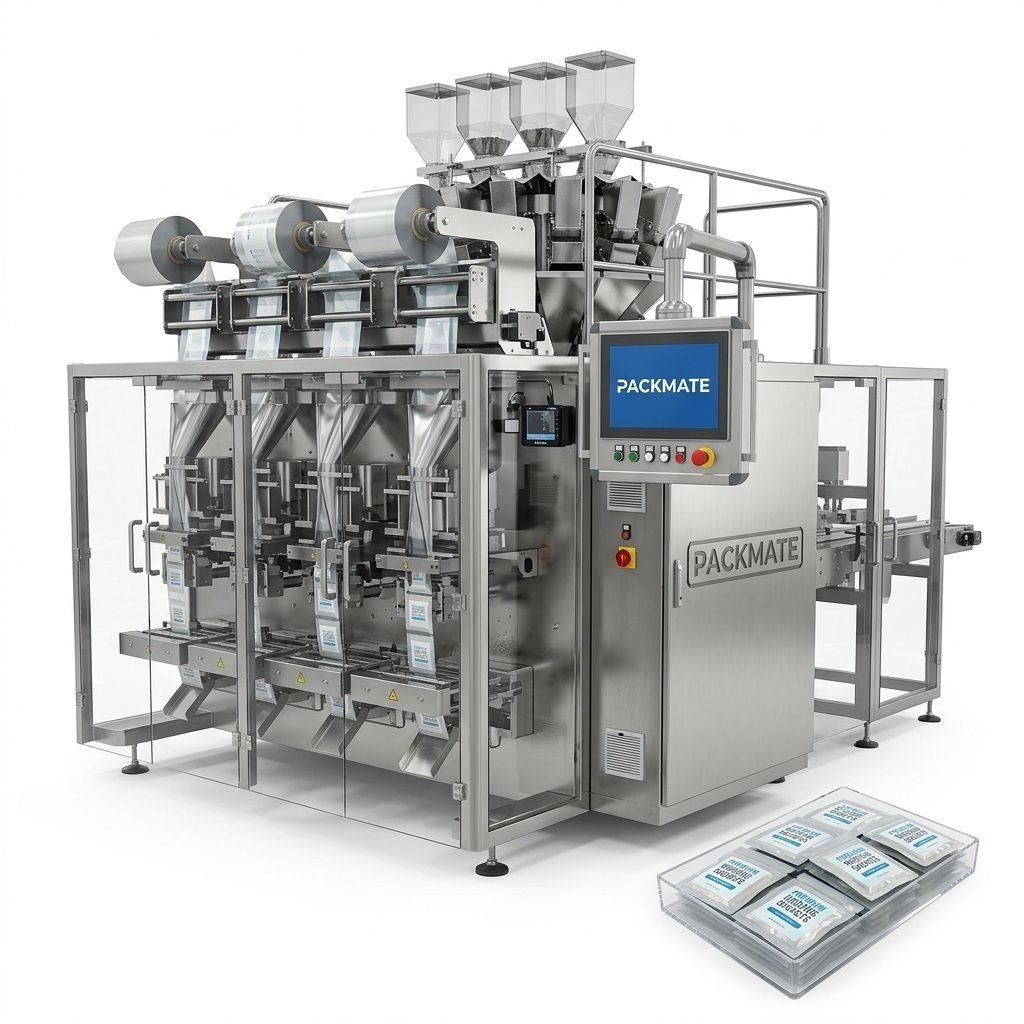
• Sachet & multi-lane systems — higher throughput with multiple lanes; best for medium to large production targets.
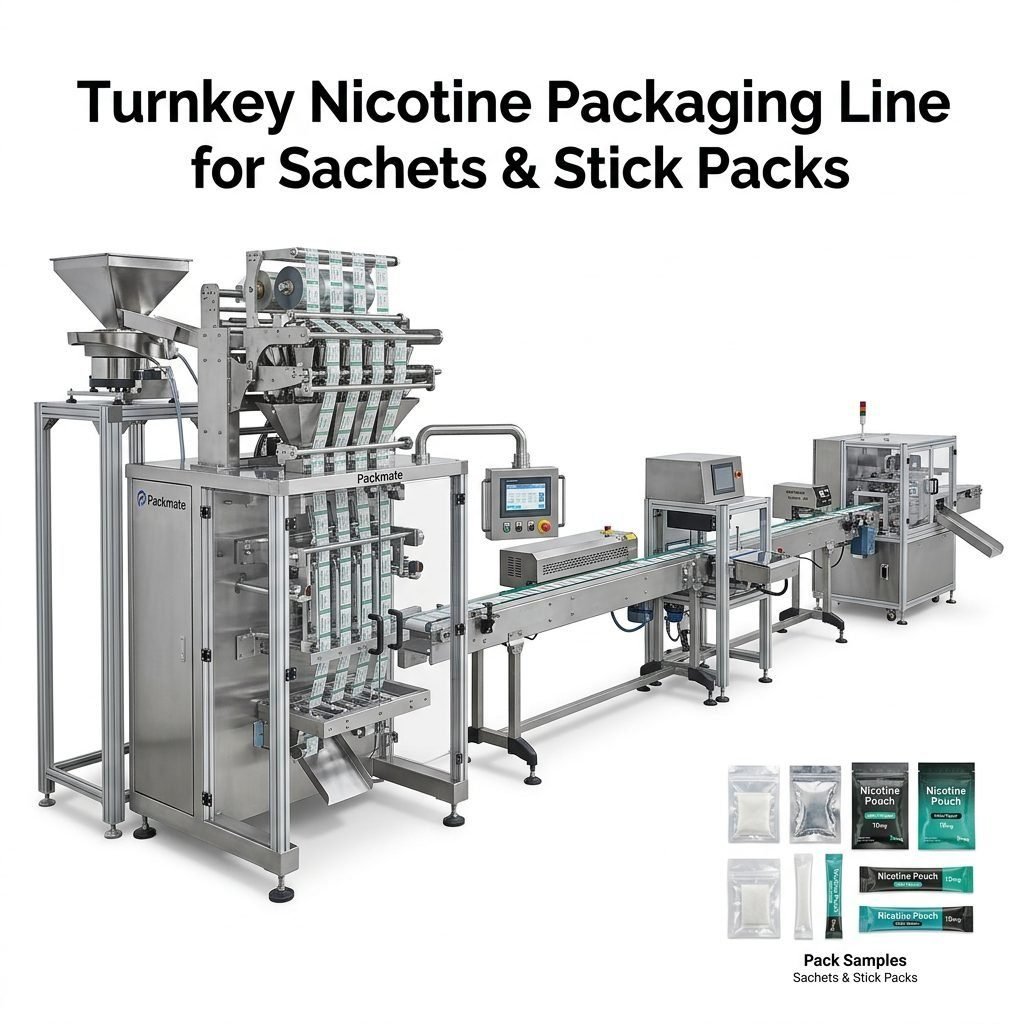
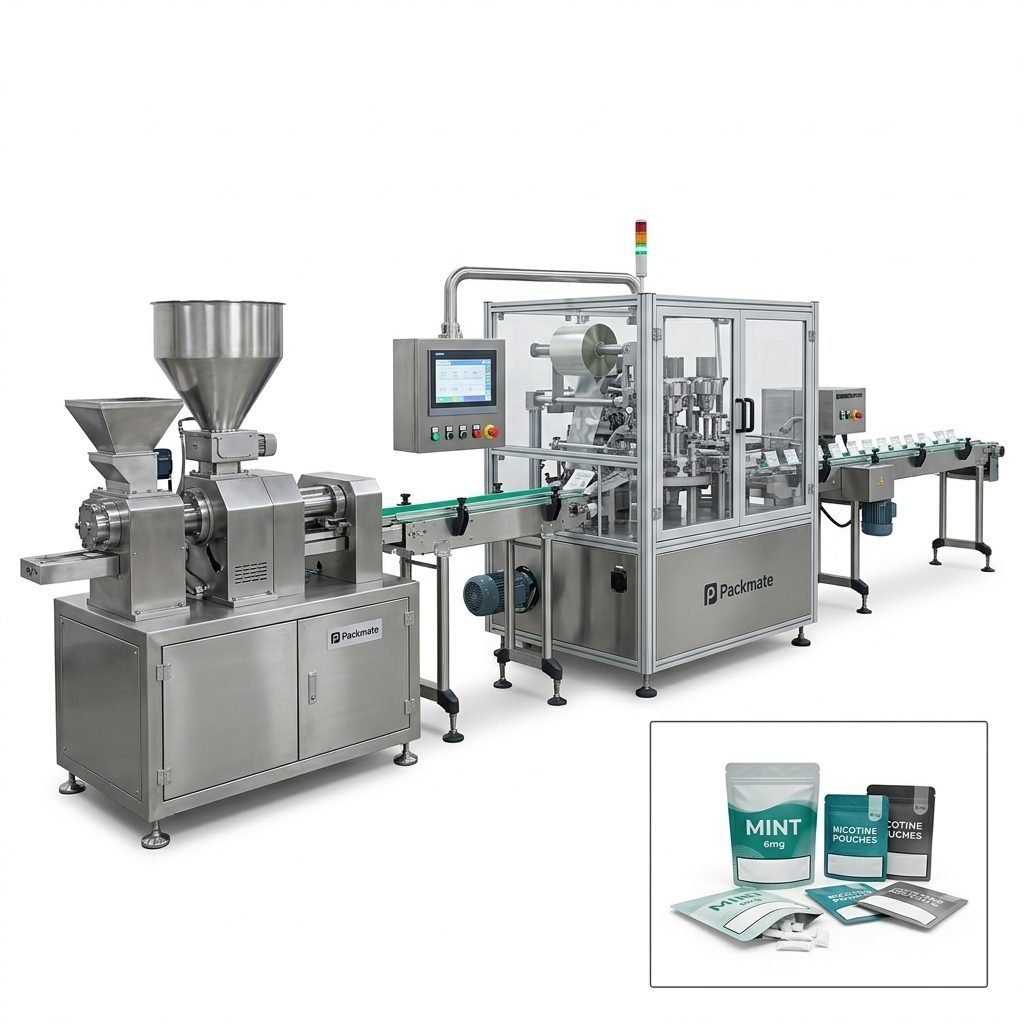
• Custom snus / nicotine pouch lines — engineered for consistent pouch shape, low product loss, and compatibility with specialized films.
🔧 Technical Specifications to Prioritize
When comparing models, evaluate these critical specs:
• Production speed (pouches/min): match to your target daily output. Faster machines reduce labor but need better upstream/downstream coordination.
• Filling accuracy & weighing system compatibility: essential for nicotine dose control. Consider integrated weighing systems for powder or granular fills.
• Changeover time & format flexibility: shorter changeovers save downtime if you run multiple SKUs.
🏭 Manufacturing and Quality Credentials
Reliable manufacturers back up machines with certifications and manufacturing capabilities. Look for vendors with CE/ISO compliance, advanced CNC production, and documented quality control. Packmate Snus Machine, for instance, emphasizes a 20,000㎡ factory, 30+ years of experience, and multiple machine models tailored to snus and nicotine packaging needs.
Learn more about machine families and specifications on product pages such as
Snus & Nicotine Packaging Machines and
Sachet & Stick Pack Machines.
📈 Throughput Planning and Future Growth
Build production plans with realistic growth stages. Start with a configuration that covers current demand plus 20–50% spare capacity. If you anticipate aggressive expansion, consider multi-lane or scalable lines that allow adding lanes or upgrading modules without full replacement.
For turnkey solutions and integrated lines, visit
Filling & Packaging Lines.
💰 Total Cost of Ownership (TCO) Considerations
The cheapest machine up front is rarely the lowest cost over time. Assess TCO by adding:
• Spare parts availability and lead times — critical in Iraq where import logistics can delay repairs.
• Service & training costs — on-site commissioning, operator training, and preventive maintenance contracts.
• Energy and consumables usage — efficient machines reduce monthly operating costs.
🔁 Spare Parts and Local Support
Verify the supplier’s spare parts policy: common wear parts (seals, blades, belts), availability of critical electronics, and response time for replacements. Manufacturers with international logistics and local partners or distributors can reduce downtime for Iraqi factories.
For service and support options, check the vendor’s service pages like
Service and contact information at
Contact Us.
🧩 Integration with Upstream and Downstream Equipment
Packaging machines rarely operate alone. Consider how the snus machine will interface with:
• Weighing and dosing equipment — for accurate nicotine dosing and uniform pouch fill.
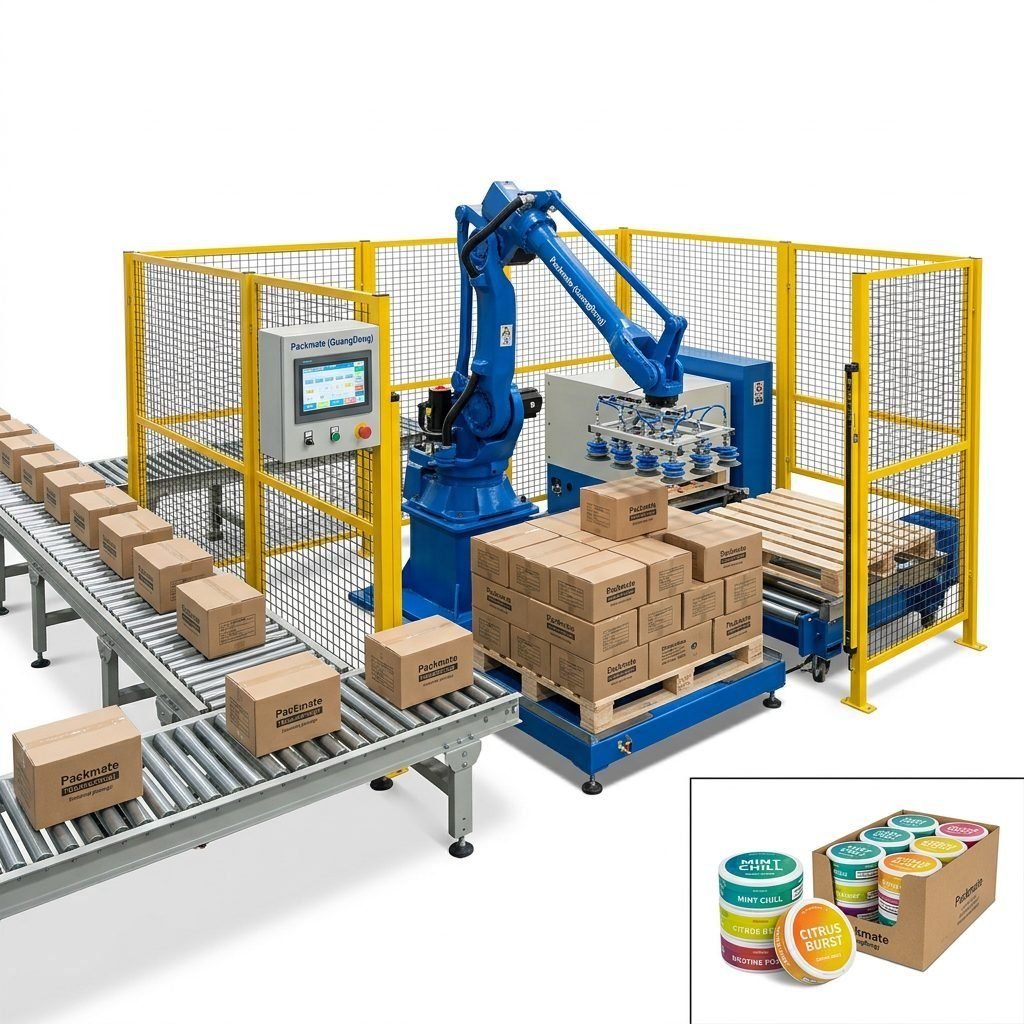
• Cartoning, case packing, and palletizing systems — for efficient downstream handling.
Explore compatible modules under Weighing & Packaging Systems.
🛠️ Customization and Compliance
Regulatory and labeling requirements for tobacco and nicotine products vary. Ensure the machine supports:
• Integration of labeling and serialization modules for batch codes and health warnings.
• Hygienic design and easy-clean surfaces to comply with production hygiene standards.
📋 Pre-purchase Checklist for Iraqi Manufacturers
Before signing a purchase order, confirm:
1. Machine specifications match product dimensions, fill type, and speed requirements.
2. Vendor provides CE/ISO certificates and a clear warranty and spare parts policy.
3. Availability of training, installation support, and remote troubleshooting.
4. Shipping, customs clearance, and local logistics are scoped into the timeline and budget.
5. Reference installations and case studies — ask for customer contacts or visit a demo. See real-world examples at
Case.
📐 Site Preparation and Utilities
Proper site preparation avoids installation delays. Typical requirements include:
• Stable concrete floor with load capacity notes from vendor.
• Electrical supply specifications (voltage, phases, frequency) and grounding.
• Compressed air quality and flow rate for pneumatic components.
📦 Packaging Material and Film Compatibility
Your chosen films and pouches must be compatible with the sealing and forming systems. Discuss film structure, thickness, and bar code placement with the supplier to ensure consistent seals and reduced wastage. Suppliers often provide film testing on sample runs.
🤝 Vendor Selection: Questions to Ask
When evaluating vendors, ask direct questions:
• Can you provide factory acceptance test (FAT) videos and on-site demonstrations?
• What is the standard warranty and response time for service calls in Iraq?
• Do you supply training for operators and maintenance staff during commissioning?
For company background and capabilities, see About Packmate.
💡 Practical Tips for Smooth Implementation
• Start with a pilot run to validate dosing, sealing, and labeling under actual site conditions.
• Train at least two operators thoroughly and document standard operating procedures.
• Keep a starter kit of common spare parts on-site to avoid extended downtime.
📌 Final Checklist Before Purchase
Ensure you have the following finalized:
• Detailed technical specification sheet with tolerances for weight and seal strength.
• Complete commercial terms including delivery schedule, Incoterms, and payment milestones.
• Service contract options and spare parts lead times.
✅ Summary: Key Takeaways for Iraqi Manufacturers
Selecting the best snus packaging machine requires aligning machine type to your product, evaluating throughput and TCO, confirming supplier credentials and spare parts policies, and preparing your site for installation. Prioritize vendors with experience in snus/nicotine solutions and clear after-sales support to ensure steady production and compliance.
📞 Next Steps
If you are ready to view case studies or request a quote, check the manufacturer’s case examples at Case or reach out through Contact Us for tailored recommendations.
❓ Frequently Asked Questions
Q1: What is the typical lead time for a snus packaging machine?
A1: Lead times vary by model and customization level. Standard machines may ship in 8–12 weeks, while customized multi-lane lines can take 12–24 weeks. Confirm timelines and include customs clearance in your planning.
Q2: How do I ensure dose accuracy for nicotine pouches?
A2: Use integrated weighing and dosing systems designed for low-dose powder or granular fills. Regular calibration, well-maintained feed systems, and stable environmental conditions help maintain consistent dosing.
Q3: Are spare parts and service available locally in Iraq?
A3: Availability depends on the supplier’s distribution network. Choose a manufacturer that offers regional support, reasonable spare parts lead times, or advises local stocking of critical components to minimize downtime.
Q4: Can machines be upgraded for higher speeds later?
A4: Many modern systems are modular and allow for lane expansion or speed upgrades. Confirm upgrade paths and compatibility when you purchase to avoid costly replacements later.
Q5: Where can I see real examples of installations?
A5: Request factory acceptance test videos, customer references, or demo visits. Review published case studies at Case to understand real-world performance and layout examples.