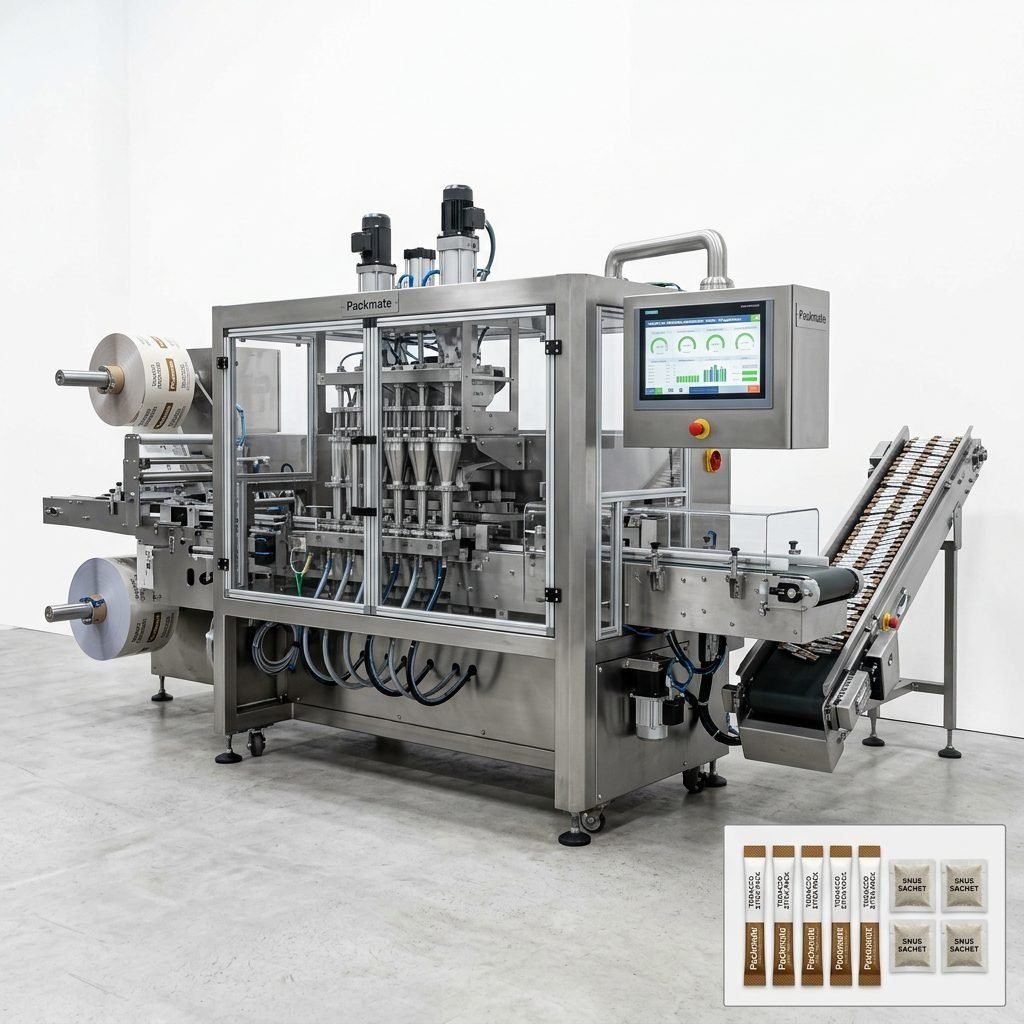
Choosing the right snus packaging machine manufacturer in Syria requires more than price comparison — it demands a clear understanding of local market habits, regulatory constraints, production targets, and long-term service expectations. This comprehensive buyer’s guide walks you through practical steps, technical criteria, and cultural considerations to help Syrian businesses select a reliable supplier and build a productive partnership.
Why a tailored approach matters in Syria 📌
Syria’s packaging market has unique features: product labeling and Arabic-language packaging, seasonal supply chain interruptions, and conservative business communication practices that favor long-term relationships. When sourcing snus or nicotine pouch machines, consider suppliers who can adapt packaging formats to Arabic labels, meet import documentation norms, and provide flexible lead times suited to local logistics fluctuations.
Start with the right machine family
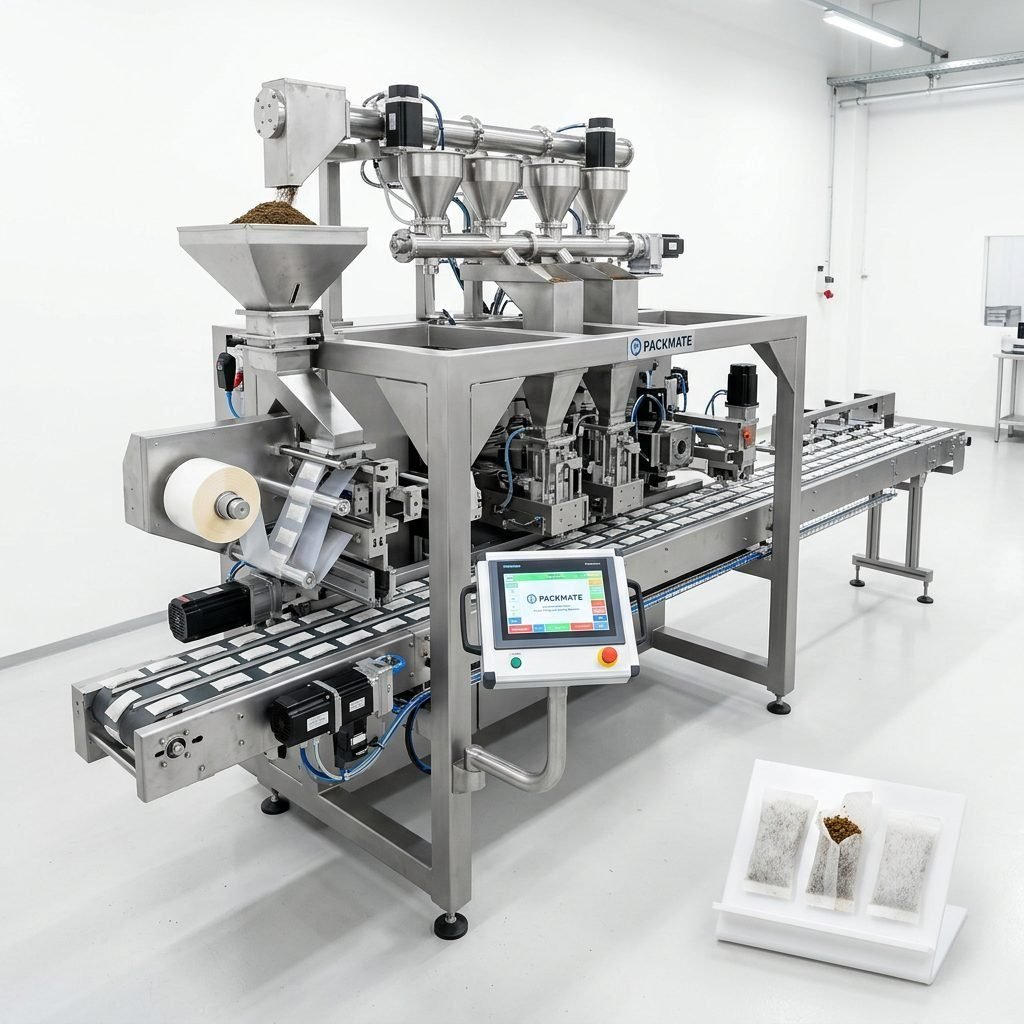
There are several packaging technologies suitable for snus and nicotine pouches. Matching the machine family to your product specification is the first step:
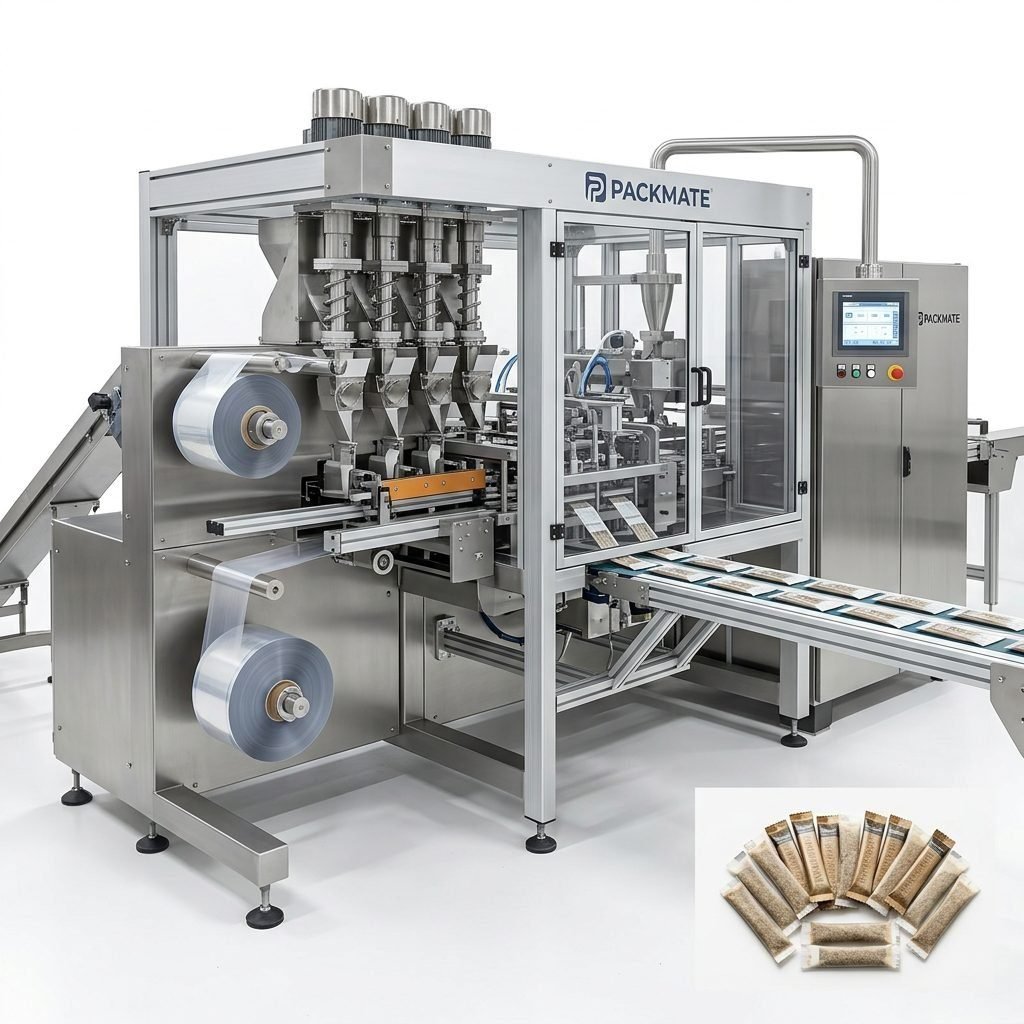
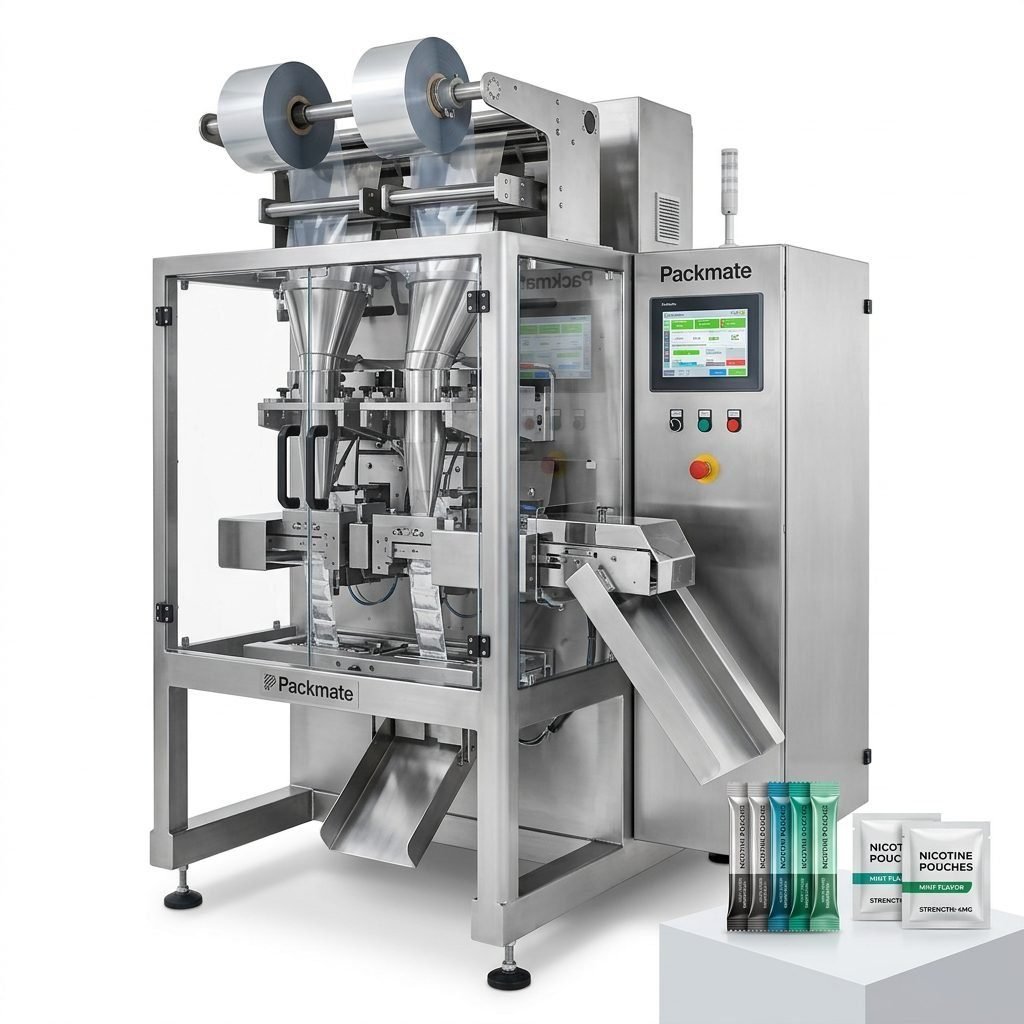
Sachet & Stick Pack Machines — ideal for single-dose sachets and stick-shaped pouches; good for slim portion formats. (See examples: Sachet & Stick Pack Machines)
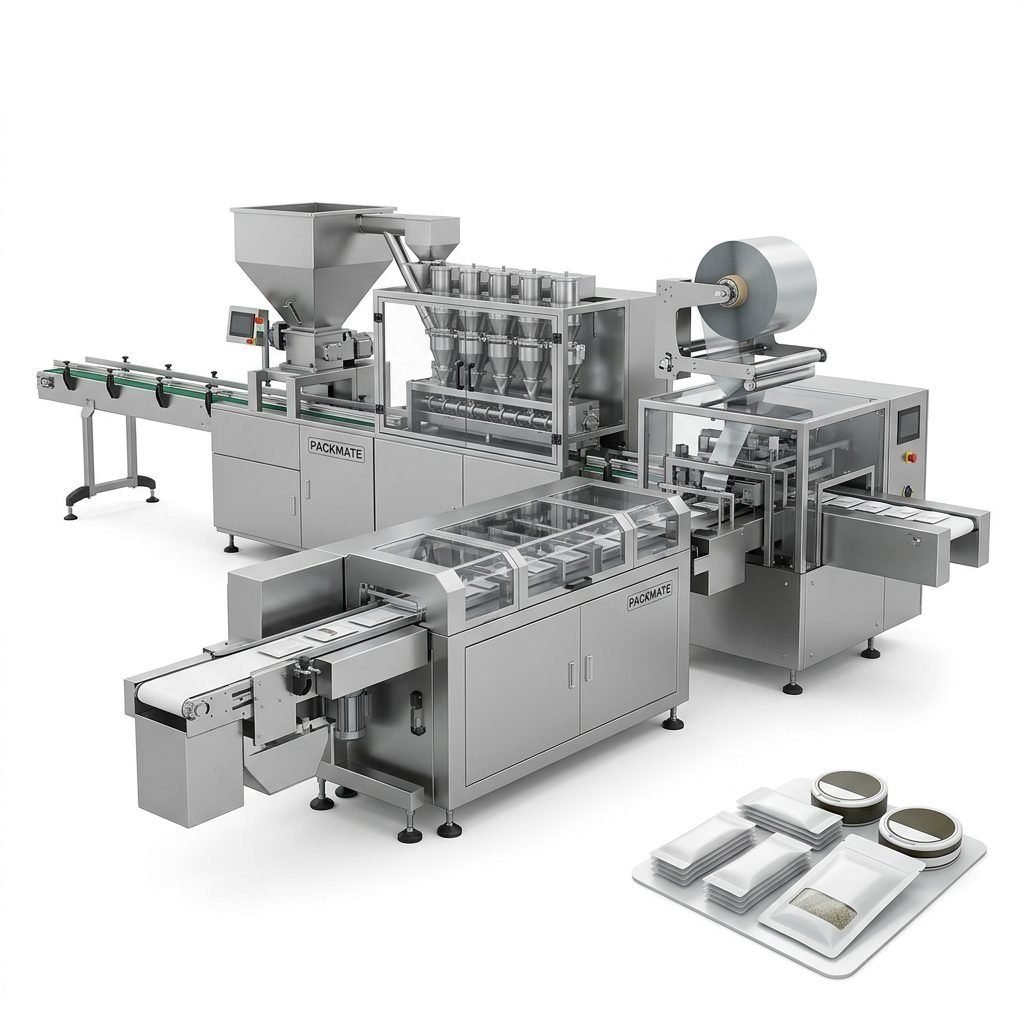
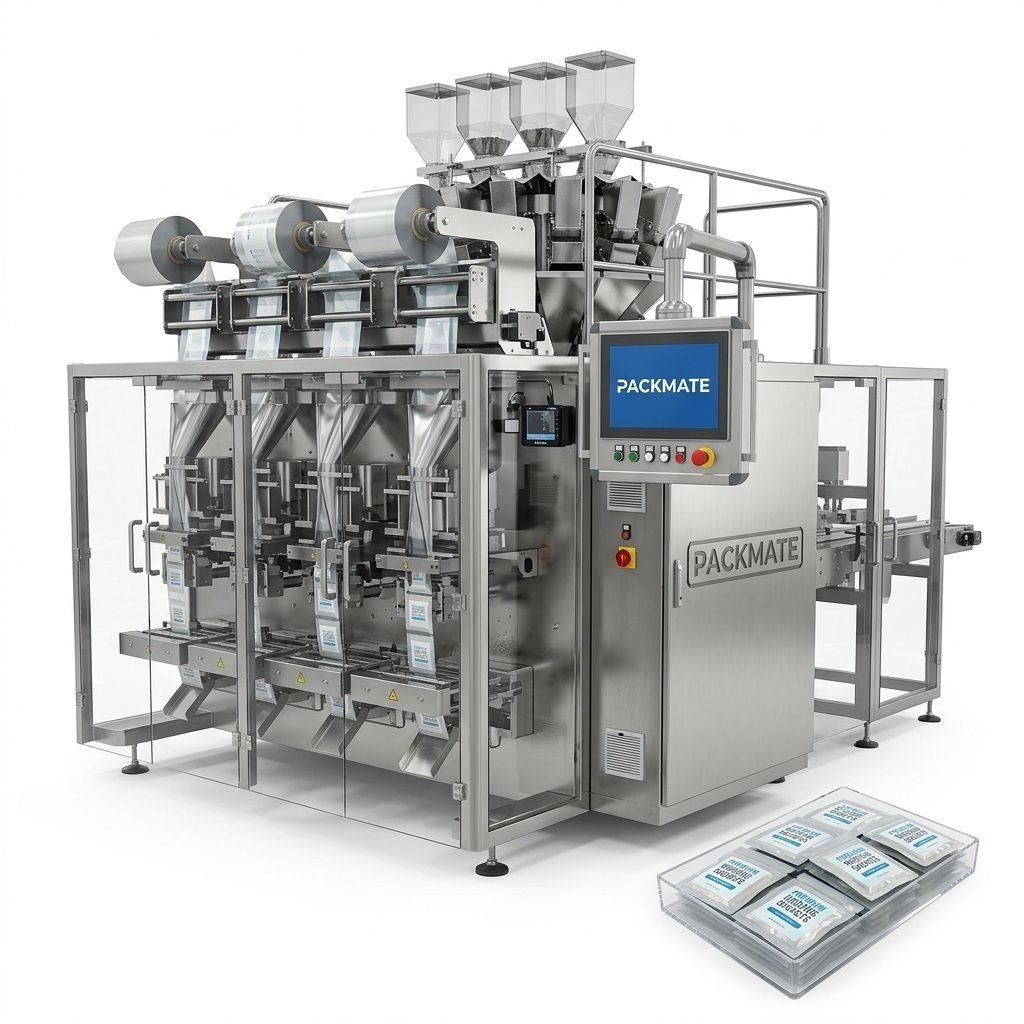
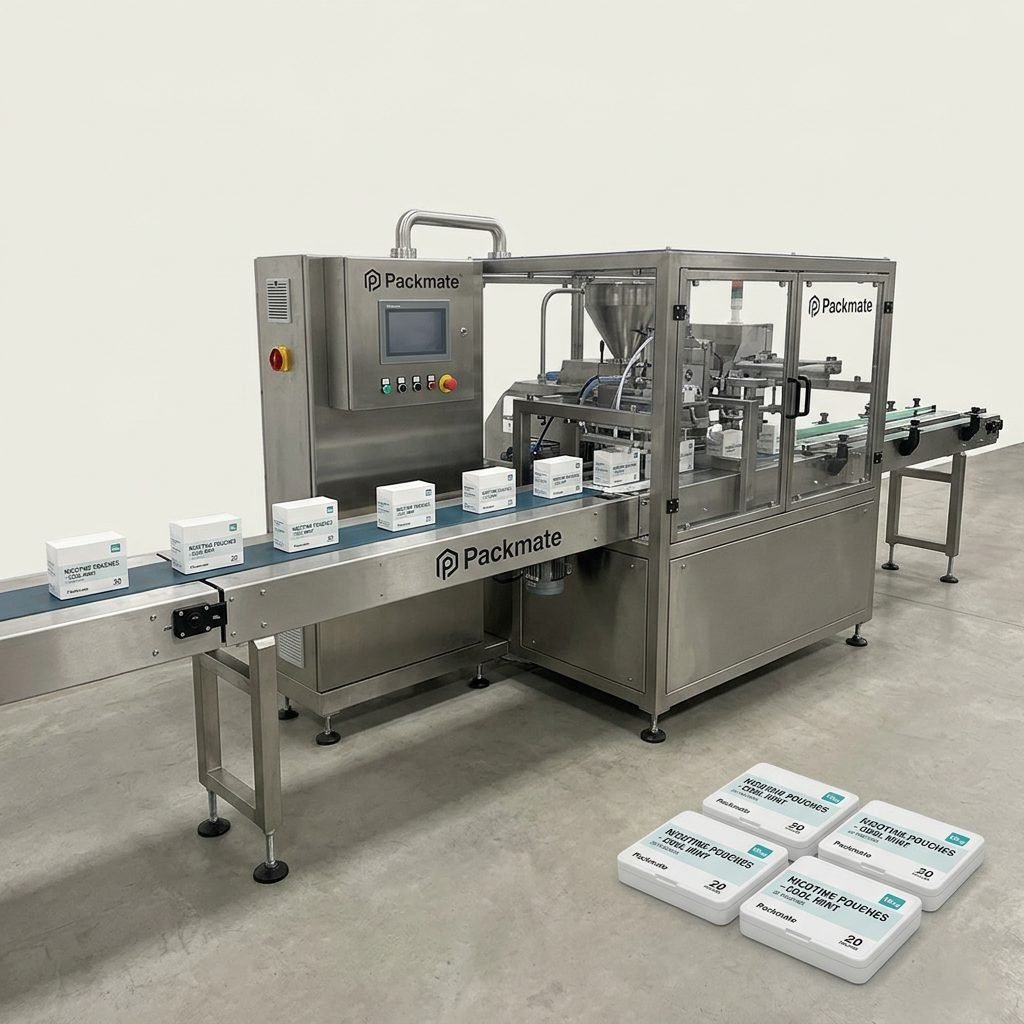
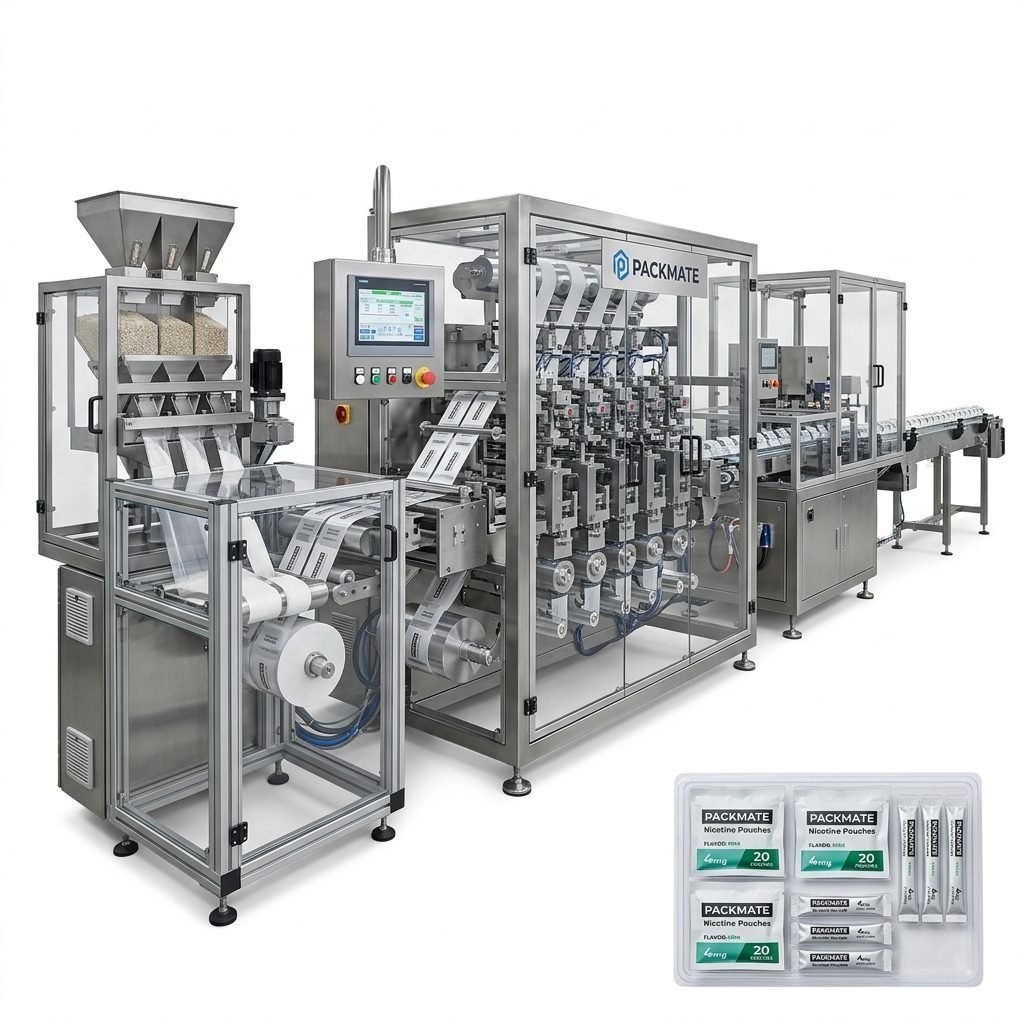
Multi-lane Snus / Nicotine Pouch Machines — high throughput production for small-dose pouches and snus products, offering multi-lane forming and sealing for maximum output. (Product info: Snus & Nicotine Packaging Machines)
Key selection criteria (technical focus)
Evaluate each manufacturer on a set of measurable technical parameters:
- Capacity & line speed — daily output target (pouches/hr) and how easily the system scales with multi-lane options.
- Accuracy & weight control — consistent filling especially for nicotine pouches where dosage tolerance is important.
- Material compatibility — can the machine handle different pouch films, barrier laminates, and biodegradable options?
- Changeover time — how fast you can switch between pouch sizes or recipes.
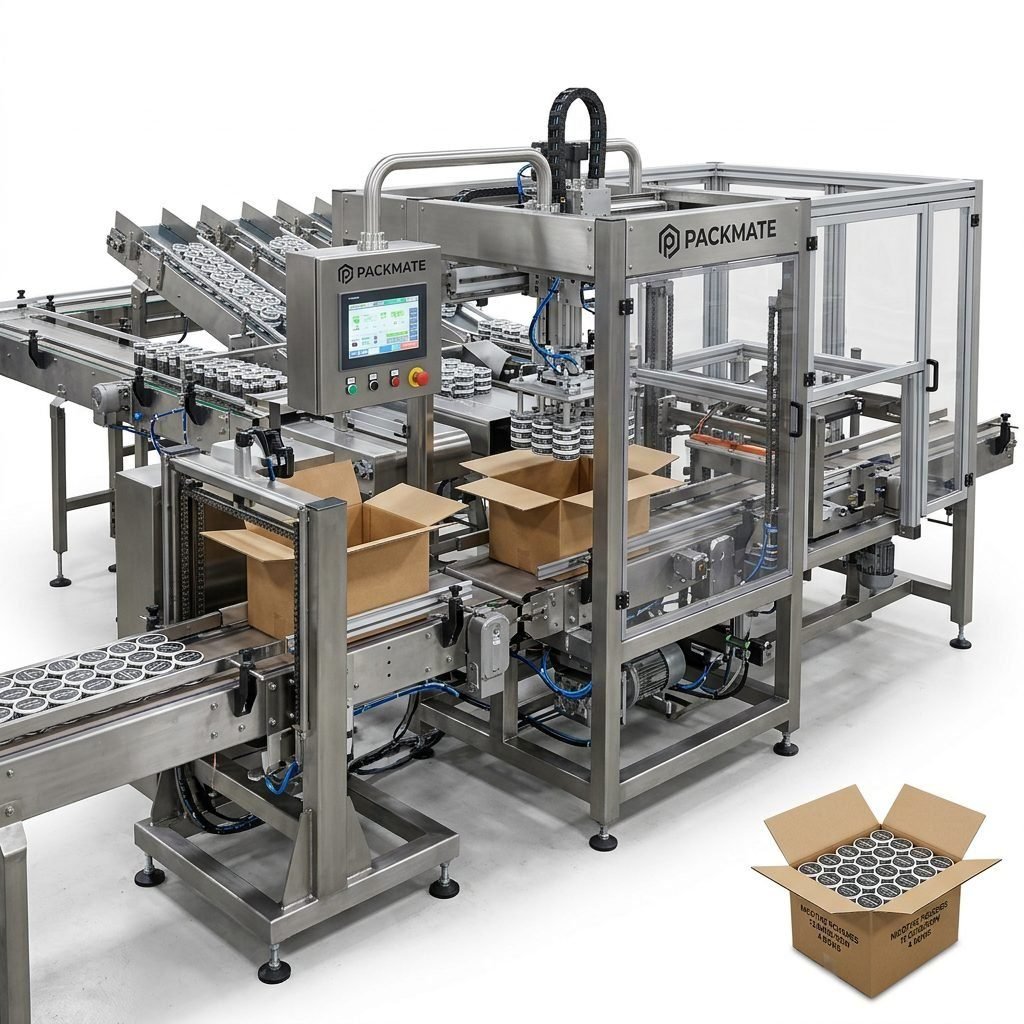
- Automation level & line integration — compatibility with weighing, conveying, and secondary packaging equipment (see Weighing & Packaging Systems).
Factory capability & quality assurance
Inspect the manufacturer’s production environment and certifications. A reputable supplier should demonstrate:
• Modern CNC machining centers and precision assembly lines to ensure part quality.
• Quality management credentials such as CE and ISO certificates to comply with international safety standards. (Learn more: Certificate)
• Clear testing procedures including full line run-offs prior to shipment and documented acceptance tests.
Customization & turnkey solutions
For Syrian brands that need Arabic labeling, special pouch prints, or unique packaging sizes, choose a manufacturer that offers turnkey solutions: design, filling, packaging, and secondary carton/carton-print integration. Packmate and similar suppliers often provide full solutions — from filling & packaging lines to auxiliary equipment. See examples on their filling lines page: Filling & Packaging Lines.
Local legal & cultural considerations in Syria ⚖️
When importing snus-related equipment into Syria, be aware of both legal and cultural elements:
- Regulatory compliance — check local customs requirements, product registration rules, and any restrictions related to nicotine products.
- Labeling language — Arabic labels and user manuals are customary; ensure the manufacturer can supply Arabic printing or provide editable templates for local printing.
- Business etiquette — Syrian partners value transparent pricing, personal communication, and reliable timelines. Face-to-face visits or video factory tours help build trust.
Service, spare parts & training — non-negotiable
After-sales service is often the deciding factor. Confirm these items before purchase:
• Local or remote commissioning and machine validation support.
• Operator and maintenance training available in Arabic or with clear translation support.
• Availability of spare parts and express shipping options to Syria to minimize downtime.
• Warranty terms and optional extended service contracts. (Company service pages can clarify: Service)
Visiting the factory vs virtual inspections
If travel permits, a factory visit is ideal. Check the assembly floor, CNC centers, and run-off areas. If travel is restricted, request:
- Live video factory tour and machine demonstration.
- Full machine videos of similar models in production and customer reference videos.
- Third-party factory audit reports or ISO documentation.
Practical procurement checklist for Syrian buyers ✅
• Define target production capacity (pouches/day) and desired uptime.
• Specify pouch materials, dimensions, and packaging artwork language requirements (Arabic font files).
• Ask for machine datasheets, acceptance test plans, and a full BOM for spare parts.
• Confirm lead time, shipping terms (Incoterms), and import documentation support.
• Negotiate training, installation, and remote support terms before signing.
Cost vs total value: look beyond the sticker price
Low purchase price can hide higher lifecycle costs. Evaluate:
- Energy consumption and spare parts costs.
- Mean time between failures (MTBF) and average repair times.
- Resale value and modular upgrade paths for higher production needs.
How Packmate (case example) matches Syrian needs
Packmate Snus Machine provides a useful case study. With 30+ years of engineering experience and a 20,000㎡ facility, they offer multi-lane snus machines, sachet/stick pack models, and turnkey packaging lines. Their global experience means they are familiar with export documentation and international certifications — an important advantage for Syrian importers who need reliable compliance and supply chain transparency. (Learn more: About Packmate and read real projects at Case.)
Logistics, packaging and customs tips for Syria
To smooth import and delivery:
- Choose robust export packaging for long freight times and overland transport.
- Request complete shipping documentation (packing list, commercial invoice, certificate of origin, and machine manuals in English/Arabic).
- Plan installation windows with buffer time for customs clearance and local transport delays.
Common pitfalls and how to avoid them ⚠️
New buyers often face similar challenges. Avoid these:
Pitfall: Buying a machine without spare parts plan. Fix: Secure spare kits and list typical wear components with delivery.
Pitfall: Overlooking local language needs for labels and manuals. Fix: Ensure Arabic artwork and translated manuals are included.
Pitfall: Not verifying electrical and pneumatic standards. Fix: Confirm voltage, frequency, and air source compatibility for Syrian facilities.
Decision roadmap — 7-step procurement plan
Follow this roadmap to reduce risk and speed up implementation:
- Define product specs and annual volumes.
- Shortlist manufacturers with snus/nicotine experience and request proposals. (Start with product pages like Snus & Nicotine Packaging Machines.)
- Request machine videos, references, and a factory audit if possible.
- Negotiate lead times, payment terms, and spare parts agreements.
- Plan for customs, shipping, and installation windows specific to Syria.
- Agree on acceptance tests and training language requirements.
- Sign contract and monitor production milestones closely.
Final recommendations before you buy
• Prioritize manufacturers with proven multi-lane technology for snus to reduce unit costs as volumes grow. • Ensure Arabic labeling and operator training options are in the contract. • Confirm certifications and test runs. • Negotiate a spare parts kit tailored to high-wear components.
Next steps and useful contacts
If you are ready to request quotes, prepare a clear RFQ packet that includes technical drawings, expected daily output, pouch material specs, and preferred electrical/pneumatic standards. For supplier research, explore machine portfolios and company pages to compare models, spare parts lists, and service terms. Example resources: Bag & Pouch Packaging Machines and Contact Us for direct inquiries.
Summary — choose for long-term value, not just price
In Syria’s market environment, a successful snus packaging investment balances technical capabilities, local regulatory fit, and reliable after-sales support. Select a manufacturer with proven snus/nicotine experience, clear factory quality controls, and the ability to supply Arabic documentation and training. This approach minimizes operational risk and ensures your production line delivers consistent, compliant pouches to the market.
Frequently Asked Questions (FAQs)
Q1: How long does it typically take to receive and install a snus packaging line in Syria?
A1: Lead times vary with customization and backlog; expect 10–20 weeks for production plus shipping and customs clearance. Installation and commissioning typically take 1–3 weeks depending on line complexity.
Q2: Can manufacturers provide Arabic manuals and training?
A2: Many experienced exporters can provide Arabic manuals or translated documentation and can arrange Arabic-speaking trainers or interpreters for commissioning. Confirm this before purchase.
Q3: What certifications should I look for?
A3: International buyers often require CE and ISO quality management evidence. Also confirm electrical compliance with local power standards and any product-specific regulatory certificates for nicotine-related goods.
Q4: Is local spare part stock necessary?
A4: Yes — maintaining a local inventory of common wear parts (belts, seals, sensors) is recommended to minimize downtime. Negotiate spare kits and lead times for critical components.
Q5: How do I verify a manufacturer’s claims?
A5: Request machine video demonstrations, customer references, and, if feasible, a third-party factory audit. Insist on a clear Factory Acceptance Test (FAT) plan and documented performance guarantees.