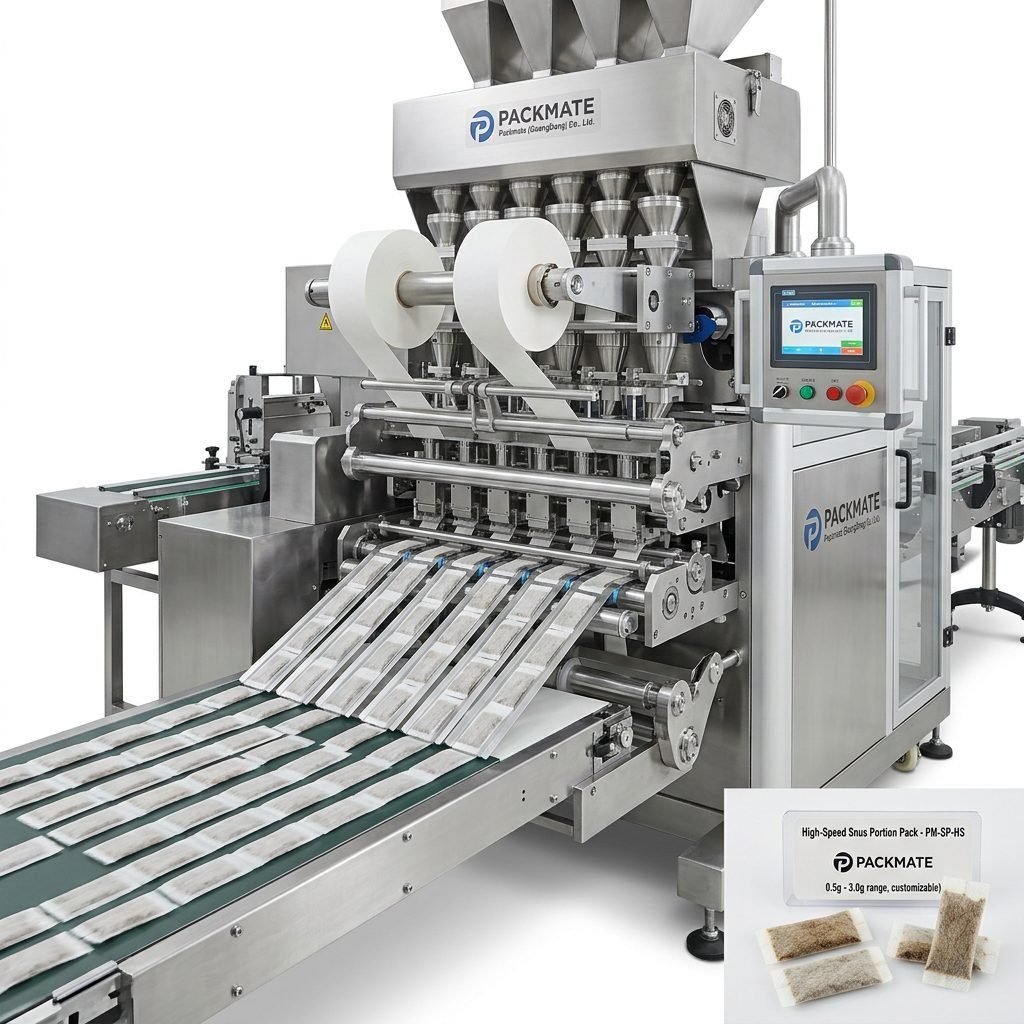
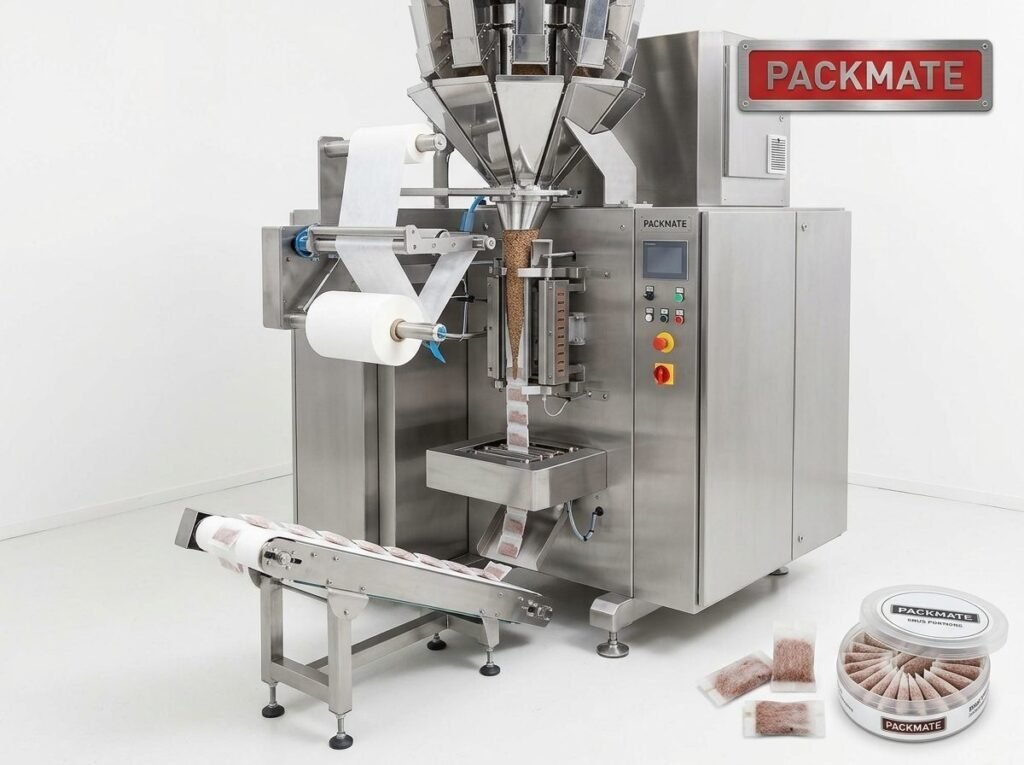
Choosing the right nicotine packaging machinery supplier in China is one of the most important strategic decisions for any company entering or scaling in the snus, nicotine pouch or oral nicotine market. With fast product innovation, strict regulatory expectations and high-volume production demands, the supplier you pick will directly affect product quality, production uptime, regulatory compliance and your time-to-market. This guide walks you through a practical, China-focused decision process that helps you evaluate technical capability, manufacturing strength, quality systems, after-sales support and cultural considerations to find the best long-term partner.
Why the Supplier Choice Matters
Selecting a packaging machinery supplier is not only about the lowest price. A reliable supplier brings:
reduced downtime, consistent product quality, and scalable solutions that keep pace with your product roadmap. For nicotine pouch production, where dosing precision, pouch sealing and cross-contamination control are critical, machine reliability and precision are non-negotiable.
Quick snapshot: what to expect from a top-tier Chinese supplier
🔧 Engineering depth: decades of R&D, proven multi-lane solutions and high-precision CNC manufacturing.
📦 Factory scale: large, organized production areas (e.g., 20,000㎡) enabling parallel assembly and faster lead times.
🛠️ Model range & customization: many standard models (50+) and turnkey line integrations across filling, weighing and packing.
Understand Your Product and Production Requirements
Start by documenting your product specifications: dose size, pouch format (round, oval, sachet, stick), moisture sensitivity, packaging materials, target output speeds and multi-flavor/line flexibility. Nicotine pouches demand special attention to contamination control, dosing accuracy and sealing quality — these factors drive machine choice and necessary factory processes.
Key product factors to define
• Desired output (pouches per minute / per lane)
• Pouch dimensions and material compatibility
• Hygienic / IP requirements and cleanability
• Automation level (manual feeding vs fully automated lines)
Essential Supplier Capabilities to Evaluate
When comparing suppliers in China, prioritize objective capabilities over marketing language. Ask for verifiable evidence across these categories:
Manufacturing strength and facility
Inspect their production capacity, CNC machining centers, assembly lines and quality testing labs. A supplier with a modern 20,000㎡ facility and dedicated precision assembly lines is better positioned to meet volume and quality targets than a small workshop. For example, manufacturers with advanced CNC centers and in-house fabrication reduce reliance on external suppliers and improve part traceability.
Model diversity and customization
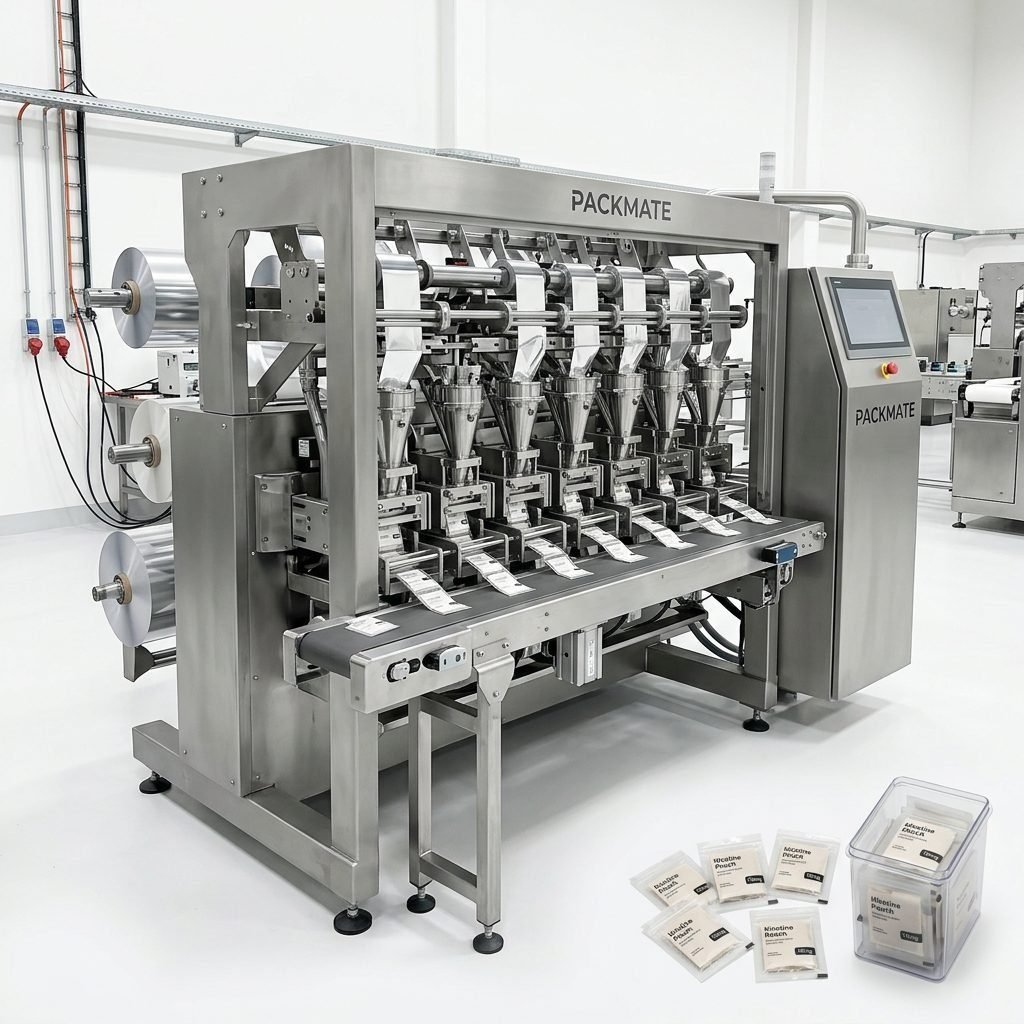
A wide product range (50+ machine models) and modular platforms allow you to scale or switch pouch formats without a complete line replacement. Check whether the supplier offers multi-lane configurations for small-dose high-speed production — this is increasingly important in the nicotine pouch market.
Quality certifications and standards
Verify certifications such as CE and ISO, inspection records, and compliance with electrical and safety norms for target markets. Certifications indicate process maturity and global market readiness.
After-sales support and spare parts
Evaluate warranty terms, spare parts availability, remote troubleshooting capabilities, and training offerings. A reliable supplier stocks critical parts locally and provides fast technical response to minimize downtime.
How to Assess Technical Performance
Technical evaluation should include on-site demonstrations, factory acceptance tests (FAT) and performance data under real product conditions. Key metrics include dosing accuracy, sealing integrity, changeover time and effective uptime over long runs.
✅ Request sample packs made with your product to inspect sealing strength and pouch integrity.
✅ Run a FAT with your dosing system and operator team to validate changeovers and speed.
✅ Ask for mean-time-between-failure (MTBF) and typical spare parts consumption data.
Visiting the Supplier: Audit Checklist
In China, factory visits also reflect cultural norms: suppliers expect professional, relationship-driven meetings and appreciate clear, respectful negotiation. A site visit is essential for high-value equipment.
On-site checklist
• View actual production lines and witness assembly practices.
• Inspect testing labs, CNC centers and QA documentation.
• Meet engineering leads and request technical dossiers for the machines you are evaluating.
• Observe operator skill levels and training procedures — critical for smooth handover.
• Request references and case studies from international customers (look for relevant markets and product types).
What to Ask During Commercial Negotiation
Structure your contract to reduce risk and align incentives. Key commercial terms include payment milestones, delivery schedule, acceptance criteria, warranty scope, spare parts list, training, and penalties for missed SLA.
• Payment terms: tie payments to FAT and acceptance milestones.
• Warranty & service: define response time for remote/onsite support.
• Spare parts: include an initial spares kit and preferred parts lead times.
• Intellectual property: clarify rights to custom tooling or software changes.
Regulatory and Compliance Considerations
Nicotine products face different regulatory regimes around the world. Ensure the supplier understands export documentation, CE marking procedures and can provide traceable materials and production records for audits. In China, most reputable packaging machine suppliers are experienced in exporting to EU, North America and other regulated markets and maintain compliance records like CE and ISO — ask for certificates and copies of test reports.
After-sales Support: The Hidden Differentiator
After-sales service determines long-term success. Evaluate the supplier’s global service network, remote diagnostic tools, and availability of certified technicians. Confirm whether installation, commissioning and operator training are included and how long the supplier will provide on-site support.
📞 Remote support: verify video troubleshooting options and average first-response times.
🚚 Parts logistics: confirm spare-part stocking strategy for your region.
👨🏫 Training: ensure operator and maintenance training are scheduled at handover.
Total Cost of Ownership and Financing
Look beyond the initial machine price. Consider installation costs, expected spare-part consumption, energy use, operator labor, and projected uptime. Some suppliers offer leasing or staged payment plans — discuss financing to manage CAPEX without compromising on machine quality.
Pilot Runs, FAT and Acceptance Testing
A well-documented FAT conducted with your actual product formulation is the final proof point. Agree on acceptance criteria such as pouch weights, sealing strength, and continuous run time without failure. Insist on witnessing a continuous run that mirrors your expected daily production to validate mean-time-between-failure and operator ergonomics.
Why many global buyers choose established Chinese suppliers
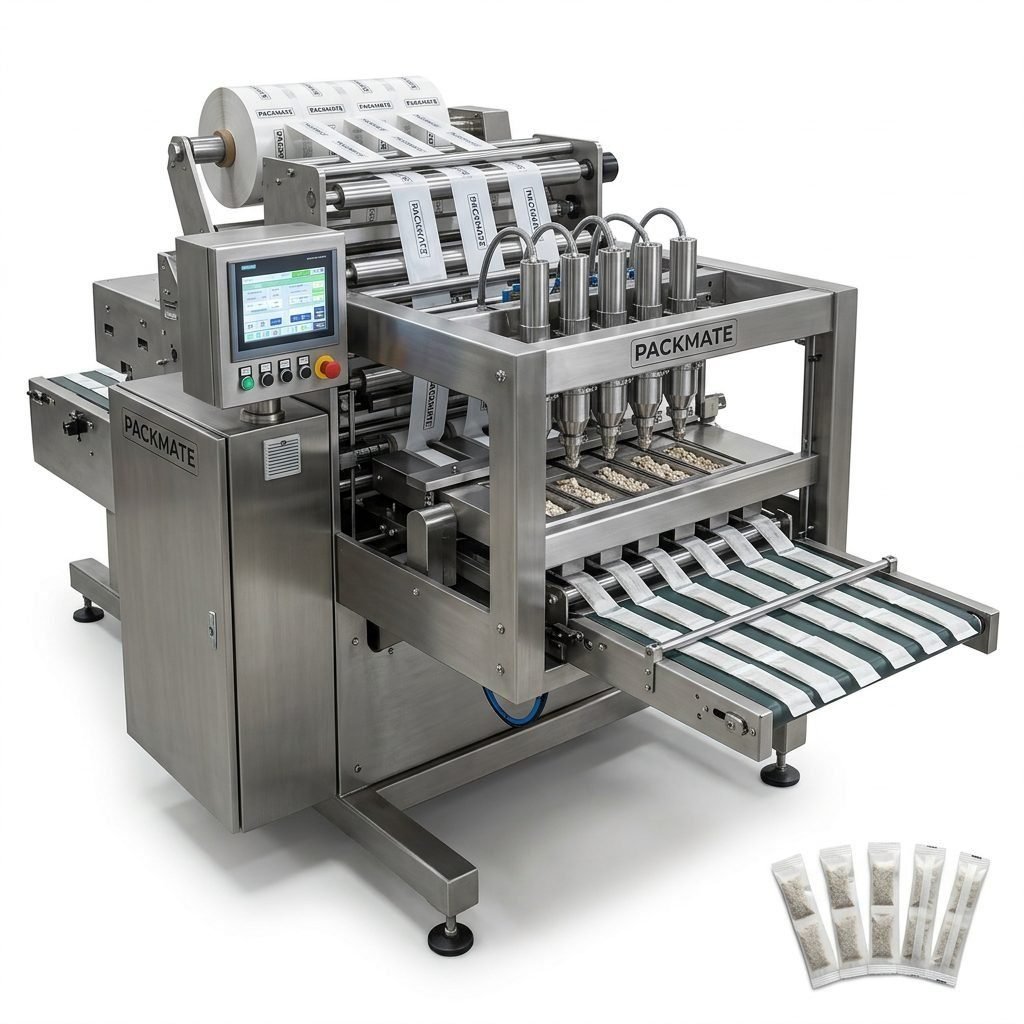
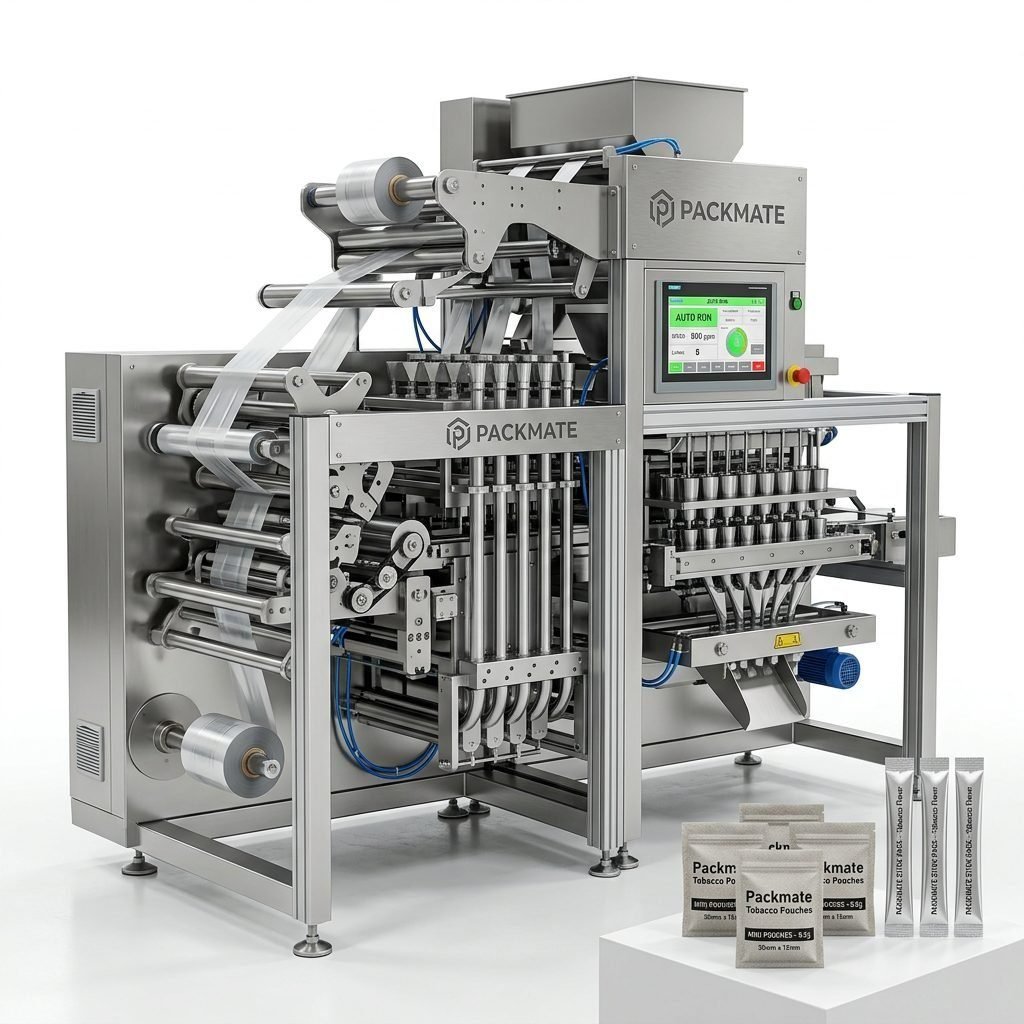
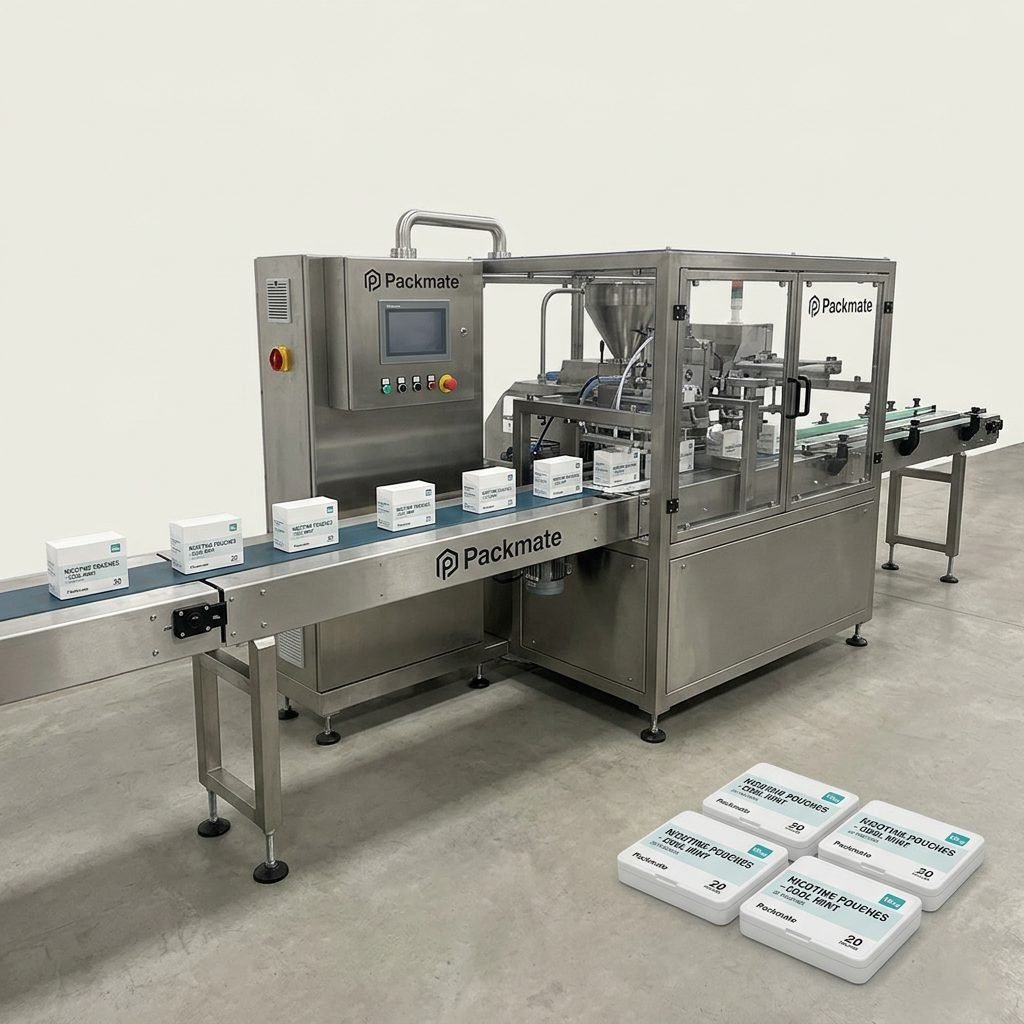
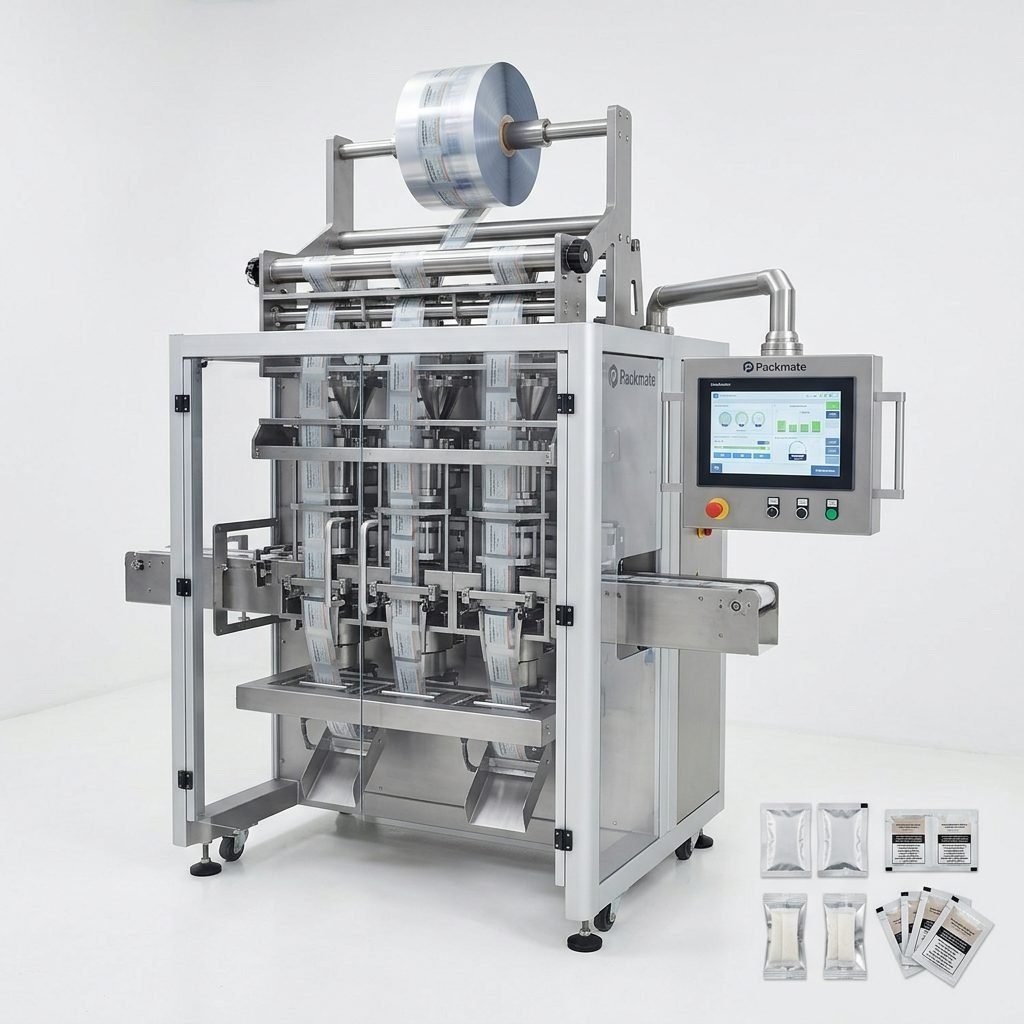
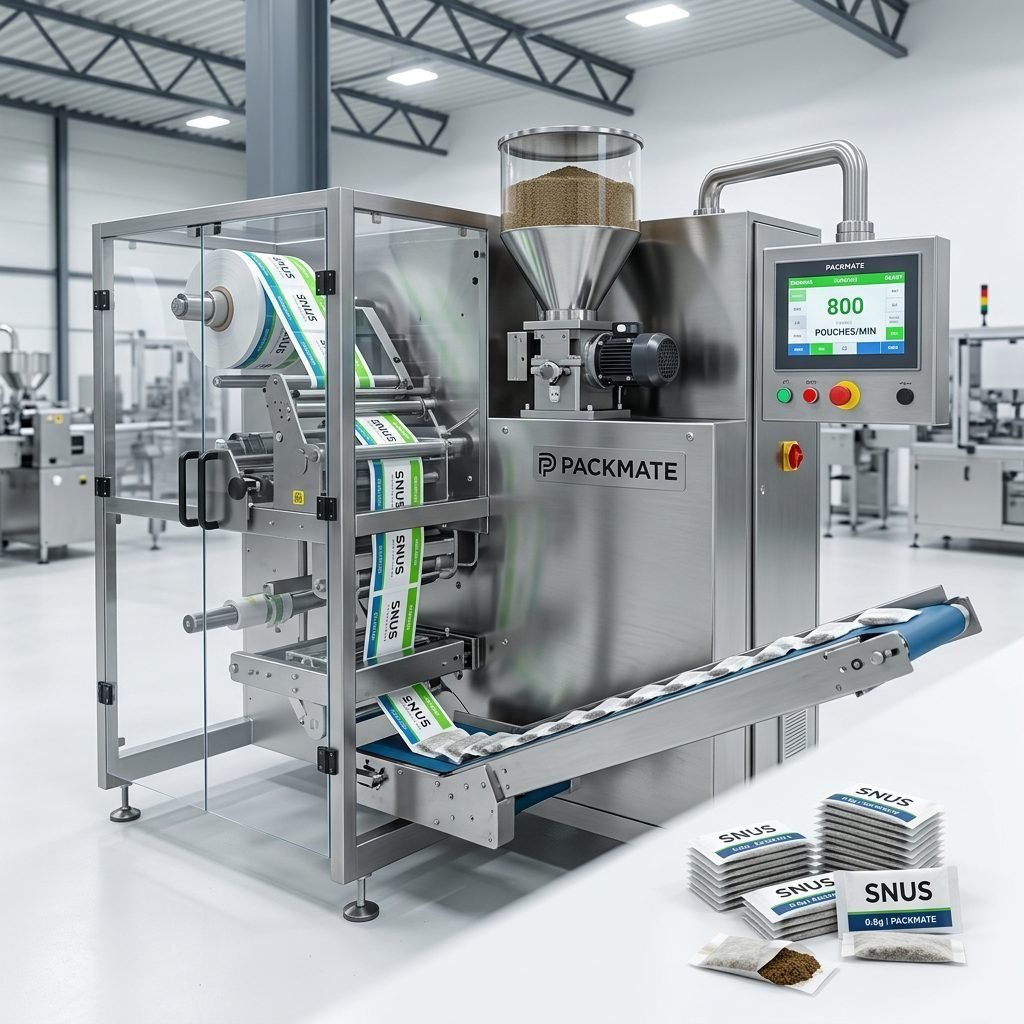
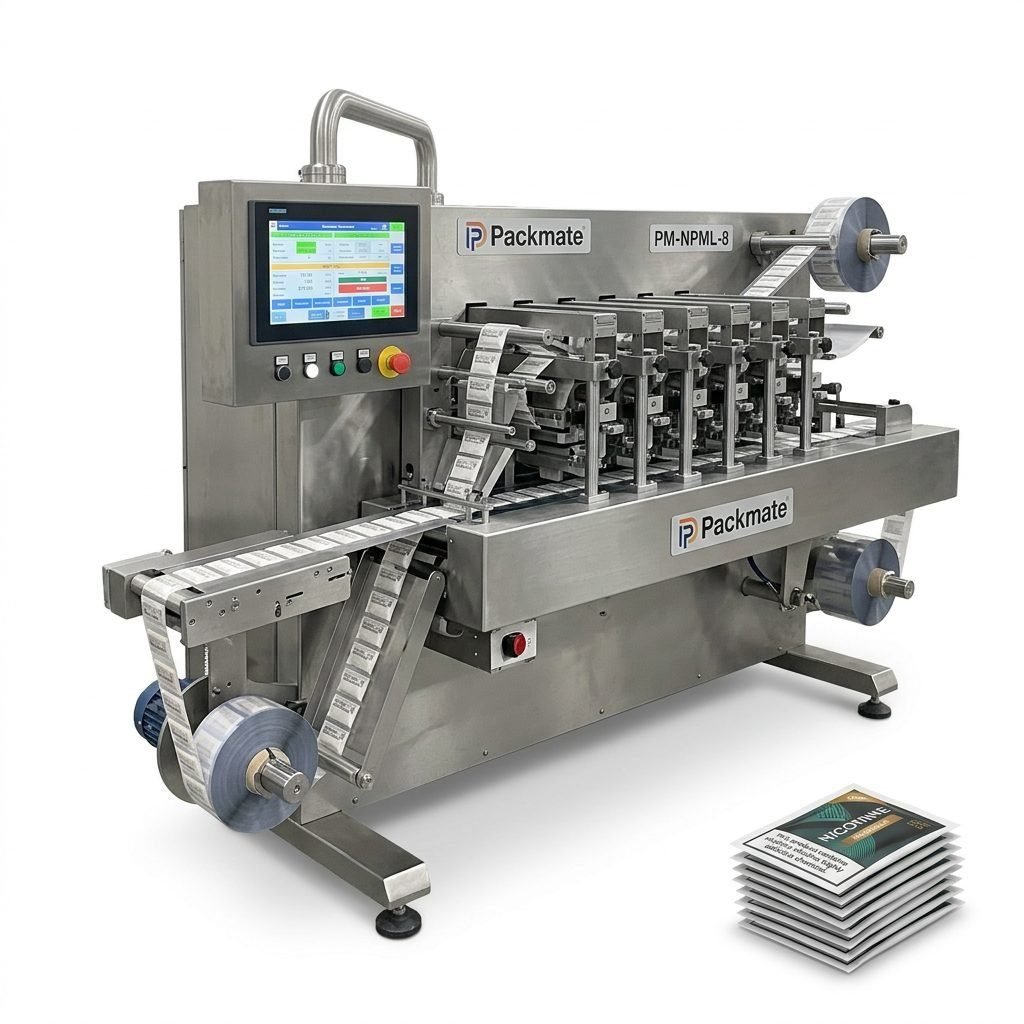
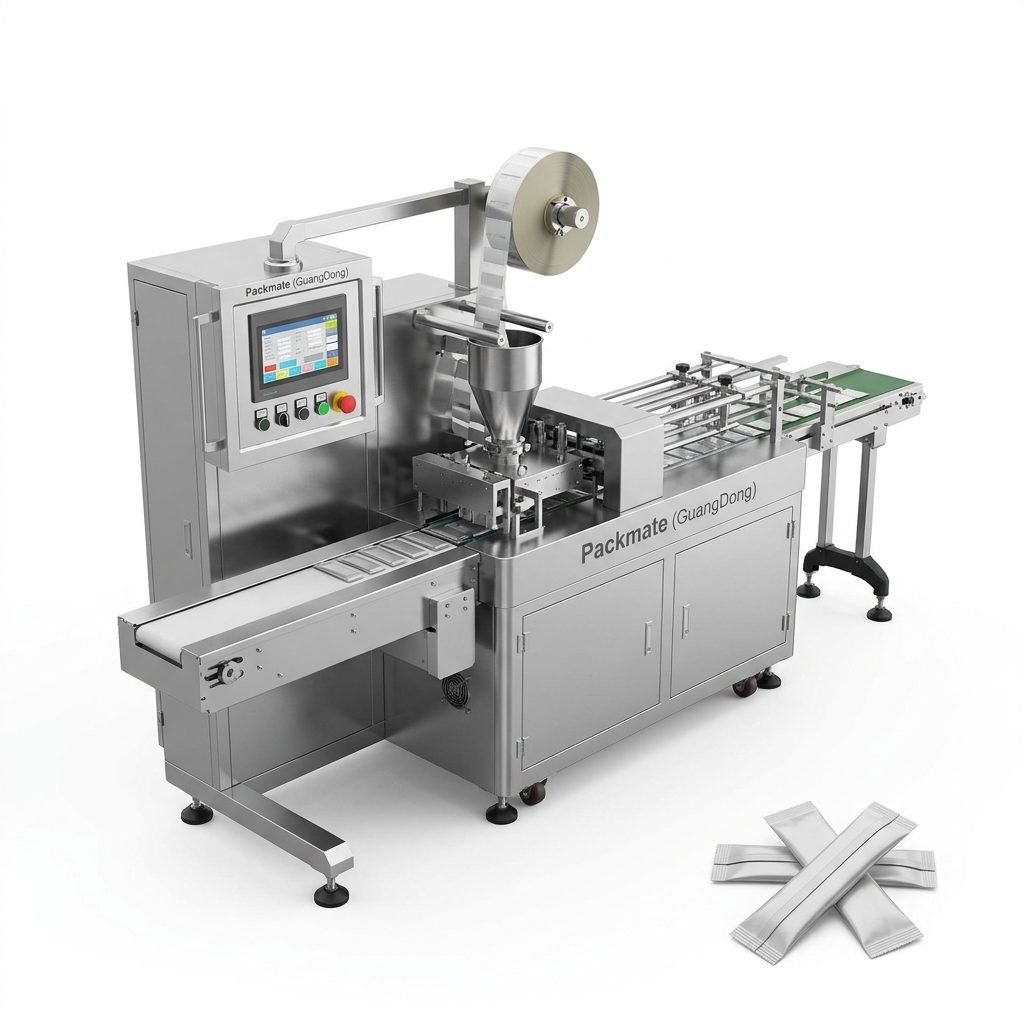
China-based manufacturers often combine strong engineering experience, competitive pricing and mature export services. Reputable companies in the nicotine packaging sector have decades of R&D, broad model ranges and turnkey capabilities — from filling and weighing systems to multi-lane pouch packaging lines. For example, see specialized product lines for snus and nicotine packaging in supplier catalogs to confirm product fit: Snus & Nicotine Packaging Machines and Bag & Pouch Packaging Machines.
Local Chinese business culture tips for a smoother partnership
When working with Chinese suppliers:
• Build rapport and show clear, professional requirements. Long-term relationships (Guanxi) matter in reliability and priority support.
• Prepare for direct negotiations and confirm expectations in writing to avoid ambiguity.
• Plan factory visits with an agenda — Chinese factories appreciate organized, respectful interactions and will showcase their strengths when engaged professionally.
Finding a Supplier: Resources and Next Steps
Start by shortlisting vendors with relevant case studies and verifiable factory tours. Review dedicated product pages and catalogs, then request tailored proposals that include FAT plans and spare parts lists. Useful links to learn more about suppliers and their capabilities:
- • About Packmate — company background, timeline and capabilities.
- • Snus & Nicotine Packaging Machines — product lines focused on nicotine pouch packaging.
- • Filling & Packaging Lines — integrated solutions for full production lines.
- • Contact Us — initiate direct inquiries and request FAT scheduling.
Real-world example: what to look for in supplier credentials
A very strong supplier profile commonly includes: over 20 years of industry experience, a large manufacturing footprint (e.g., 20,000㎡), a broad model range (50+ machines), modern CNC capability, CE/ISO compliance and global case studies across Europe, Asia and the Americas. These indicators show the supplier can meet strict export standards and scale with your business.
Final selection checklist before signing
• Have you run a successful FAT using your product?
• Are warranty, spare parts and service response times documented?
• Are timelines, penalties and payment milestones clearly defined?
• Do you have references and case studies relevant to nicotine pouch production?
Summary and Call to Action
Choosing the right nicotine packaging machinery supplier in China is a balance of technical validation, factory capability, regulatory knowledge and reliable after-sales service. Prioritize suppliers with proven track records in snus and nicotine packaging, strong manufacturing assets and clear FAT procedures. A systematic approach — define your product needs, visit facilities, run FATs, and secure detailed service and spare parts commitments — will help you select a partner who can scale with your business. For more details on turnkey solutions and machine models, review the product pages and contact the supplier directly to schedule a factory visit or FAT.
Common Questions
Q1: How long does it take from order to delivery for a complete nicotine pouch line?
A: Typical lead times vary by customization level and factory load — standard lines may take 12–20 weeks, while fully customized turnkey projects with FATs can require 20–36 weeks. Early engagement on design and material specs shortens total time.
Q2: What certifications should I insist on?
A: At minimum, request CE and ISO documentation for manufacturing processes. For export markets, ensure the supplier provides electrical safety tests, material traceability reports and FAT records tailored to your regulatory needs.
Q3: How can I reduce risk when buying from a Chinese supplier?
A: Reduce risk by visiting the factory, conducting FATs with your materials, negotiating milestone payments tied to acceptance, and securing a comprehensive spare-parts kit and service agreement.
Q4: Where can I see case studies and real machine demonstrations?
A: Request the supplier’s case page, exhibition records and demonstration videos. Many suppliers host live demos at exhibitions and allow FATs in their factory — check their case collection for similar projects.