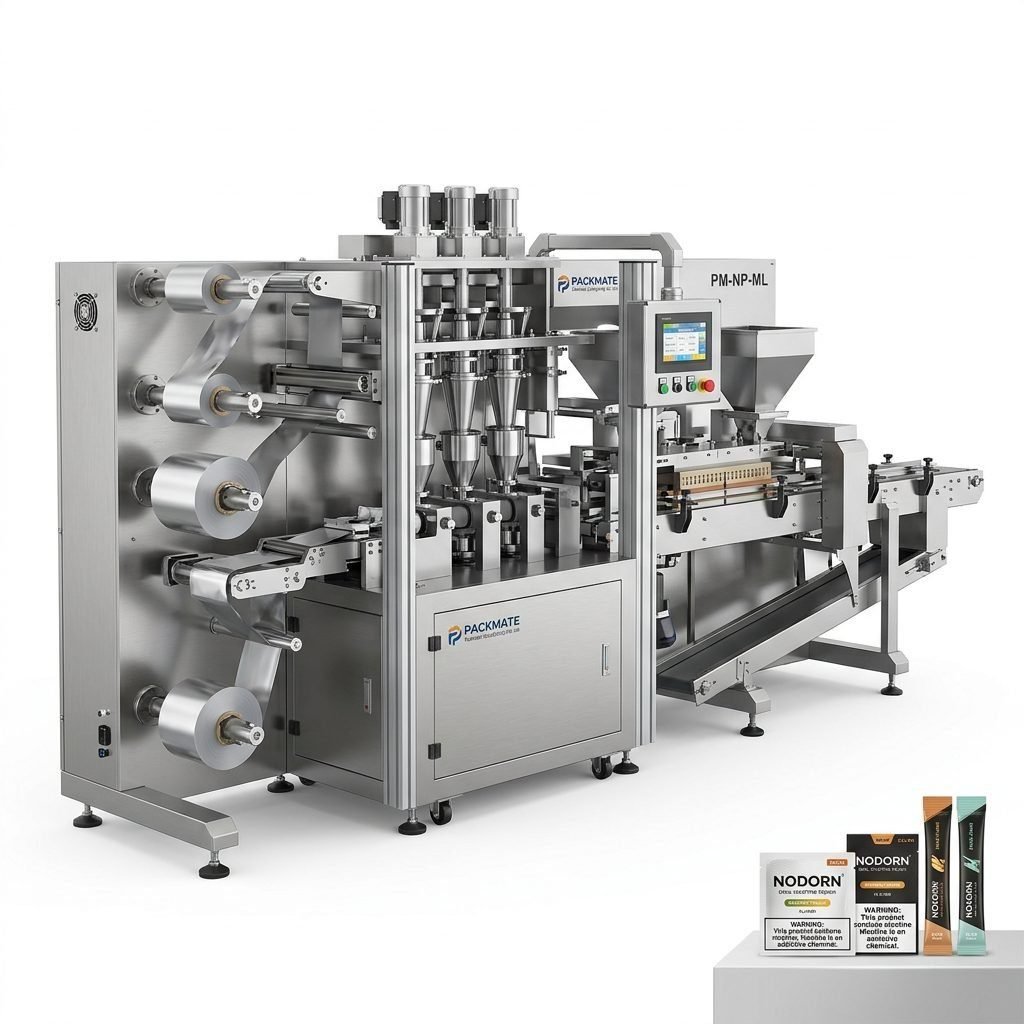
Choosing the right nicotine packaging machinery manufacturer for your operation in Namibia is a strategic decision that impacts product quality, regulatory compliance, and long-term profitability. This guide walks you through the practical steps to evaluate suppliers, compare machine types, and prepare for installation and after-sales support in the Namibian context—from Windhoek to Walvis Bay and beyond.
Understand Your Production Needs
Before contacting suppliers, define your core requirements: expected daily output, pouch formats (single-dose nicotine pouches, snus cans, sachets, stick packs), production lanes (single or multi-lane), and product characteristics (powder, granule, moisture level). Namibia’s smaller market segments often favor flexible systems that can handle multiple SKUs with minimal changeover time. 📌
Key metrics to gather: target units/hour, average pouch weight, packaging material types, and desired level of automation. If you plan to expand into regional markets in Southern Africa, consider machines with modular expansion capability.
Know the Right Machine Types for Nicotine Pouches
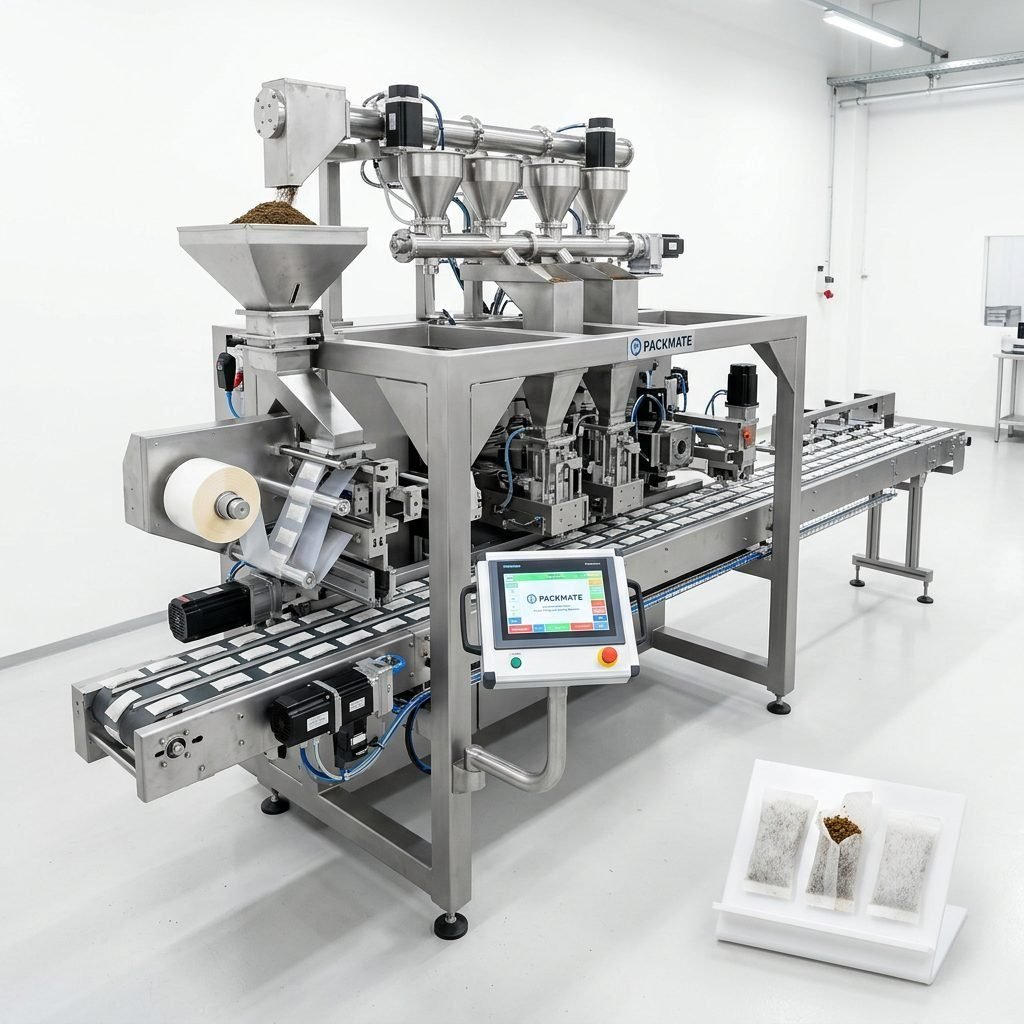
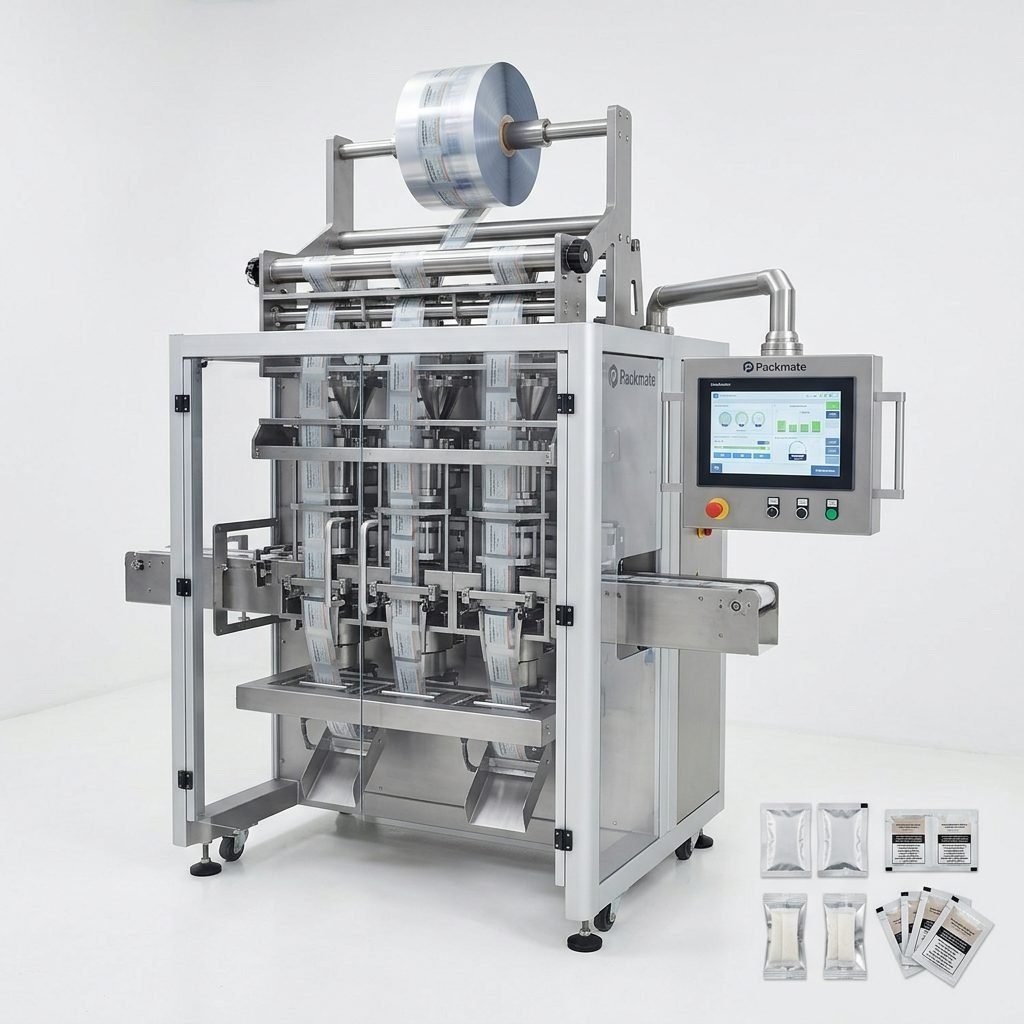
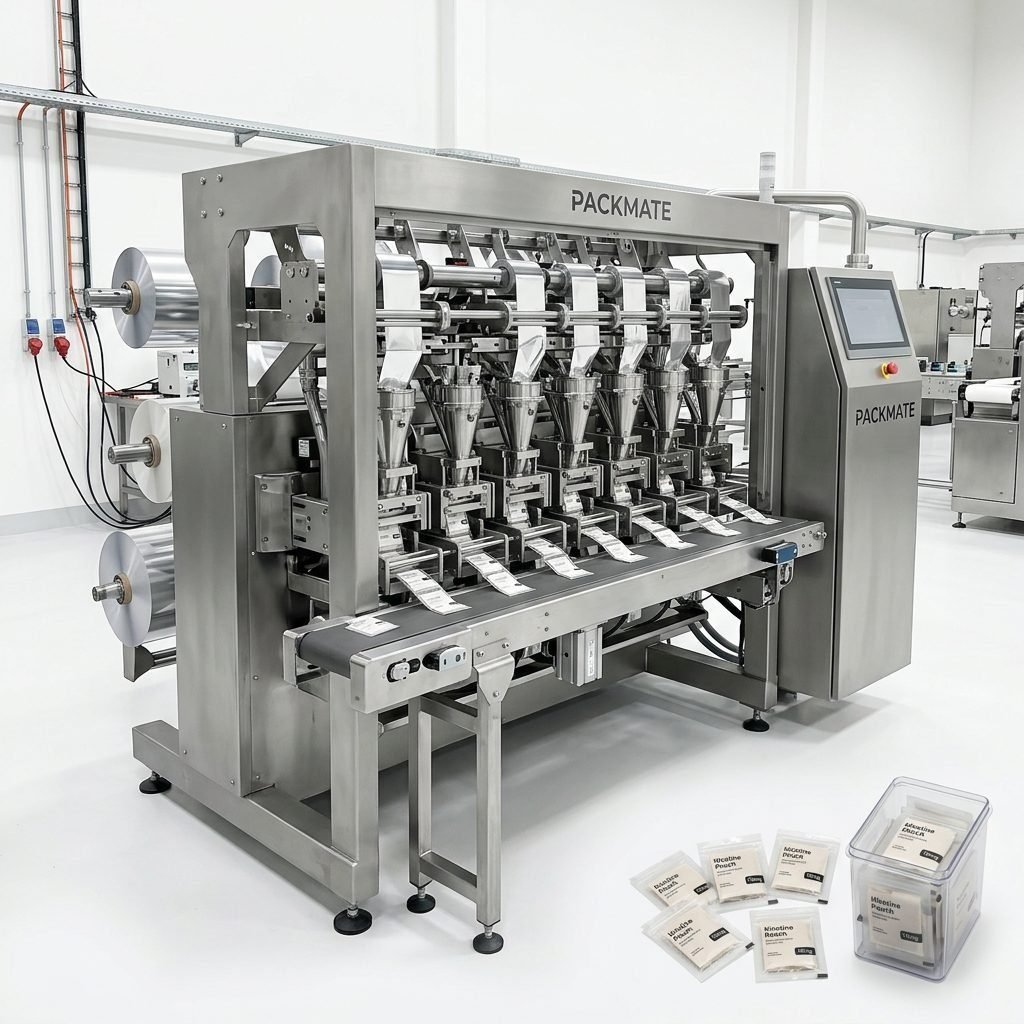
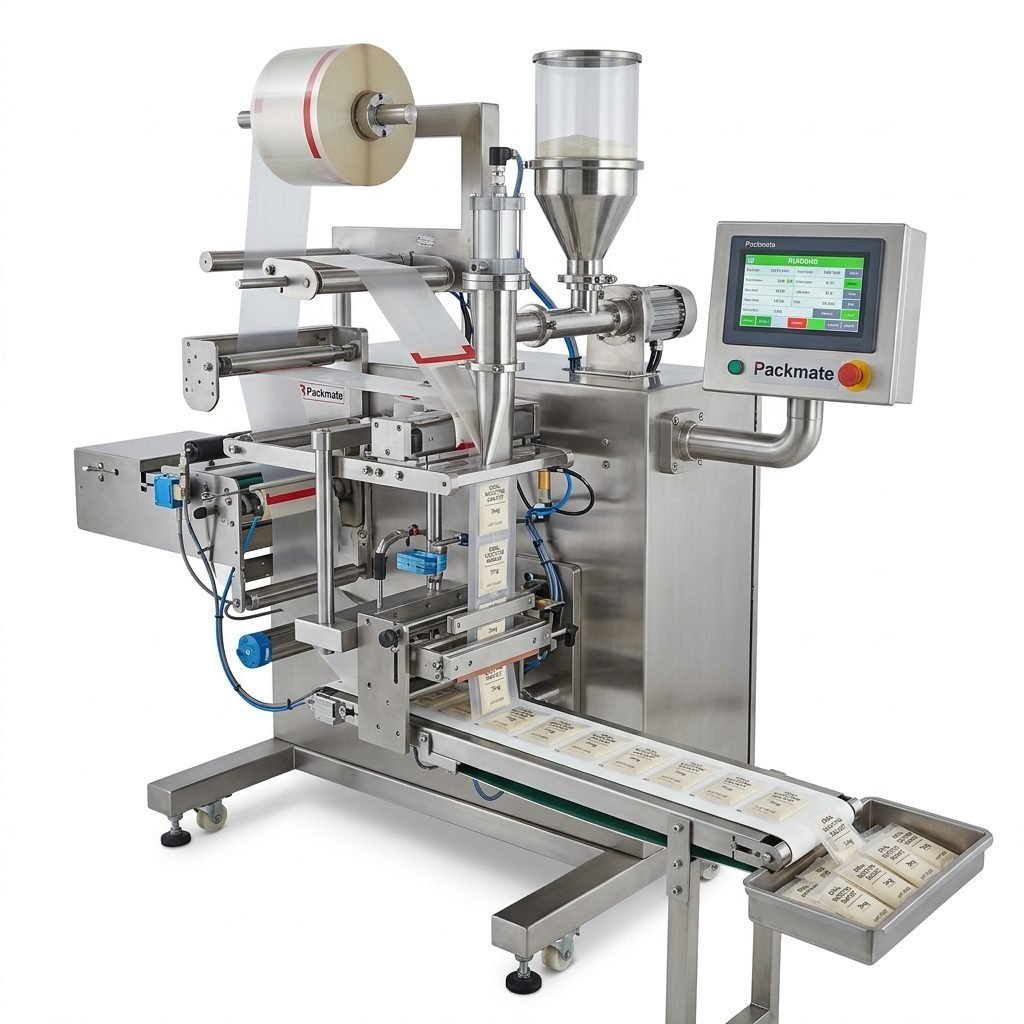
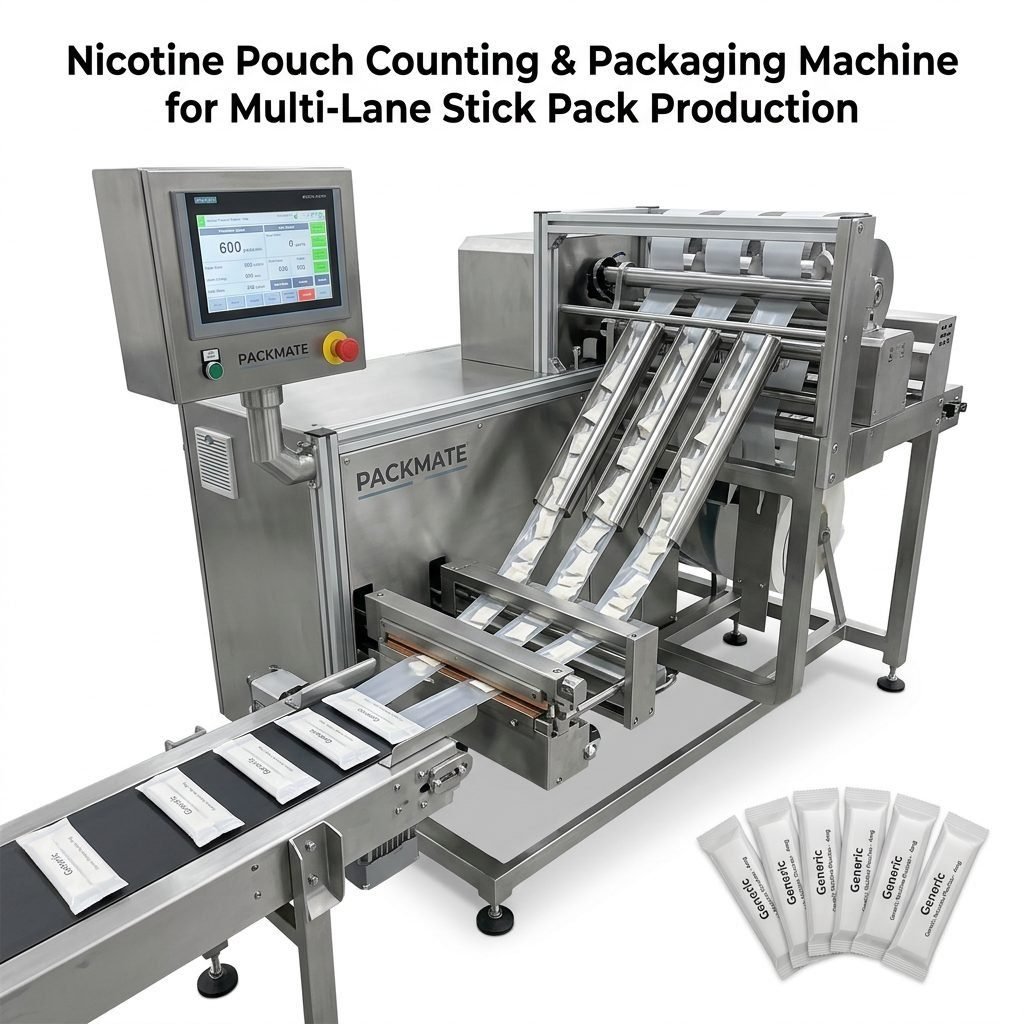
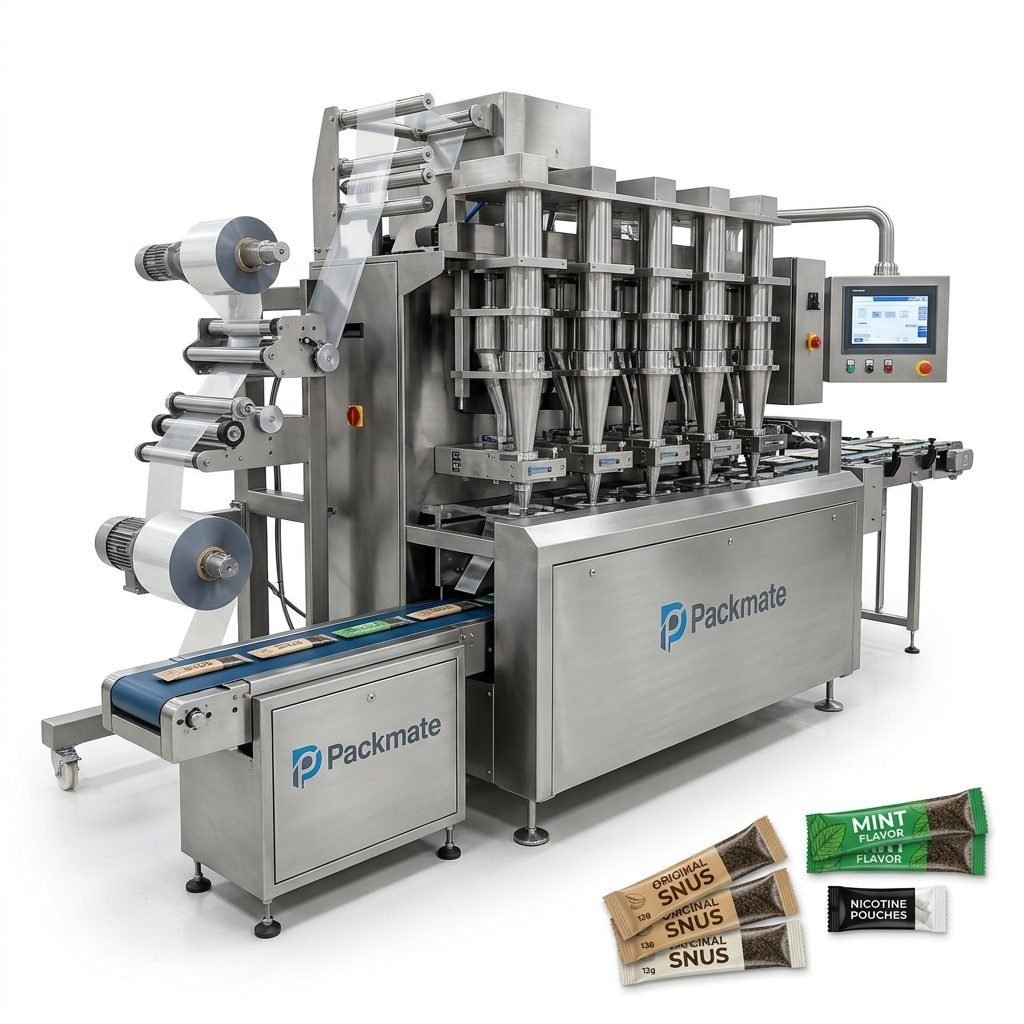
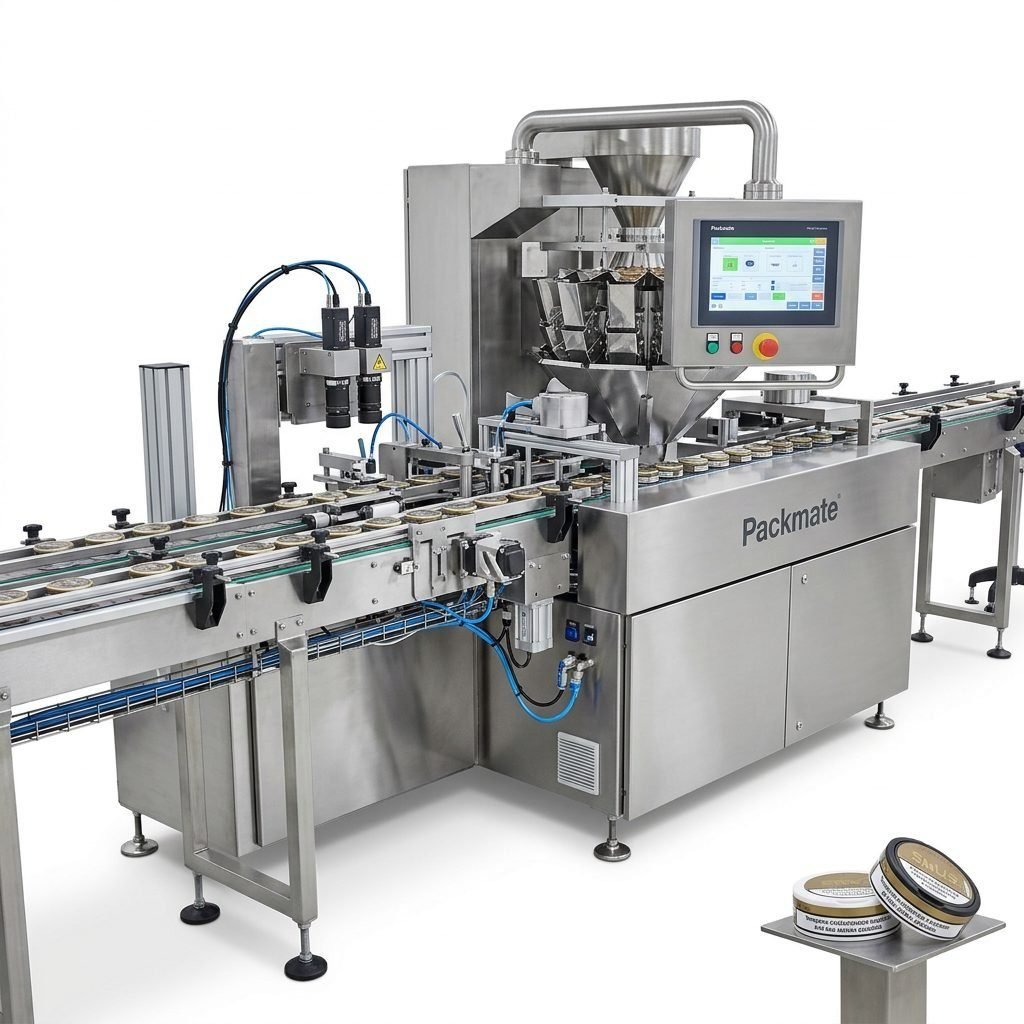
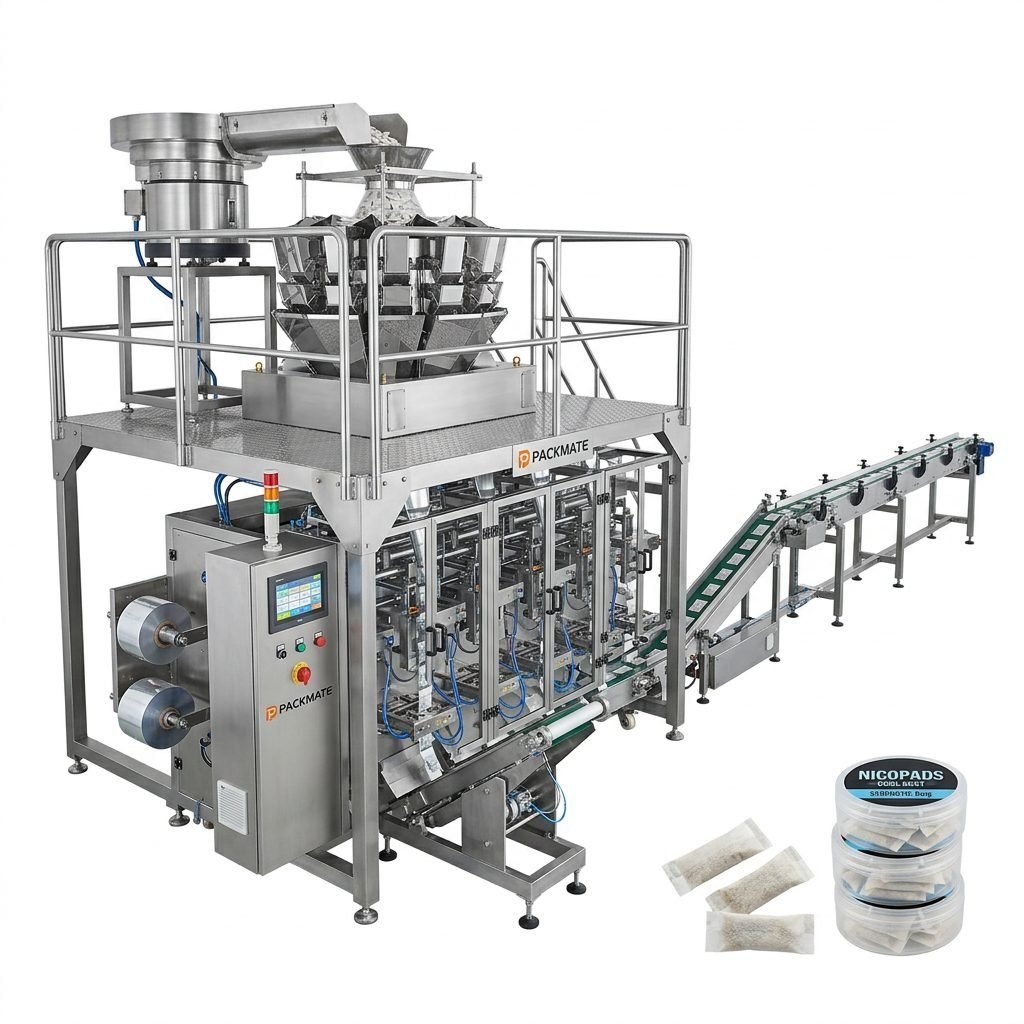
There are several proven machine platforms for nicotine pouch and snus packaging:
– Stick pack and sachet systems for single-dose pouches.
– Multi-lane pouch machines for high-throughput small-dose production.
– Full filling and packaging lines for combinations of weighing, filling, and final pack-out.
When evaluating models, pay attention to stability at high speeds and accuracy for small-dose products.
Where to Explore Trusted Machine Lines
For detailed product ranges and technical specs check manufacturers’ product pages such as:
Snus & Nicotine Packaging Machines,
Bag & Pouch Packaging Machines, and
Sachet & Stick Pack Machines.
Evaluate Manufacturer Experience & Track Record
Look for manufacturers with proven experience in nicotine pouch packaging and robust engineering backgrounds. A company with decades of R&D and a wide model range demonstrates maturity in design and problem-solving. Packmate Snus Machine, for example, highlights more than 30 years of engineering experience and a broad set of machine types—important when seeking long-term collaboration.
Ask for case studies and references from similar installations. A supplier who can show installations across Europe, Asia, and the Americas indicates consistent export capability and knowledge of varied regulatory environments.
Quality Control, Certifications & Compliance
International certifications like CE and ISO are indicators of manufacturing quality and safety processes. For manufacturers exporting to Namibia, ensure the machinery adheres to global safety standards and that the supplier provides clear documentation for customs and local compliance checks.
Tip: request copies of certificates and factory test reports (FAT) before shipment. This saves time during import and commissioning in Namibia.
After-sales Support, Spare Parts & Training
After-sales service is critical in Namibia, where the nearest OEM support centers may be overseas. Prioritize manufacturers who offer:
– Comprehensive on-site commissioning and operator training.
– Ready supply of spare parts and clear parts lists.
– Remote diagnostic support and spare parts shipping options to Walvis Bay or Windhoek. ✅
Manufacturers that provide local partnerships, authorized service agents, or clear logistics plans will reduce downtime and operating risk.
Customization & Turnkey Solutions
Nicotine product lines often need custom solutions—special filling heads, humidity control, or bespoke feeding systems. A supplier that offers turnkey production lines including weighing, filling, pouch making, and secondary packaging can drastically reduce project management overhead. Learn whether the manufacturer can design to your specifications and whether they offer pilot runs or small-batch testing prior to full deployment.
For a wide range of integrated systems, review manufacturers’ line offerings such as
Weighing & Packaging Systems
and
Filling & Packaging Lines.
Cost vs ROI: Look Beyond the Purchase Price
The lowest quote rarely equates to best value. Calculate total cost of ownership including energy consumption, spare part costs, expected downtime, and operator training. Machines with higher initial investment but better reliability and lower scrap rates can provide faster ROI.
Important: request OEE (Overall Equipment Effectiveness) data from the manufacturer for similar installations to estimate realistic throughput and losses.
Logistics, Import & Local Regulations in Namibia
Namibia’s major import gateway is the Port of Walvis Bay. Plan shipping, customs clearance, and inland transport to cities like Windhoek in advance. Ensure the supplier provides all necessary export and compliance documents, including CE/ISO certificates, packing lists, invoices, and FAT reports to clear customs smoothly.
Be mindful of local regulations on nicotine and tobacco-related products. While this guide does not constitute legal advice, work with local legal counsel or consultants to confirm labeling, advertising, and distribution rules. Local language preferences (English is official, many Namibians also speak Afrikaans and Oshiwambo) may affect label design and documentation.
Site Preparation: Utilities, Climate & Installation
Prepare your facility for machine installation: confirm electrical supply, compressed air quality and pressure, chilled water or humidity control if required, and adequate floor loading capacity. Namibia’s arid and hot climate can increase static and dehydration of hygroscopic product—look for environmental controls and dust mitigation strategies on your machine.
Consider factory layout for material flow, maintenance access, and future expansion. Request detailed installation drawings and utility requirements from the manufacturer in advance.
Factory Audits, FAT & Acceptance Testing
Conduct a factory acceptance test (FAT) before shipment. A proper FAT should include full-speed runs with your product or a close simulation, verification of dosing accuracy, packaging integrity tests, and operator training. If possible, visit the manufacturer’s factory or ask for a live demonstration at an exhibition. Packmate often participates in global exhibitions where live demos can be viewed; see their exhibition details for schedules.
If on-site visits are not feasible, request video demonstrations and recorded performance logs for similar projects.
Communication, Contracts & Commercial Terms
Negotiate clear commercial terms: delivery timeline, warranty coverage, spare parts list and lead times, training scope, penalties for late delivery, and acceptance criteria. Ask for a comprehensive contract that covers intellectual property, confidentiality, and service level agreements. Clarify payment terms and shipping responsibilities (INCOTERMS).
Local Partnerships & Supplier Reputation
In Namibia it helps to work with suppliers who have experience serving African markets and can provide references or local agents. A reliable manufacturer will have documented global cases and clear contactable references—review their case studies and customer testimonials online for confidence.
For more information about company background and service offerings, see
About Packmate
and their Case pages.
Final Checklist Before You Buy
Quick Buy Checklist:
✔ Confirm model suits your pouch format and throughput needs.
✔ Verify CE/ISO and request FAT reports.
✔ Confirm spare parts availability and lead times for shipments to Namibia.
✔ Agree on installation, commissioning, and training scope.
✔ Validate warranty terms and remote support capabilities.
✔ Plan for customs, port handling at Walvis Bay, and in-country transport.
Why Manufacturer Selection Matters for Namibia
In a market like Namibia where logistics, service access, and regulatory clarity can introduce friction, choosing a manufacturer with strong export experience, clear documentation, and dependable after-sales support is essential. Organizations that partner with experienced OEMs reduce commissioning risk, improve product consistency, and accelerate time-to-market across Southern African distribution channels.
Next Steps & Useful Resources
Reach out for quotations with a clear scope of work and sample product specifications. Request references, FAT data, and a full proposal including spare parts lists. For additional support, manufacturers typically provide catalogs, FAQs, service pages and direct contact options—explore resources like their
Catalog,
FAQs, and
Contact Us
pages to begin the conversation.
Conclusion
Selecting the best nicotine packaging machinery manufacturer for Namibia involves a balance of technical fit, supplier reliability, and logistical planning. Prioritize manufacturers with proven nicotine packaging experience, strong quality systems, and robust after-sales support. Prepare your site carefully, verify documentation for customs and compliance, and secure clear commercial terms. With the right partner, you can establish a resilient production line that serves both local and regional markets.
Frequently Asked Questions
Q1: What documents will I need to import packaging machinery into Namibia?
Generally you will need commercial invoices, packing lists, certificates of origin, CE/ISO certificates, FAT reports, and any product-specific compliance documents. Work with your freight forwarder and the supplier to ensure complete paperwork for customs clearance at Walvis Bay.
Q2: How important is local after-sales support for nicotine packaging lines?
Very important. Quick access to spare parts, remote diagnostics, and trained technicians reduces downtime. If a manufacturer lacks local presence, ensure they offer fast spare parts shipping and remote support options.
Q3: Should I buy a single-lane or multi-lane machine for a Namibian operation?
It depends on your volume and SKU mix. Multi-lane machines offer higher throughput and efficiency for mass production, while single-lane or modular systems provide flexibility for multiple SKUs and smaller batches common in local or niche markets.
Q4: How can I verify a manufacturer’s claims if I cannot visit their factory?
Ask for recorded FATs, live video demonstrations, client references with contact details, and detailed technical documents. Reputable suppliers will provide transparent test data and customer testimonials.
Q5: What local considerations should I keep in mind for packaging design in Namibia?
Consider durable materials suited for arid heat and UV exposure, clear labeling in English (and optionally Afrikaans or local languages), and robust seals to prevent product degradation during inland transport. Also confirm compliance with Namibian labeling and advertising rules for nicotine products.