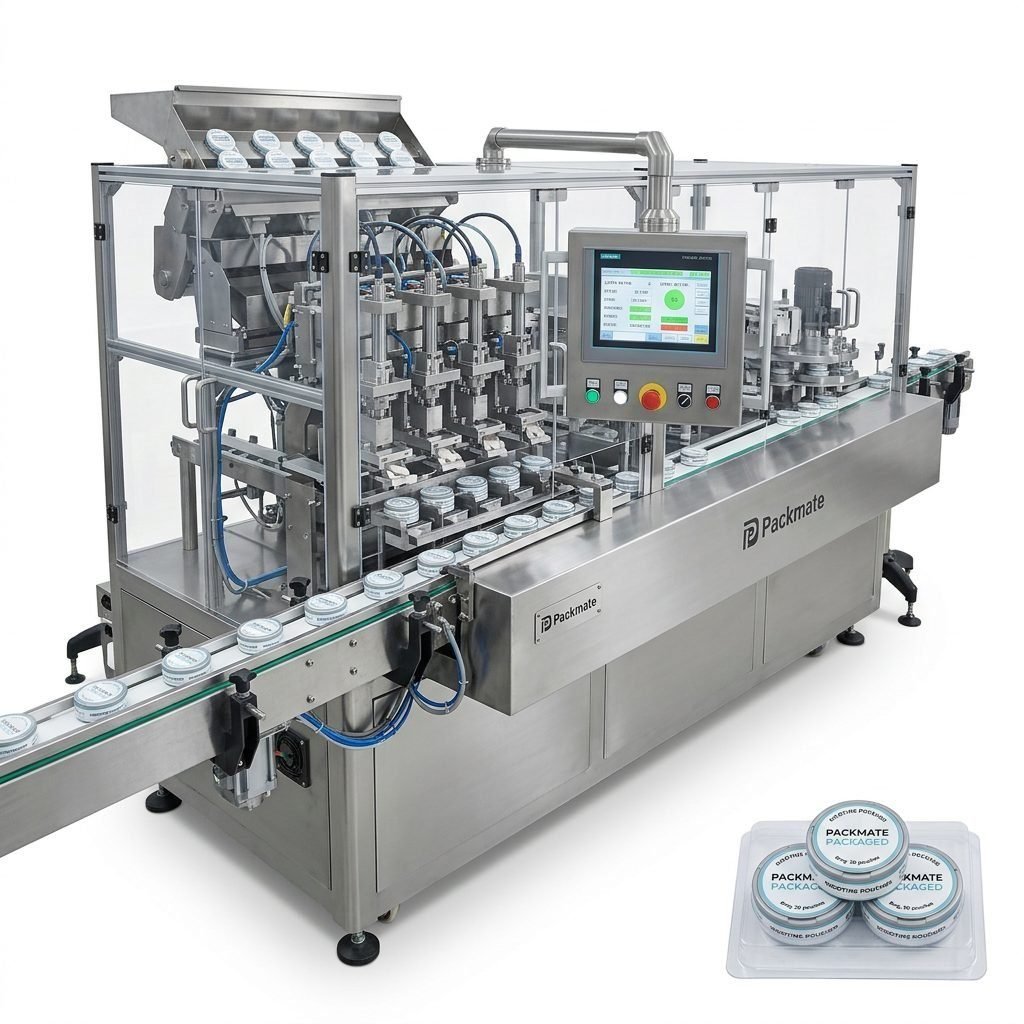
For Rwandan businesses entering or expanding in the snus and nicotine pouch market, choosing the right packaging machine manufacturer is a strategic decision that affects quality, compliance, and long‑term profitability. This guide lays out practical criteria and local considerations you should use to evaluate suppliers and select the best snus packaging machine manufacturer for your operations in Rwanda.
Understand Rwanda’s Market & Cultural Context
Rwanda is a country with evolving consumer patterns and strict public health attitudes. While traditional tobacco consumption exists, the market for new oral nicotine formats such as snus and nicotine pouches is shaped by regulatory controls, import rules, and a growing emphasis on health-conscious consumers. Before investing in machinery, confirm local regulations, allowable product ingredients, labeling rules, and import duties so your production line complies from day one.
Why Manufacturer Choice Matters
Selecting a manufacturer is not just about the machine price. It impacts production uptime, batch consistency, product safety, and the ability to scale. Look for a supplier with deep packaging experience, proven systems for snus/nicotine pouch production, and reliable global references.
🔎 Key reminder: A supplier with relevant turnkey experience can save months in commissioning and ensure regulatory documentation is in place.
Checklist: Technical & Production Criteria
Use this practical checklist when you assess potential manufacturers. Each point influences daily operations and product quality.
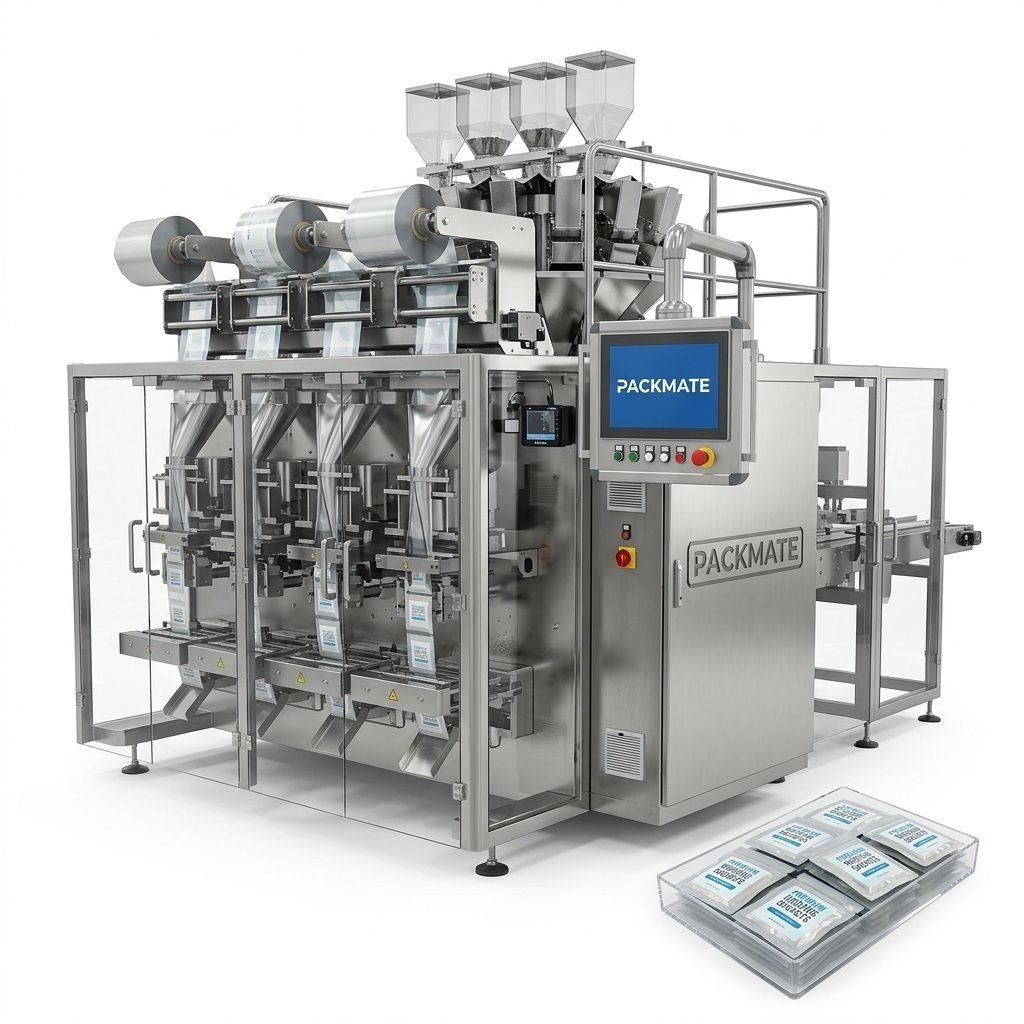
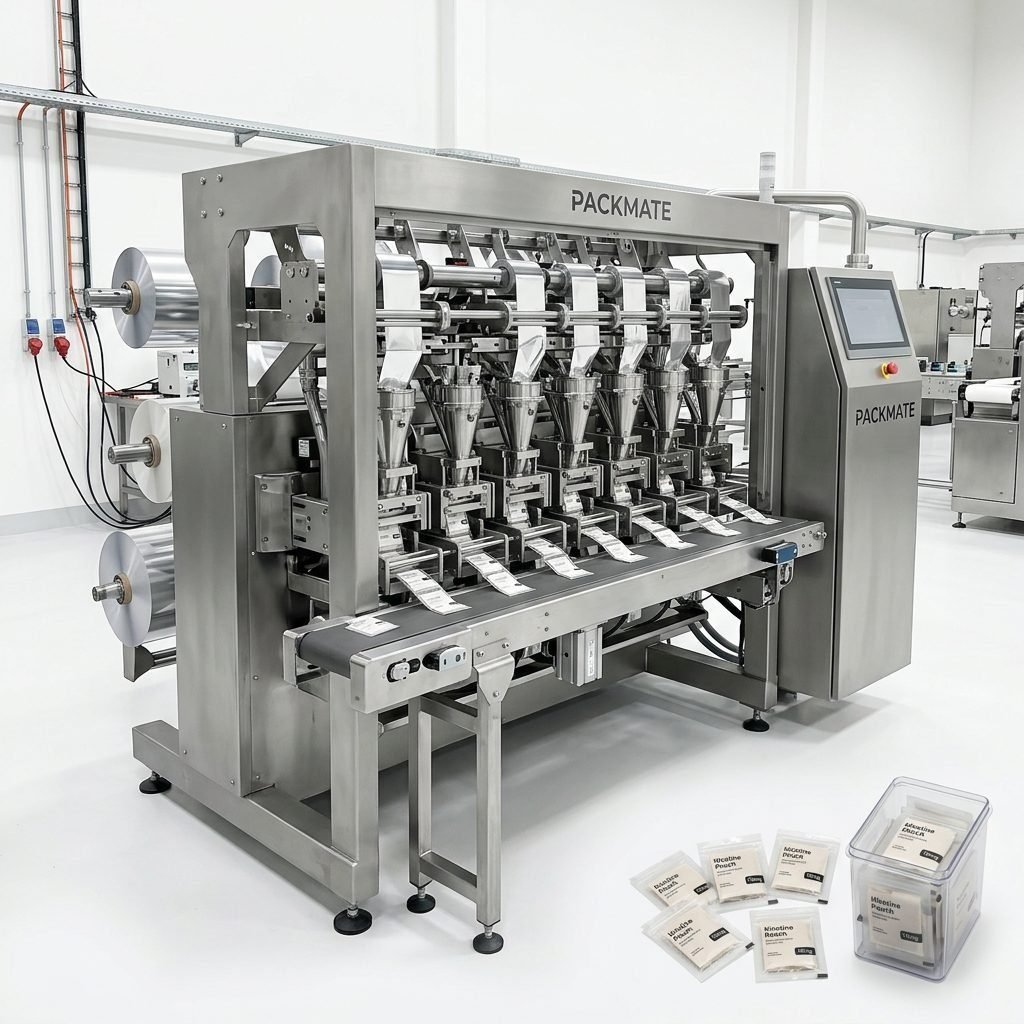
✅ Production capacity fit: Can the machine handle your planned daily output and seasonal peaks? Choose scalable solutions such as multi‑lane systems that enable incremental capacity increases without a full equipment replacement.
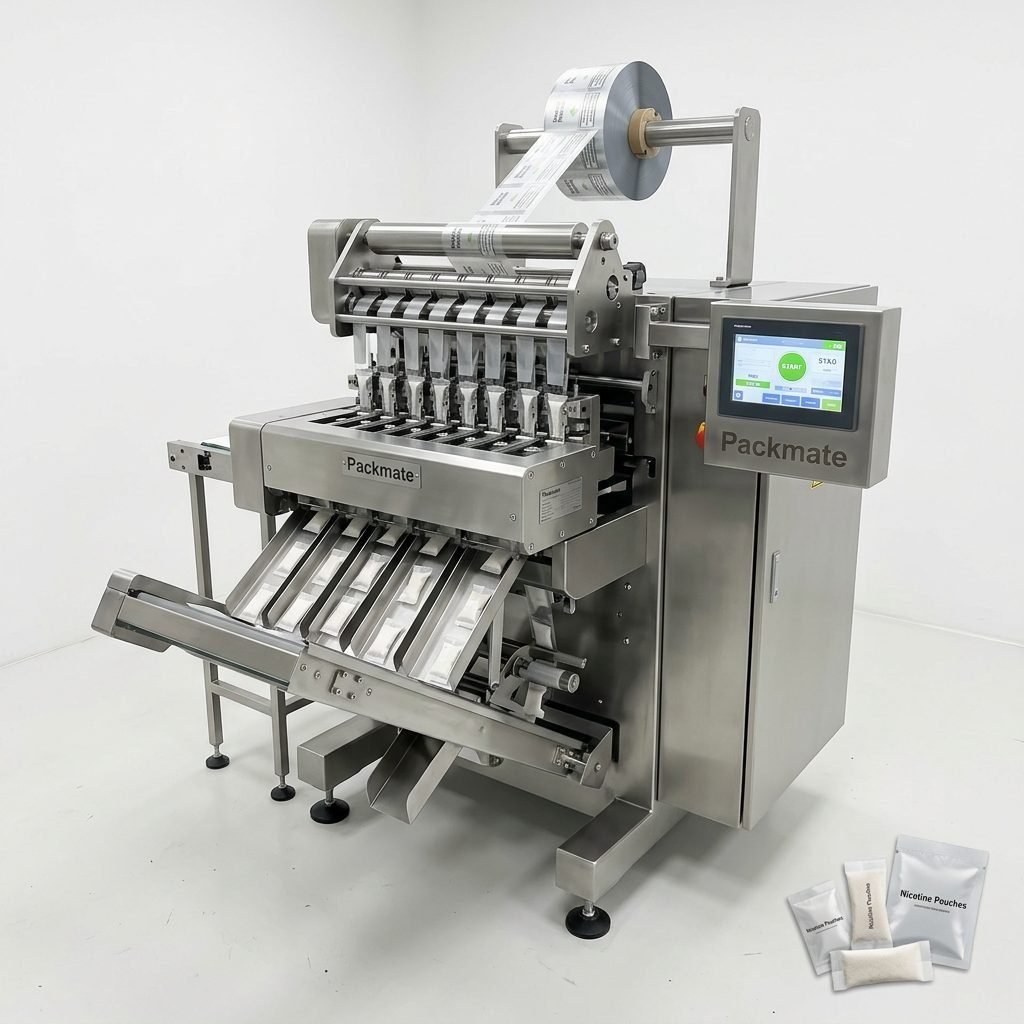
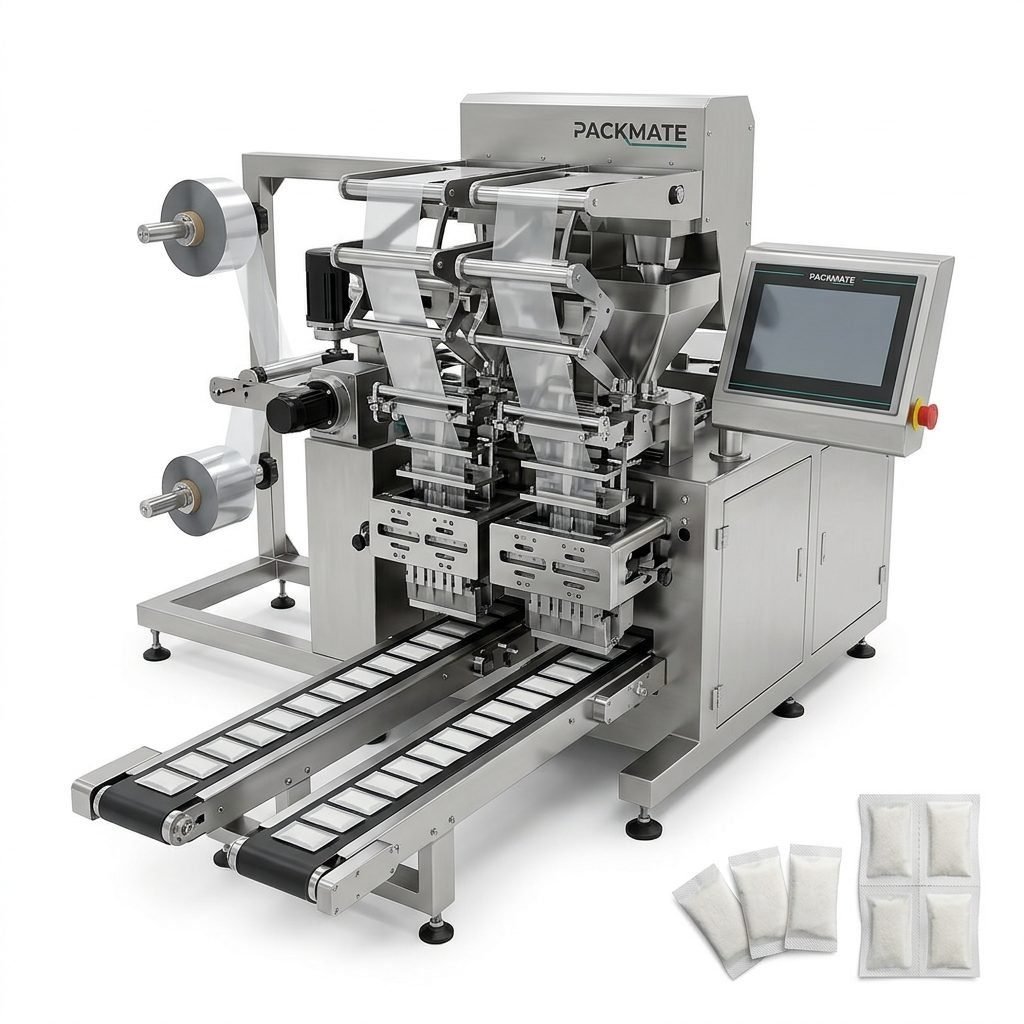
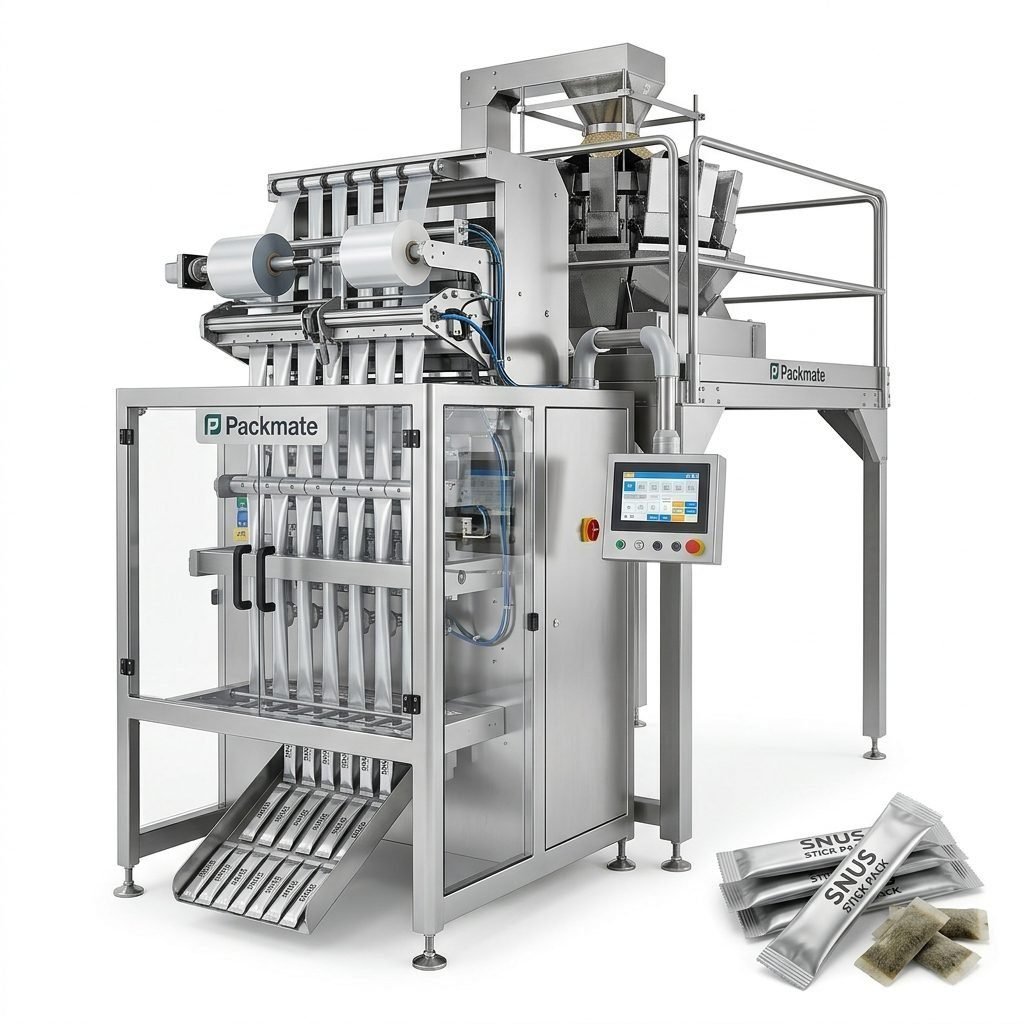
✅ Format flexibility: Look for equipment that supports various pouch sizes and formats (stick pack, sachet, or nicotine pouches). Machines that adapt to different sachet widths or single‑dose pouches lower long‑term changeover costs.
✅ Weighing and dosing accuracy: For nicotine pouches, dose precision is essential for safety and compliance. Prioritize systems with integrated weighing and electronic dosing control.
✅ Material compatibility: Confirm compatibility with your chosen pouch materials and barrier films; some nicotine pouches require specific laminates to preserve freshness.
Quality, Certification & Factory Strength
A manufacturer’s factory capabilities often determine product reliability and long service life. Inspect or request documentation on CNC machining centers, assembly lines, and quality testing systems. International certifications such as CE and ISO are strong indicators that machines meet global safety and quality standards.
🔧 Example manufacturer strength: 20,000㎡ plant, advanced CNC centers, and a portfolio of 50+ machine models indicates capacity to customize and produce robust equipment.
Service, Spare Parts & Local Support
After‑sales support is critical in Rwanda where on‑site technical help may not always be immediate. Ask about:
📦 Spare part availability and lead times — ensure common wear parts are stocked or shipped quickly.
🛠 Remote diagnostics and training — many manufacturers offer remote commissioning to accelerate startup and reduce travel costs.
🤝 Local partners and agents — a regional service presence or trained local technicians reduces downtime and shipping delays for consumables.
Customization & Turnkey Solutions
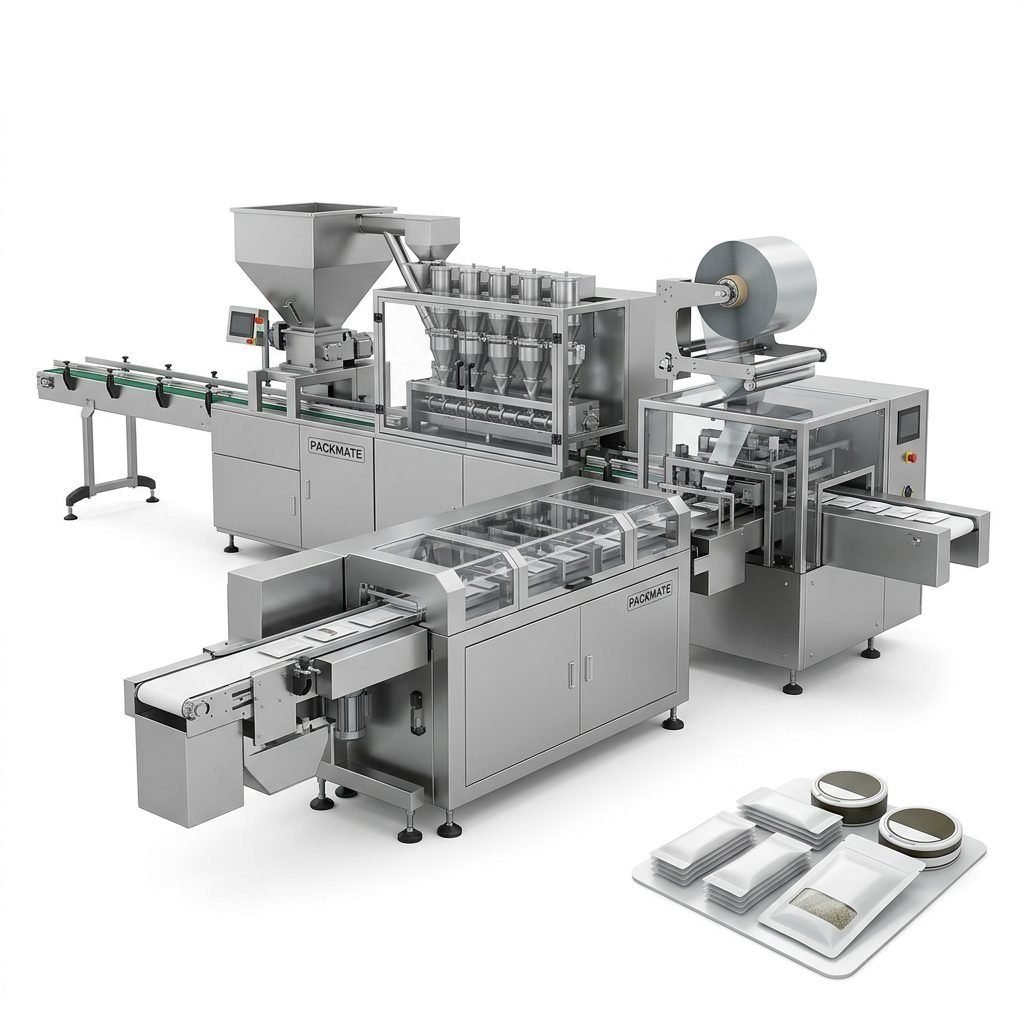
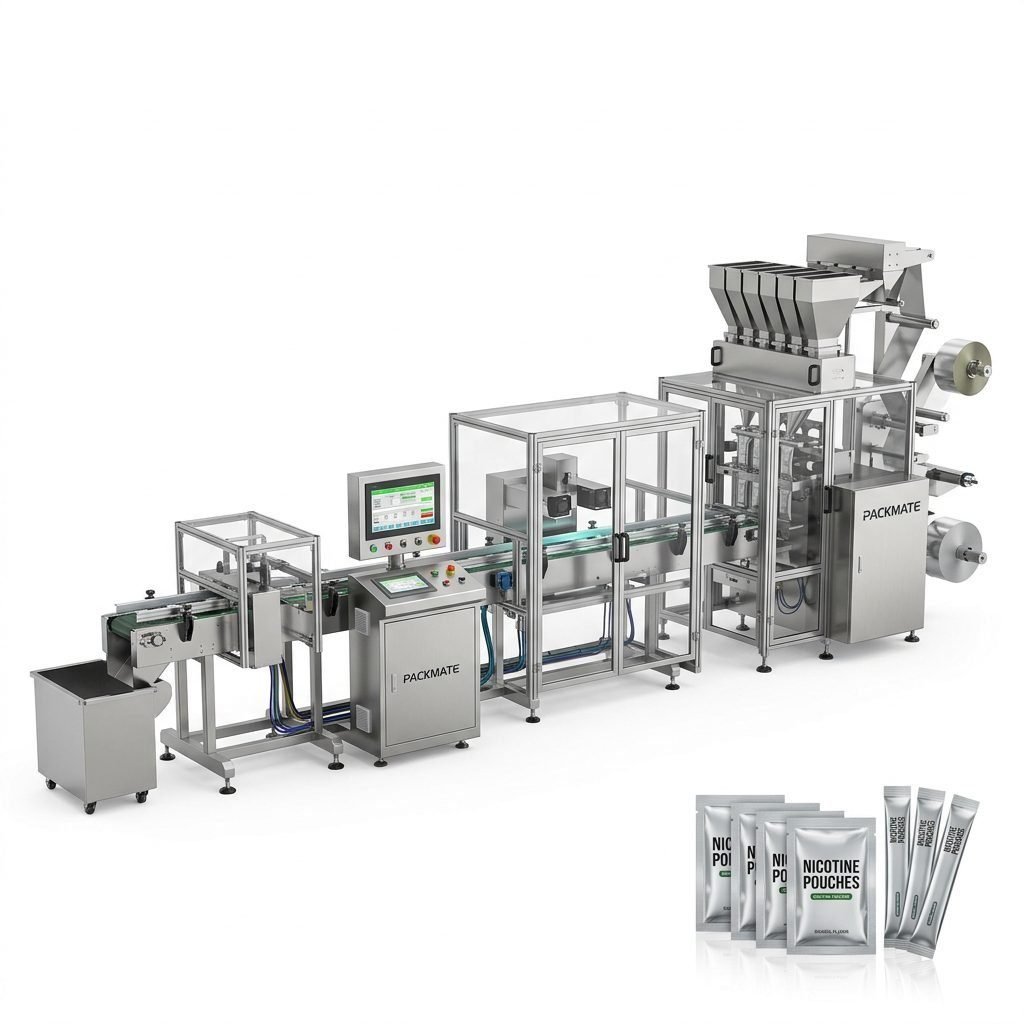
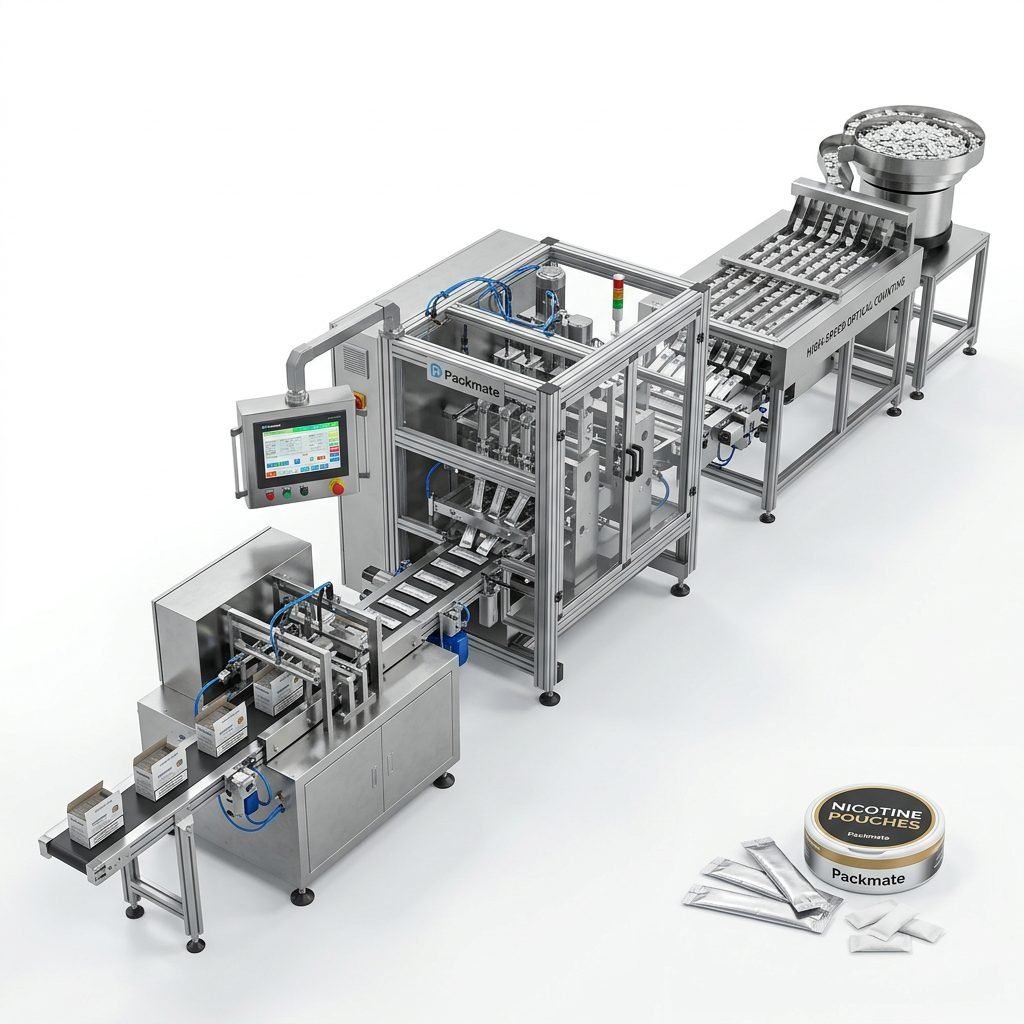
For businesses in Rwanda, turnkey solutions that include filling, weighing, sealing, and secondary packaging streamline regulatory paperwork and reduce the need for multiple vendors. Prioritize manufacturers who provide full lines — from dosing to case packing — and can deliver functional layouts and FAT (Factory Acceptance Testing).
Visit concrete product pages for technical matching: Snus & Nicotine Packaging Machines, Sachet & Stick Pack Machines, and Weighing & Packaging Systems.
Regulatory Compliance & Documentation
Compliance is non‑negotiable. Manufacturers should provide compliance documentation, material safety data sheets (MSDS), machine CE/ISO certificates, and documentation for hygienic design. In Rwanda, engage with local authorities early to understand labeling and import paperwork so the supplier can prepare compliant technical files.
📄 Ask for a full documentation pack including wiring diagrams, PLC/HMI manuals, spare parts list, and recommended preventive maintenance schedules.
On‑Site Installation, Training & Commissioning
The supplier’s willingness to provide on‑site commissioning and operator training is a major advantage. For operations in Rwanda, plan for:
✅ Pre‑shipment FAT to verify machine performance before it leaves the factory.
✅ Detailed on‑site installation with qualified technicians and initial batch trials to validate recipes and seal integrity.
✅ Operator and maintenance staff training, preferably with in‑person sessions and digital resources for future reference.
Practical Procurement & Negotiation Tips
When negotiating, include service clauses in the contract: defined response times, spare part warranties, and acceptance criteria for performance. Consider total cost of ownership — initial price, shipping, customs duties, installation fees, and spare part costs.
If possible, request machine references or case studies relevant to snus production. Review global clients and exhibition demonstrations to gauge reliability. Check manufacturer profiles and cases such as Case studies and company background on About Packmate.
Costing & Return on Investment
Balance machine cost with throughput, yield improvements, and waste reduction. High‑precision equipment that minimizes weight variance and rejects delivers better ROI for nicotine pouch production. Ask vendors for sample cost models showing expected payback periods based on realistic production schedules.
💡 Pro tip: A faster multi‑lane system may cost more upfront but can reduce per‑pouch cost by increasing throughput without proportional increases in labor.
Local Logistics & Aftermarket Strategy in Rwanda
Ensure the supplier can coordinate international shipping, customs clearance, and inland transport to Rwandan industrial zones. Discuss spare parts consignment options and local stocking to avoid long downtime. Consider training a local technician as your in‑house expert and negotiate discounted remote support packages.
Selecting a Trusted Manufacturer: Final Selection Steps
1. Shortlist vendors with proven snus packaging experience and solid factory capabilities.
2. Request technical proposals, detailed BOMs, and FAT schedules.
3. Compare lifecycle costs and service agreements.
4. Negotiate clear warranty terms, spare part lead times, and training commitments.
5. Finalize with a pilot acceptance plan and KPI benchmarks for production startup.
If you need turnkey lines or specialized snus packaging machines, review product categories such as Filling & Packaging Lines and explore auxiliary equipment to automate upstream and downstream processes: Auxiliary Packaging Equipment.
Making the Decision: Practical Summary
✅ Choose a manufacturer with: snus-specific experience, CE/ISO certifications, robust factory capabilities, turnkey line delivery, and reliable after-sales support.
For further details or to discuss tailored solutions for Rwanda, contact the manufacturer directly through their service channels and request a detailed proposal and timeline for delivery and commissioning. See the company service page for direct support: Service and Contact Us.
Frequently Asked Questions
Q1: How do I verify a manufacturer’s snus packaging experience?
A1: Request case studies, FAT videos, and client references. Verify they have delivered multi‑lane or pouch‑specific lines and ask to see sample production outputs.
Q2: What certifications should I expect?
A2: Minimum CE and ISO certifications for machinery safety and quality. Also request material compliance documentation and sanitary design evidence.
Q3: How long does installation and commissioning typically take?
A3: Typical on‑site commissioning ranges from a few days for single machines to several weeks for full lines (including staff training and trial runs). Plan for shipping and customs timelines when scheduling.
Q4: Are spare parts and consumables easy to source?
A4: Reliable manufacturers provide spare parts lists, recommended stocking levels, and fast shipping or local stocking options. Confirm lead times and bulk purchase discounts.
Q5: Can machines be customized for local packaging preferences?
A5: Yes — established suppliers design modular machines and full lines to meet local format preferences, regulatory labeling, and material choices. Always request detailed engineering drawings and changeover procedures.