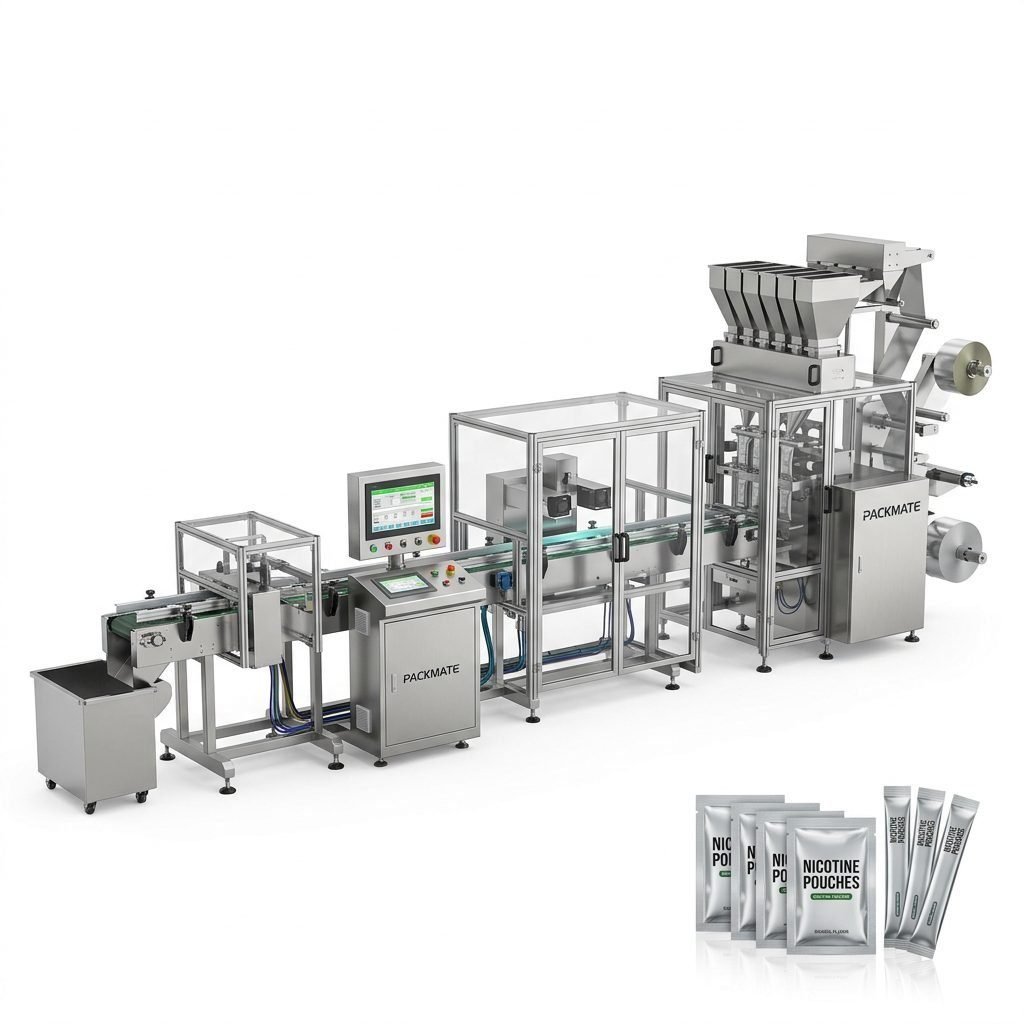
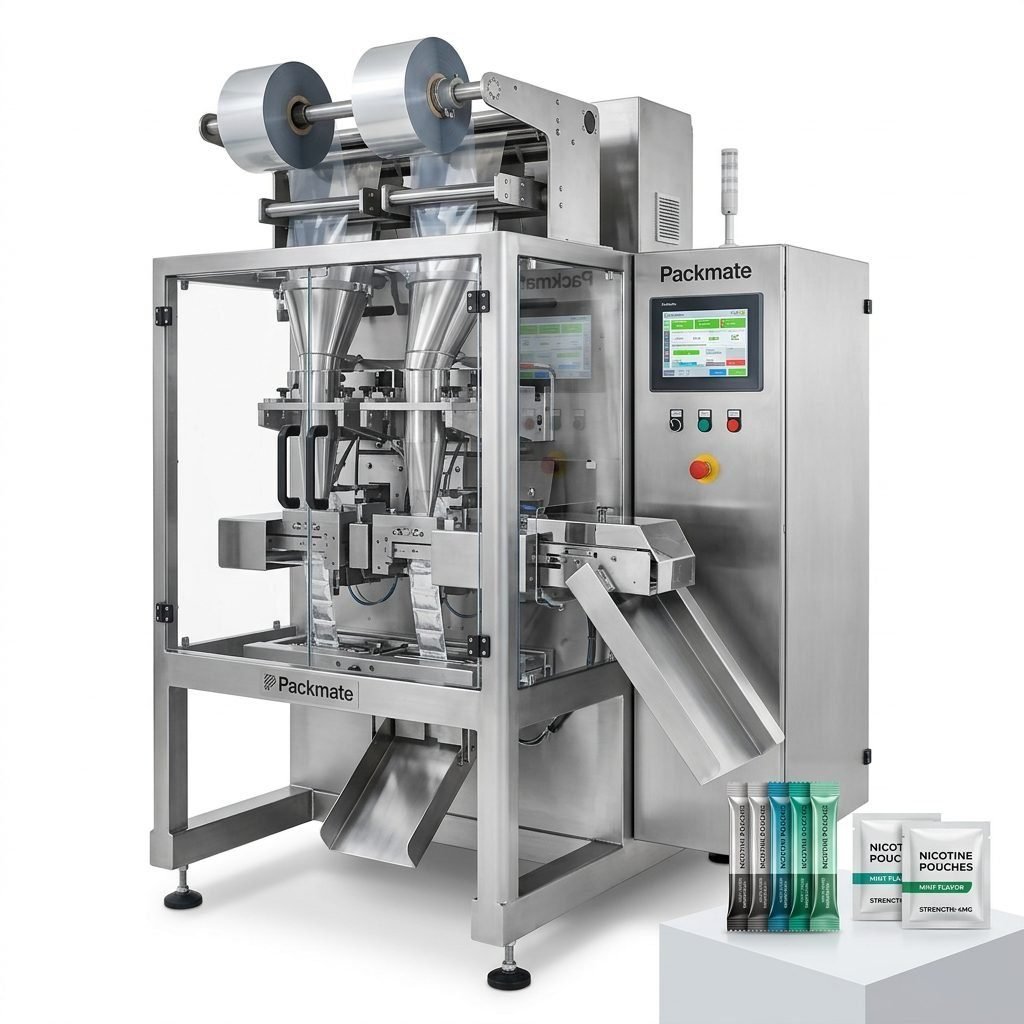
Entering the Myanmar nicotine pouch and snus market requires careful partner selection. Choosing the right packaging machinery supplier is one of the most impactful decisions for your factory’s productivity, compliance, and long-term growth. This guide breaks down practical steps, local considerations, and negotiation tips so you can confidently select a supplier who delivers performance, support, and value.
Understand Your Product & Capacity Needs
Start by defining the product formats you will produce: nicotine pouches, snus cans, sachets, stick packs, or multi-lane small-dose pouches. Match those formats to line speed and daily throughput goals. For example:
- Target packs per minute and hourly throughput
- Pouch sizes, materials, and barrier requirements
- Filling accuracy for small-dose nicotine pouches
- Integration with weighing and feeding systems
- Future scalability (multi-lane upgrades)
Why Choose an Experienced Supplier
In Myanmar, equipment reliability matters even more due to logistics lead times and limited local parts availability. Suppliers with decades of engineering experience will typically provide:
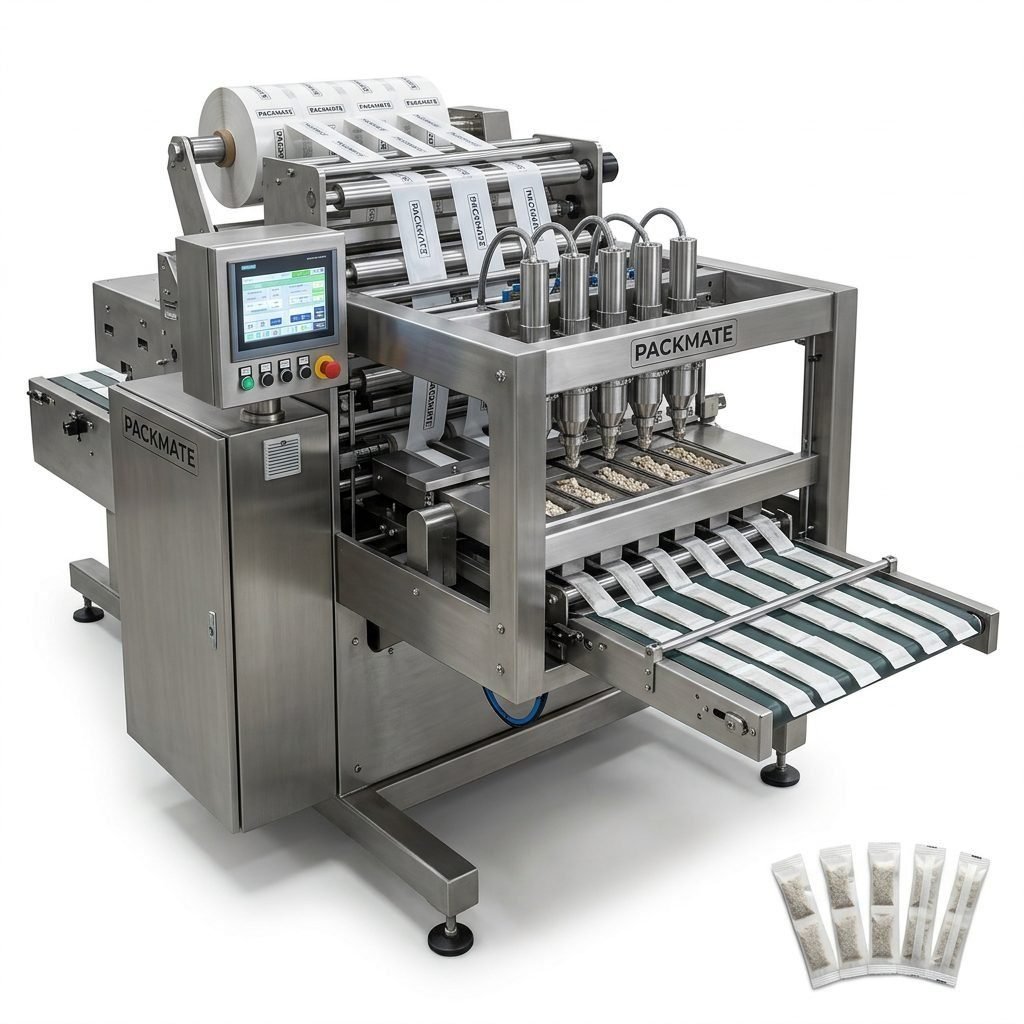
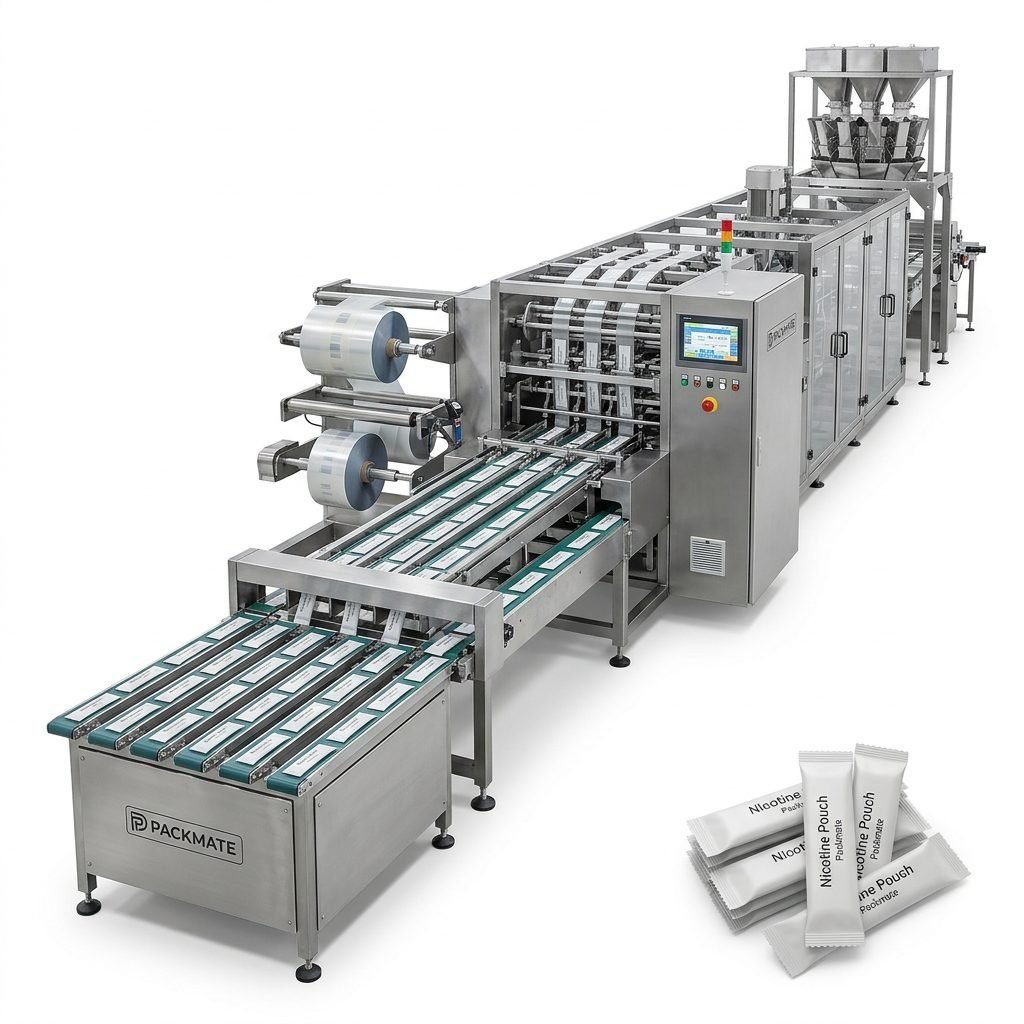
✅ Proven multi-lane snus and nicotine packaging lines that handle delicate, low-dose pouches.
✅ CE & ISO compliance to help with international customers and regulatory scrutiny.
✅ On-site commissioning and operator training programs to get production running quickly.
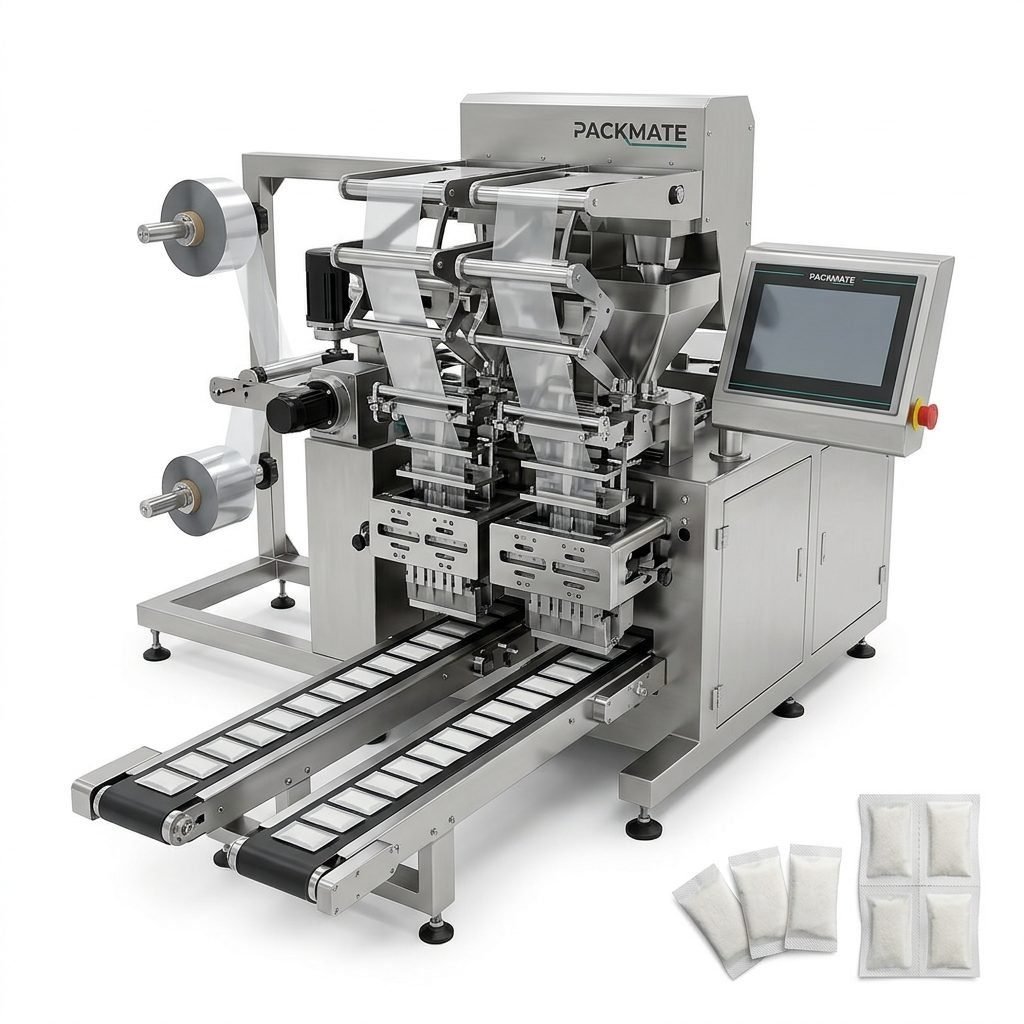
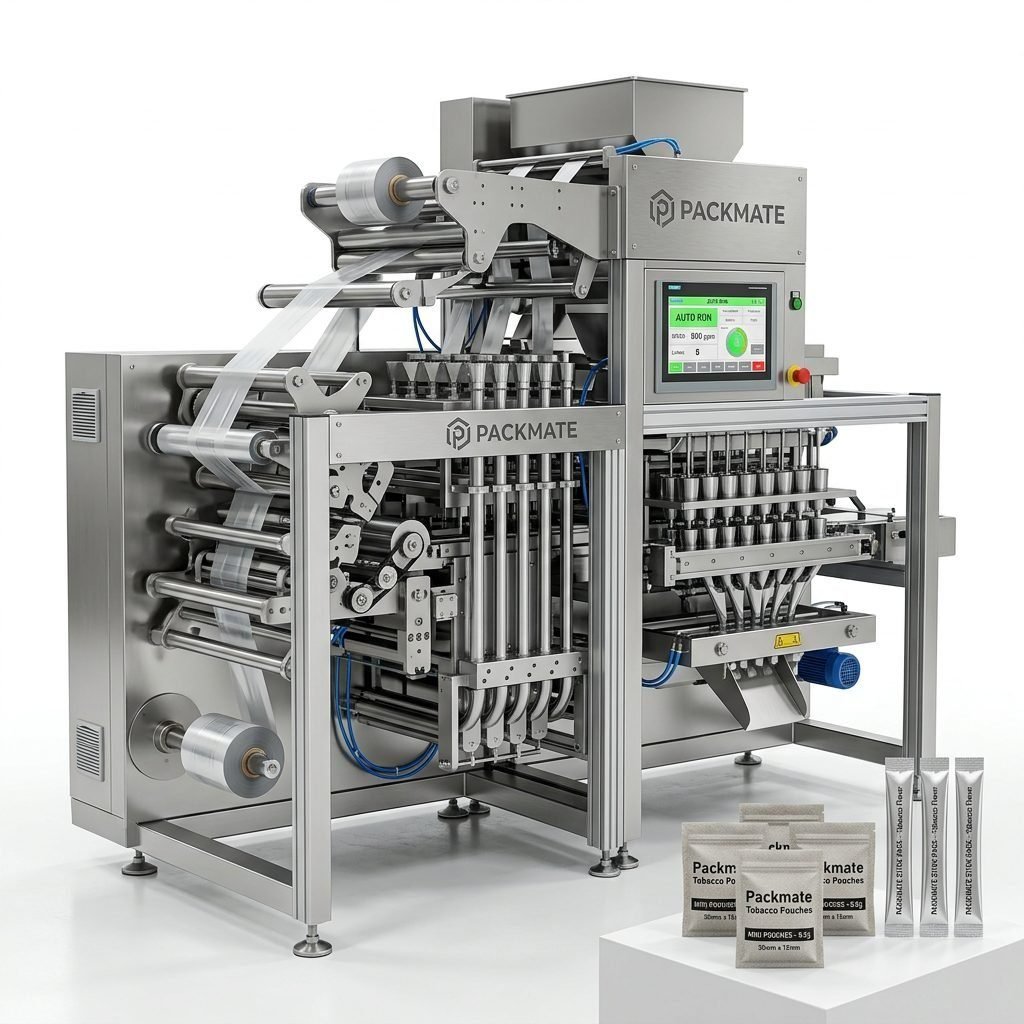
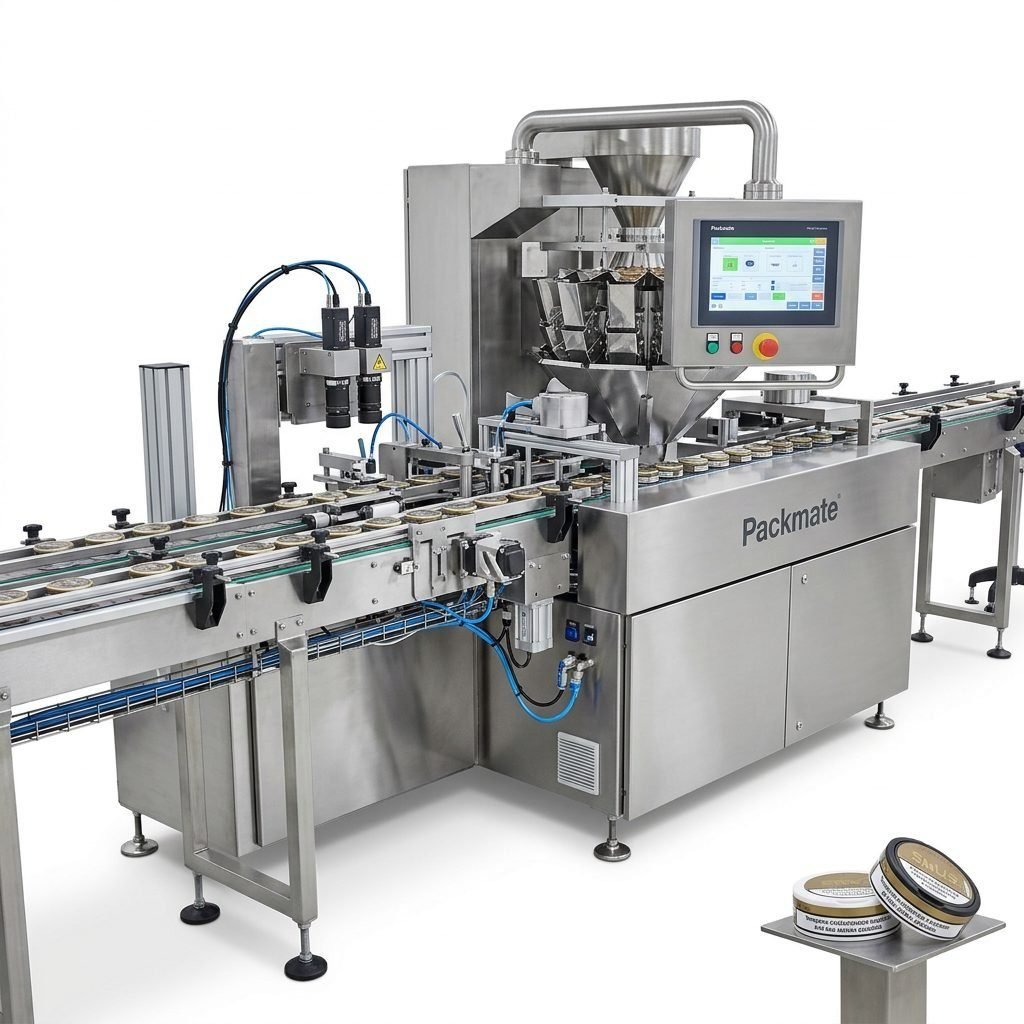
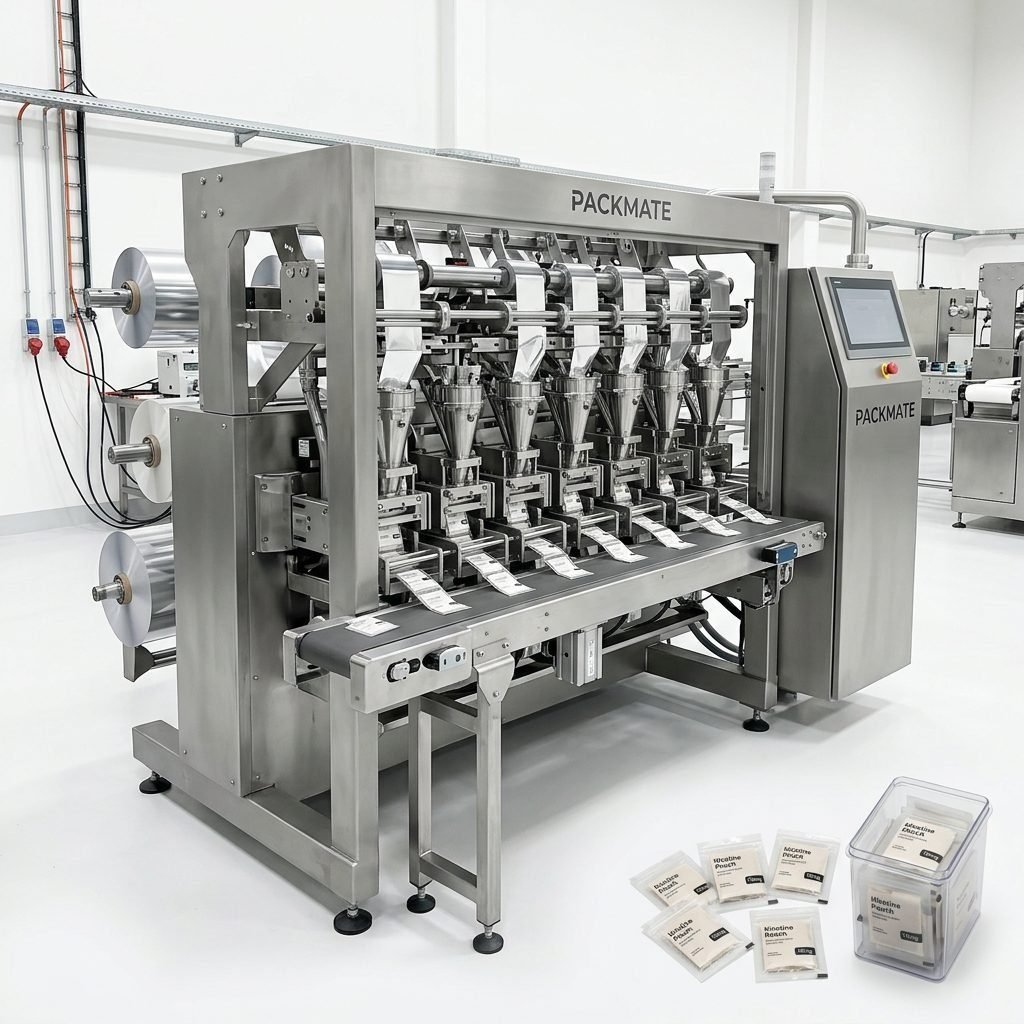
Example: Packmate Snus Machine
A supplier such as Packmate provides specialized machines for snus and nicotine pouches, backed by 30+ years of packaging experience and a full factory capability. Learn more about their dedicated product lines here:
Snus & Nicotine Packaging Machines,
Bag & Pouch Packaging Machines,
About Packmate.
Evaluate Technical Compatibility
When you assess machines, check these technical aspects carefully:
- Filling accuracy (important for regulated nicotine dosing)
- Servo vs. pneumatic actuation for consistent pouch forming
- Material handling for different film laminates and barrier layers
- Changeover time between SKUs
- Compatibility with upstream weighers and downstream cartoning lines
Support, Spare Parts & Local Service
In Myanmar, quick access to spare parts and knowledgeable technicians reduces downtime. Consider:
🔧 Local stocking options: Ask whether the supplier keeps critical parts in a regional warehouse or partners with a local agent to ship fast. If not, review lead times and shipping options.
Also ask about remote diagnostics, preventive maintenance schedules, and whether operator training is included with installation.
Quality, Compliance & Documentation
Regulatory and export compliance are essential. Ensure the supplier provides full documentation:
- CE/ISO certificates and test reports
- Electrical schematics, PLC logic descriptions, and user manuals in English (and Burmese if possible)
- SOPs for cleaning and validation for nicotine-related products
Factory Acceptance & Trials
A Factory Acceptance Test (FAT) or video demonstration is critical before shipment. During FAT:
- Run your actual materials and formulations — not just the vendor’s film samples.
- Verify dosing accuracy at production speeds.
- Record changeover time and cleaning procedures.
Tip:
⚠️ Arrange a FAT window that allows for minor tuning. If you cannot visit the factory, insist on a comprehensive video FAT with time-stamped tests and raw data reports.
Logistics, Import Duties & Local Regulations in Myanmar
Importing large machines into Myanmar needs planning:
- Understand CNF/CIF/FOB terms and who handles customs clearance.
- Account for Customs duties, VAT, and any special permits for nicotine-related equipment.
- Plan for inland transport — road conditions and lifting facilities at your factory influence installation timelines.
Local business practice: building trust with your supplier and logistics partner is crucial — personal meetings and reliable local agents help reduce miscommunication.
Commercial Terms, Warranty & Payment
Negotiate clear commercial terms:
- Staged payments tied to milestones: design approval, FAT completion, shipping, installation.
- A warranty period with defined response times for on-site service.
- Spare parts kits included with machine shipment.
Factory Layout, Utilities & Local Workforce
Ensure your factory can support the equipment:
📦 Check utilities: Confirm stable three-phase power, compressed air quality and pressure, and appropriate ventilation or dust control for dry nicotine products.
Cultural & Business Etiquette in Myanmar
Myanmar has a relationship-driven business culture. Key local norms to respect:
- Personal meetings and introductions matter — invest time in building trust with local partners.
- Language: Burmese is common; provide translated manuals or partner with a local agent if needed.
- Timing around festivals such as Thingyan (Water Festival) can affect lead times — plan shipments and installations outside major holidays.
References, Case Studies & Exhibition Visits
Ask for customer references in similar climates or regional installations. Visiting trade shows or the supplier’s exhibition demos helps you see machines in action:
See real-world examples and case studies: Case and check upcoming demos at Our Exhibition.
Integration with Downstream & Upstream Equipment
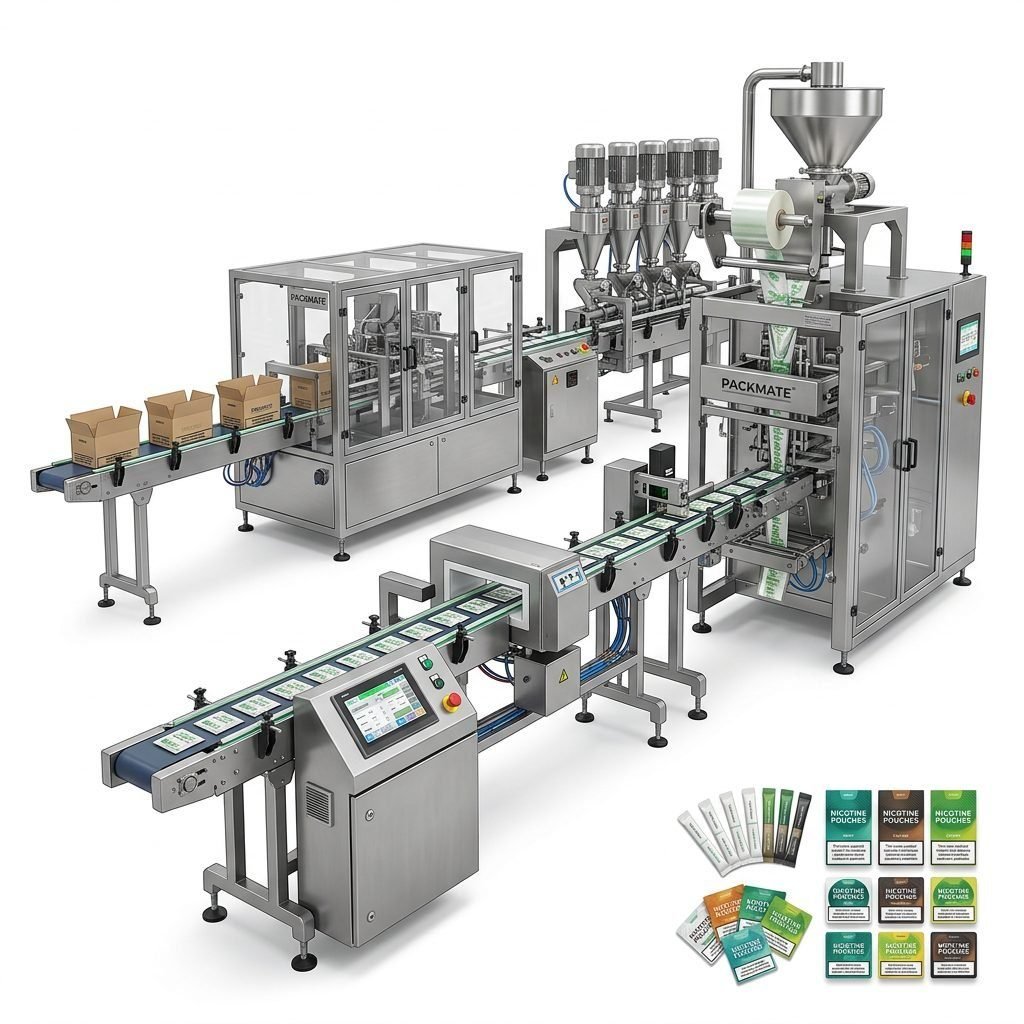
Packaging lines rarely operate standalone. Consider:
- Weighing & feeding systems for precise dosing (Weighing & Packaging Systems).
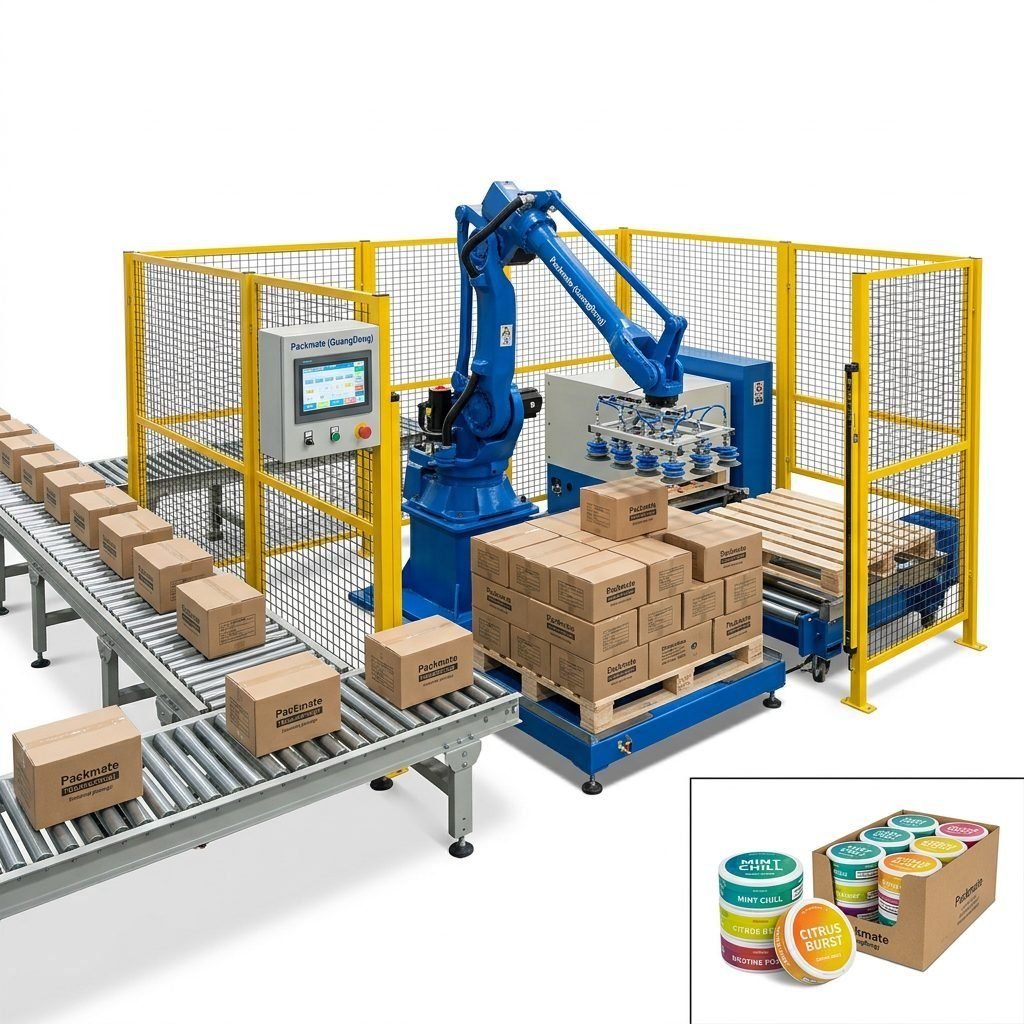
- Integration with cartoners or case packers (Filling & Packaging Lines).
- Auxiliary equipment like conveyors, metal detectors, and labelling units (Auxiliary Packaging Equipment).
Negotiation & Final Selection Checklist
When you shortlist suppliers, use this checklist:
- Verified FAT with your materials and acceptance criteria.
- Clear warranty, spare parts list, and service SLAs.
- Local logistics plan and estimated customs clearance time.
- References in similar industries or markets.
- Training plan for operators and maintenance staff.
Post-Purchase: Getting to Stable Production
After installation, follow a commissioning roadmap: run production validation batches, document SOPs, schedule preventive maintenance, and keep a small critical spare parts inventory onsite to minimize unplanned downtime.
📌 Final advice: Choose a partner who is not only a machine supplier but also a packaging solutions advisor. Long-term collaboration reduces risk, improves product quality, and speeds up market entry.
Further Resources & Contact
For machine catalogues, services, and direct contact details, review the supplier’s pages for specifications and support options: Catalog, Service, and Contact Us.
Frequently Asked Questions
Q1: How long does it take from order to commissioning in Myanmar?
A1: Typical lead times range from 8–20 weeks depending on customization, FAT completion, shipping, and customs processing. Plan extra time around local festivals.
Q2: What warranty and after-sales support should I expect?
A2: A reputable supplier will offer at least a 12-month warranty, spare parts kits, optional extended support contracts, and remote diagnostics. Confirm response times for on-site engineers.
Q3: Do I need a local partner or agent in Myanmar?
A3: While not mandatory, a reliable local agent simplifies customs clearance, translation of documentation, and faster service coordination — highly recommended for first-time importers.
Q4: Can the machines handle multiple pouch materials and sizes?
A4: Most modern multi-lane and stick-pack systems are highly configurable. Always verify changeover times and request a FAT using your exact pouch films and formulations.
Q5: How to ensure compliance for nicotine product packaging?
A5: Work with suppliers who provide CE/ISO documentation, validation support, and clear SOPs for cleaning and dosing control. Local regulatory consultation is recommended to align with Myanmar import and labeling rules.