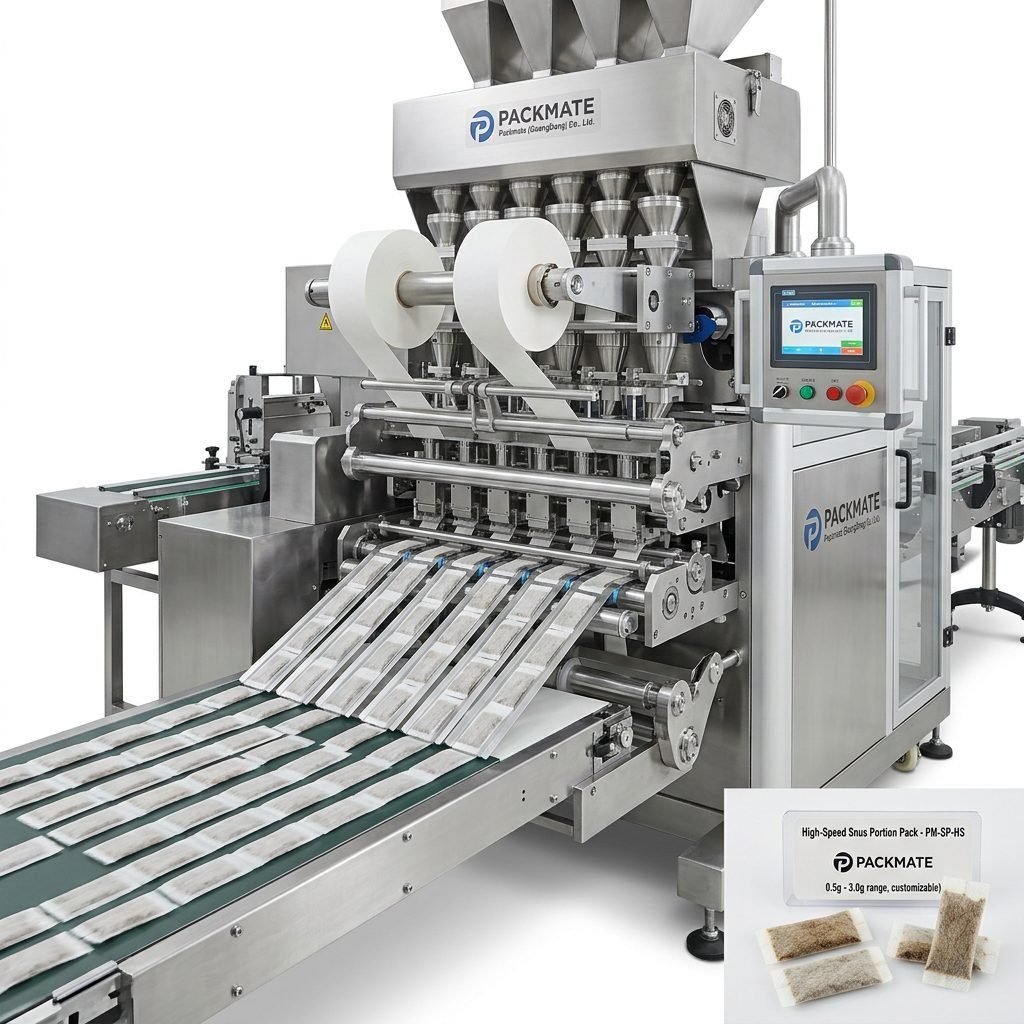
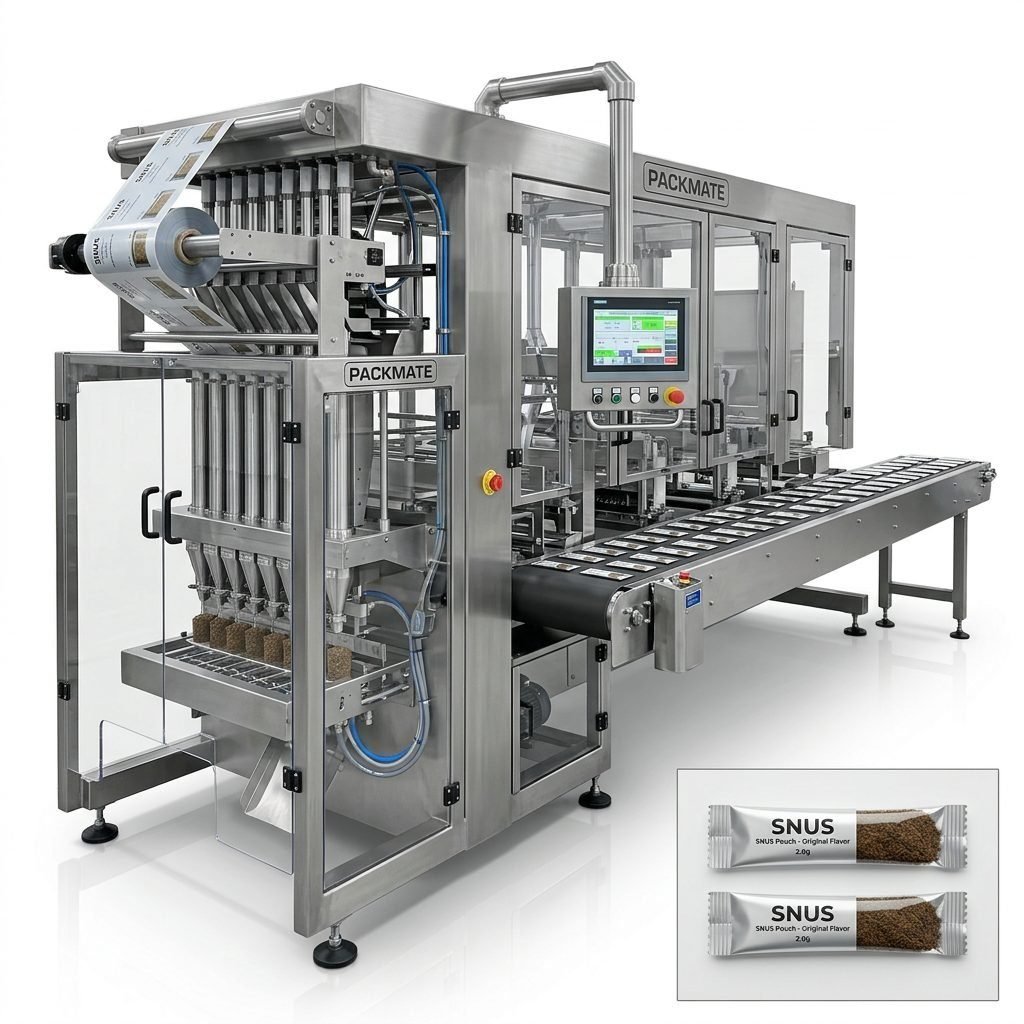
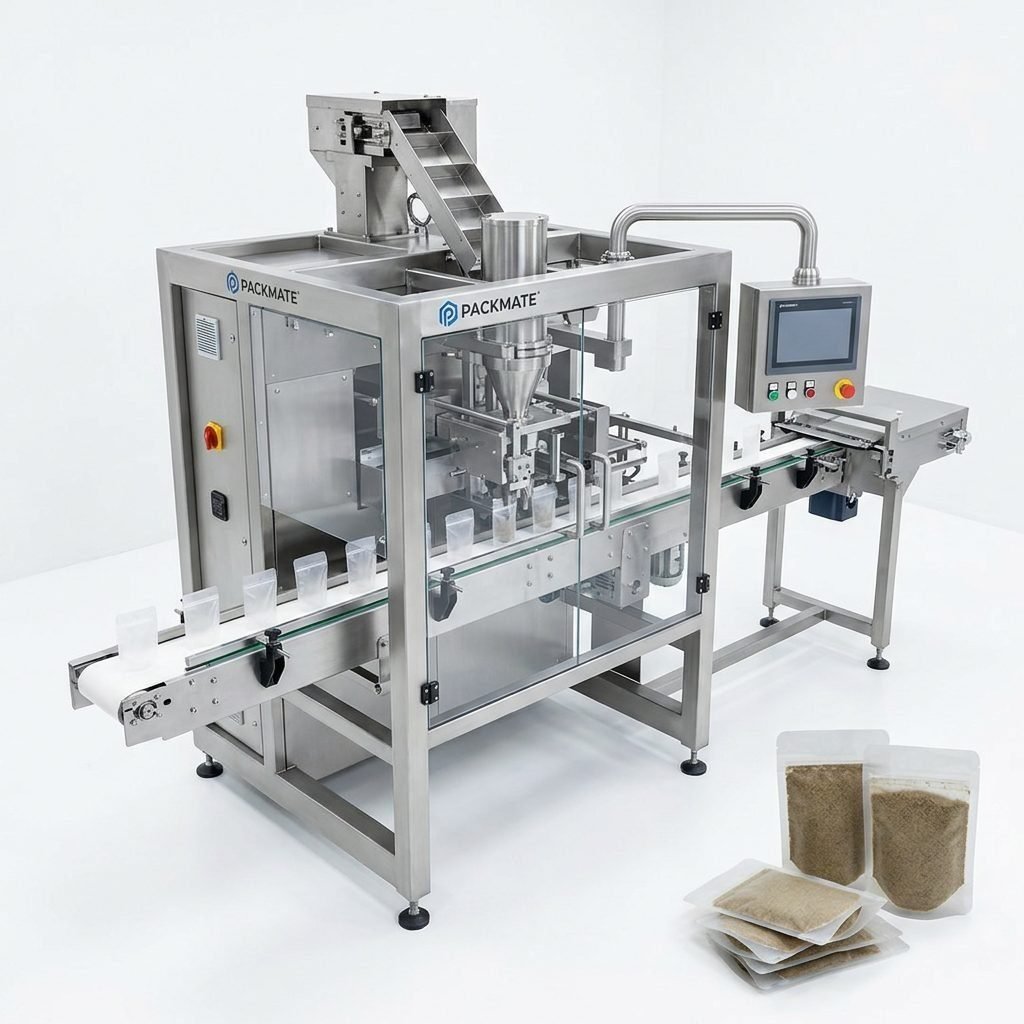
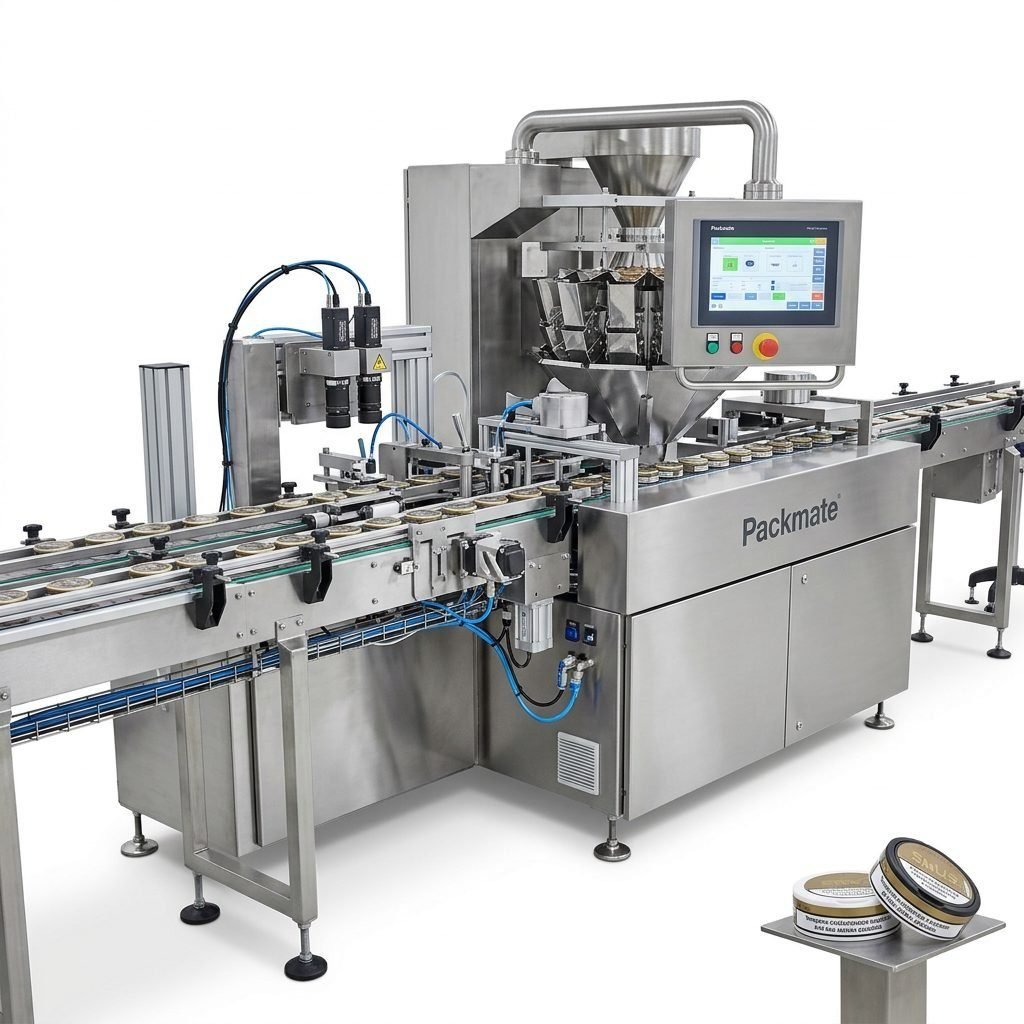
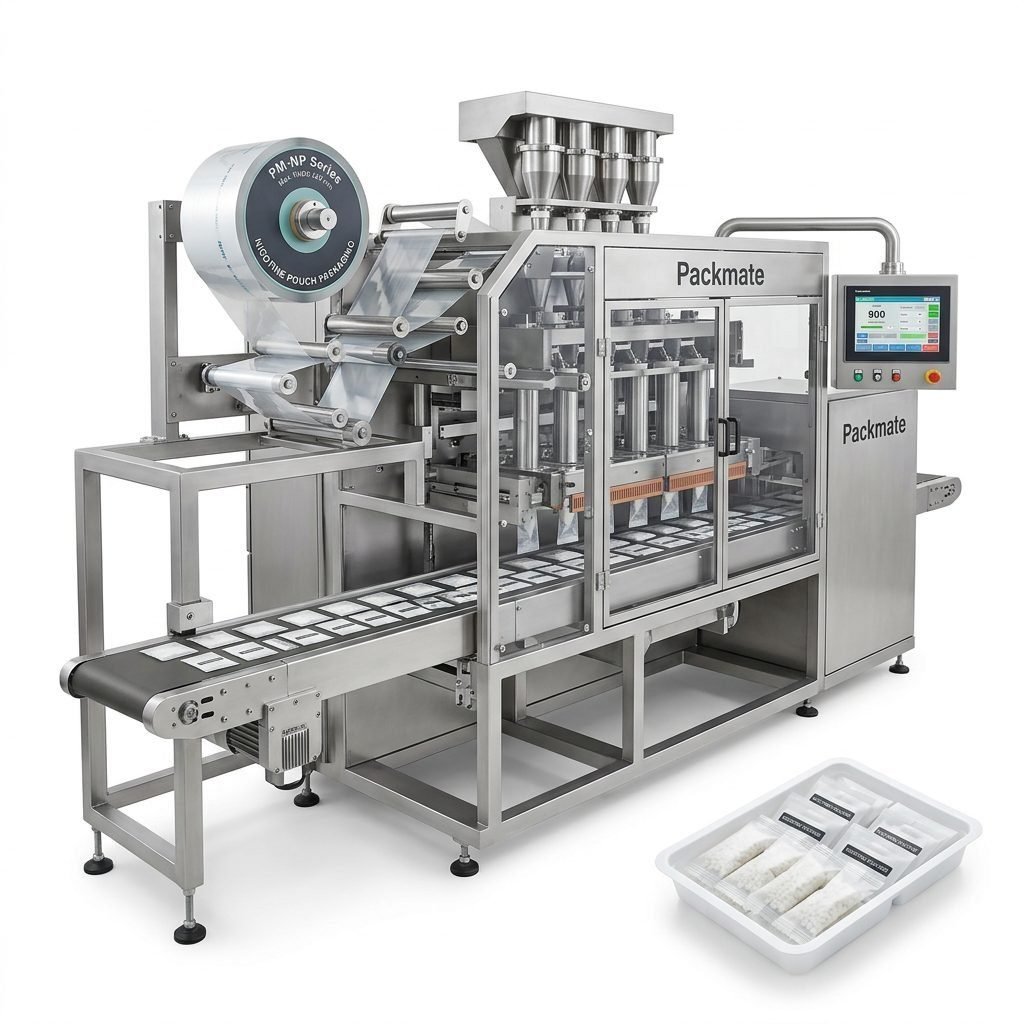
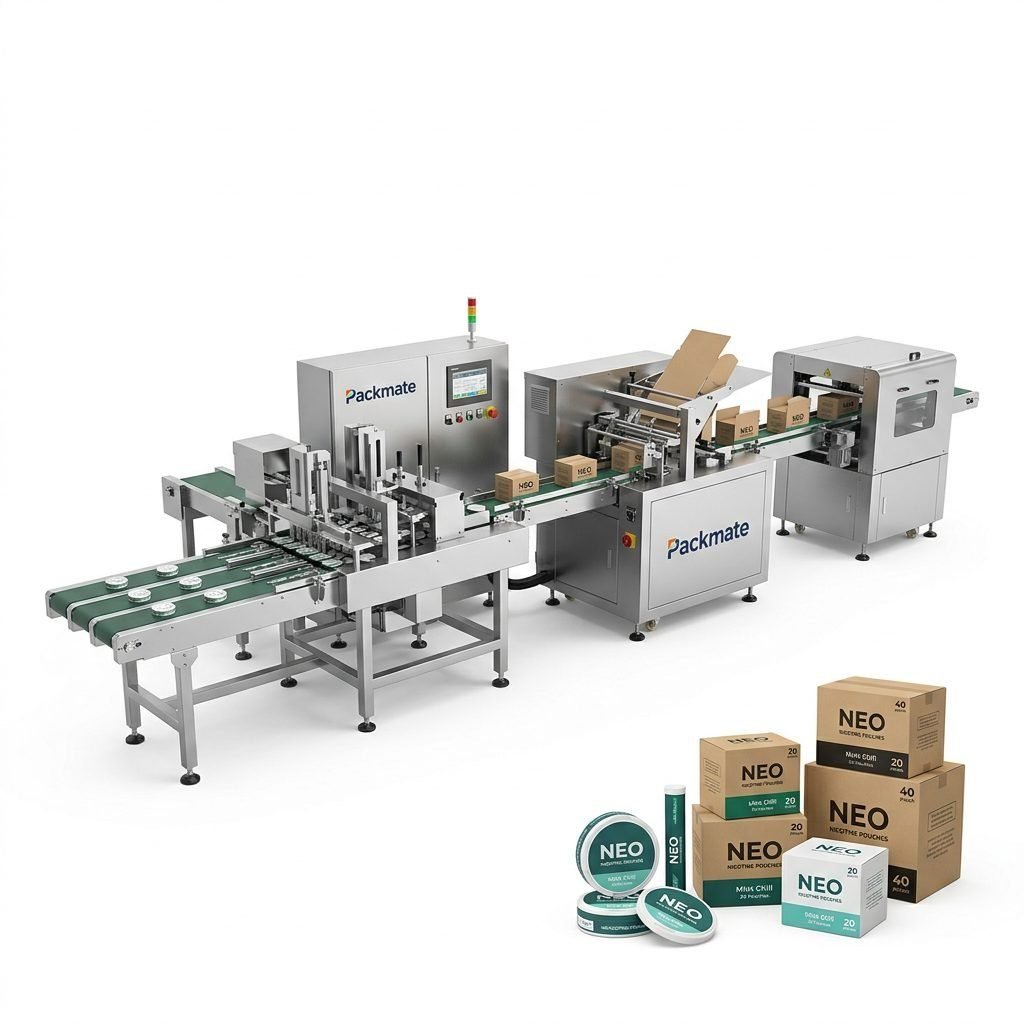
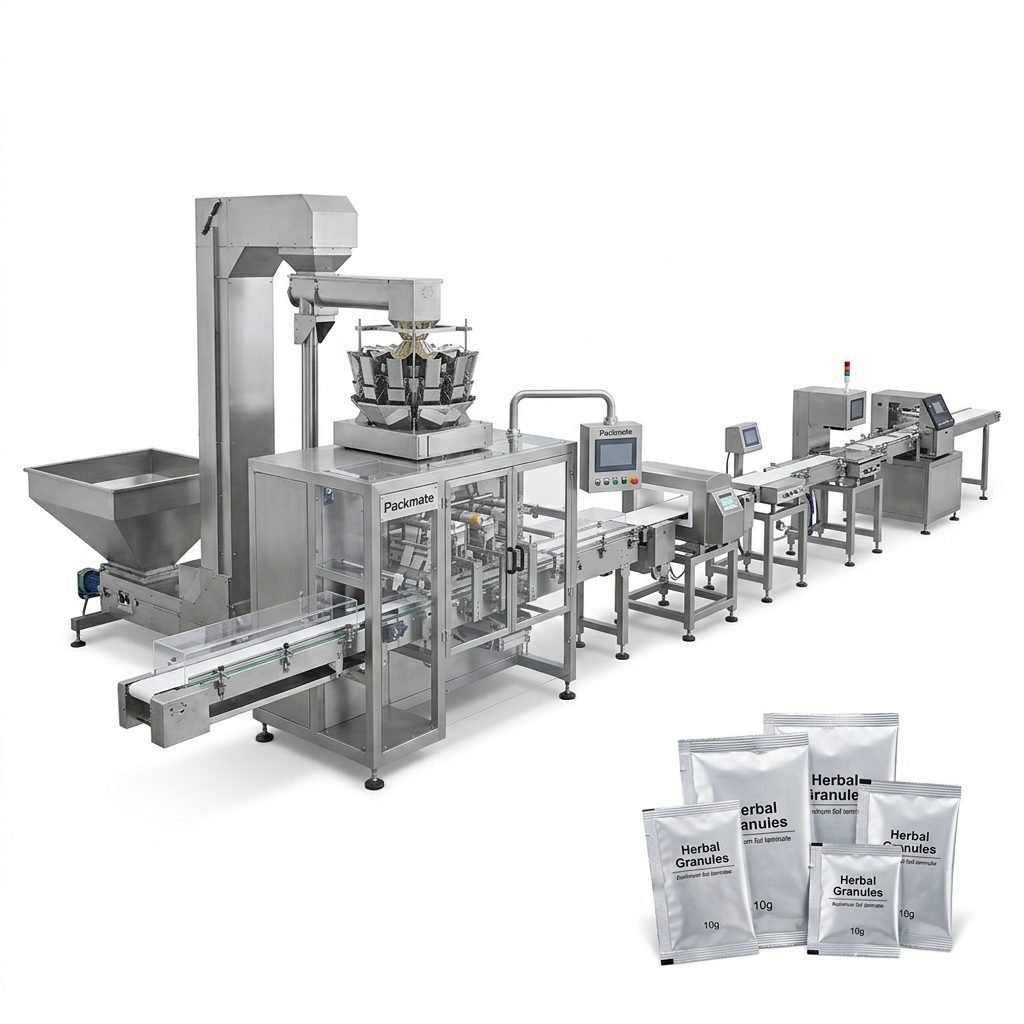
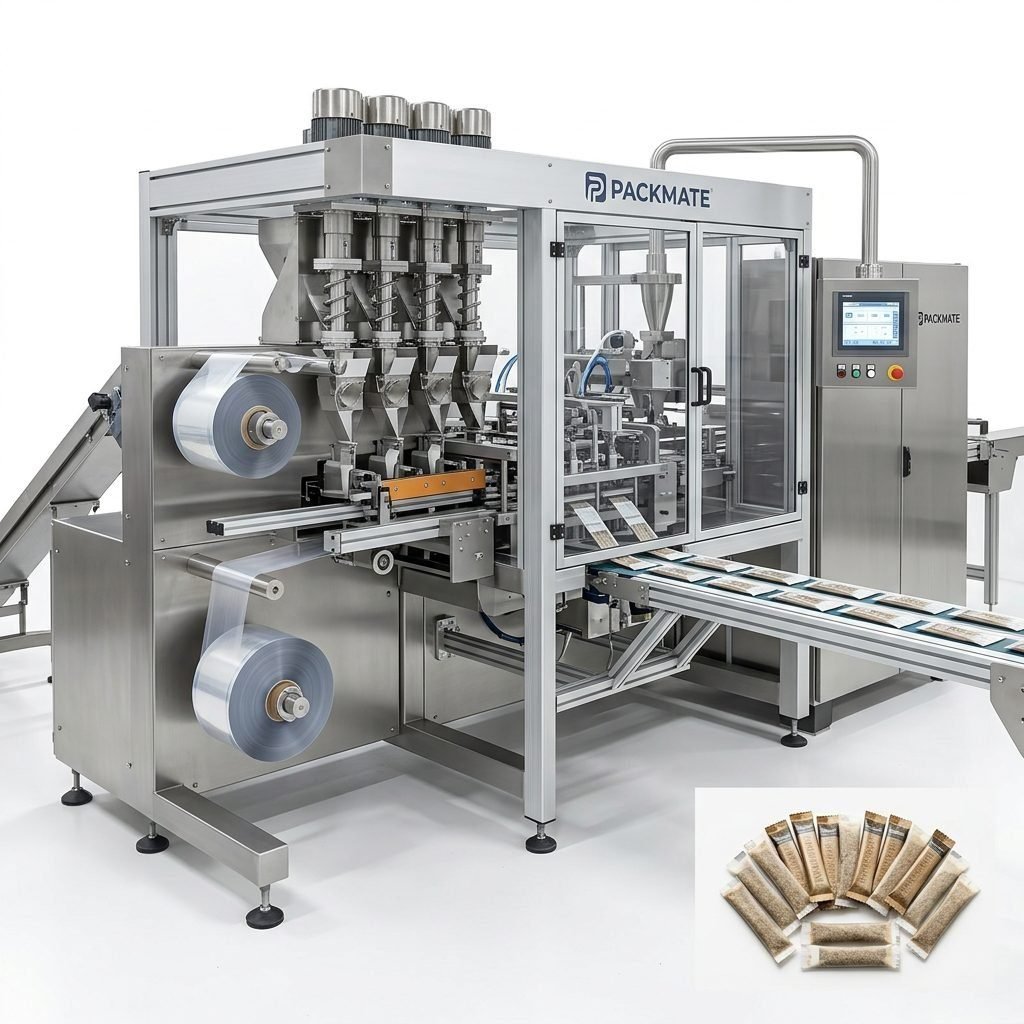
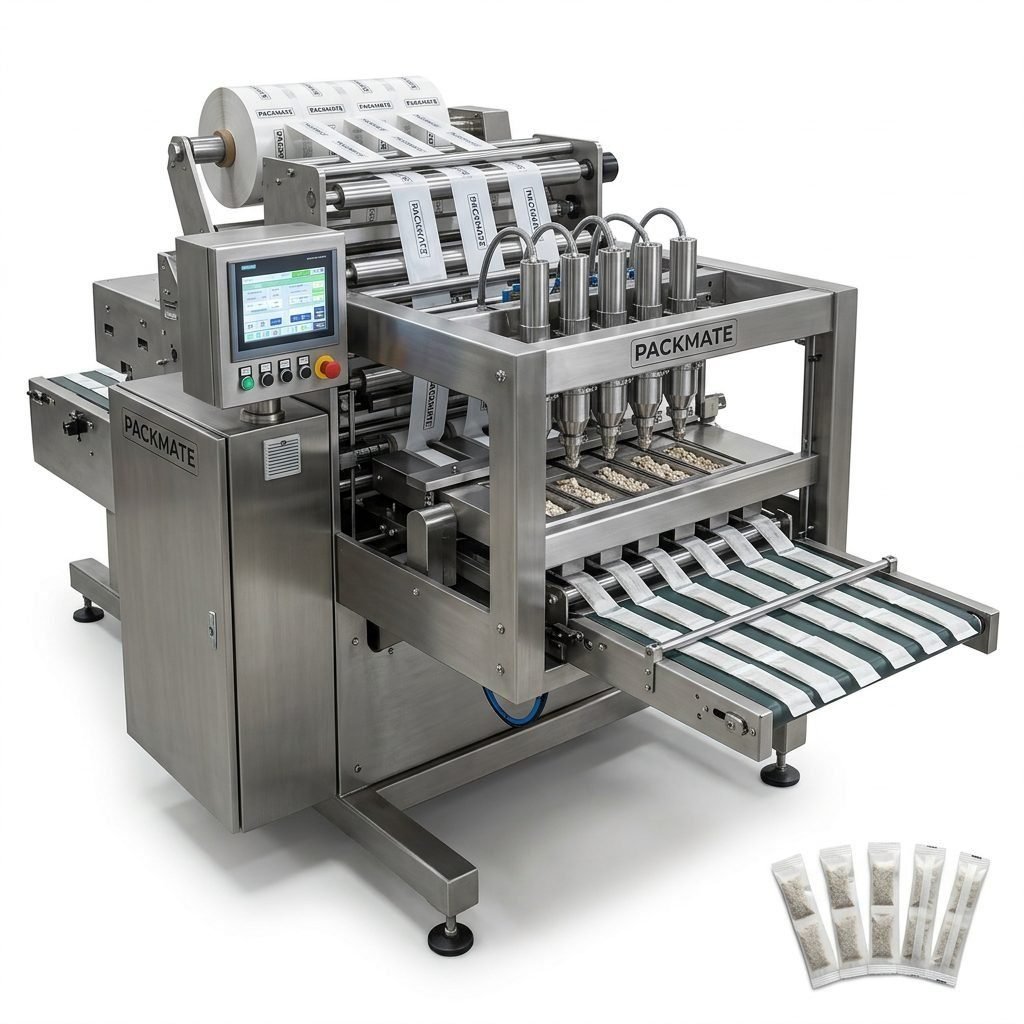
In the high-precision world of snus and nicotine pouch production, the reliability of your snus packing machine depends heavily on the quality and availability of spare parts. This guide covers everything from the most commonly replaced components to maintenance best practices, inventory strategies, and sourcing tips to keep your production line running smoothly and minimize downtime.
Understanding Critical Spare Parts for Snus Packing Machines
A snus packing machine combines mechanical, pneumatic, and electronic subsystems. The most frequently replaced items are wear components that interact with product, film, or motion systems. Knowing which parts wear fastest helps prioritize stocking and predictive maintenance.
Key mechanical components
Typical mechanical spare parts include:
🔧 Forming jaws — shape the pouch and take high thermal and mechanical stress.
⚙️ Sealing jaws and heater elements — subject to wear from repeated heat cycles and contamination.
✂️ Cutting knives and blades — require regular sharpening or replacement to maintain clean cuts.
🛞 Conveyor belts, timing belts and sprockets — wear affects registration and product alignment.
🔩 Bearings, bushings and linear guides — common mechanical wear points that degrade performance gradually.
Key electrical and pneumatic parts
Electrical and pneumatic spares can stop a line instantly:
🔌 Motors and servo drives — critical for speed and positioning; keep alternates for immediate swap.
🧠 PLC modules and I/O cards — ensure compatibility with your control system; backups reduce troubleshooting time.
🛰️ Sensors and encoders — position and product detection failures are frequent causes of stoppages.
💨 Solenoid valves, regulators and air filters — pneumatic reliability depends on clean, dry air and functional valves.
Pro tip: Maintain a small stock of the top 10 most critical wear parts on-site. This drastically reduces mean time to repair (MTTR) and protects production against single-point failures.
Replacement Component Selection and Compatibility
When selecting spares, compatibility and quality are paramount. Using non-OEM parts can be cost-effective, but beware of hidden risks such as altered tolerances, reduced material performance, and compatibility issues with control firmware or mechanical assemblies.
OEM vs. Aftermarket parts
Choose OEM parts for critical sealing components, control modules, and safety devices. Aftermarket parts are often acceptable for non-critical items like fasteners or standard bearings, provided they meet original equipment specifications. Document part numbers and revision codes to avoid mismatches during replacement.
Specification checklist before ordering
– Verify the machine model and serial number.
– Confirm part number and revision level.
– Check electrical ratings and connector pinouts for control modules.
– Confirm physical dimensions and mounting features for mechanical parts.
– Assess material compatibility for food-grade contact parts.
Maintenance Strategies to Extend Component Life
Effective maintenance reduces total cost of ownership and improves uptime. Implement a mix of routine preventive maintenance, condition monitoring, and scheduled component refresh cycles.
Preventive maintenance checklist (daily / weekly / monthly)
Daily: visual checks for film run, heaters, and sensors; clean product contact areas; verify lubrication points.
Weekly: inspect belts, treads, and blade edges; check air filters and drain condensate from air lines.
Monthly: measure bearing temperatures, verify encoder signals, and check electrical connections for looseness or corrosion.
✅ Condition monitoring — integrate vibration sensors and temperature probes on key motors and bearings for early detection of failure trends.
Service intervals and part replacement cycles
Create a parts lifecycle matrix: critical consumables (cutters, seals) every few weeks to months; mechanical bearings and belts annually or based on run-hours; electrical modules every few years or on fault indications. Keep replacement records to refine intervals over time.
Sourcing, Stocking and Inventory Best Practices
An efficient spare parts program balances capital tied up in inventory with the cost of downtime. Adopt strategies such as ABC analysis, vendor-managed inventory, and critical spares lists to optimize stocking.
ABC analysis and minimum stock levels
Classify parts by impact: A (top critical, low volume but should be on-hand), B (moderate criticality), C (low criticality, high volumes). For A items, keep at least a 2-unit buffer; for B items, 1–2 weeks’ supply; for C items, reorder when needed.
Preferred vendor list and lead time management
Maintain approved supplier relationships for rapid fulfillment. For long-lead or custom parts, negotiate priority manufacturing slots or consignment stock. For internationally sourced items, account for customs clearance, freight, and local regulatory documentation.
Troubleshooting Common Failures and Quick Fixes
Fast troubleshooting reduces downtime. Below are common symptoms, likely causes, and immediate corrective actions.
Symptom: Poor seal quality or frequent leaks
Likely causes: worn or misaligned sealing jaws, damaged heater elements, contamination on sealing surfaces, or incorrect temperature settings. Quick fixes: clean sealing jaws, verify heater continuity, check temperature controller settings, and replace worn sealing elements.
Symptom: Registration errors and misaligned pouches
Likely causes: worn belts, slipping drives, encoder malfunction, or incorrect film tension. Quick actions: inspect and adjust belt tension, verify encoder signals, and confirm film unwinding tension and dancer positions.
⚠️ Safety note — Always isolate machine power and tag out before attempting any mechanical or electrical interventions.
Installation and Calibration of Replacement Parts
Proper installation and calibration are essential to restore machine performance. Follow OEM procedures and use calibrated tools to set tensions, torque values, and electrical connections.
Step-by-step checklist for replacing a sealing jaw
1) Power down and lockout-tagout.
2) Remove access covers and document current cable/pipe routing.
3) Unbolt and replace the sealing jaw assembly; inspect mounting surfaces for burrs.
4) Reconnect heaters and thermocouples; verify wiring harness integrity.
5) Power on and run a controlled warm-up; use a validation pouch to verify seal integrity and temperature uniformity.
Quality Control and Documentation for Spare Parts
Maintain traceability for spare parts using serial numbers, batch numbers, and inspection records. Keep a parts log documenting replacement dates, operating hours, and failure modes to inform long-term improvement.
Inspection on receipt
Inspect new parts for damage, verify part numbers, check certifications for food-contact items, and update inventory records. Tag high-value items with secure storage locations and access restrictions.
Working with Packmate and Global Suppliers
For trusted spare parts, work with manufacturers who understand snus packaging needs and maintain quality control across mechanical, electronic, and safety elements. Packmate Snus Machine provides global spare parts support and turnkey solutions tailored to nicotine pouch lines.
Explore product lines and support options:
– Snus & Nicotine Packaging Machines
– Service
– Catalog
– Contact Us
Global logistics and support
Packmate’s manufacturing capability and international certifications (CE, ISO) simplify cross-border procurement. Coordinate with local representatives for customs guidance and expedited shipments during critical failures.
🔍 Recommendation — Keep a vetted spare parts vendor list and consider a spare parts agreement to ensure priority production and guaranteed stock availability.
Long-Term Lifecycle Management and Upgrades
Lifecycle planning includes phased component upgrades, firmware version control, and retrofits to improve efficiency or adapt to new pouch formats. Track depreciation, MTBF statistics, and upgrade windows to justify capital investments.
When to consider a retrofit or full machine upgrade
Consider retrofits when recurring failures are concentrated in obsolete subsystems, or when process improvements (higher lane counts, enhanced monitoring) offer clear ROI. A full machine replacement may be more economical when downtime costs and frequent repairs exceed maintenance investment.
Final Remarks
A disciplined spare parts program—combining the right inventory, preventive maintenance, and strong vendor relationships—keeps snus packing lines productive and responsive. Use data from your production and maintenance logs to continuously refine stocking levels and maintenance intervals for optimal performance.
Common Questions
Q1: How many spare sealing jaws should we keep on hand?
A1: For high-volume lines, keep at least two complete sets of sealing jaws (one installed, one spare) and additional heater elements as consumables.
Q2: Can we use aftermarket electrical modules to save cost?
A2: Non-critical electrical components may be substituted, but always validate compatibility and performance. For PLCs and safety controllers, stick with OEM or certified equivalents.
Q3: What is the typical lead time for custom parts from an overseas manufacturer?
A3: Lead times vary; plan for 4–12 weeks for custom CNC components, and maintain buffer stock for critical long-lead items.
Q4: How often should blade and cutter maintenance be scheduled?
A4: Inspect blades weekly in high-use settings and replace or resharpen as soon as cutting quality degrades to avoid secondary production issues.
Q5: Where can I find replacement parts and certified service for snus packing machines?
A5: Contact manufacturer-authorized service channels and review the manufacturer’s product pages and service center for verified spare parts and support options.