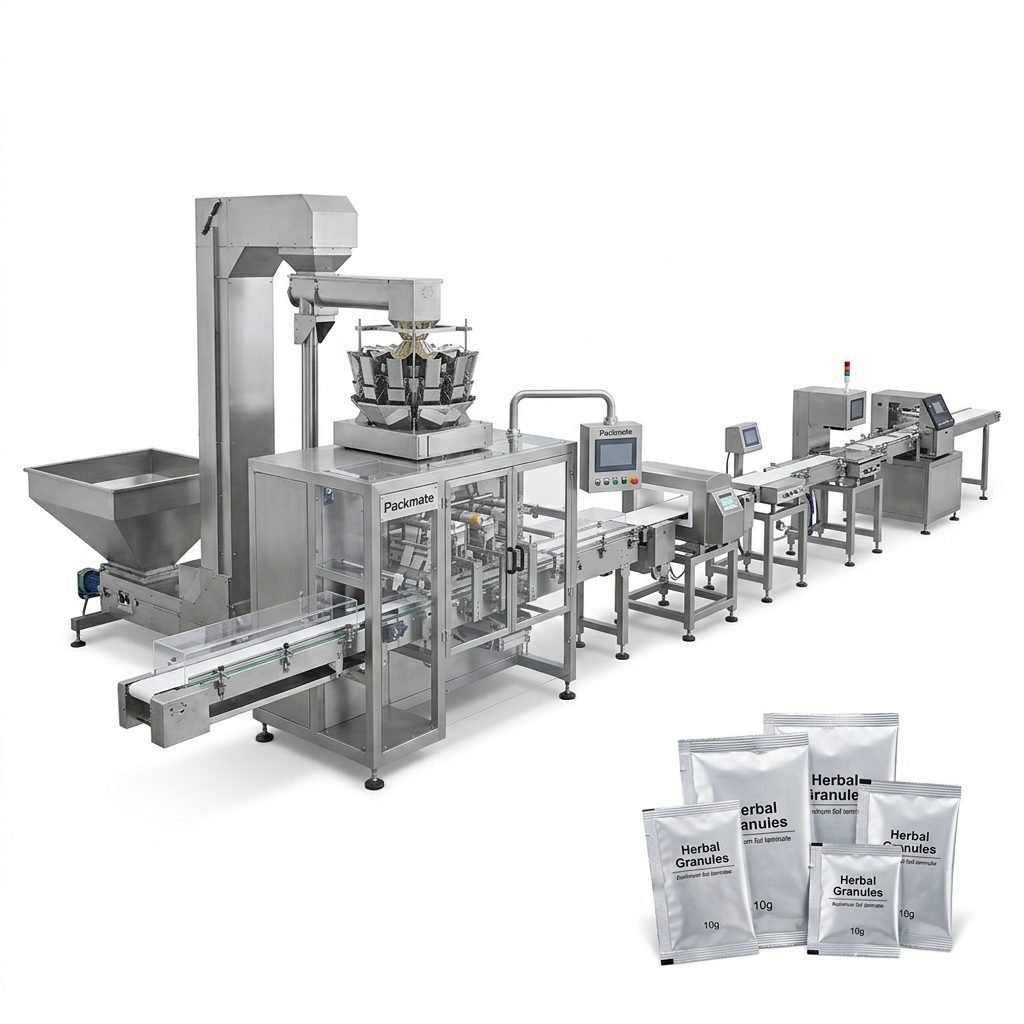
Choosing the right nicotine packaging machinery manufacturer in China can make the difference between a smooth, compliant production launch and months of delays, costly rework, and unreliable equipment. This guide walks you through practical, actionable steps to evaluate manufacturers, understand technical and regulatory requirements, and build a long-term partnership that supports your business growth.
Understand Your Product & Production Needs
Start with precise specifications. Are you packing nicotine pouches, snus, liquids, powders, or mixed formats? Different formats require different filling, sealing, dosing, and multi-lane capabilities.
Key factors: target throughput (pouches/min or packs/min), pouch size and material, tolerance for weight variance, online quality inspection needs, and downstream packaging (cartoning, shrink-wrapping).
Evaluate Manufacturer Experience & Product Range
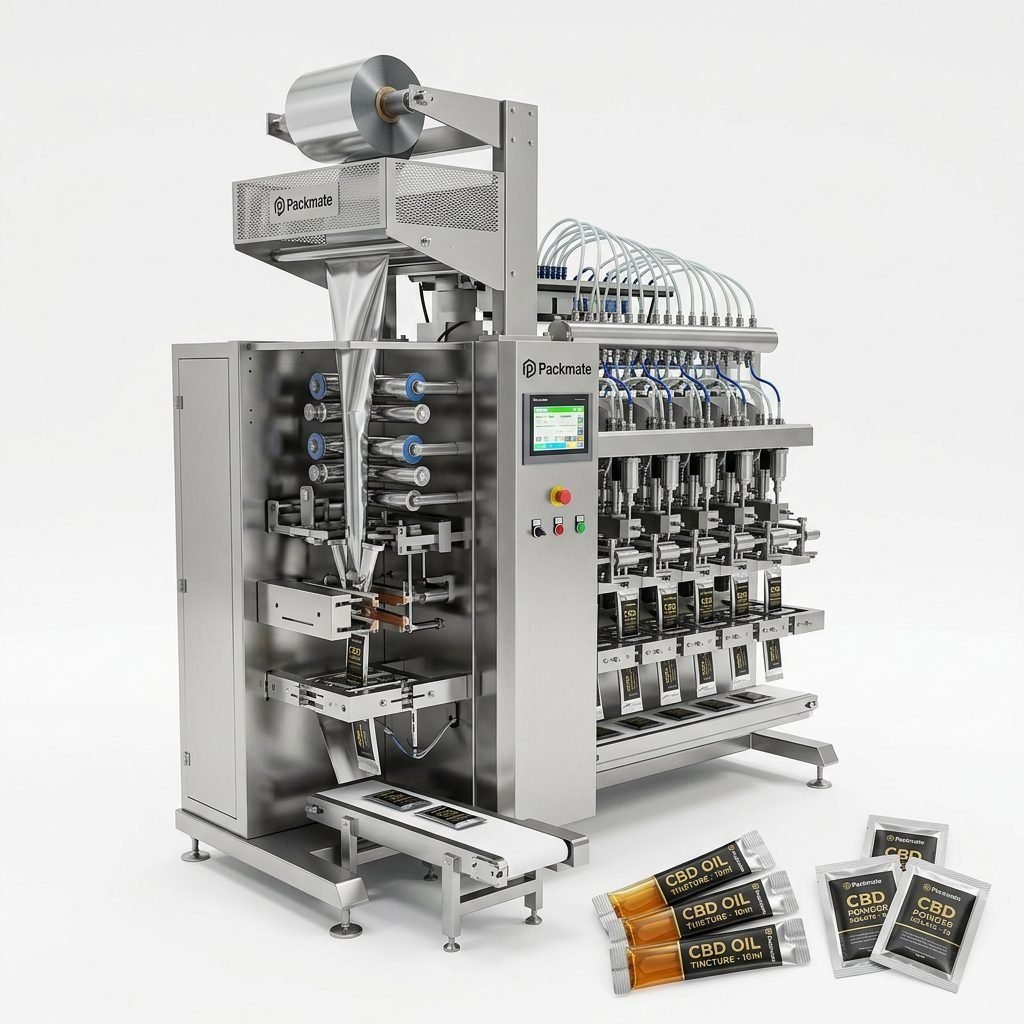
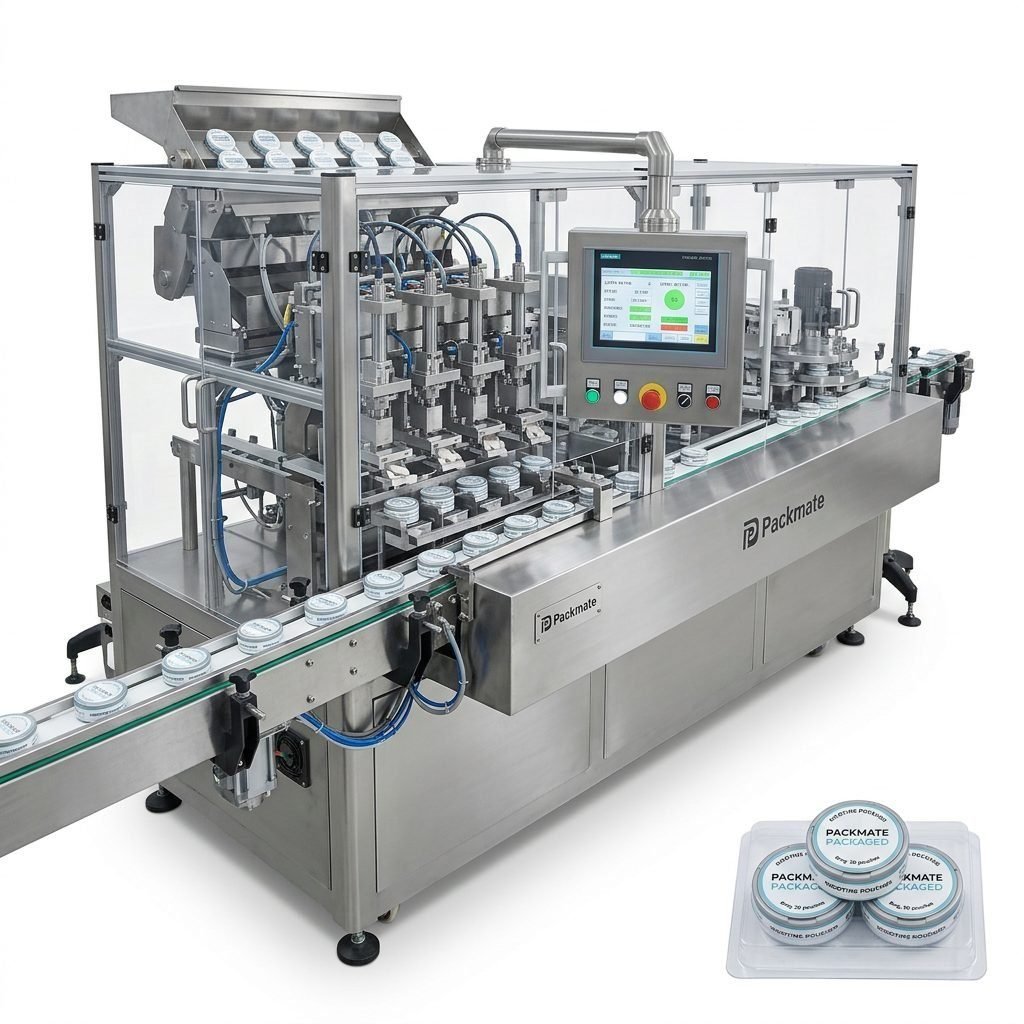
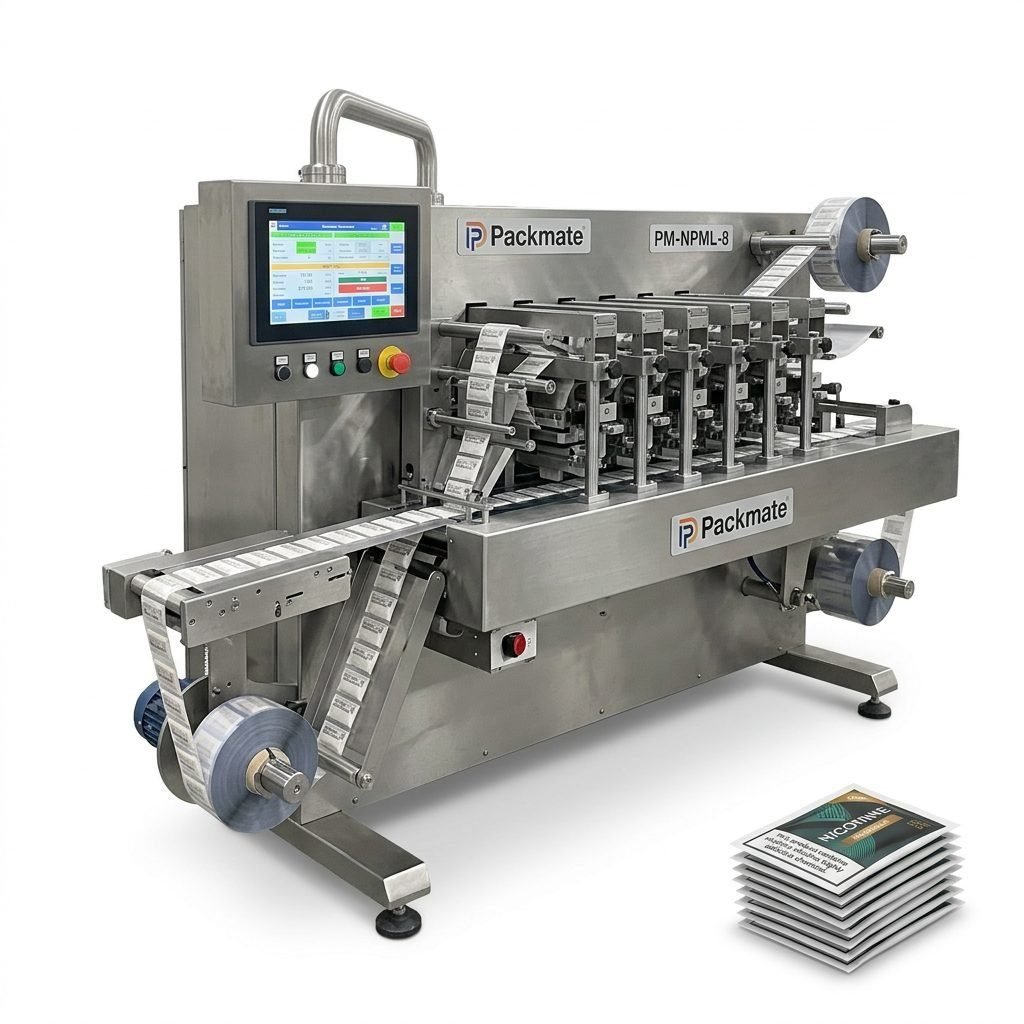
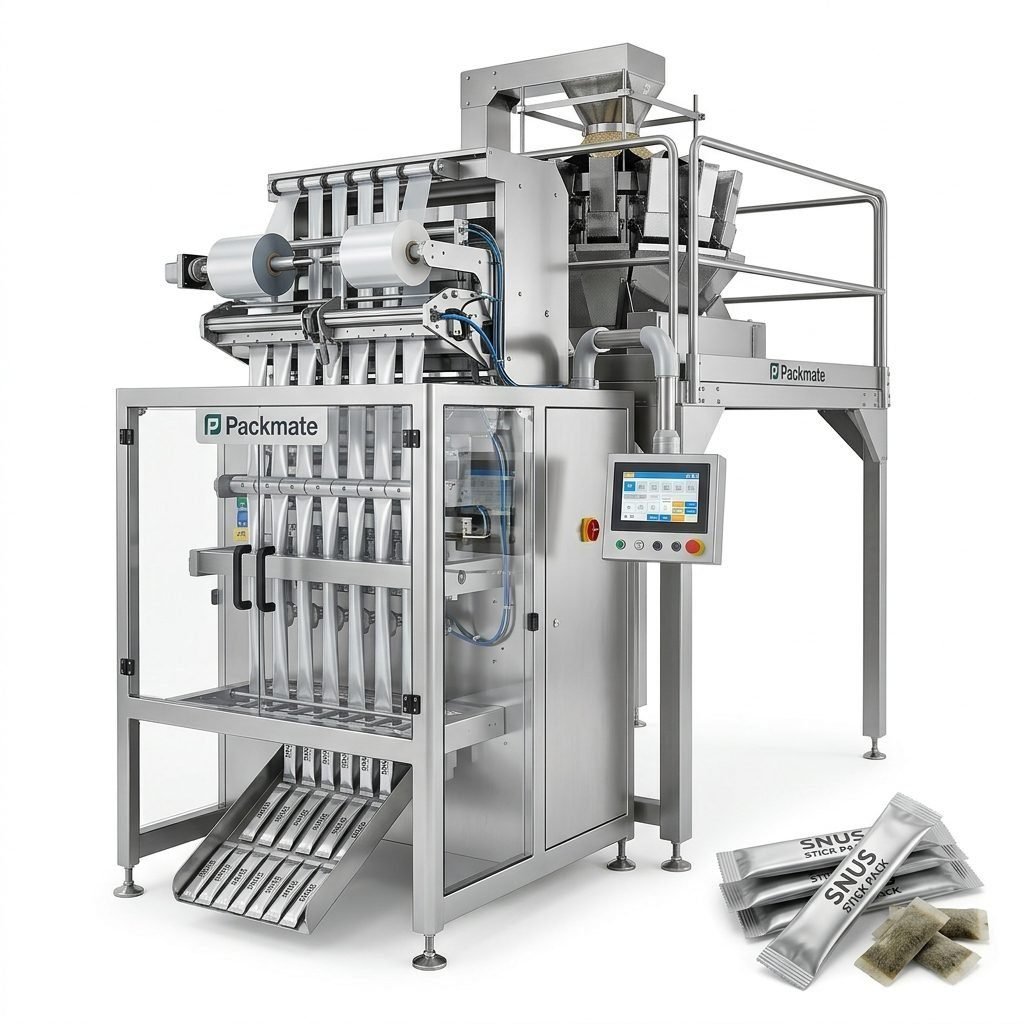
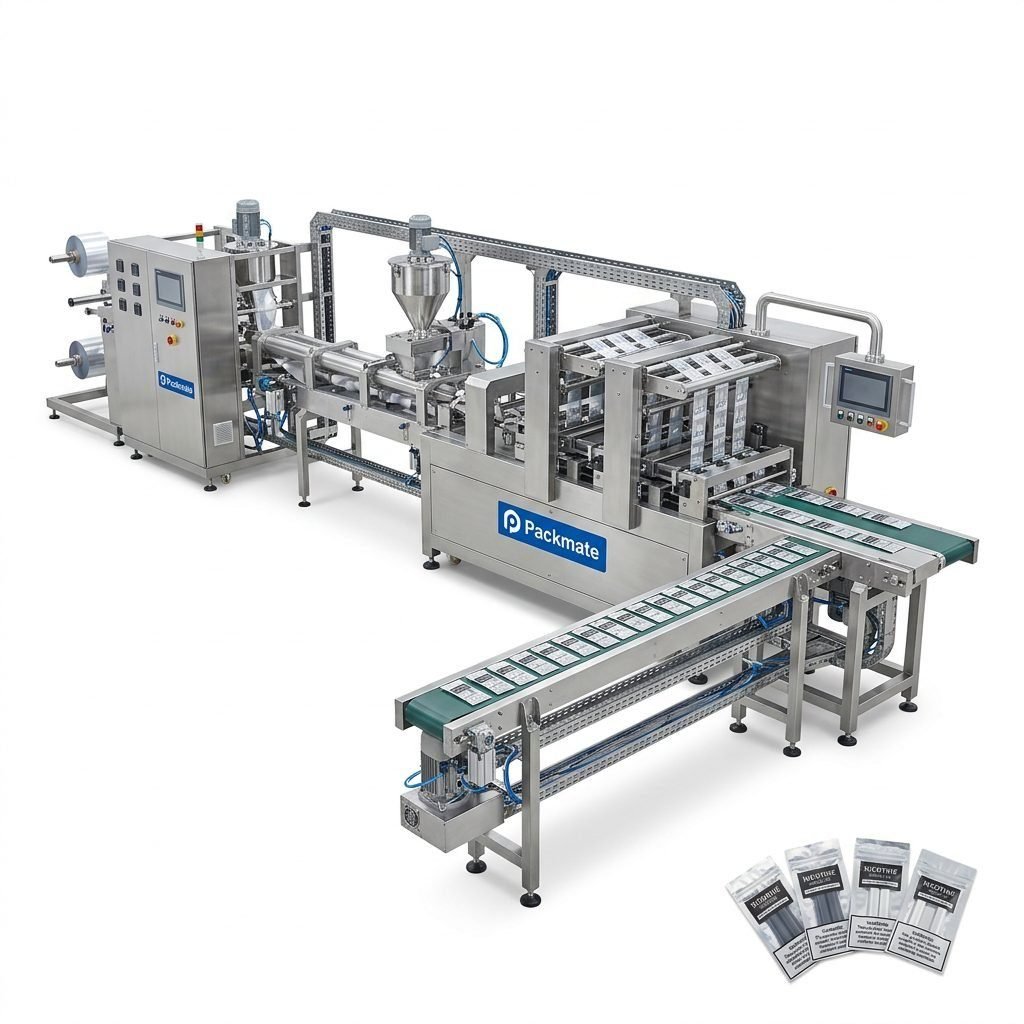
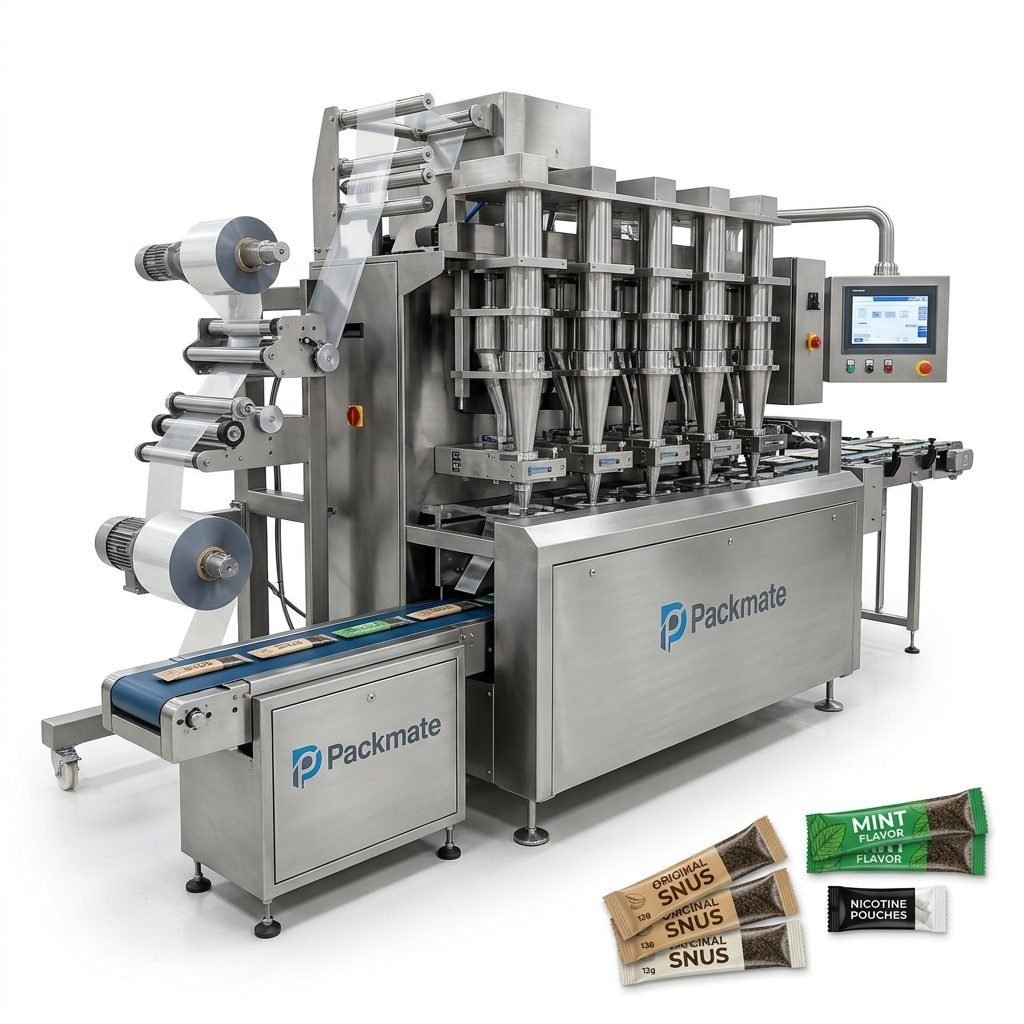
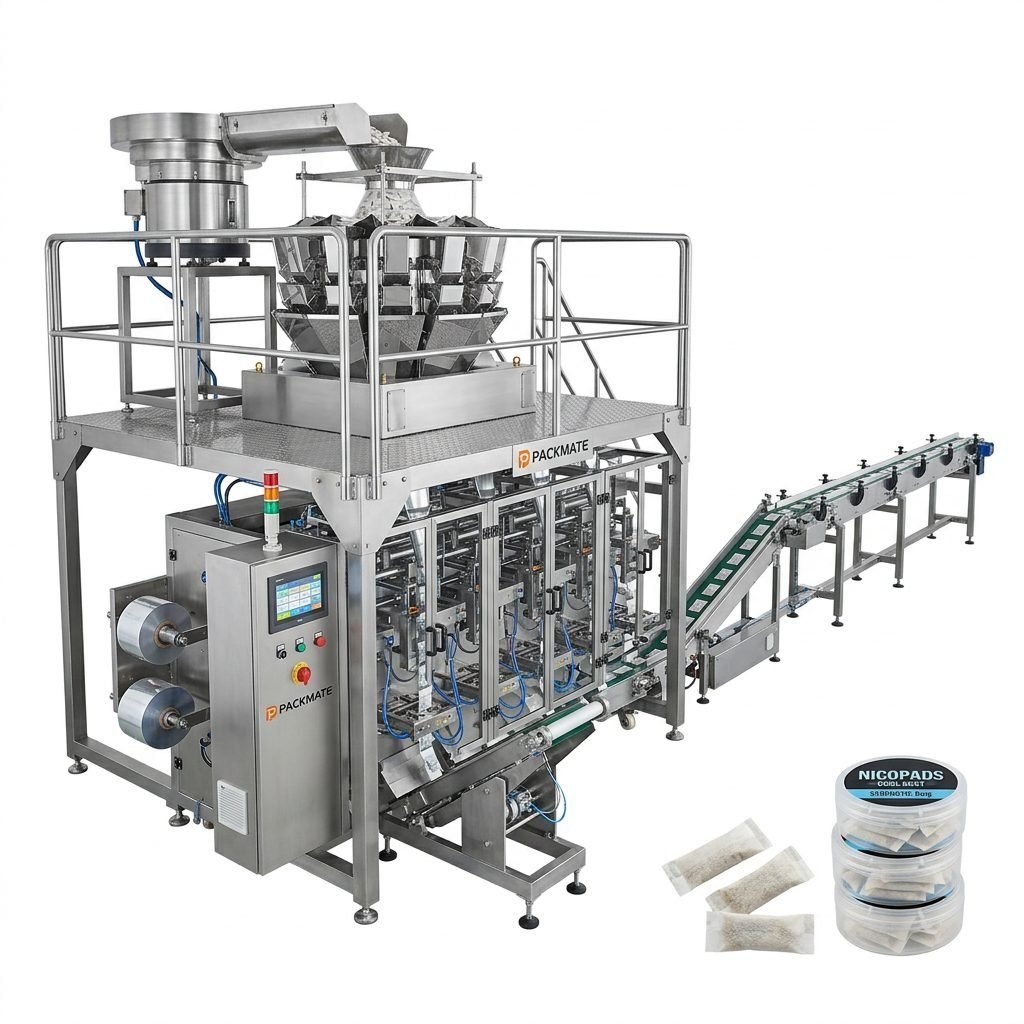
An experienced manufacturer will offer a clear product line and proven solutions. Look for companies with decades of engineering background and a diverse model lineup. For example, established Chinese suppliers often provide multiple systems such as stick pack, sachet, multi-lane pouch machines, and complete lines — covering everything from filling to cartoning.
Tip: choose a manufacturer with 30+ years or equivalent in packaging R&D and manufacturing, a wide model range (50+ models), and a large factory footprint (for example, ~20,000㎡) to ensure production capacity and lead-time reliability.
Check Technical Capabilities & Factory Infrastructure
Inspecting technical capabilities is essential. Key aspects include CNC machining centers, precision assembly lines, and rigorous quality control. These facilities indicate an ability to produce durable, high-precision components that keep machines stable during long runs.
Insist on Compliance & Certification
Nicotine pouch production is subject to varied regulations across markets. Prioritize suppliers who provide international certifications such as ISO and CE and can document material traceability and machine hygiene design. This reduces risk when entering European, North American, or other regulated markets.
Assess Customization & Turnkey Solutions
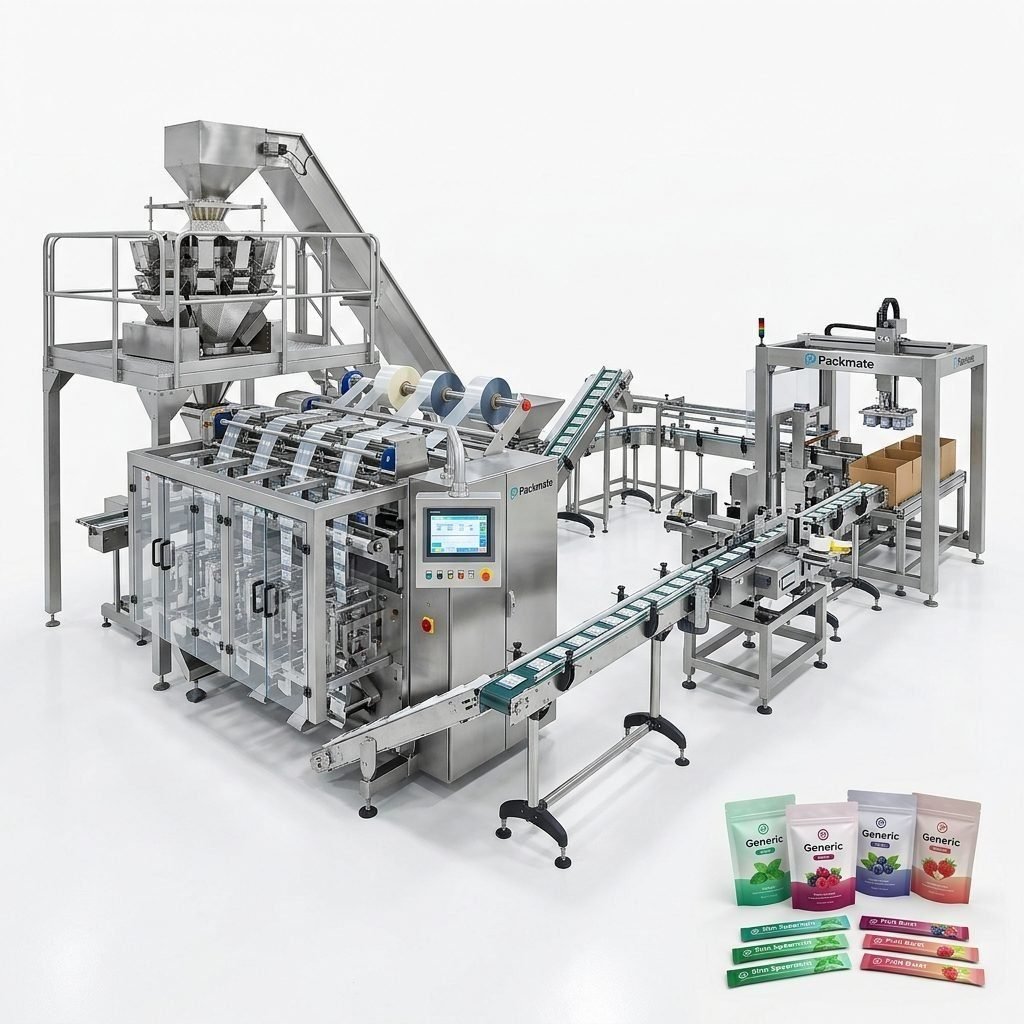
Your brand and product line may require non-standard sizes, unique branding, or integration into an existing line. Manufacturers who offer turnkey solutions — including weighing, filling, multi-lane pouch-forming, and downstream bagging/cartoning — can deliver faster and with better system compatibility.
Example: some suppliers provide complete production lines for nicotine pouches that include dosing, multi-lane forming, servo-driven precision filling, and automated cartoning — reducing integration risks.
Quality Assurance & After-Sales Support
Robust QA during manufacturing and reliable after-sales support are indispensable. Look for clear warranty terms, availability of spare parts, remote diagnostics, and field service capability. A manufacturer with global exhibition presence and case studies demonstrates a track record of support across regions.
Plan Factory Visits & Third-Party Inspections
Nothing replaces an on-site visit. Schedule a factory tour to verify assembly standards, machining centers, and final testing areas. If travel is difficult, request a live video walk-through and ask for third-party inspection reports before shipment.
What to Observe During a Visit
🏭 Floor organization and cleanliness — well-organized assembly reflects quality control.
🔧 Parts storage and labeling — easy spare parts procurement reduces downtime.
📄 Test reports, factory capacity, and sample machine trials under load.
Cultural & Business Practices in China — Building Strong Partnerships
Doing business in China often emphasizes long-term relationships (“guanxi”), clear face-to-face communication, and mutual trust. Chinese suppliers appreciate a respectful negotiation approach and practical clarity on payment terms, delivery expectations, and technical requirements. Frequent factory visits and attending local exhibitions strengthen trust and understanding.
Leverage Trade Shows & Local Contacts
Meet manufacturers at exhibitions to see machines in operation and compare solutions side-by-side. Many experienced suppliers maintain an exhibition schedule and demo units that highlight operational stability and new features.
Negotiate Commercial Terms & Protect Your Investment
When discussing contracts, clarify lead times, payment milestones, testing acceptance criteria, spare parts lists, and intellectual property protections for any custom tooling. Use written acceptance testing procedures and agree on performance guarantees before final payment.
Logistics, Packaging & Warranty
Confirm packaging methods for export, on-time shipping capacity, and who arranges customs clearance. A reliable manufacturer will offer export-ready crating, clear documentation for import, and reasonable warranty coverage with options for extended support.
Use Case Studies & References
Ask for case studies from similar markets or product types. References and past projects reveal how a manufacturer handled technical challenges and after-sales service for customers in Europe, Asia, or the Americas.
Learn more about real projects and machine types by reviewing product pages and cases such as Snus & Nicotine Packaging Machines and the manufacturer’s project gallery Case.
Technical Questions to Ask Suppliers
✓ What is the maximum pouch speed under your recommended tolerances?
✓ Do you provide multi-lane configurations for small-dose nicotine pouches?
✓ What accuracy do your weighing/filling systems achieve for powders or granules?
✓ Can you perform FAT (Factory Acceptance Test) with our product samples?
✓ What spare parts are recommended for a one-year running plan?
Integration & Automation
If you need full automation, confirm compatibility with upstream and downstream equipment — for example, bucket elevators, weighing systems, cartoners, and case packers. Suppliers that also provide weighing & packaging integration can supply more predictable line balance and control strategies. Explore complementary systems such as Weighing & Packaging Systems.
After You Choose: Pilot Runs & Commissioning
Before mass production, schedule a pilot run with your product on the machine. This step validates dosing, sealing, labeling alignment, and overall throughput under real conditions. Commissioning should include staff training and documented SOPs for cleaning, changeover, and preventive maintenance.
Remote Support & Spare Parts Planning
Ensure the supplier offers remote diagnostics and a clear spare parts catalog. A typical plan includes critical wear parts for at least three months of continuous production plus lead times for replacement shipping.
Where to Find Reliable Manufacturers & Resources
Start with manufacturers who publish detailed product pages, company history, certifications, and contact channels. For example, reputable suppliers often have comprehensive product categories including Sachet & Stick Pack Machines and service pages outlining after-sales support. Review their About page and contact them for machine demonstrations: About Packmate and Contact Us.
Final Checklist Before Signing
• Machine performance data and FAT acceptance criteria documented.
• Warranty, spare parts list, and response time in writing.
• Clear delivery schedule and lead times for custom parts.
• Training, commissioning, and local support arrangements agreed.
Summary: Build a Partnership, Not Just a Purchase
Selecting a nicotine packaging machinery manufacturer in China requires technical diligence, cultural awareness, and commercial clarity. Prioritize manufacturers with proven experience, robust factory capabilities, a wide product range, and a commitment to long-term support. By focusing on detailed specifications, thorough factory validation, and clear contractual terms, you can secure equipment that delivers performance, compliance, and reliability for your nicotine pouch business.
Frequently Asked Questions (FAQs)
Q1: How long does it take to receive a custom nicotine pouch machine from a Chinese manufacturer?
A1: Typical lead times vary from 8 to 20 weeks depending on customization, spare parts availability, and factory workload. Confirm precise delivery in the contract.
Q2: What certifications should I ask for when importing machines?
A2: Ask for ISO and CE certificates for machine safety and quality. Also request any relevant inspection reports and material traceability documents for contact parts.
Q3: Can suppliers support remote commissioning and diagnostics?
A3: Many modern suppliers offer remote support, live video guidance, and PLC parameter adjustments over secure connections; confirm available bandwidth, response times, and language support.
Q4: Should I require spare parts to be shipped with the machine?
A4: Yes. It’s wise to include a critical spare parts kit for the first 3–6 months of operation (belts, seals, sensors, wear plates) to minimize downtime.
Q5: How can I verify performance before paying the final invoice?
A5: Require a Factory Acceptance Test (FAT) using your product or equivalent samples, with agreed acceptance criteria and video documentation. Include payment milestones tied to FAT success and shipment readiness.