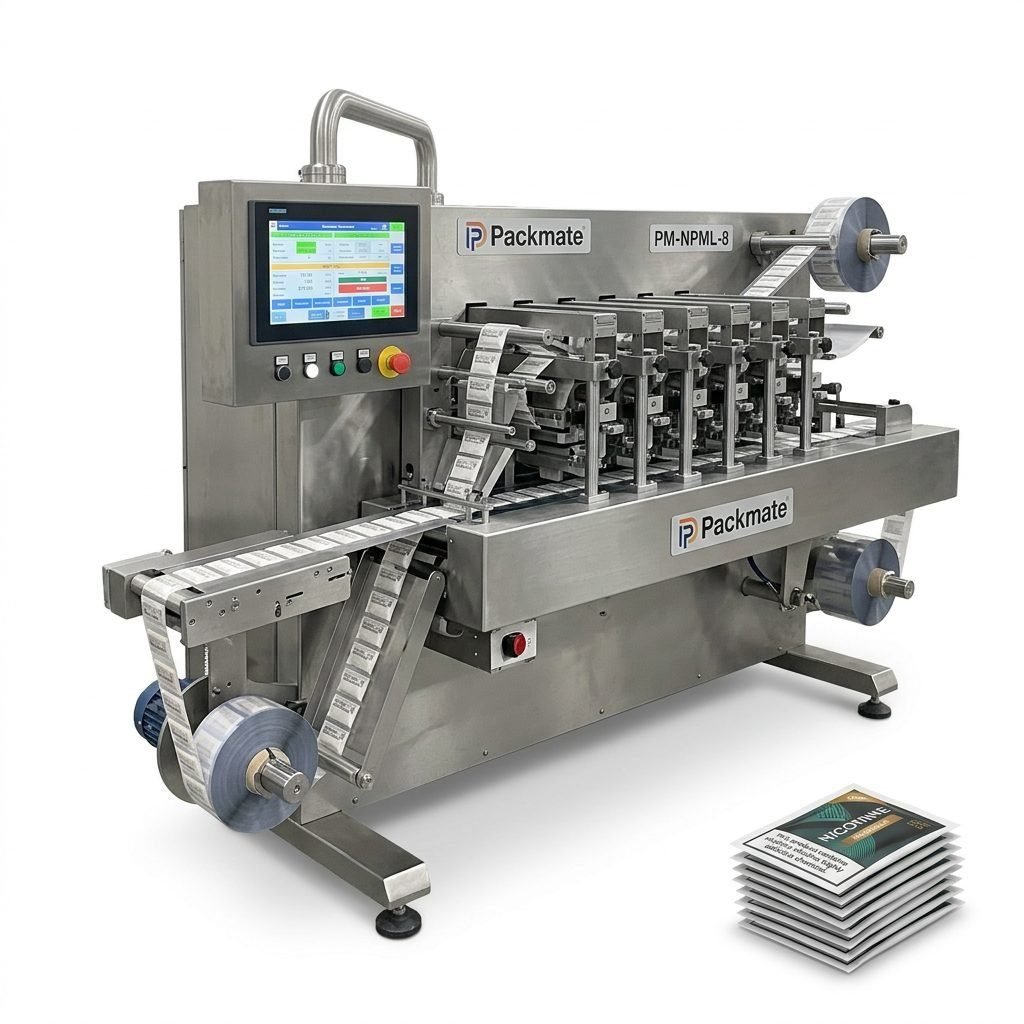
In a fast-growing snus and nicotine pouch market, choosing the right snus filling machine determines production efficiency, product consistency, and long-term profitability. This guide walks packaging engineers, production managers, and business owners through practical selection criteria for a high-efficiency snus packing solution, covering machine types, essential features, integration strategies, and supplier evaluation. Whether you’re upgrading an existing line or building a turnkey facility, these insights will help you make an informed investment.
Why High‑Efficiency Snus Filling Machines Matter
⚙️ Throughput and accuracy are the two pillars of profitable snus production. Modern filling systems reduce waste, improve portion uniformity, and support multi‑lane formats to scale output without multiplying labor costs. For manufacturers targeting retail consistency and regulatory compliance, a high-efficiency line is not optional — it is strategic.
Key production benefits
• Increased output per shift and optimized OEE.
• Better weight control and reduced product giveaway.
• Faster changeovers between formats and flavors.
• Easier compliance with hygiene and traceability requirements.
Types of Snus Filling Machines: Match machine style to product format
There is no one-size-fits-all machine — selecting the right type depends on your product form (pouches, powders, granules), daily capacity targets, and packaging style. Common machine categories include:
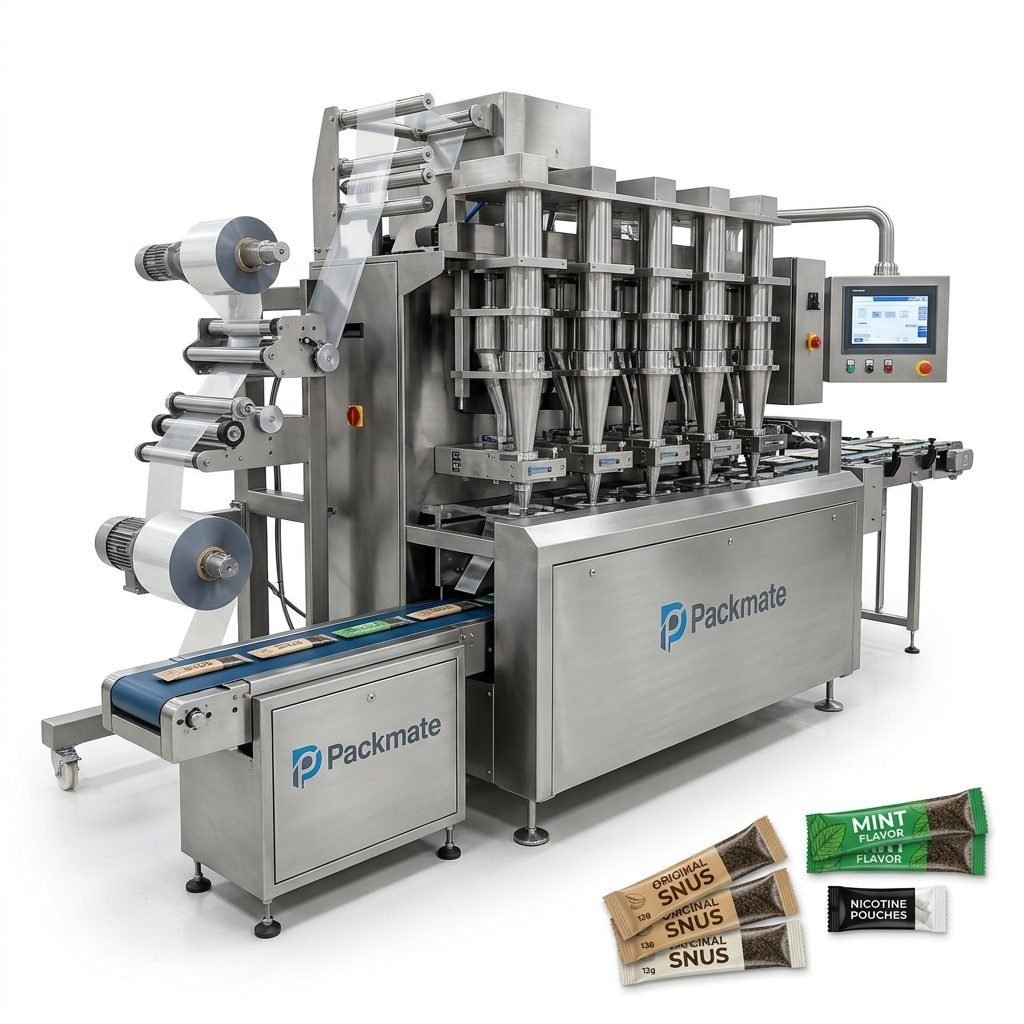
Stick pack & sachet systems
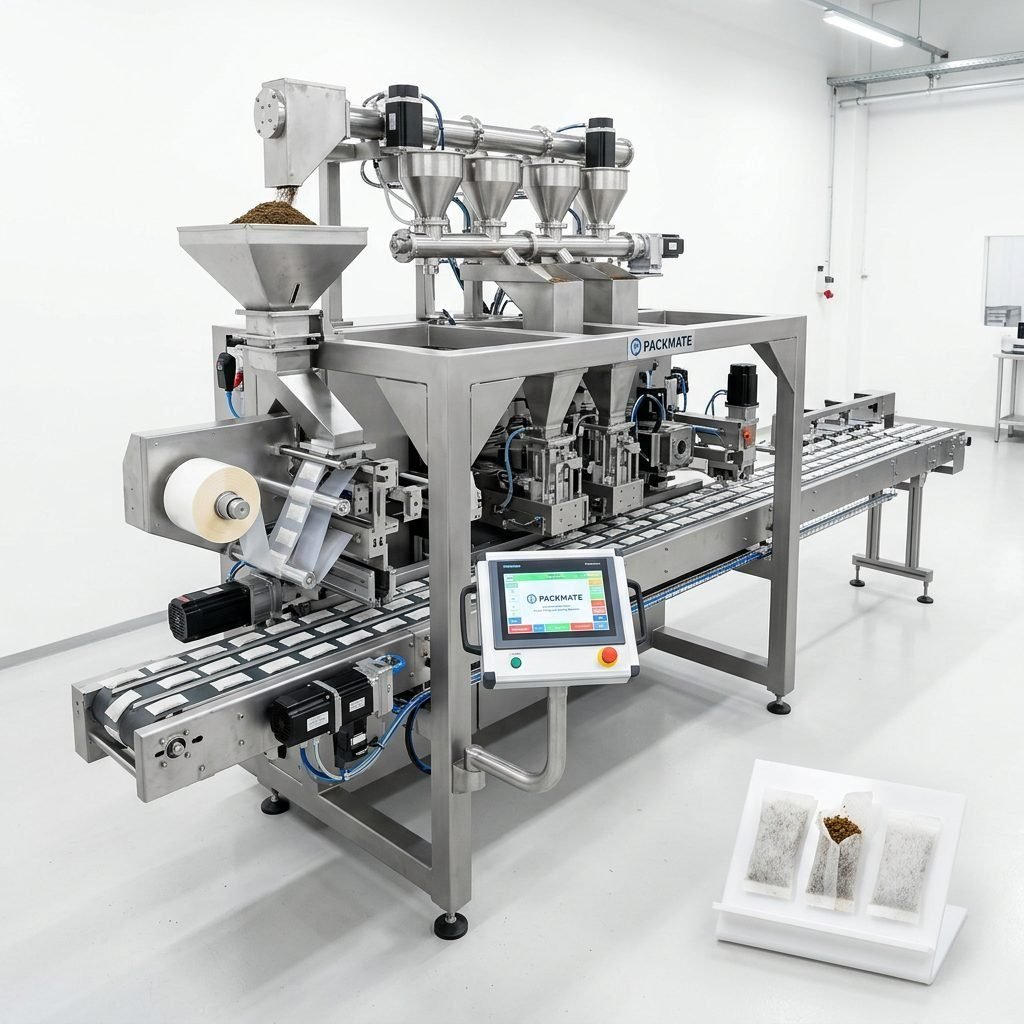
Ideal for single‑dose portions where precision and sealing integrity matter. These systems are compact, excellent for flexible packaging formats, and can be configured for flavored or nicotine pouches requiring precise dosing.
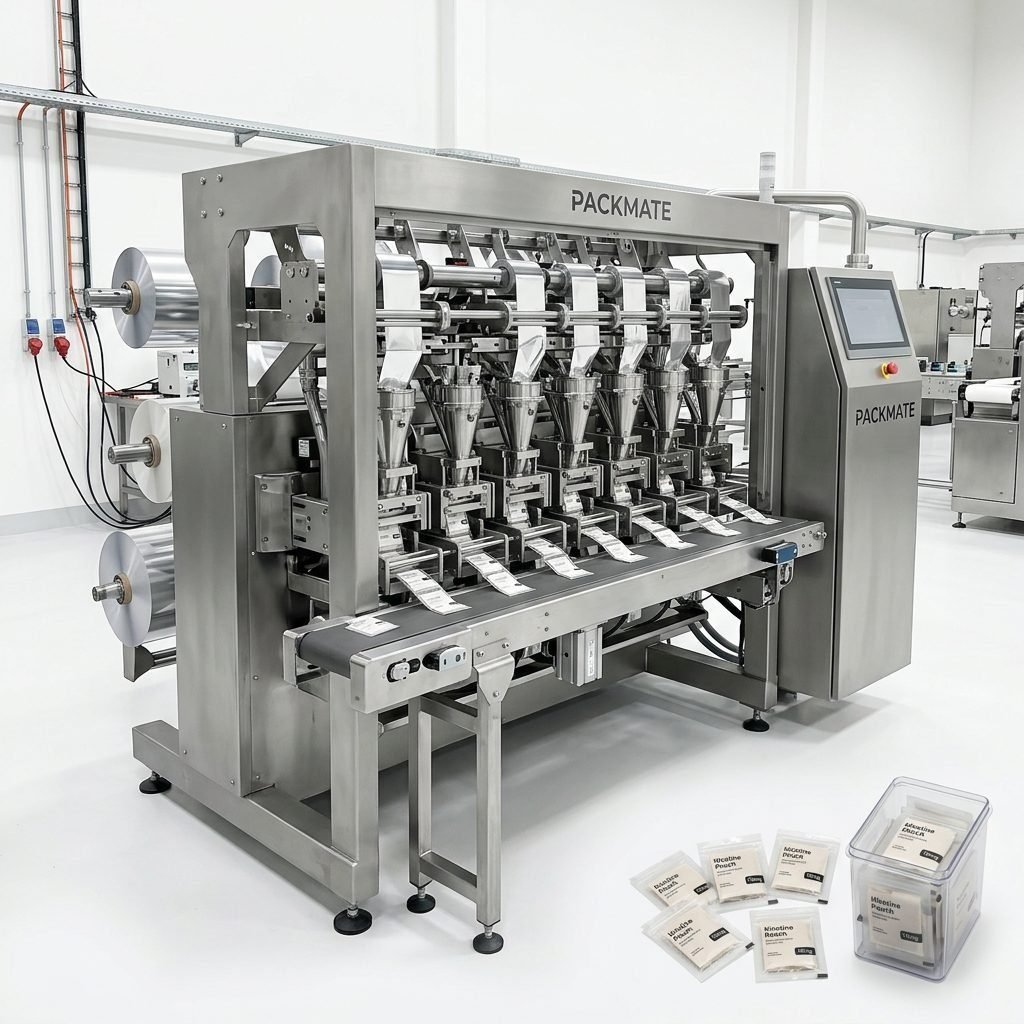
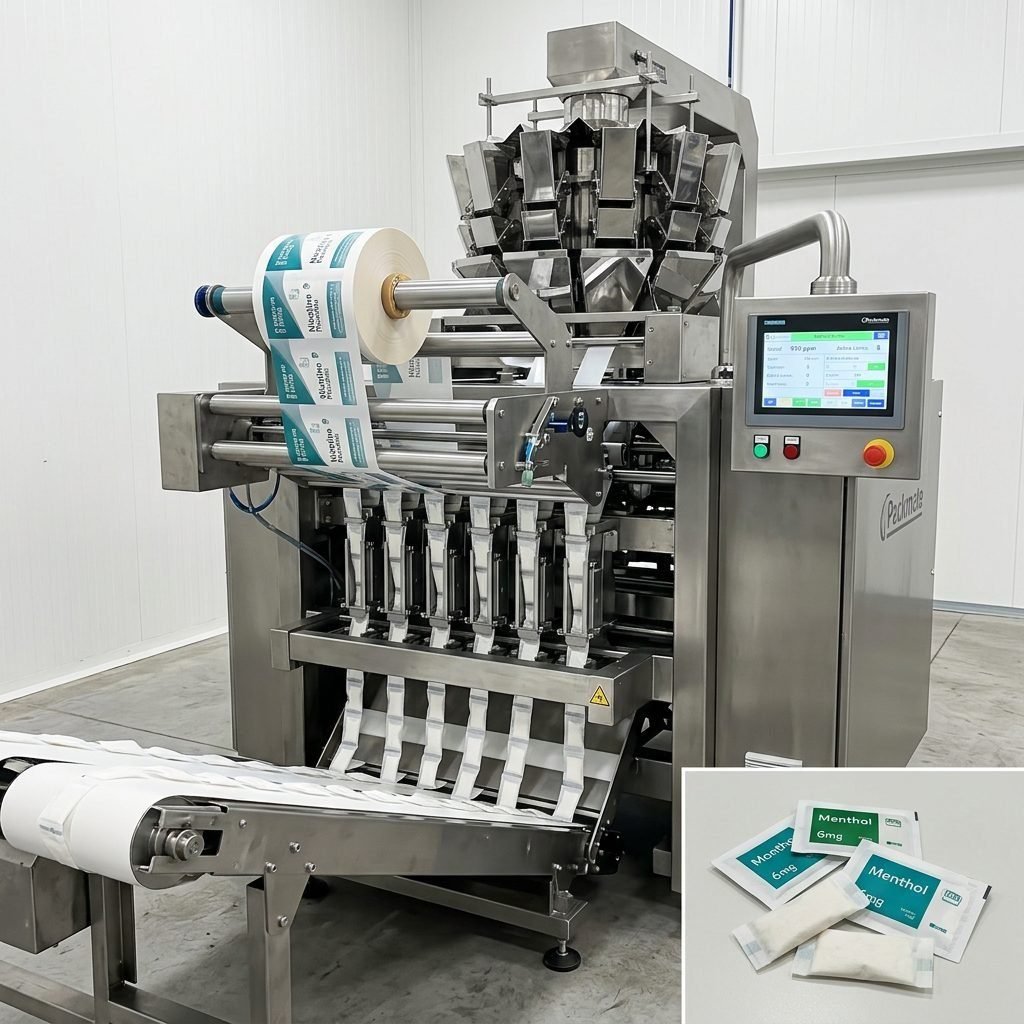
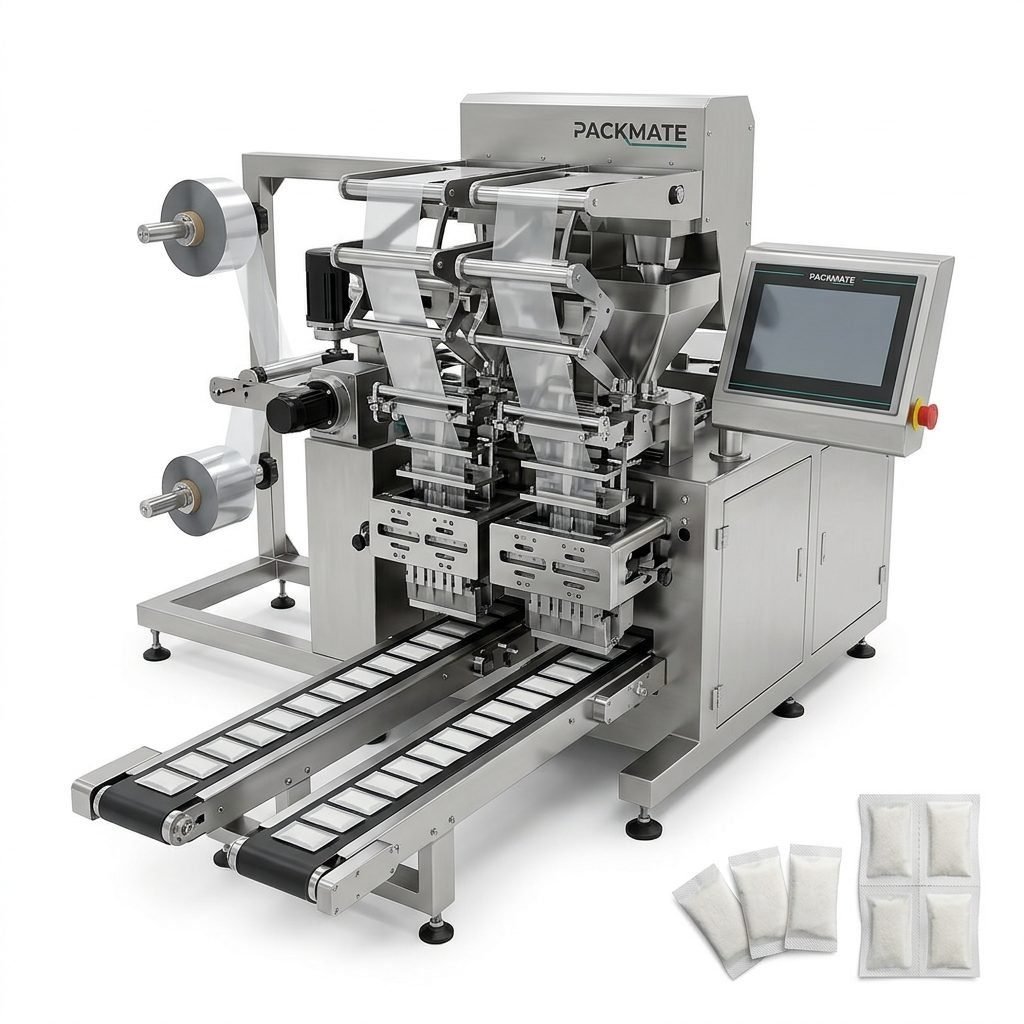
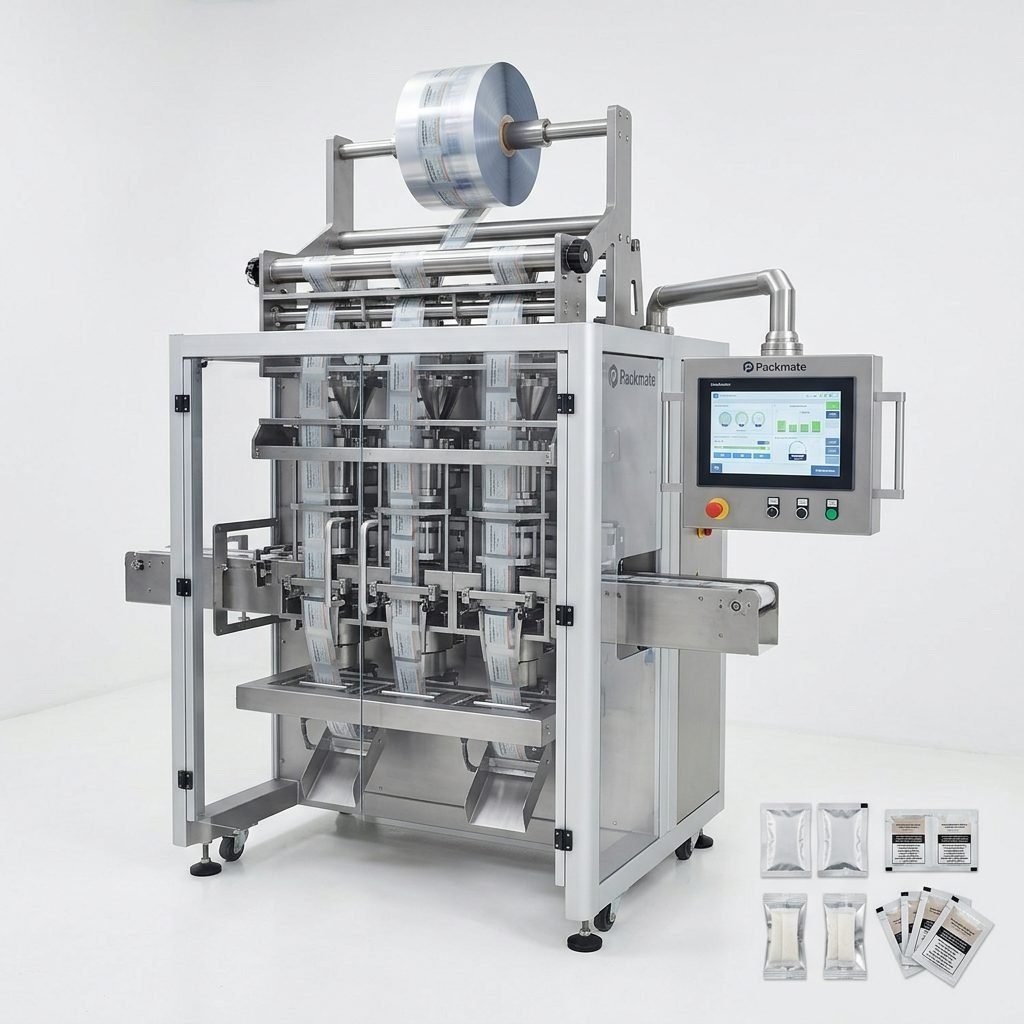
Multi‑lane pouch and stick pack lines
Multi-lane solutions multiply throughput by operating several lanes in parallel on a single machine frame. They are a cost‑effective route to high-volume production while maintaining consistent portioning.
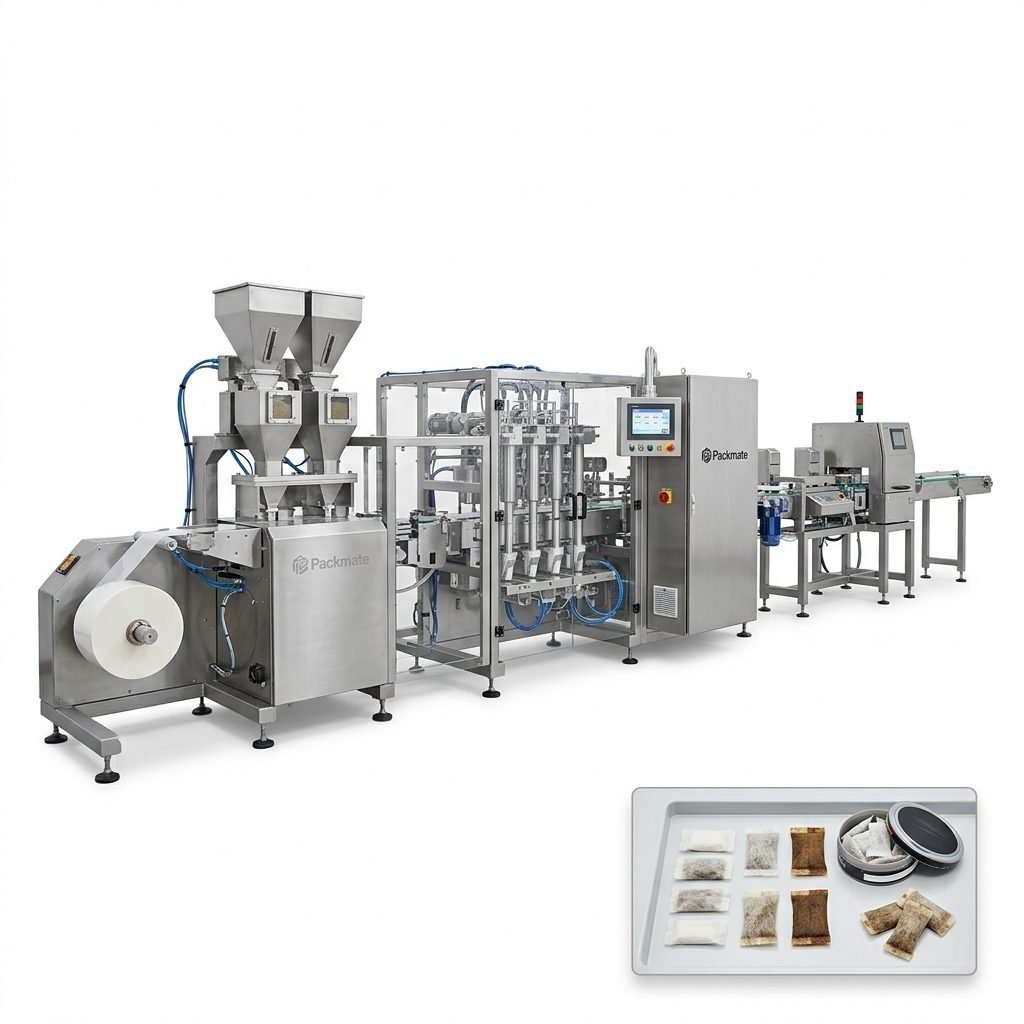
Integrated weighing & filling systems
For snus blends where accurate weight per pouch is critical, integrated scale-based dosing or volumetric feeders ensure each portion meets specification with minimal variation.
For more product categories and machine examples, explore Packmate’s full equipment range: Snus & Nicotine Packaging Machines and Bag & Pouch Packaging Machines.
Critical technical features to evaluate
🔎 When comparing suppliers, verify these core capabilities:
1. Dosing accuracy and repeatability
Precision dosing reduces giveaway and guarantees regulatory compliance. Look for systems with closed-loop feedback for weight control and the option to integrate multi-head weighers for fine powder or blend accuracy.
2. Speed and scalability
Understand both per-lane speed and total capacity. A single fast lane may be sufficient for smaller operations; larger manufacturers will prefer multi-lane frames with straightforward lane expansion.
3. Material handling and hygiene
Machines must support easy cleaning, hygienic design, and minimal dead zones to prevent contamination. Stainless steel contact parts, quick-release components, and CIP options are valuable for nicotine-containing products.
4. Automation & HMI
Modern PLC + HMI control systems with recipe management shorten changeover times, standardize setups, and facilitate remote diagnostics. Look for clear operator interfaces and data logging for traceability.
5. Format flexibility & tooling costs
Evaluate how easily the machine handles different pouch sizes, fill weights, and materials. Lower tooling change costs and modular format parts speed production switchover and lower TCO.
Turnkey integration: From filler to finished packs
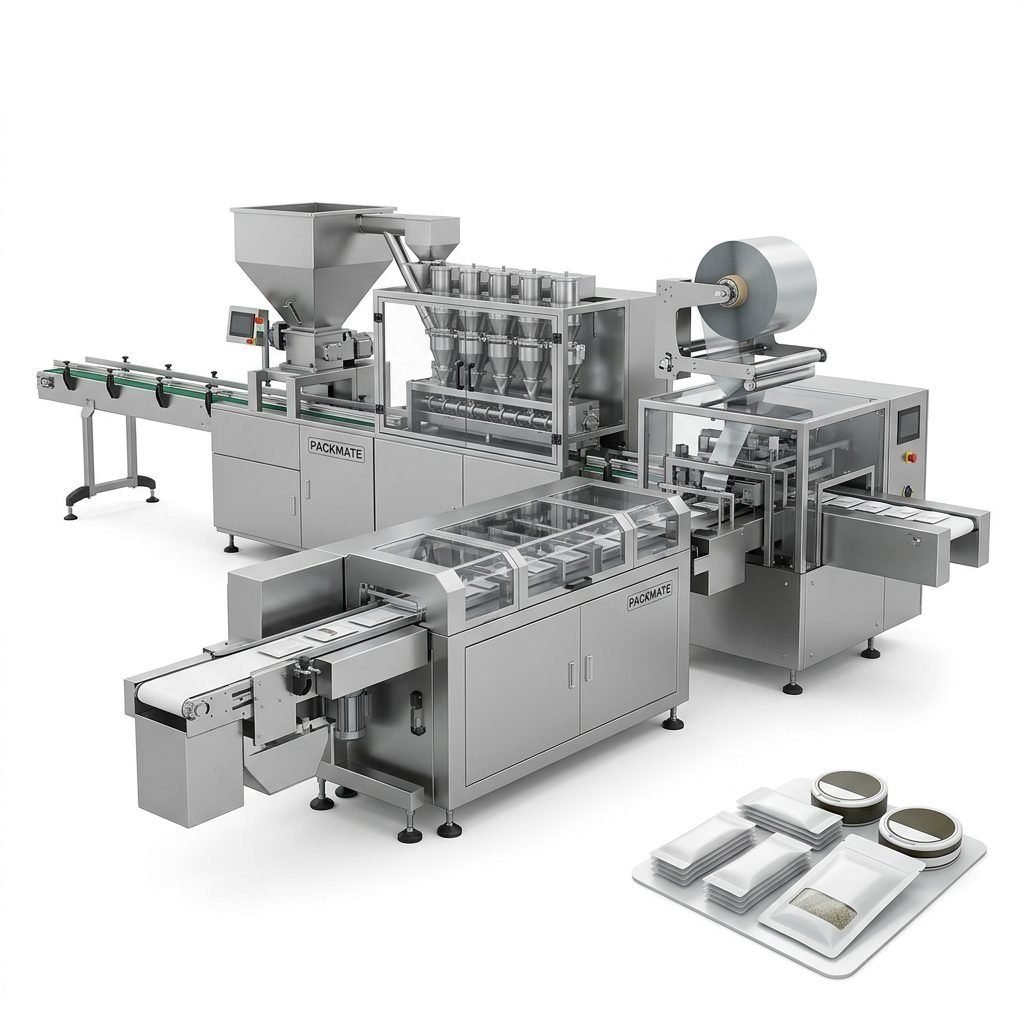
A complete snus production line includes upstream feeders, dosing systems, the primary filling/sealing machine, and downstream conveyors, checkweighers, and end-of-line packaging. Choosing a single supplier for end-to-end integration reduces compatibility risk and shortens commissioning time.
Explore combined systems and full lines at Filling & Packaging Lines and review auxiliary equipment options to complement your filler.
Supplier credibility, certifications, and service
✅ Choose a partner with proven experience in nicotine pouch systems, robust manufacturing capability, and documented certifications.
Packmate Snus Machine brings over 30 years of engineering experience and a 20,000㎡ factory with advanced CNC and precision assembly lines — factors that reduce lead time and improve component reliability. For background on the company and its production strengths, visit About Packmate.
Verify these supplier assurances
- CE, ISO, and other relevant certifications for safety and quality.
- Factory acceptance testing (FAT) and on-site commissioning.
- Spare parts availability and responsive service network.
- Documented case studies and exhibition presence for transparency.
Customization: When standard machines need a twist
Many snus producers require tailored solutions — unique pouch sizes, flavor dosing, or integration with printing and serialization systems. A capable manufacturer will offer modular options, engineering support, and prototype trials to validate performance before full production.
Total cost of ownership (TCO) and ROI considerations
Evaluate more than capital cost. TCO includes installation, tooling, spare parts, utilities, operator training, and expected waste reduction. Calculate ROI based on improved yield, reduced labor, and faster market response. Higher-quality machines often deliver lower operational cost over 5–10 years.
Installation, validation, and operator training
Proper installation and operator training are essential to reach designed output and minimize downtime. Confirm the supplier provides:
- On-site commissioning and trial runs.
- English manuals and maintenance guides.
- Operator training and performance verification.
- Remote support and troubleshooting options.
Maintenance strategies to keep a line running
Proactive maintenance prevents unplanned stops. Use preventive schedules, a small critical-spare inventory, and predictive analytics where available. Keep lubrication, alignment checks, and sensor calibration in routine workflows to maintain fill accuracy and sealing integrity.
📦 Case note: Packmate machines are deployed globally across Europe, Asia and the Americas with turnkey solutions that demonstrate stable multi‑lane throughput and reduced changeover times. See real-world examples at Case.
Regulatory, safety and labeling considerations
Nicotine pouches and snus are subject to specific labeling, ingredient disclosure, and packaging rules in many markets. Machines that integrate printing, label application, and serialization reduce manual handling and ensure traceability. Confirm that your line supports required labeling and has CE/ISO compliance documentation.
Practical checklist before buying
🔧 Use this pre-purchase checklist:
- Define target daily throughput and peak loads.
- Specify pouch types, weights, and materials.
- Confirm integration requirements (weighing, printing, cartoning).
- Request FAT videos and references from similar installations.
- Agree on warranty scope, spare parts list, and SLAs.
How to evaluate demos and factory acceptance tests
A factory acceptance test (FAT) should replicate your products as closely as possible. Ask for live demos with your actual formulation or a representative mix. Validate changeover times, weight distribution, sealing quality, and reject rates. Request machine run-time data and a full list of included tooling and spare parts.
Next steps: communicating requirements to suppliers
When contacting vendors, provide:
- Target speed and daily volume.
- Product specs (weight, moisture, particle size).
- Pouch material and format examples.
- Plant utilities and available floor space.
If you’d like tailored guidance or to view specific machine models, contact Packmate’s sales and service team via Contact Us. For additional product exploration, browse their product lines like Sachet & Stick Pack Machines.
Final recommendations
Select a snus filling machine by aligning technical capabilities with your production roadmap. Prioritize dosing accuracy, hygienic design, multi‑lane scalability, and a supplier that demonstrates manufacturing strength and after‑sales support. A balanced decision reduces risk while creating capacity to grow into new formats and markets.
Frequently Asked Questions
Q1: What is the typical payback period for a high-efficiency snus filling line?
A: Payback varies, but many manufacturers recover investment in 18–36 months through reduced labor, lower giveaway, and higher throughput. Conduct a detailed TCO calculation including downtime risk and quality improvements to refine your projection.
Q2: Can one machine handle multiple pouch sizes and weights?
A: Most modern systems are designed for format flexibility with modular tooling and recipe storage. Confirm changeover times and tooling costs with your supplier and request demonstrations for each target format.
Q3: How important are multi-lane systems for scaling?
A: Multi-lane machines are essential when you need to scale capacity with limited floor space. They provide high throughput without the complexity of multiple independent machines and simplify maintenance and control.
Q4: What support and spare parts should be guaranteed?
A: Ensure warranty terms, spare parts lists, and SLAs for critical components (pumps, feeders, sensors, sealing jaws). Verify that the supplier offers prompt technical support and on-site commissioning services.
Q5: How can I validate machine performance before purchase?
A: Require a Factory Acceptance Test (FAT) using your product or a simulated formulation. Ask for video evidence, cycle count data, and references from similar installations. FATs that include representative run rates and changeover procedures minimize post‑purchase surprises.