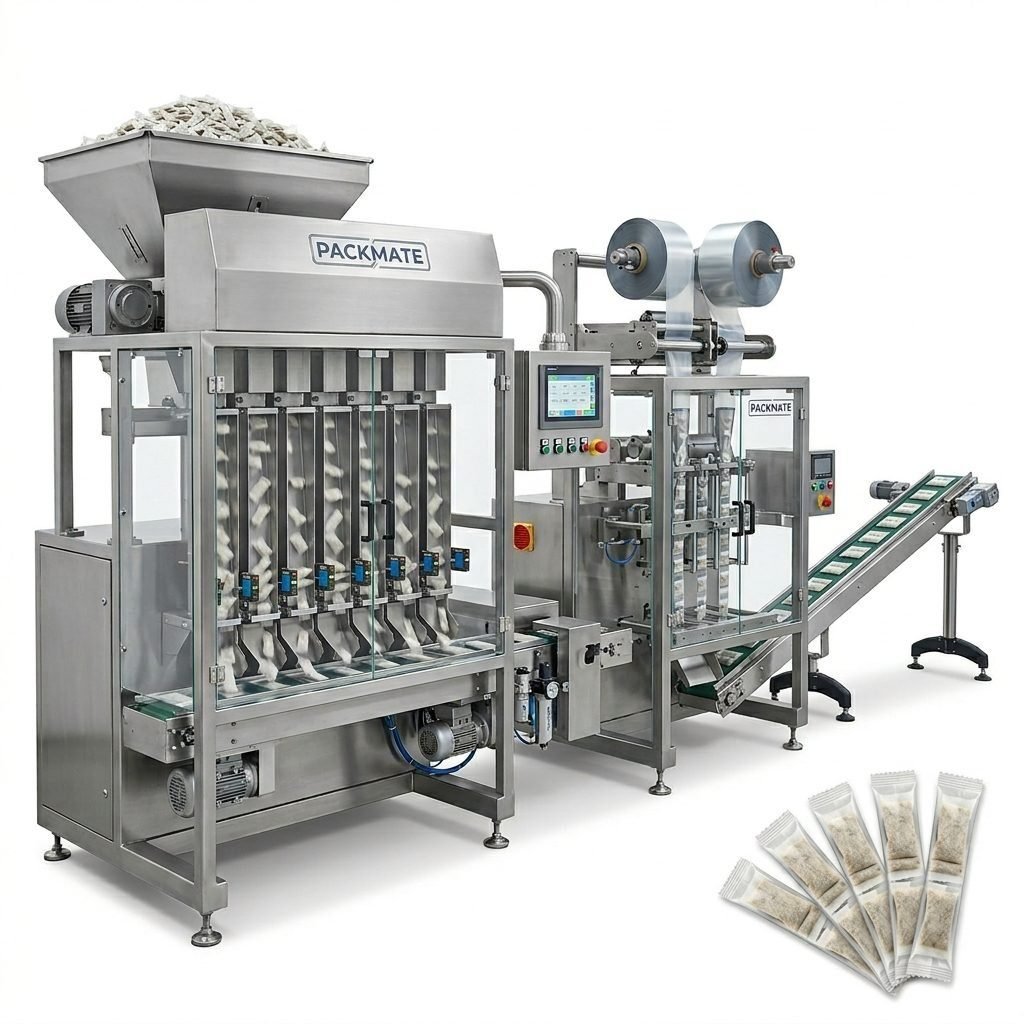
Choosing the right snus packaging machine in Belgium involves more than price comparison. Producers must evaluate machine performance, reliability, regulatory compliance, and the supplier’s after-sales support. This guide walks you through the essential criteria, practical questions to ask, and how to match machine capabilities with your production goals so you can select the best solution for nicotine pouch and snus packaging.
Understand Your Production Needs
The first step is defining your production profile. Ask: what is your target output (pouches per minute), how many lanes will you run, and which pouch formats (round, sachet, stick) are required? Small-batch artisans prioritizing flexibility will choose different systems than large-scale manufacturers needing continuous multi-lane throughput. Consider seasonal demand swings and potential product variants to avoid undersizing or overspending on features you won’t use.
Key production questions: 🔧 What is the hourly or daily volume target? ✅ How many pouch lanes do you require? ⚙️ Do you need precise dosing for micro-doses typical of nicotine pouches?
Machine Types and Their Advantages
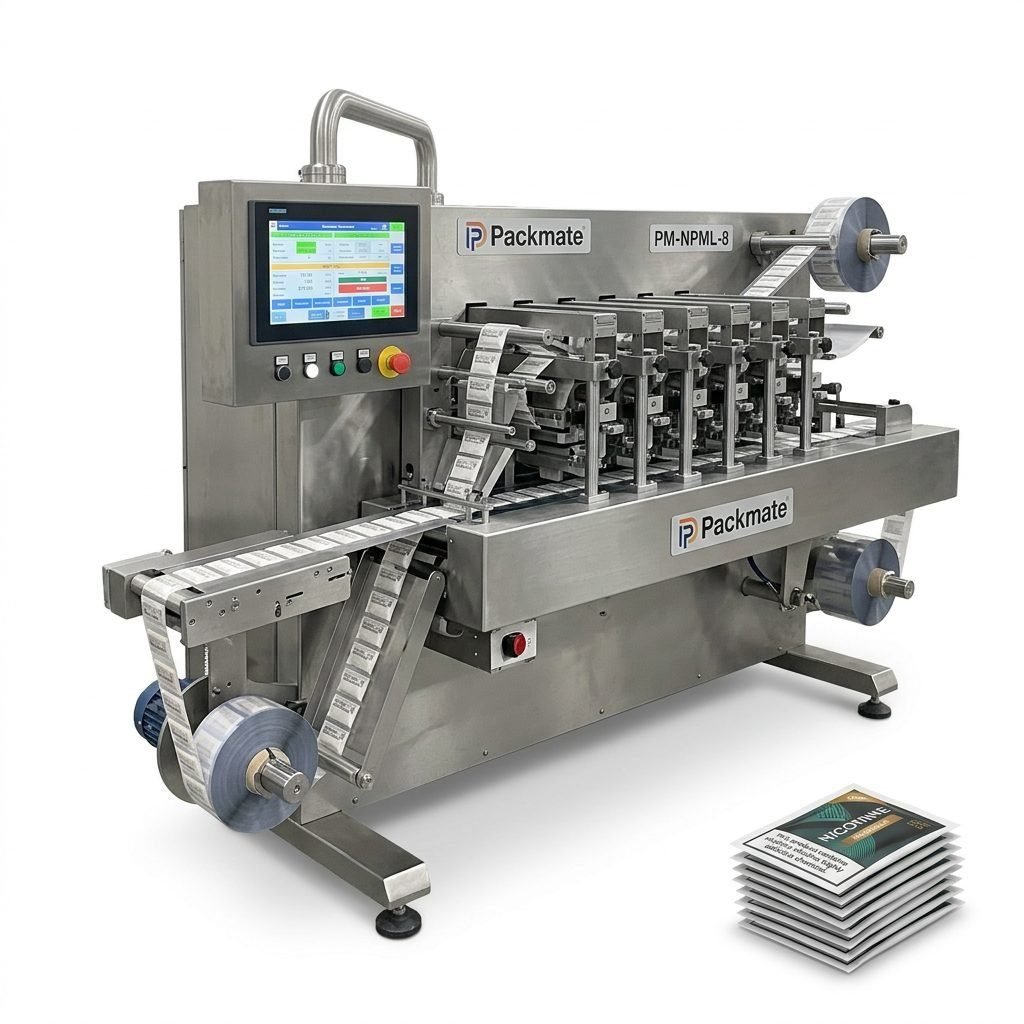
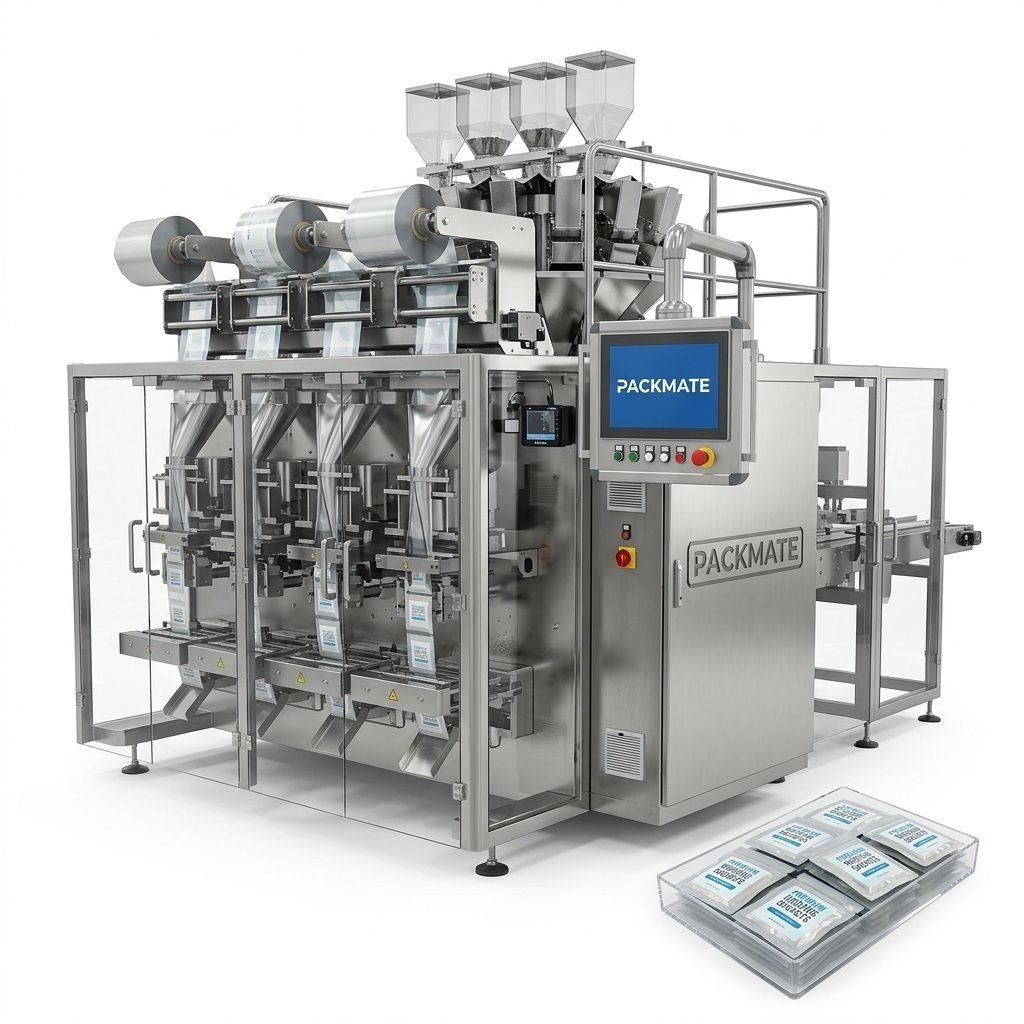
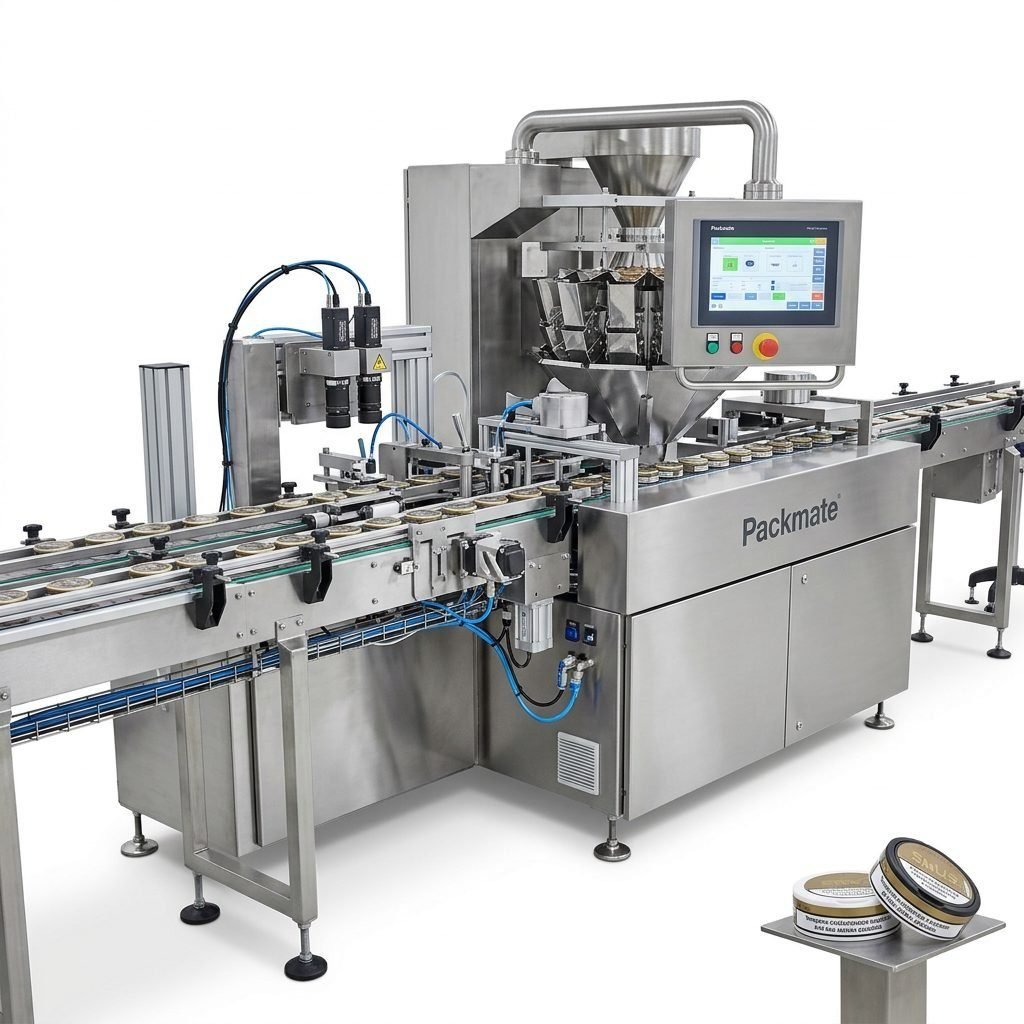
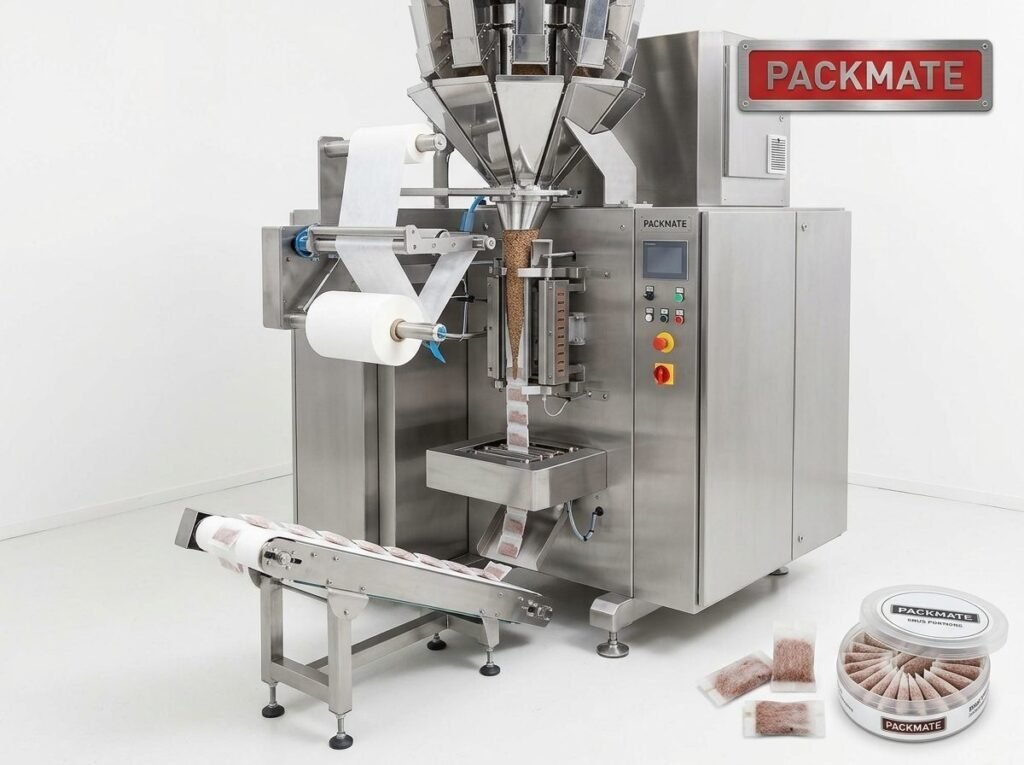
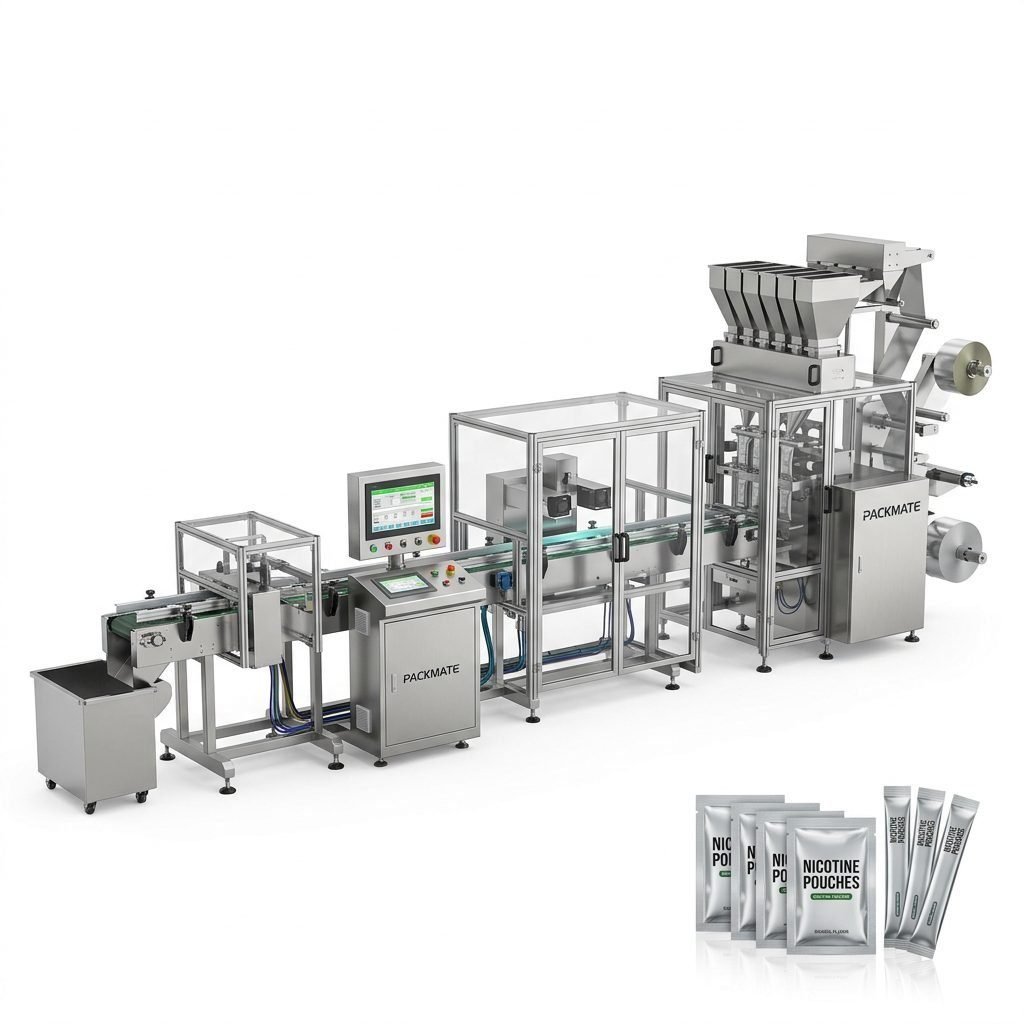
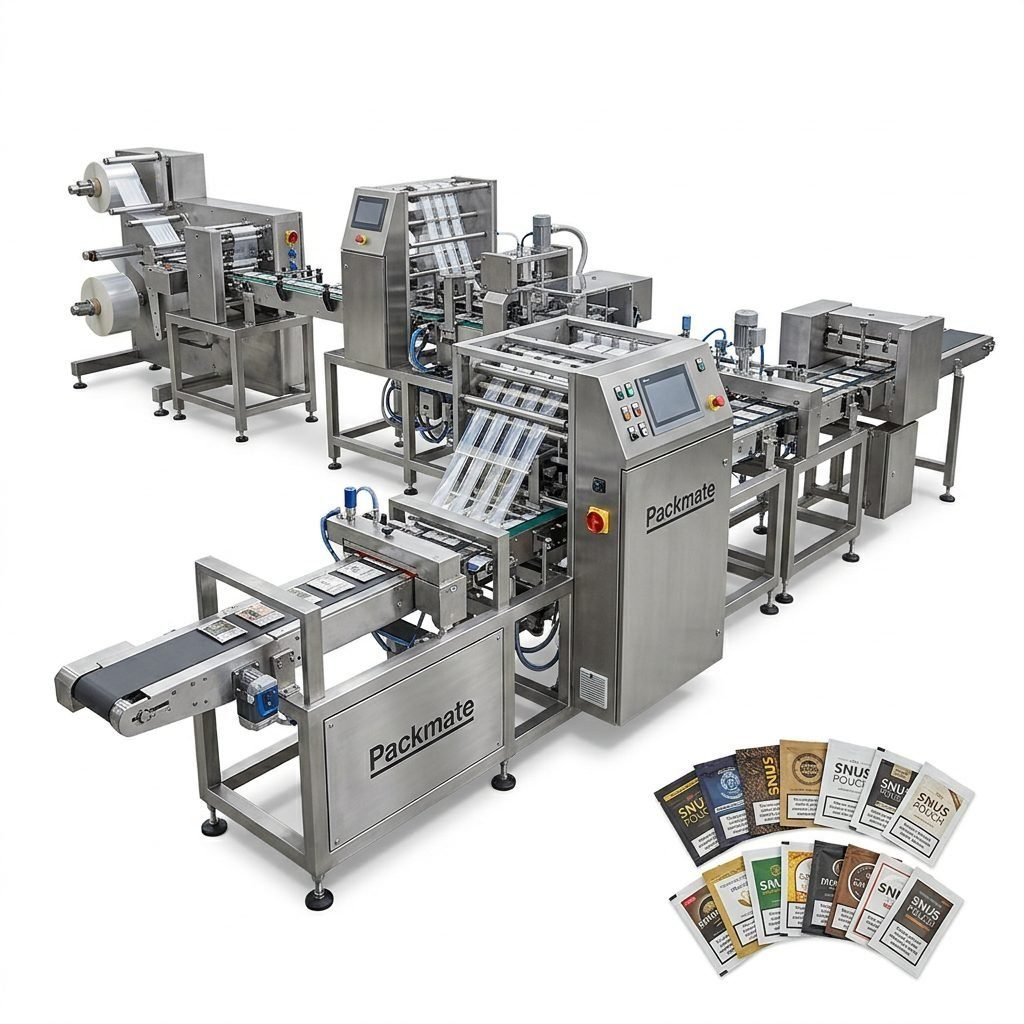
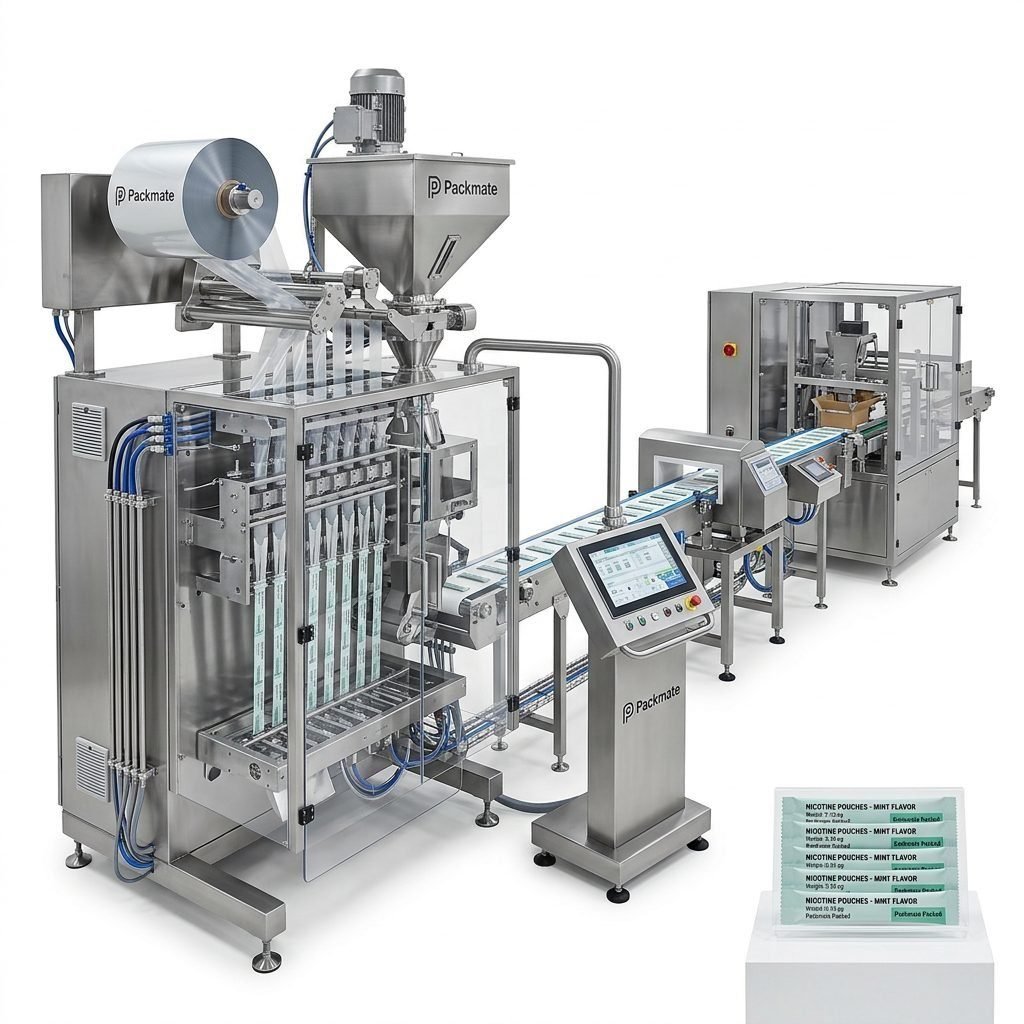
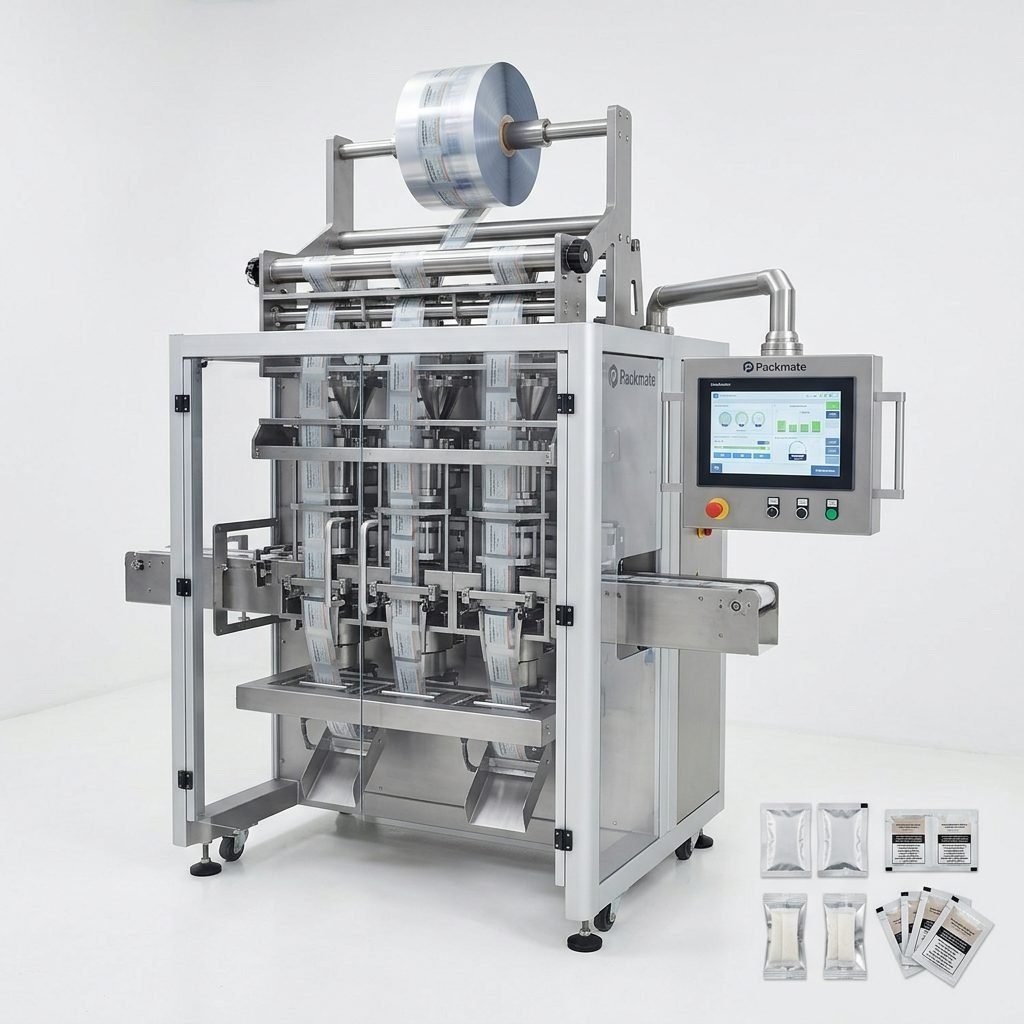
Packaging machines for snus and nicotine pouches come in several categories: single-lane stick pack machines, multi-lane sachet machines, and specialized snus pouch systems. Each offers trade-offs between speed, footprint, and changeover convenience. Multi-lane lines deliver higher throughput per footprint but may require more sophisticated dosing and synchronization.
If you need an overview of specialized equipment, review the manufacturer’s product pages for comparative features. For example, the manufacturer’s range includes tailored lines for snus and nicotine products that balance speed with gentle product handling: Snus & Nicotine Packaging Machines.
Performance Metrics to Evaluate
Focus on measurable performance indicators: nominal speed (pouches/min per lane), overall throughput, accuracy of dosing, downtime rates, and mean time between failures (MTBF). A machine’s advertised top speed is useful, but real-world stable throughput is determined by changeover time, material handling, and operator skill.
Performance checklist: ✅ Stable multi-lane synchronization ✅ Dosing accuracy for small pouch weights ✅ Minimal scrap and gentle product handling
Hygiene, Materials and Regulatory Compliance
For snus and nicotine packaging, hygiene and material compatibility are critical. Machines should be constructed from hygienic stainless steel, with easy-to-clean surfaces and closed areas minimized to reduce contamination risk. Confirm compliance with relevant standards and certifications; reputable manufacturers often provide CE and ISO certificates to demonstrate adherence to safety and quality norms.
For specific machine lines covering multiple packaging needs, see Bag & Pouch Packaging Machines and Sachet & Stick Pack Machines for hygiene-focused configurations.
Flexibility and Format Changeover
Today’s production requires flexibility: the ability to switch formats, adjust weights, and change lane counts quickly. Evaluate how fast a machine can switch between pouch sizes and fillings. Some manufacturers offer modular designs or quick-change tooling that drastically reduces downtime when introducing a new SKU.
Tip: Machines with user-friendly HMI, recipe management, and servo-driven adjustments provide faster, repeatable changeovers.
Automation and Integration with Upstream/Downstream Equipment
Full production efficiency demands seamless integration with weighing systems, dosing feeders, conveyors, case packers and secondary packaging. Assess integration capabilities, communication protocols (e.g., PLC compatibility), and whether the supplier can supply a turnkey solution that includes weighing & packaging systems or supplementary modules.
For integrated lines and weighing solutions, explore the manufacturer’s offerings: Weighing & Packaging Systems and Filling & Packaging Lines.
Service, Spare Parts and Local Support in Belgium
After-sales service is often the deciding factor. Confirm lead times for spare parts, availability of local technicians, and whether the manufacturer offers on-site commissioning and training. A machine with slightly higher upfront cost but strong local support can save substantial downtime costs in the long run.
📦 Ask suppliers: What is the typical response time for spare parts in Belgium? Is remote support available? Do you provide operator and maintenance training during startup?
Total Cost of Ownership (TCO) vs. Initial Purchase Price
Compare machines not only on capital cost but on energy consumption, maintenance intervals, spare parts pricing, and expected service life. A reliable machine with higher energy efficiency and longer MTBF can deliver lower costs per pouch over its lifespan. Request detailed TCO calculations and references to validate claims.
Customization and Turnkey Solutions
Many manufacturers offer customizable solutions—tailored lane counts, dosing systems, or downstream packaging modules. If you prefer a single vendor to manage the entire line, look for companies with turnkey capabilities, including design, installation, and qualification. Manufacturer case studies and project references demonstrate their experience with complete production lines.
Review real-world examples to evaluate supplier experience: Case.
Technical Validation and Factory Acceptance Tests (FAT)
Insist on a Factory Acceptance Test (FAT) where you or your representative can verify machine performance, dosing accuracy, and format changeover procedures before shipment. FATs reduce commissioning surprises and ensure the delivered machine meets contractual performance.
Selecting a Trusted Manufacturer
Look for manufacturers with long-standing engineering experience, robust manufacturing facilities, and international certifications. A company profile and history give insight into capability and continuity. For example, Packmate’s decades of development and an extensive manufacturing base support reliable supply for snus packaging projects. See the manufacturer’s background: About Packmate.
Manufacturer indicators: 30+ years experience, large factory footprint, global turnkey projects, international certifications such as CE and ISO.
Practical Buying Checklist
When evaluating quotes, use a consistent checklist: performance specs, lane configuration, dosing accuracy, footprint, utilities (power, air), material compatibility, spare parts list, warranty, and local support. Ask for references and video documentation of the same model running similar products.
⚠️ Must-have contract items: performance guarantees, FAT acceptance criteria, spare parts delivery times, training scope, and clear warranty terms.
Visiting Exhibitions and Live Demonstrations
Live demos provide the most reliable evaluation. Attend exhibitions or factory demos to observe machines in operation, testing with your product samples if possible. The manufacturer’s exhibition schedule and event participation often include live machine runs and technical Q&A.
Check upcoming opportunities to see equipment in person: Our Exhibition.
Negotiating Purchase and Delivery
Clarify delivery timelines, shipping responsibilities, installation scope, and acceptance tests. If importing equipment into Belgium, verify customs documentation and any local compliance requirements. Ask about extended service agreements or spare parts kits to minimize initial downtime risk.
Final Selection Summary
In summary, the best snus packaging machine in Belgium for your operation is the one that balances throughput, format flexibility, hygiene standards, supplier support, and total cost of ownership. Prioritize real-world performance, on-site support, and clear contractual guarantees. Working with an experienced turnkey supplier simplifies integration and speeds time to market.
When you’re ready to request detailed proposals or factory tours, contact the manufacturer’s sales and service team to discuss tailored solutions and local support options: Contact Us.
Frequently Asked Questions
Q1: How do I know whether to choose a single-lane or multi-lane machine?
A: Choose based on volume and SKU mix. Single-lane machines are more flexible and economical for low volumes, while multi-lane systems maximize throughput and footprint efficiency for high-volume production.
Q2: What certifications should snus packaging machines have?
A: Look for CE and ISO compliance as a baseline. Also confirm hygienic design standards and any country-specific requirements for nicotine product handling and packaging.
Q3: How important is local service in Belgium?
A: Very important. Fast spare parts delivery and local technical support significantly reduce downtime. Ensure the supplier can provide timely service or has certified local partners.
Q4: Can I get a turnkey solution including weighing and case packing?
A: Yes. Many experienced manufacturers offer full production lines including weighing & packaging systems and downstream case packers—request integrated proposals and references to validate experience.
Q5: What should be included in the FAT?
A: A comprehensive FAT should include performance tests at target speeds, dosing accuracy checks, format changeover demonstration, safety validation, and documentation review including spare parts lists and maintenance manuals.