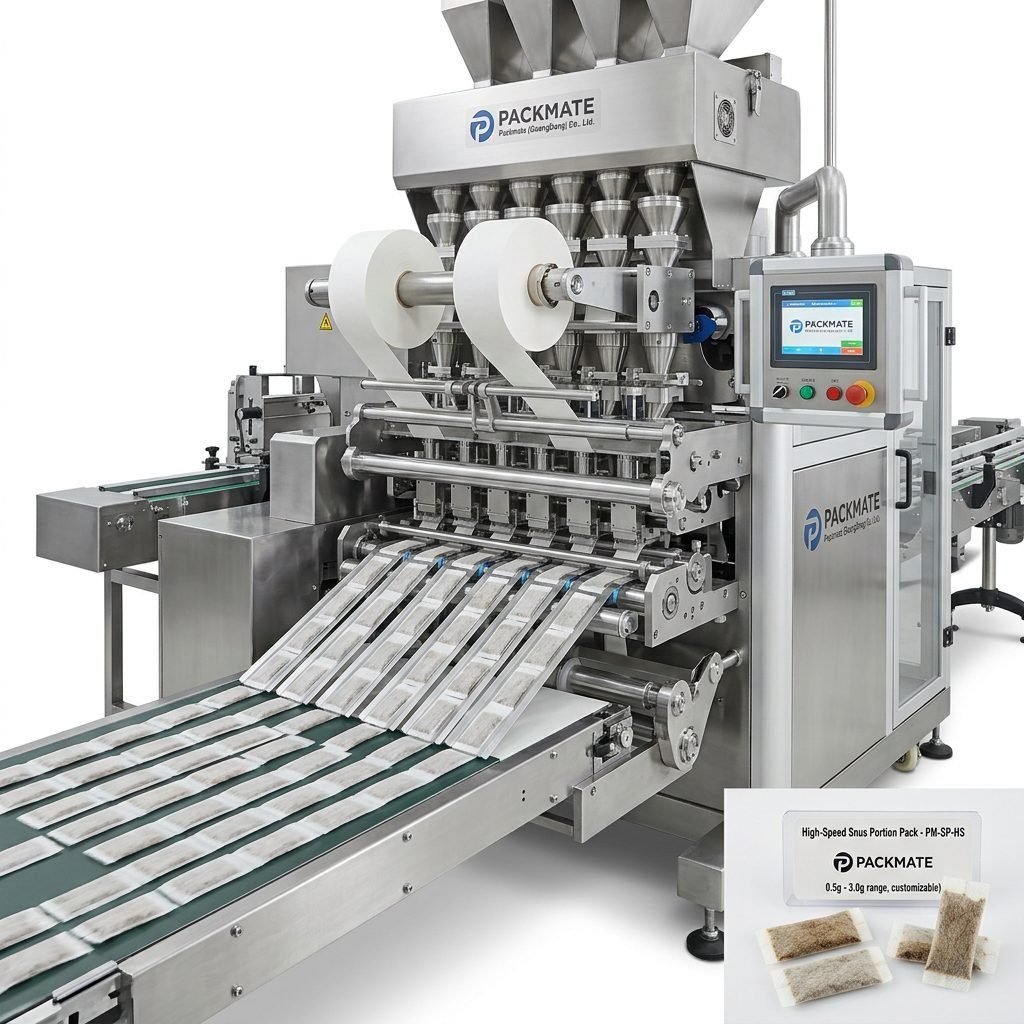
Choosing the right snus packaging machine for a production line in Laos requires balancing equipment performance, local conditions, regulatory considerations and cultural preferences. This guide walks manufacturing managers, entrepreneurs and operations teams through practical steps to select the best machine for nicotine pouches and snus packaging while highlighting why specific machine types and features work well in Laos’ climate and market.
Understand Local Market & Cultural Context
Before evaluating machines, consider the Lao market characteristics: tobacco and chewing habits are widespread, especially in rural areas, and products are often sold both in formal retail and small local kiosks. Many consumers in Laos prefer compact, affordable packaging sizes. Packaging designs that respect local language labeling and simple pictograms help reduce confusion in mixed-literate markets.
Tip: For Laos, consider small-dose pouch formats and flexible packaging machines that can run multiple pouch sizes with quick changeovers to serve both urban convenience stores and rural vendors.
Common Snus Packaging Formats and Which Machines Fit
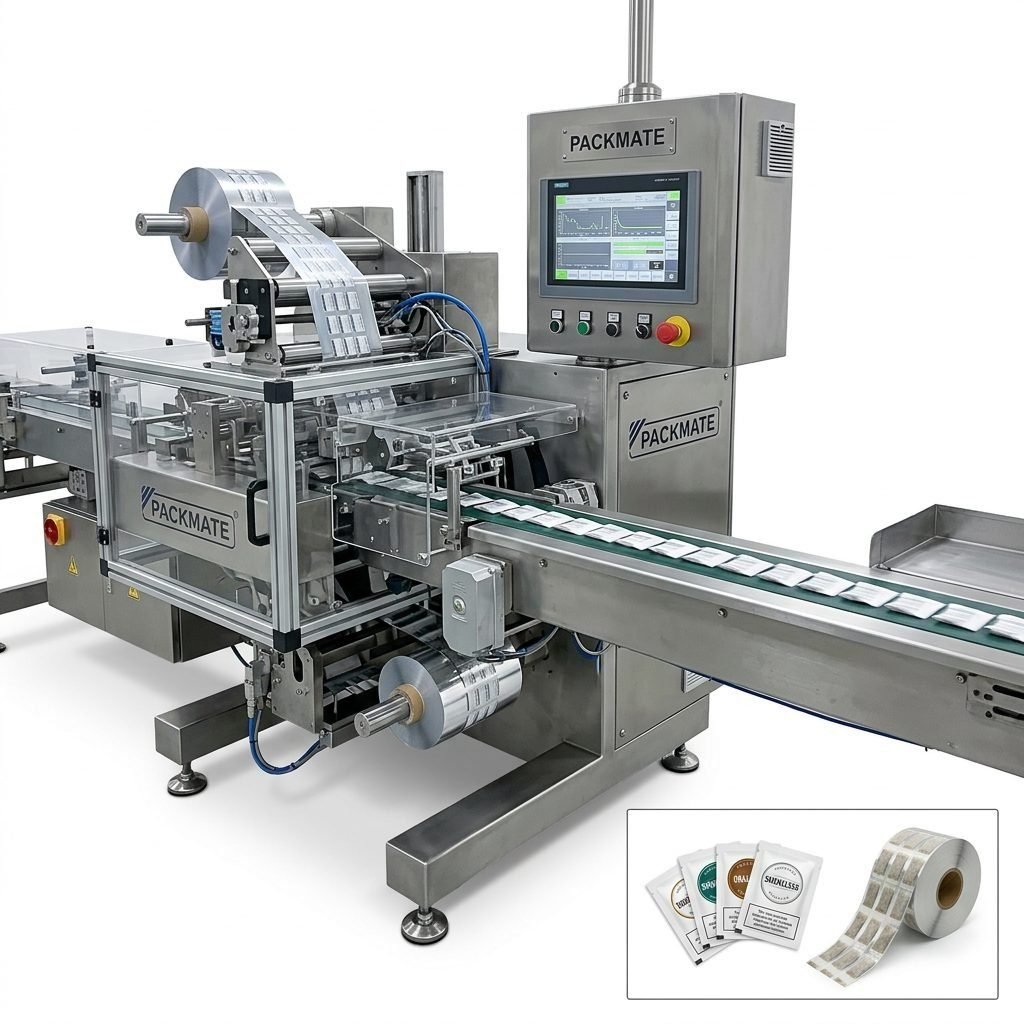
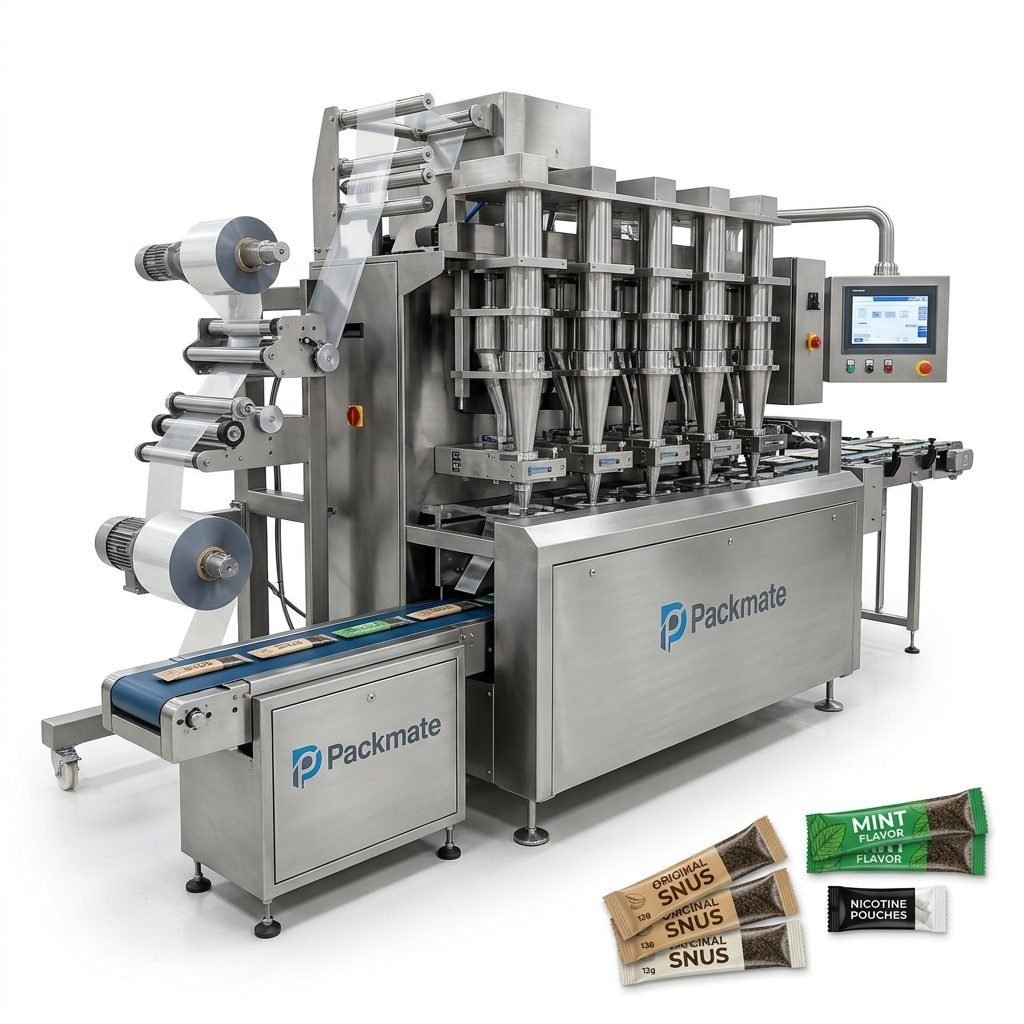
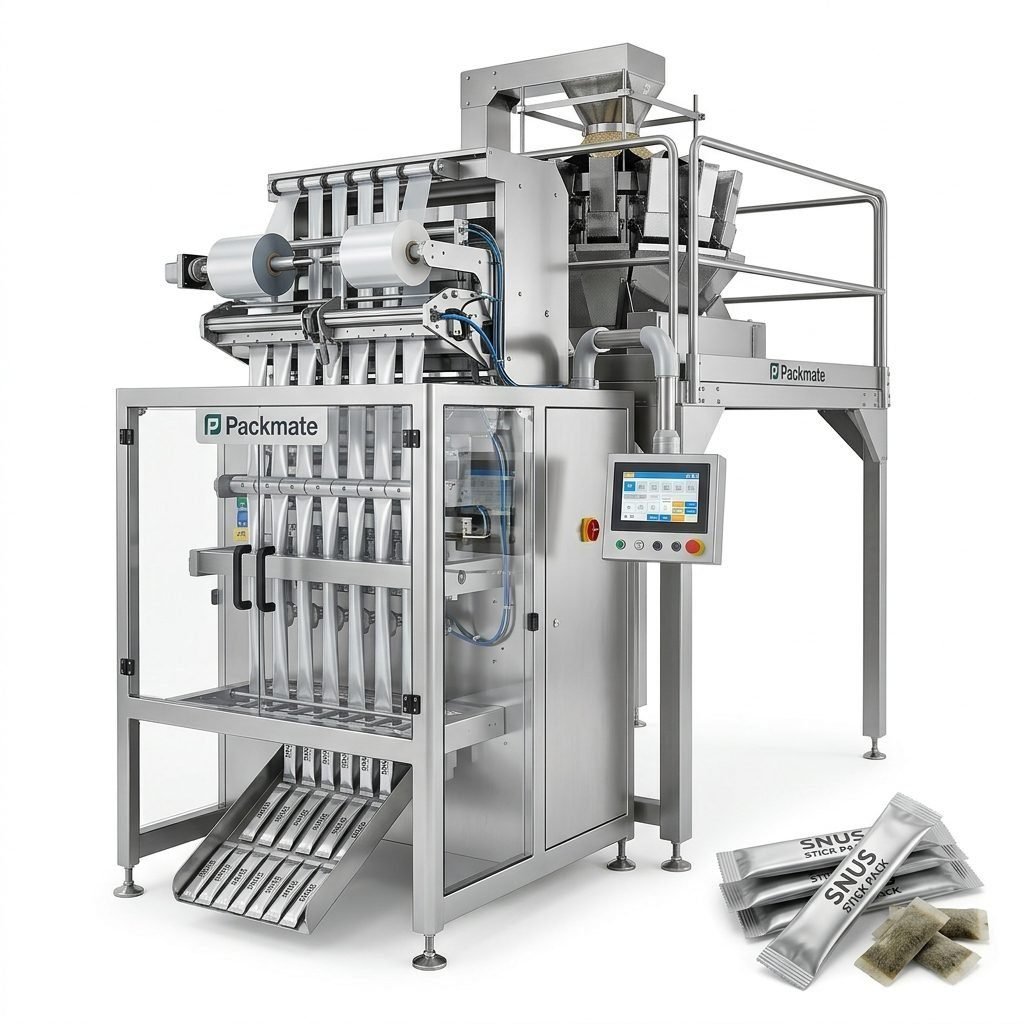
Typical formats include single-dose pouches, multi-pouch sachets and small bag/pouch solutions. Each format maps to different machine families:
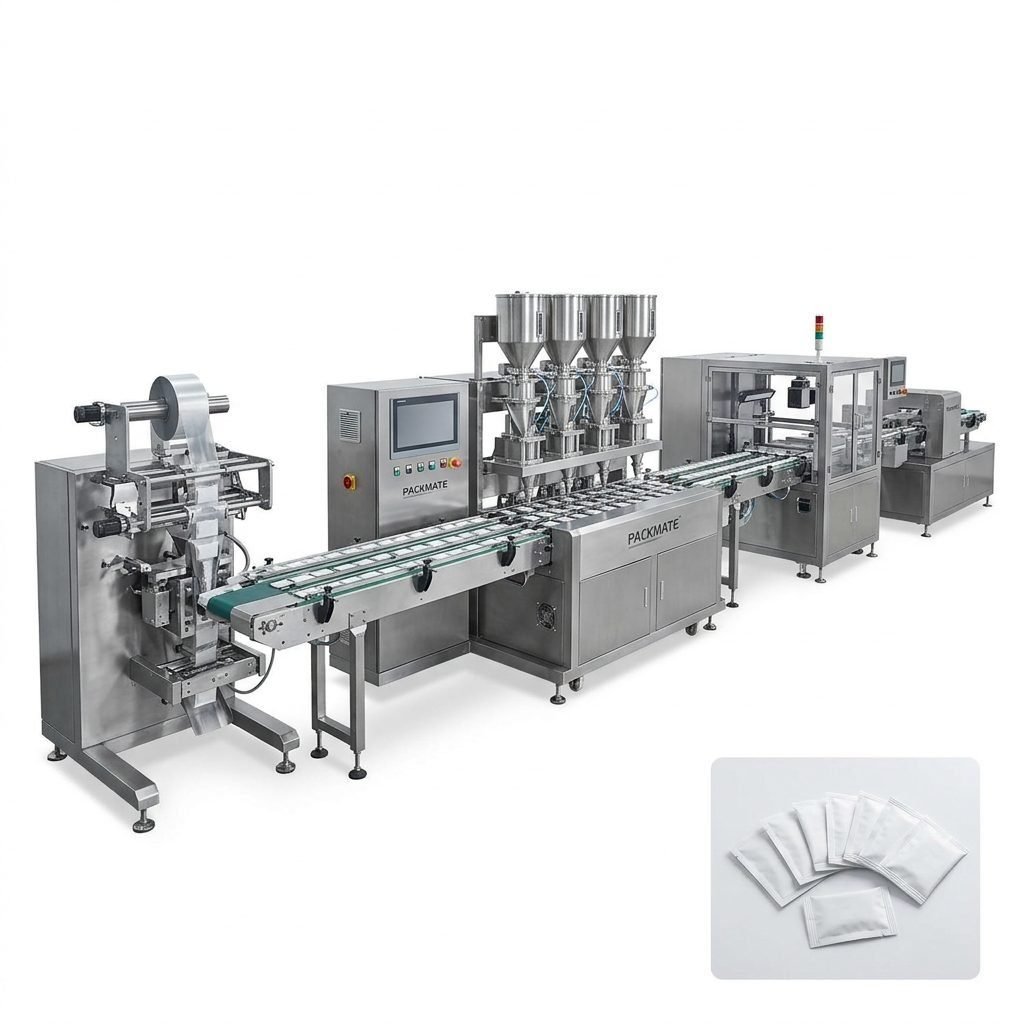
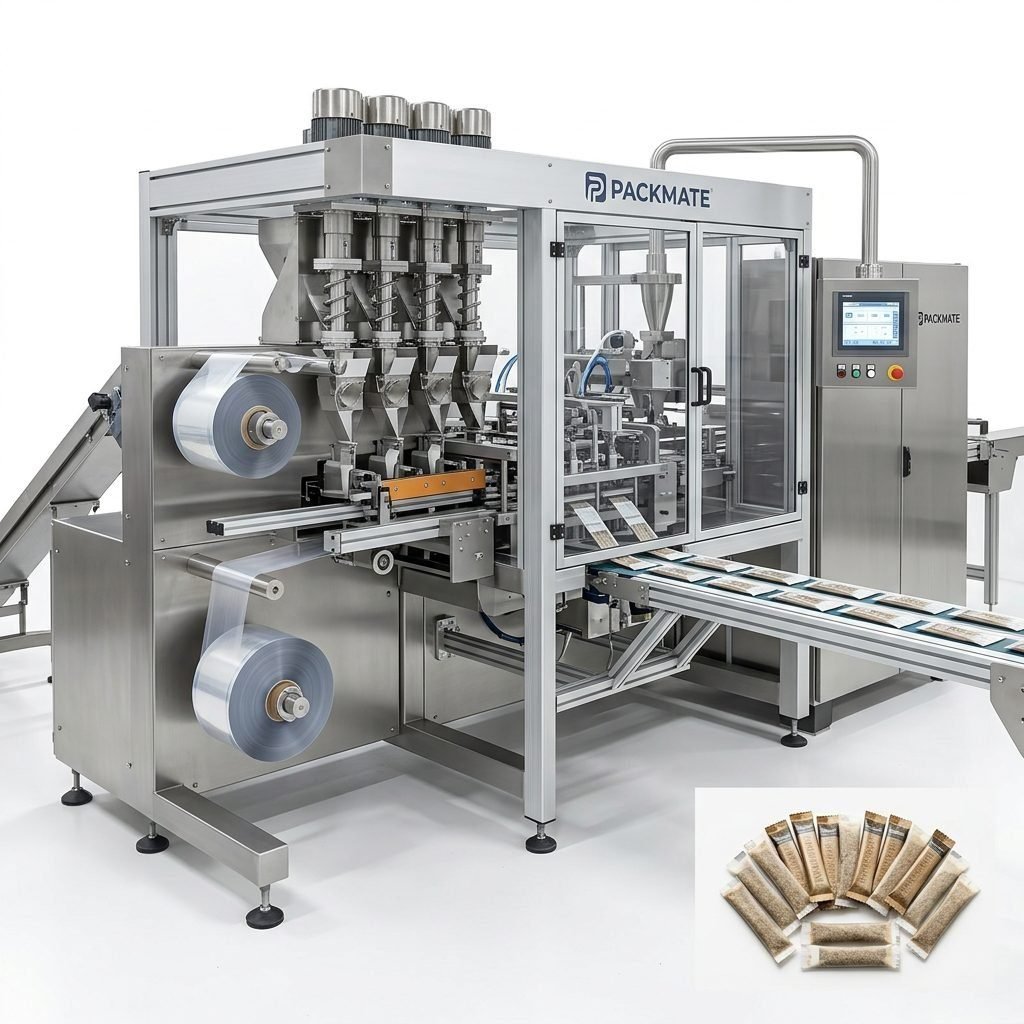
- Stick pack / sachet machines for single-dose, elongated pouches (fast, low cost per unit).
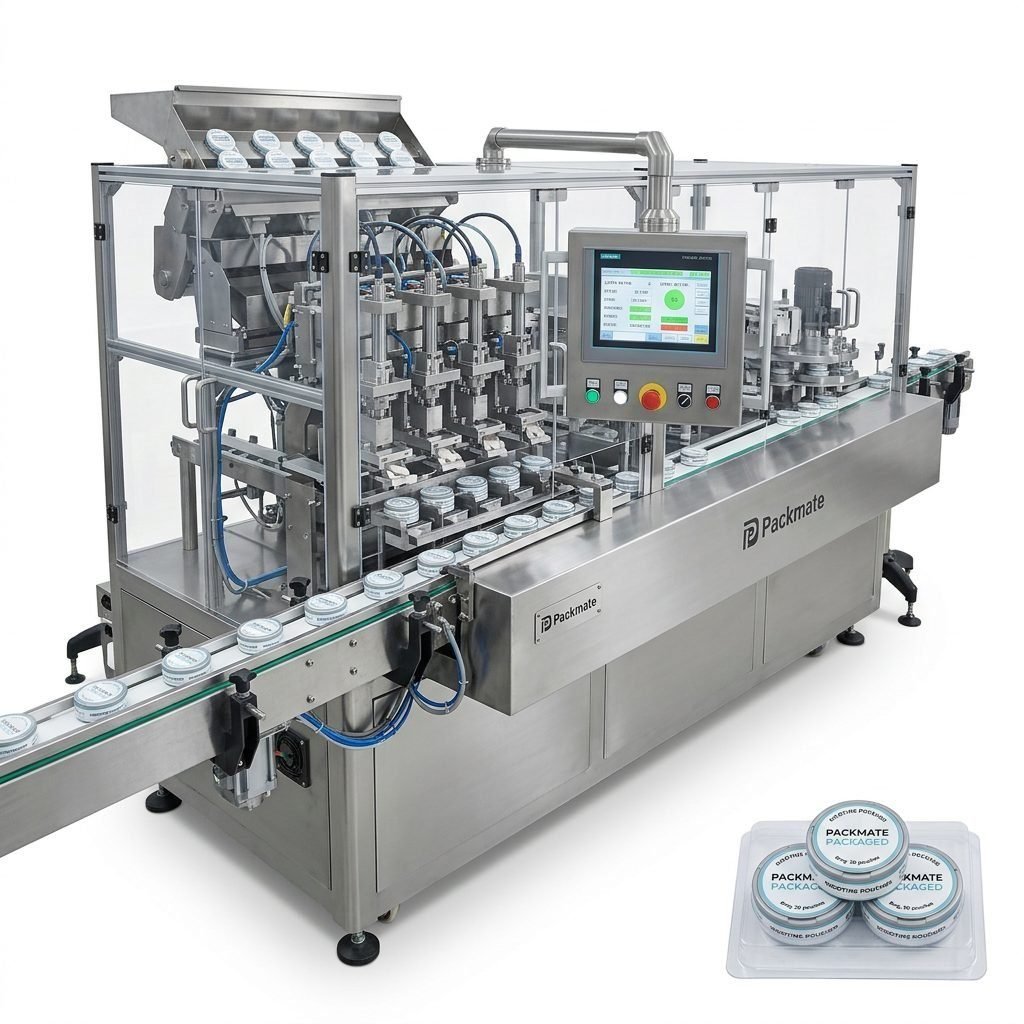
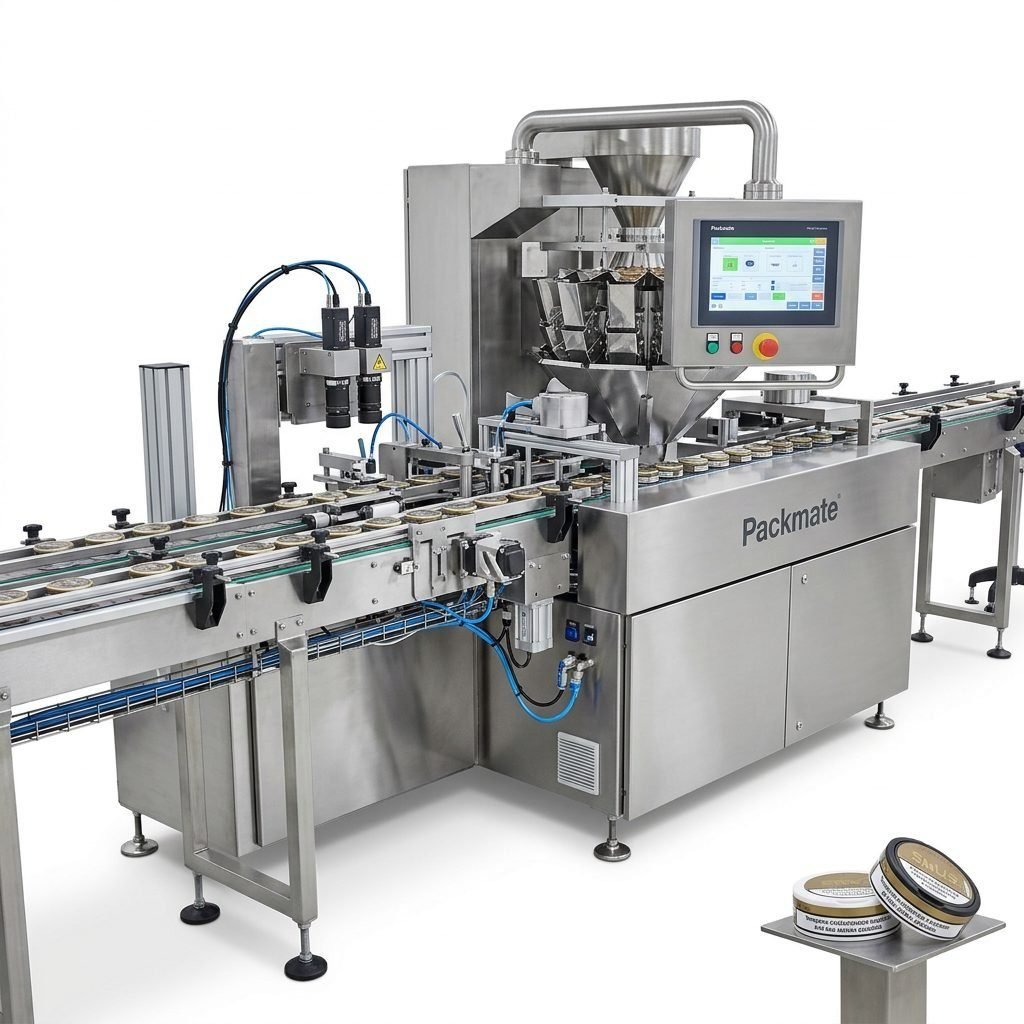
- Multi-lane snus pouch machines for high-output small-dose production (ideal for growth plans).
- Bag & pouch machines for resealable or multi-pouch retail packs.
Recommended links for machine exploration
Explore detailed models and machine families:
Snus & Nicotine Packaging Machines,
Bag & Pouch Packaging Machines and
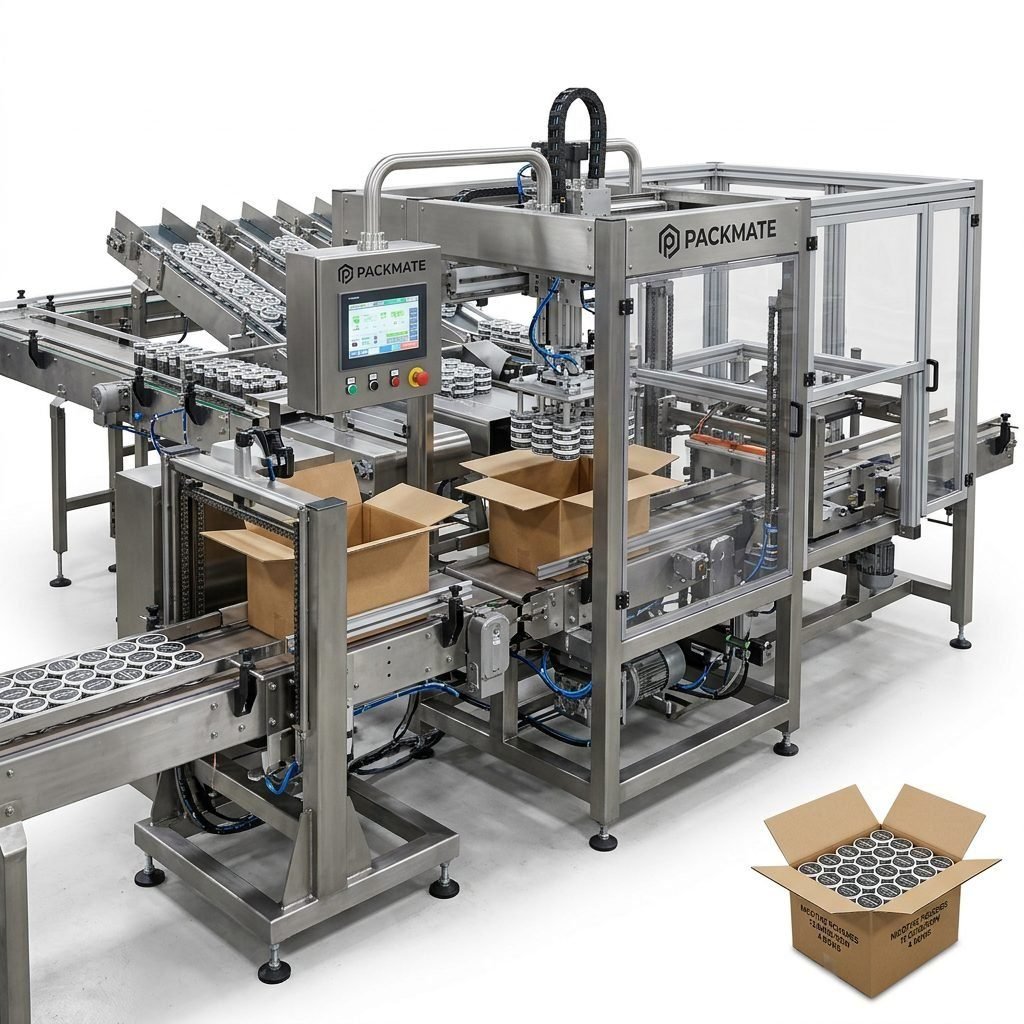
Filling & Packaging Lines.
Key Technical Criteria to Evaluate
When assessing snus packaging machines, prioritize the following technical aspects:
- Throughput & Scalability: Match machine speed to your target daily output. Multi-lane systems allow scaling without doubling footprint.
- Accuracy & Filling Technology: Consistent dosing avoids product waste and regulatory issues—look for proven weighing and pouch filling integrations.
- Changeover Time: Short changeover supports multiple SKUs and seasonal demand shifts common in Laos’ mixed-market retail.
- Sealing Quality: Humidity in Laos can affect film sealing; machines with controlled sealing temperature and pressure are essential.
- Material Compatibility: Ensure compatibility with common barrier films and paper laminates used for nicotine products.
Climate, Utilities and Factory Environment in Laos
Laos has a tropical monsoon climate with high humidity and seasonal rains. These factors influence machine choice and factory layout:
Important: Equip your workshop with dehumidifiers and stable HVAC near production to protect film stock and ensure consistent sealing. Machines with enclosed sealing zones and humidity-tolerant PLC controls are preferred.
Power supply in Laos is typically 230V/50Hz—confirm machine voltage compatibility or plan for transformers. Also consider local service access for spare parts and routine maintenance.
Regulatory Compliance and Labeling
Nicotine products are regulated differently across Southeast Asia. For Laos:
- Confirm national labeling requirements (language, warning statements, ingredient lists) and ensure your packaging machine supports precise label placement or pre-printed film registration.
- Choose machines compliant with international standards (CE/ISO) to simplify export and certification processes; many manufacturers list certifications—see Certificate.
Supplier Selection: What to Ask
When contacting suppliers, ask for:
- Performance data (units/hour) for the exact pouch size and product density.
- References or case studies—machines proven in hot/humid climates are a plus.
- Details on spare-part availability and recommended maintenance schedules.
- Training options for local operators and remote support capabilities.
Packmate’s 30+ years of experience and global turnkey solutions make it easier to evaluate suppliers—learn more About Packmate.
Cost Considerations & Return on Investment
Upfront machine cost is only part of the equation. Consider:
- Total Cost of Ownership (TCO): Include installation, training, spare parts, energy use and expected downtime.
- Waste & Yield: More accurate filling reduces product losses—often a larger cost factor than machine price.
- Scalability: Machines that can be upgraded or expanded (e.g., adding lanes) delay costly replacements.
Installation, Training & After-Sales in Laos
Successful long-term operation depends on reliable after-sales and operator competency:
- Arrange on-site commissioning and hands-on operator training; multilingual manuals or local-language support is highly beneficial.
- Negotiate spare-part kits and planned maintenance contracts to reduce downtime.
- Prefer suppliers who attend regional exhibitions and maintain regional support—review Our Exhibition records for proof of engagement.
Factory Layout & Workflow Tips
Design the production area to reduce exposure to humidity. Create separate zones for raw material storage, production and finished goods. Allocate space for minor repairs and for an inventory of frequently used parts to minimize stoppages.
Customization & Packaging Design for the Lao Market
Customizable features that pay off in Laos:
- Adjustable pouch dimensions and multi-lane options to manufacture both single-dose sachets and small retail packs.
- Print registration or pre-printed film handling for localized labels and warnings.
- Resealable pouch capabilities for premium SKUs.
For complete automated solutions and auxiliary equipment (weighing, feeders, conveyors), review Weighing & Packaging Systems and Auxiliary Packaging Equipment.
Choosing Between Local Purchase vs. Import
Importing from established manufacturers delivers proven reliability but requires logistics, import duty planning and after-sales clarity. Local suppliers may offer faster service but verify technical depth. A hybrid approach—import critical systems while sourcing support locally—often works well in Laos.
Final Checklist Before Purchase
- Is the machine proven in humid climates?
- Does the supplier offer installation and local-language training?
- Are spare parts and consumables readily available?
- Can the machine handle your desired pouch types and production rates?
- Have you verified power compatibility (230V/50Hz) and export/import paperwork?
Next Steps & Contact
Start by defining production targets and preferred pouch formats. Shortlist reputable manufacturers, request line layouts and case studies, and arrange site visits or remote demonstrations. For direct supplier contact and support, use the manufacturer’s contact page: Contact Us.
Conclusion
Selecting the best snus packaging machine for Laos depends on aligning machine capabilities with local climate, market preferences and regulatory requirements. Prioritize machines with strong sealing control, flexible format handling, and reliable after-sales support. Proper planning and choosing an experienced supplier will ensure efficient, compliant and scalable production.
Frequently Asked Questions
Q1: What machine type is best for launching a small snus brand in Laos?
A: Start with a flexible sachet/stick pack or a small multi-lane pouch machine that offers low minimum runs and quick changeovers.
Q2: How does Laos’ humidity affect packaging choices?
A: High humidity demands good sealing control and climate-controlled storage of films—choose machines with sealed welding zones and plan for dehumidified storage.
Q3: Do I need international certifications for machines in Laos?
A: While local regulations vary, CE and ISO compliance simplify quality assurance and are beneficial for future export plans.
Q4: How important is after-sales service in Laos?
A: Extremely important—fast access to spare parts and local technician training minimizes downtime in regions with longer shipping times.
Q5: Where can I see machine case examples?
A: Review real-world implementations and references at the manufacturer’s case page: Case.