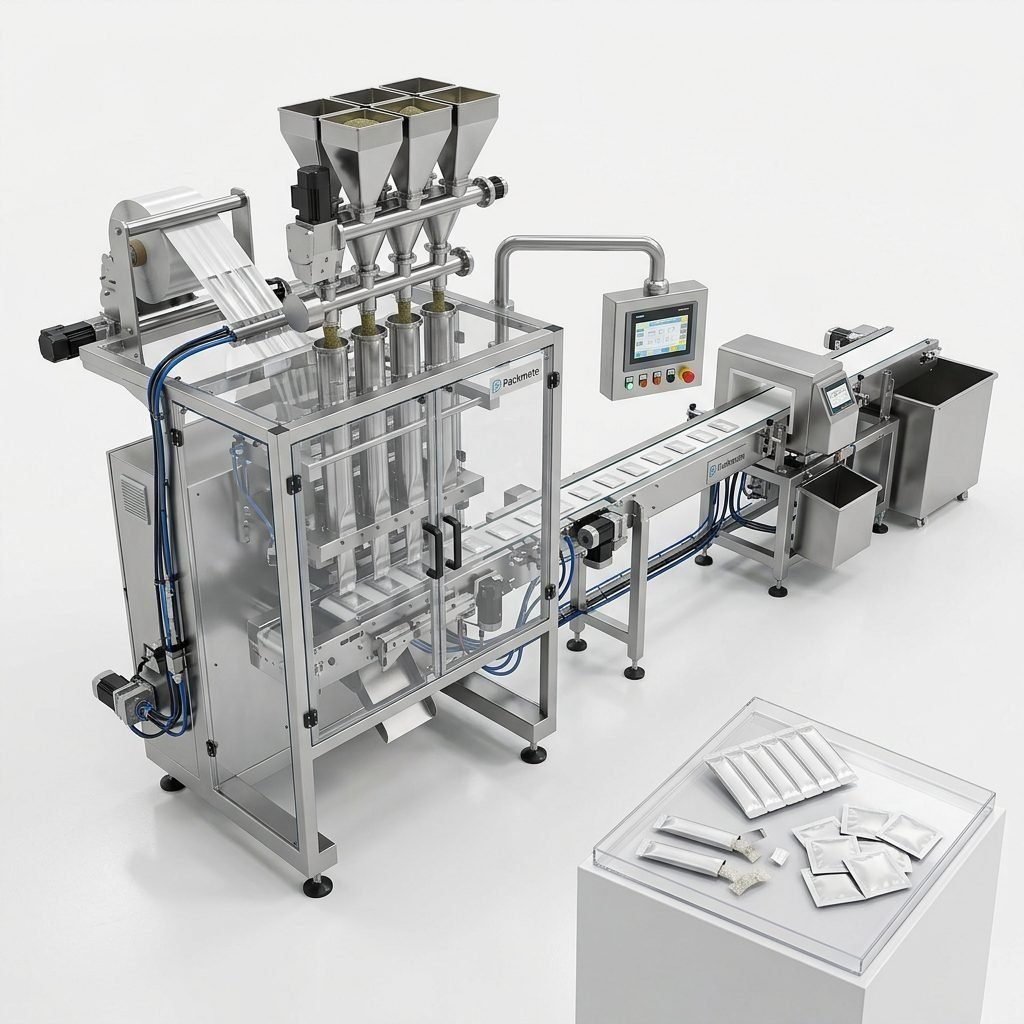
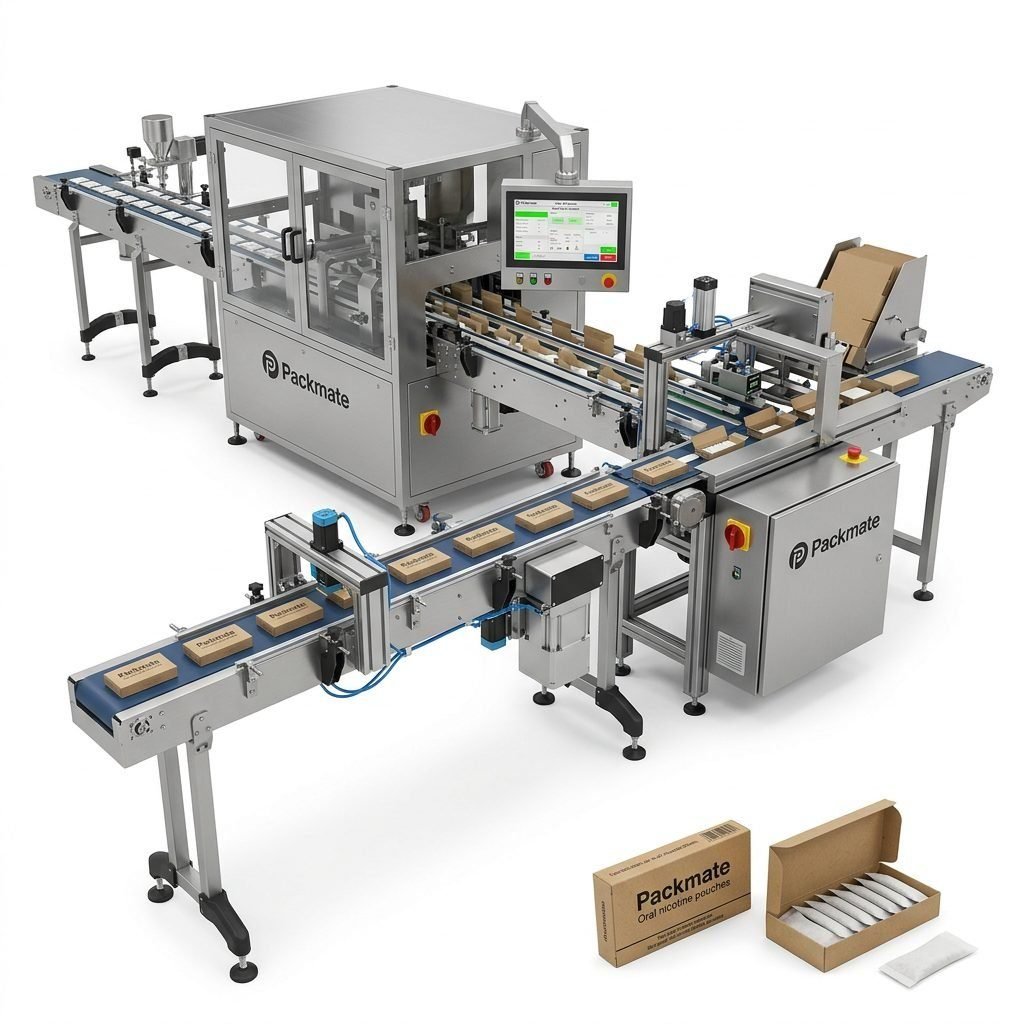
Choosing the best snus packaging machine in China requires a clear understanding of product requirements, production capacity, regulatory compliance, and long-term service expectations. This buyer’s guide walks importers through the practical steps and technical considerations to select a machine and partner that meet your operational goals while minimizing risk and total cost of ownership.
Understand Your Product and Packaging Format
The first step is to define the product you will pack. Snus and nicotine pouches vary in particle size, moisture content, and dosage. Decide whether you need:
- Single-dose nicotine pouches (small sachets)
- Stick packs or multi-dose sachets
- Pouch-in-pouch or re-sealable sachet formats
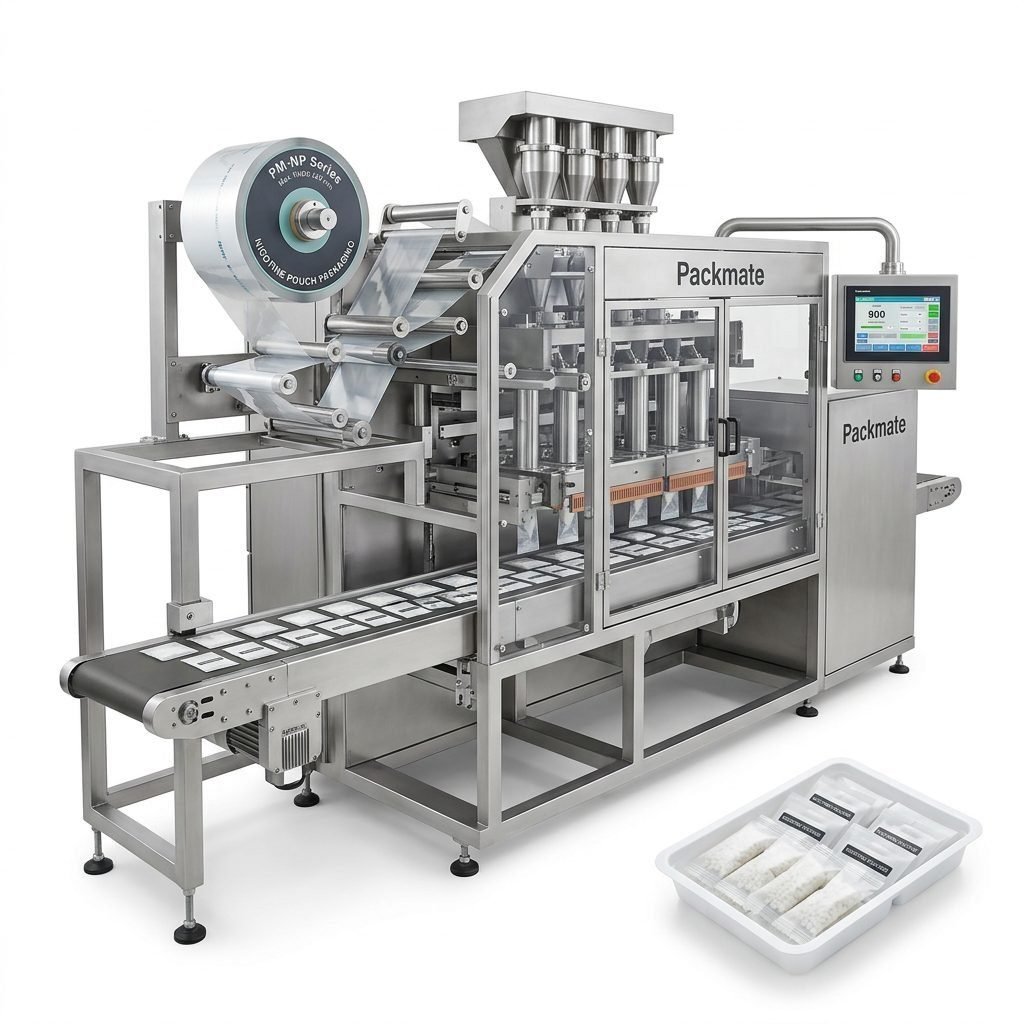
Matching the machine type to your pouch geometry is vital. For a quick overview of machine families, review the manufacturer product ranges such as Snus & Nicotine Packaging Machines and Bag & Pouch Packaging Machines.
Key attributes to specify
Consider the following product and packaging attributes when communicating with suppliers:
- Dose weight and tolerances
- Product bulk density and flow behavior
- Desired pouch type, material, and thickness
- Print requirements and label integration
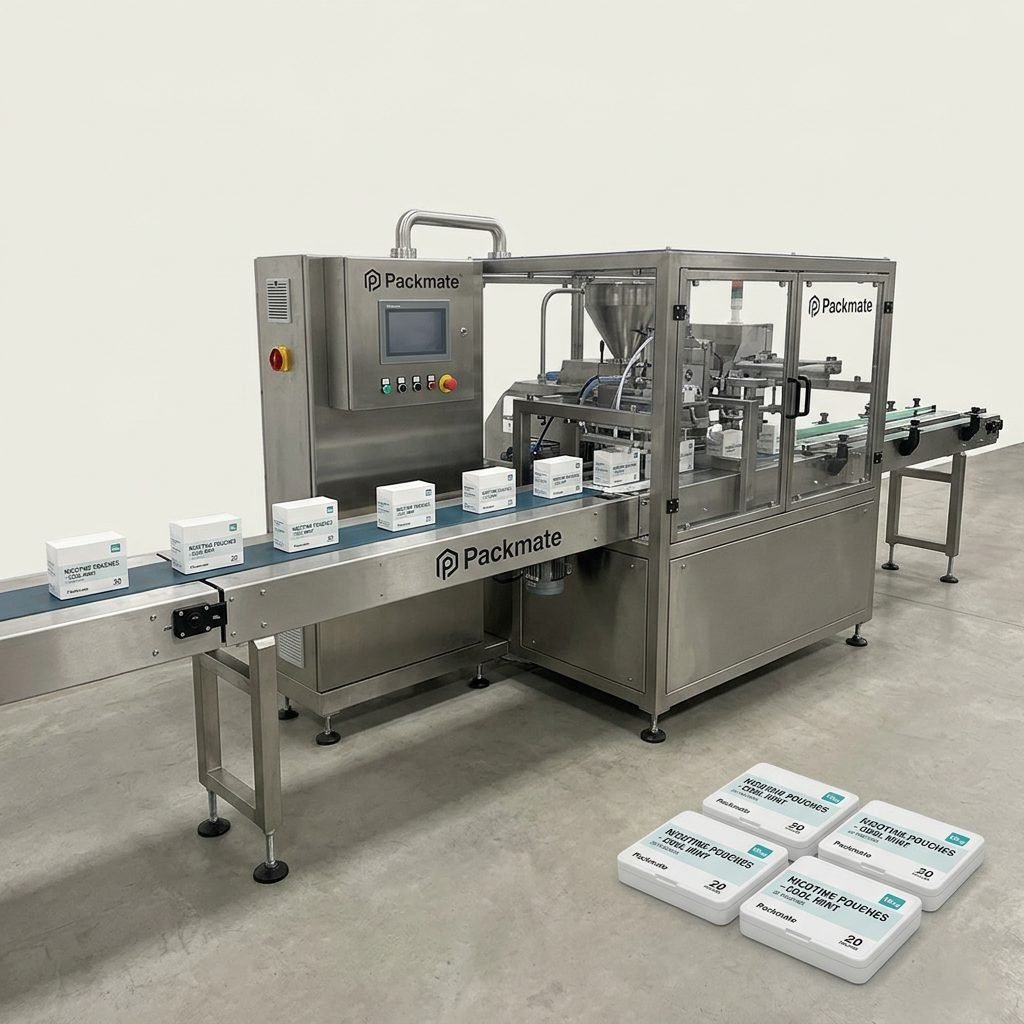
- Secondary packaging (cartoning, sleeving, case packing)
Choose the Right Machine Technology
Different technologies are better suited to specific packaging goals. Evaluate:
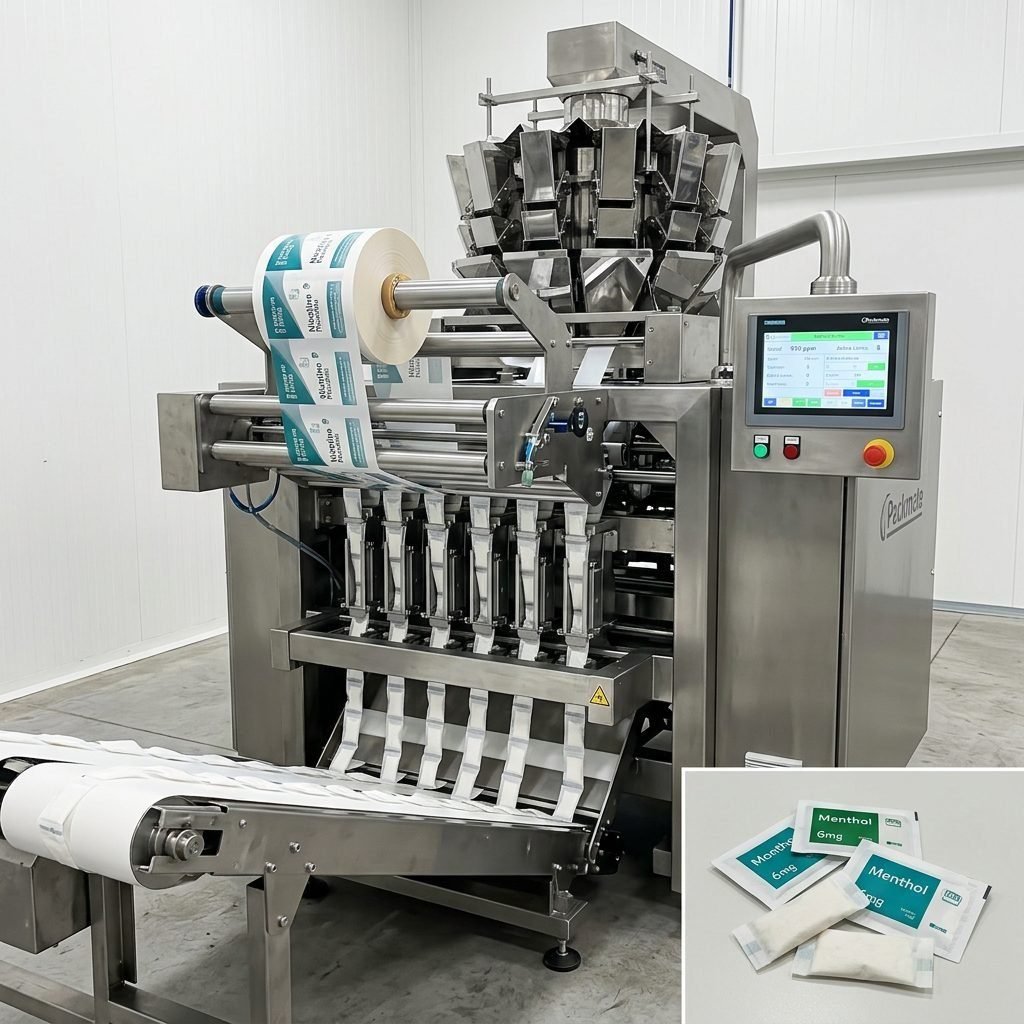
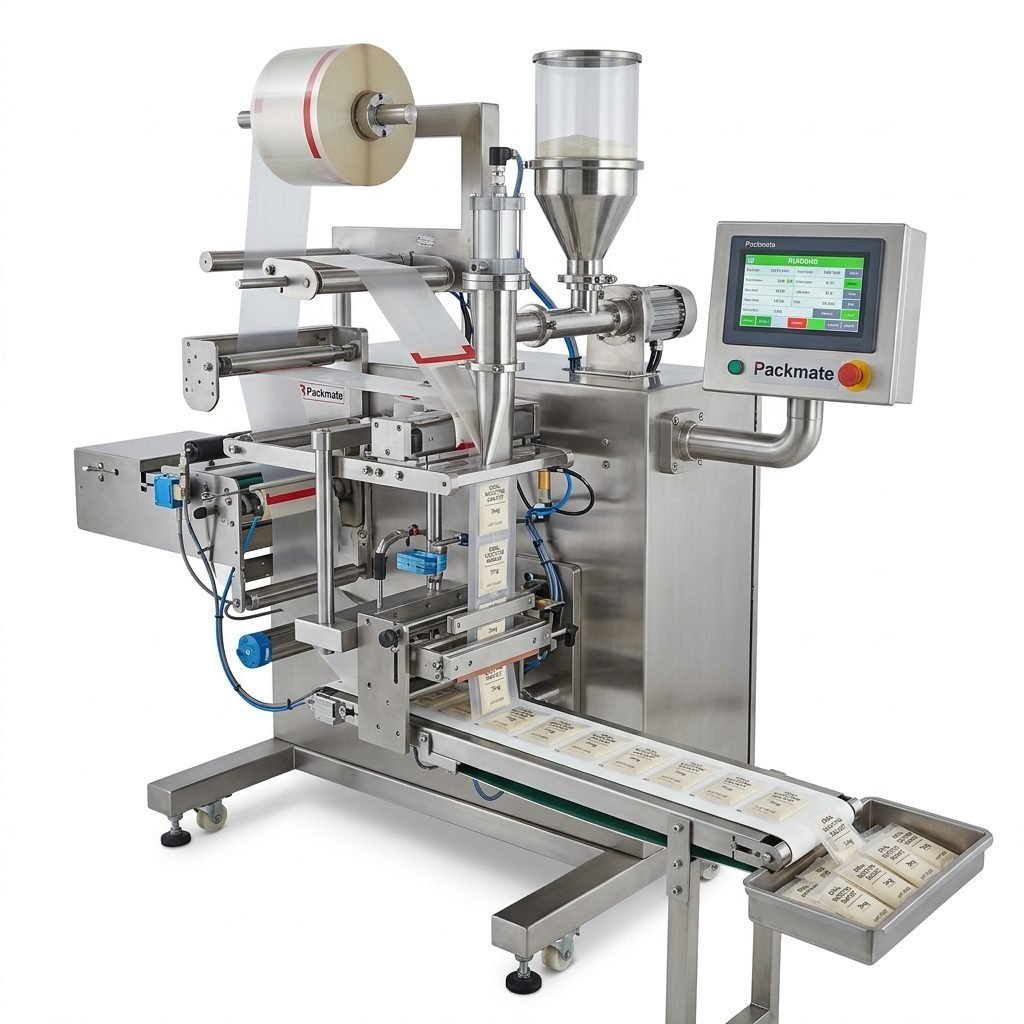
🔧 Form-Fill-Seal (FFS) machines — Ideal for sachets and pillow packs. They form pouches from rollstock, fill with product, and seal in one operation.
📦 Pre-formed pouch machines — Use if you already source printed pouches or require complex pouch shapes and zippers.
Multi-lane systems vs Single-lane systems
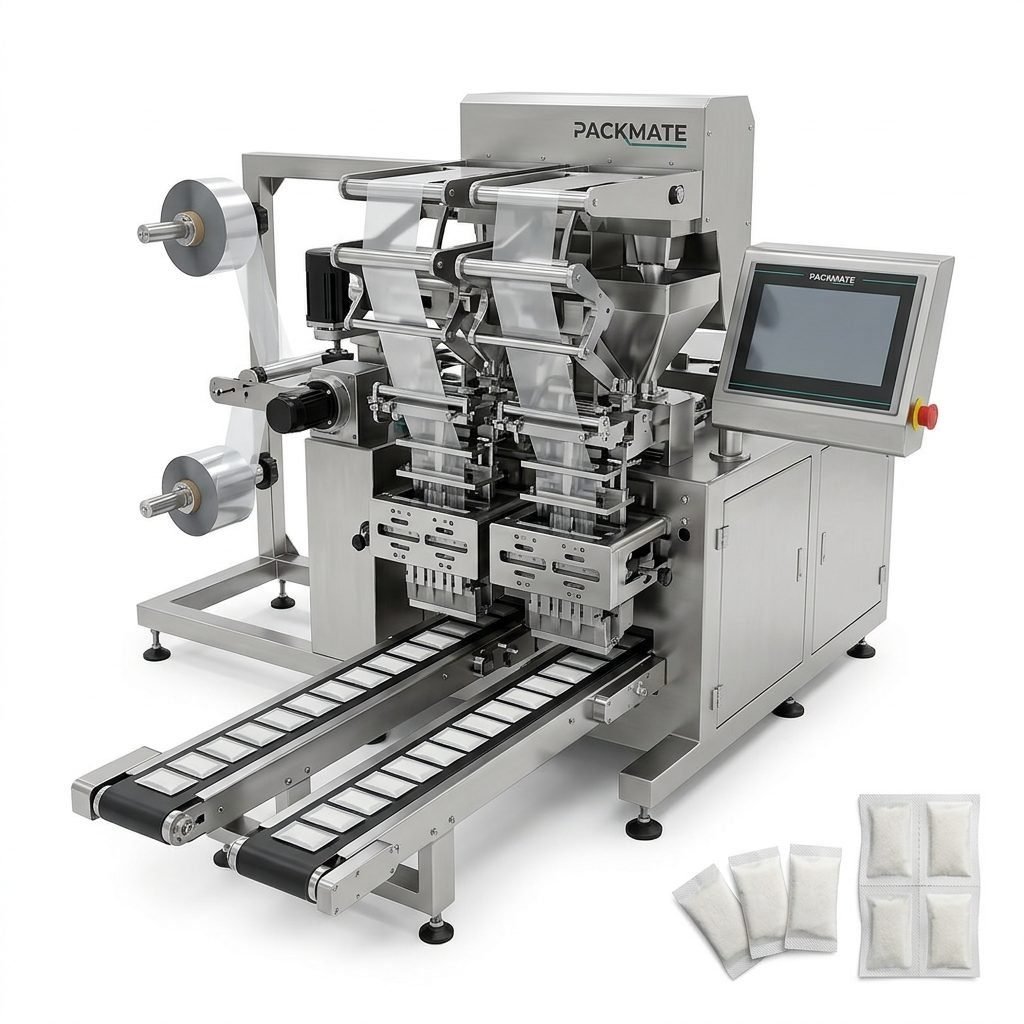
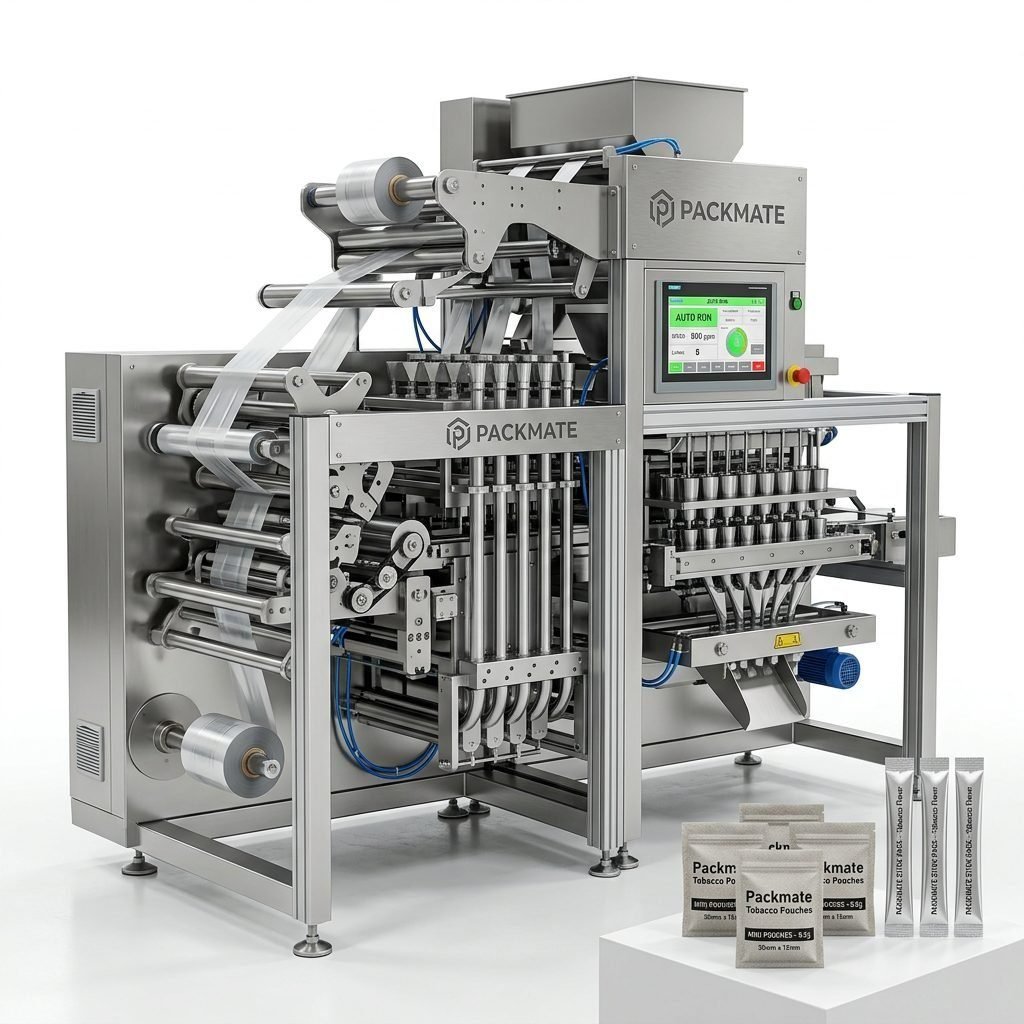
Multi-lane systems multiply throughput without increasing cycle speed per lane. For small-dose snus sachets, multi-lane machines are often the optimal choice for high output with compact footprint. Evaluate:
- Lane count and space between lanes
- Ability to run different formats or easy changeover
- Synchronization of feeding, dosing, and sealing across lanes
Production Capacity and Throughput Planning
Define realistic annual production targets and daily shift patterns. Ask suppliers for:
- Nominal speed (packs/min) and effective speed under your product conditions
- Changeover time between SKUs
- Downtime statistics and MTBF (mean time between failures)
A detailed capacity calculation includes yield losses, maintenance windows, and packaging material limitations. Suppliers such as Packmate provide machine classifications and models to match various capacity requirements—consult their product pages for model selection guidance.
Weighing, Dosing and Accuracy
For nicotine pouches, dosing accuracy is a critical quality and compliance factor. Options include:
- Volumetric dosing for free-flowing granules
- Auger or vibrating cups for controlled dosing
- Loss-in-weight or multi-head weighers for high accuracy
⚠️ Accuracy matters: choose a dosing system with repeatability within your acceptance criteria. For low-dose nicotine pouches, tighter tolerances protect regulatory compliance and reduce product giveaway.
Materials Compatibility and Sealing Technology
Packaging film choice affects sealing temperature, seal strength, and barrier properties. Discuss with the supplier:
- Supported film laminates and thickness ranges
- Heat-seal, ultrasonic, or other sealing technologies
- Pre-treatment or printing considerations for rollstock
If you need to run pre-printed pouches, confirm the machine’s pouch feeding and orientation capabilities and any additional modules needed for zippers or spouts.
Controls, Automation and Industry 4.0 Readiness
Modern packaging lines use PLCs, servo drives, and HMI panels for precision and diagnostics. Important features:
- Recipe-driven HMI for rapid changeovers
- Remote diagnostics and spare parts portals
- Integration options with upstream/downstream equipment and MES
Quality, Safety and Certifications
Importers should insist on machines that comply with international safety and QA standards. Ask for:
- CE and ISO certificates
- Material traceability and component sourcing lists
- Factory acceptance testing (FAT) documentation and performance records
Packmate’s equipment reportedly complies with CE and ISO standards—review certificates during supplier selection and request copies in advance: Certificate.
Supplier Evaluation: What to Verify
Choosing a reliable manufacturer is as important as choosing the right machine. Evaluate suppliers on:
- Engineering and production capacity (e.g., facility size and machining capabilities)
- Years of experience in snus/nicotine packaging
- After-sales support availability and spare parts lead-times
- References and case studies with similar applications
Review real-world projects and case studies to validate supplier claims: see customer examples listed on the supplier’s Case page.
Factory Visit and Acceptance Testing
Whenever possible, conduct a factory visit or request a live demonstration at an exhibition. During visits, check:
- Machine build quality and component brands
- Assembly practices and finished machine inspection
- Witnessed FAT with your product or certified samples
Packmate often showcases equipment at trade shows—confirm availability through their Our Exhibition page.
After-Sales Service and Spare Parts
A strong after-sales program reduces downtime and protects your investment. Key service elements include:
- Local service partners or remote support options
- Standard spare parts kits and lead times
- Training programs for operators and maintenance staff
- Comprehensive service agreements and warranties
Total Cost of Ownership (TCO) and ROI
Evaluate the machine’s TCO, which includes purchase price, installation, commissioning, consumables, energy use, and downtime costs. Ask suppliers for real-world energy consumption and yield data. Consider:
- Expected payback period based on throughput and margin improvement
- Lifetime maintenance costs and part replacement schedules
- Upgrade paths for future capacity or automation needs
✅ Practical tip: Request a sample production run or pilot trial using your materials to validate yield and packaging integrity before final purchase.
Logistics, Export and Import Considerations
Importing machinery from China requires coordination on documentation, shipping terms, and customs clearance:
- Agree INCOTERMS (FOB, CIF, DDP) and who handles packing and crating
- Obtain complete documentation: commercial invoice, packing list, CE/ISO certificates, and FAT reports
- Plan for local installation support and commissioning at the destination site
Customization and Turnkey Solutions
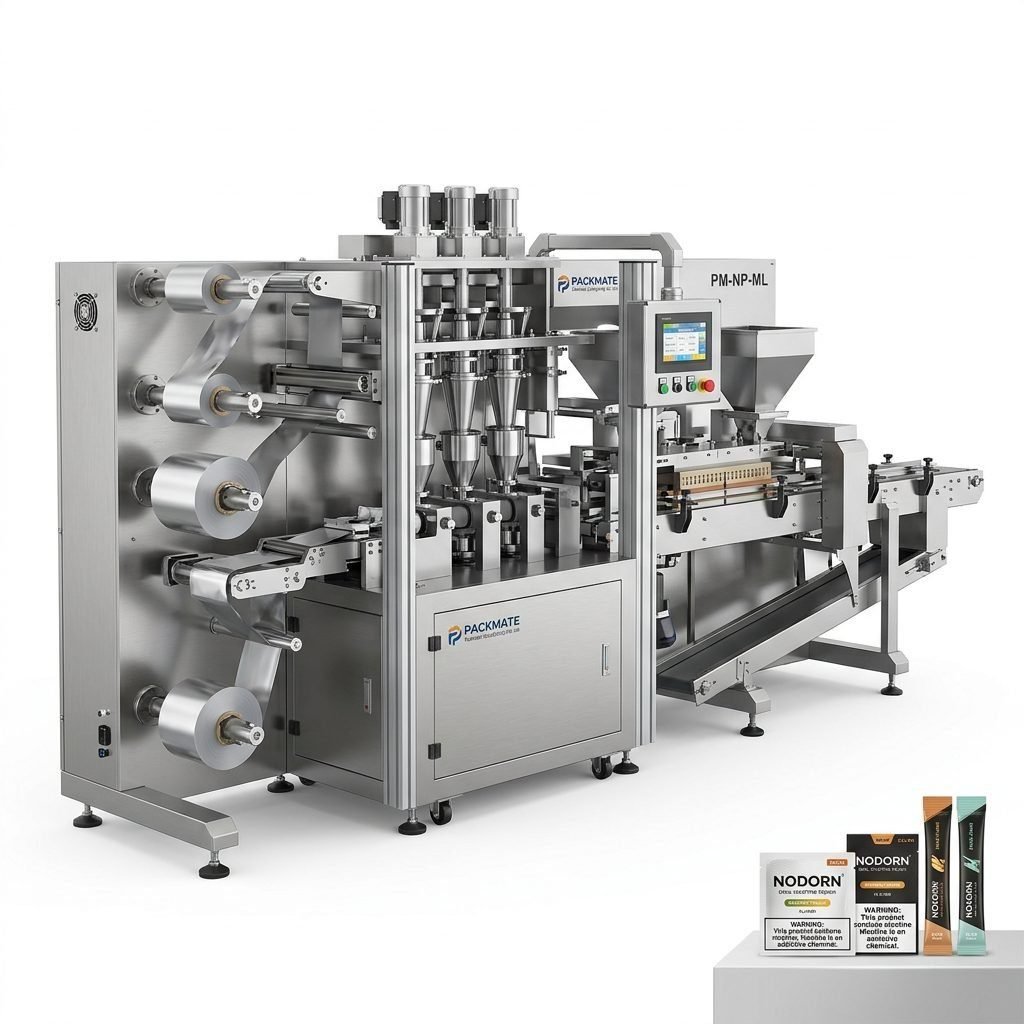
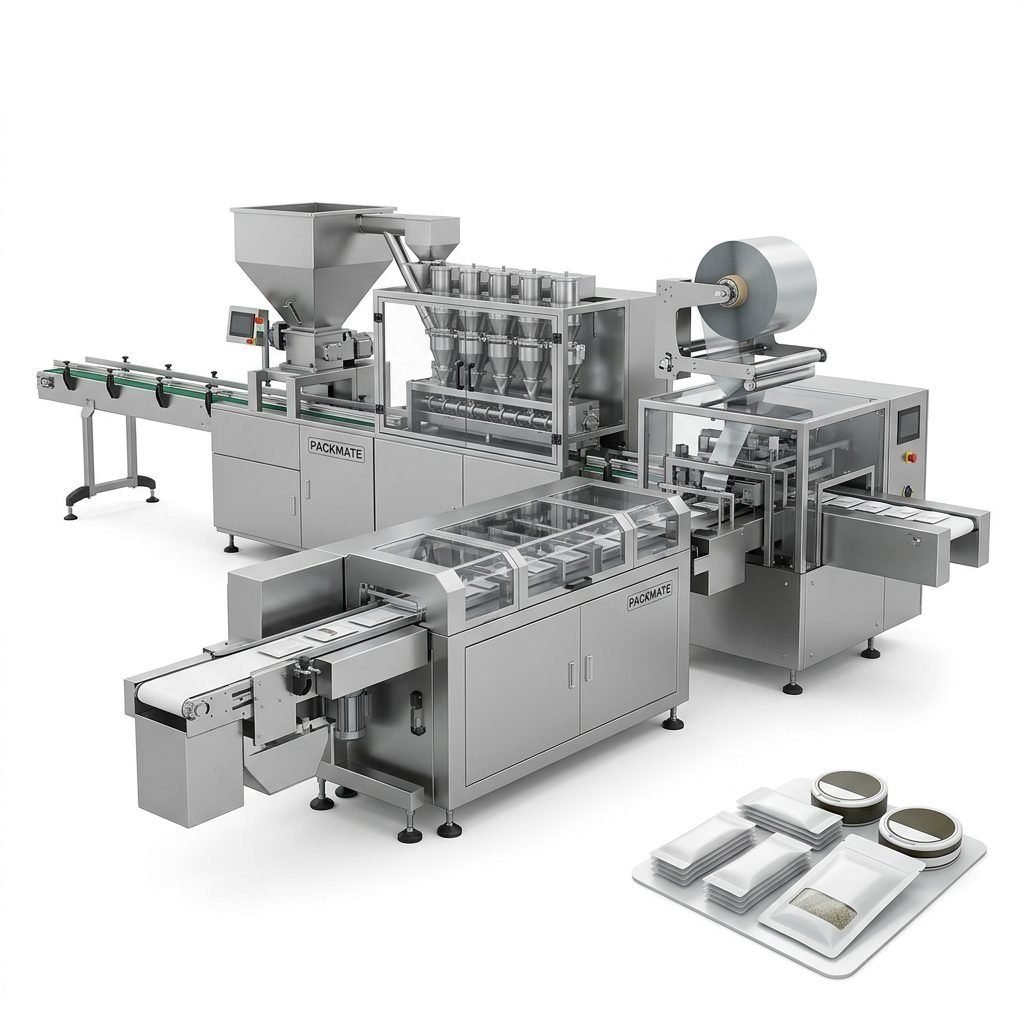
Many projects require customized solutions that integrate dosing, packaging, coding, and secondary packing in a single line. Evaluate the supplier’s ability to deliver turnkey lines including:
- System engineering and line layout design
- Integration with weighing, metal detection, checkweighers, and cartoners
- Project management and single-point accountability
For integrated line solutions, see the Filling & Packaging Lines and Weighing & Packaging Systems offerings.
Contract Terms, Lead Times and Payment
Negotiate clear contract terms covering lead time, milestones, penalties for missed delivery, and acceptance tests. Typical protections include:
- Detailed machine specifications and acceptance criteria
- Payment milestones tied to FAT and shipment
- Warranty period and scope of coverage
Selecting a Long-Term Partner
The best buying decisions are based on both machine fit and supplier reliability. Look for manufacturers with strong engineering heritage, factory capacity, and a global service footprint. Packmate Snus Machine positions itself as a specialist in snus packaging with over 30 years of engineering experience and a 20,000㎡ manufacturing facility—learn more on their About Packmate page.
Checklist before placing an order
📋 Must-have items:
- Final machine spec and electrical drawings
- Agreed FAT protocol and acceptance criteria
- Spare parts list and recommended spares on hand
- Training plan and commissioning schedule
- Service contact and escalation matrix
Next Steps for Importers
Begin by defining your product and throughput goals, then shortlist suppliers based on experience in snus/nicotine packaging. Ask for technical proposals, sample runs, and FAT demonstrations. Arrange visits or request references. When evaluating offers, balance upfront cost against reliability, service, and long-term support.
If you want to explore models or request a quote, contact the manufacturer directly via their Contact Us page to discuss specifications, lead times, and turnkey options.
Final considerations
Investing in the right snus packaging machine is a strategic decision that affects product quality, compliance, and profitability. Prioritize accuracy, build quality, service, and compatibility with your packaging material. Seek a partner with proven experience in the niche—especially one that can deliver both machines and integrated solutions.
Frequently Asked Questions
Q1: How do I verify a machine’s performance before purchase?
Request a Factory Acceptance Test (FAT) with your product or samples, review machine run sheets, and if possible, witness the test either in person or via live video. Confirm metrics such as packs per minute, dosing accuracy, and film seal quality.
Q2: What after-sales support should I expect from a Chinese supplier?
Expect remote technical support, spare parts availability, training programs, and a clear warranty. A reputable supplier offers global field service or local partners and provides documentation for troubleshooting. Check references and service terms before contracting.
Q3: Are multi-lane machines better than single-lane for snus?
Multi-lane machines often provide higher throughput within a smaller footprint and can be more cost-effective for high-volume small-dose products. However, they may be more complex to maintain and require precise synchronization—choose based on capacity needs and maintenance capabilities.
Q4: What certifications should I ask for when importing packaging equipment?
At minimum ask for CE and ISO certificates. Additionally, request electrical safety documentation, material compliance certificates, and FAT records. Certifications demonstrate conformity with international standards and can streamline customs clearance.
Q5: How can I learn more about turnkey packaging line options?
Review integrated solutions for weighing, filling, and packaging on manufacturers’ product pages such as Sachet & Stick Pack Machines and consult with engineering teams to scope a full line that meets your throughput and regulatory needs.