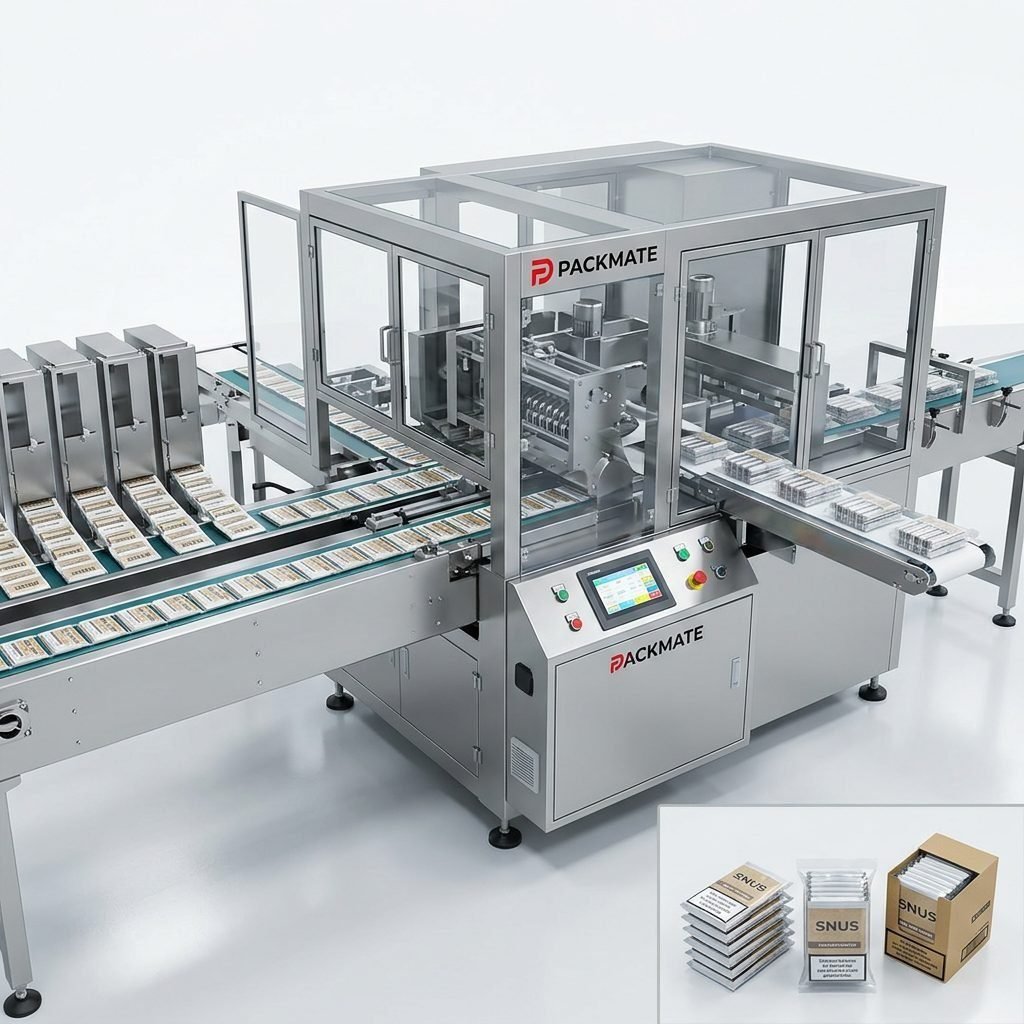
Kazakhstan’s manufacturing sector is expanding, and many factories are exploring efficient solutions for nicotine pouch and snus packaging. Choosing the right nicotine packaging machinery supplier is a strategic decision that affects production stability, regulatory compliance, and long-term costs. This article walks you through practical, factory-oriented steps—combining local Kazakh customs and professional procurement tips—to help factory managers and purchasing teams make the best choice.
Understand Local Market & Regulatory Landscape
Before evaluating machines, start with regulatory clarity. In Kazakhstan, nicotine pouches and related products fall under tobacco and nicotine control frameworks influenced by Eurasian regulations. Factories must ensure packaging processes meet health warnings, tamper-evidence and local labeling requirements. Engage local legal consultants or customs brokers early to confirm documentation, import duties, and product-specific restrictions.
Practical tip: keep key procurement documents translated into Russian or Kazakh, as many factory managers and government officials prefer local-language materials. Building these language bridges speeds inspections and customs clearance.
Why compliance matters
⚠️ Non-compliance can cause shipment holds at Almaty or Astana ports, costly rework, or rejection by local regulators. Prioritize CE/ISO-certified machines and ask suppliers for compliance documentation that aligns with Kazakhstan’s requirements.
Supplier checklist — regulatory & local fit:
• CE/ISO certificates and translated compliance docs
• Local voltage & power compatibility (ask about 380V/50Hz setups)
• Spare parts availability and customs-friendly packaging
• Russian/Kazakh technical manuals and operator training
Evaluate Supplier Technical Capabilities
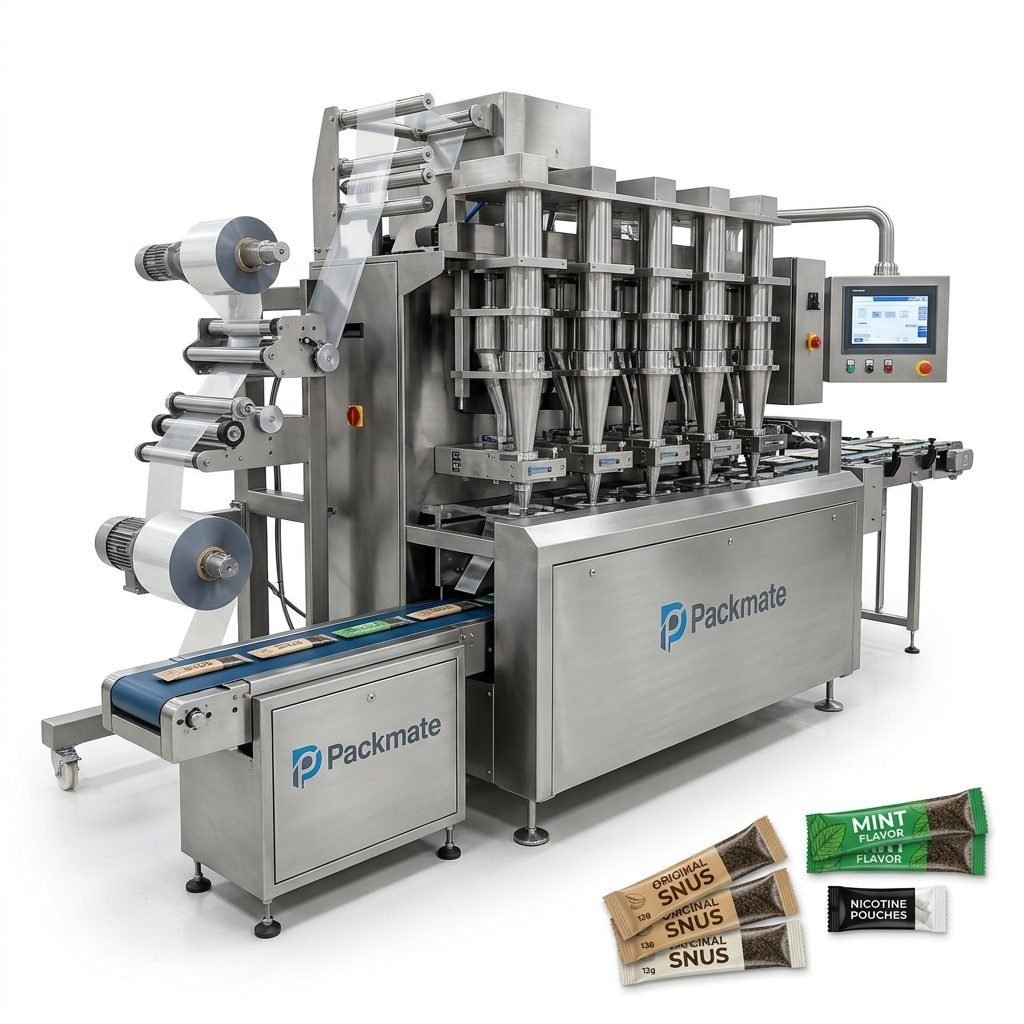
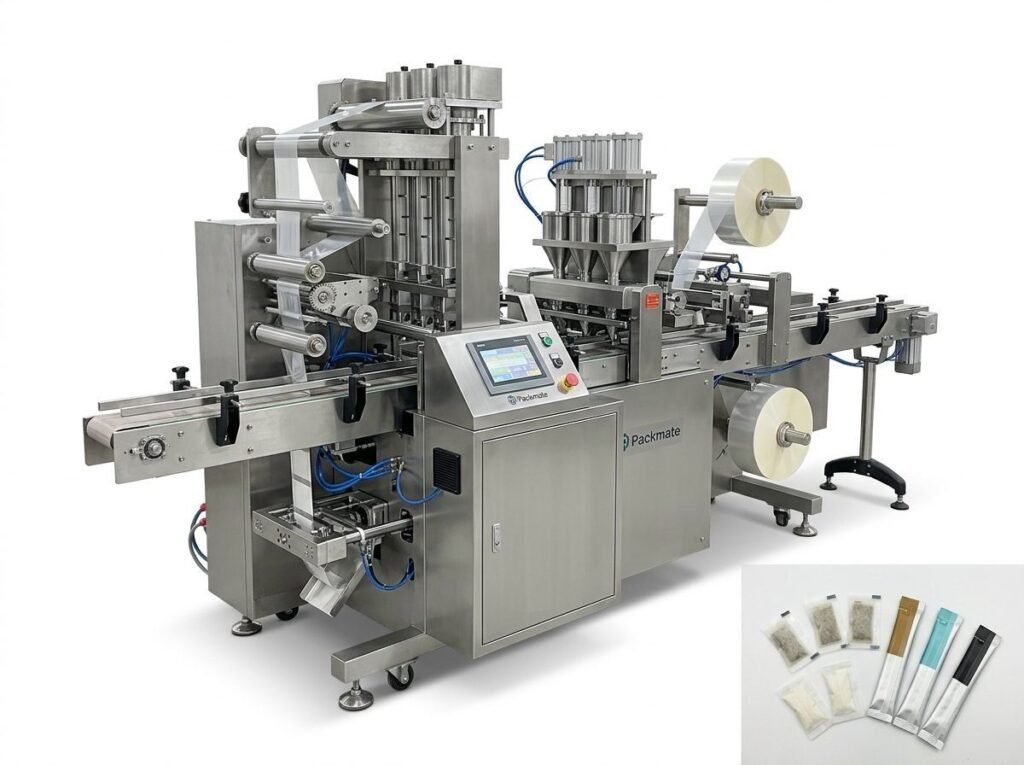
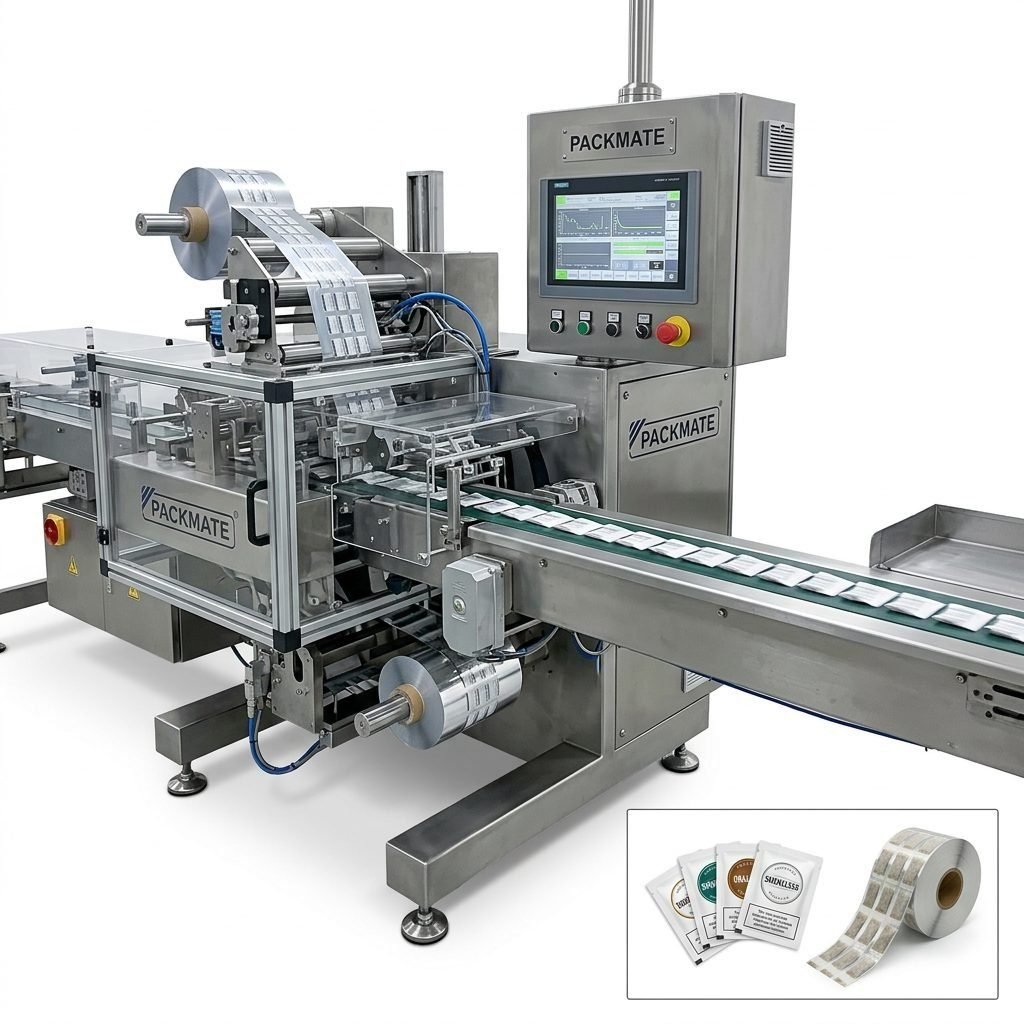
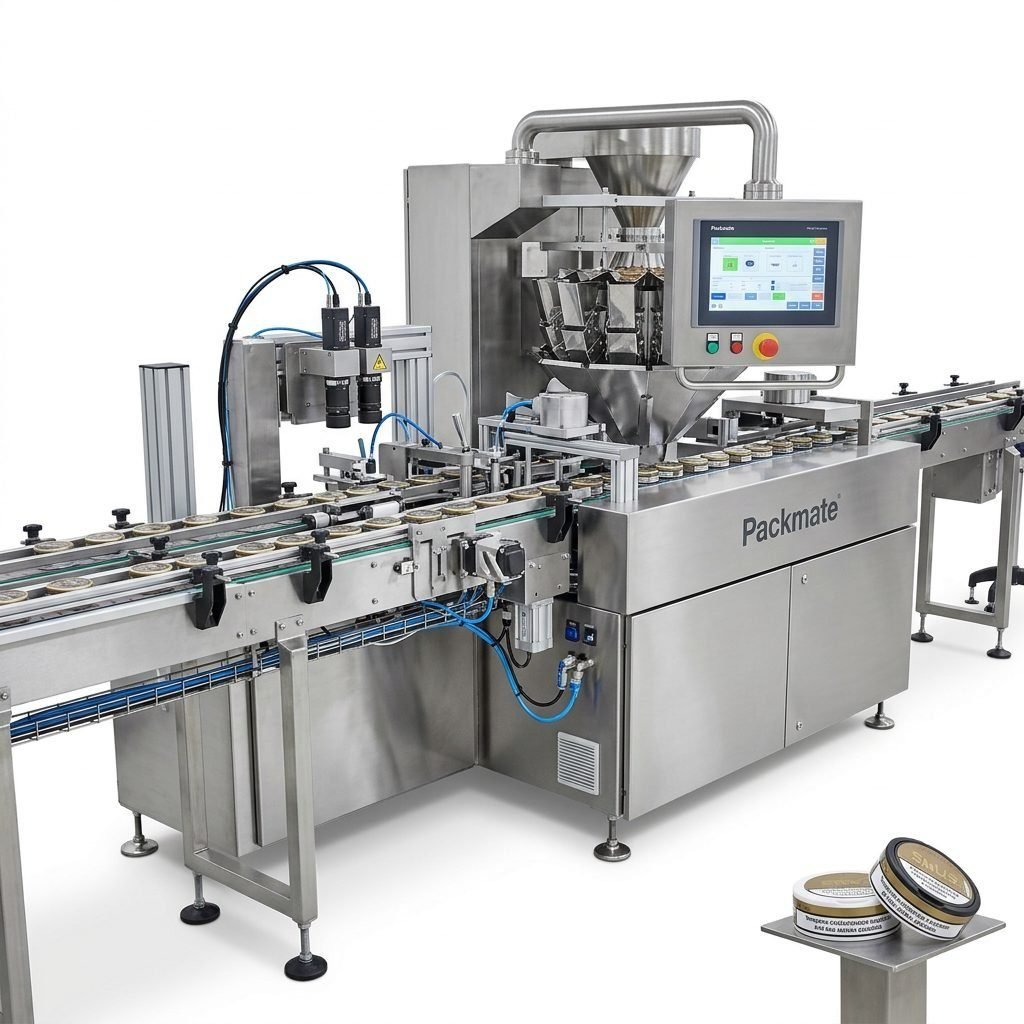
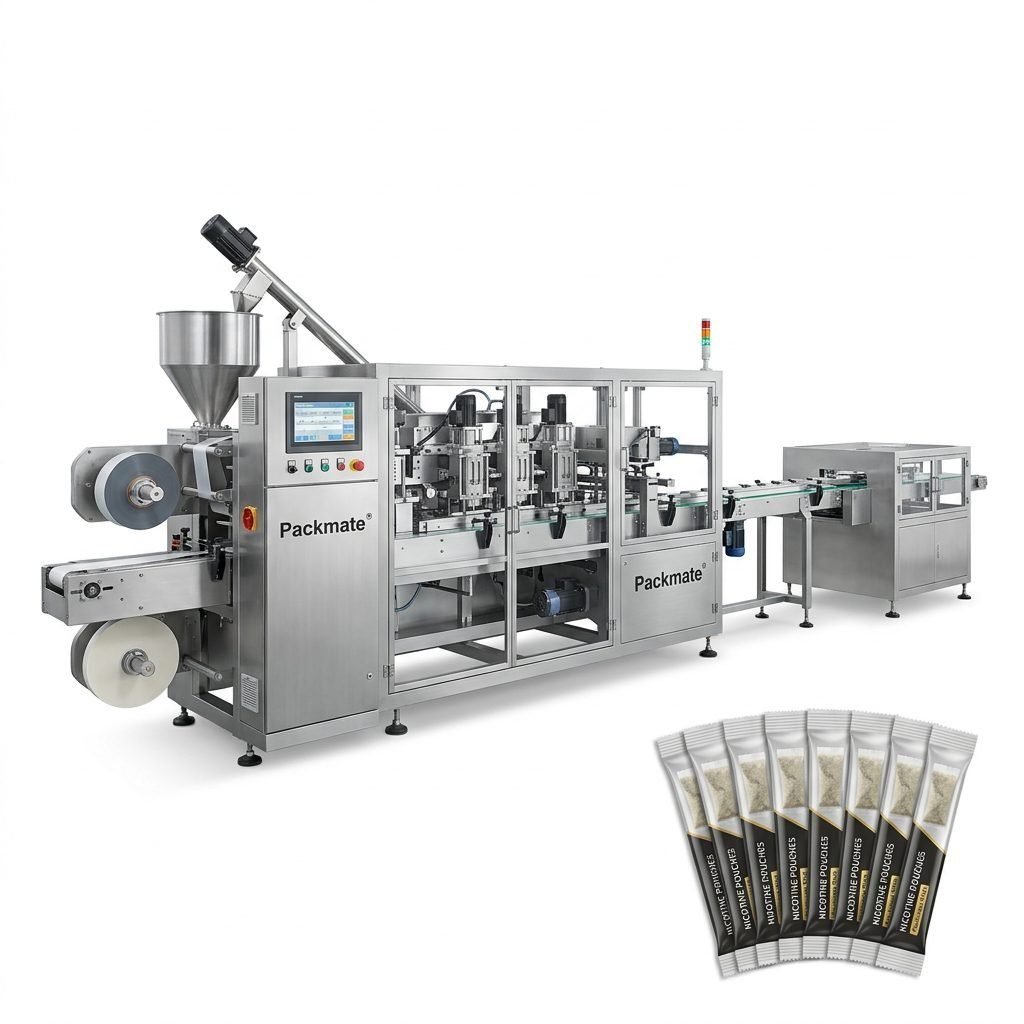
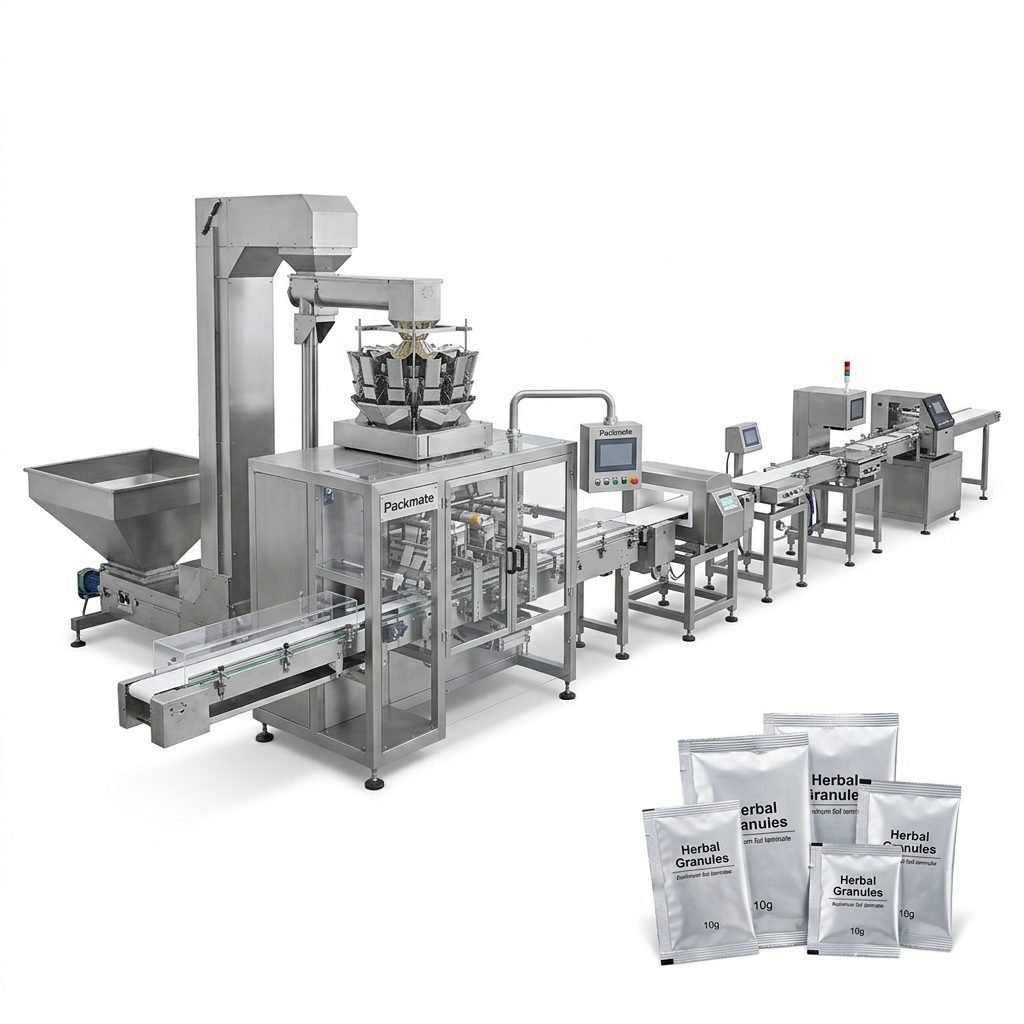
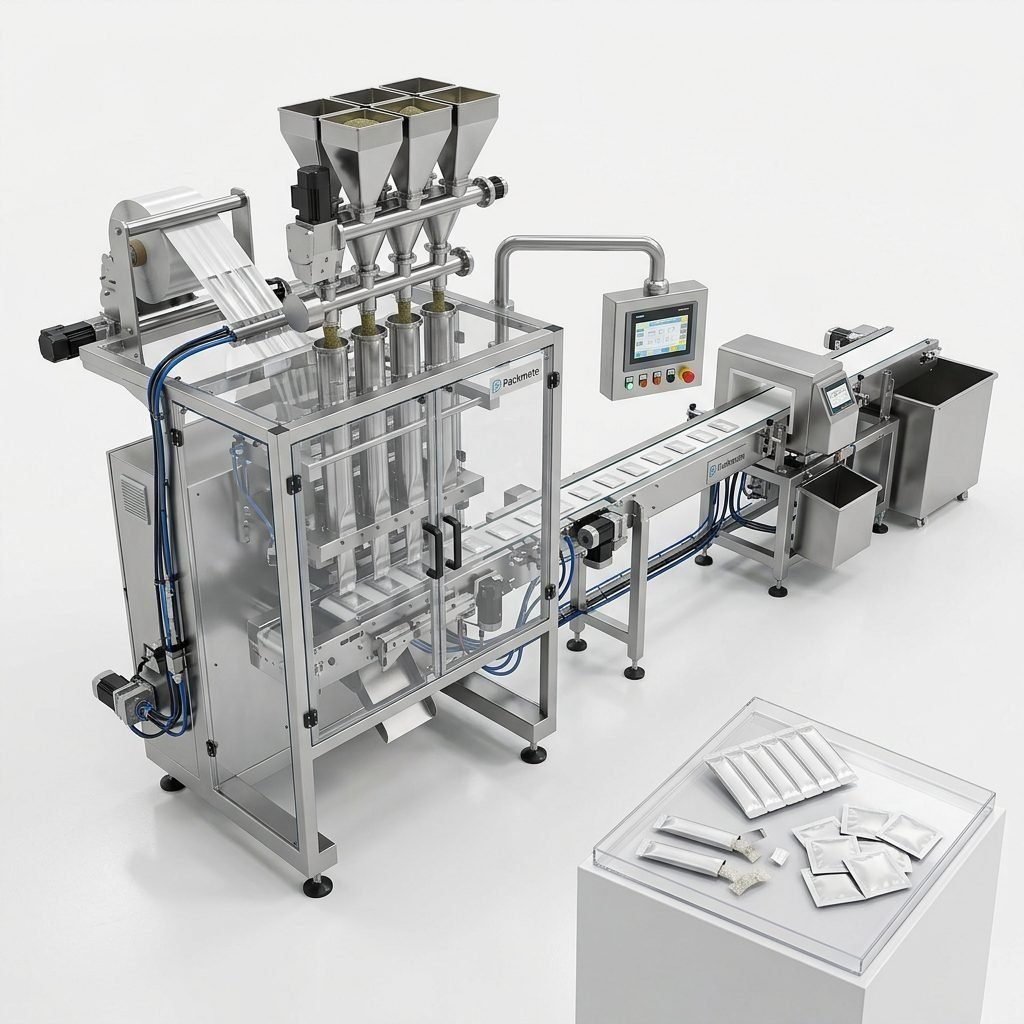
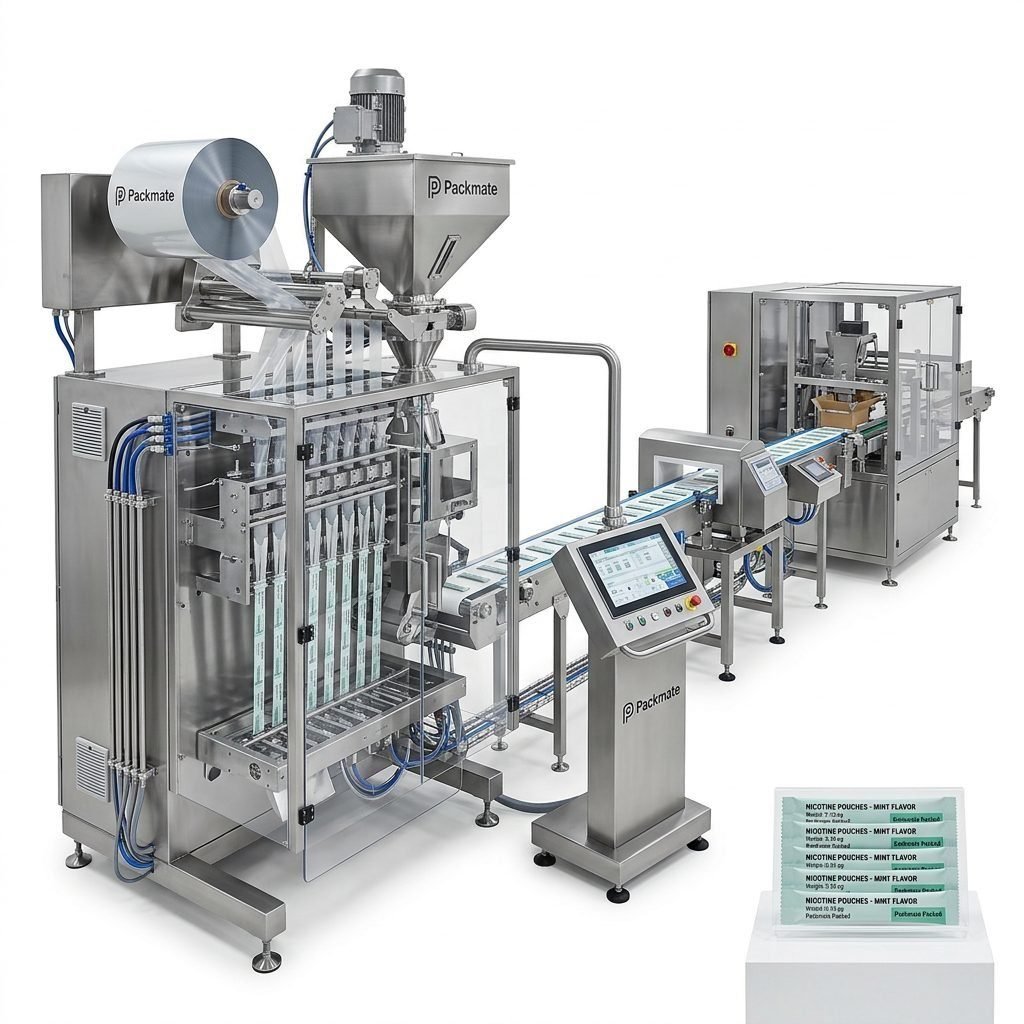
When assessing suppliers, the machine’s engineering pedigree matters. Look for manufacturers with proven experience specifically with snus and nicotine pouch machinery: multi-lane filling, precise dosing for small-dose pouches, and flexible formats such as stick packs, sachets and pouch systems.
Packmate Snus Machine, for example, emphasizes 30+ years of engineering and focused development in snus packing lines. A large manufacturing footprint (20,000㎡) and advanced CNC centers indicate the ability to deliver reliable, repeatable machines that suit high-volume nicotine pouch production.
Key technical criteria
🔍 Focus on the following specifications:
• Filling accuracy and repeatability for micro-dose nicotine pouches
• Multi-lane throughput options for scaling production
• Changeover time and format flexibility (reduce downtime)
• PLC and HMI language options—confirm Russian-language interface availability
• Materials of contact surfaces (stainless steel grade) and dust control
Quality Assurance, Testing & Factory Acceptance
Quality control spans from component sourcing to final machine testing. Ask for a factory acceptance test (FAT) with your actual nicotine pouch material or a close equivalent. Observe machine run rates, packaging integrity, and waste rates. For long-distance purchases to Kazakhstan, a robust FAT reduces surprises on arrival.
Important tests to require:
• Endurance run (8–24 hours) for thermal and mechanical stability
• Weighing & dosing accuracy tests across lanes
• Packaging seal and leak detection validation
• Electrical safety & grounding verification for local supplies
After-Sales Service and Spare Parts Strategy
In Kazakhstan, the speed of after-sales response often depends on local partnerships and logistics. Prioritize suppliers who commit to spare parts stock, remote support, and onsite commissioning. Suppliers with global service networks or local agents help minimize downtime.
🤝 Business culture in Kazakhstan favors trust and long-term relationships. Consider suppliers that offer local training sessions, bilingual manuals and scheduled maintenance visits. A supplier willing to provide these services typically values long-term collaboration over one-time sales.
Service & warranty expectations
✅ Ensure clear SLA terms: parts lead times, warranty duration, labor coverage, and remote troubleshooting windows. Verify whether the supplier offers installation support or partner technicians in Central Asia.
Logistics, Installation & Site Readiness
Plan the delivery and installation carefully. Kazakhstan’s large distances mean shipping routes, customs clearance and inland transport costs can be significant. Confirm packaging for export, crate sizes, and weight limits for local freight transport.
Practical on-site checks:
• Confirm floor loading capacity and anchor points
• Allocate space for conveyors, feeders, and maintenance access
• Check local HVAC and dust control—nicotine processing often needs controlled environments
• Verify electrical supply and plan for voltage converters if necessary
Logistics checklist:
• Export packing and documentation ready for Eurasian customs
• Onsite installation schedule and downtime planning
• Local transporter with experience handling heavy machinery
• Training schedule for operators and maintenance staff
Commercial Terms, Pricing & Negotiation
Price is important, but evaluate total cost of ownership (TCO): spare parts, energy consumption, downtime risk and consumables. Ask suppliers for transparent breakdowns: machine cost, installation, FAT, spare parts kits and training fees.
Negotiate payment milestones linked to milestones (design confirmation, FAT completion, shipment). For international suppliers, consider letters of credit or other payment instruments that reduce risk for both parties.
Contract tips
• Include acceptance criteria based on FAT results.
• Define warranty start date (ideally after successful commissioning).
• Specify spare parts lead times and prices or a parts consignment agreement.
• Agree on training scope and duration for Kazakh/Russian-speaking staff.
Pilot Runs, Scaling & Production Planning
After installation, plan pilot production runs to validate end-to-end workflow: raw material handling, pouch filling, sealing, labeling, and secondary packaging. Use pilot runs to identify bottlenecks and refine SOPs.
For growth, prioritize suppliers that offer modular expansions—adding lanes, upgrading feeders, or integrating automated weighing systems. This reduces upfront cost while enabling scaling when demand increases.
Case Examples & Supplier Verification
Look for supplier case studies from similar climates and markets. Suppliers with global turnkey solutions and exhibition presence indicate transparency and market engagement. You can review Packmate’s project cases and machine ranges to see relevant lines and global deployments: Case.
Useful links to verify product lines and services:
• Product overview for nicotine-specific machines: Snus & Nicotine Packaging Machines
• Full company background for trust and capacity: About Packmate
• After-sales and service options: Service
• Contact and quotation requests: Contact Us
Decision Matrix: How to Compare Final Suppliers
Create a weighted scorecard to rank suppliers. Example weighted factors:
• Technical fit & capacity (30%)
• Compliance & certification (20%)
• After-sales & spare parts support (20%)
• Commercial terms & TCO (20%)
• Local language support & cultural fit (10%)
Assign scores per supplier and compare totals. The highest scoring supplier will often be the best long-term partner rather than the lowest-priced bidder.
Cultural & practical tips for Kazakhstan:
• Build trust through regular communication and in-person visits when possible.
• Provide technical documentation in Russian and be patient with negotiation timelines.
• Offer local training and consider hiring a bilingual technician for initial months.
Final Steps Before Signing
1. Confirm FAT success with agreed metrics and record video evidence.
2. Finalize shipping terms (Incoterms) and ensure export customs paperwork is complete.
3. Schedule installation and operator training dates with timelines for spare parts handover.
4. Lock in warranty and SLA clauses in the contract with clear response times for Kazakhstan.
Why choose an experienced snus machine partner?
Experienced suppliers focused on snus and nicotine packaging, such as Packmate Snus Machine, combine targeted engineering, global compliance and turnkey capabilities. Their product families—ranging from multi-lane snus lines to sachet and stick pack machines—are tailored to the demands of nicotine pouch production, delivering predictable performance and easier regulatory compliance.
Summary Checklist: Quick Procurement Guide
🔁 Quick checklist before placing an order:
• Regulatory alignment and translated docs
• FAT with real materials and endurance runs
• Russian/Kazakh HMI and manuals
• Spare parts availability and lead times
• Clear installation & training schedule
• Warranty and SLA terms for Kazakhstan service
Useful resources
Explore specific product categories to match your production needs:
• Snus & Nicotine Packaging Machines
• Sachet & Stick Pack Machines
• Weighing & Packaging Systems
Concluding thought
Choosing the best nicotine packaging machinery supplier for your Kazakh factory blends technical evaluation with cultural and logistical planning. Prioritize compliance, proven machine performance, local-language support, and a clear after-sales plan. A well-chosen supplier becomes a strategic partner—helping your factory scale reliably while navigating regional regulations and market dynamics.
Common Questions
Q1: What certifications should a nicotine packaging machine have for Kazakhstan?
A: Look for CE and ISO certifications, supplier-provided compliance documents and readiness to provide translated technical files and safety reports for customs review.
Q2: How important is local-language support in Kazakhstan?
A: Very important. Russian and Kazakh documentation and operator training reduce misunderstandings and speed up commissioning and inspections.
Q3: What are realistic lead times and spare parts considerations?
A: Lead times vary by customization; plan 8–20 weeks for custom machines. Ensure the supplier keeps critical spare parts or offers rapid shipping, and confirm parts pricing and warranty coverage.
Q4: Should we request a FAT and what should it include?
A: Yes. FAT should include endurance runs, dosing accuracy, seal integrity and electrical safety checks with your materials or equivalents.
Q5: Where can we find sample projects and product information?
A: Review supplier case studies and product pages such as Packmate’s Case and product listings to verify real-world deployments and machine types.