Cameroon is an emerging market for modern nicotine pouch and snus packaging solutions. Whether you are a local importer, a contract packer, or an entrepreneur planning to launch nicotine pouches in Yaoundé or Douala, choosing the right snus packaging machinery supplier is a crucial step to ensure product quality, regulatory compliance, and long-term production stability.
Why Choosing a Reliable Supplier Matters in Cameroon
Selecting a trustworthy supplier reduces production downtime, prevents costly rework due to poor sealing or inaccurate fills, and helps you navigate import, labeling and regulatory expectations specific to Cameroon. A reputable supplier brings technical support, spare parts availability, and knowledge of multi-lane or small-dose systems that fit your production volume.
Local Context: Customs, Infrastructure and Consumer Habits
Cameroon’s principal seaport is Douala, and logistics to inland regions like Yaoundé depend on road quality and customs processes. Business communication often uses both French and English; make sure documentation, manuals, and CE/ISO certificates are provided in a language your team can use. Note that traditional tobacco usage in Cameroon is mostly smoking and chewing—nicotine pouches are relatively new, so packaging that emphasizes clear labeling and instructions in French & English helps market acceptance.
Key point: Cameroon customs can require clear product descriptions and certificates. Confirm that your supplier can provide CE/ISO certificates, test reports and complete packing lists for fast clearance.
Core Types of Snus Packaging Machinery to Consider
Your production strategy (pilot runs, medium-volume or high-volume multi-lane) determines the machine type. Typical systems include:
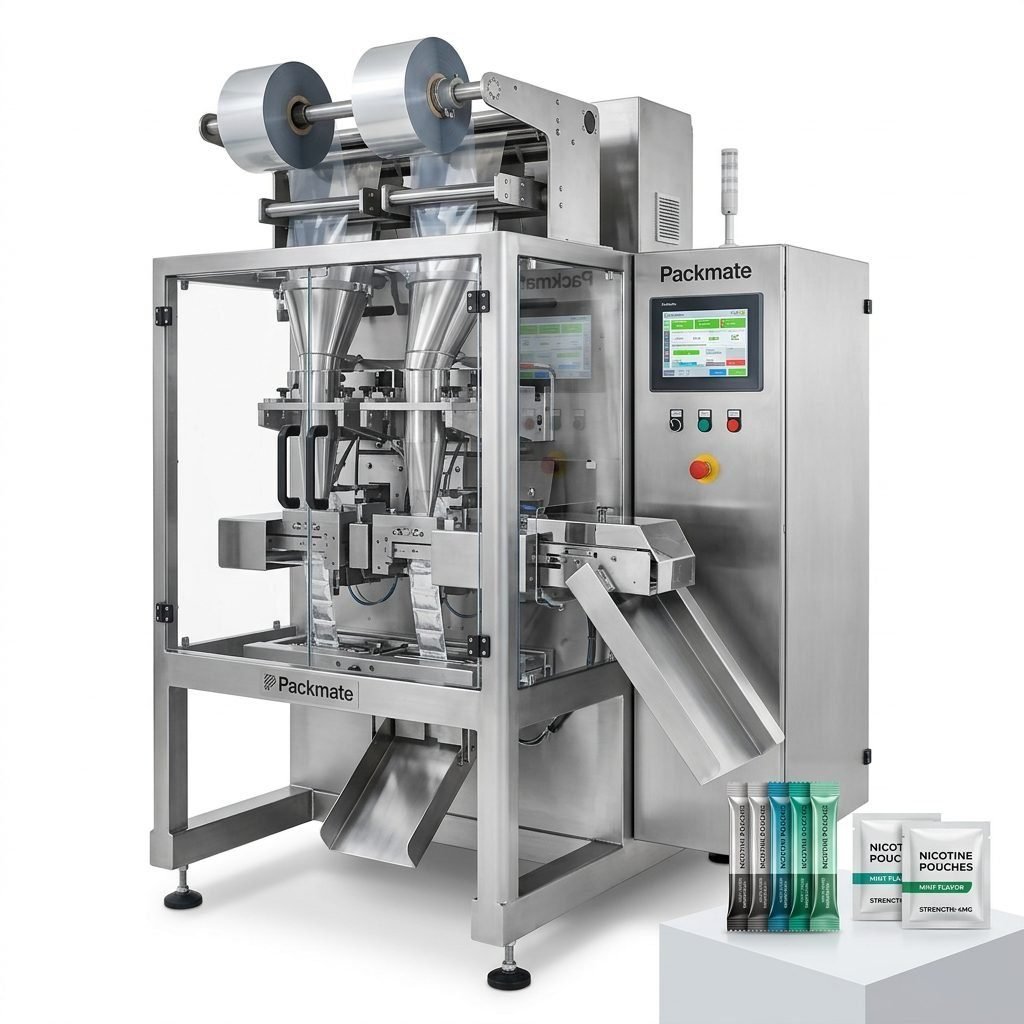
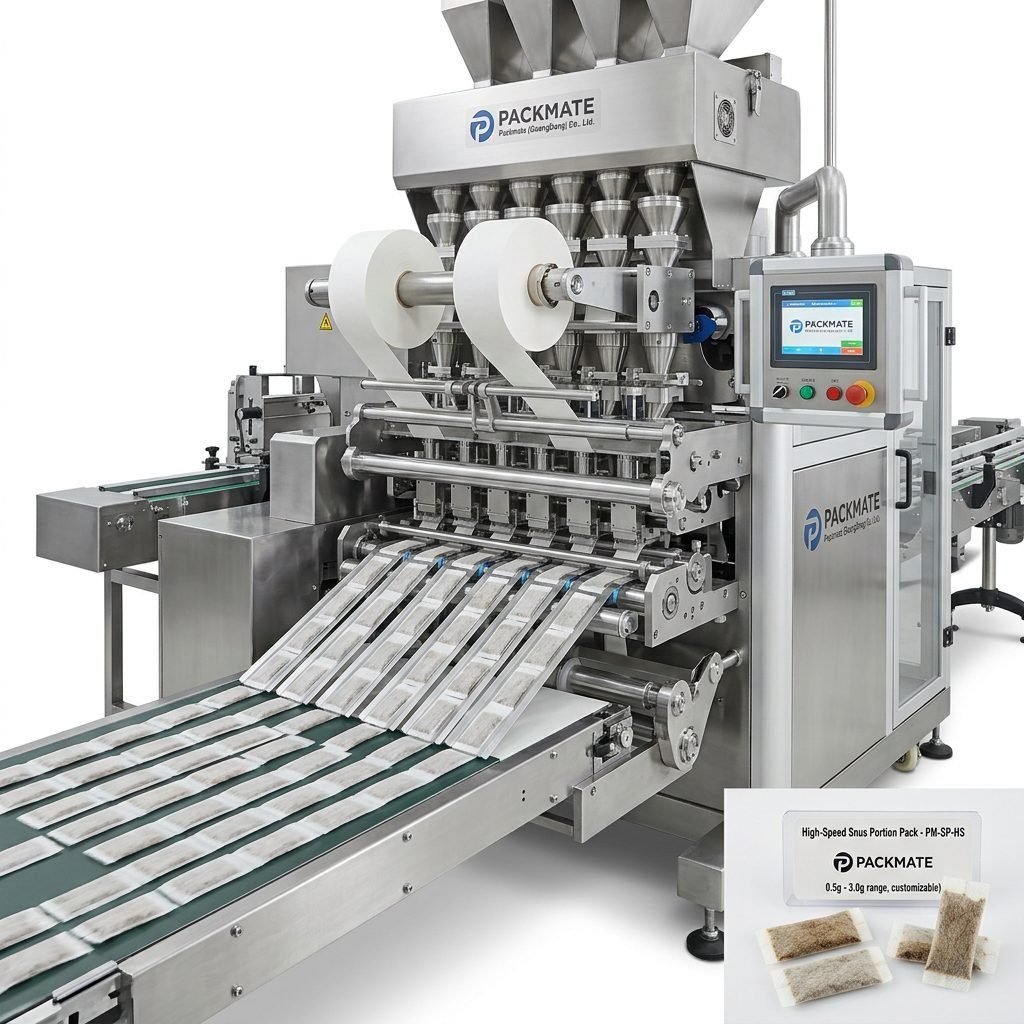
🔍 Stick pack machines — for single-serving tobacco pouches with high speed and simplified packaging.
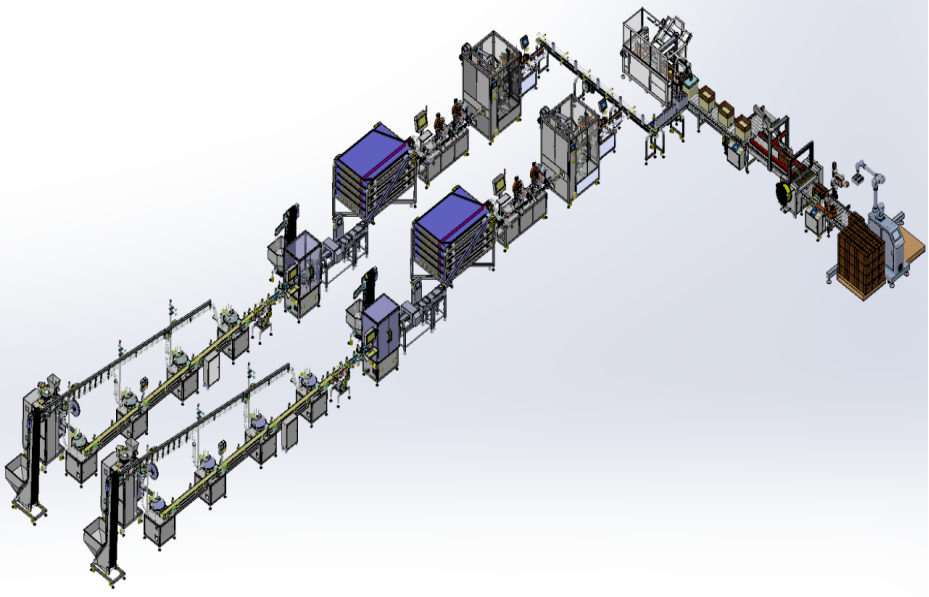
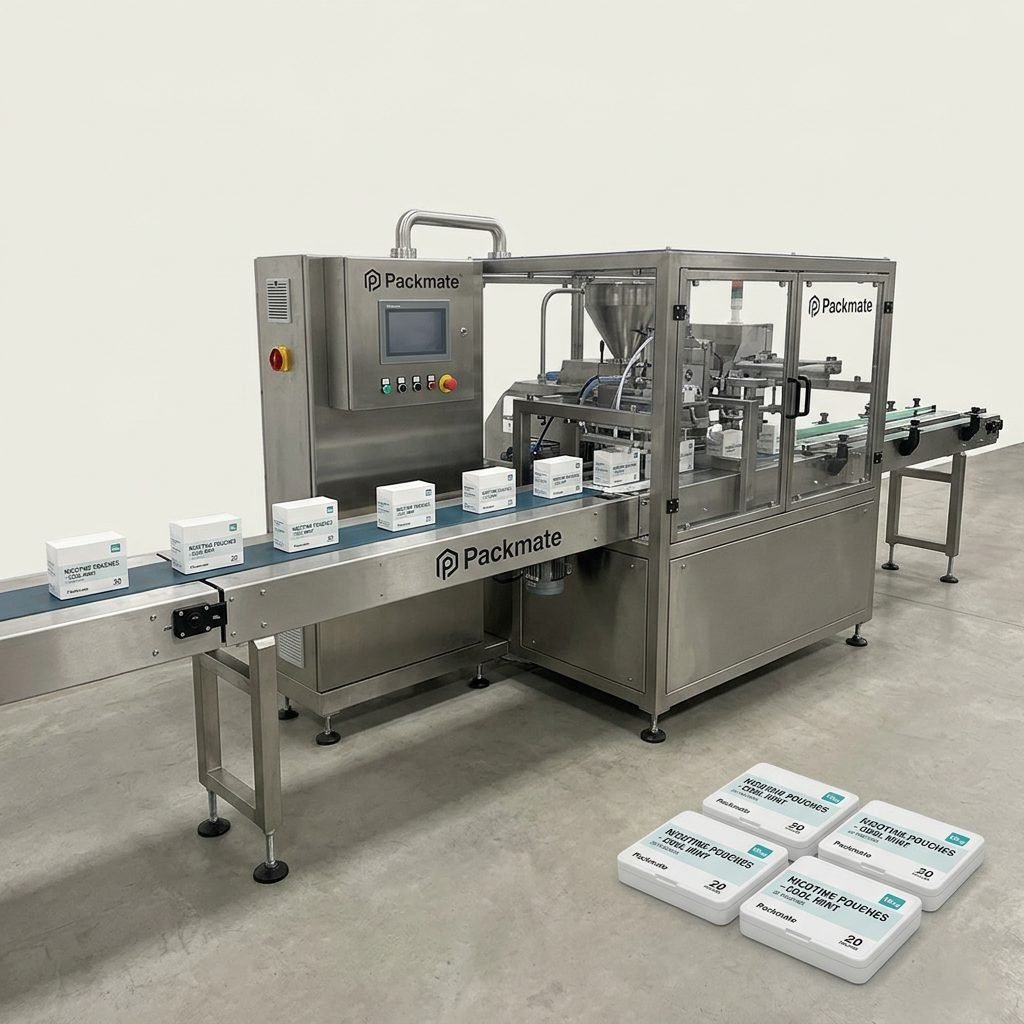
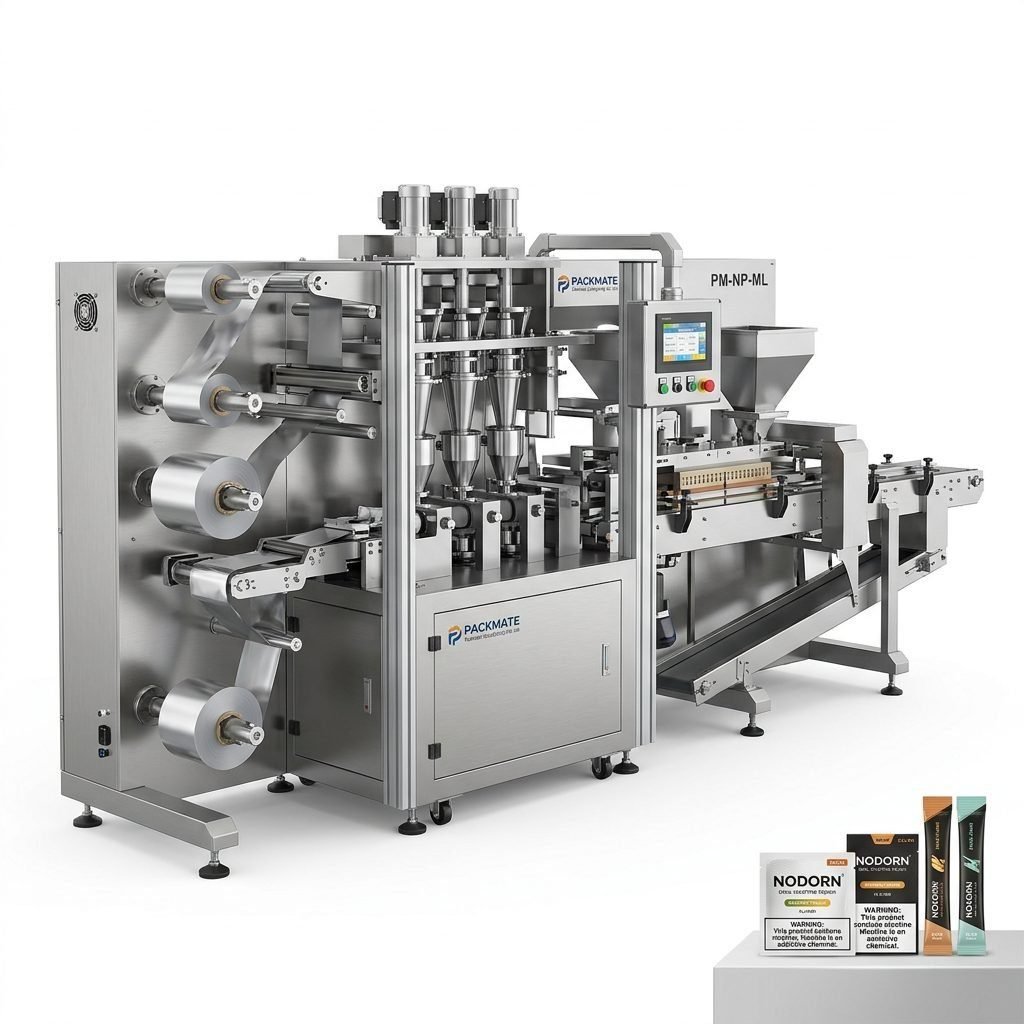
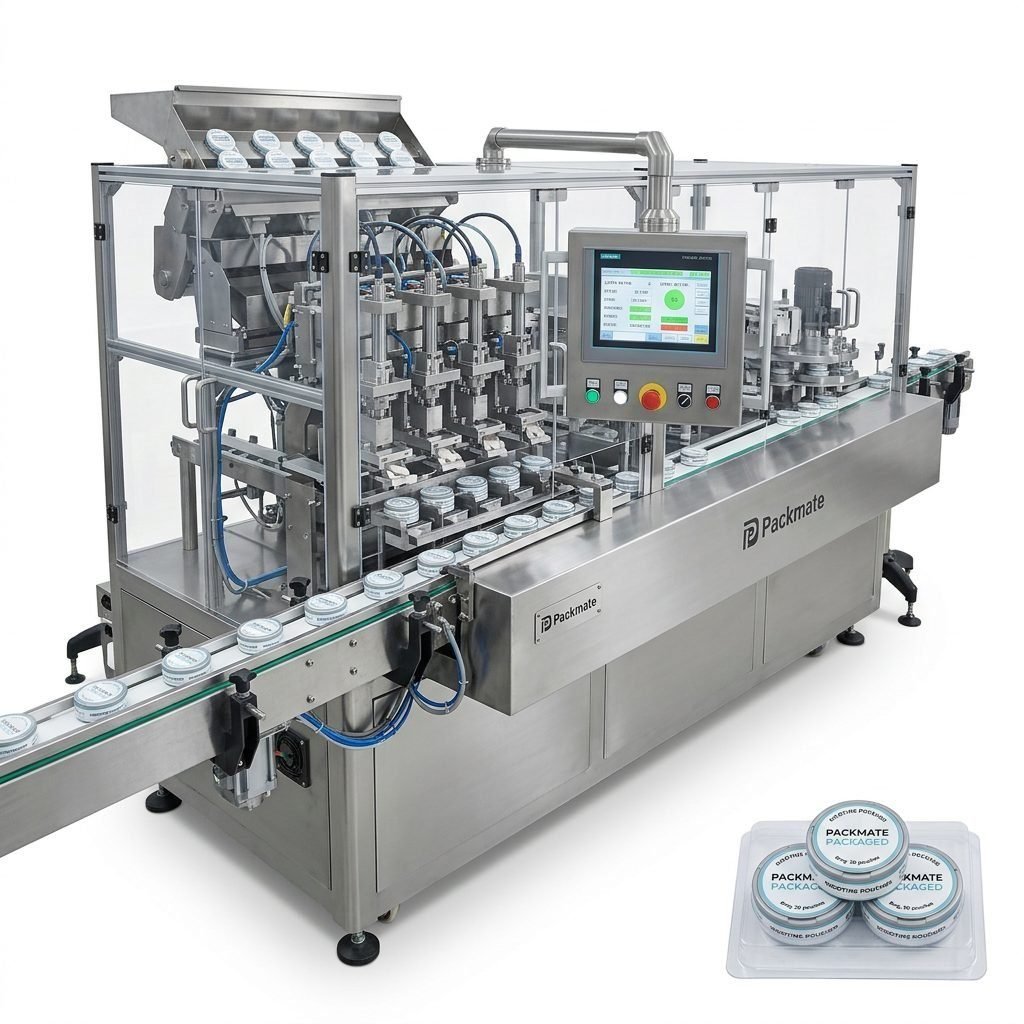
🔍 Sachet & multi-lane machines — ideal for small-dose nicotine pouches, offering high throughput with multiple lanes.
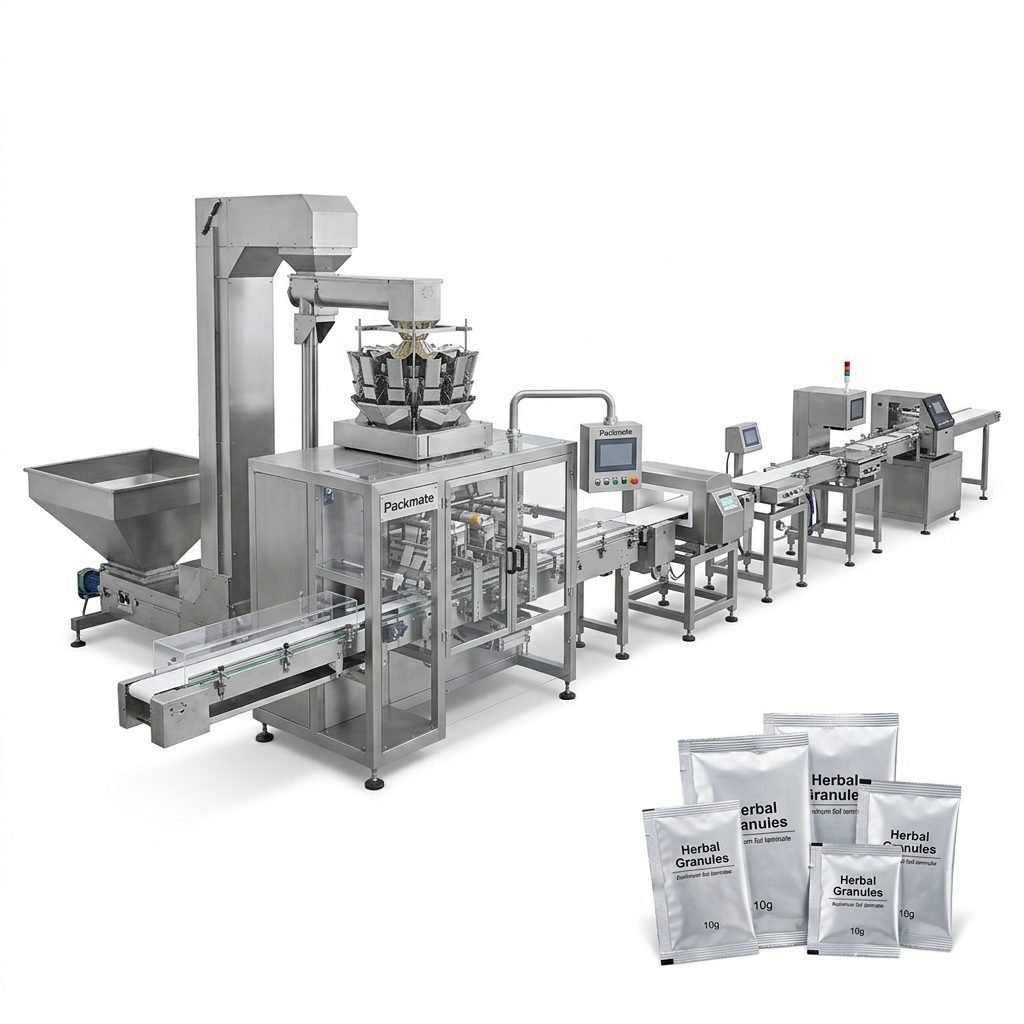
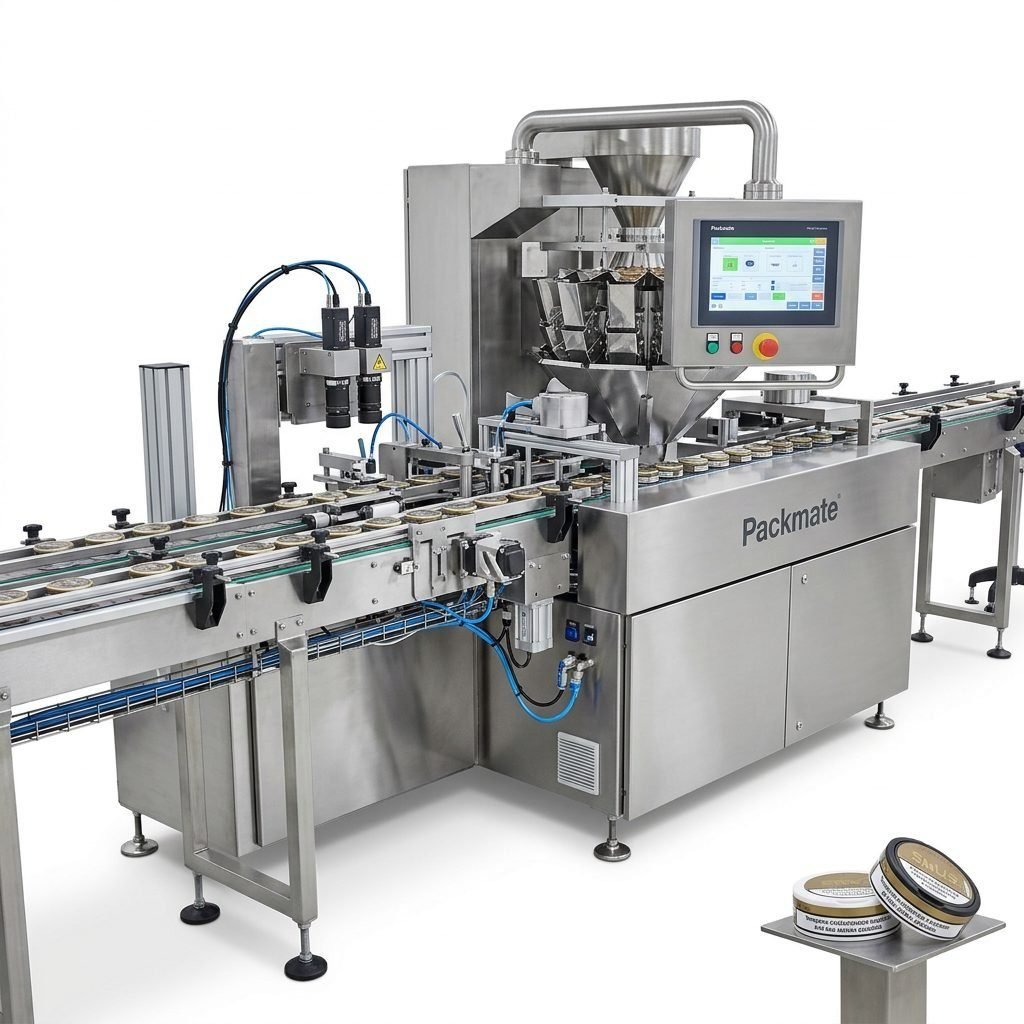
🔍 Weighing & filling systems — crucial for consistent dosage accuracy for nicotine products.
For more technical product details and machine types, review manufacturers’ product pages such as Snus & Nicotine Packaging Machines and Sachet & Stick Pack Machines.
How to Vet a Snus Packaging Machinery Supplier
When evaluating suppliers, focus on these categories:
1. Experience & Track Record
Experience in tobacco and nicotine pouch packaging is critical. A supplier with 20–30 years of engineering and a story of continuous improvement (for example, companies that evolved from small workshops into full-scale factories) typically means mature designs, reliable components, and realistic lead times.
2. Factory Capability & Certifications
Inspect the supplier’s manufacturing capabilities: CNC machining centers, precision assembly lines, and a robust quality testing process. Certification evidence (CE, ISO) is a must for international shipments and insurance claims. You can ask for scanned copies before formalizing orders.
3. Model Range & Customization
Suppliers that offer a broad portfolio—stick packs, sachets, multi-lane lines, weighing systems and auxiliary equipment—allow easier future upgrades. A supplier with 50+ models indicates flexibility and an ability to supply tailored turnkey solutions to match your product and capacity.
Tip: Ask for references and case studies in markets similar to Cameroon. See examples in global cooperation cases like Case.
Essential Questions to Ask Potential Suppliers
Be direct and document answers. Important points include:
- What is the machine’s actual throughput (pouches per minute) and how is it measured?
- Do you provide installation, commissioning and operator training in Cameroon or remotely?
- What warranty, spare parts list, and response times for technical support are offered?
- Can you supply CE/ISO certificates, electrical schematics, and an English/French manual?
- What are lead times, and what shipping incoterms do you support (EXW, FOB, CIF, DAP)?
Evaluating Machine Performance: Technical Checklist
During factory visits or video inspections, verify:
✓ Stability of multi-lane synchronization (no lane-to-lane filling errors).
✓ Precise dosing and consistent weight variance (<±X% depending on product).
✓ Sealing quality at various speeds and environmental conditions (important in humid climates).
For deeper technical specifications and machine types, consult the manufacturer’s product catalog such as Filling & Packaging Lines and Weighing & Packaging Systems.
Negotiation, Contracts and Payment Terms
Protect your investment with clear contract terms:
⚠️ Specify warranty coverage, exclusions and service response times in writing.
⚠️ Include an agreed spare-parts list and expected consumables, with prices and delivery lead times.
Payment terms commonly include a deposit (30%) with the balance before shipment or against documents. If importing into Cameroon, consider CIF Douala to simplify customs handling.
Installation, Commissioning and Local Training
A reliable supplier provides on-site commissioning, or remote commissioning plus detailed training for local operators and maintenance staff. Insist on transfer of knowledge—schematics, spare parts lists, and preventive maintenance schedules in English/French are essential.
Operational note: Plan for periodic calibration of weighing systems and regular replacement of seals and belts—components that commonly wear faster in humid environments.
After-Sales Support & Spare Parts Strategy
Long-term uptime depends on fast access to spare parts and reliable remote troubleshooting. Verify:
- Supplier’s spare parts lead times to Douala and options for expedited shipping.
- Availability of remote diagnostics and spare-parts kits tailored to frequent failures.
- Local service partners or trained engineers in Africa who can travel to Cameroon.
Compliance, Labeling and Regulatory Considerations in Cameroon
Ensure your packaged nicotine product meets Cameroon’s import, advertising and health regulations. Provide bilingual labels (French/English) and ensure product safety data is available. Request suppliers to support labeling requirements and provide machine capabilities for printing/labeling or integrating inline printers.
Cultural & Business Etiquette When Working with Cameroon Partners
Business in Cameroon tends to value relationships and respectful communication. Use polite, formal introductions, and confirm agreements in writing. Quick responsiveness and clear timelines build trust.
Why Packmate Snus Machine-Like Suppliers Are Worth Considering
When a supplier combines decades of engineering, a large factory footprint, a wide model range and global turnkey experience, it reduces risks for first-time manufacturers. Look for suppliers that highlight:
• 30+ years of industry experience and continuous development.
• A 20,000㎡ facility with CNC machining, precise assembly lines and strict quality control.
Learn more about the company background and mission via pages such as About Packmate and their global reach on the Our Exhibition page.
Practical Checklist Before You Sign
Quick checklist:
- Verify CE/ISO and provide photocopies.
- Confirm spare parts list and estimated annual consumption.
- Agree on warranty, training, and remote support SLA.
- Confirm machine factory acceptance tests (FAT) and acceptance criteria.
- Agree on documentation languages (English/French) and provide operator manuals.
Contact & Next Steps
Once you have shortlisted suppliers, request a factory visit or a live demo video, obtain detailed quotations including shipping to Douala, and request sample-packed pouches for quality verification. For direct contact and full service inquiries, vendors usually provide dedicated support portals—see the Contact Us page for assistance or to schedule a demo.
Final Checklist Before Purchase
Ensure you have: clear production targets, regulatory checklist for Cameroon, a spare parts agreement, warranty & training schedule, and logistics plan to Douala. Consider a phased approach: pilot machine first, then scale to multi-lane lines as demand grows.
Helpful Resources
For product specifications and related systems, explore supplier product sections such as Bag & Pouch Packaging Machines and Auxiliary Packaging Equipment. These resources help you design a full production line adapted to nicotine pouch rules and local market needs.
FAQs — Common Buyer Questions (Cameroon-focused)
Q1: What documentation is required to import a snus packing machine into Cameroon?
A1: Typically you will need the commercial invoice, packing list, bill of lading, CE/ISO certificates, and any electrical safety documentation. Bilingual manuals (French & English) speed customs clearance and facilitate local training.
Q2: Can suppliers handle shipment to Douala and customs clearance?
A2: Many experienced suppliers offer CIF to Douala or DAP to your factory and can recommend freight forwarders familiar with Cameroon customs. Confirm this in your contract.
Q3: What spare parts should I stock locally?
A3: Keep critical items on hand: sealing elements, belts, sensors, PLC modules, and wear parts. Discuss a starter kit with your supplier to avoid long delays for replacements.
Q4: Is on-site training necessary for Cameroonian operators?
A4: Yes. On-site commissioning and training are highly recommended to transfer operational know-how. Remote support can supplement but will not fully replace hands-on training.
Q5: How do I check a supplier’s reliability quickly?
A5: Verify certificates, request FAT videos, check customer references and case studies, ask for factory photos, and confirm the supplier’s spare parts policy. For manufacturer background and case references, review their about and case pages such as About Packmate and Case.