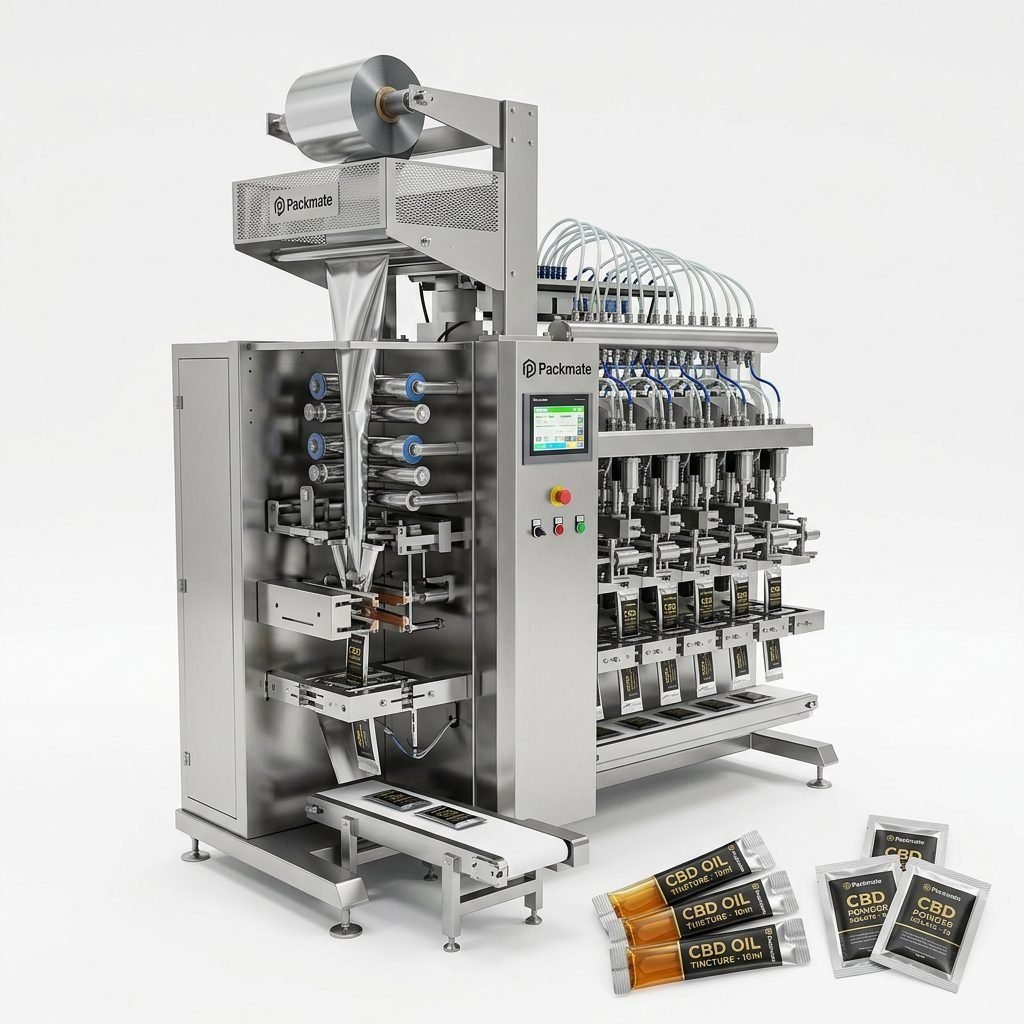
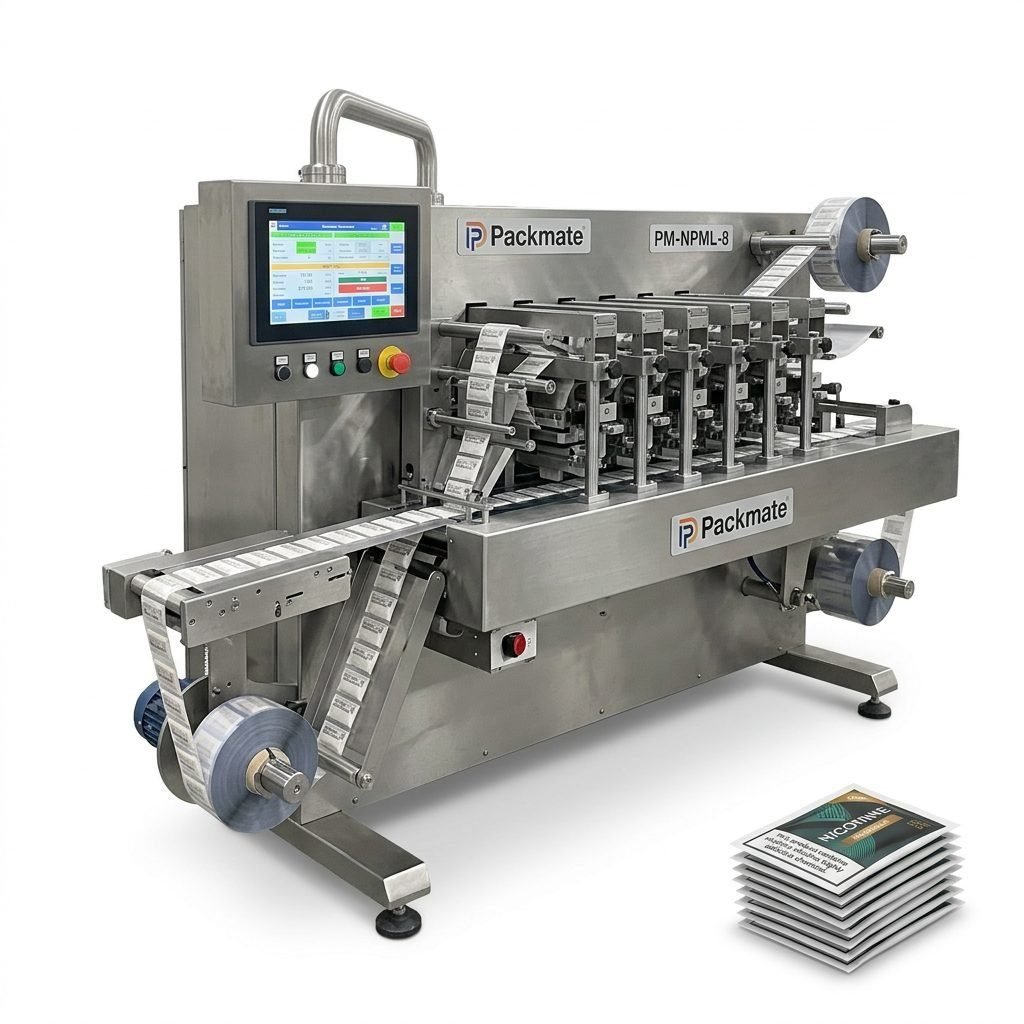
Choosing the right nicotine packaging machinery supplier for your Jordanian business is a strategic decision that affects product quality, regulatory compliance, and long-term profitability. This guide walks you through practical, culturally aware, and technically focused steps to identify a supplier who can deliver reliable snus and nicotine pouch packaging lines, provide local support, and help you scale while respecting Jordan’s market norms and regulatory landscape.
Understand the Jordan Market and Local Customs
Jordan is a market where consumer trust and regulatory compliance matter a great deal. Packaging for nicotine products often needs to be discreet and respectful of local cultural sensibilities. Arabic labeling, clear health warnings, and halal considerations for some auxiliary ingredients can influence packaging design and machine setup. Look for suppliers who understand bilingual labeling needs (Arabic and English), customs documentation for the Middle East, and sensitivity to display and marketing in conservative retail environments.
Key Technical Capabilities to Evaluate
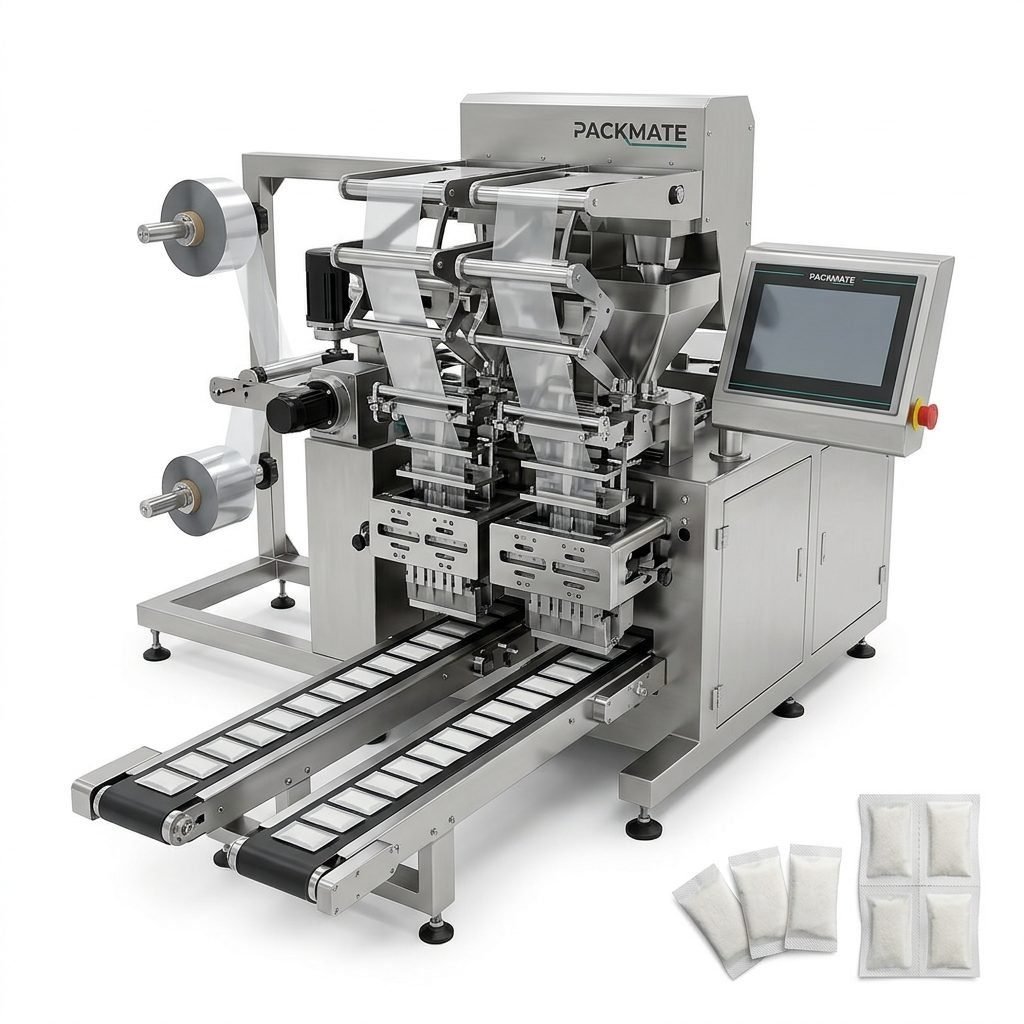
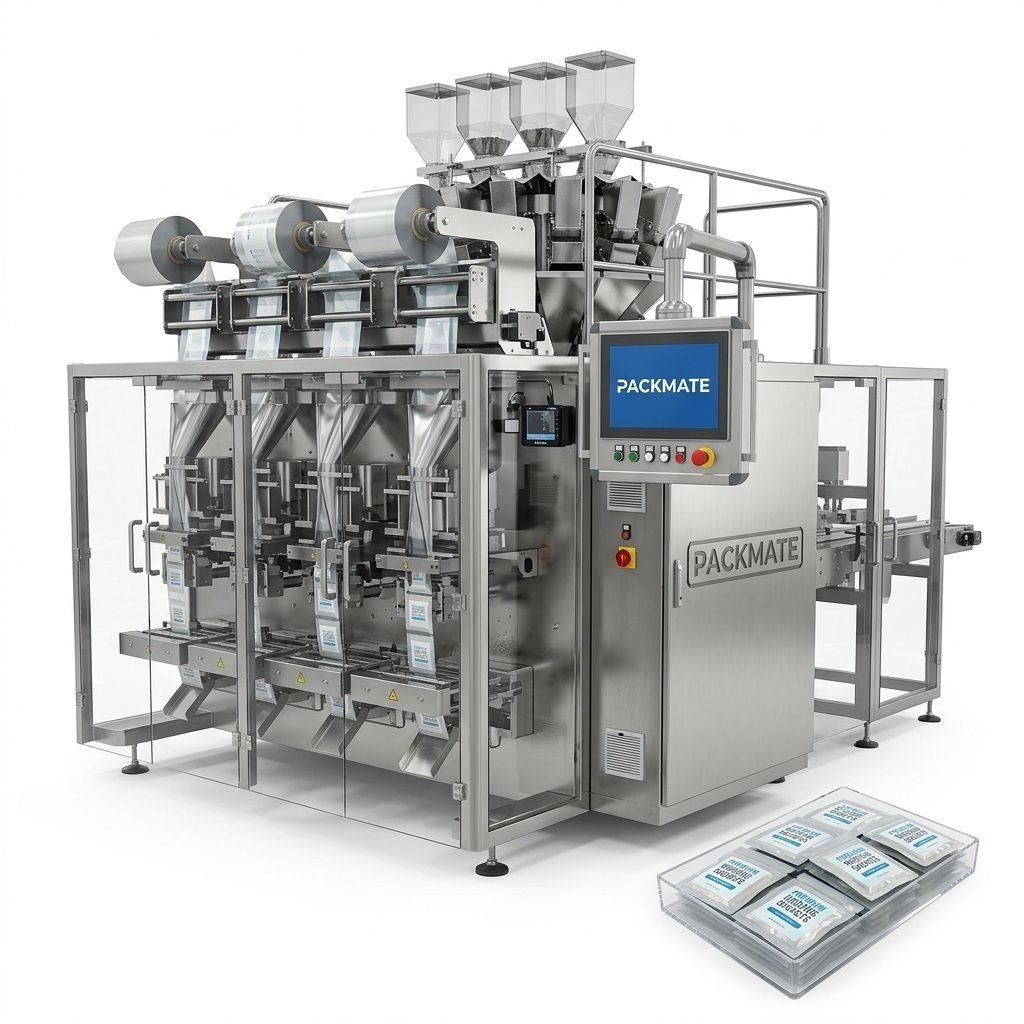
When selecting a supplier, focus on machines that can reliably produce the format you need: single-dose nicotine pouches, snus cans, stick packs, sachets, or multi-lane pouches. Critical capabilities include speed, lane configuration, dosing accuracy, and integration with upstream weighing and downstream cartoning lines. Verify the supplier’s portfolio for similar projects and ask for precise output data under Jordan-like operating conditions.
Common machine types and why they matter
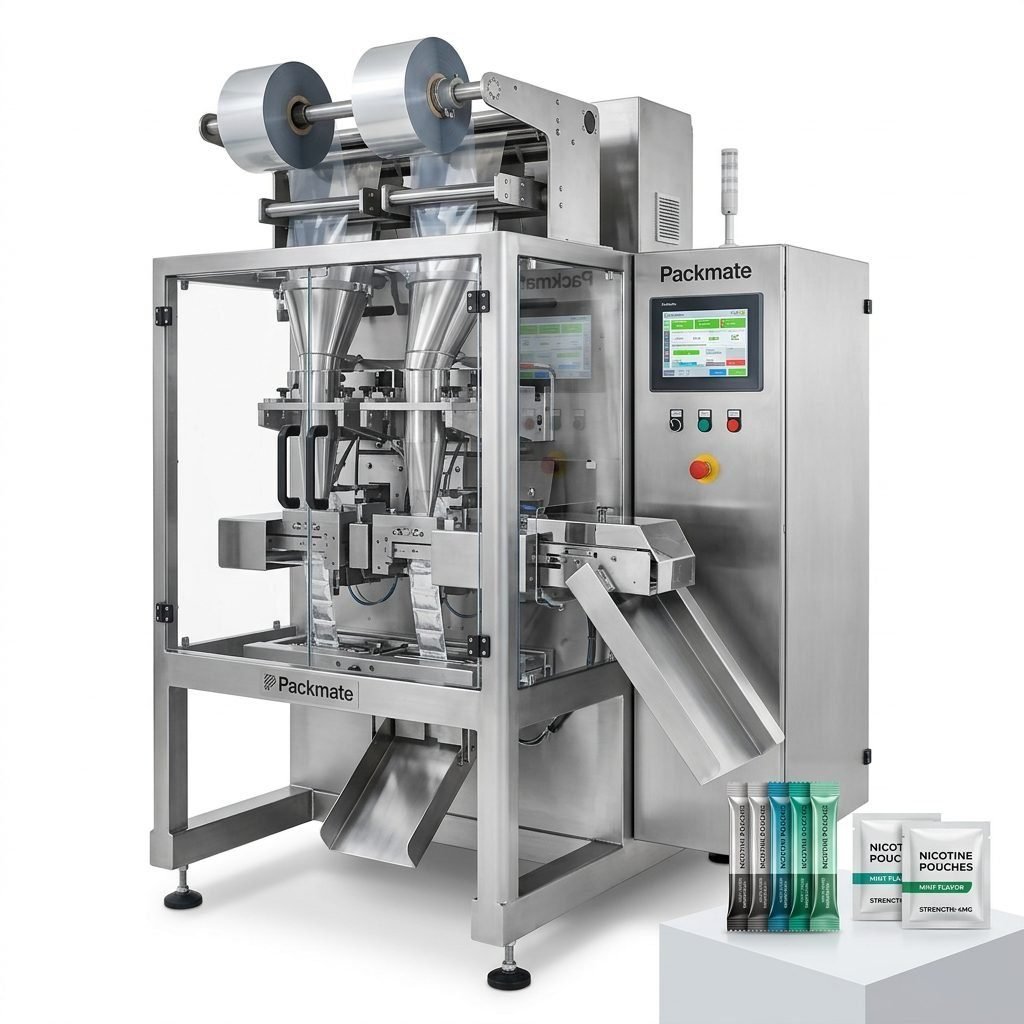
✓ Stick Pack Machines: compact, flexible for single-dose products.
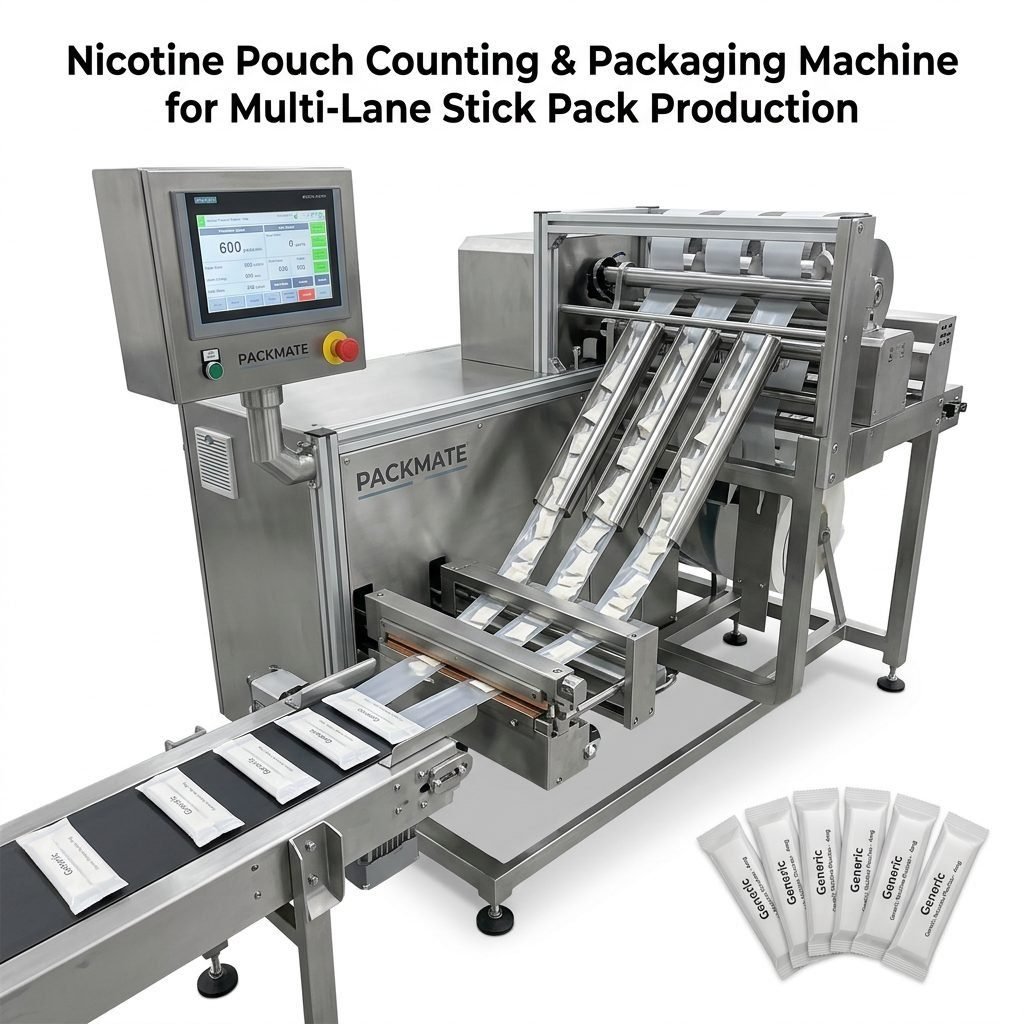
✓ Sachet & Stick Pack Machines: ideal for promotional packs and single-serve nicotine pouches. (Sachet & Stick Pack Machines)
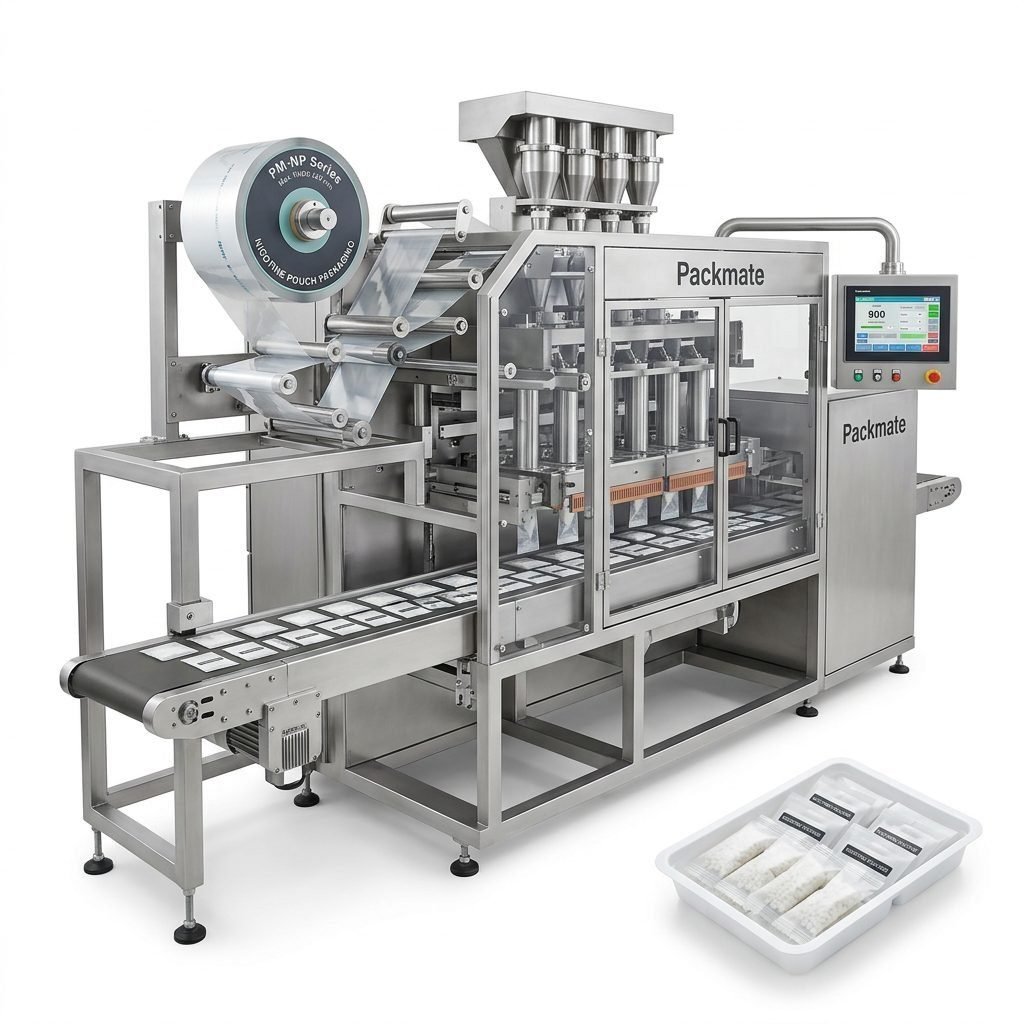
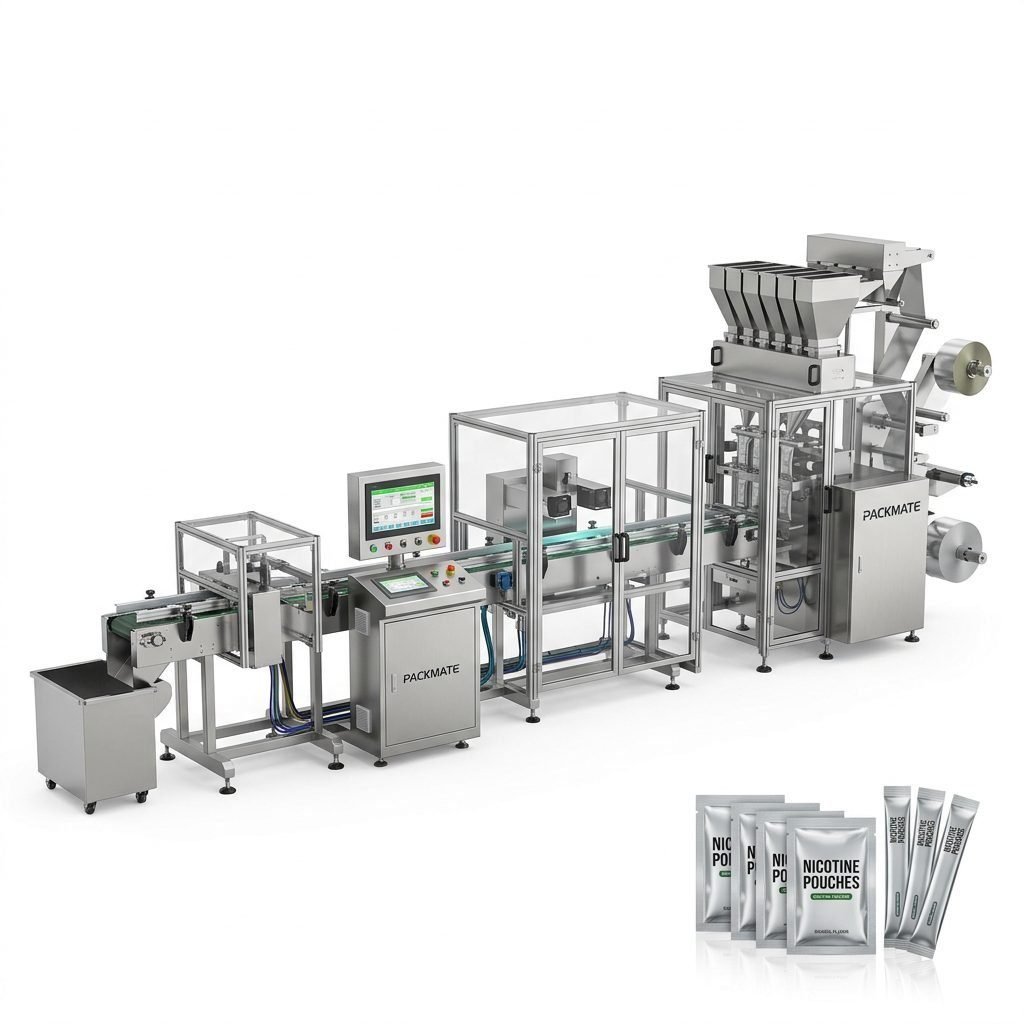
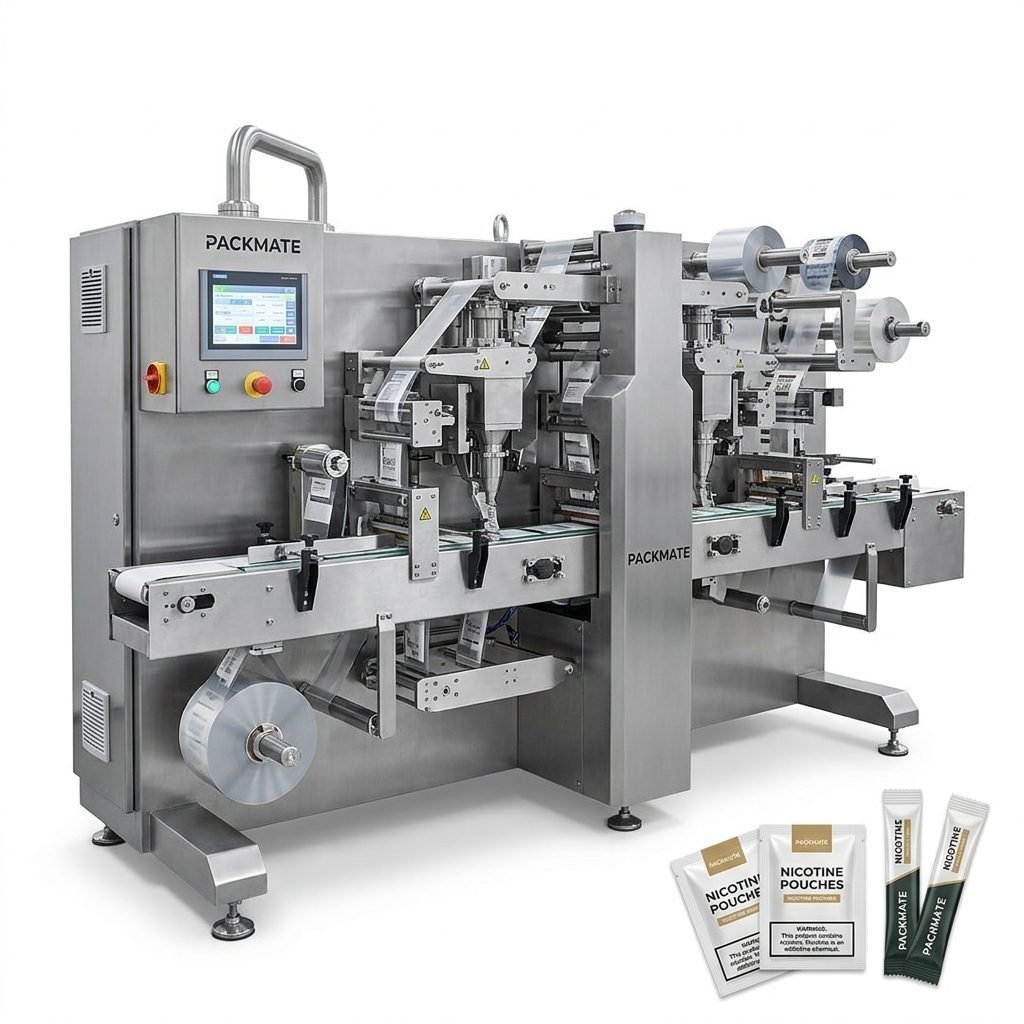
✓ Snus & Nicotine Packaging Machines: specialized lines for pouch forming, filling, and sealing, often with humidity control and precise dosing. (Snus & Nicotine Packaging Machines)
✓ Weighing & Packaging Systems: necessary for multi-lane accuracy and synchronised feed to packaging machines. (Weighing & Packaging Systems)
Quality, Certifications, and Factory Capabilities
Quality assurance begins at the factory. Prioritize manufacturers with CE, ISO and other international standards that align with Jordanian import and safety inspections. Ask for documentation about assembly lines, CNC machining centers, and final testing protocols. If possible, request a virtual or in-person factory tour; reputable suppliers will happily show manufacturing scale and quality controls.
Tip: A large dedicated facility (for example, a 20,000㎡ production area and advanced CNC systems) signals capacity for customization and spare-part availability. Learn more about the manufacturer’s history and capabilities at the company profile page: About Packmate.
After-Sales Service, Installation and Local Support
After-sales service is crucial for minimizing downtime. Confirm lead times for spare parts, availability of remote diagnostics, and whether the supplier offers on-site commissioning teams or certified local partners in Jordan. Training for operators and maintenance staff should be included or available as an added service to ensure smooth handover.
What to request from the supplier
⚙️ A clear spare parts list and typical stock lead times.
⚙️ Training plans for Jordan-based operators (languages, shift patterns).
⚙️ Remote support tools (video troubleshooting, PLC access policies).
⚙️ Warranty terms and performance guarantees with KPIs.
Customization, Flexibility and Scalability
Your supplier should be able to adapt machines for specific pouch sizes, dosing weights, lane counts and packaging materials commonly used in Jordan. Modular systems that can be upgraded from single lane to multi-lane increase ROI. Discuss future capacity needs — a supplier with turnkey line experience can provide filling, weighing, and cartoning integration.
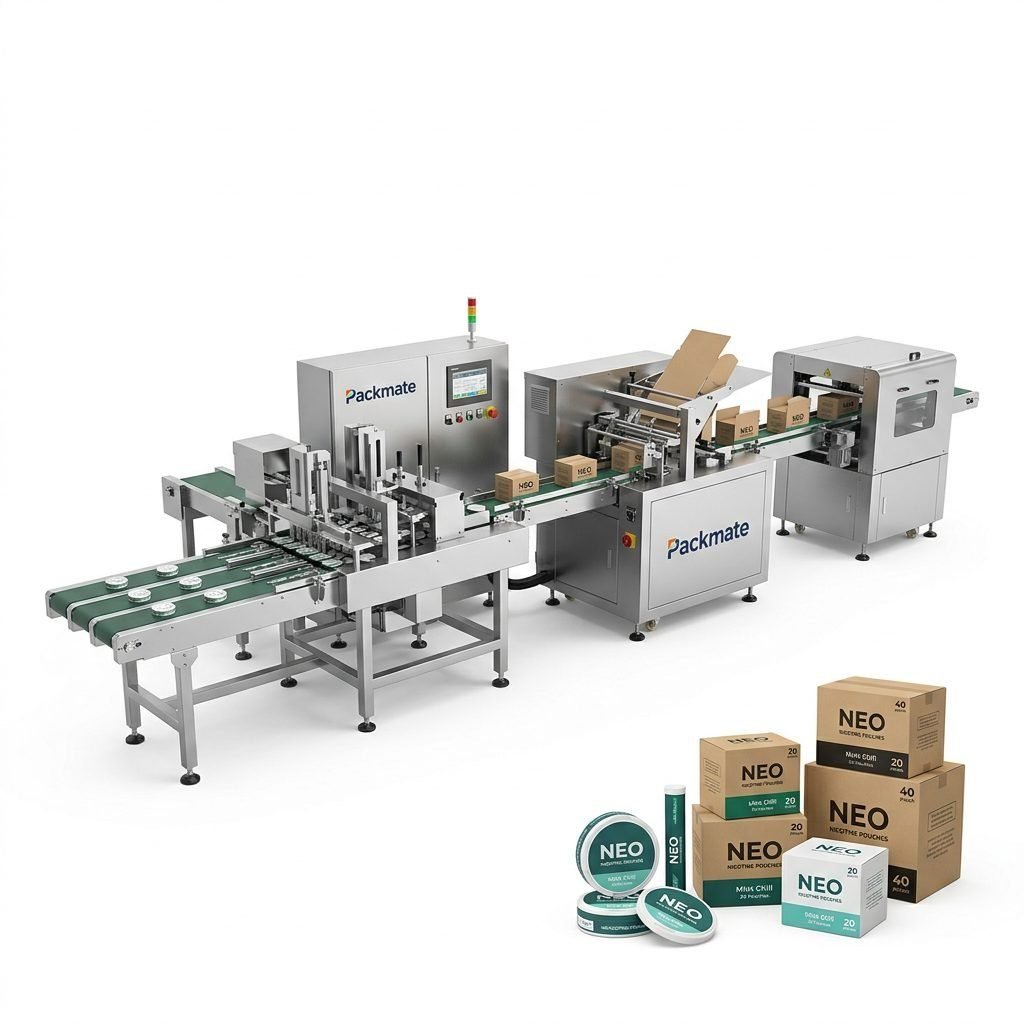
For examples of complete lines, review offerings such as Filling & Packaging Lines and Auxiliary Packaging Equipment to understand how different modules work together.
Cost Considerations and Total Cost of Ownership (TCO)
Compare suppliers not only on purchase price but on TCO: energy consumption, spare parts pricing, mean time between failures (MTBF), consumables, and training costs. Factor in installation, import duties into Jordan, customs clearance, and any local modifications for Arabic labeling machines or electrical standards. A lower upfront cost may lead to higher service bills later.
A Practical Selection Checklist
✓ Confirm production speed and lane configuration meet your SKU demand.
✓ Verify dosing accuracy and repeatability under real materials.
✓ Check certifications and compliance documents (CE/ISO).
✓ Review spare parts lists and recommended inventory levels.
✓ Ask for reference installations in similar regions or industries. (Case)
✓ Ensure Arabic labelling capability and compliance with Jordan regulations.
✓ Confirm warranty, remote support, and training availability.
Negotiation and Contract Tips for Jordan
When negotiating, get detailed scope-of-supply documents, acceptance test protocols (FAT/SAT), and a clear timeline tied to penalties for missed milestones. Specify language for operation manuals and training (Arabic/English) and confirm packaging for shipping to reduce transit damage. Consider a phased payment schedule tied to factory acceptance and on-site commissioning.
Shipping, Customs and Local Commissioning
Jordanian customs can require thorough paperwork for nicotine-related equipment; ensure the supplier provides HS codes, compliance certificates, and a bill of materials. Choose packaging that protects sensitive electrical and mechanical components during sea transport. Plan for local electrical standards and ensure on-site technicians can assist with commissioning within the agreed timeframe.
Validate with Demonstrations and Case Studies
Request machine demonstrations with materials similar to those you will use. If an on-site demo is impossible, ask for recorded production runs and contactable references. Examine case studies that show successful deployments in climates similar to Jordan and for products like nicotine pouches, tea pouches, powder or granules.
A supplier with global turnkey experience and presence at international exhibitions can provide the transparency you need; review exhibition participation for confidence: Our Exhibition.
Why Packmate-Style Suppliers Are Frequent Choices
Suppliers with decades of experience, a wide machine portfolio (50+ models), and a large manufacturing footprint often offer better customization, faster spare parts delivery, and strong engineering support. They also typically provide full-line solutions including weighing systems, filling lines, and auxiliary equipment — which reduces integration risk and shortens commissioning time.
Practical Onboarding: From Inquiry to Production
1) Send a clear RFQ including product specs, target output, raw material properties and local constraints.
2) Review technical proposals and request FAT with your material.
3) Finalize contract, arrange shipping and customs documentation.
4) Oversee on-site installation, operator training and production ramp-up.
5) Optimize based on first-run feedback and set a spare-parts plan.
Final Recommendations
• Prioritize suppliers who demonstrate experience in nicotine pouch and snus packaging. (Snus & Nicotine Packaging Machines)
• Demand clear service commitments and accessible spare parts.
• Ensure machines are configurable for Arabic labeling and Jordanian regulations.
• Prefer turnkey providers who can integrate weighing, filling and packaging lines to lower risk.
Selecting a supplier is about matching technical performance with cultural and regulatory fit. A supplier who can provide transparent documentation, local-language support, and reliable after-sales service will significantly reduce time-to-market and operational headaches in Jordan.
Frequently Asked Questions (FAQs)
Q1: How important is Arabic labeling support from the machine supplier?
A1: Extremely important. Machines or software that print or apply Arabic labels correctly (right-to-left support and appropriate fonts) save time and reduce compliance risks in Jordan.
Q2: What certifications should I insist on when importing packaging machinery to Jordan?
A2: CE and ISO are baseline standards. Additionally, ask for electrical safety certificates and material contact documentation. Suppliers should be able to provide export documentation to facilitate customs clearance.
Q3: Can suppliers provide turnkey solutions that include filling, weighing and cartoning?
A3: Yes. Many established manufacturers offer integrated lines — check their product pages for Filling & Packaging Lines and Weighing & Packaging Systems to confirm modular compatibility.
Q4: How do I ensure fast spare parts delivery to Jordan?
A4: Negotiate parts stocking agreements, ask about regional warehouses or local partners, and request a prioritized parts list so you can pre-order critical components.
Q5: Is visiting the supplier’s factory necessary?
A5: While not always feasible, a factory visit or virtual tour helps verify manufacturing scale, QA processes, and assembly capabilities. Review the supplier’s case studies and exhibition presence to build confidence before committing.