Entering the nicotine pouch and snus market in Uzbekistan requires careful selection of a reliable packaging machine supplier. Local business practices, import procedures, and consumer habits all influence the best choice for your production line. This guide walks you through the key factors to evaluate suppliers, technical checks, negotiation tactics suited to Uzbekistan, and why established manufacturers with global experience can reduce your time to market and long-term operating costs.
Understand the Uzbekistan Market & Local Business Culture
Uzbekistan’s market is shaped by young demographics, growing urbanization, and a rising interest in alternative nicotine products among adult consumers. When evaluating suppliers, consider regulatory compliance for nicotine products, import duties, and how labeling in Uzbek and Russian may affect packaging requirements. Business interactions in Uzbekistan tend to value direct relationships, clear contracts, and respectful negotiation. Time invested in building trust with suppliers and ensuring clear communication channels can pay dividends when commissioning complex packaging lines.
Practical local considerations
– Payment preferences: many Uzbek businesses prefer secure bank transfers, confirmed letters of credit, or staged payment plans tied to milestones.
– Logistics: inland transport and customs clearance timing can vary — factor lead times and arrange experienced import agents.
– Language: request product manuals and training in Russian or Uzbek when possible, or ensure reliable translation support.
Key Criteria to Evaluate Nicotine Packaging Machine Suppliers
Choosing the right supplier is more than price. Focus on technical fit, reliability, compliance, and post-sale support.
✅ Key checklist for supplier selection:
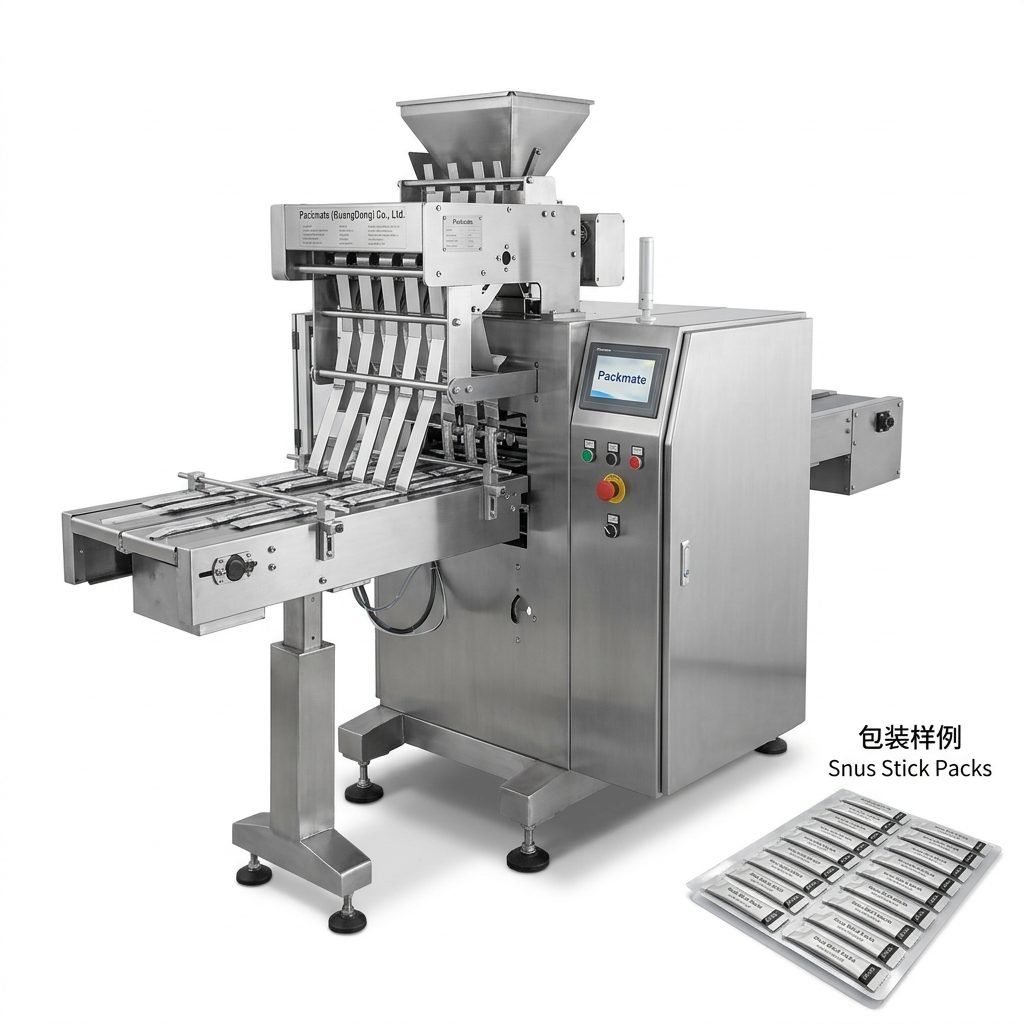
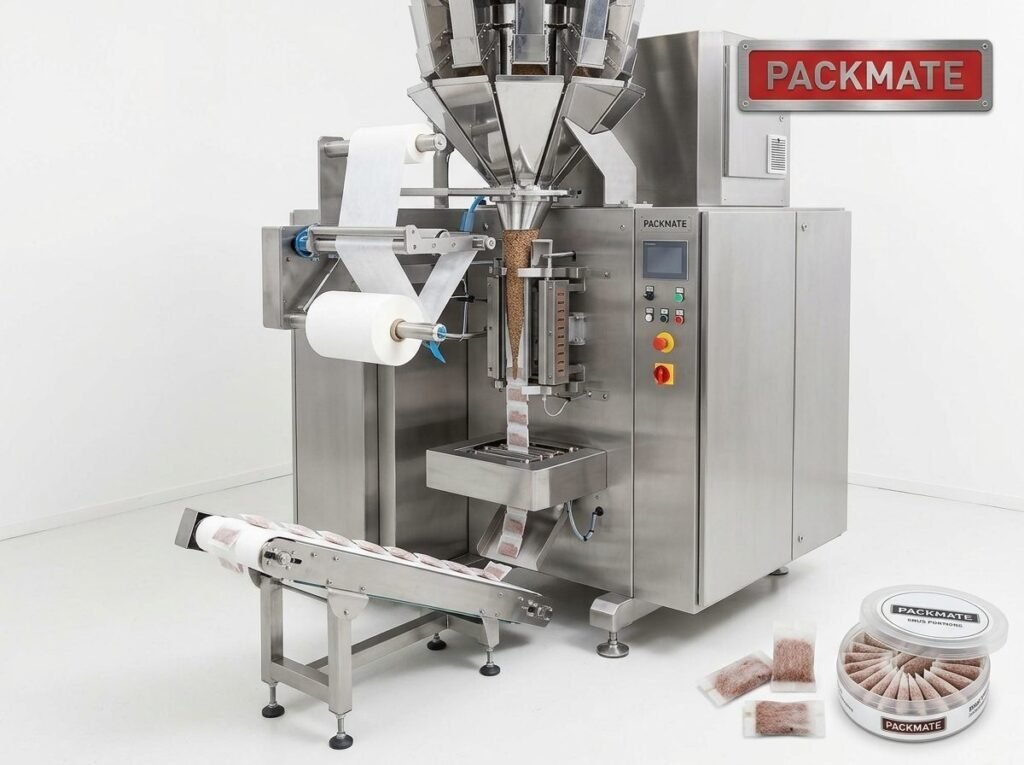
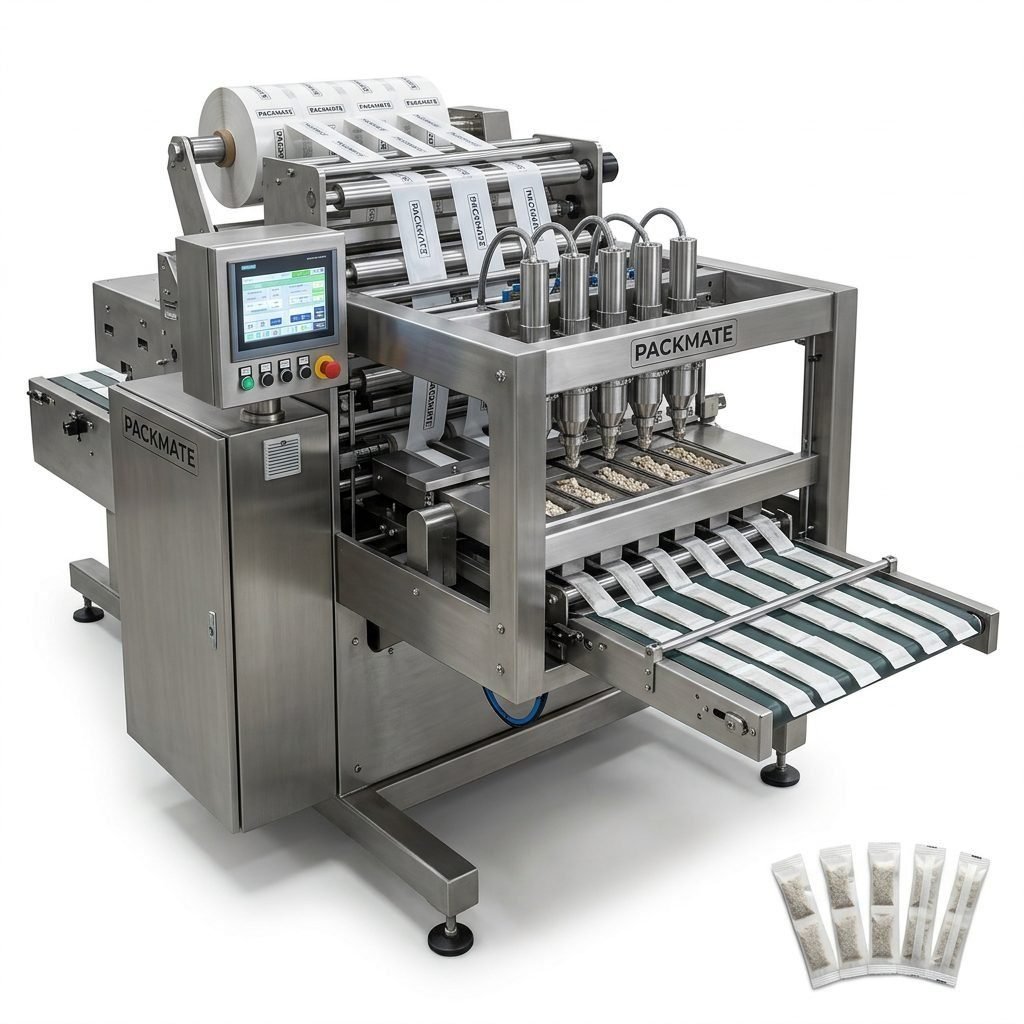
Machine types & output: single-lane sachets, stick packs, and multi-lane nicotine pouch systems suited to small-dose products.
Quality & certification: CE and ISO compliance for safety and export acceptability.
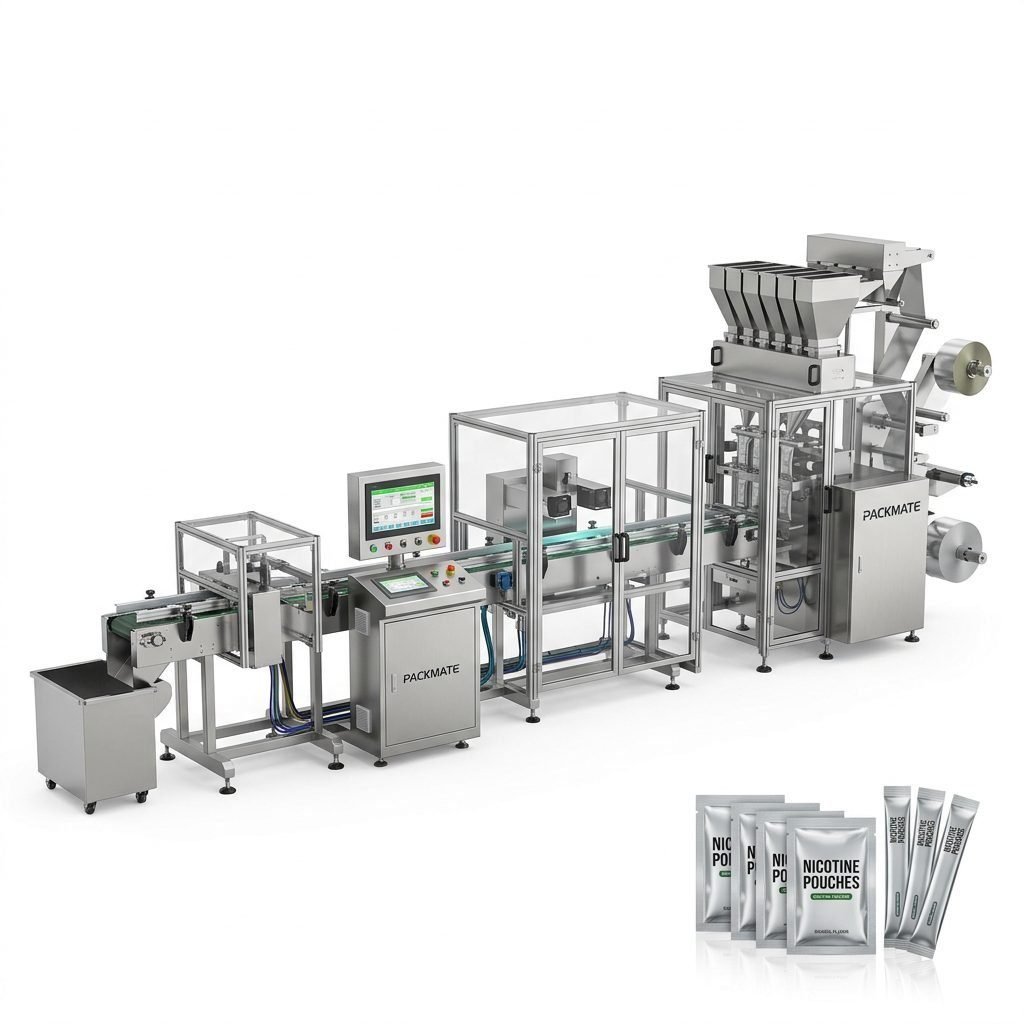
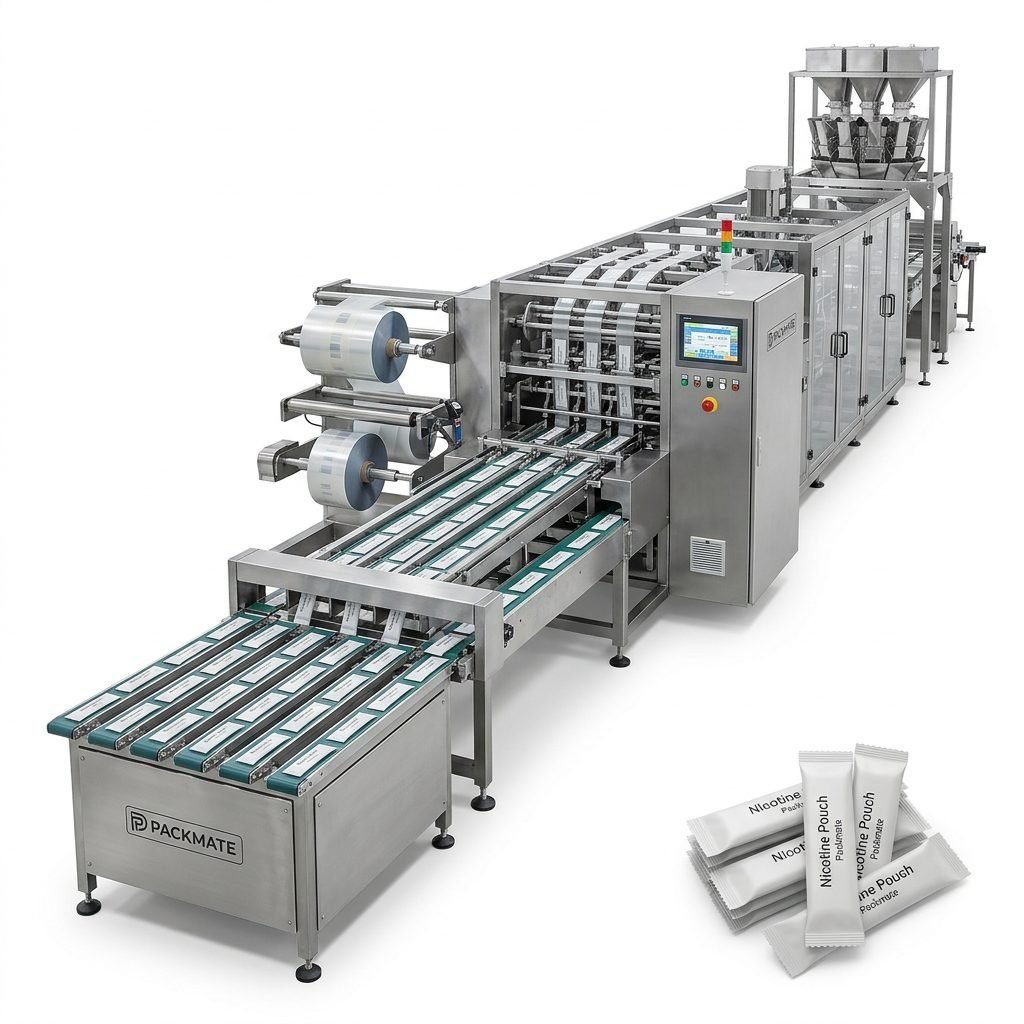
Customization & turnkey capabilities: ability to deliver integrated lines, including weighing, filling, and auxiliary equipment.
After-sales & spare parts: availability of critical spares, remote support, and on-site service options.
References & case studies: real-world installations in similar climates and markets.
Machine portfolio & production capacity
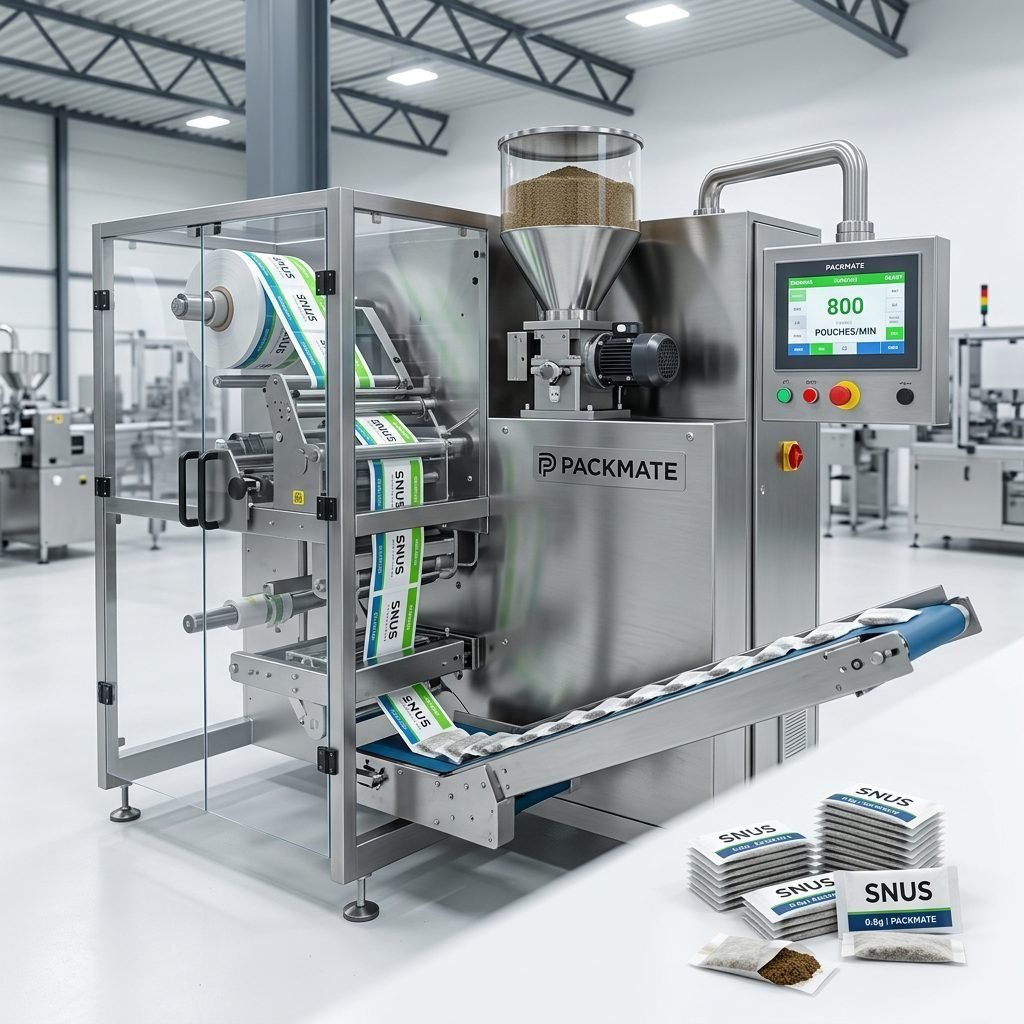
Look for suppliers with a broad product range and proven models. Suppliers that offer Snus & Nicotine Packaging Machines alongside stick pack and sachet machines typically provide better integration and faster troubleshooting. A manufacturer reporting hundreds of production-ready units and advanced CNC capabilities indicates robust production capacity and parts traceability.
Quality, compliance & testing
Request certificates (CE, ISO) and documented factory acceptance tests (FAT). Verify that the supplier performs performance testing using your actual pouch material, nicotine formulation, and packaging film. A reliable supplier will offer trial runs and produce sample packs that match your desired output and shelf appearance.
Technical specifications you must verify
Technical fit is essential to avoid costly modifications later. Confirm the following:
- Production speed (packs per minute) and whether the speed is achievable with your product density.
- Dosing accuracy and repeatability for nicotine pouches — tolerance requirements are usually tight.
- Multi-lane synchronization if you plan high-volume operations (multi-lane systems reduce footprint and labor).
- Compatibility with your chosen pouch material: film types, laminate thickness, and sealing temperatures.
- Integration capability with other modules: weighing, filling, capping, and labeling lines (see related Weighing & Packaging Systems and Filling & Packaging Lines).
Factory Strength & Manufacturing Transparency
A strong manufacturing base reduces lead times and improves spare parts availability. Suppliers that showcase their factory size, CNC centers, and assembly lines provide confidence that they can handle custom requests and volume orders. For example, suppliers with large facilities and multiple machine models typically deliver better aftermarket support and continuous improvement.
Learn more about supplier backgrounds and credentials — a reputable supplier will present details about their history, certifications, and exhibition presence. Explore the supplier’s company profile and certifications to confirm reliability, for example via their About page or Certificate listings.
After-sales Service: What Matters Most
After-sales support determines uptime and total cost of ownership. In Uzbekistan, where rapid on-site response might be challenged by geography, make sure your supplier provides:
🔧 Essential after-sales commitments:
– Clear warranty terms and prompt spare parts delivery.
– Remote diagnostic tools and training for your technicians.
– Commissioning assistance and acceptance testing at installation.
– Optional local stocking of critical wear parts to minimize downtime.
Successful commissioning in Uzbekistan
Negotiate commissioning scope and include training sessions for operators and maintenance staff. Ask for user manuals and PLC/HMI documentation in Russian or English, and clarify who will handle customs clearance and local certification tests required for nicotine product packaging.
How to Conduct Supplier Due Diligence
Due diligence reduces risk. Follow a structured process:
- Request FAT videos and live demonstrations showing your product on the proposed machine.
- Ask for client references and case studies in similar markets — review documented successes and issues (see sample Case examples).
- Verify lead times: production schedule, delivery, and installation windows.
- Confirm spare parts lists, estimated consumption rates, and recommended stocking levels.
Negotiation Tips for Buyers in Uzbekistan
Use the following tactics to secure favorable terms while maintaining supplier relationships:
- Propose staged payments linked to milestones: deposit, pre-shipment inspection, and successful installation.
- Negotiate a spare parts kit with the initial shipment to avoid initial downtime.
- Clarify warranty coverage for parts and labor and define response times for service visits.
- Include performance acceptance criteria in the contract (e.g., production speed and dosing accuracy during FAT and SAT).
Installation, Training & Local Compliance
Prepare your facility for installation: adequate power supply, compressed air, exhaust if needed, and a trained electrical/maintenance contact on site. Agree on the scope of training (operator, maintenance, and electrician) and whether training materials will be provided in Russian. Confirm any local labeling or registration required for nicotine products in Uzbekistan and ensure your packaging line can handle multilingual labels.
Common Machine Types & Auxiliary Equipment
Typical configurations for nicotine pouch lines include:
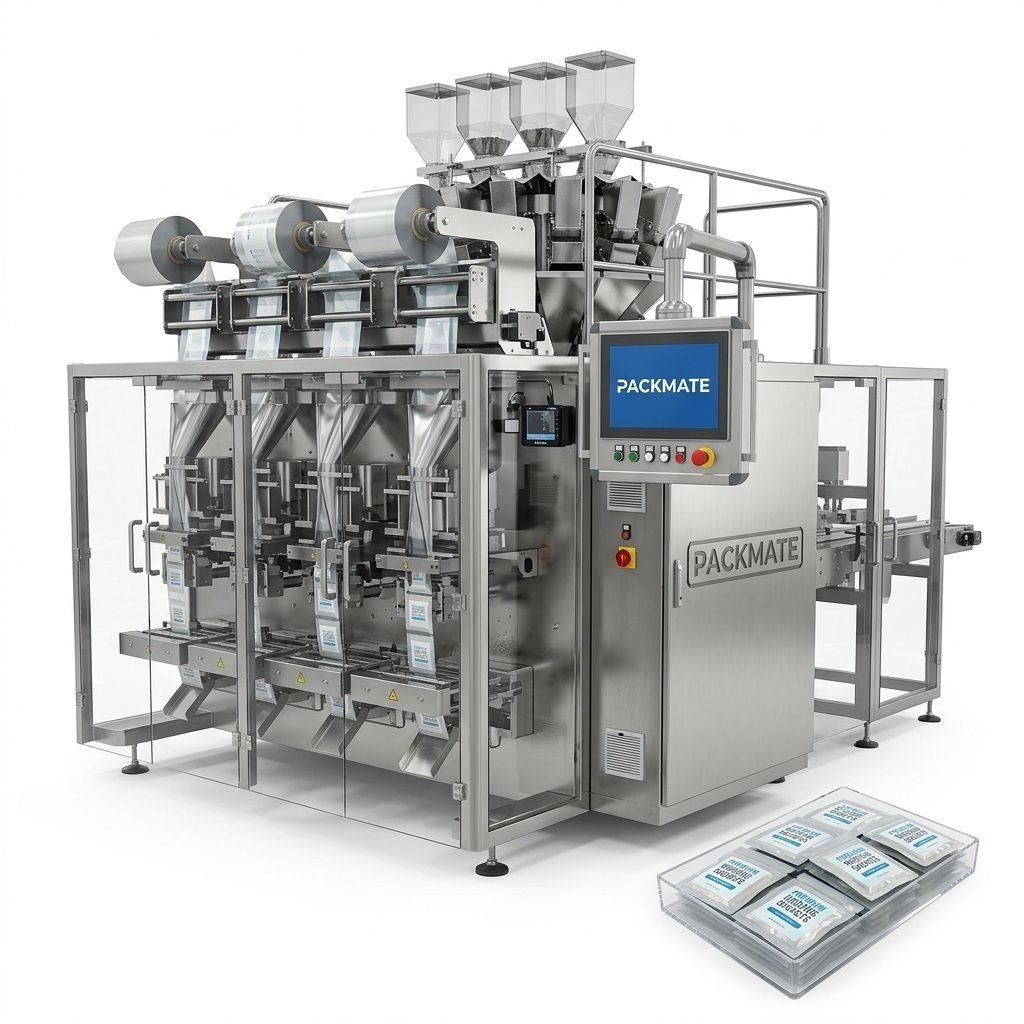
- Multi-lane snus pouch machines for high throughput and reduced footprint.
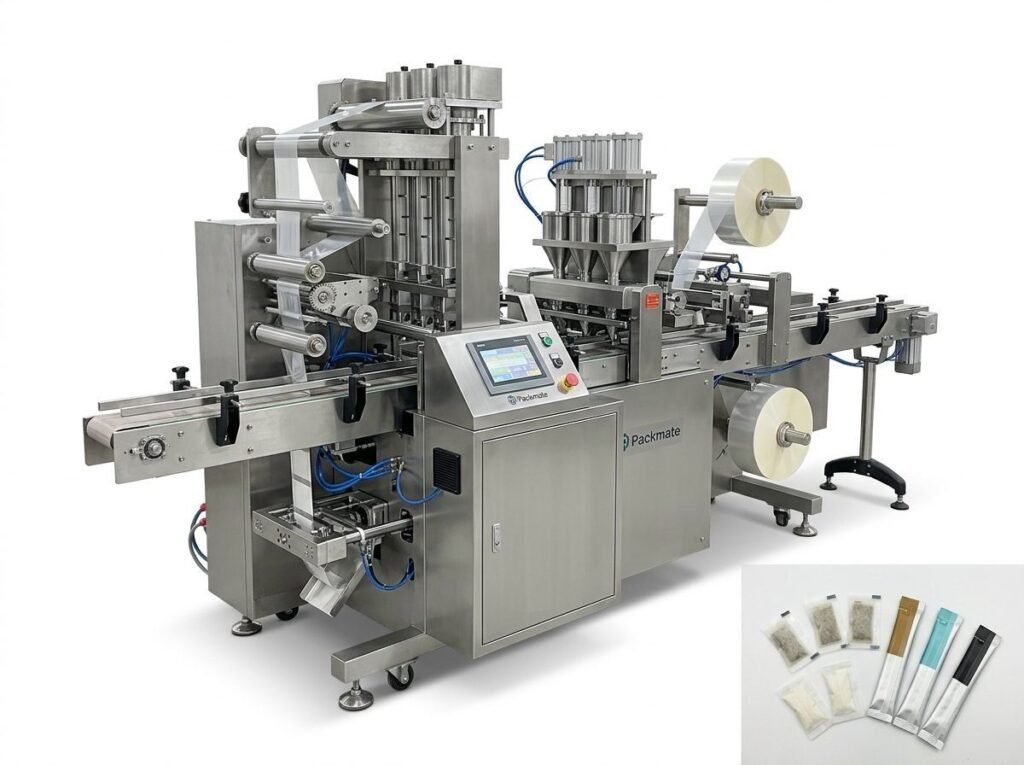
- Stick pack and sachet machines for single-dose or sample formats (Sachet & Stick Pack Machines).
- Weighing and dosing systems integrated for consistent pouch weights (Weighing & Packaging Systems).
- Auxiliary equipment such as conveyors, metal detectors, and batch coding systems (Auxiliary Packaging Equipment).
Why Established Manufacturers Are Often the Better Choice
Established manufacturers bring decades of engineering experience, proven designs, and global service networks. They are more likely to provide mature multi-lane solutions optimized for small-dose nicotine pouches, comprehensive FAT/SAT procedures, and documented after-sales programs. Suppliers with exhibition histories and global projects demonstrate product maturity and market acceptance.
⚠️ Final vendor validation tips:
– Confirm the supplier’s ability to provide FAT with your raw materials.
– Ask for spare parts lead times and emergency shipping options.
– Ensure documentation covers installation, operation, safety, and maintenance in an accessible language.
Selecting a Supplier: The Packmate Example
When choosing a partner for nicotine pouch packaging, companies like Packmate Snus Machine demonstrate how factory strength and product focus translate into reliable solutions. With over 30 years of engineering experience, a 20,000㎡ manufacturing facility, advanced CNC machining, and a broad model range, such suppliers can provide fully customized turnkey packaging lines and ongoing technical support. Explore the supplier’s service offerings and exhibitions to gauge their market engagement (Our Exhibition, Service).
How Packmate-style strengths help Uzbek buyers
– Technical depth for multi-lane systems reduces floor space and labor cost.
– Proven FAT and global cases provide assurance for performance expectations.
– CE and ISO compliance simplifies international trade and regulatory acceptance.
– Access to turnkey solutions shortens time to market by integrating filling, weighing, and packaging modules.
Decision Checklist Before Signing a Contract
📋 Contract checklist
– Detailed scope: machine models, lines, and auxiliary equipment.
– Performance acceptance criteria and FAT/SAT schedules.
– Warranty and spare parts commitment.
– Training and commissioning responsibilities.
– Clear payment milestones and delivery schedule.
– Language of documentation and training.
Final Thoughts
Selecting the best nicotine packaging machine supplier for your business in Uzbekistan means balancing technical requirements, regulatory compliance, logistical realities, and strong after-sales service. Suppliers with deep experience in snus and nicotine pouch packaging, advanced manufacturing capabilities, and clear FAT/SAT procedures provide the shortest path to reliable production and scalable growth.
Frequently Asked Questions
Q1: How long does it typically take from order to commissioning for a multi-lane nicotine pouch line in Uzbekistan?
A1: Depending on customization and spare parts availability, expect 12–24 weeks for production and shipping, plus customs clearance and 2–4 weeks for on-site installation and commissioning. Confirm exact lead times with the supplier.
Q2: What warranty and spare parts support should I require?
A2: Require at least 12 months warranty for mechanical and electrical components, fast access to critical spare parts, and an initial spare parts kit shipped with the line. Include defined service response times in the contract.
Q3: Do suppliers offer trial packaging or FAT with my materials?
A3: Reputable suppliers will run FAT using your film, pouch material, and product to demonstrate performance. Always request video evidence and sample packs before final acceptance.
Q4: How can I ensure the machine meets Uzbek labeling and regulatory needs?
A4: Discuss local labeling, language requirements, and regulatory testing early. Ensure the line can handle multi-language labels and variable data printing; verify compliance documentation from the supplier.
Q5: Where can I find more information and contact a reliable supplier?
A5: Review supplier product pages and contact options for technical inquiries and quotations. For detailed product lines and contact details, see the supplier’s Contact Us and Catalog.