In today’s competitive market, a high-efficiency snus stick pack production line can make the difference between a niche startup and a global supplier. This guide walks you through the essential components, design considerations, and operational best practices for fully automated snus and nicotine pouch packaging — from material selection to end-of-line handling. Whether you are scaling up an existing plant or designing a turnkey line, you’ll find actionable insights and references to trusted systems to streamline your production.
Overview: What Is a Snus Stick Pack Production Line?
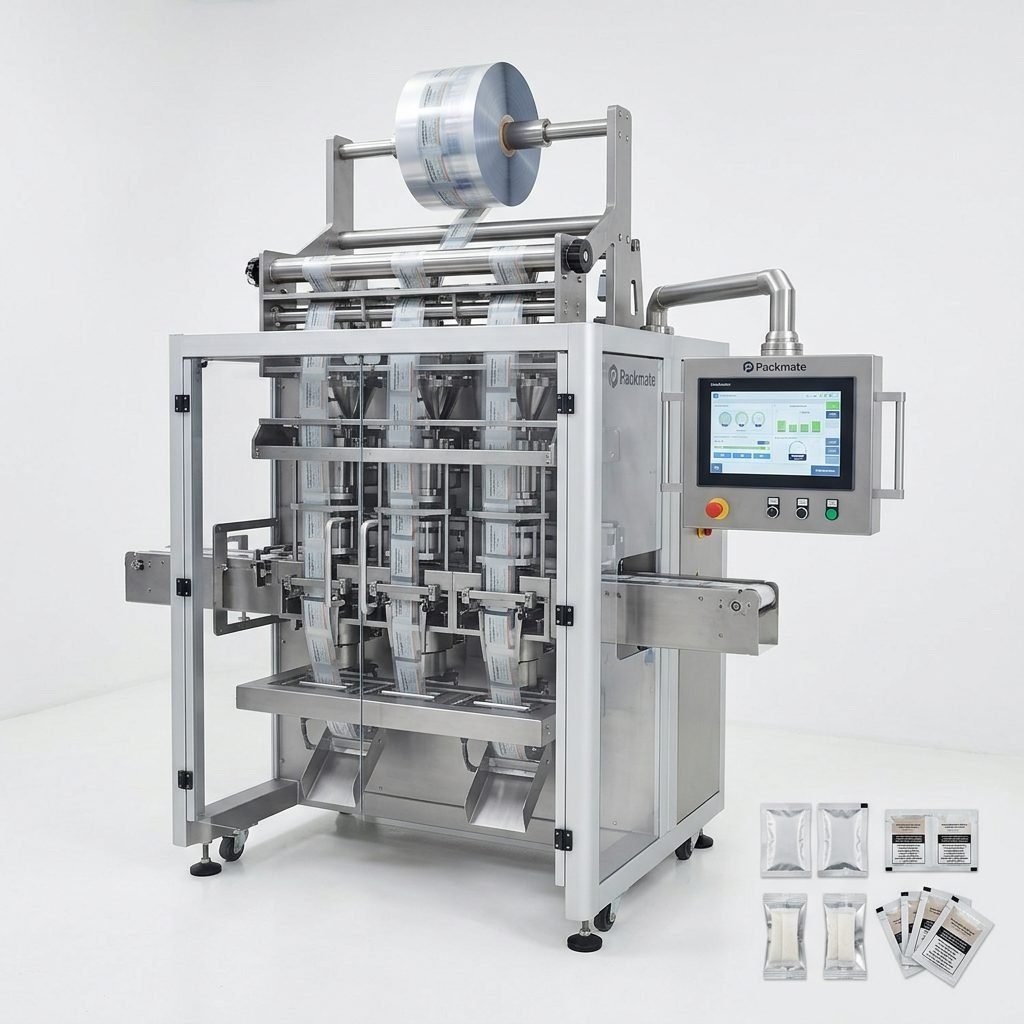
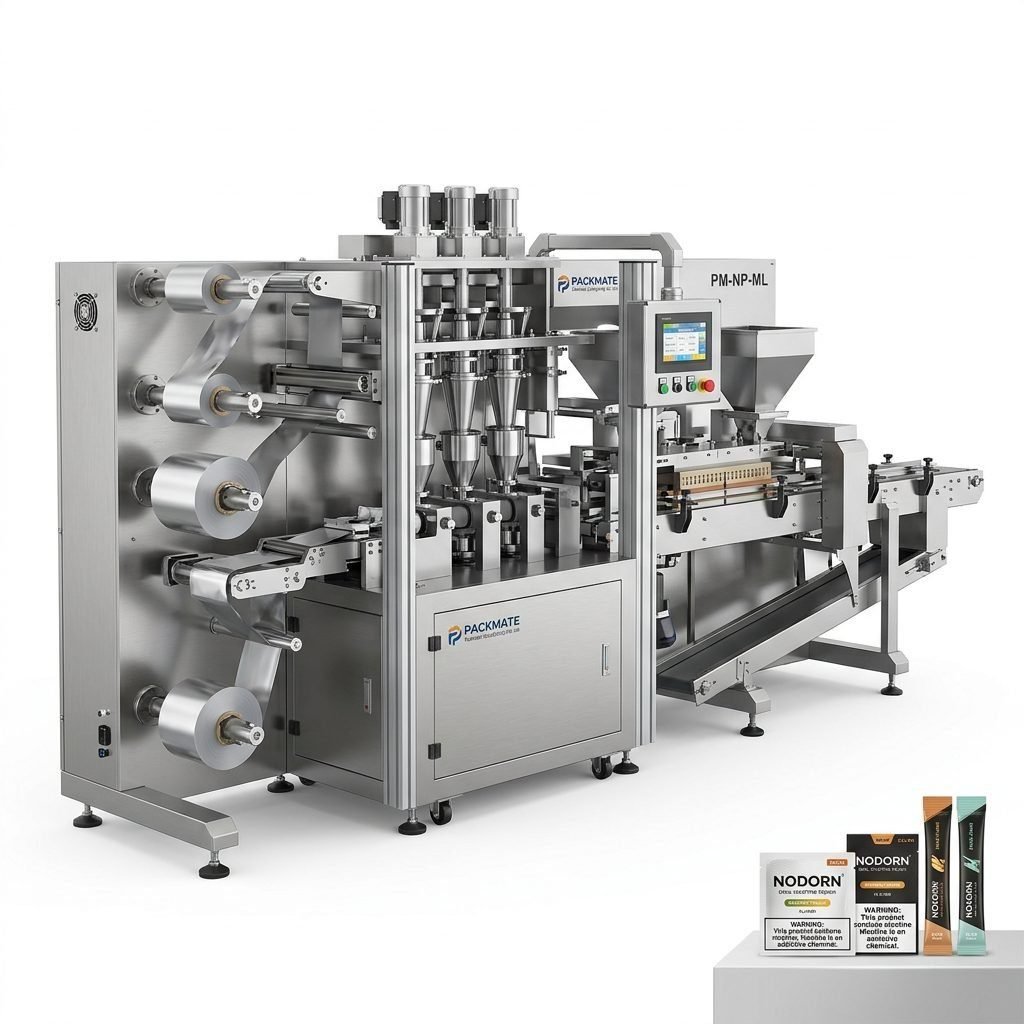
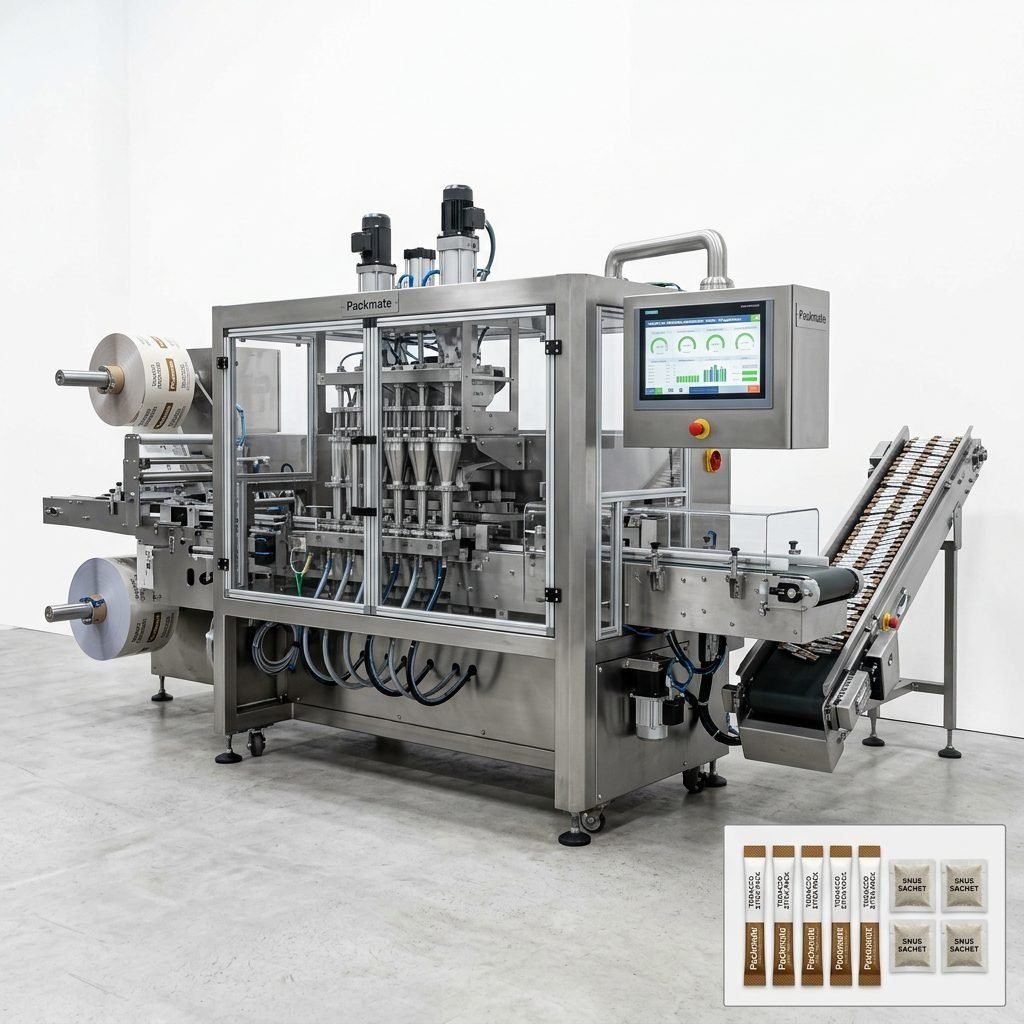
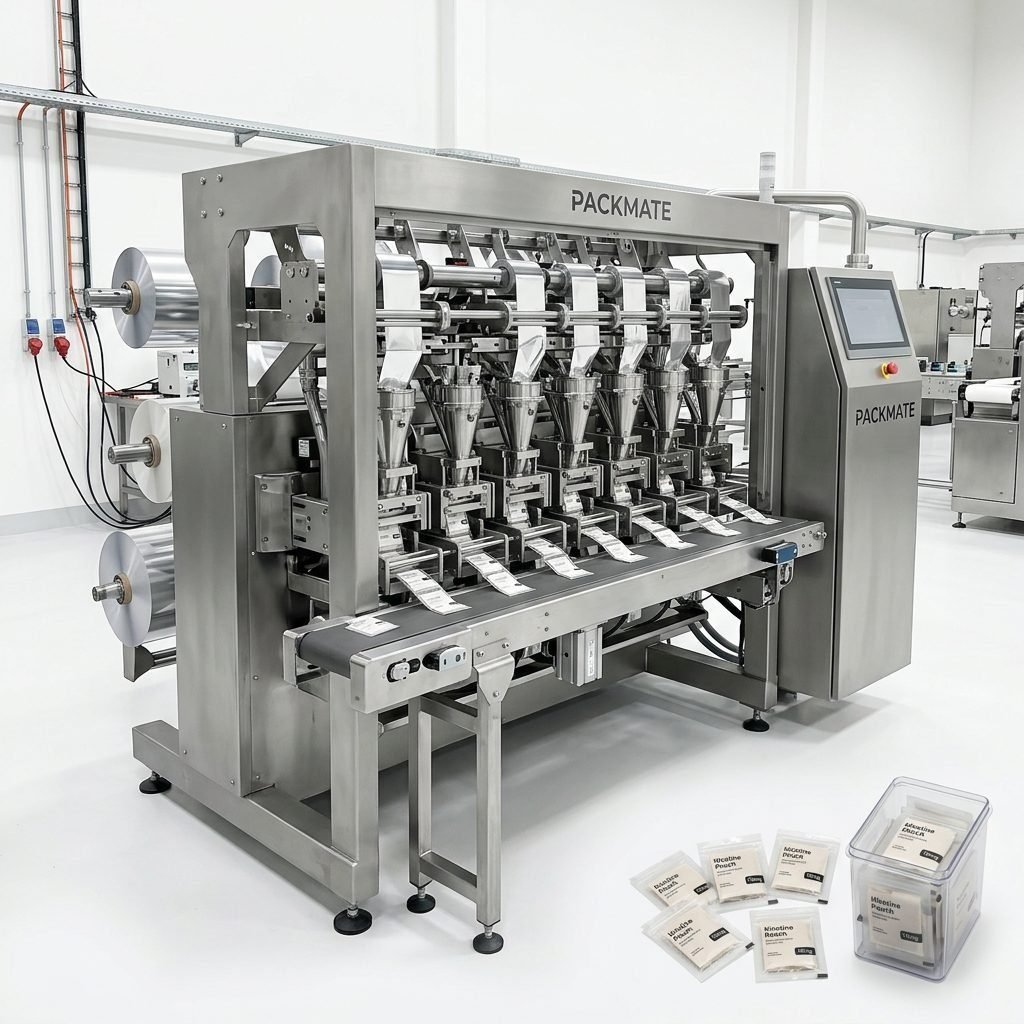
A snus stick pack production line is an integrated set of machines engineered to convert raw nicotine pouch materials into finished, sealed stick packs. Typical lines include feeding and dosing systems, stick pack forming and sealing machines, multi-lane synchronization, inspection, and secondary packaging. Modern lines prioritize high throughput, product consistency, and compliance with safety standards such as CE and ISO.
Key Components
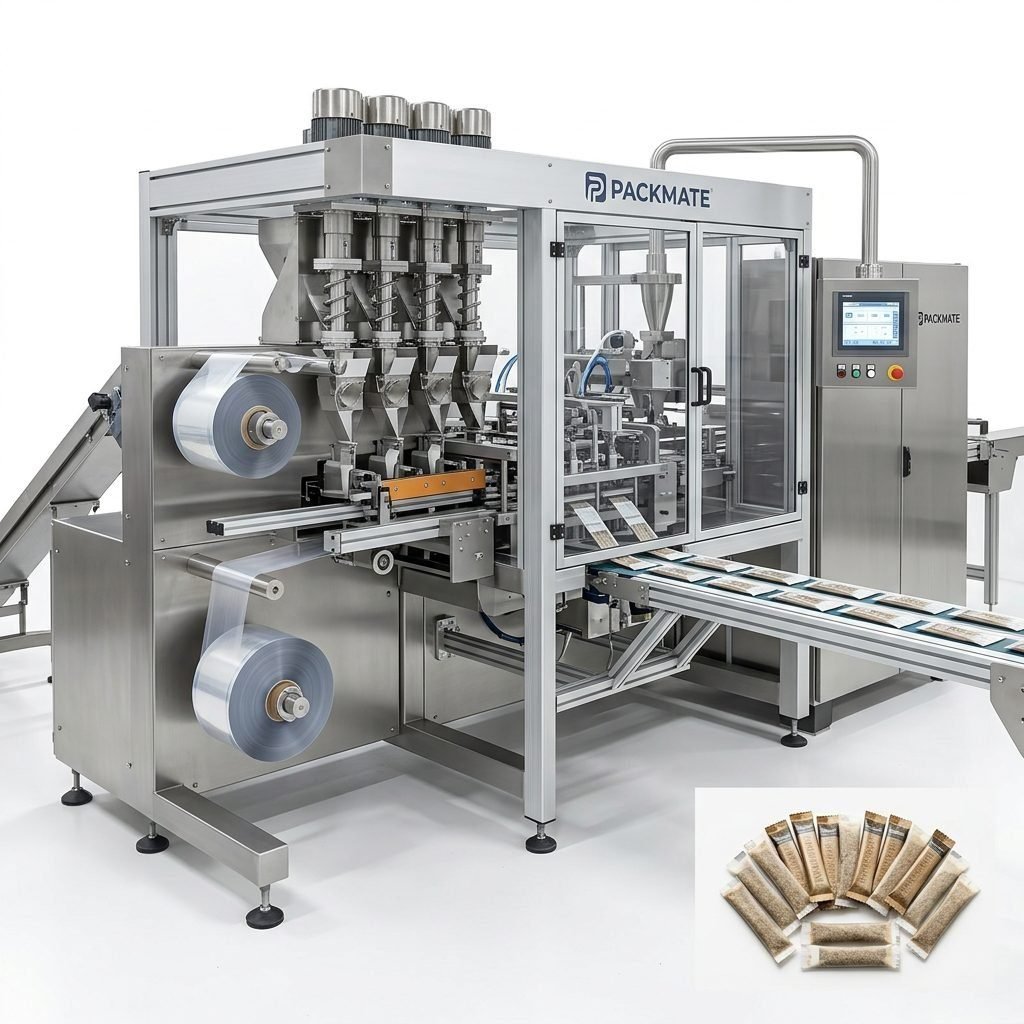
⚙️ Forming & Sealing (Stick Pack Machine) — Precision film handling and jaw sealing for consistent stick dimensions and hermetic seals. Look for models that support multi-lane formats for higher output.
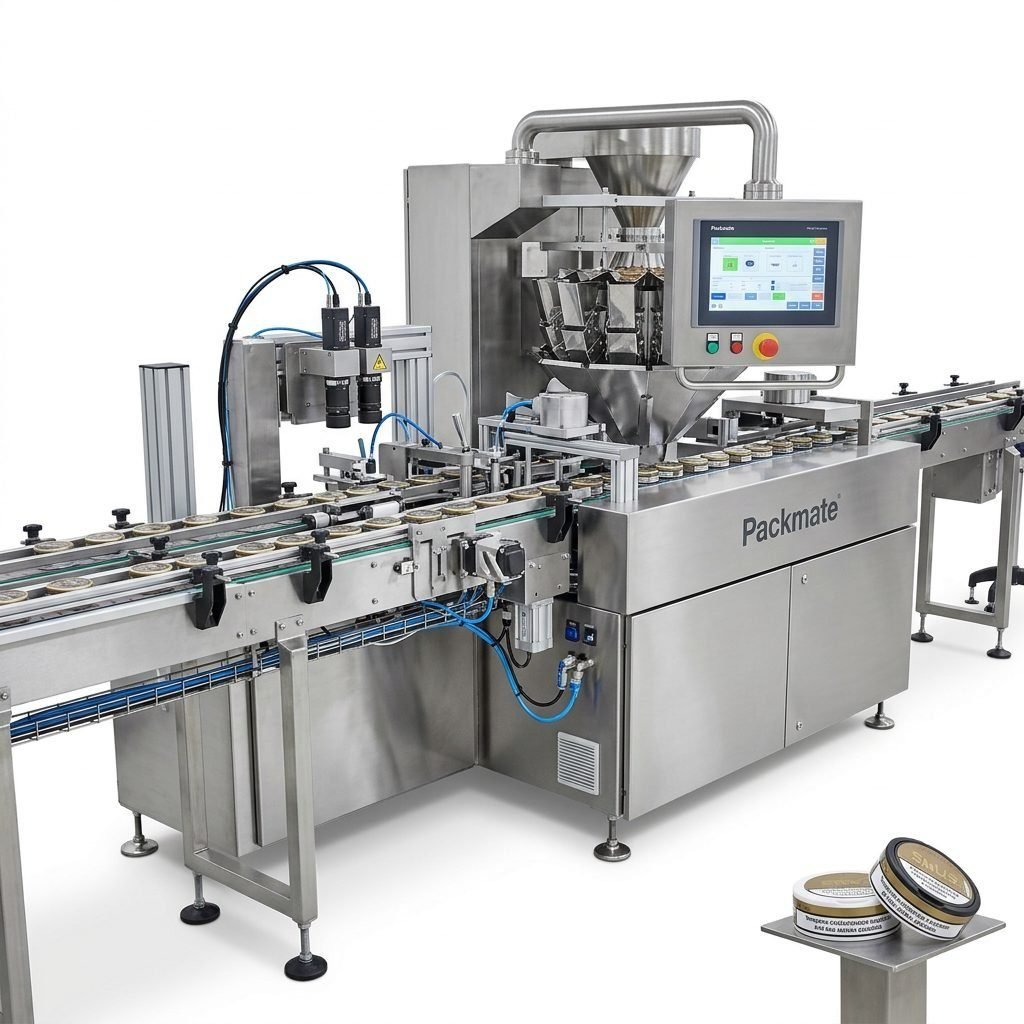
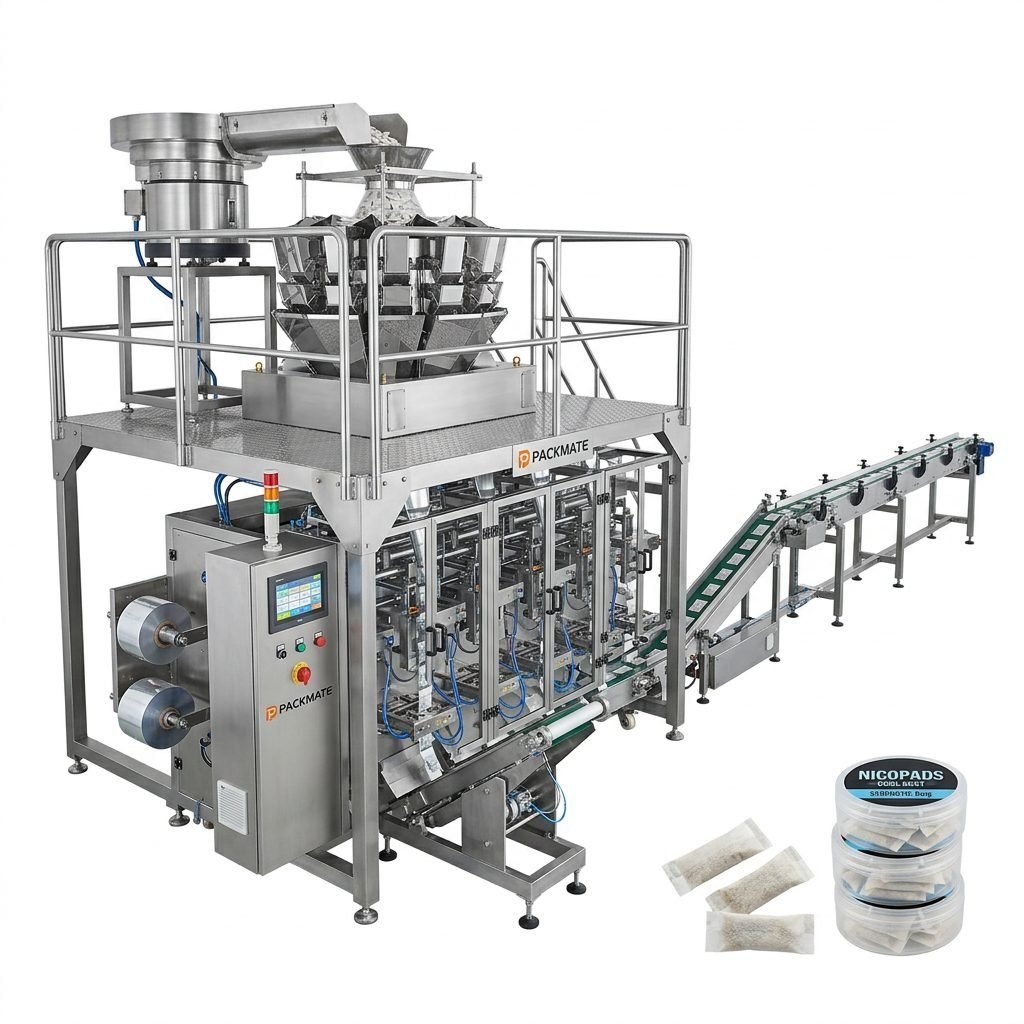
⚖️ Weighing & Dosing Systems — Loss-in-weight or vibratory feeders tuned for small-dose nicotine pouches ensure accurate fills and reduced waste.
🔍 Inspection & Quality Control — Vision systems and leak testers detect underfills, foreign particles, or seal defects in real time.
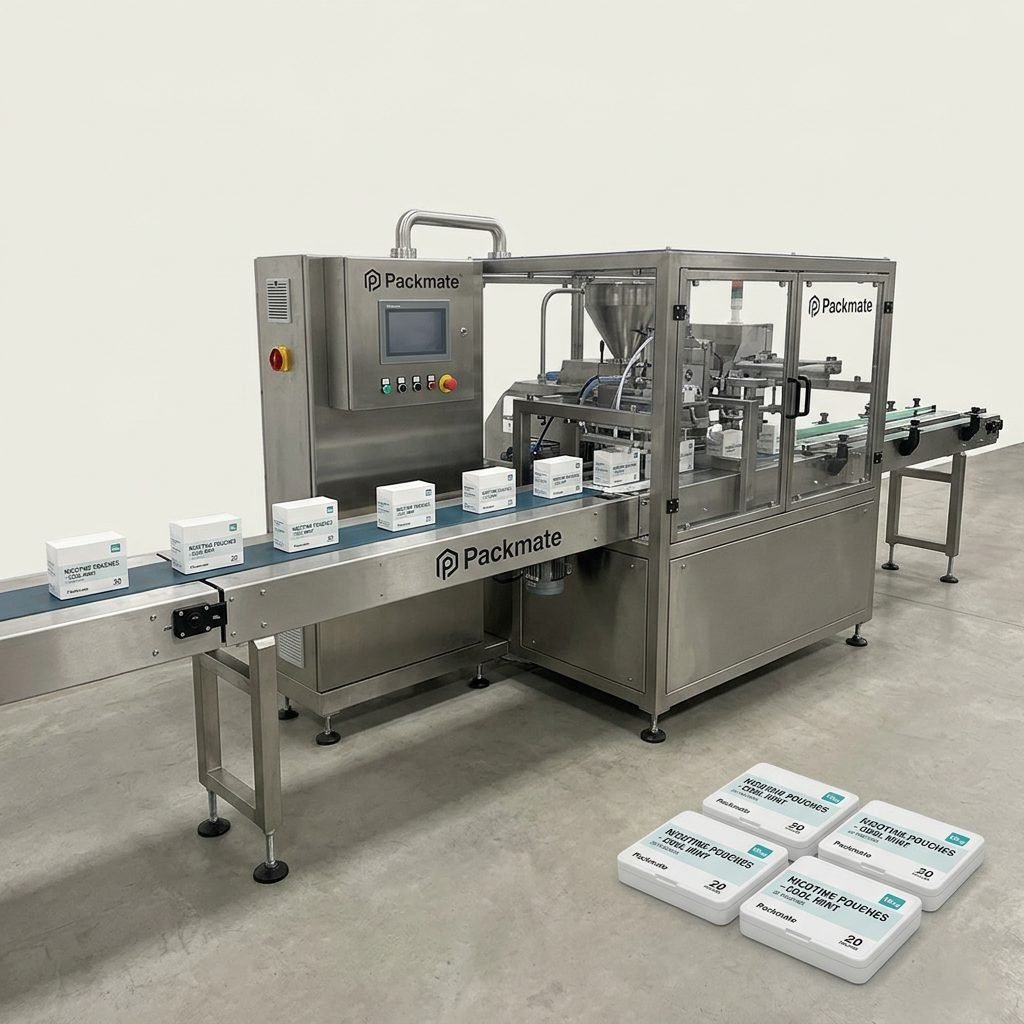
📦 Secondary Packaging — Multi-lane collating, cartoning, and case-packing modules complete the line for retail-ready product.
Why Automation Matters for Snus Packaging
Automation brings repeatability, speed, and traceability. For snus and nicotine pouches — products with strict dosing and regulatory demands — automated lines reduce human error, improve hygiene control, and deliver measurable cost savings. A fully automated line supports multi-shift operation with consistent product quality and enhanced uptime.
Design Considerations for High Efficiency
Designing an efficient snus stick pack line requires balancing speed, flexibility, and maintenance accessibility. Below are the critical considerations that influence overall performance.
1. Multi-Lane vs Single-Lane
Multi-lane stick pack machines multiply throughput without proportional space increases. For small-dose nicotine pouches where individual stick size is small, a 4- to 12-lane configuration is common. Consider lane count versus format change complexity when selecting a machine.
2. Material Compatibility
Film type, barrier properties, and sealant layers impact shelf life and seal integrity. Work with suppliers who can validate film performance under production temperatures and line speeds.
3. Hygienic & Safety Design
Stainless steel contact parts, CIP-compatible zones, and easy-to-clean guarding minimize contamination risks and support regulatory inspections. Incorporate safe access points for maintenance to reduce downtime.
✅ Tip: Prioritize modular designs that allow incremental upgrades — such as adding a vision system or increasing lane count — without replacing the entire line.
Operational Best Practices
Getting the most from a snus stick pack production line hinges on process control and operator training. Below are practical measures to optimize yield and uptime.
Standardize Recipes
Maintain digital recipes for each SKU: film tension settings, dosing calibration, temperature profiles, and servo timing. Recipe control reduces setup time during changeovers and keeps product quality consistent.
Predictive Maintenance
Use condition-monitoring tools and schedule predictive replacements for wear parts. Bearings, drive belts, and sealing jaws show predictable wear patterns; addressing them proactively prevents catastrophic stops.
Quality Control Integration
Integrate inline weight checks, vision inspection, and metal detection. When defects are detected, automatic rejection coupled with statistical reporting allows root-cause analysis and continuous improvement.
⚡ Performance KPI Examples: OEE > 85%, First Pass Yield > 98%, Mean Time Between Failures (MTBF) > 200 hours for critical subsystems.
Choosing the Right Supplier
Selecting a supplier shapes the long-term success of your production. Evaluate prospective manufacturers on engineering experience, factory capability, certifications, and after-sales support.
Packmate Snus Machine exemplifies a partner with decades of experience. With a 20,000㎡ facility, advanced CNC machining, and over 50 machine models, they provide turnkey solutions from stick pack machines to full-line integration. Learn more about their snus and nicotine packaging portfolio here:
• Snus & Nicotine Packaging Machines
Common Configurations & Throughput Benchmarks
The required throughput determines machine selection. Typical benchmarks for stick pack nicotine pouch production lines:
• Single-lane stick pack: up to 120 packs/minute (useful for R&D and low-volume SKUs)
• 4-lane configuration: up to 480 packs/minute
• 8–12 lane high-speed systems: scalable to 1000+ packs/minute depending on product format and downstream handling
Space & Utilities
Factory footprint and utility planning are critical. Multi-lane machines pack a lot of capacity into a compact area but require precise material handling systems and sufficient electrical and compressed air supply. Account for service aisles, operator stations, and access for robotic case palletization if used.
Case Example: Turnkey Snus Production Line
A typical turnkey line from raw material to boxed shipment might include: bulk dosing hopper → multi-head weighers → multi-lane stick pack machine → inline checkweigher & vision system → collating module → cartoning machine → case packer → palletizer. Partnering with an experienced supplier streamlines system integration and warranty coverage.
📌 Remember: Integration testing and FAT/SAT (Factory/ Site Acceptance Tests) are essential to confirm performance before shipment and installation.
Regulatory & Certification Considerations
Equipment must align with local regulations for tobacco or nicotine-containing products. Internationally, manufacturers look for CE marking and ISO-certified processes. Suppliers should provide documentation, traceability for critical components, and validation support to help customers meet regional compliance.
After-Sales Support & Spare Parts
Reliable after-sales service shortens downtime. Confirm your supplier offers training, remote diagnostics, spare parts kits, and rapid service response. For global operations, choose partners with local agents or fast shipping channels to avoid long delays.
For inquiries about equipment specifications, custom line layouts, or service contracts, you can reach out directly to the manufacturer’s contact page: Contact Packmate.
Final Checklist Before Purchase
✔️ Production capacity vs SKU mix verified
✔️ Film and pouch validation completed
✔️ FAT/SAT timelines and acceptance criteria agreed
✔️ Spare parts, training, and service SLA confirmed
Conclusion & Next Steps
Building a high-efficiency snus stick pack production line requires careful selection of machines, a focus on hygienic and modular design, and strong supplier relationships. Start with a clear production forecast, validate materials, and insist on comprehensive testing before commissioning. Companies like Packmate provide proven solutions across the snus and nicotine pouch market and can assist with turnkey implementations and global service.
Frequently Asked Questions
Q1: How do I determine the right lane count for my line?
A1: Base it on target throughput, SKU variety, and available floor space. Startups may prefer fewer lanes with modular expansion options.
Q2: What materials are best for snus stick packs?
A2: Multilayer films with appropriate barrier properties and a compatible sealant layer are essential. Test film under actual production conditions.
Q3: Can I retrofit my existing line with inspection systems?
A3: Yes — many vision, weighing, and metal detection systems are designed for retrofit to improve QA without replacing core machinery.
Q4: What certifications should the equipment have?
A4: CE and ISO compliance are standard for international markets; ensure documentation for electrical safety and material contact surfaces.
Q5: How do I get started with a turnkey solution?
A5: Contact the supplier with your production targets, product specs, and facility constraints. A reputable manufacturer will provide layout proposals, performance specs, and a project timeline.