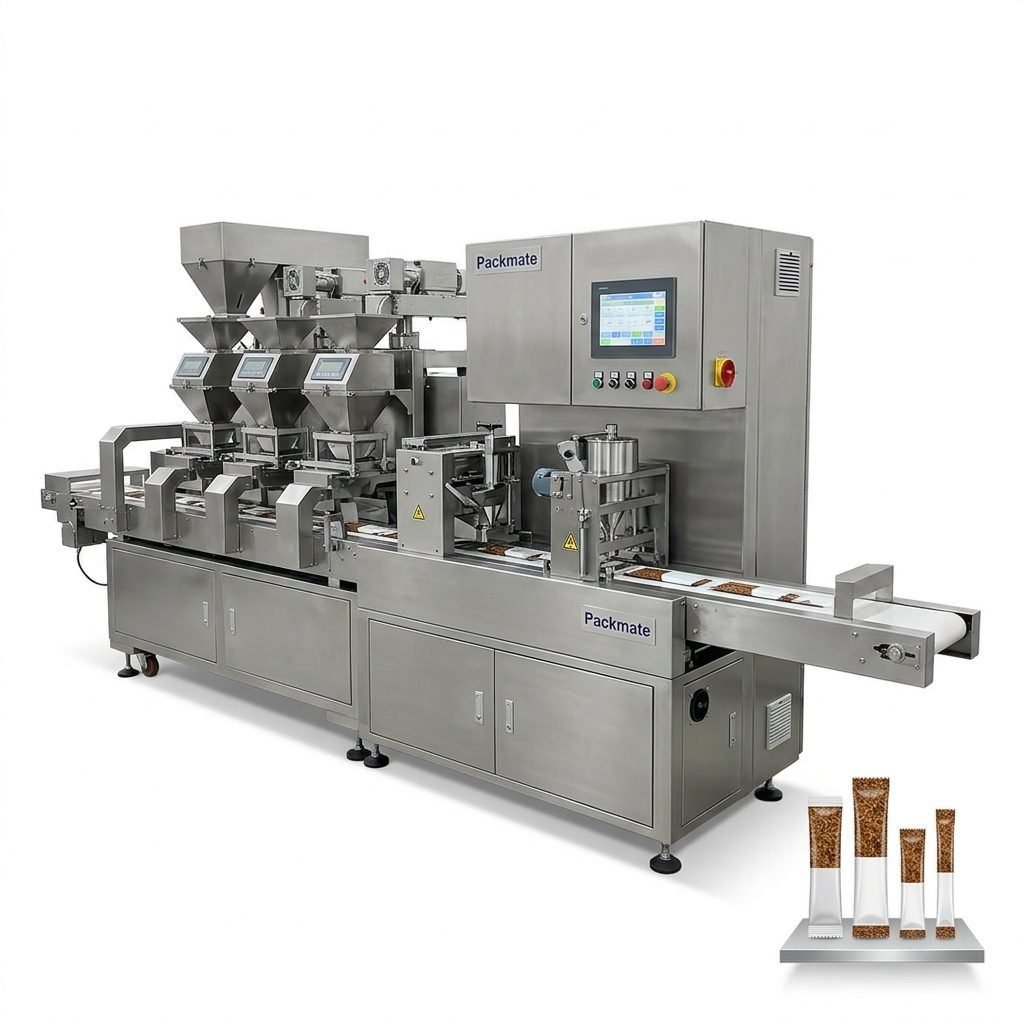
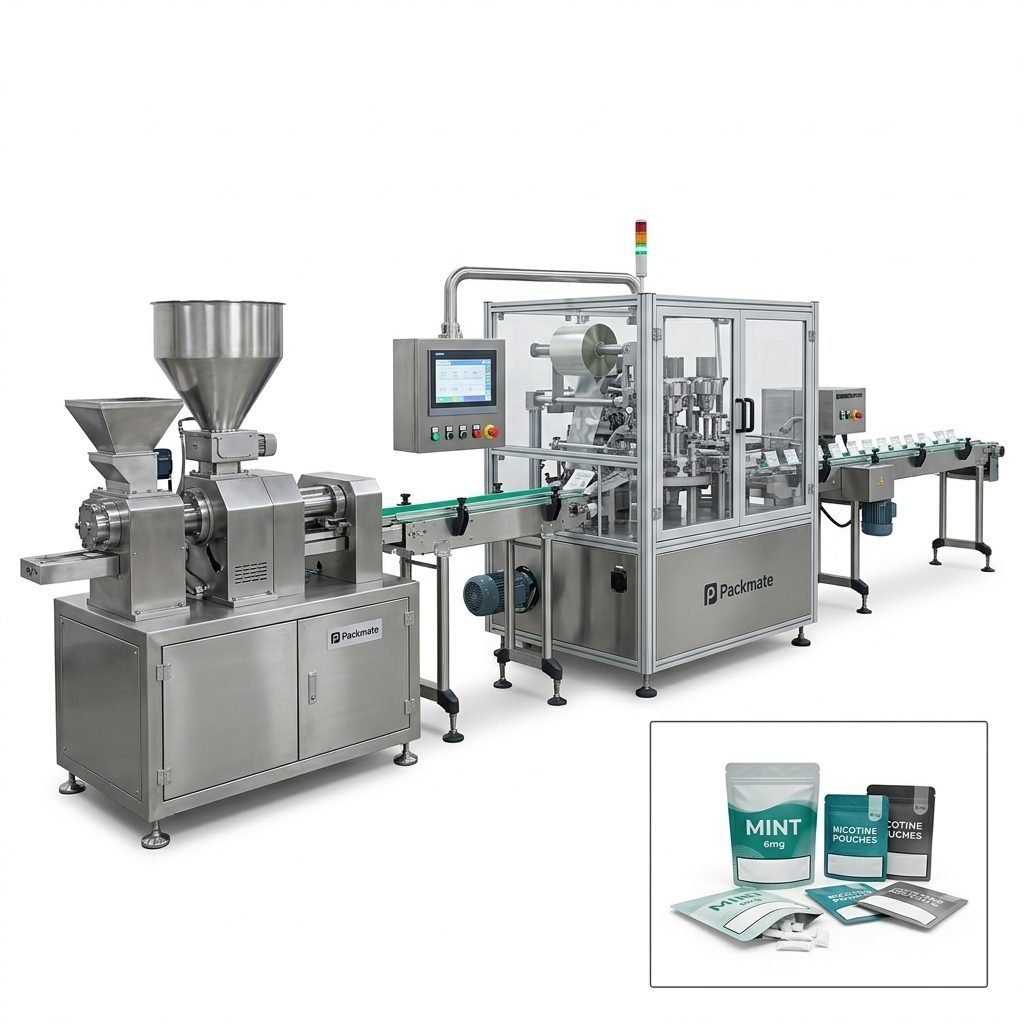
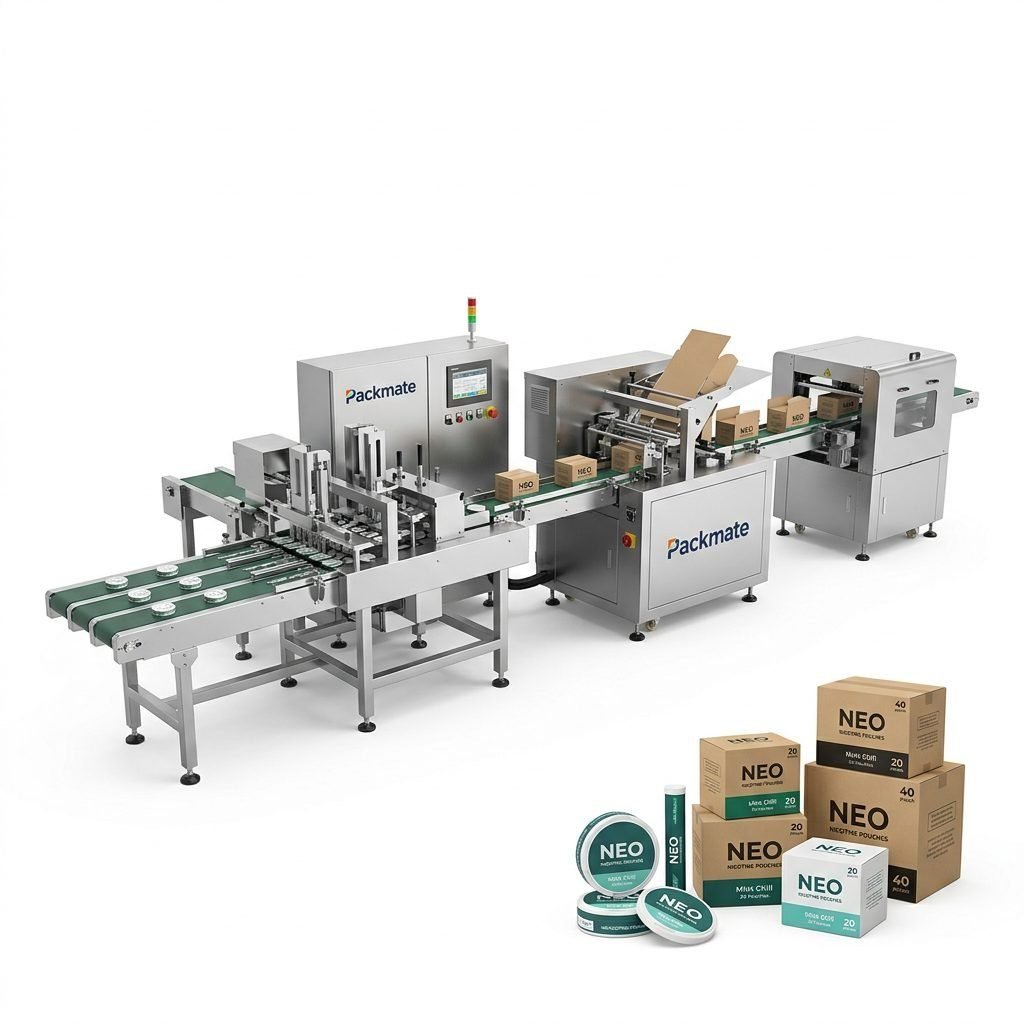
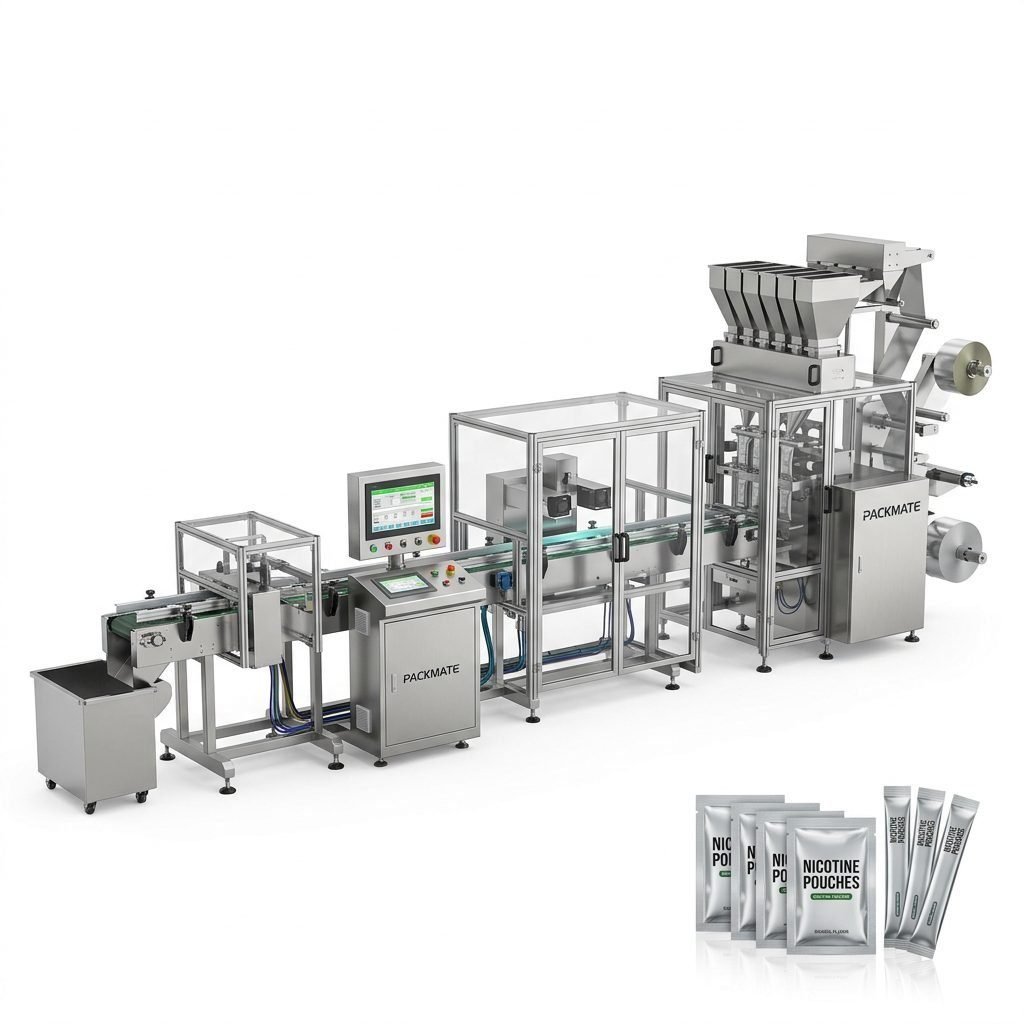
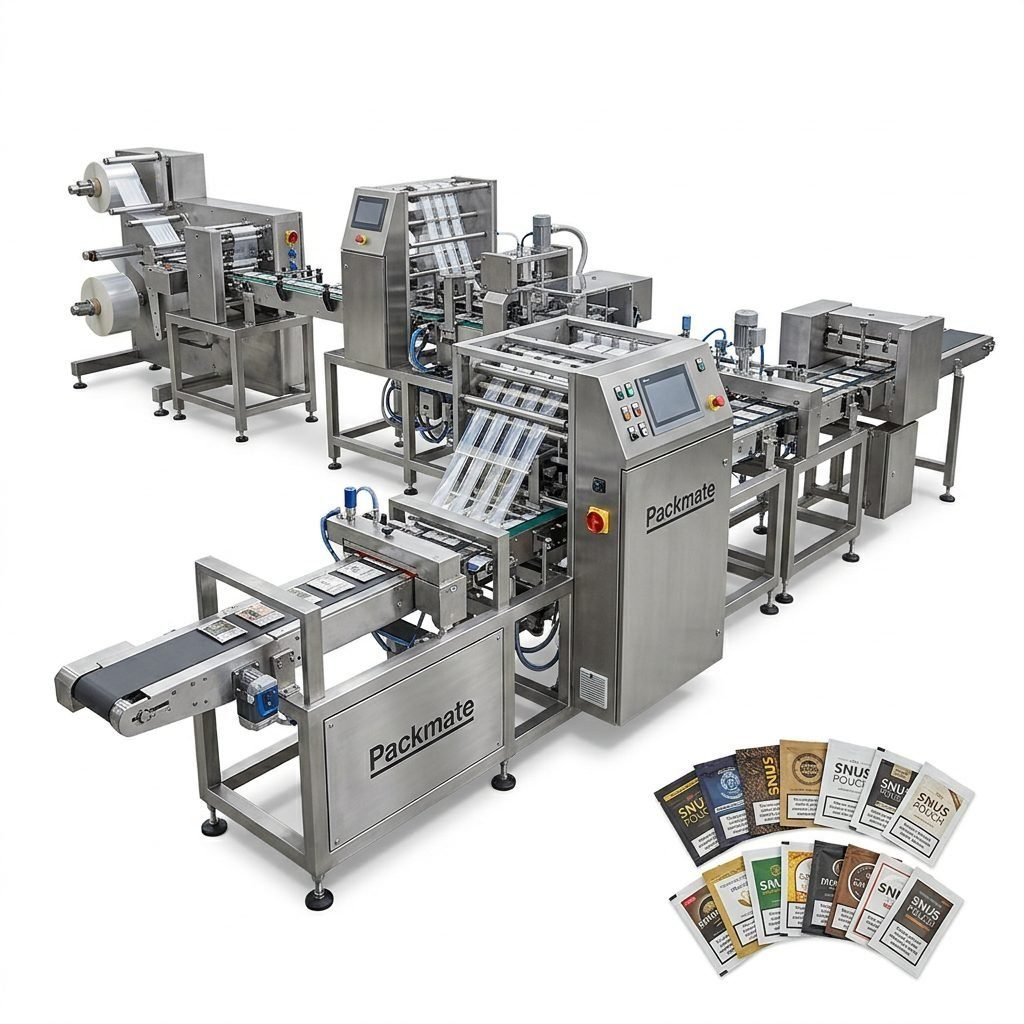
Choosing the right supplier for nicotine packaging machinery is a strategic decision that affects product quality, production uptime, regulatory compliance, and long-term profitability. For manufacturers setting up or expanding a factory in Israel, the selection process must balance technical performance with local market realities — from Hebrew labeling and import timelines to production scheduling around weekends and holidays. This guide walks factory managers and procurement teams through a practical, step-by-step approach to selecting the best nicotine/snush packaging machinery supplier for an Israeli operation.
Understand the Core Requirements for Your Factory
Before contacting suppliers, document your production goals. Key questions include: What daily output (packs/hour) do you need? What pouch formats — nicotine pouches, snus sachets, stick packs — will you run? Are you producing multiple flavors and dosages that require frequent changeovers? Which regulatory and labeling requirements for Israel must be accommodated (Hebrew/Arabic labeling, safety warnings, batch traceability)? Clear answers guide technical specifications and reduce ambiguous quotes.
Technical specs to define early
– Target throughput (e.g., 200–2,000 pouches per minute depending on multi-lane configuration).
– Pouch sizes and materials (paper-foil, PE, compostable films).
– Filling types: powder, granule or liquid suspensions used in nicotine pouches.
– Integration needs: optical checkweighers, metal detectors, cartoning, and case packing.
– Automation level and Industry 4.0 connectivity for remote monitoring.
Why Supplier Experience Matters (Look for Proven Track Records)
In a technically demanding segment like nicotine pouch packaging, experience reduces risk. Suppliers with a long history in snus/nicotine lines are more likely to have solved niche problems such as small-dose dosing accuracy, gentle pouch handling, and reliable multi-lane synchronization. Check for documented case studies and customer references, and inspect performance metrics rather than glossy marketing language.
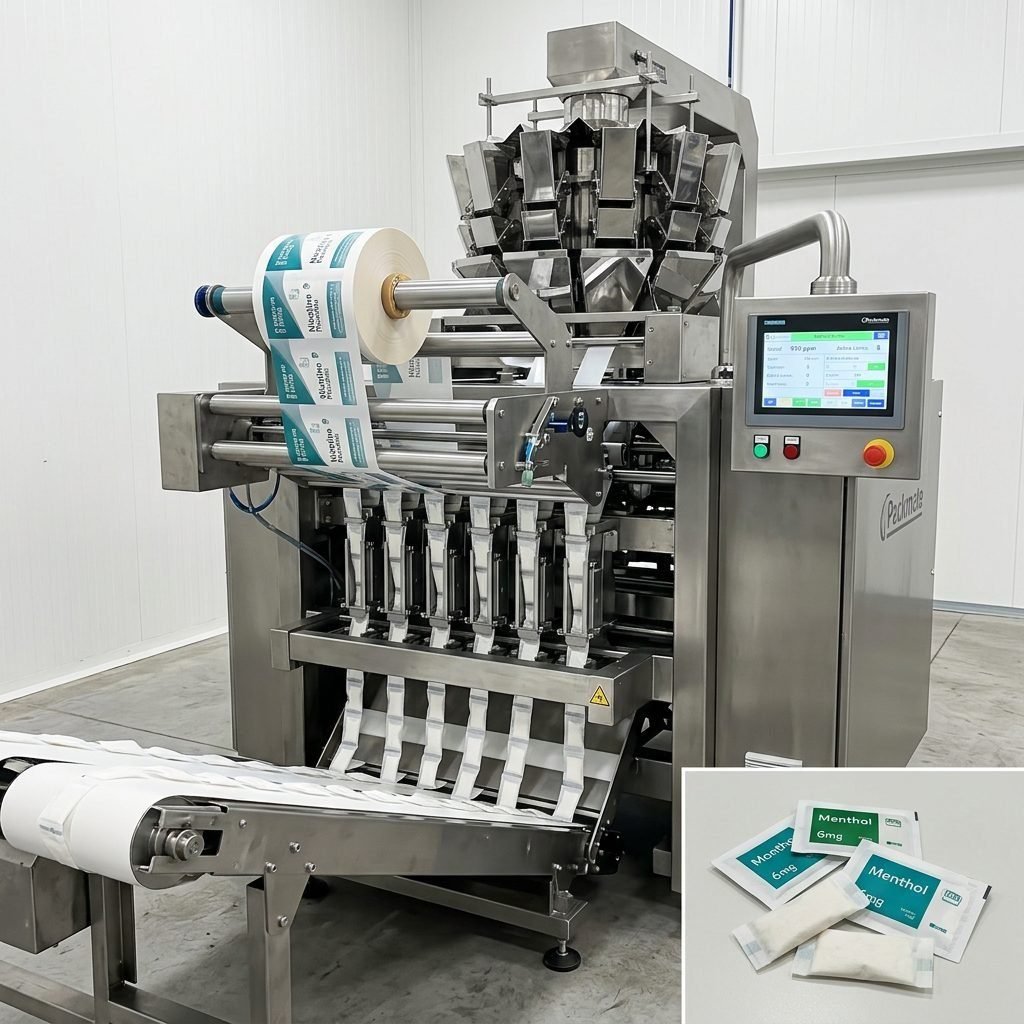
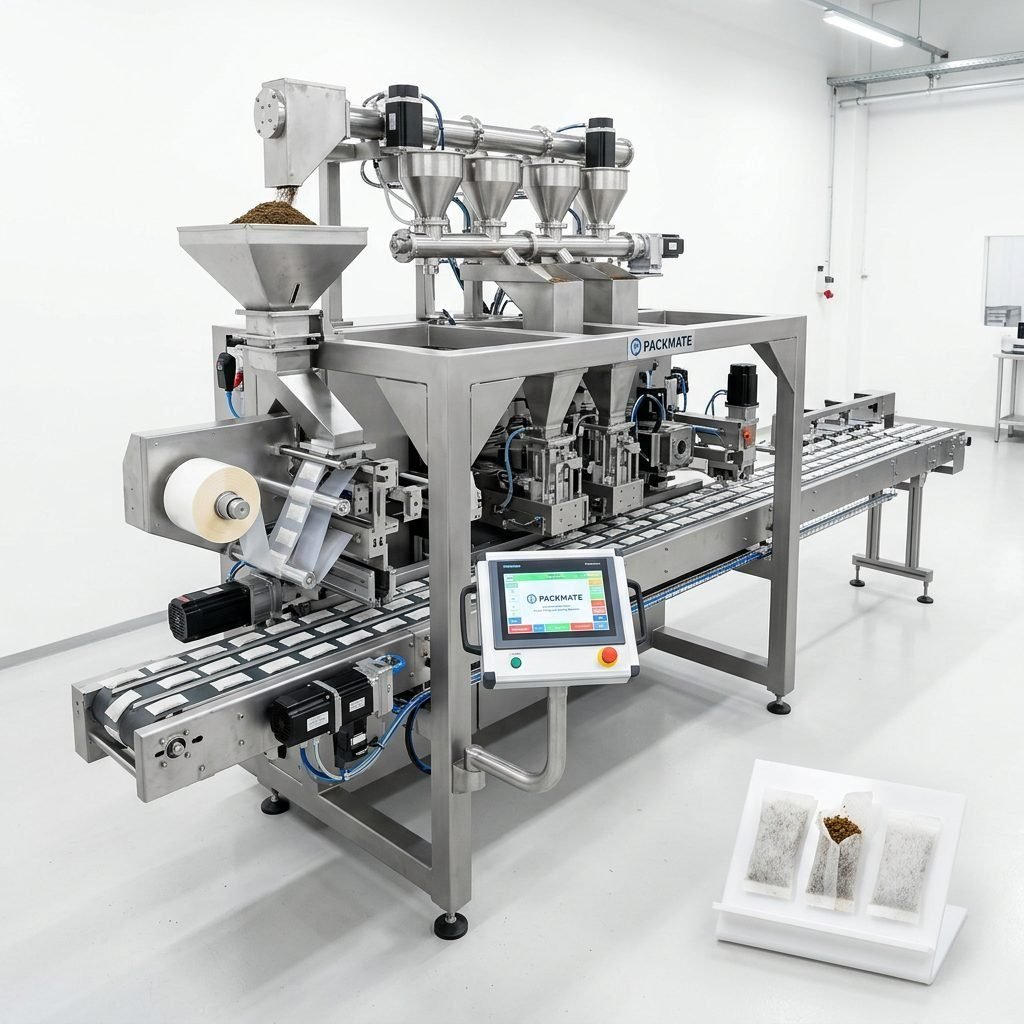
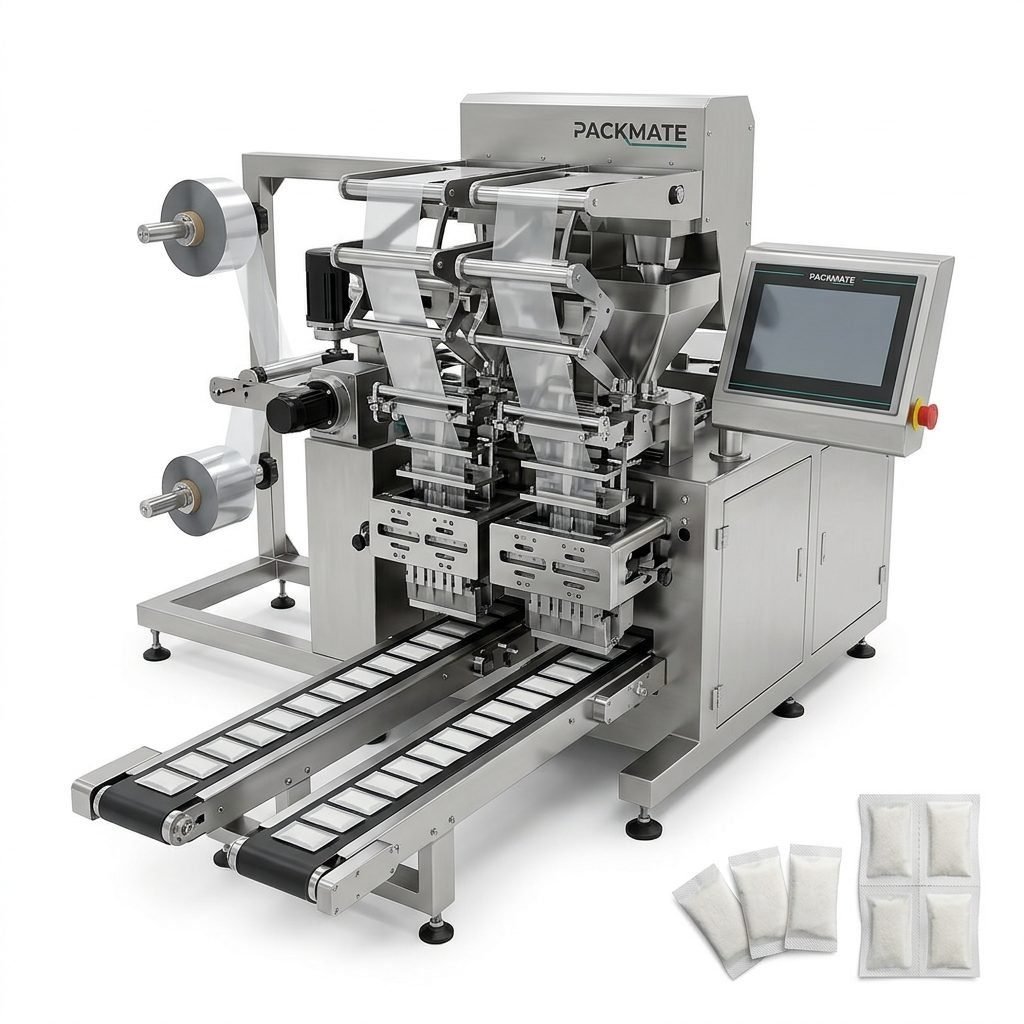
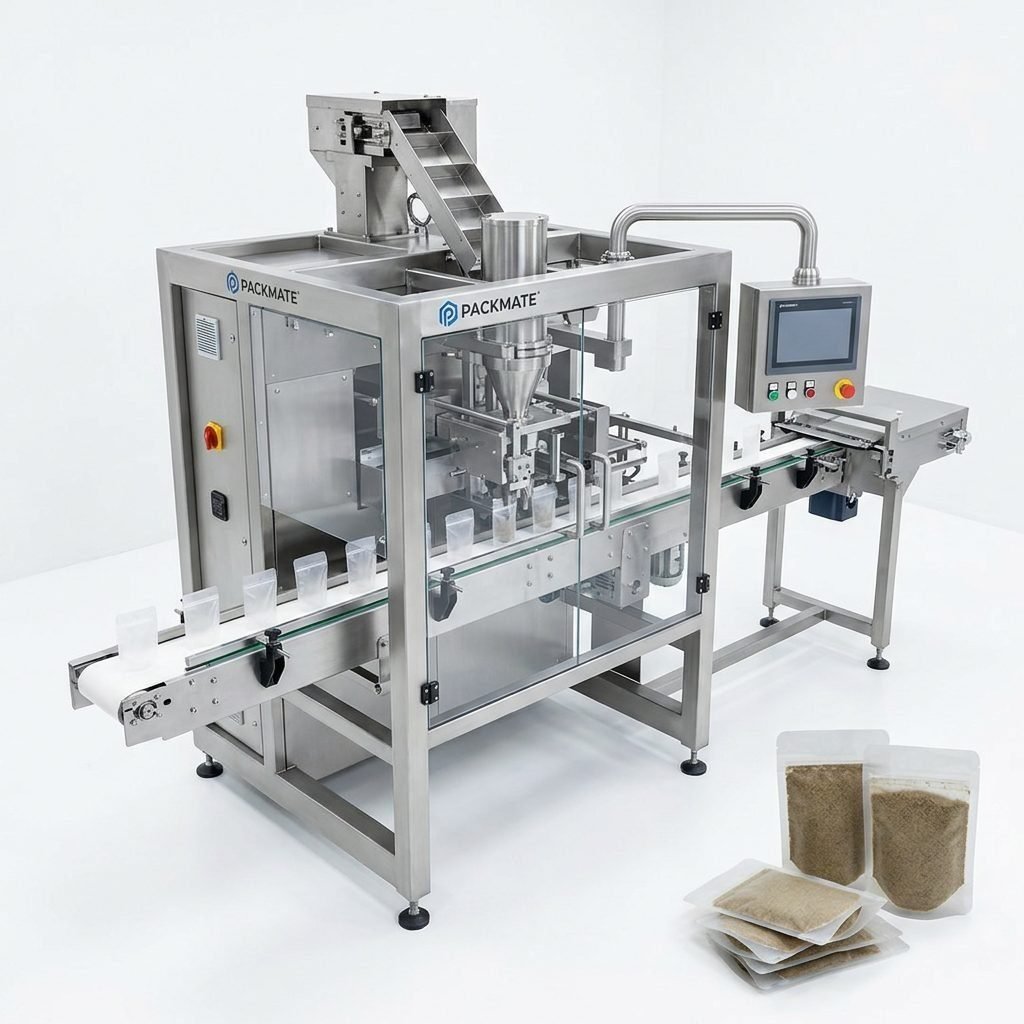
🔍 Key indicator: A supplier that can show long-term running machines for nicotine/snус packaging, with references in multiple regions, demonstrates reliability. For example, look for suppliers who advertise dedicated Snus & Nicotine Packaging Machines and multi-lane solutions.
Factory & Production Capabilities — Why It Matters
Strong manufacturing capabilities (CNC centers, precision assembly lines) mean better component quality and shorter lead times for spare parts. When evaluating vendors, ask about factory size, machining centers, quality control procedures, and model range. Suppliers with a wide range of offerings — from sachet & stick pack machines to complete filling and weighing systems — can provide integrated solutions that minimize integration risk.
For reference, a supplier with a 20,000㎡ facility, advanced CNC operations, and 50+ machine models typically has the capacity to deliver both standard machines and custom turnkey lines.
What to verify on a factory visit
– Production floor cleanliness and assembly jigs.
– Examples of installed machines and running demonstrations.
– Quality control records and CE/ISO certificates.
– Spare parts warehouse and lead time commitments.
– Engineering team availability and custom design capability.
Compliance, Certifications and Documentation
Compliance matters for selling and operating in Israel. Equipment should meet international safety and quality standards (CE, ISO). Suppliers should provide documentation for electrical components, material contact surfaces and test reports. Additionally, check whether they support labeling requirements in Hebrew and provide documentation templates that meet local regulatory review.
After-Sales Service — Support Keeps You Running
After-sales is where purchase decisions often succeed or fail. Evaluate a supplier on spare part availability, remote diagnostics, training programs, and on-site commissioning. Key performance measures include guaranteed response times, availability of consumables, and local support partners or technicians who can reach your Israeli site quickly.
✓ Tip: Negotiate a parts & service SLA with defined response times and stock levels for critical spares. Ask whether the supplier offers remote monitoring or IoT-enabled troubleshooting to cut downtime.
Customization vs. Standardization — Finding the Right Balance
Standard models reduce costs and lead times. However, nicotine pouch lines often need bespoke features — specialized dosing units for micro-doses, multi-lane synchronizers for small sachets, and packaging configurations targeted at local retailer practices in Israel. Choose a supplier that provides modular machines: standard base units with optional customization. This keeps initial capital down while allowing future upgrades.
Engineering questions to ask
– Can the control system support your recipe management and traceability needs?
– Are changeovers tool-free or quick-change?
– How is dosing precision validated and maintained?
– Can the supplier provide multi-language HMI including Hebrew?
Logistics, Lead Times and Import Considerations for Israel
Plan for shipping, customs clearance, and local holidays. Israeli business culture respects punctuality but also observes Shabbat and national holidays that can affect inspections and deliveries. Discuss realistic lead times that account for:
– Production lead time (manufacturing + testing).
– Shipping and customs clearance times. Consider air freight for urgent parts.
– On-site installation and FAT (Factory Acceptance Test) scheduling which may need to avoid weekends and week-long holiday periods.
Contract, Warranty and Payment Terms
Ensure contracts clearly specify deliverables, acceptance criteria (including FAT and SAT — Site Acceptance Test), warranty period, and penalties for missed deadlines. Discuss warranty coverage for wear parts and electronics separately. Payment milestones tied to clear milestones (drawing approval, FAT completion, shipping) reduce risk for both parties.
⚠️ Caution: Avoid vague clauses about “performance” without measurable KPIs. Define throughput, rejection rate, and uptime targets.
Installation, Training and Ramp-Up
A reliable supplier provides on-site installation, operator training, and maintenance training. For Israeli factories, ensure trainers can provide instruction material in English and, if needed, Hebrew. Confirm the supplier’s availability for follow-up visits during ramp-up and first production runs.
Spare Parts & Consumables — Plan for Continuous Operation
Ask for a recommended spare parts list for the first 12 months and lead times for each item. Suppliers with a substantial parts warehouse or regional distribution networks shorten downtime. Consider stocking critical parts locally in Israel to mitigate shipping delays.
Testing, Quality Assurance and Validation
Confirm the supplier conducts thorough FAT with documented test procedures and video evidence. FAT should simulate actual product characteristics (fill weight, pouch material, speed). For nicotine pouches, perform stability and weight accuracy tests under different temperatures and vibration conditions that simulate real-world handling.
Local Market & Cultural Considerations in Israel
Israeli manufacturers value fast decision cycles and direct technical dialogues. Business meetings often favor clear, concise technical demos and proof of concept. Consider the following local nuances:
– Labeling: Hebrew text and regulatory warnings must be supported and easily updated within the line’s control system.
– Scheduling: Respect Shabbat (Friday sunset to Saturday sunset) when planning installations or inspections.
– Workforce: Training material that aligns with local labor laws and typical shift patterns improves operator adoption.
– Consumer preferences: Israeli consumers may favor compact pack sizes for convenience; discuss flexible packaging formats with suppliers.
How to Validate Supplier Claims — A Practical Checklist
Use a structured checklist during evaluations and factory visits:
1) Inspect machine build quality and component brands.
2) Request references in nicotine/snус packaging and follow up for performance feedback.
3) Verify certificates: CE, ISO and any material contact certificates.
4) Observe FAT and request video logs of long-term test runs.
5) Evaluate documentation: spare parts list, electrical drawings, and operation manuals (English/Hebrew).
Useful online resources
Browse product pages to understand the supplier’s range and depth, for example: Snus & Nicotine Packaging Machines, Sachet & Stick Pack Machines, and broader offerings like Weighing & Packaging Systems.
Negotiation Tips — Getting the Best Value
– Bundle equipment and services to negotiate better pricing (e.g., packaging machine + carton erector + spare parts kit).
– Ask for performance-based payment milestones.
– Negotiate training and initial on-site support included in the base price.
– Secure discounted rates for long-term spare parts supply agreements.
Case Study & References
Suppliers with broad international exposure often exhibit stronger engineering depth and after-sales structures. Check their case stories and exhibition presence to evaluate market reach and technical maturity. For more background on supplier exhibitions and company profile information, visit their About and Exhibition pages.
Explore: About Packmate and Our Exhibition.
🔧 Practical checklist before placing order:
– Finalize product specs and production schedule.
– Confirm FAT protocol and acceptance criteria.
– Agree spare parts kit and warranty details.
– Set training schedule and language needs.
Making the Final Decision
Weigh technical fit, supplier credibility, and long-term partnership potential. The best supplier is not always the lowest bidder — it is the one that delivers predictable uptime, fast support, and a scalable roadmap for your nicotine packaging business in Israel.
How Packmate-like Suppliers Differentiate Themselves
Leading manufacturers in this segment typically offer: decades of engineering experience, dedicated snus/nicotine machine models, comprehensive turnkey solutions (from filling and weighing to pouch forming and cartoning), and global service networks. If a supplier demonstrates a clear portfolio in snus packaging, robust factory capabilities, and documented global installations, they become a preferred partner for expansion into regulated markets.
You can review product families to match to your needs: Filling & Packaging Lines, and if you need auxiliary systems, see Auxiliary Packaging Equipment.
Final practical tips before signing
– Visit the supplier factory or ask for a live remote demonstration.
– Request a written list of KPIs to be met after installation.
– Validate spare parts pricing and shipping times to Israel.
– Ensure training includes trouble-shooting and preventive maintenance.
Conclusion
Selecting the best nicotine packaging machinery supplier for an Israeli factory requires a balanced approach: clarify technical requirements, verify supplier factory and experience, confirm compliance and after-sales support, and align on realistic timelines that account for local customs and import processes. A well-chosen supplier is an investment in uptime, product quality, and regulatory peace of mind.
Common Questions (FAQs)
Q: How important is on-site installation and training?
A: Very important — proper installation and comprehensive operator/maintenance training significantly reduce startup issues and help reach designed throughput and yield.
Q: Should I prioritize a supplier with local partners in Israel?
A: Local partners improve response times for spare parts and service; however, strong remote support and clear SLAs can also be effective if local representation is limited.
Q: What certifications should I request?
A: At minimum, request CE and ISO certifications, plus any material contact documentation and electrical component approvals relevant to your market.
Q: How do I ensure machines support Hebrew labeling and traceability?
A: Confirm the HMI supports Hebrew or multi-language recipes and that software can export and print batch records with localized fields for regulatory audits.
Q: Where can I learn more about different machine types and turnkey solutions?
A: Review supplier catalogs and product pages for detailed machine families and system configurations, and request customized solutions if your products require special handling.