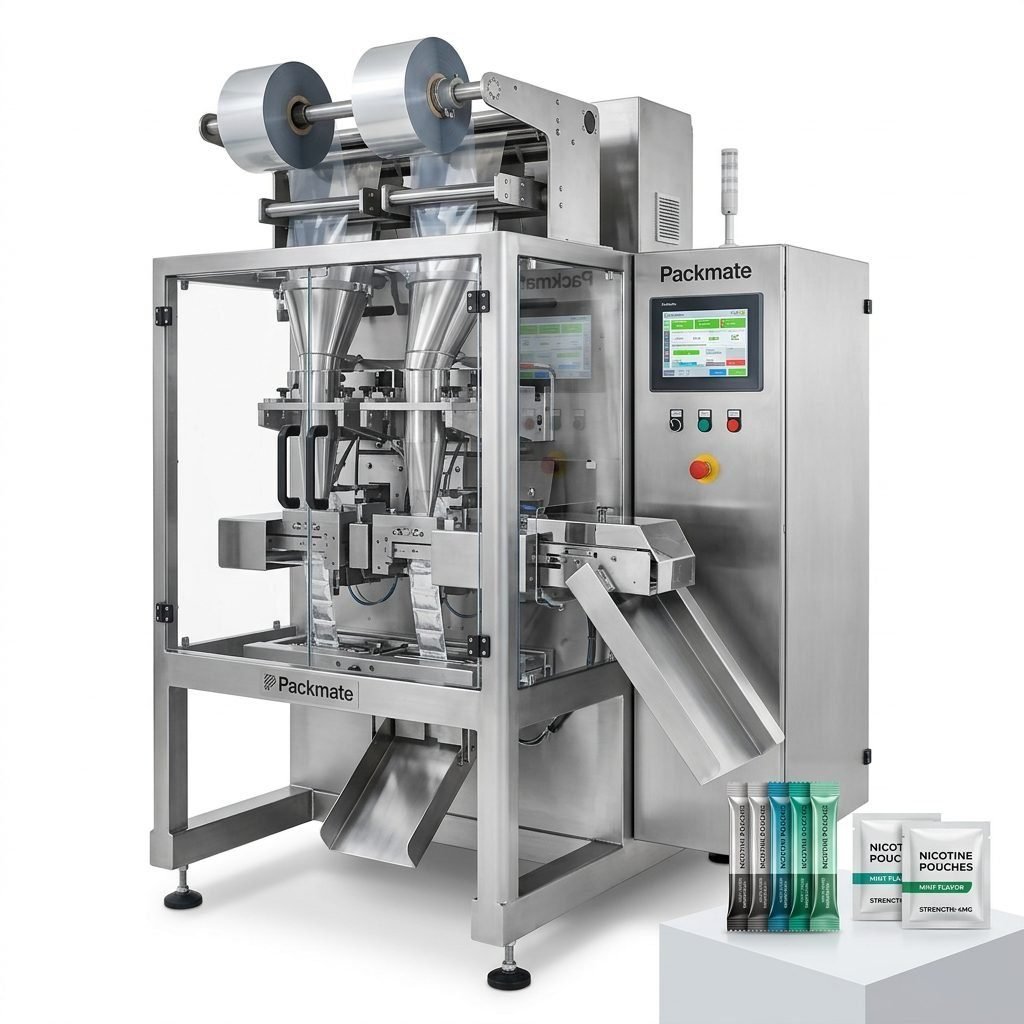
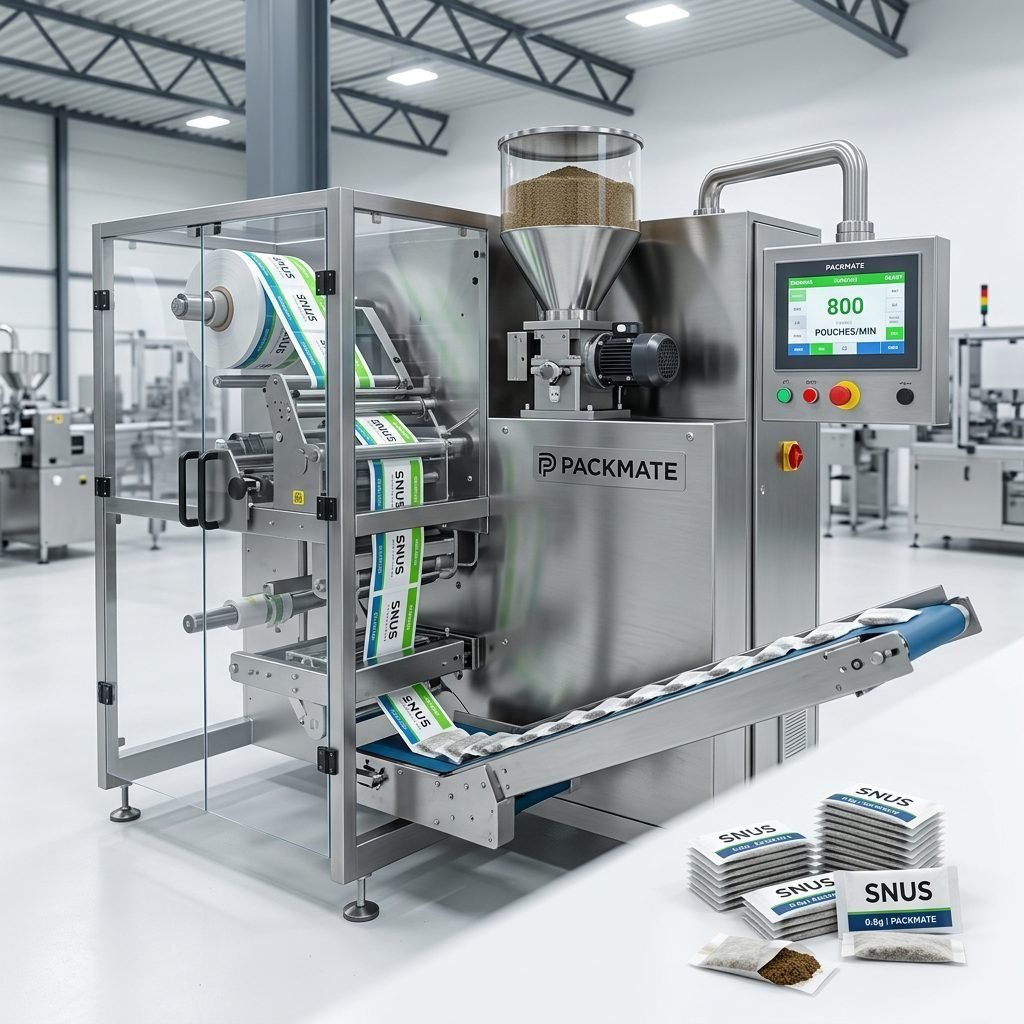
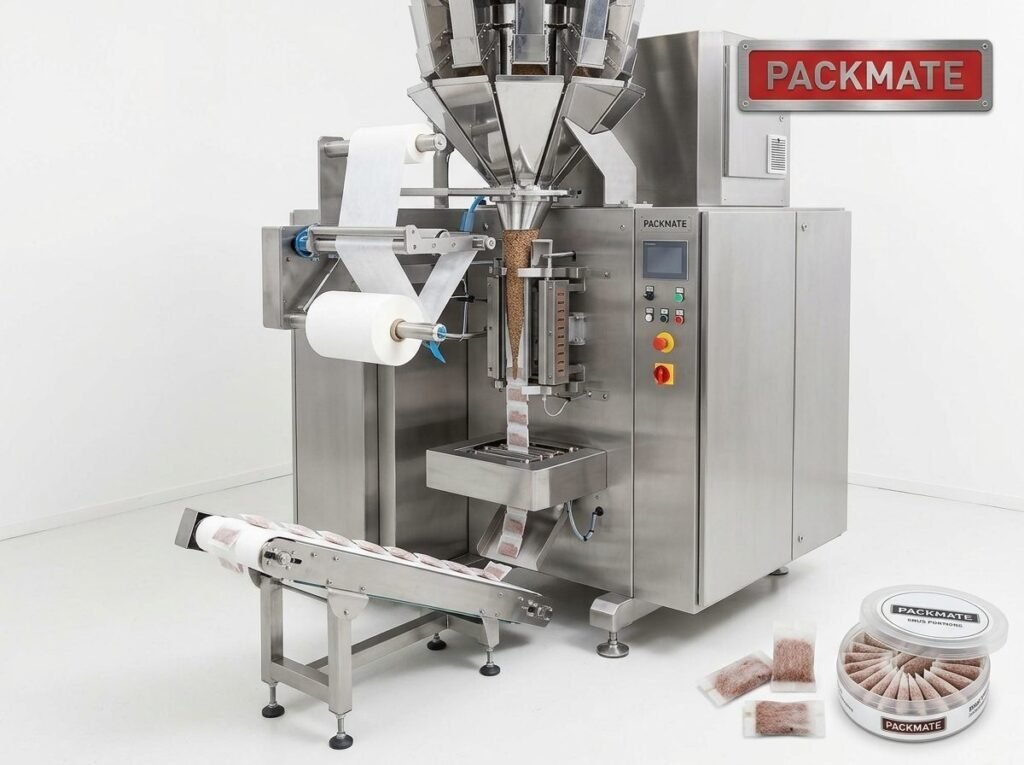
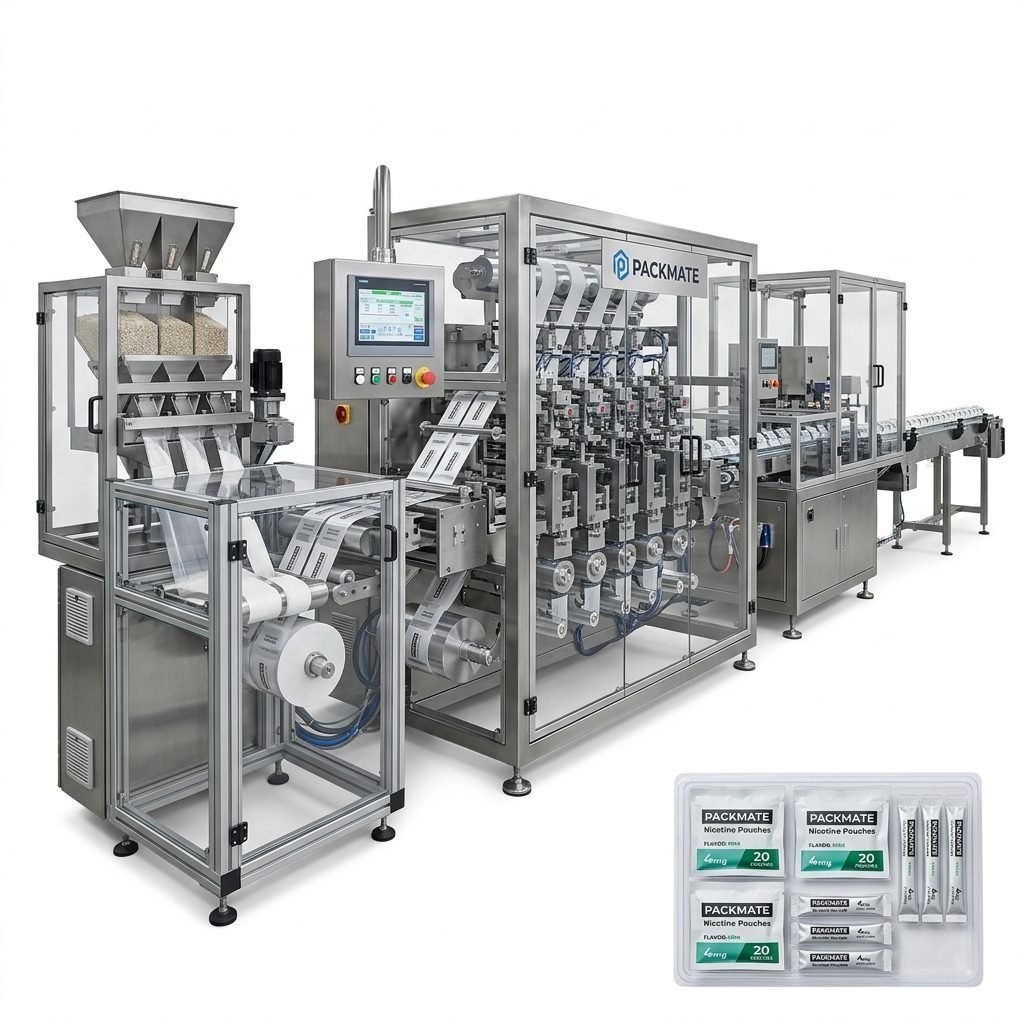
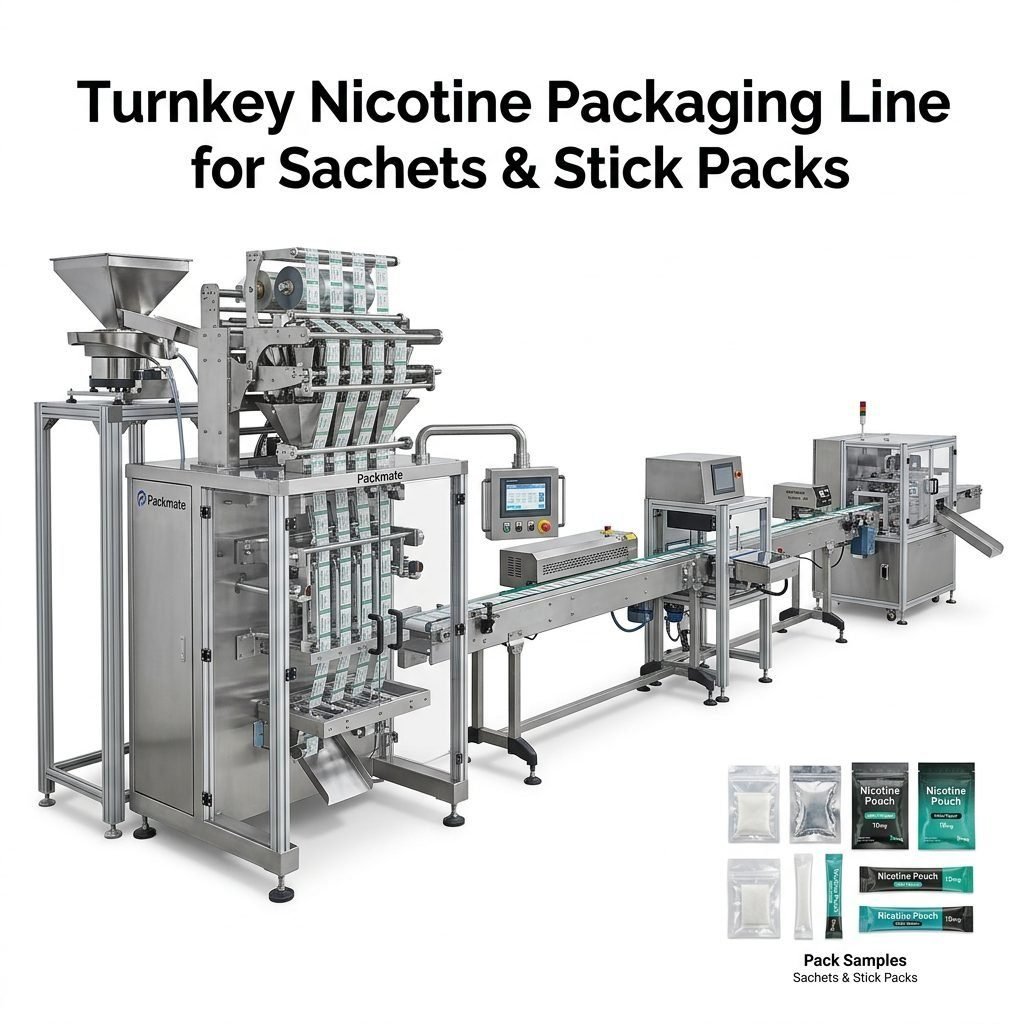
Choosing the right nicotine packaging machine manufacturer in Nicaragua is a strategic decision that can shape your product quality, operational efficiency, and compliance with international standards. Whether you are producing nicotine pouches, snus, sachets, or stick packs, the right partner will deliver machines that meet your production targets, regulatory requirements, and long-term service expectations.
Understand Your Production Needs First
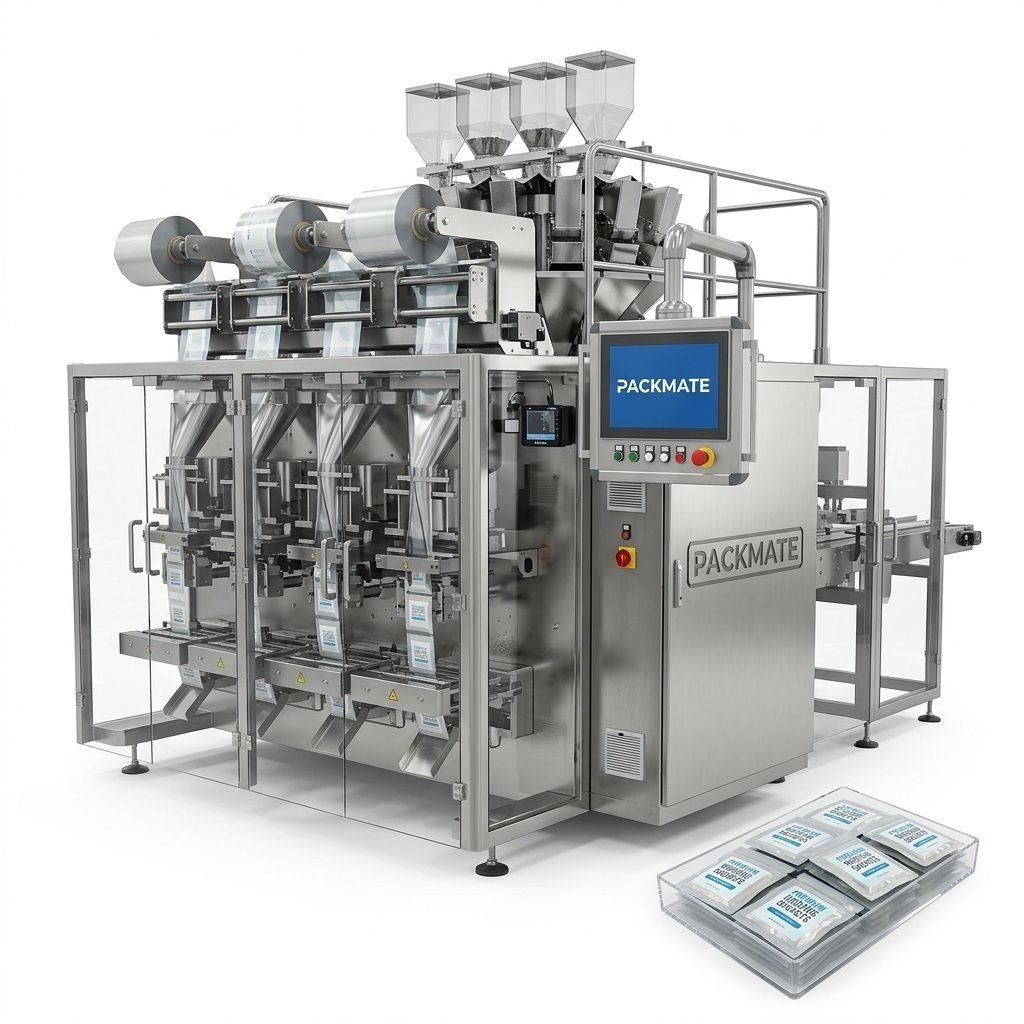
Before you start contacting manufacturers, map out your current and near-future production goals. Consider capacity (units per minute, lanes), product formats (pouch, stick, sachet, multi-lane), and product characteristics (powder, granule, liquid, or nicotine pouch). Selecting a machine that fits your product profile avoids costly retrofits and downtime.
Tip: If you plan to scale up production within 12-24 months, prioritize modular and multi-lane machines that offer capacity expansion without replacing the whole line.
Key Manufacturer Capabilities to Evaluate
When vetting manufacturers in Nicaragua or those who can serve the Nicaraguan market, evaluate engineering depth, production facility, and quality control systems. Look for experience in snus and nicotine pouch equipment, evidence of CNC machining, precision assembly, and rigorous testing. These factors indicate machines built for stability and longevity.
What to ask:
Do you have multi-lane snus systems? What are your test protocols? Can you provide CE or ISO certificates?
Industry Experience & Track Record
Experience counts. Manufacturers with decades of engineering know-how bring refined designs, fewer mechanical issues, and better spare parts availability. For example, companies that have evolved through 20+ years of R&D and offer turnkey solutions for snus packaging demonstrate an ability to adapt to industry changes and regulatory updates.
Look for case studies and client references—successful installations in markets similar to yours indicate practical understanding of real-world production challenges. You can also review their exhibition participation or global project list to assess reach and reputation.
Certifications, Compliance & Safety
Regulatory compliance is essential, especially for nicotine products. Confirm that the manufacturer’s equipment meets relevant international standards (CE, ISO). Machines designed to comply with safety and hygiene requirements reduce the risk of regulatory hiccups when exporting or selling in regulated markets.
Red flag: manufacturers who cannot provide updated certificates or clear compliance documentation.
Technical Support, Spare Parts & After-sales Service
After-sales service is as important as machine specs. Evaluate response times, availability of spare parts, remote troubleshooting capabilities, and whether they provide operator training. A reputable manufacturer will offer installation support, commissioning, and a clear service contract.
Ask for service case references and the typical lead time for critical components. If your manufacturer maintains a global logistics network or local stocking, downtime can be minimized.
Customization & Turnkey Solutions
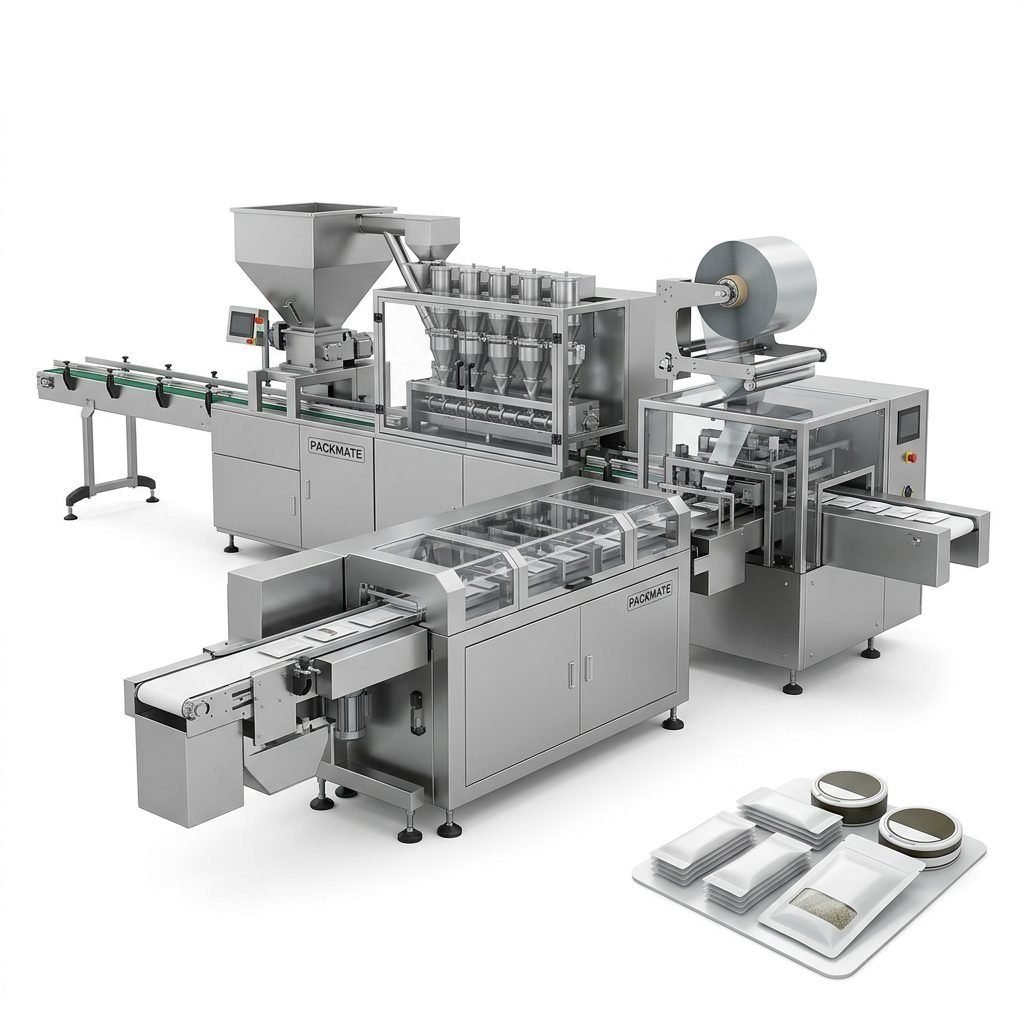
Your product mix may require custom tooling, unique dosing systems, or specialized multi-lane arrangements. Manufacturers that provide turnkey lines—integrating weighers, fillers, packaging machines, and auxiliary equipment—help streamline procurement and ensure system compatibility.
Review their portfolio for similar customized projects. If available, request a site visit or virtual demo to observe machine performance under real production conditions.
Technology, Automation & Integration
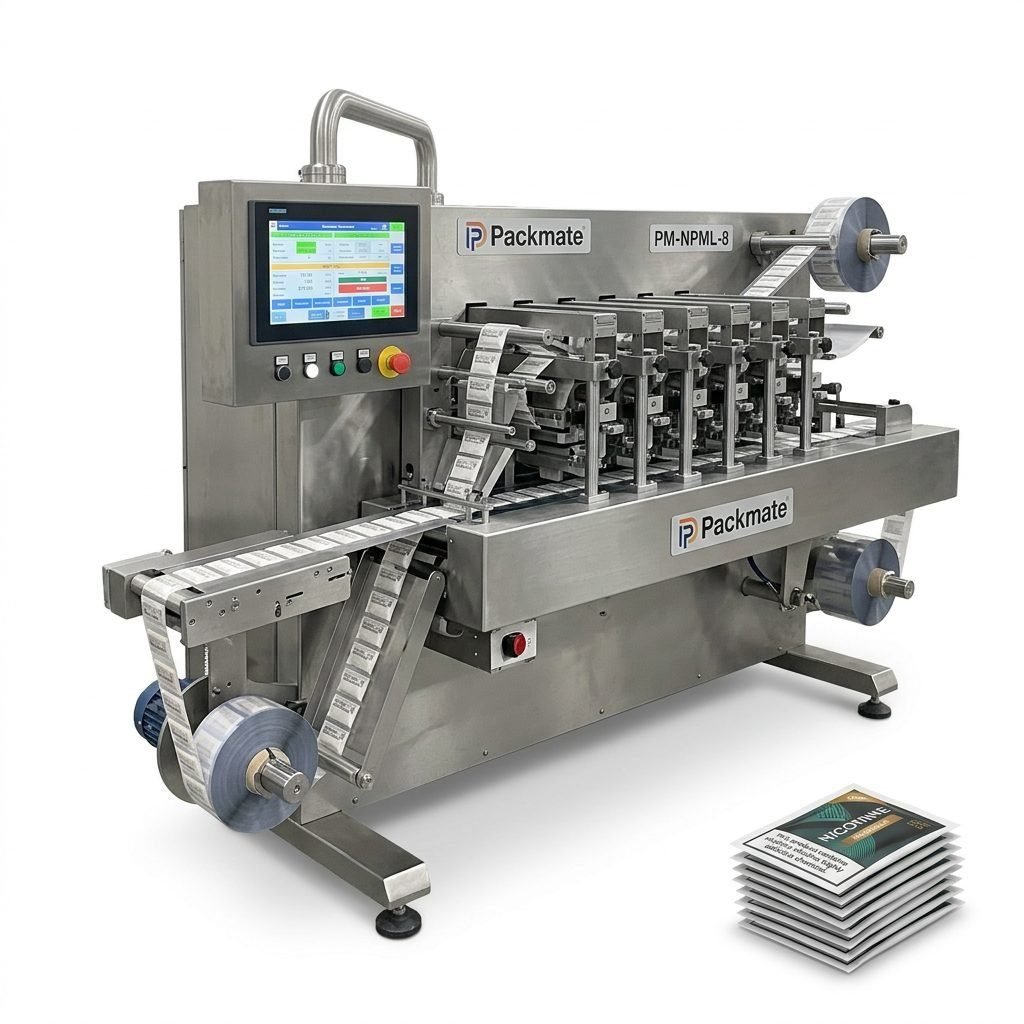
Modern nicotine pouch production benefits from automation: servo-driven motion control, PLC systems, HMI user interfaces, and integration with weighing and batch control systems. Machines designed with these technologies improve consistency and reduce operator dependency.
Verify that the manufacturer can integrate packaging lines with existing MES/ERP systems, provide data logging, and support quality traceability—crucial for regulated nicotine product supply chains.
Iconic checklist:
✅ Servo control • ✅ PLC & HMI • ✅ Data logging • ✅ MES integration
Quality Assurance & Testing Protocols
Robust QA processes—such as factory acceptance testing (FAT), site acceptance testing (SAT), and pre-shipment inspections—ensure the machines meet agreed specifications. Ask for documentation of FAT procedures and whether they offer test runs using your actual product before shipment.
A manufacturer with a well-equipped 20,000㎡ factory, precision assembly lines, and CNC centers is more likely to provide reliable QA and repeatable manufacturing quality.
Logistics, Lead Times & Delivery
Lead times for custom packaging lines can vary. Request clear delivery timelines, incoterms, and shipment handling procedures. Transparent manufacturers will outline crates, seafreight preparation, and local customs assistance when needed.
Cost vs Value: Looking Beyond the Price Tag
Price is a factor, but the total cost of ownership (TCO) matters more. Consider energy consumption, spare parts availability, uptime, and maintenance intervals. A slightly higher initial investment in quality equipment often results in lower TCO due to fewer breakdowns and longer service life.
Value note: Evaluate warranty length and included spare parts—these influence long-term costs.
Why Choose an Established Snus Machine Specialist
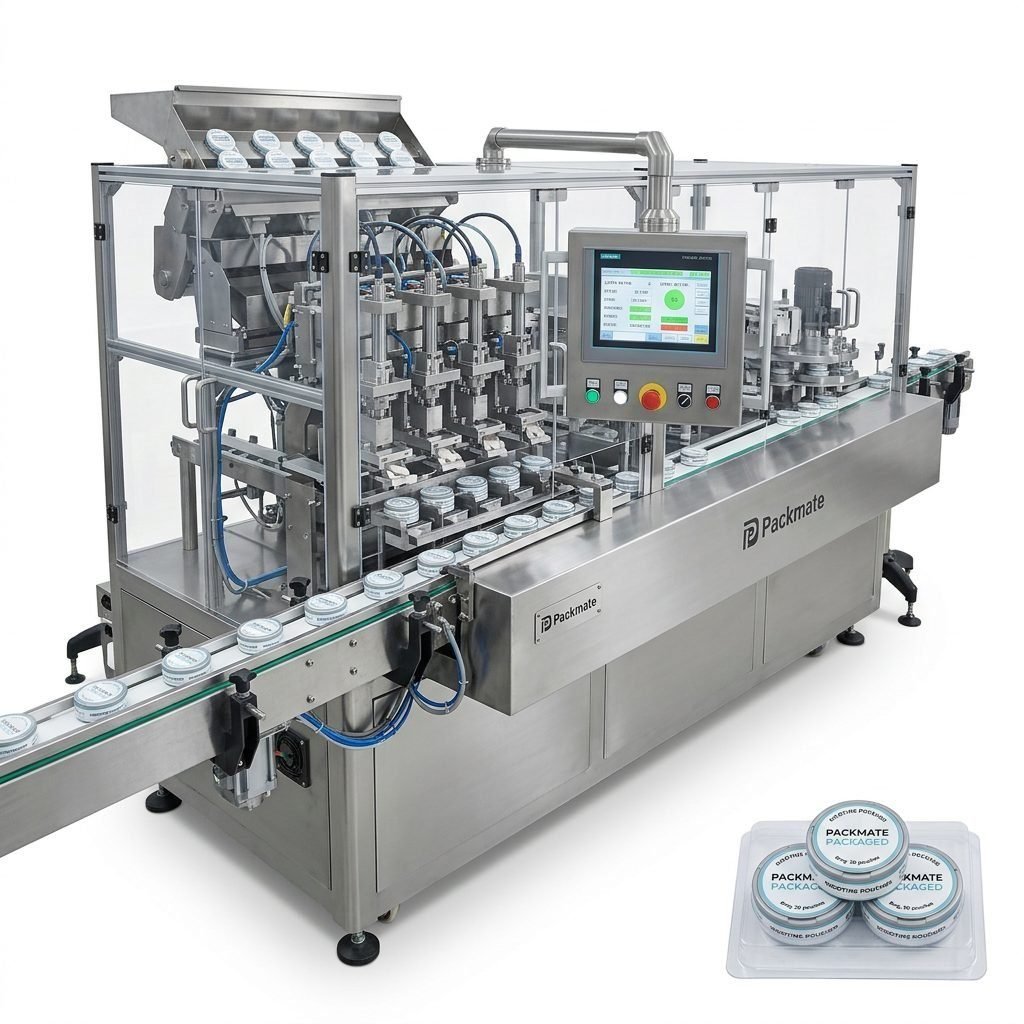
Manufacturers that specialize in snus and nicotine packaging bring focused expertise: specific dosing solutions for low-dose pouches, multi-lane synchronization, and hygienic design tailored for nicotine products. Their knowledge of regulatory nuances and market demands makes them ideal partners for long-term growth.
If you want to explore specialized solutions, see examples of packaging machine types and sectors on Snus & Nicotine Packaging Machines, Bag & Pouch Packaging Machines, and Sachet & Stick Pack Machines.
How to Conduct Factory & Reference Visits
Arrange virtual or physical visits. During the visit, check assembly practices, tooling storage, and test labs. Request to watch a demonstration using your product profile. Speak with technical staff and operations personnel to gauge real service capability and transparency.
For additional information about the manufacturer’s background and exhibitions, review About Packmate and Our Exhibition to assess industry participation and global presence.
Negotiating Contracts & After-Sales Clauses
Contracts should cover delivery milestones, performance guarantees, acceptance criteria, training, and spare parts packages. Include clauses for remote support, on-site commissioning, and clear warranty terms. Ensure intellectual property and tooling ownership are clear if you request custom designs.
Quick contract checklist:
Acceptance tests • Warranty duration • Spare parts lead times • Training & documentation
Finding the Right Partner in Nicaragua
While Nicaragua’s local supplier pool may be developing, many global manufacturers provide dedicated service to Central America. Evaluate firms that demonstrate global turnkey capabilities and local support networks. For real-world cases and portfolios, review Case and Service pages to confirm they have delivered similar projects internationally.
If you need direct contact or consultation, use Contact Us to request a tailored quotation, technical drawing, or FAT video mock-up of your product run.
Final Checklist Before You Decide
Use this checklist to compare potential manufacturers:
📌 Production capacity & scalability
📌 Compliance certificates (CE/ISO)
📌 QA procedures & FAT/SAT
📌 After-sales service & spare part availability
📌 Turnkey integration & automation options
Useful Resources
Explore specialized equipment pages to narrow down machine categories and technical specifications: Snus & Nicotine Packaging Machines, Filling & Packaging Lines, and Case examples.
Next step: Contact potential partners early with a clear product brief and target output so they can recommend the most cost-effective, compliant solution.
Frequently Asked Questions
Q1: How long does it take to install a nicotine pouch packaging line?
A1: Typical timelines range from 8 to 20 weeks depending on customization, spare part lead times, and shipping. Pre-built standard lines can be faster, while fully customized turnkey solutions require more engineering time.
Q2: What ongoing costs should I expect after purchase?
A2: Budget for spare parts, scheduled maintenance, energy consumption, and occasional on-site service. A supplier offering local spare part warehousing reduces downtime and shipping costs.
Q3: Can machines be tested with our product before shipment?
A3: Reputable manufacturers perform factory acceptance testing (FAT) with customer product samples to validate performance and packaging quality prior to delivery.
Q4: What certifications are most important for nicotine packaging equipment?
A4: CE and ISO certifications are commonly required for machinery safety and quality. Additionally, sanitary design features and compliance with local regulations should be confirmed for nicotine products.
Q5: How can I get a quote or technical consultation?
A5: Prepare a product specification sheet and production target, then contact manufacturers via their contact page—for example, use Contact Us to request a tailored consultation and quotation.