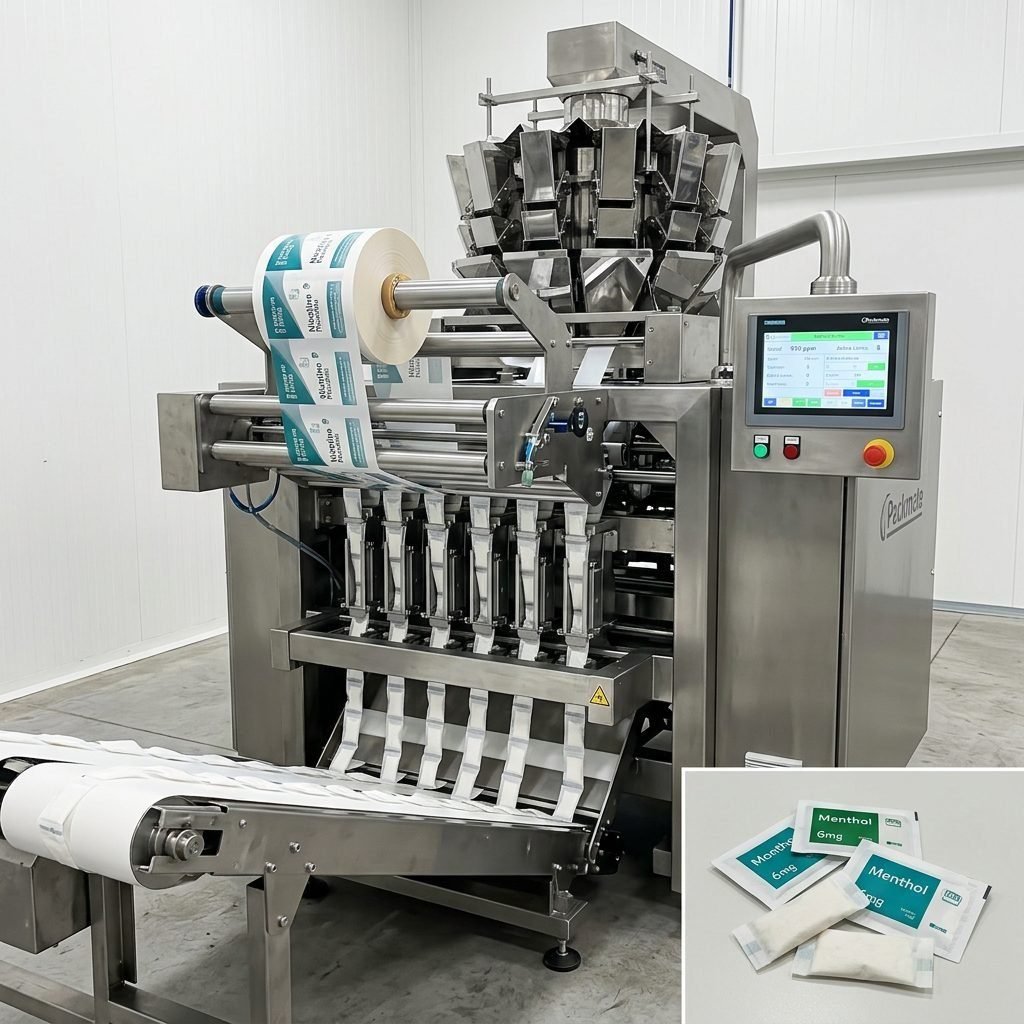
Choosing the best nicotine packaging machinery supplier in Southeast Asia requires more than comparing price tags or lead times. Manufacturers and brands operating in this rapidly evolving market must consider regulatory nuances, local business culture, logistics hubs, after-sales support, and technical adaptability of equipment. This guide walks you through practical steps and decision points so you can select a supplier who delivers performance, compliance, and long-term partnership value.
Understand the Southeast Asian Market Context
Southeast Asia is diverse: each country has different nicotine and tobacco regulations, consumer preferences, and supply chain realities. For example, Singapore enforces strict controls on nicotine products and advertising, while markets like the Philippines and Indonesia show faster growth in low-dose nicotine formats but have distinct import and taxation rules. When vetting suppliers, prioritize those who understand local regulations, permit requirements, and labeling norms. A supplier familiar with ASEAN trade routes and common regulatory pitfalls helps you avoid costly delays.
Local business etiquette and partnership style
Business culture matters. In many Southeast Asian countries, relationships, trust, and face-to-face meetings remain important. Suppliers who offer multilingual support or local agents will smooth negotiations. Look for manufacturers willing to join regional exhibitions or provide local references — these gestures signal commitment to the market. If your target country observes strong seasonal patterns (e.g., factory shutdowns around major festivals like Lunar New Year), ensure delivery schedules account for these interruptions.
Technical Capabilities: Match Machine Specs to Product Needs
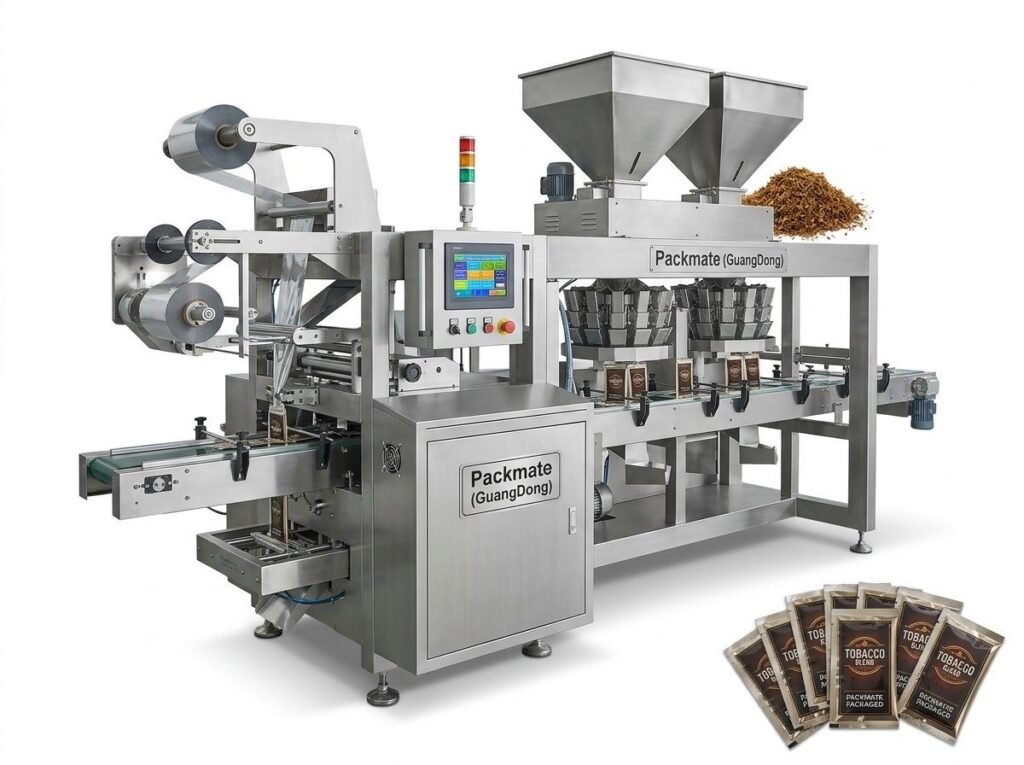
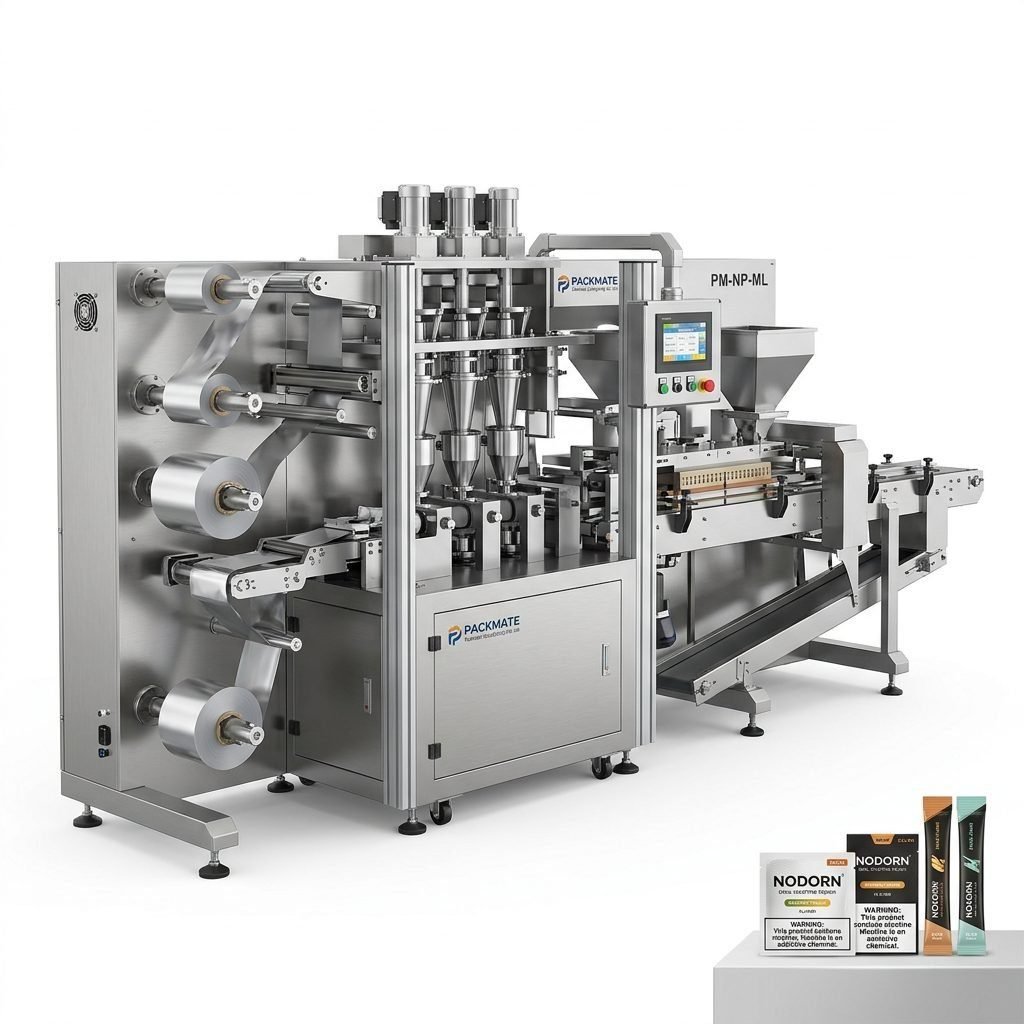
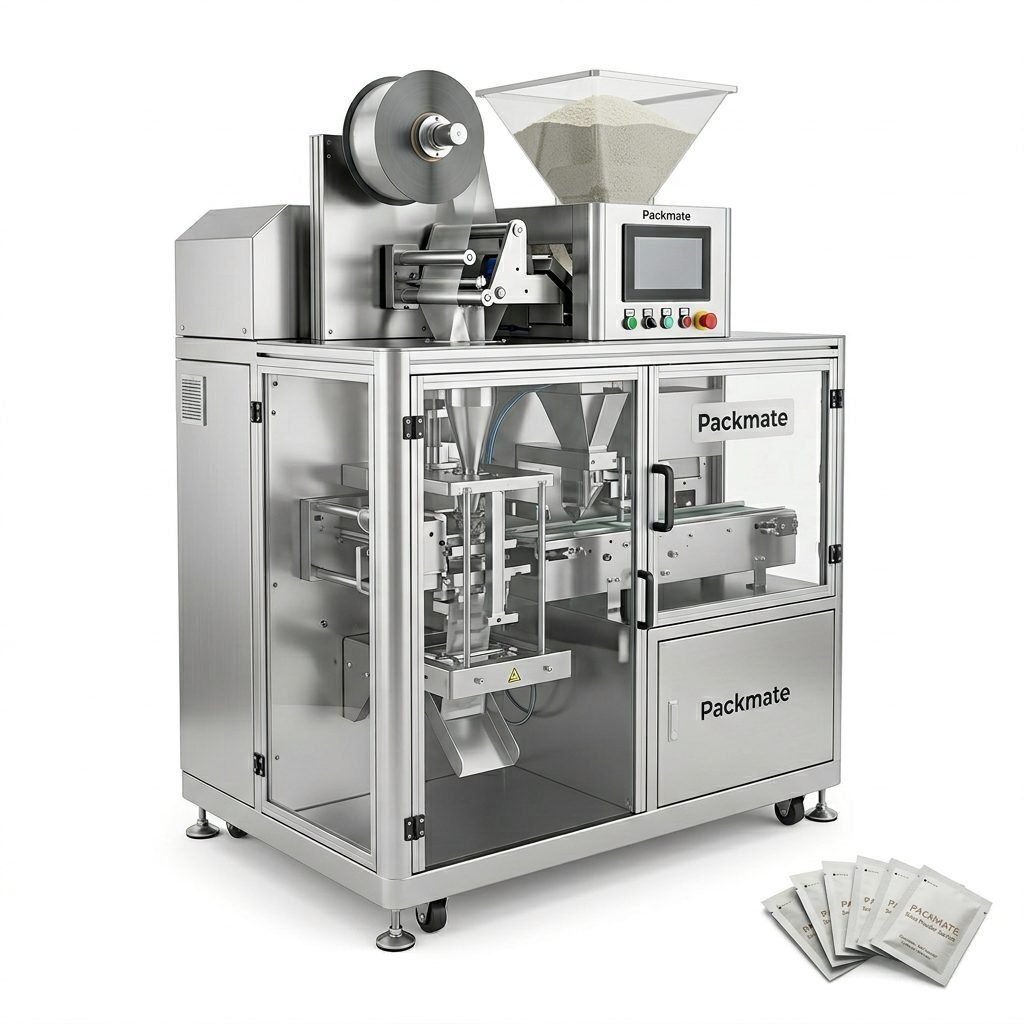
Nicotine pouches and snus packaging require precision dosing, contamination control, and flexible sealing options. Key technical factors to evaluate include machine format (single-lane vs multi-lane), dosing accuracy, production speed (pouches per minute), compatibility with sachet/stick/stand-up pouch formats, and integration with upstream/downstream systems like feeders and case packers.
Quick Technical Checklist
✅ Capacity & format match (single/multi-lane) · ✅ Dosing precision (mg level) · ✅ Material compatibility (foil, laminates) · ✅ Sanitary design & CIP options · ✅ PLC & HMI language flexibility · ✅ Spare parts availability
Key machine types to consider
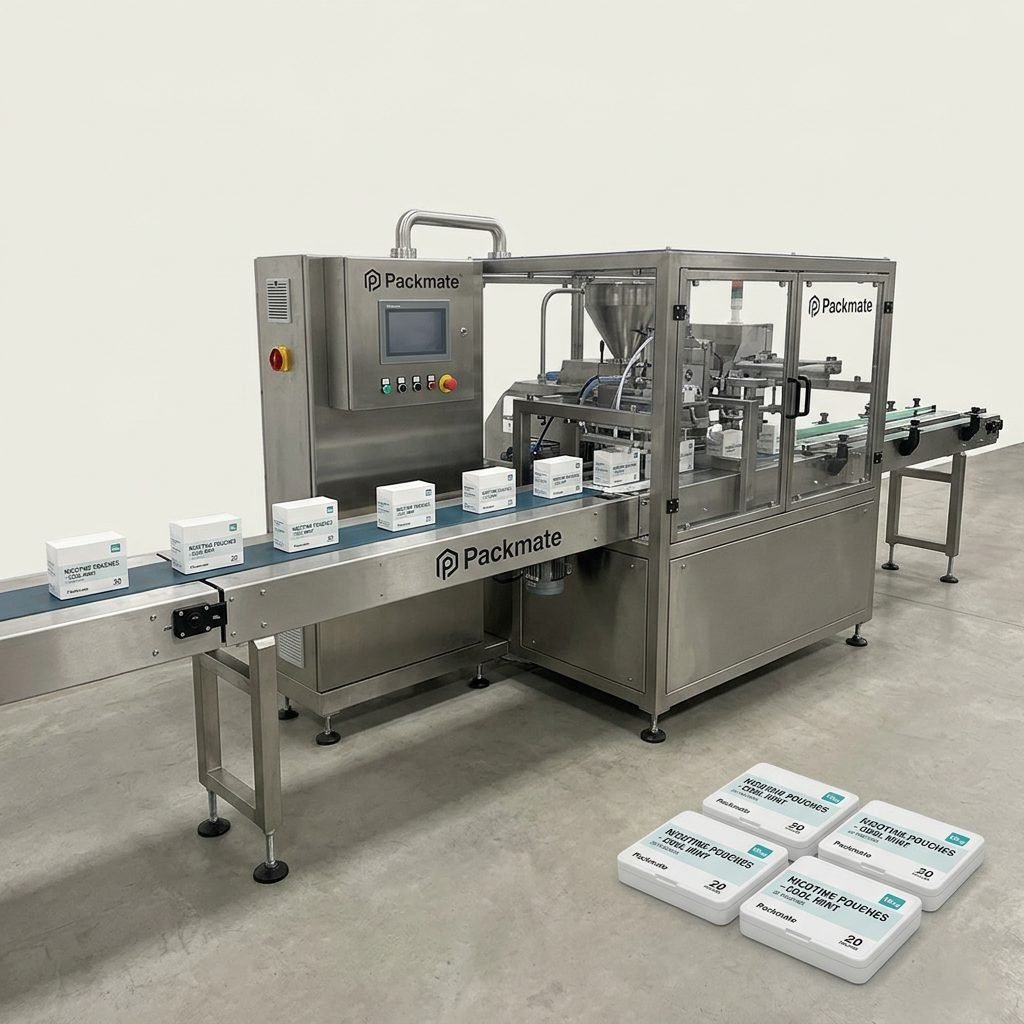
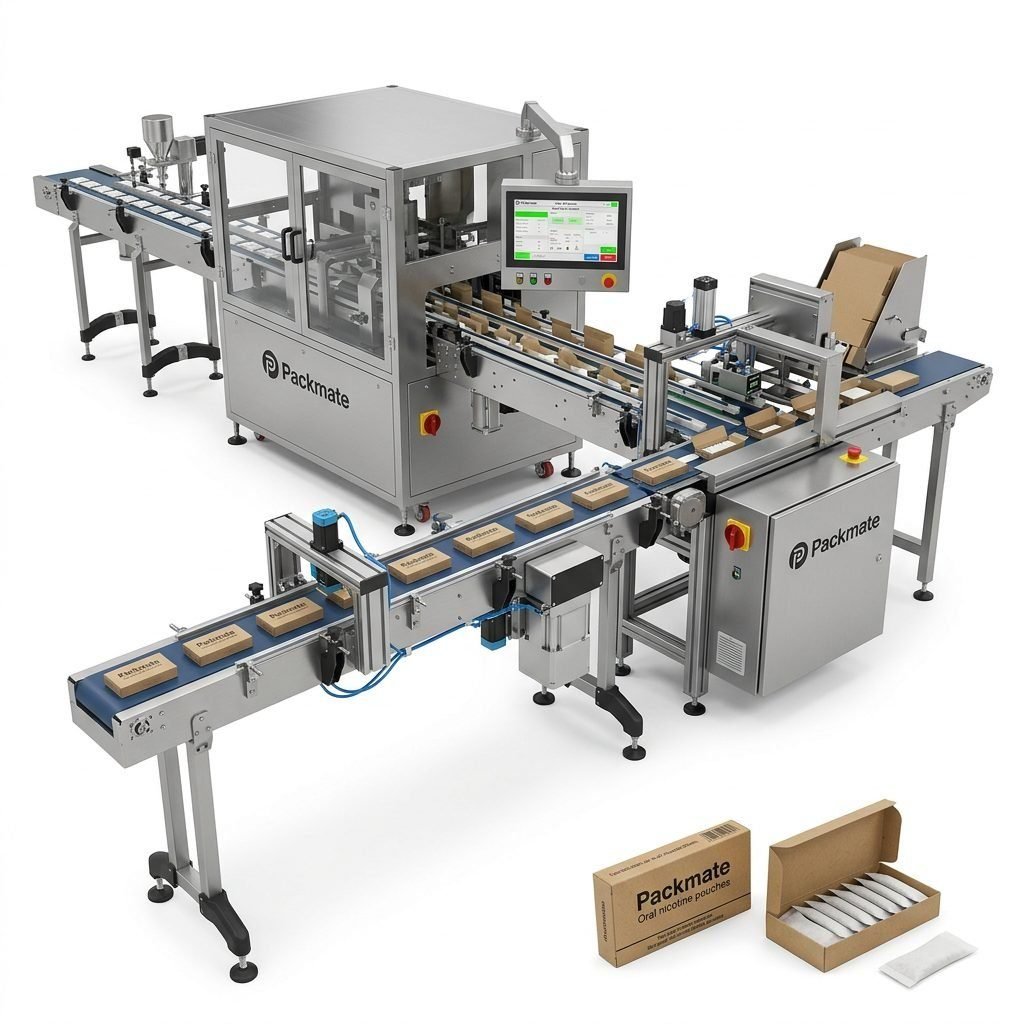
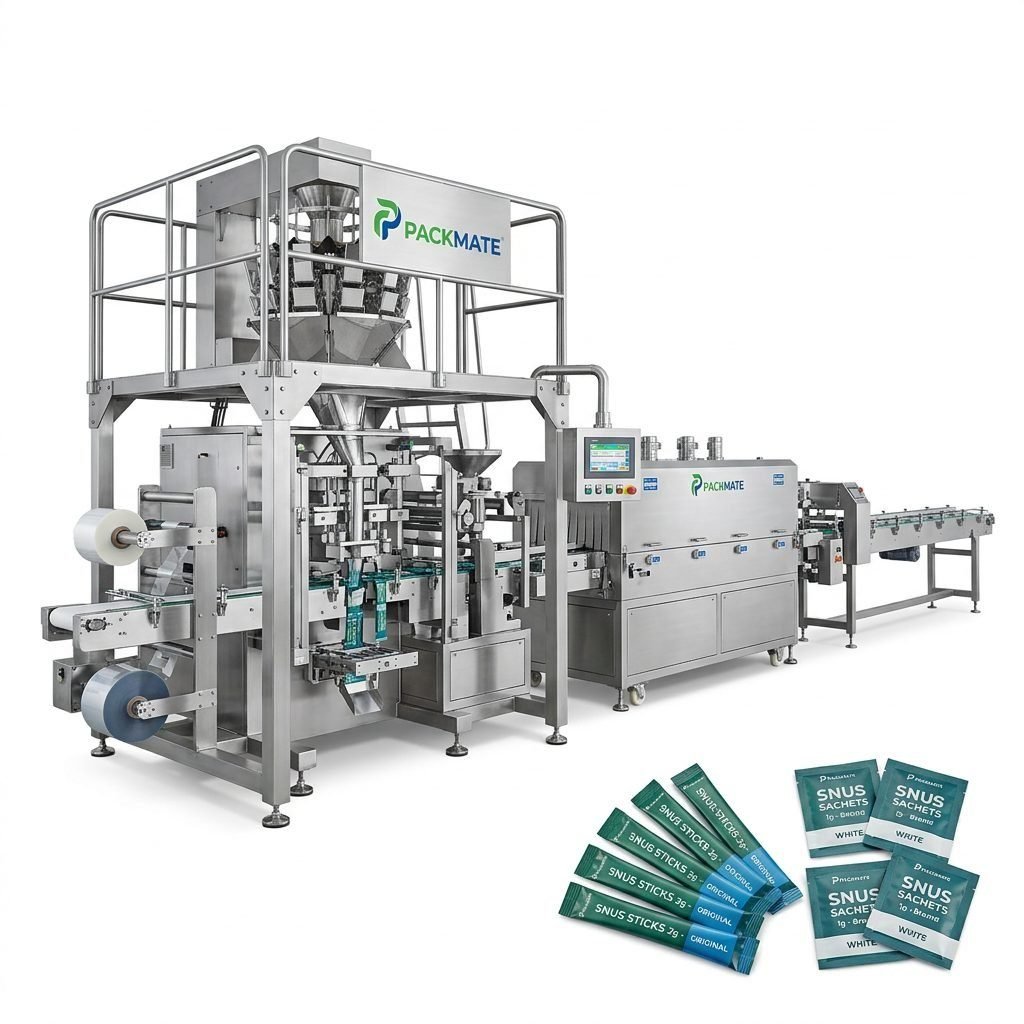
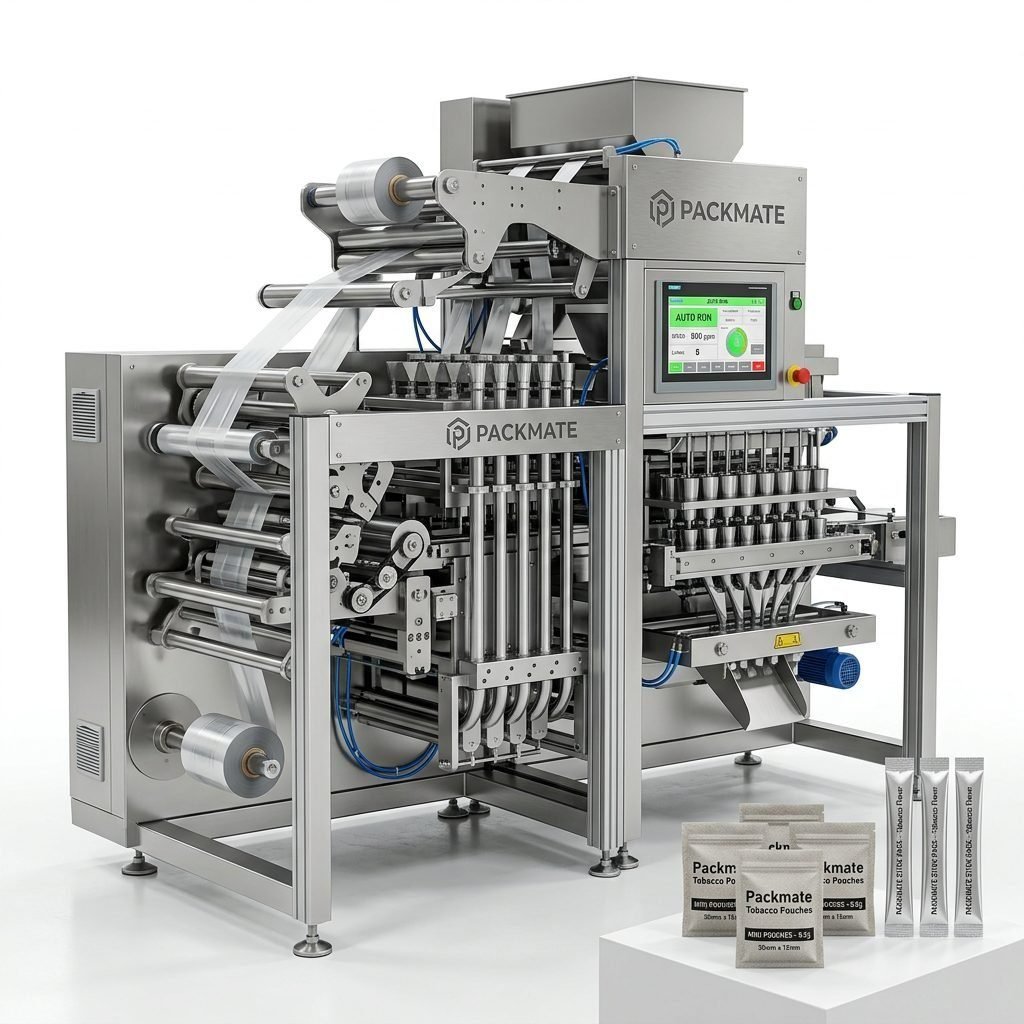
Depending on your product line, you may evaluate stick pack machines, sachet machines, multi-lane snus pouch lines, and integrated filling & packaging systems. For turnkey solutions that combine dosing, sealing, and secondary packing, review suppliers who provide full lines and have experience in snus and nicotine pouch production — for example, see their dedicated machinery offerings like Snus & Nicotine Packaging Machines and Bag & Pouch Packaging Machines.
Certifications, Compliance & Quality Assurance
International certifications such as CE and ISO are essential indicators of safety and manufacturing quality. If you plan to export products or operate in tightly regulated jurisdictions within Southeast Asia, ensure the supplier’s machines can produce consistent, validated outputs that meet local labeling and hygiene standards. Ask for test reports, traceability records, and quality control processes implemented on the factory floor.
Ask for these documents
🔧 CE/ISO certificates · Factory quality control procedures · Machine FAT (Factory Acceptance Test) videos · Sample production records · Material compliance statements
After-Sales Support: Spare Parts, Training & Remote Assistance
After-sales service is often the deciding factor between a good and a great supplier. Evaluate lead time for spare parts shipment to Southeast Asian ports, availability of technical documentation in English (and local languages if possible), and the supplier’s ability to provide remote troubleshooting or onsite technicians. Suppliers with regional service partners or branches will reduce downtime and spare parts delivery time.
Training & documentation
Comprehensive operator and maintenance training should be part of the purchase package. Look for suppliers who provide video tutorials, bilingual manuals, and initial on-site commissioning support. If the supplier offers lifetime technical support and scheduled preventive maintenance programs, that adds significant value.
Factory Audit & References: Verify Manufacturing Strength
Perform a factory audit or request a virtual tour. Key indicators of a reliable supplier include modern CNC machining centers, precision assembly lines, and an established quality inspection system. Packmate’s 20,000㎡ facility and 30+ years of experience are examples of the kind of manufacturing strength you should look for. Ask for client references in Southeast Asia and review case studies to verify real-world performance.
If possible, visit a live production line or review a factory acceptance test (FAT) video that demonstrates the exact machine model under load, producing your target pouch format and packaging material.
Commercial Terms, Lead Times & Total Cost of Ownership
Price is only one part of the equation. Consider installation, commissioning, spare parts, consumables, warranties, and energy consumption. Calculate the total cost of ownership (TCO) over the expected lifespan. Negotiate clear payment terms, warranty periods, and penalties for missed delivery dates. Suppliers that offer flexible financing or lease options may help manage initial capital expenditure.
Logistics & local import considerations
Identify preferred SEA ports (Singapore, Port Klang in Malaysia, Laem Chabang in Thailand, Tanjung Priok in Indonesia, or Ho Chi Minh City in Vietnam) and confirm CIF/FOB terms. Some governments charge import duties or require special permits for machinery used in nicotine production — ensure your supplier assists with documentation to minimize customs delays.
Customization & Turnkey Solutions
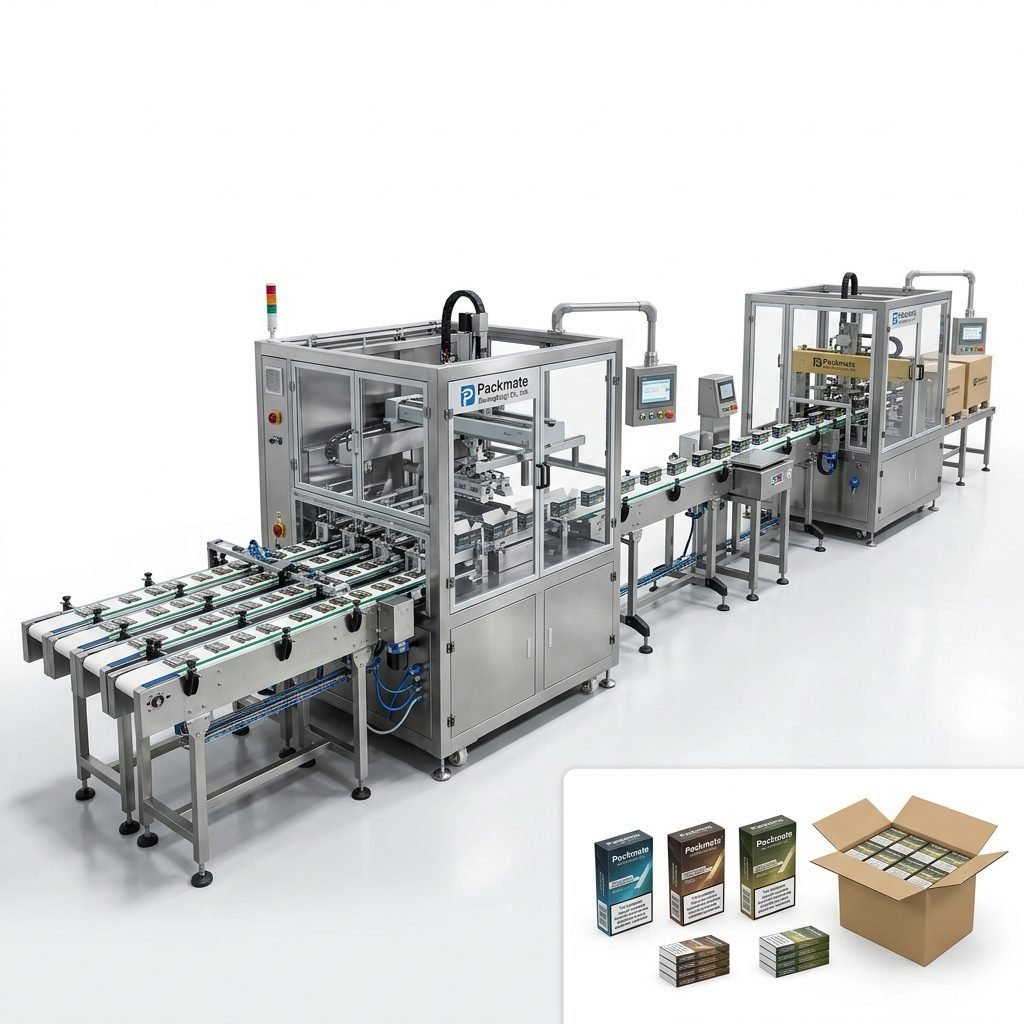
The nicotine pouch market often demands product differentiation — from portion size to inner pouch materials. Suppliers that offer customization for dosing heads, pouch shapes, or multi-lane configurations provide flexibility as your product portfolio evolves. If you need a full production line rather than a single machine, seek suppliers who deliver turnkey solutions including filling systems, weighing units, and secondary packaging. Check examples of integrated lines under Filling & Packaging Lines.
Customization benefits
📦 Faster product launches · ⚙️ Better material efficiency · 📈 Easier scale-up · 🔄 Reduced waste through tailored dosing
Warranty, Intellectual Property and Confidentiality
Protect your product formulations and process innovations with clear contractual terms. Request warranty details, parts replacement schedules, machine drawings, and confidentiality agreements when sharing sensitive product information. Suppliers that respect IP and offer non-disclosure agreements demonstrate professionalism and willingness to form long-term partnerships.
Field Trials, Samples & Machine Validation
Before full production, require sample runs using your exact materials and nicotine formulations. Validate dosing accuracy, seal integrity, and shelf stability tests. A supplier who conducts pre-shipment FATs and provides sample packs reduces the risk of production surprises. If the supplier has regional case studies, review them — for instance, check their project examples and service record at Case.
Trade Shows & Demonstrations: See Machines in Action
Attend trade shows or factory demonstrations. Suppliers active in international exhibitions demonstrate confidence; their machines are ready for benchmarking and networking. Look for suppliers who list upcoming shows or provide demonstration schedules — this helps you plan visits and test the machines in person. Learn where the supplier exhibits at Our Exhibition.
Making the Final Decision: Scoring & Selection Matrix
Create a weighted scoring matrix that includes: technical fit, certifications, after-sales support, references, TCO, lead time, and cultural fit. Assign higher weight to items that matter most for your operation (e.g., dosing accuracy and spare parts availability). Shortlist two or three suppliers and negotiate mock contracts, including clear acceptance criteria for FATs and KPIs for uptime and throughput.
Decision tip
🔎 Prioritize suppliers with local service partners · 📞 Verify 24/7 remote support · 🤝 Choose long-term partners over cheapest quotes
Why Packmate (Example Supplier Profile)
When evaluating suppliers, Packmate provides an example profile to benchmark against: 30+ years of engineering experience, a 20,000㎡ factory with advanced CNC machining, over 50 machine models, CE and ISO compliance, and experience in multi-lane snus systems. Suppliers with a similar footprint typically offer reliable turnkey solutions, robust spare parts inventories, and comprehensive commissioning services. For more details on their company background and services, review their About page at About Packmate and contact options at Contact Us.
Practical Next Steps for Buyers in Southeast Asia
1) Define product spec and target capacity; 2) shortlist suppliers who demonstrate regulatory knowledge of your country; 3) request FAT videos and sample packs; 4) verify spare parts logistics to your nearest port; 5) negotiate warranty and training; 6) agree on commissioning KPIs and acceptance tests. Engage legal counsel to review cross-border contracts and ensure IP and confidentiality terms are set.
Cultural nuance reminder
In many Southeast Asian cultures, building rapport matters. Consider periodic visits, culturally appropriate communication, and respect for local holidays when scheduling deliveries. A small investment in relationship-building often translates into smoother installations and preferential service.
Summary Checklist Before Signing
Final pre-sign checklist
✅ Confirm machine compatibility with packaging materials · ✅ Validate FAT & sample outputs · ✅ Agree on spare parts lead times and stocking · ✅ Lock in training and commissioning schedule · ✅ Ensure written warranty, SLA & IP protection
Closing thought
Selecting the best nicotine packaging machinery supplier in Southeast Asia is both technical and relational. The ideal partner blends engineering excellence, regulatory insight, local market knowledge, and dependable after-sales support. Use the criteria above to evaluate suppliers objectively and select the one that aligns with your production goals and growth plans.
Frequently Asked Questions
Q1: What certifications should I require for nicotine packaging machinery?
A1: Request CE and ISO certificates at minimum, plus FAT reports, material compliance declarations, and any country-specific approvals for machinery used in nicotine product production.
Q2: How important is spare parts stocking in Southeast Asia?
A2: Extremely important. Long lead times for parts can cause extended downtime. Prefer suppliers who maintain regional warehouses or guarantee fast courier shipments to major SEA ports.
Q3: Should I visit the factory before purchase?
A3: If feasible, yes. A factory visit or a detailed virtual FAT provides direct evidence of manufacturing capability, quality control, and professionalism.
Q4: How do I handle local regulations and import permits?
A4: Work with suppliers who understand your target country’s regulations or partner with local customs brokers. Include assistance for documentation and permits in commercial negotiations.
Q5: Where can I see examples of turnkey solutions and case studies?
A5: Review suppliers’ project pages and case studies to confirm they have delivered integrated lines; many suppliers publish examples under their case or product pages, such as Case.