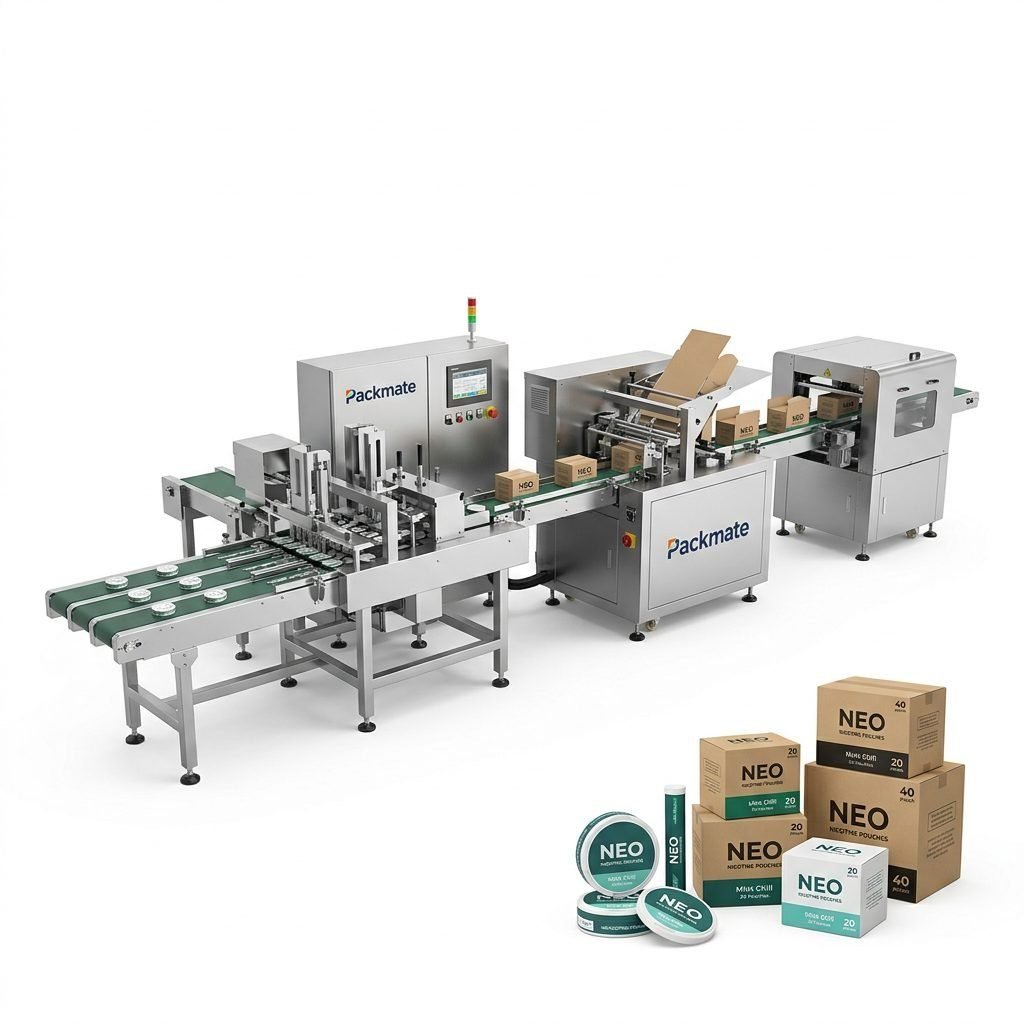
Choosing the right snus packaging machinery manufacturer in Madagascar can define the success of your nicotine pouch or snus business. From machine reliability in a humid tropical climate to regulatory compliance and timely after-sales support, each factor matters. This guide walks you through practical considerations, local trade customs, machine options, and how to evaluate manufacturers so you can make an informed decision that protects your investment and accelerates growth.
Understand the Madagascar Market and Local Business Practices 🇲🇬
Madagascar has a unique blend of cultures — Malagasy traditions and French-influenced business norms — and many importers conduct negotiations in both French and Malagasy. Import procedures can be slower than in some regions, so it is crucial to plan lead times and logistics. Local retailers often prioritize value and reliability, while a growing urban consumer base in Antananarivo and coastal cities is open to premium products with consistent packaging quality.
Key local considerations:
– Customs clearance and documentation take time — ensure the manufacturer provides complete export paperwork and technical datasheets.
– Port handling and inland transport can face delays; consider consolidated shipping or local clearance agents.
– High humidity and dust in certain regions mean machines should be robust and corrosion-resistant.
Evaluate Machine Types and Production Needs ⚙️
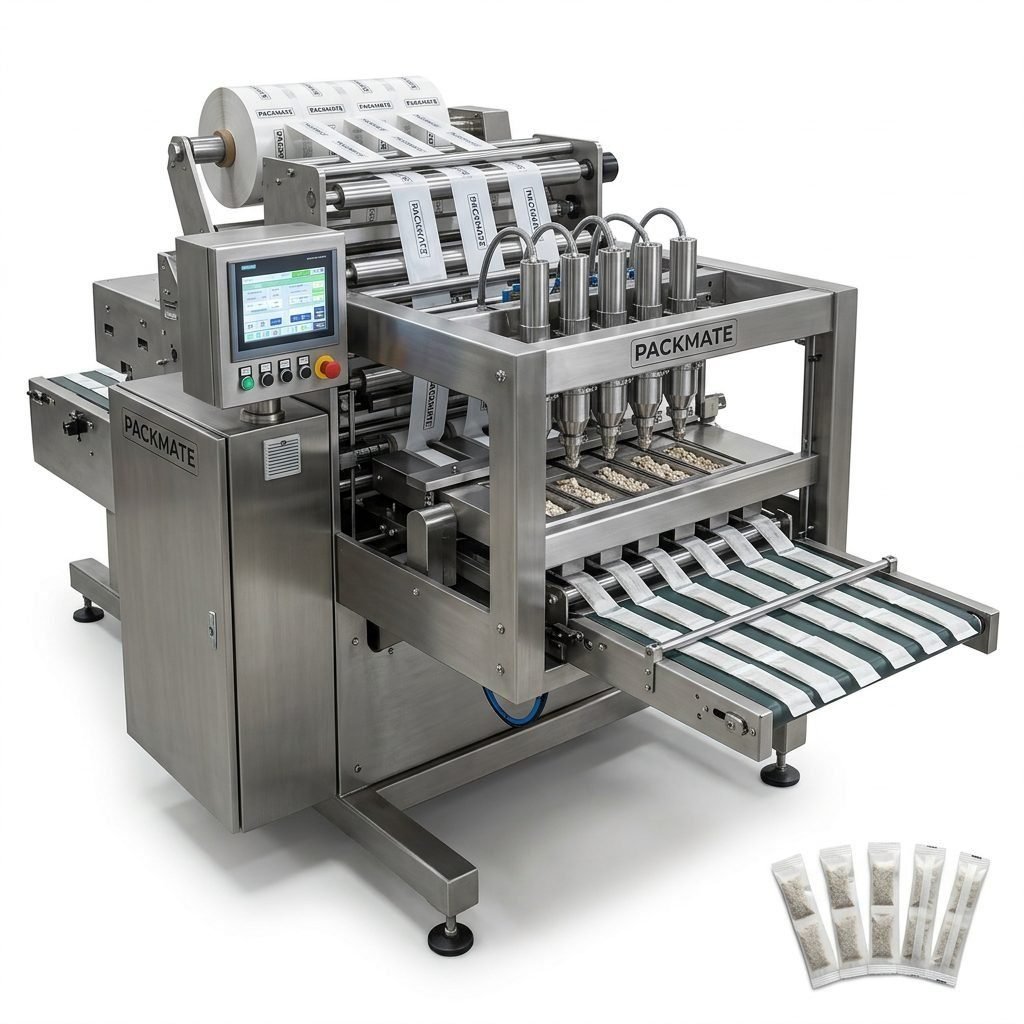
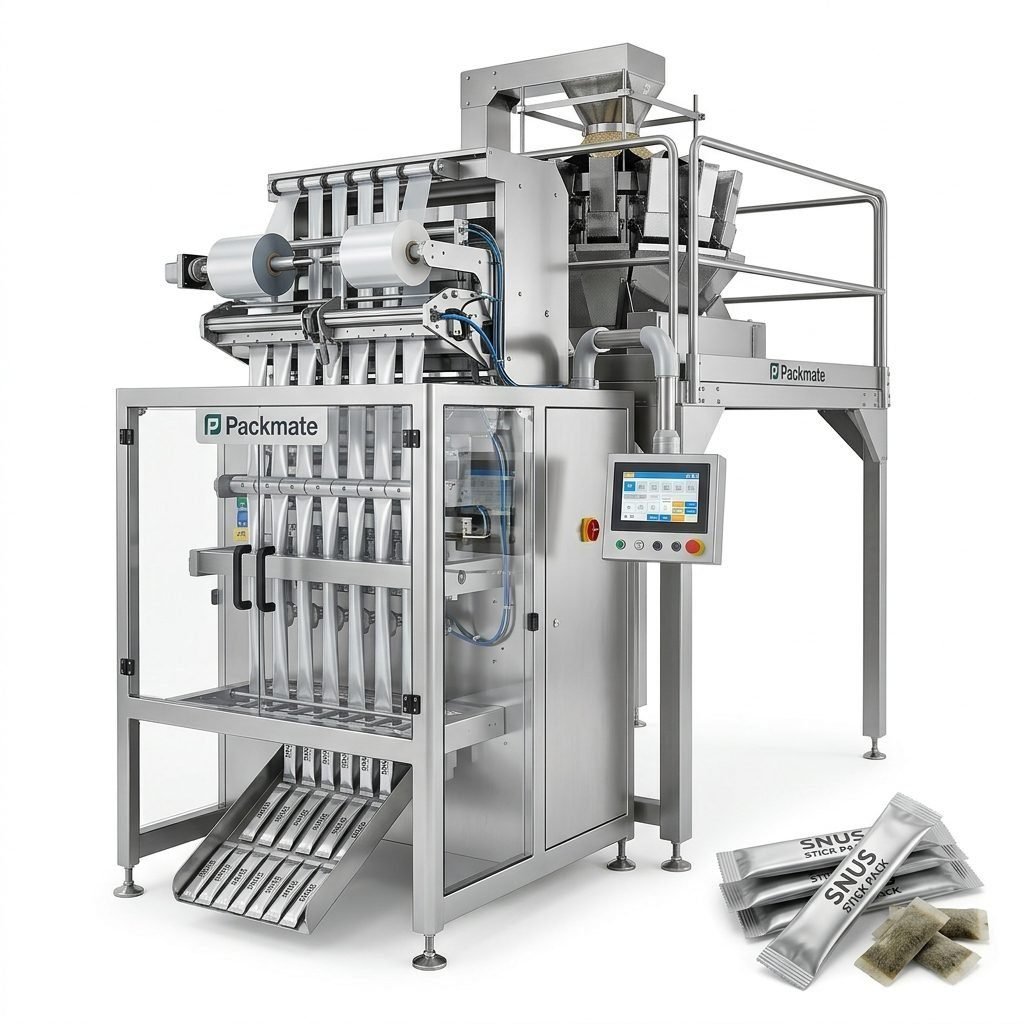
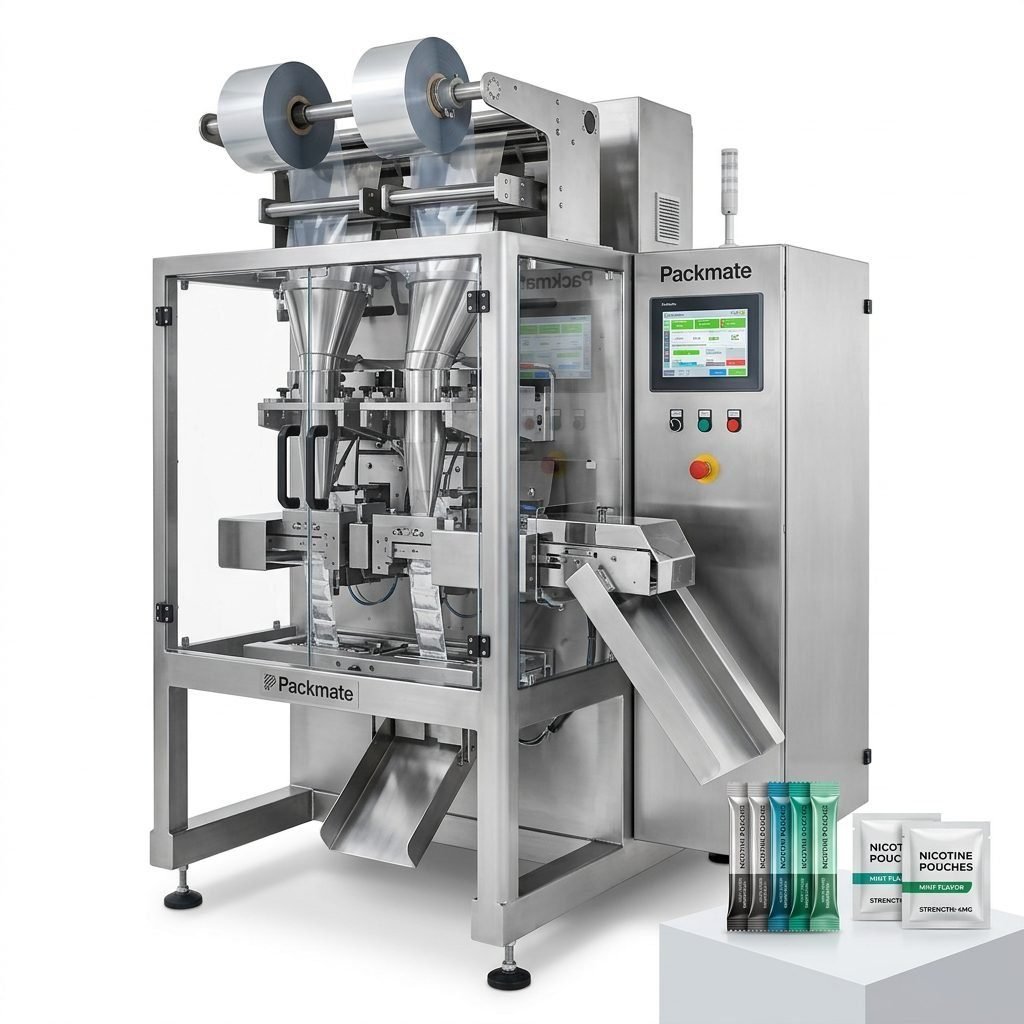
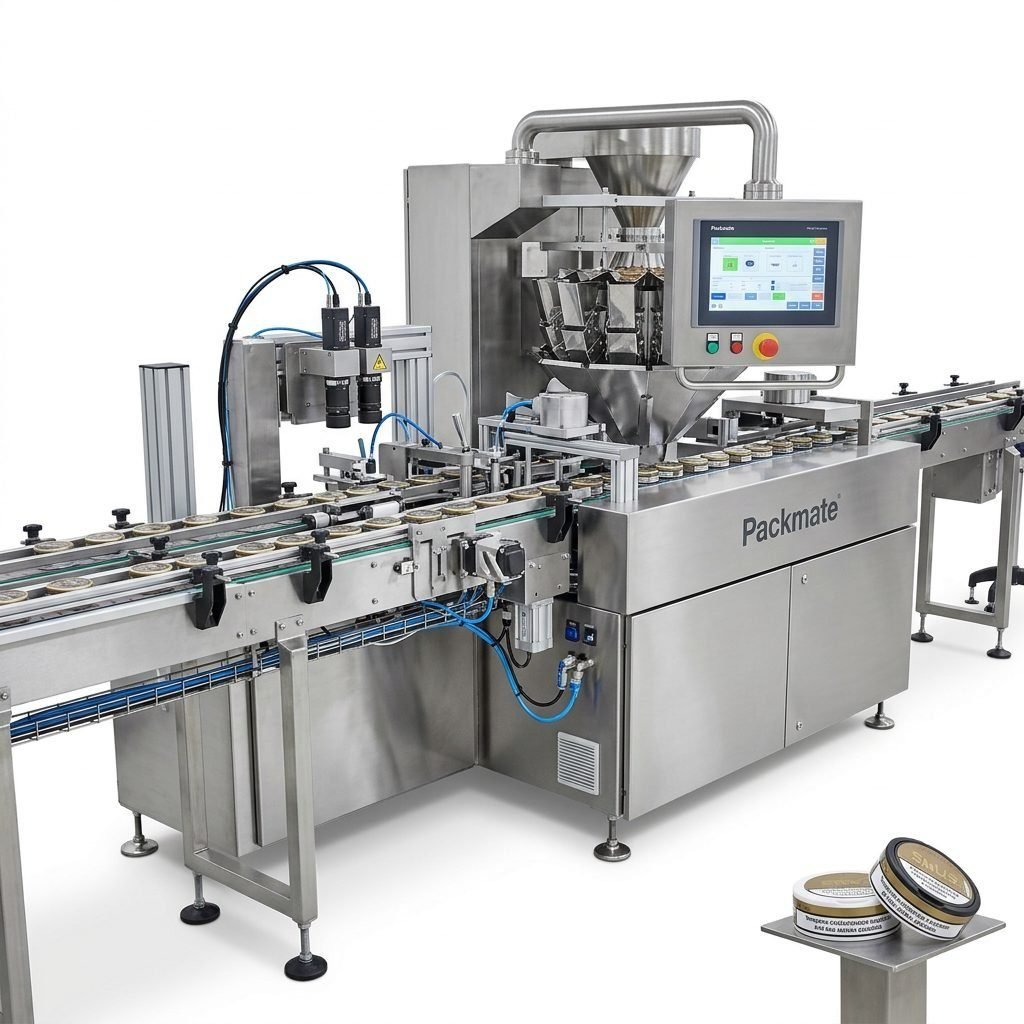
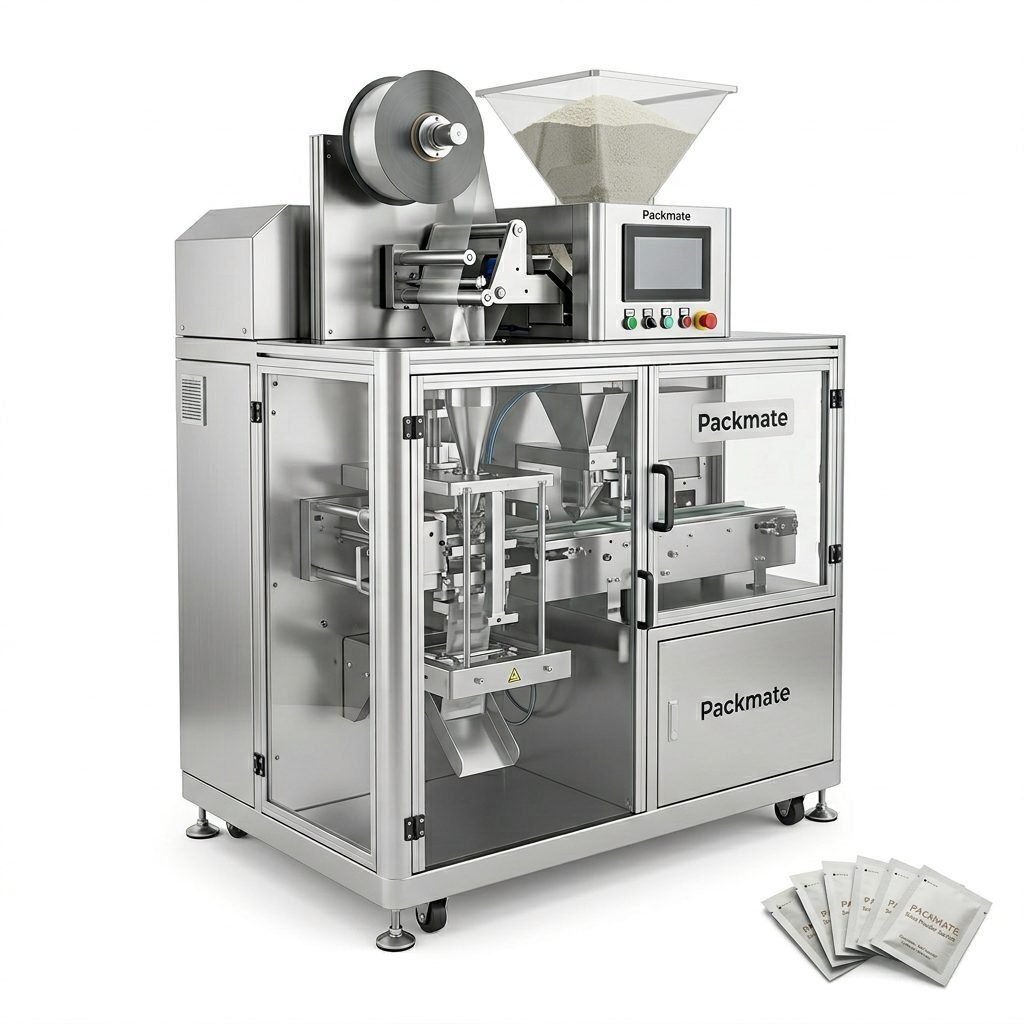
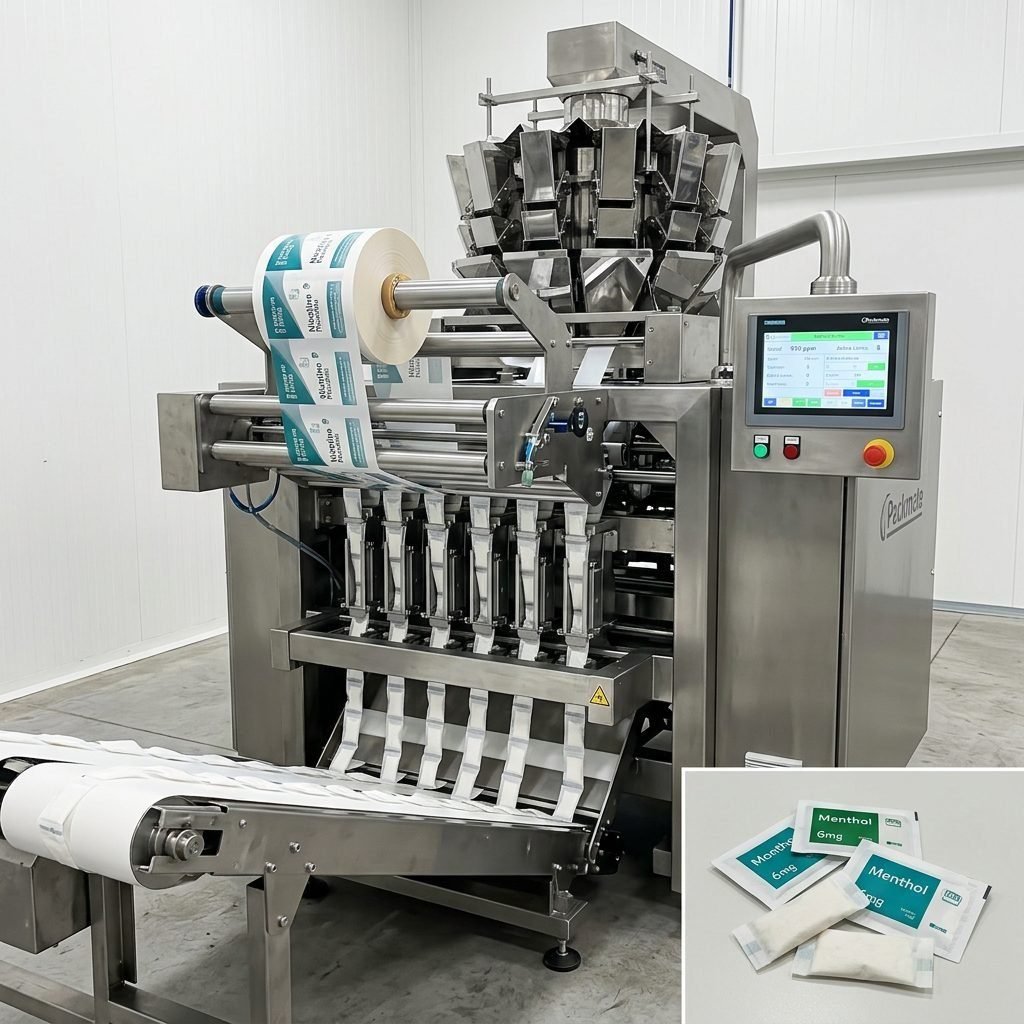
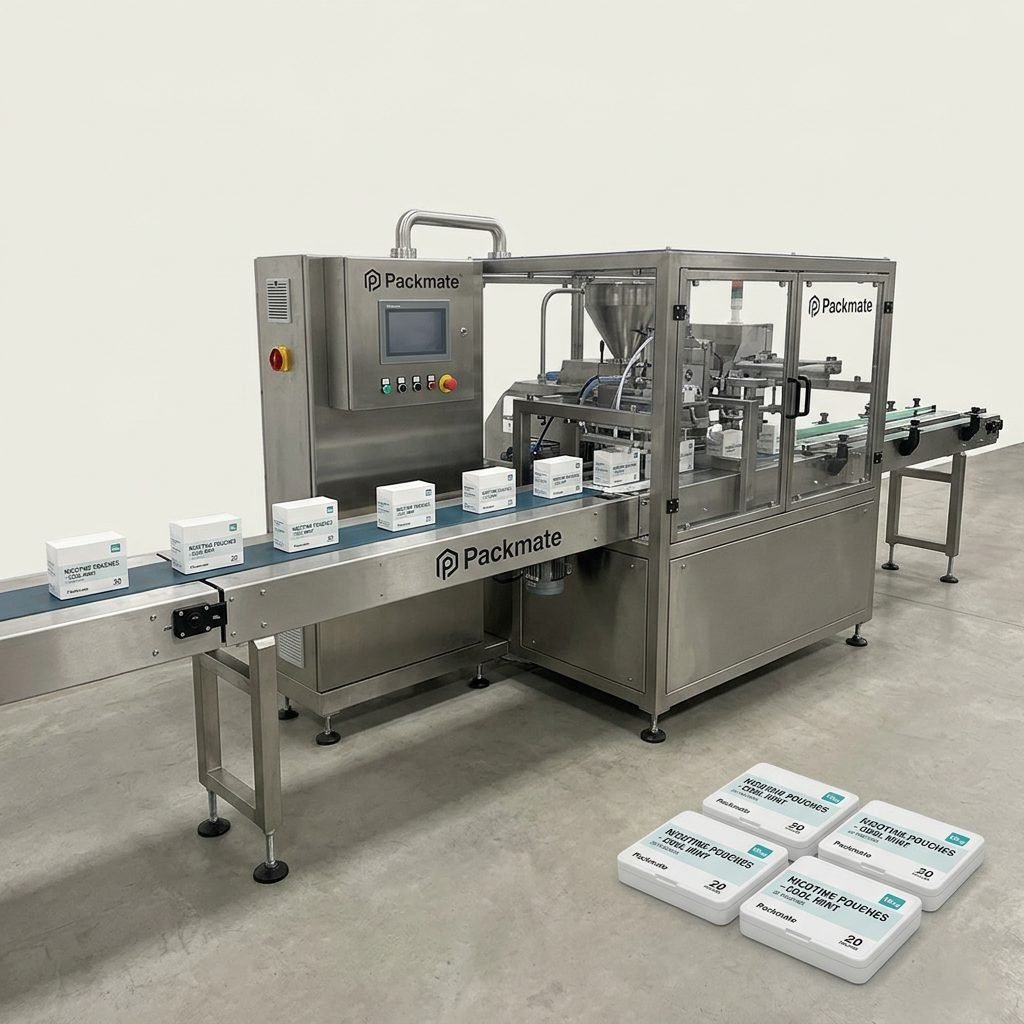
Choose machinery based on your product format and production goals. Typical snus and nicotine pouch packaging solutions include stick packs, sachets, multi-lane pouch systems, and complete filling & packaging lines. If you need flexible solutions that handle powders, granules, or wet mixes, verify the machine’s compatibility and changeover ease.
Tip: If you plan to scale, prefer multi-lane systems that can multiply output without a proportional increase in floor space. See proven solutions for snus packaging here: Snus & Nicotine Packaging Machines.
Machine features to prioritize
– Precise dosing systems to ensure consistent weight per pouch.
– Multi-lane capabilities for small-dose pouches.
– Hygienic design and easy cleaning to meet food or pharmaceutical hygiene standards.
– Low maintenance components and widely available spare parts.
– Compact footprint and modular design for phased expansion.
Certifications, Compliance and Quality Assurance ✅
A trustworthy manufacturer should hold international certifications like CE and ISO, demonstrating adherence to safety and quality standards. In Madagascar, local import authorities and health regulators may request documentation proving machine safety and electrical compliance. Confirm the manufacturer can provide certificates, test reports, and machine manuals in the languages you require.
Must-have documents: CE declaration, ISO quality certificates, wiring diagrams, spare parts lists, and FAT (Factory Acceptance Test) reports.
Service, Training and After-sales Support 📞
After-sales service is the lifeline of long-term machine performance. In Madagascar, on-site service engineers may be scarce and travel times long. Prioritize manufacturers offering:
– Remote diagnostics and software support.
– Spare part kits shipped with initial delivery.
– On-site commissioning and operator training.
– Clear warranty terms and local partner networks or distributor contacts.
Check: Can the supplier provide remote start-up support in French? Will they ship a minimum spare parts package with the first consignment?
Assess Manufacturer Capabilities and Track Record 🌍
Look for manufacturers with decades of experience in packaging machinery and a tested global footprint. A documented history of turnkey projects, machine customization, and participation in international exhibitions shows maturity and commitment to innovation. Consider manufacturers with a sizable production facility, CNC machining centers, and a clear R&D timeline — these signal robust manufacturing capabilities.
Example: Companies that list factory area, model diversity, and certifications demonstrate transparency. Learn more about a reputable supplier profile and exhibitions here: About Packmate and Our Exhibition.
Price vs. Total Cost of Ownership (TCO) — Look Beyond the Sticker Price 💡
A low initial price can be attractive, but hidden costs can quickly add up. Calculate TCO by estimating energy consumption, spare parts lifecycle, training costs, downtime risk, and consumables. Machines built with durable materials and standardized components may cost more upfront but save money over the lifecycle. Ask for energy consumption data, recommended spare parts lists, and typical mean time between failures (MTBF).
ROI considerations
– Expected throughput vs. your target daily production.
– Packaging material compatibility and wastage rates.
– Labor requirements and operator learning curve.
– Maintenance schedule and local technical capacity.
Customization, Scalability and Turnkey Solutions 🧩
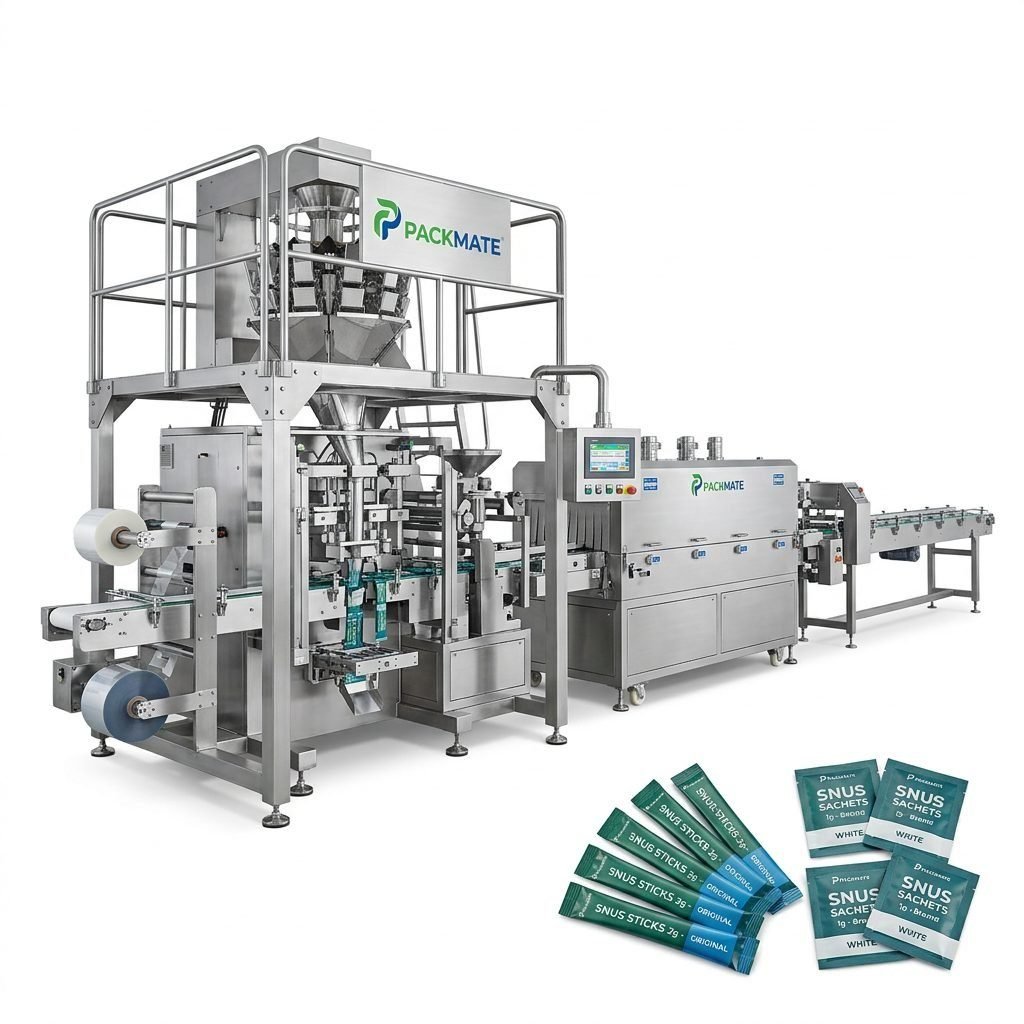
Your business needs may evolve. Look for manufacturers offering modular systems and turnkey production lines that integrate filling, weighing, sealing, and secondary packaging. A trustworthy supplier will offer customized tooling for unique pouch shapes, multi-lane layouts for higher output, and full line integration including weighing systems and auxiliary equipment.
Resource: Explore machine categories like Sachet & Stick Pack Machines and Filling & Packaging Lines when planning your line.
Logistics, Installation and Local Utilities 🔌
Madagascar’s infrastructure can pose unique logistics challenges. Confirm shipping arrangements, CIF/FOB terms, and whether the manufacturer provides inland logistics or local agent contacts. Also verify electrical requirements and compatibility with local grid voltages, availability of compressed air, and whether climate control is needed to protect sensitive components.
On-site commissioning checklist
– Pre-shipment FAT and video inspection.
– Packed spare parts and tooling with clear labels.
– Required power supply and environmental controls documented.
– Service engineer availability for start-up and training.
How to Vet a Manufacturer — Questions to Ask ❗
When you contact manufacturers, use a consistent questionnaire to compare proposals on an apples-to-apples basis. Important questions include:
– What certificates and quality records can you provide?
– Can you demonstrate similar installations and provide references or case studies?
– What is your machine warranty, and how fast can spare parts be delivered to Madagascar?
– Do you offer remote support and on-site commissioning? In which languages?
– What are the lead times from order to shipping and typical shipping routes?
Pro tip: Ask for a Factory Acceptance Test (FAT) report and video. This reduces surprises at installation.
Why Work with an Experienced Global Manufacturer?
Experienced manufacturers bring refined engineering, global compliance understanding, and streamlined spare parts logistics. They typically maintain robust R&D, advanced CNC production, and disciplined assembly lines. This reduces risk and improves the durability and run-stability of your packaging line.
Consider partners who publish: factory size, machine model range, and case studies — indicators of manufacturing scale and global reach. See examples of turnkey approaches and systems: Weighing & Packaging Systems.
Negotiation and Contract Tips for Madagascar Buyers 📝
Negotiate clear payment terms, delivery milestones, and penalty clauses. Specify acceptance tests, documentation language, and training scope. Where possible, include a spare parts shipment with the initial order. Use Incoterms to clarify responsibilities at every shipping stage.
Contract checklist
– Delivery schedule and shipping port.
– Acceptance criteria and FAT details.
– Warranty duration and exclusions.
– Spare parts list and delivery timeframes.
– Training, documentation, and language requirements.
Final Selection Steps — A Practical Roadmap ✅
1) Shortlist manufacturers based on experience, certifications, and product fit.
2) Request detailed technical proposals with references and FAT evidence.
3) Compare TCO and warranties, and check spare part logistics for Madagascar.
4) Negotiate terms, schedule FAT, and confirm on-site commissioning and training.
5) Sign the contract and plan for phased installation and scaling.
Start here: If you want a vendor with 30+ years of experience, a broad machine portfolio, and global turnkey capabilities, review manufacturer profiles and case studies such as those available at Case and get direct contact via Contact Us.
Conclusion — Make an Informed Investment
Selecting the best snus packaging machinery manufacturer for your Madagascar operation requires balancing technical performance, after-sales support, regulatory compliance, and logistical reliability. Prioritize manufacturers with demonstrable experience in snus and nicotine pouch packaging, robust certifications, and clear support strategies for remote markets. Doing so protects your capital, reduces downtime, and positions your brand to meet growing consumer demand with consistent, high-quality packaging.
Frequently Asked Questions
Q1: How long does it take to receive a complete packaging line in Madagascar?
Delivery times vary by machine complexity and production schedule. Expect lead times of several weeks to a few months, plus ocean freight and customs clearance. Confirm the manufacturer’s lead time and shipping plan before ordering.
Q2: What certifications should the manufacturer provide?
Ask for CE, ISO quality certificates, and FAT documentation. These certify safety, build standards, and test results which are valuable for customs and regulatory review.
Q3: How can we minimize downtime after installation?
Arrange thorough operator training, stock a small spare parts kit with the first shipment, and ensure the supplier offers remote diagnostics and scheduled preventive maintenance guidance.
Q4: Should we choose single-lane or multi-lane machines?
Multi-lane machines give higher throughput per floor area and are ideal for scaling. Single-lane machines may be more cost-effective for small startups. Consider projected volumes and floor space.