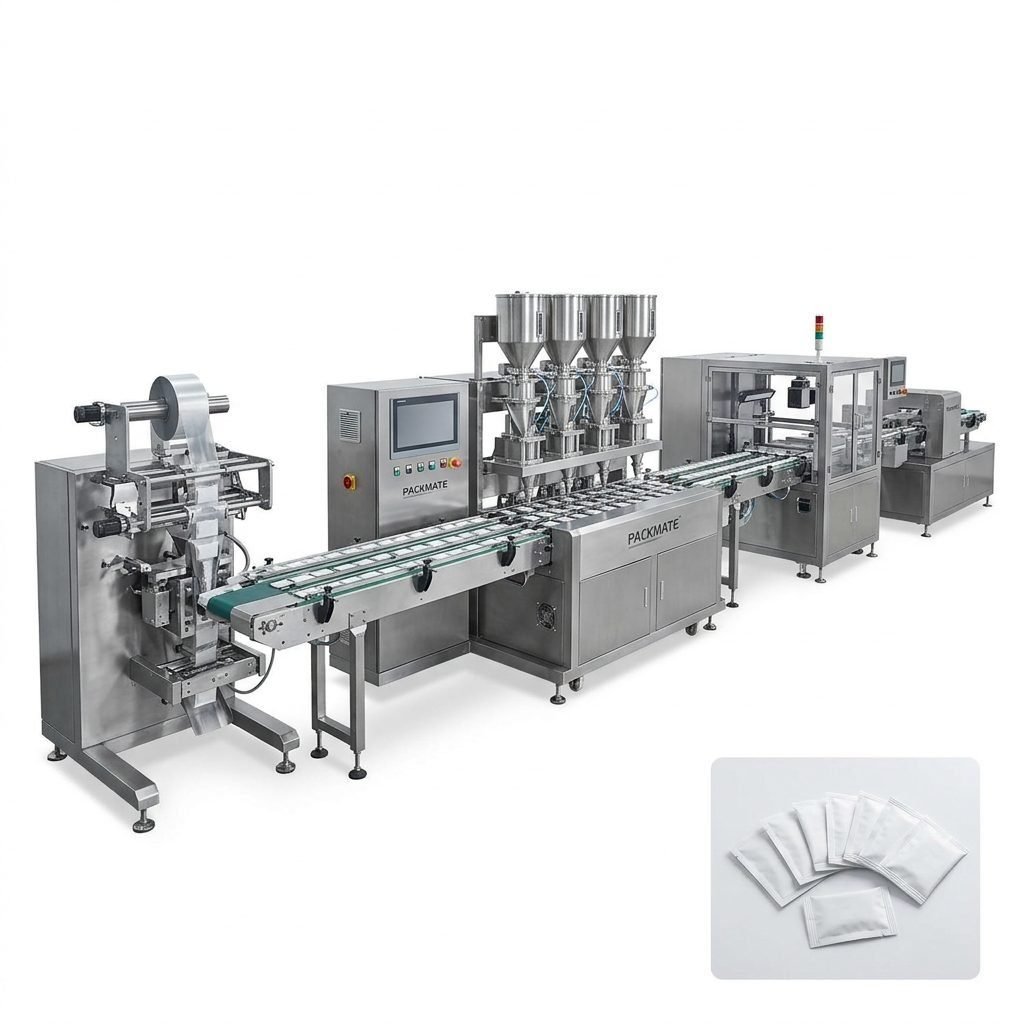
Choosing the right supplier for nicotine packaging machinery in Iran means balancing technical performance, local compliance, and reliable after‑sales support. Whether you plan to launch nicotine pouches, snus, or low‑dose nicotine sticks for the Iranian market, this guide outlines the practical steps and selection criteria to secure a high‑efficiency, long‑term packaging partner.
Understand the Iran Market and Local Requirements
Iran’s regulatory environment and consumer preferences shape packaging decisions. Before selecting a supplier, verify local regulations on nicotine products and permissible labeling languages. Many buyers in Iran require Farsi labeling and discreet, elegant packaging that matches local retail expectations. Consider also import restrictions, customs procedures, and any special health warnings mandated by Iranian authorities.
Tip: Request machine documentation and user manuals in both English and Farsi where possible, and confirm the supplier’s capability to assist with customs paperwork and local regulatory compliance.
Technical Criteria: What to Evaluate
When comparing suppliers, focus on these technical aspects:
🔍 Production capacity: Output per hour, lanes (single vs multi‑lane), and uptime expectations.
📦 Format flexibility: Ability to run nicotine pouches, sachets, stick packs, or multi‑dose formats with minimal changeover.
⚙️ Build quality and parts: Stainless steel contact parts, precision CNC components, and availability of spare parts.
🔧 Automation & integrations: Servo controls, PLC systems, vision inspection, and integration with weighing/filling lines.
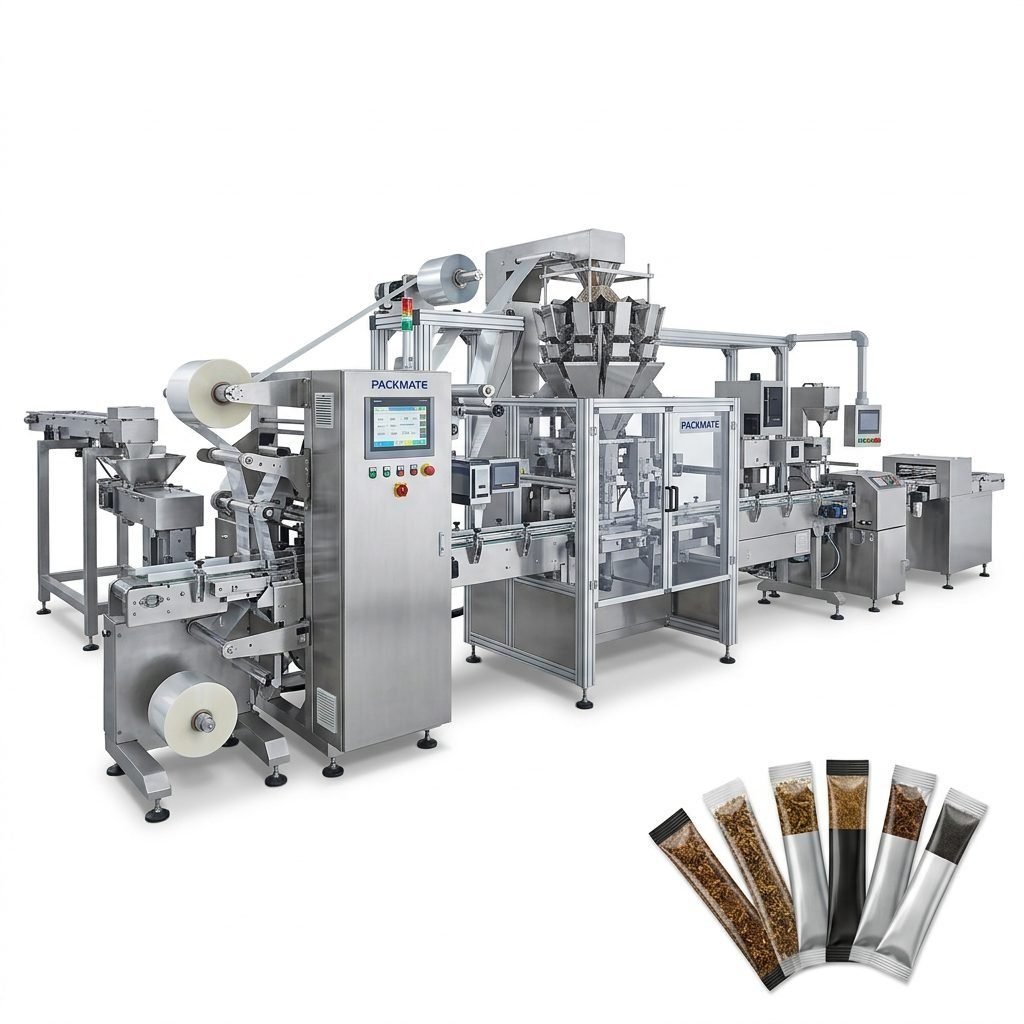
✅ Turnkey capability: Supplier ability to deliver a full line including conveyors, checkweighers, and packaging inspection systems.
Performance and Testing
Ask for factory acceptance test (FAT) videos and run sample packs with your actual nicotine formulation. Reliable suppliers will welcome joint testing and demonstrate repeatable speeds with consistent pouch weight and seal integrity.
Compliance, Certifications, and Safety
Certifications such as CE and ISO show that a supplier follows international standards. For buyers in Iran, documentation that supports import and operation is critical—supply of CE/ISO certificates plus clear technical dossiers simplifies customs clearance and helps with regulatory audits.
Must‑have: CE marking, ISO quality certificate, and comprehensive machine manuals. For reference, see the supplier’s certificate page or ask for copies during negotiation.
Why Prefer an Experienced Manufacturer Like Packmate
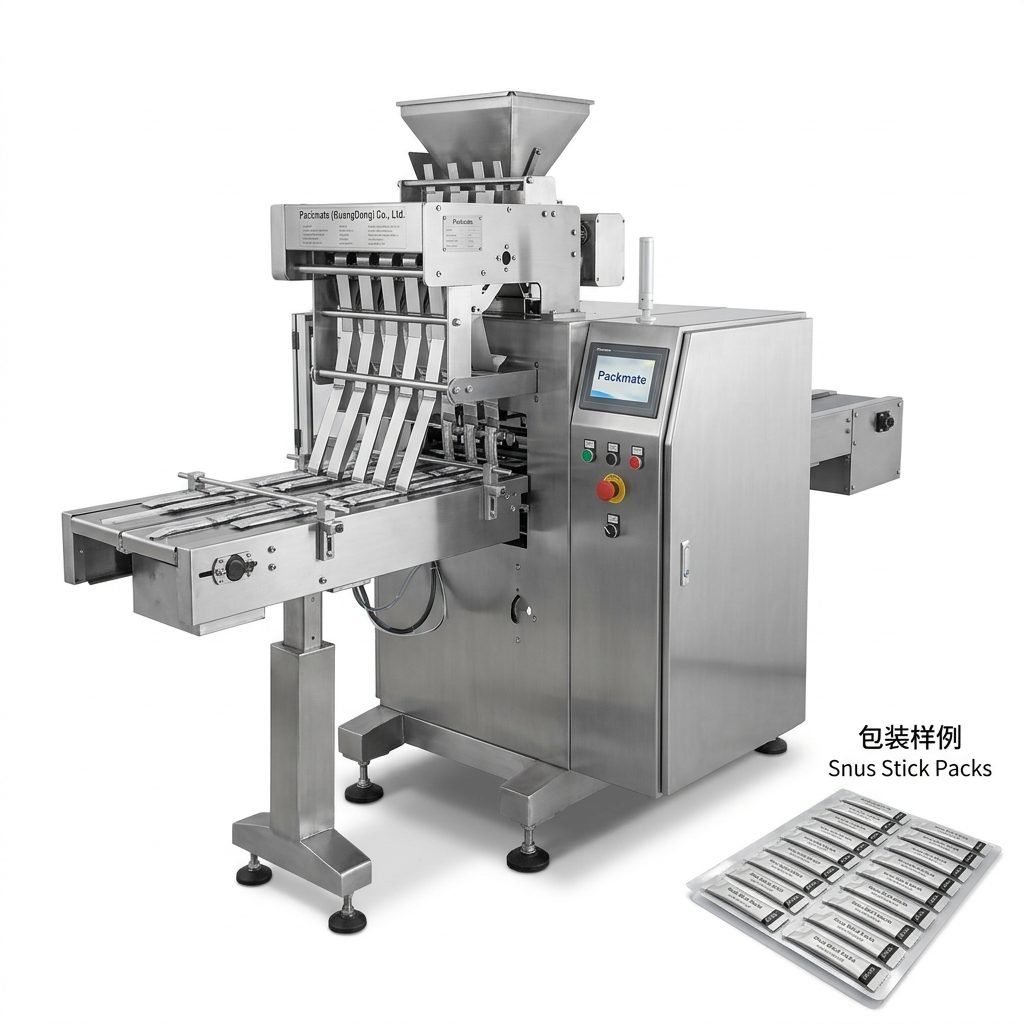
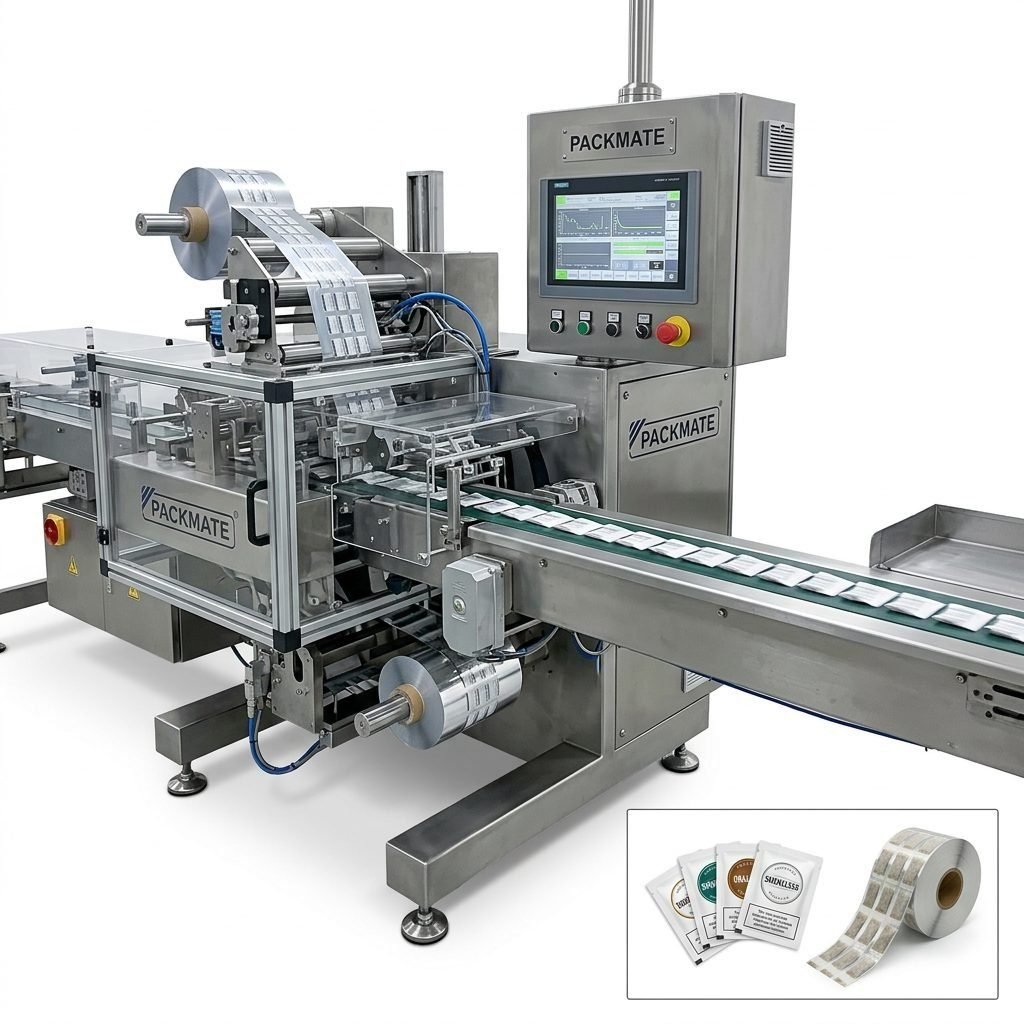
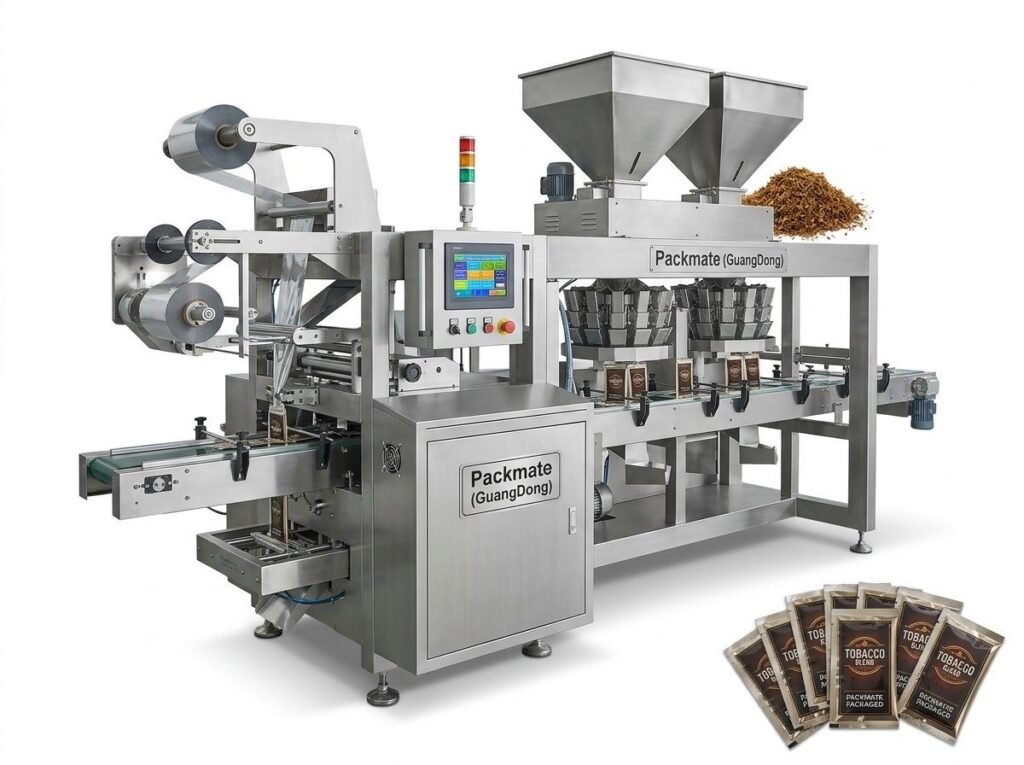
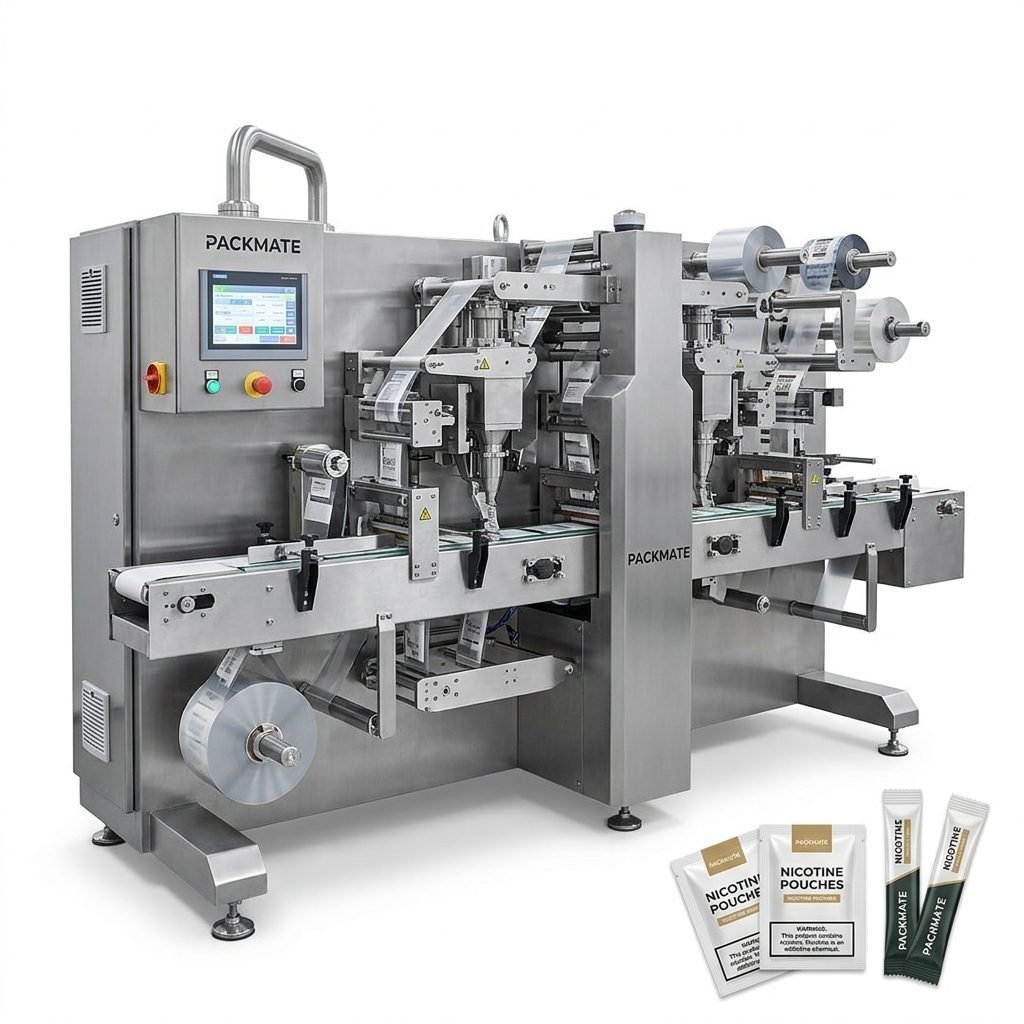
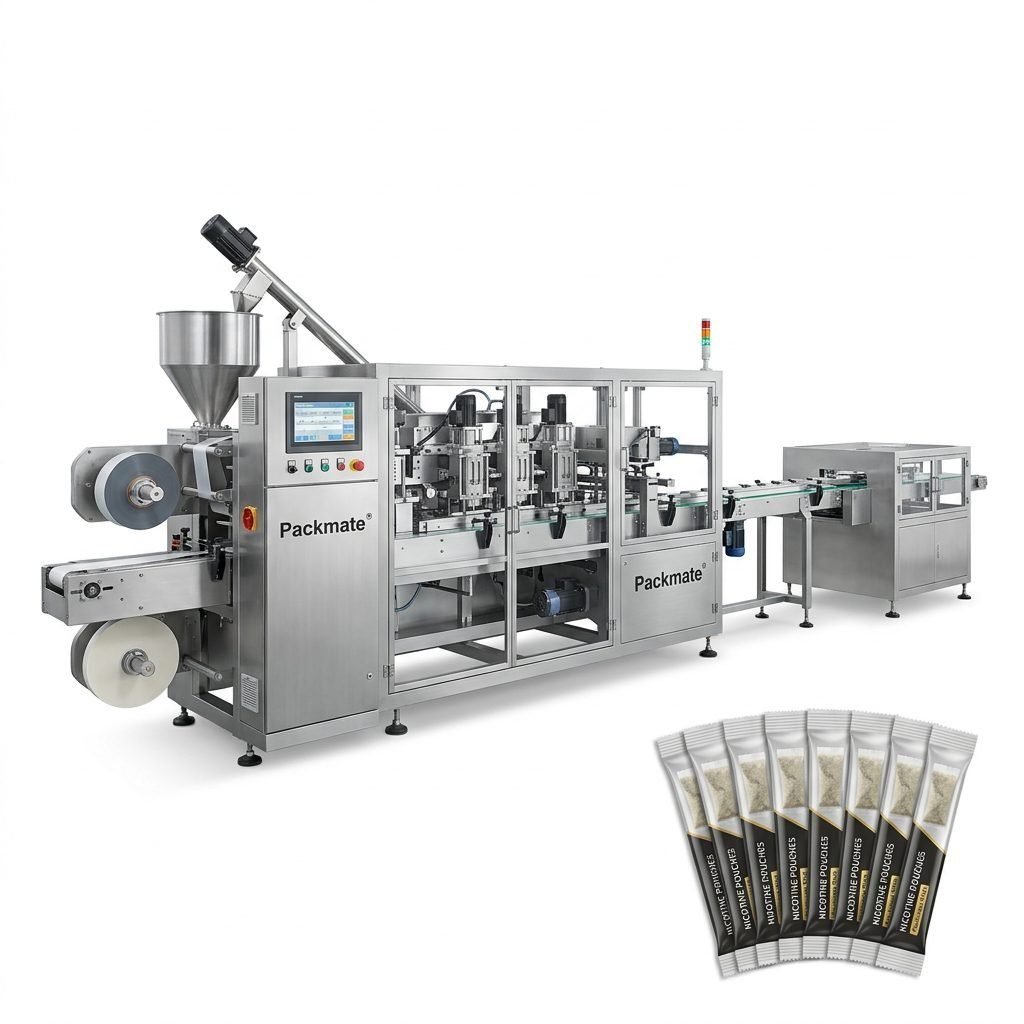
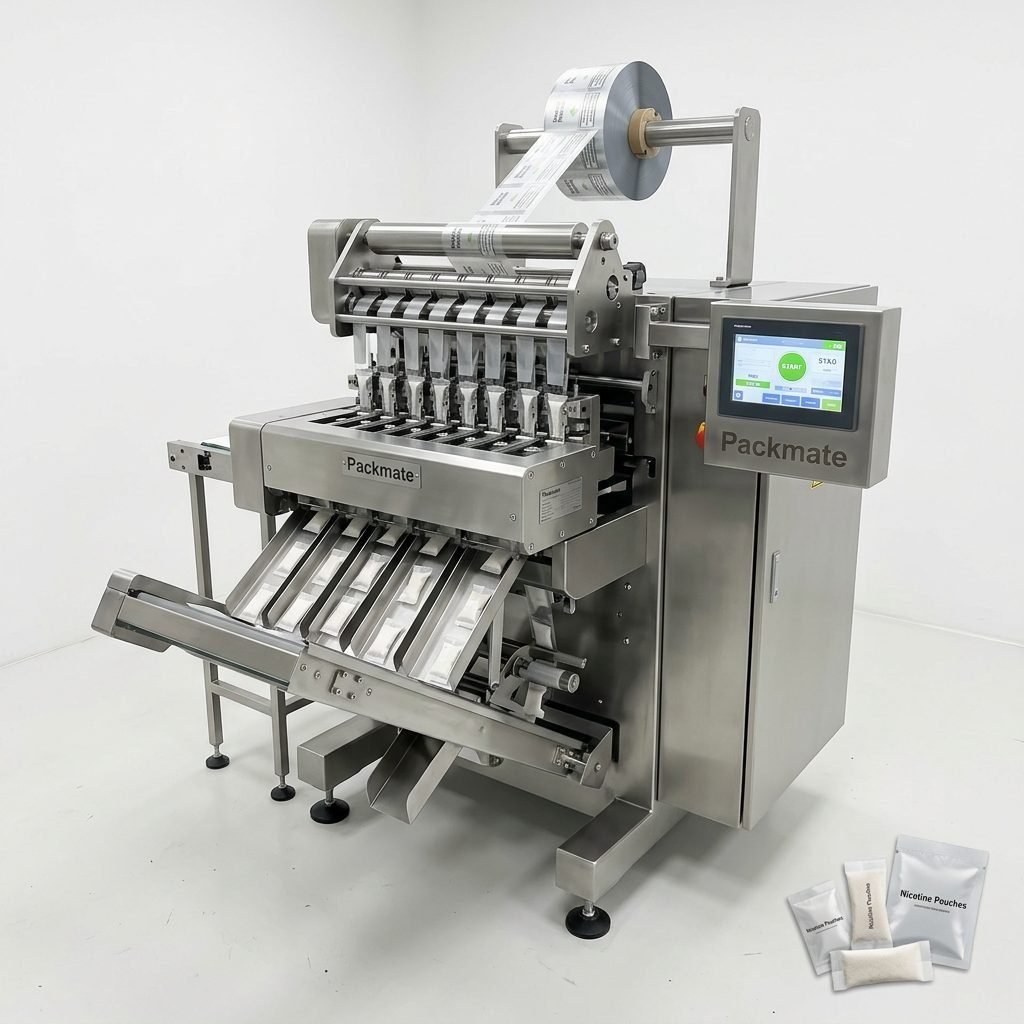
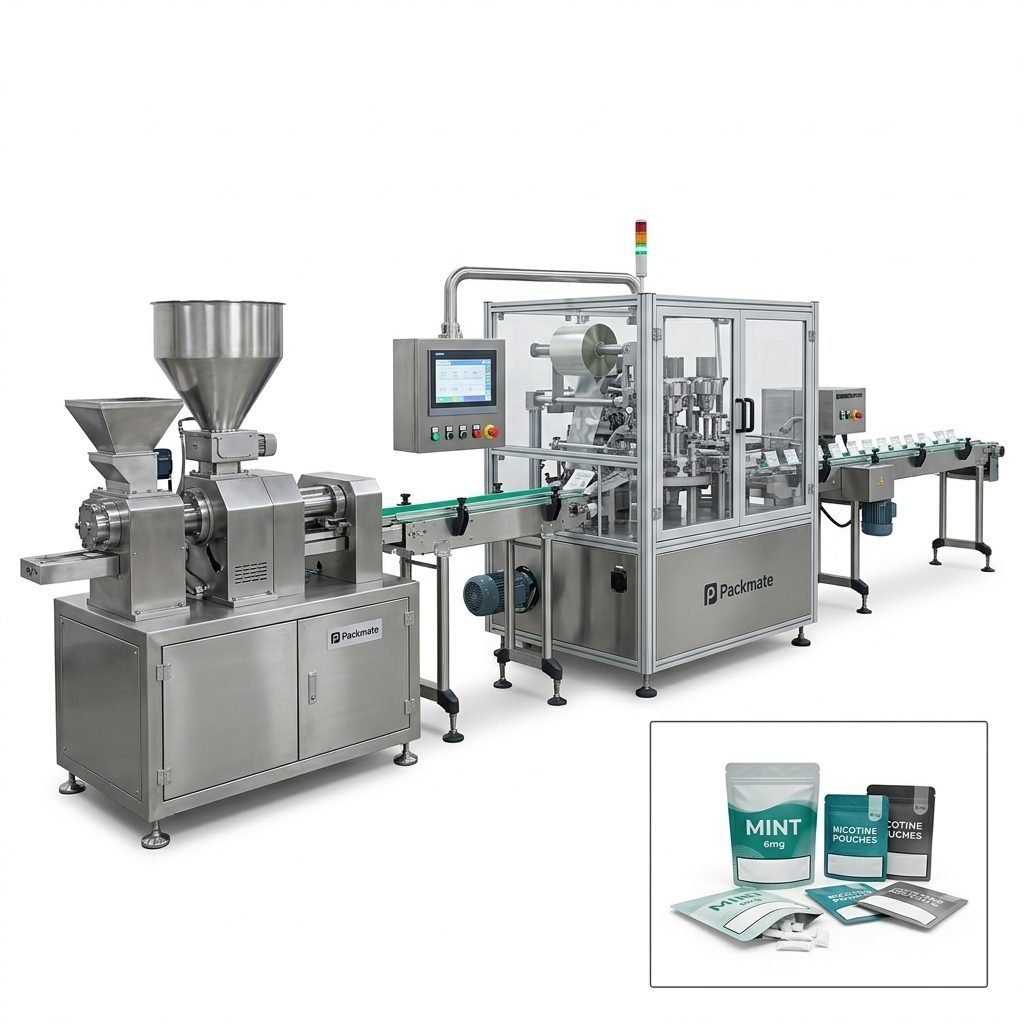
Established engineering teams and a proven manufacturing facility reduce technical risk. Packmate Snus Machine, for example, offers:
- 30+ years of engineering experience and a 20,000㎡ factory
- 50+ machine models covering snus and nicotine pouch formats
- Turnkey solutions including weighing, filling, and packaging
Learn more about product ranges like Snus & Nicotine Packaging Machines or the company profile on About Packmate.
Commercial Terms, Pricing, and Total Cost of Ownership (TCO)
Price is only one part of cost. Compare:
• Initial purchase price and optional extras (e.g., vision systems).
• Shipping, customs duties, and local taxes to Iran.
• Spare parts inventory and lead times—fast delivery of critical parts reduces downtime.
• Training costs and on‑site installation support.
Ask suppliers for a TCO breakdown covering spare parts, expected MTBF (mean time between failures), and energy consumption per 1,000 packs.
After‑Sales Service, Training, and Local Support in Iran
After-sales matters most when machines are already in production. Confirm:
📌 Remote support availability (video diagnostics, PLC remote login).
📌 On‑site installation and commissioning services and expected travel times.
📌 Training programs for Iranian operators and maintenance staff (consider Farsi translation/interpretation for best results).
📌 Spare parts package and recommended stock levels for critical items.
Logistics and Local Customs
Ensure the supplier provides clear documents for customs: packing lists, certificates, and technical declarations. If possible, partner with suppliers that have prior export experience to Iran or regional service partners to smooth import clearance.
Selection Checklist: Quick Buyer’s Guide
✔️ Verify certifications (CE, ISO) and request FAT videos.
✔️ Test with real product samples and check sealing, weight control, and appearance.
✔️ Confirm spare parts lead times and minimum stock to keep on site in Iran.
✔️ Negotiate training & support in Farsi if needed and a clear warranty agreement.
Where to See Machines and Verify Performance
Visit supplier factories or international exhibitions to watch live demonstrations. Packmate regularly attends global trade shows — check their exhibition entries or request a remote demo if travel is not possible.
Useful Links
Explore product lines such as Sachet & Stick Pack Machines and ask for case studies on the supplier’s case page to evaluate real deployments.
Final Recommendations Before You Sign
– Insist on a clear warranty and spare parts commitment.
– Validate the supplier’s ability to train local staff and supply documentation in Farsi.
– Get a final acceptance test with your actual product and packaging material to ensure expected yield and quality.
– For direct inquiries, use the supplier’s contact channels to discuss local logistics and service: Contact Us.
Frequently Asked Questions
Q1: How important are CE/ISO certificates for importing machinery into Iran?
A1: Very important—these certificates streamline customs procedures and show adherence to international safety and quality standards. Always request copies before purchase.
Q2: Can suppliers provide Farsi manuals and on‑site translators?
A2: Many experienced suppliers will provide translated manuals and can arrange training with local interpreters. Confirm this service early in negotiations.
Q3: What spare parts should I stock locally for nicotine packaging lines?
A3: Prioritize seals, belts, servo components, sensors, and critical electronics. Suppliers typically recommend an initial spare parts kit—review their list and add items based on lead time to Iran.
Q4: Is it better to buy single machines or a turnkey line?
A4: Turnkey lines reduce integration risks and usually result in faster commissioning. If you require gradual scaling, ensure the supplier supports modular upgrades.
Q5: How do I verify a supplier’s real production performance?
A5: Request FAT videos, client references, and onsite demonstrations. Inspect case studies on the supplier’s website and ask for contactable references that run similar products.