Choosing the right nicotine (snus) packaging machine in Mali requires balancing technical performance with local realities like electricity stability, import procedures, and cultural sales patterns. This guide walks Mali manufacturers through the practical steps to evaluate, select, and implement a packaging solution that maximizes productivity, meets regulatory expectations, and fits local market behavior. Read on for actionable recommendations, supplier checklist items, and deployment tips tailored to Mali’s business environment.
Understand the Mali Market and Local Considerations
Mali’s consumer base for nicotine pouches and similar products is influenced by urban centers such as Bamako and regional trade hubs. Most retailers are small kiosks and informal outlets; distribution networks rely heavily on wholesalers and regional distributors. Key local considerations include:
✔ Power and humidity: frequent voltage fluctuations and seasonal humidity variations in Mali demand machines with robust electrical protection and corrosion-resistant components.
✔ Workforce skills: many local operators have mechanical aptitude but limited formal training—select machines with intuitive controls and available training packages.
✔ Cultural calendar: major Muslim holidays (Ramadan, Eid al-Fitr, Tabaski/Eid al-Adha) affect production schedules and peak retail demand; plan capacity increases or overtime accordingly.
✔ Regulatory and import factors: ensure machines comply with CE/ISO and prepare for customs clearance—working with a supplier experienced in African exports reduces delays.
Which Machine Types Suit Mali Manufacturers?
Packaging needs vary by product: single-dose nicotine pouches, portioned snus, or stick-format nicotine products. Common machine types include:
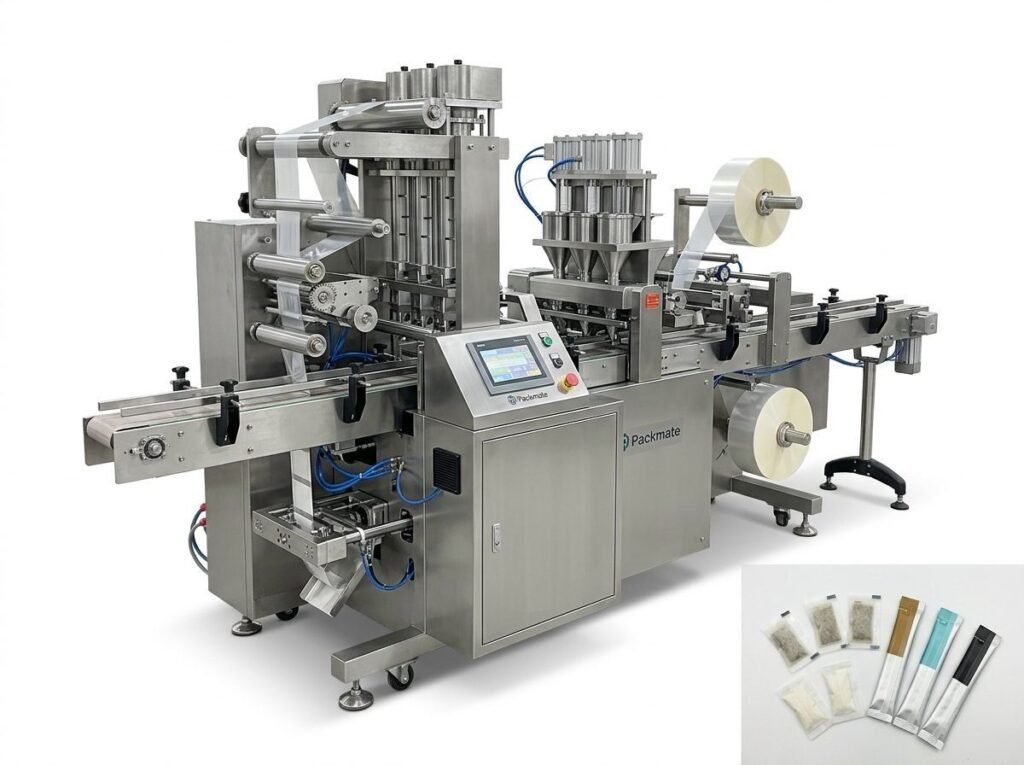
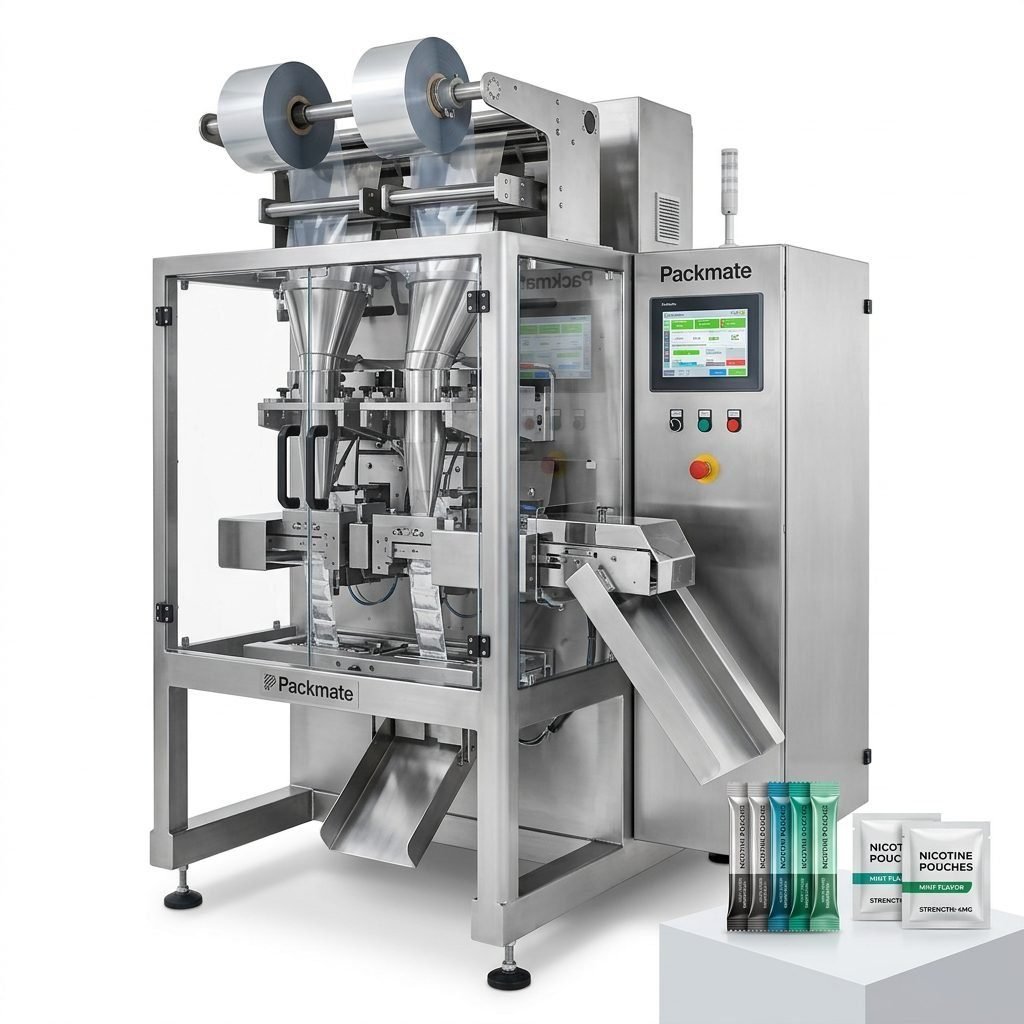
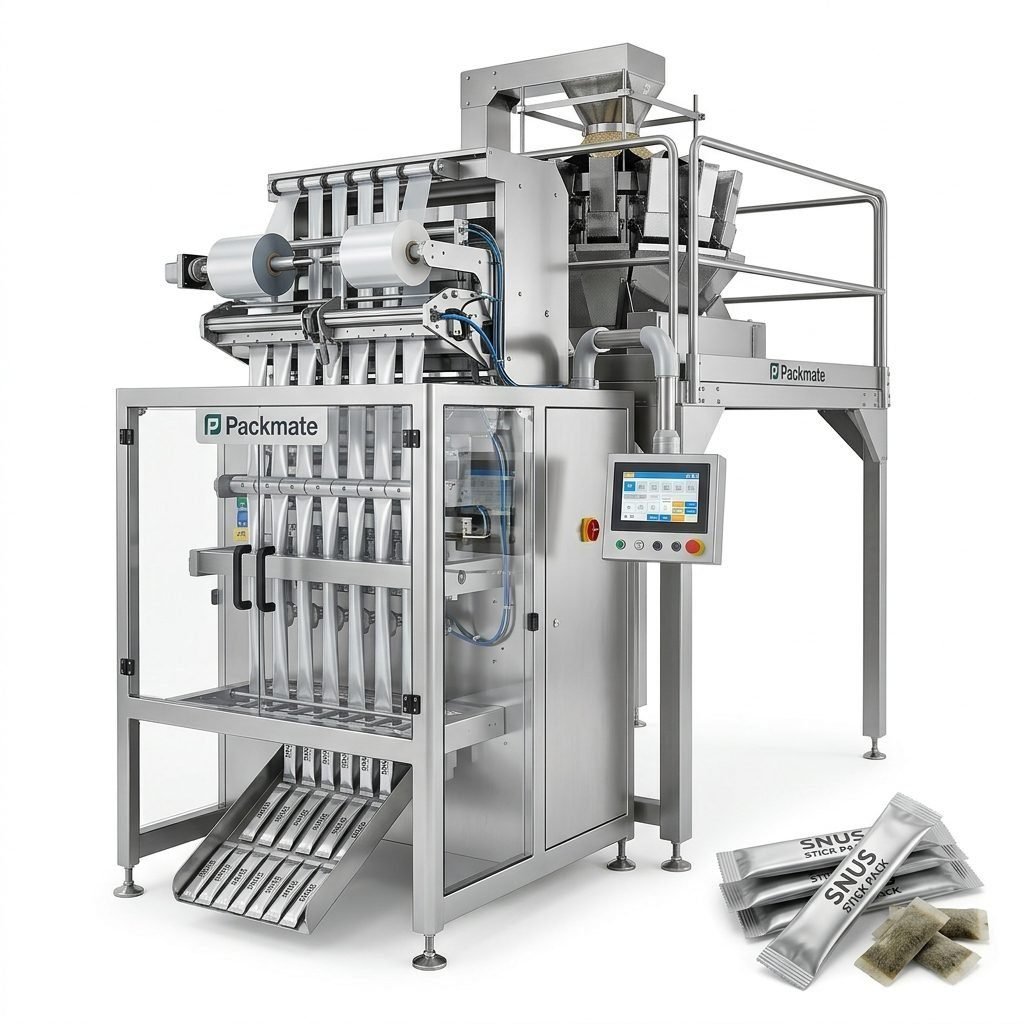
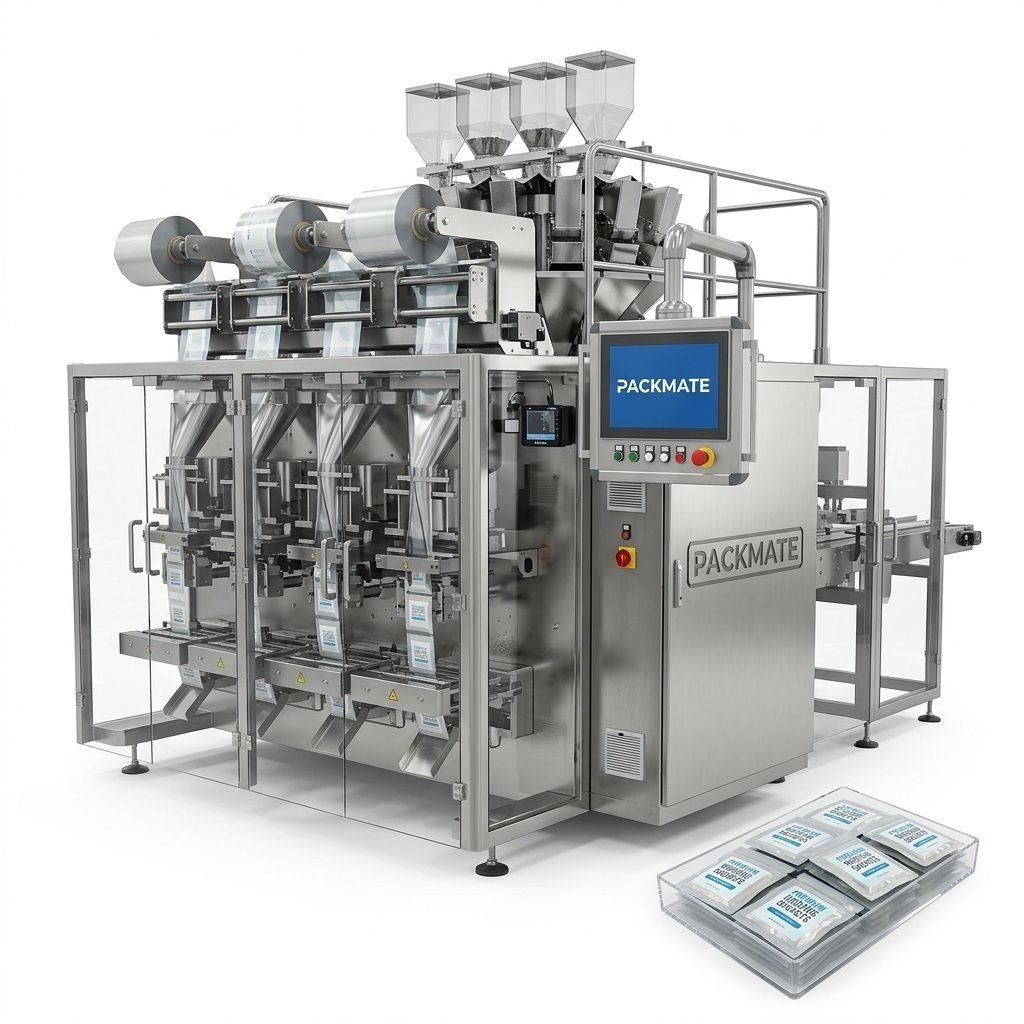
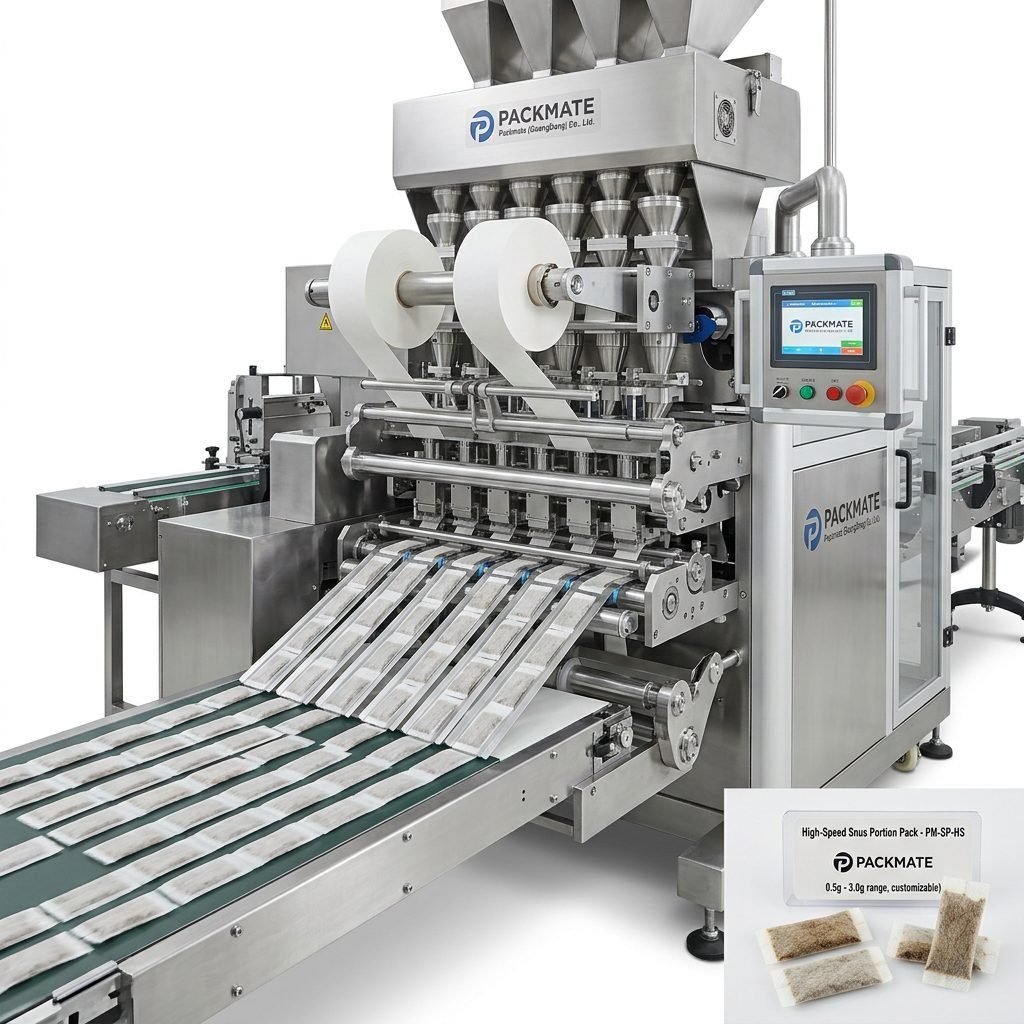
• Snus & Nicotine Pouch Packaging Machines: ideal for portioned pouches with precise dosing and gentle handling; look for multi-lane options if demand is high. (See more: Snus & Nicotine Packaging Machines)
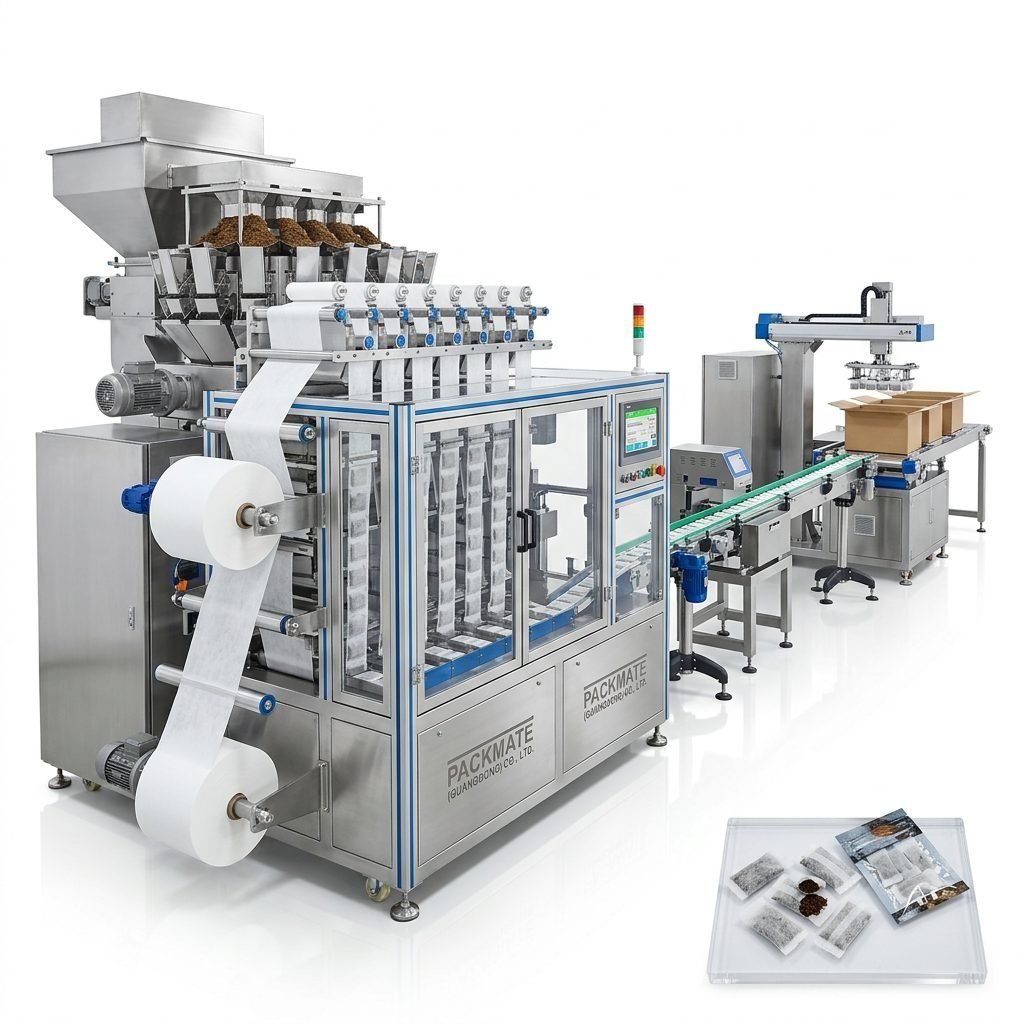
• Sachet & Stick Pack Machines: flexible for single-serve sachets and stick packs; good for trial-size products sold in kiosks. (Product info: Sachet & Stick Pack Machines)
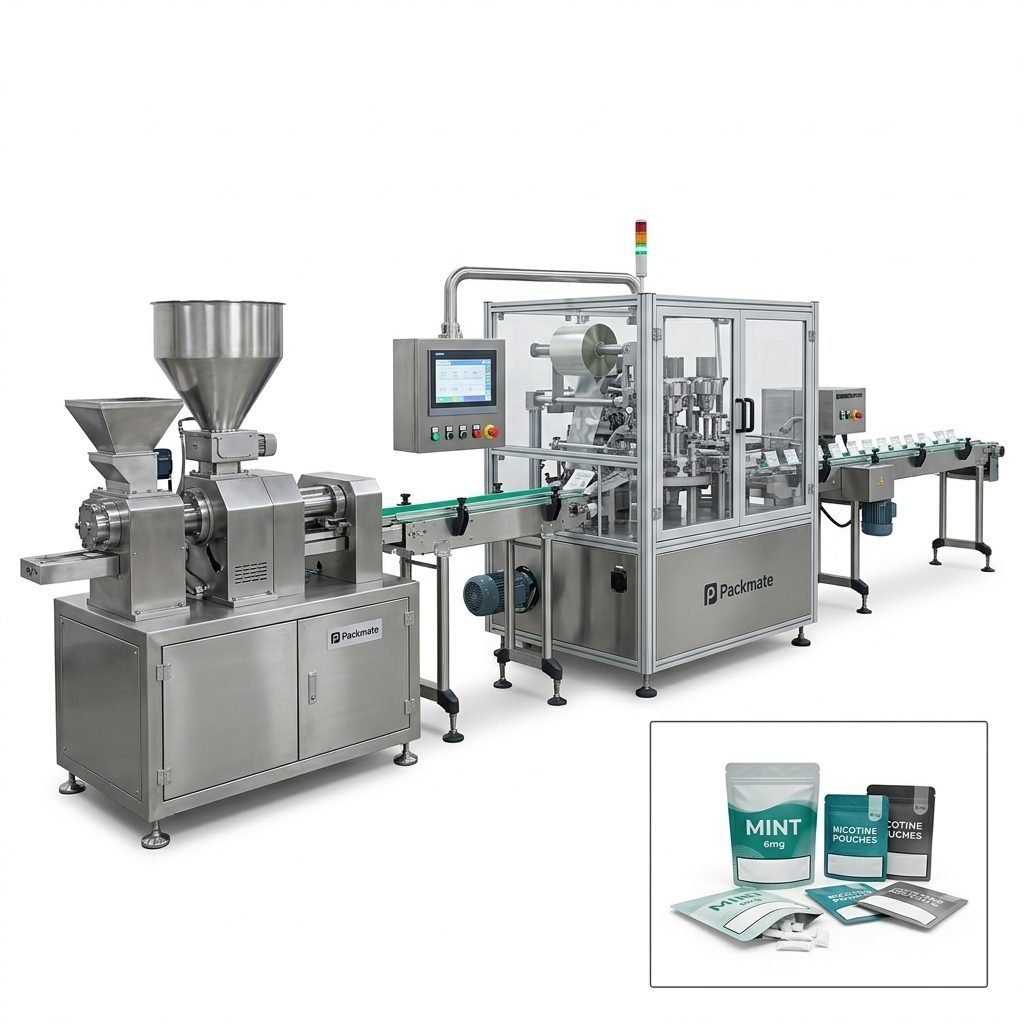
• Filling & Packaging Lines: integrated solutions for liquid or paste-filling and downstream packaging. (See options: Filling & Packaging Lines)
Key Technical Specs to Evaluate
When vetting machines, focus on specifications that influence yield, uptime, and product quality:
Throughput (packs/min): match output to projected demand—choose modular machines that can be upgraded or run multi-lane configurations to scale capacity.
Filling accuracy and weight control: precise dosing reduces material waste and ensures regulatory compliance for nicotine labeling.
Material compatibility: confirm compatibility with local pouch films and barrier laminates to protect product from humidity and heat.
Power specs and protections: choose machines with voltage stabilizers, phase failure protection, and easy-to-service electrical cabinets to handle Mali’s grid.
Ease of maintenance: modular components, quick-change parts, and local spare parts availability minimize downtime.
Key Recommendation: For Mali manufacturers seeking a reliable partner, consider suppliers with proven snus packaging experience, field service, and CE/ISO certifications. Packmate brings over 30 years of engineering experience and a wide range of SNUS & nicotine packaging models tailored for small-dose, multi-lane production—helpful when you must scale quickly while controlling costs. Learn more about the company’s background: About Packmate.
Supplier Capabilities and Proof Points
Evaluate suppliers on these concrete measures:
• Factory scale and machining capability: a 20,000㎡ factory with advanced CNC shows ability to deliver precision parts and maintain consistency.
• Certification & compliance: CE and ISO certifications indicate safety and process controls—important for exports and local regulatory acceptance.
• Case studies & exhibitions: suppliers that display real global installations and participate in exhibitions are typically more transparent and experienced. (View examples: Case • Our Exhibition)
Cost, ROI, and Financing Options
The purchase price is only part of the total cost of ownership. Include these items in your ROI model:
• Operating costs: energy consumption, spare parts, maintenance labor, and packaging material costs.
• Downtime risk: factor in local grid instability—consider backup power and quick-response service contracts.
• Financing and payment terms: many international suppliers offer flexible payment plans, EXW/FOB terms, or leasing—negotiate to keep working capital free.
Installation, Training and After-Sales Support in Mali
Plan for at least 2–4 weeks of installation and validation for a mid-size packaging line. Key support elements include:
• On-site commissioning: supplier should provide experienced engineers for setup and performance testing.
• Operator training: offer multilingual manuals and practical training—French-language support is essential in Mali.
• Spare parts and remote troubleshooting: ensure spare parts lists are accessible and that the supplier offers remote diagnostic tools to minimize downtime.
Practical Buying Checklist: Ask Your Potential Vendor
Use this checklist during vendor evaluation—each item should be answered with evidence or documentation:
✔ Production capacity & speed: provide validated throughput figures under real product conditions.
✔ Material compatibility: test sample pouches and films with the machine before purchase.
✔ Electrical and climate protections: list protections for voltage, dust, humidity, and provide recommended UPS/backup specs.
✔ Local references & installation history: ask for clients in Africa or similar markets and request contactable references.
✔ After-sales SLA: guaranteed response time for parts and engineers; include remote support options.
Packaging Materials, Labeling and Compliance
Proper material selection preserves nicotine quality and prevents moisture ingress. Consider barrier films with high seal strength and humidity resistance. Ensure labeling meets local regulations for nicotine products, including language requirements (French and local languages where applicable) and health warnings. Machines with integrated printing or label applicators can streamline compliance.
Logistics, Customs and Import Tips for Mali
When importing machinery to Mali:
• Prepare accurate HS codes and documentation: work with freight forwarders experienced in African customs to avoid delays.
• Consider port selection: Dakar (Senegal) or Abidjan (Côte d’Ivoire) are often used for West African shipments to Mali; plan inland transport logistics accordingly.
Why Packmate Is a Strong Option for Mali Manufacturers
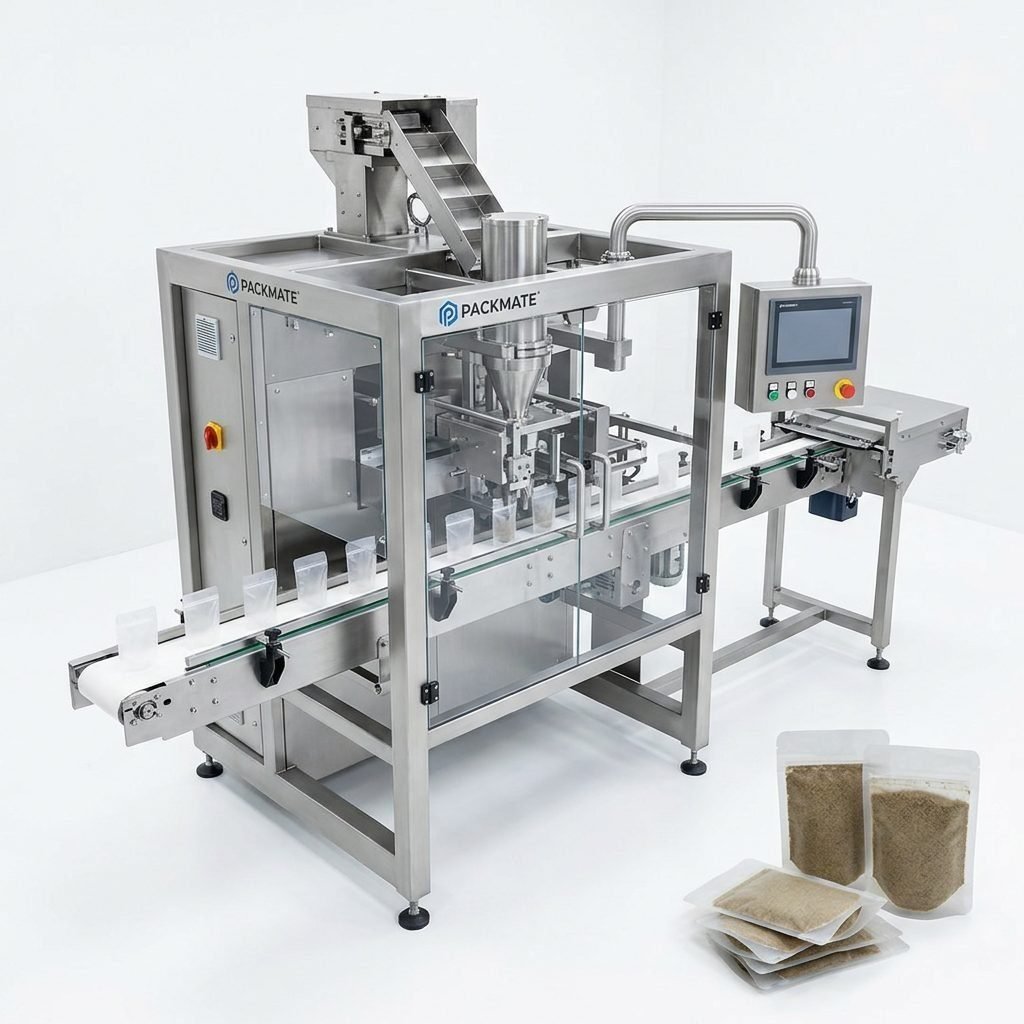
Packmate (Packmate Snus Machine) brings proven expertise in snus and nicotine packaging. With 30+ years of engineering experience, a 20,000㎡ manufacturing facility, and more than 50 machine models, Packmate offers scalable solutions from single machines to turnkey lines. Their machines comply with CE and ISO standards and come with global exhibition references and case studies. For more product choices, review the full range: Snus & Nicotine Packaging Machines and Bag & Pouch Packaging Machines.
Implementation Roadmap — From Inquiry to Production
A typical implementation timeline:
Week 0–2: Specification finalization, material samples, contract and payment terms.
Week 3–8: Manufacturing and factory acceptance testing; request video demos and performance reports.
Week 9–12: Shipping, customs clearance, and on-site installation.
Week 12–16: Commissioning, operator training (French language), and first-production validation.
Before you buy — quick sanity check: Request a pilot test with your real materials, insist on French-language manuals and remote support, and confirm spare parts lead times to ensure steady production in Mali.
Final Recommendations
In Mali, prioritize robustness, local-language support, and supplier experience in similar climates. Multi-lane snus machines and modular stick/sachet systems give flexibility for market tests and later scaling. Negotiate clear after-sales SLAs and ensure machine electrical protections for local grid variability.
Useful Resources
Explore product lines and additional technical documentation here: Catalog • Service • Contact Us
Frequently Asked Questions (FAQs)
1. What machine type is best for small-batch nicotine pouches in Mali?
For small-batch runs, a flexible single- or dual-lane snus pouch machine or sachet/stick pack machine is recommended. These systems minimize material changeover time and lower initial capital while allowing you to expand to multi-lane configurations when demand grows.
2. How do I handle unstable electricity during machine operation?
Select machines with built-in electrical protections and work with your supplier to specify a UPS or generator sized for the line. Regularly scheduled maintenance and soft-start features also reduce motor stress and prolong equipment life.
3. Are spare parts and technical support available for Mali-based customers?
Reputable suppliers provide spare parts lists, recommended spares, and remote troubleshooting. Confirm lead times for critical parts and look for partners who offer training and French-language documentation to simplify local maintenance.
4. How quickly can I scale production if demand rises during peak seasons?
Plan for modular expansion: choose machines that can add lanes or integrate additional units. Partner suppliers may offer quick-swap tooling and pre-configured multi-lane options to boost capacity within weeks rather than months.
5. Where can I see examples of installed lines and client references?
Ask suppliers for case studies and exhibition records—Packmate publishes installation cases and exhibits globally. Review real-world examples to verify machine performance under conditions similar to Mali’s market.