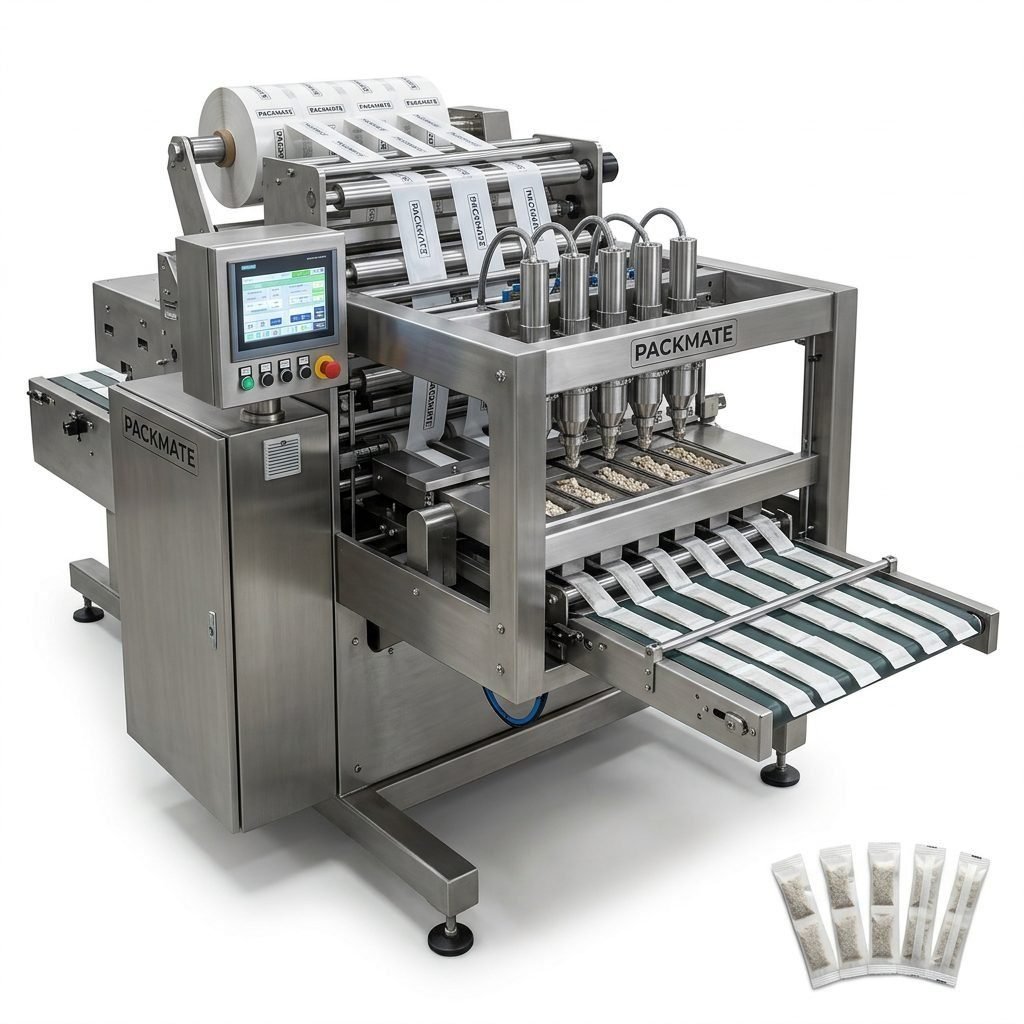
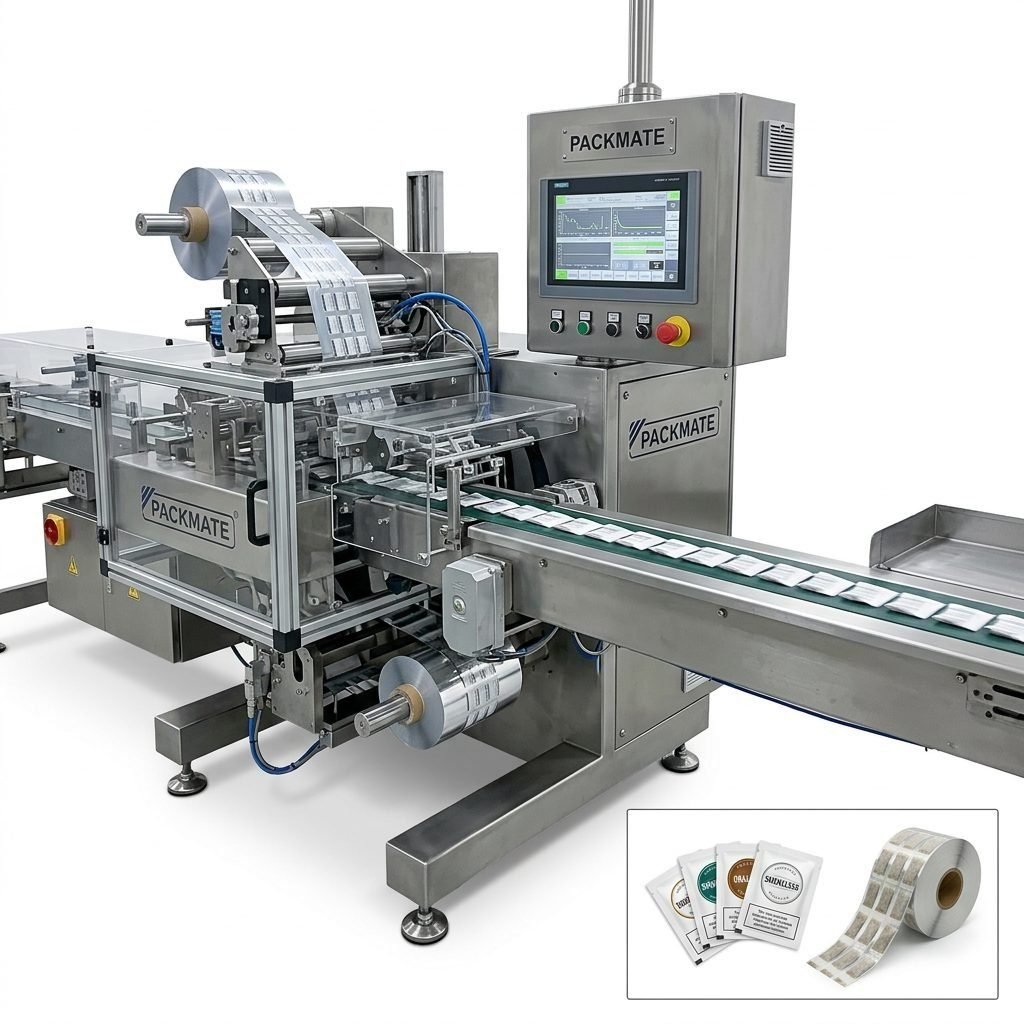
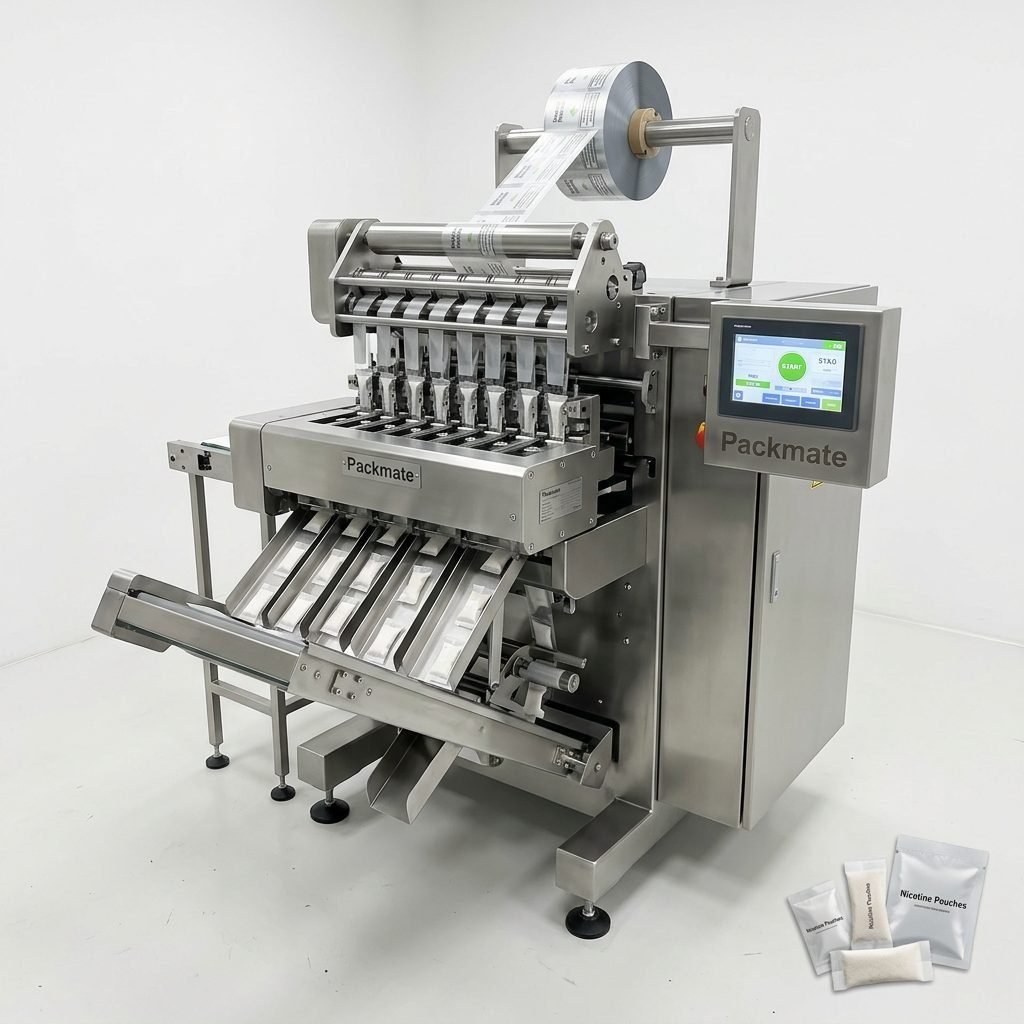
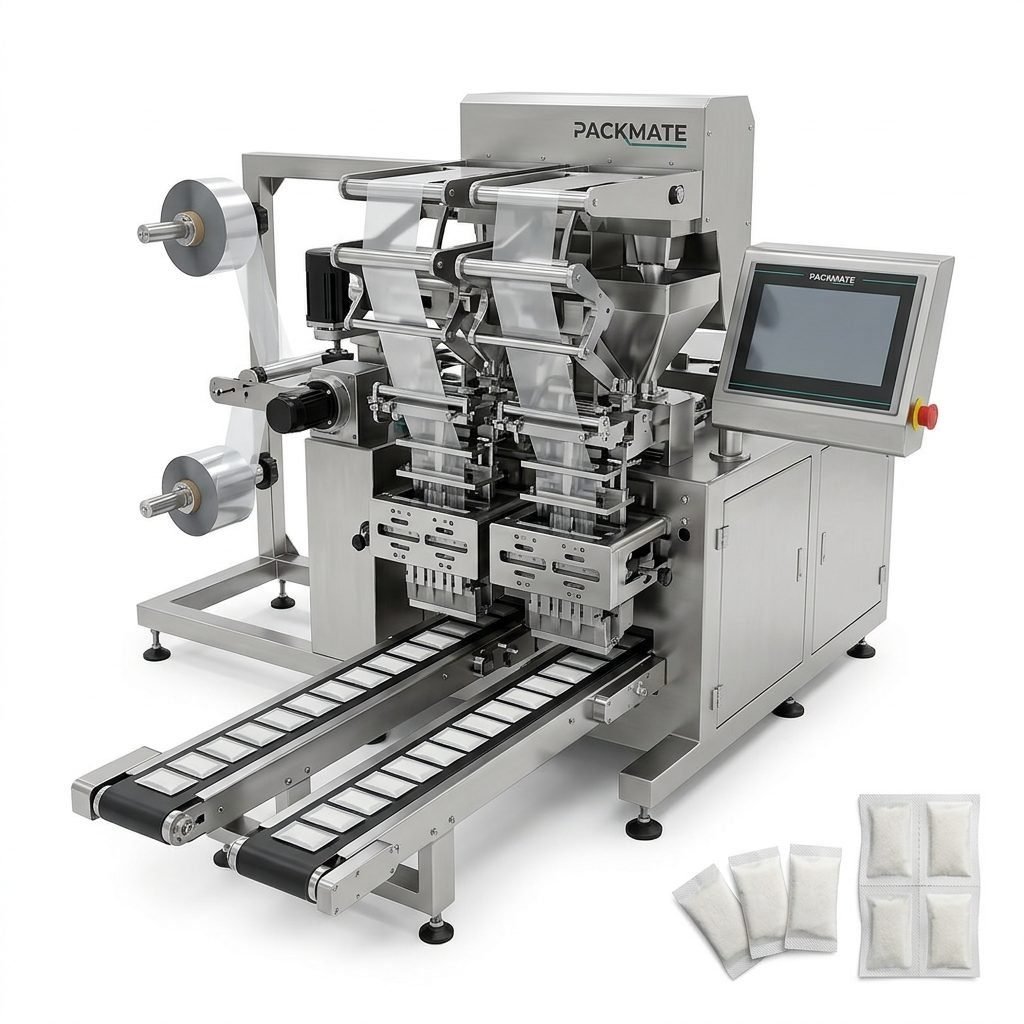
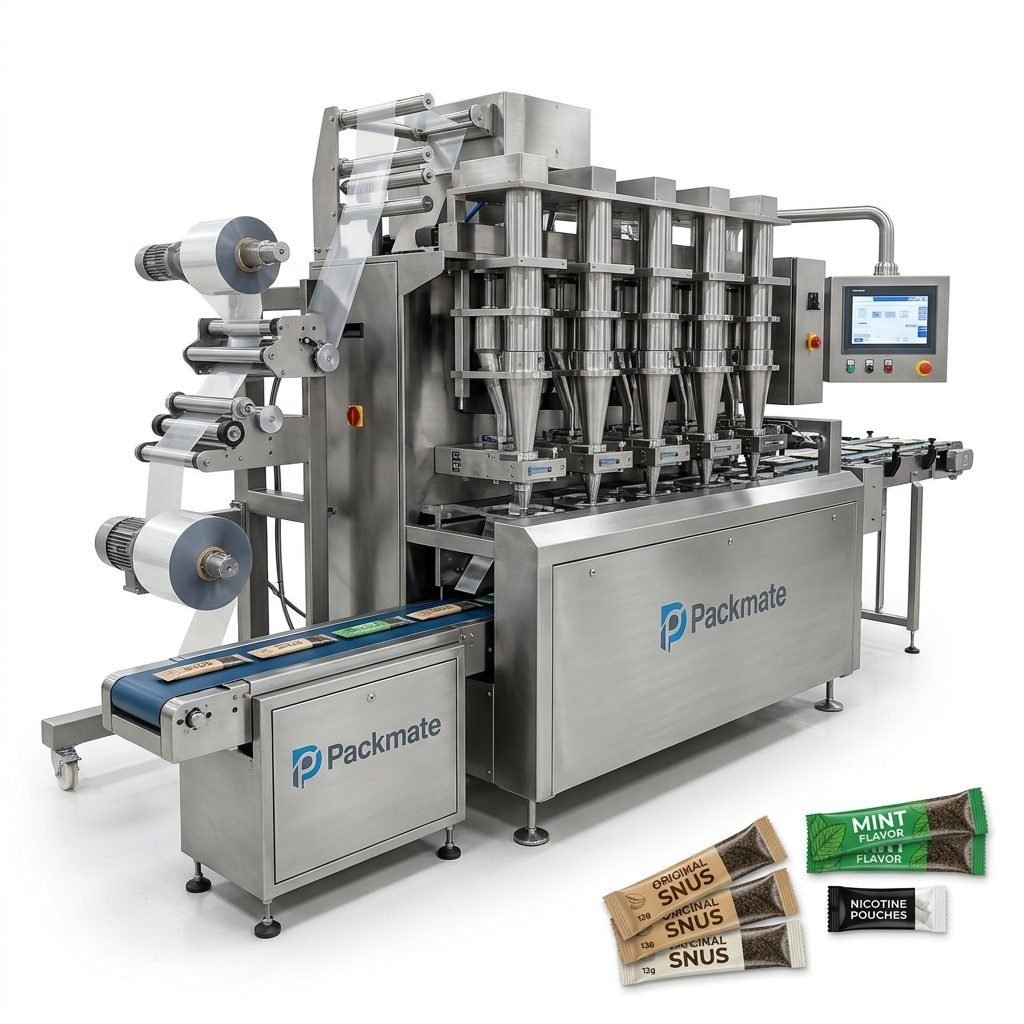
Choosing the right nicotine packaging machinery manufacturer for your business in Palestine is a strategic decision that affects product quality, production costs, regulatory compliance, and speed to market. This guide walks you through the essential technical, commercial, and logistical criteria—so you can evaluate suppliers confidently and select a partner that supports growth, reliability, and long-term service.
Understand Your Product and Production Needs
Start with a clear specification of the products you plan to package. Nicotine pouches and snus products vary in dose size, pouch materials, fill form (powder, granule), and secondary packaging (stick packs, sachets, cartons). A supplier that understands these differences will help avoid costly redesigns later.
- Production capacity: target output (units/minute) and daily volume.
- Product formats: single-lane or multi-lane pouches, sachets, stick packs.
- Accuracy & tolerance: weight accuracy for low-dose nicotine products.
- Packaging materials: heat-seal films, biodegradable options, barrier films.
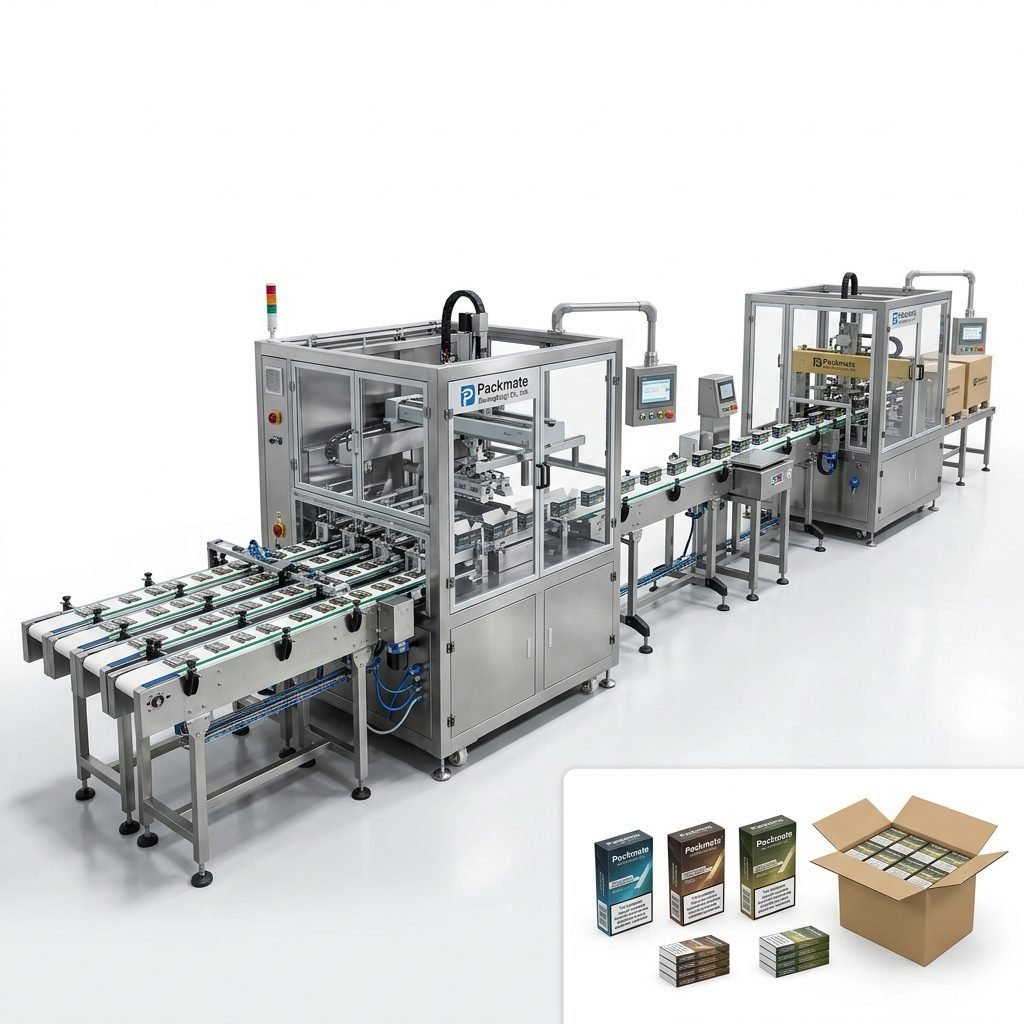
- Secondary processes: cartoning, case packing, labeling.
Key Technical Features to Evaluate
A robust machine specification separates a reliable manufacturer from a risky one. Focus on engineering details that directly impact uptime, product integrity, and maintenance costs.
Accuracy & Filling Technology
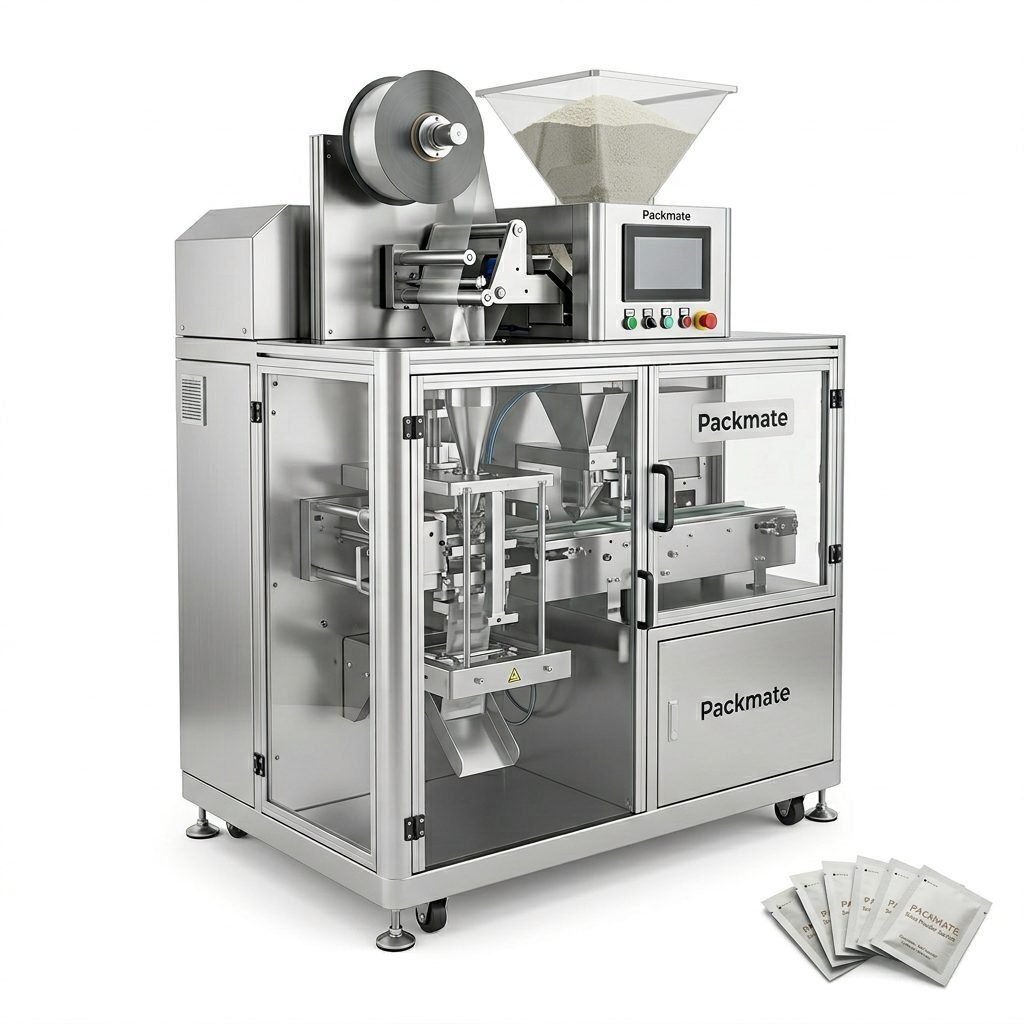
Look for precision dosing systems designed for small-dose nicotine pouches—this minimizes product giveaway and ensures regulatory compliance. Gravimetric or advanced auger systems are common for powders; volumetric/servo systems may be needed for special formulations.
Speed, Multi-lane Capability & Modularity
High throughput often requires multi-lane systems. Evaluate whether the manufacturer offers scalable options (single-lane → multi-lane) and if changeover between formats is quick and tool-free. A modular design reduces downtime and future upgrade costs.
Material Contact & Hygiene
For nicotine packaging, use machines with food-grade contact surfaces (stainless steel 304/316 where needed), easy-to-clean zones, and design features that reduce contamination risk. Consider CIP-friendly designs if you will handle varied formulations.
Control Systems & Automation
Modern PLC and HMI controls with recipe management, remote diagnostics, and data logging are critical. Confirm compatibility with your factory’s automation standards and whether the manufacturer offers software updates or remote troubleshooting support.
✅ Quick technical checklist — must-haves before requesting quotes:
- Declared throughput and tested rates for your product type.
- Filling accuracy and repeatability reports.
- Spare-parts list and recommended spares inventory.
- Maintenance intervals and mean time between failures (MTBF).
- Electrical and air consumption specifications.
Factory & Manufacturing Strength — Why It Matters
A manufacturer’s production capability directly impacts machine quality and delivery times. Check for real-world manufacturing credentials such as facility size, CNC capabilities, and production lines. For example, a factory with a 20,000㎡ facility, advanced CNC machining centers, and precision assembly lines demonstrates the capacity to produce consistent, high-quality equipment at scale.
If you want to learn more about a reputable manufacturer’s background and facility, review their company profile and history — this helps verify claims about engineering experience and global supply capacity. See About the manufacturer here: About Packmate.
Certifications, Compliance & After-sales Support
Compliance with CE, ISO, and other international standards is essential for exports to regulated markets. Confirm certificate authenticity and applicability to your market. After-sales support terms (warranty, spare parts lead times, technical training, local service partners) are equally important—poor support is the single biggest cause of machine downtime.
Manufacturers that actively display certificates and provide structured service packages reduce risk. You can check certificate resources and service offerings directly: Certificate • Service • Contact.
Customization, Turnkey Solutions & Auxiliary Equipment
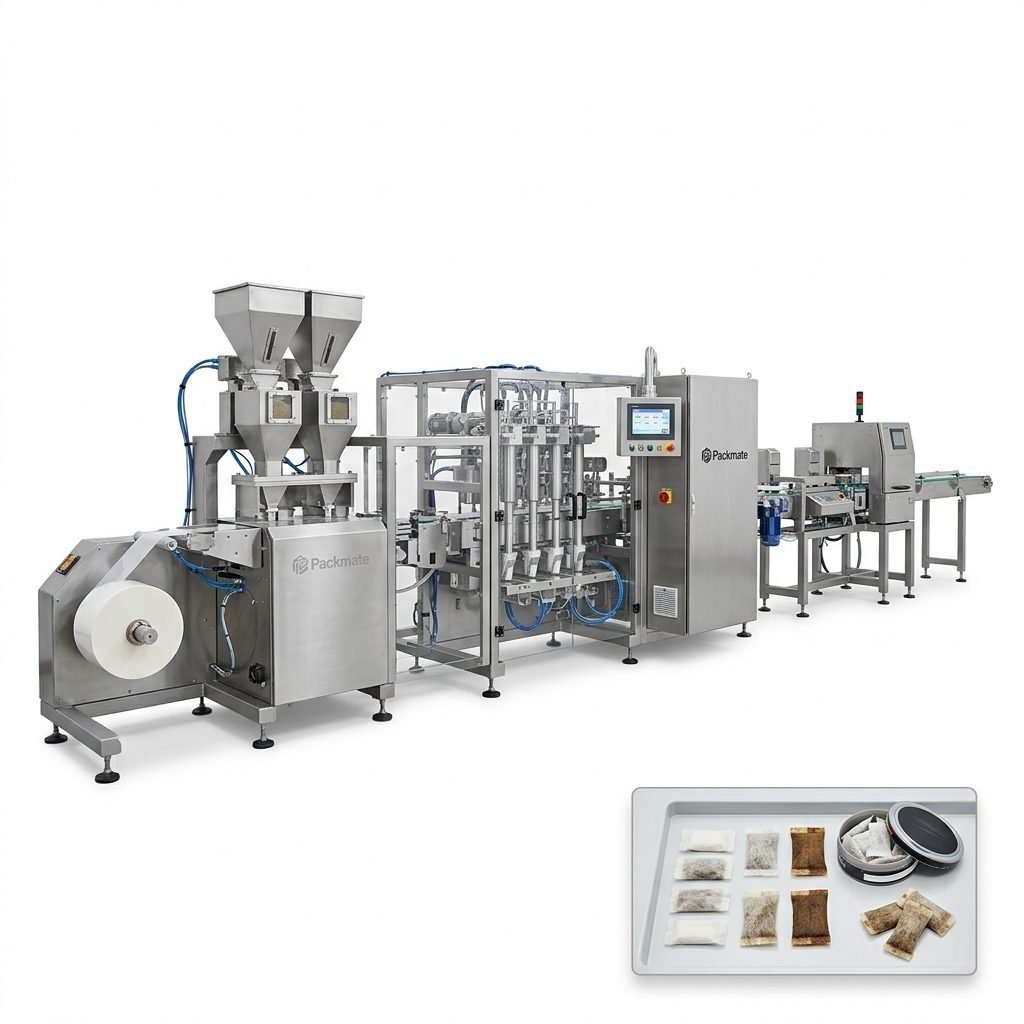
A full turnkey supplier can provide integration from dosing to final packing—reducing the complexity of sourcing separate vendors. Look for manufacturers offering a broad product line: snus/nicotine packaging machines, bag & pouch systems, filling lines, and auxiliary equipment. This minimizes compatibility issues and streamlines installation.
- Primary equipment: Snus & Nicotine Packaging Machines.
- Secondary packaging & pouches: Bag & Pouch Packaging Machines.
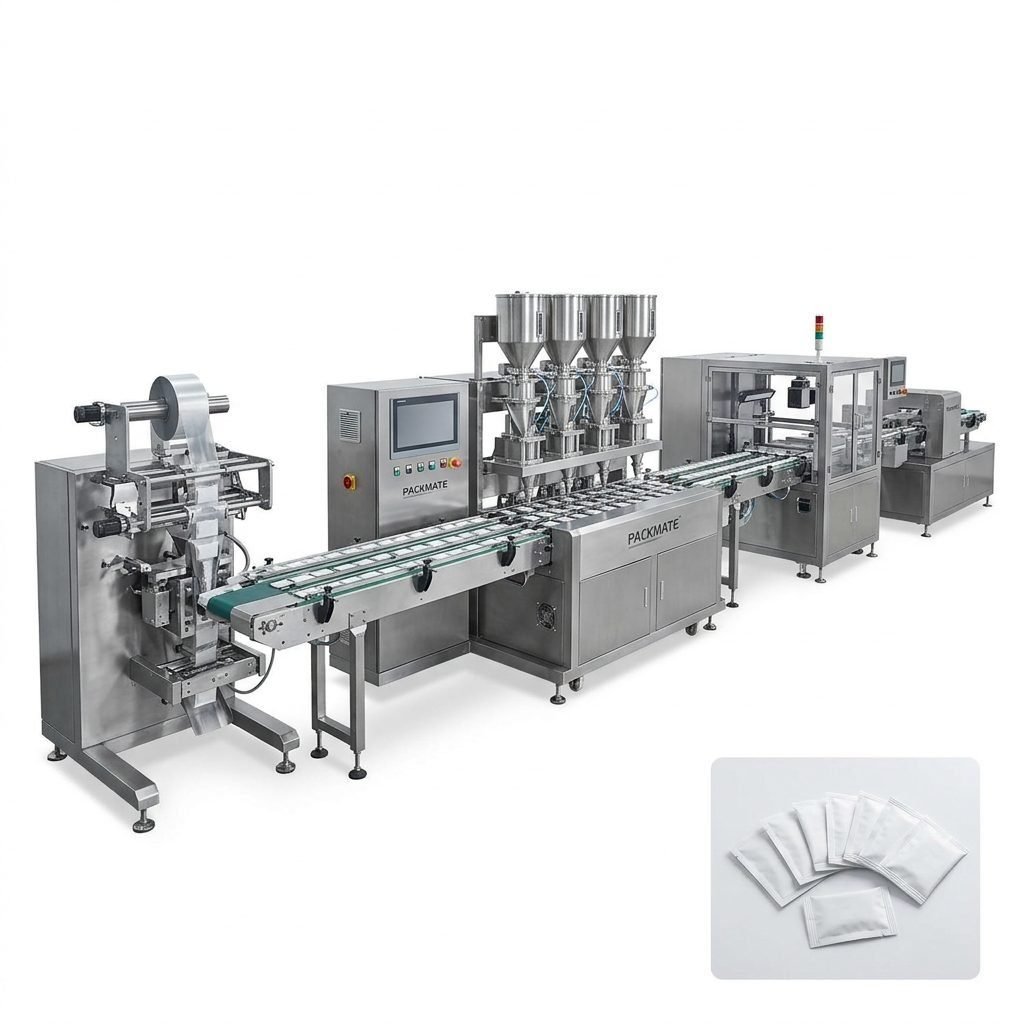
- Complete filling and automation lines: Filling & Packaging Lines.
- Auxiliary devices: fillers, conveyors, metal detectors, checkweighers for final QA.
🔧 Integration tip: request a proposed line layout and control architecture during the quote stage. A vendor that provides layout drawings and PLC/HMI configuration early saves retrofit costs later.
Commercial Terms, Warranties & Lead Times
Compare quotes not just on price but on what’s included: training, FAT (factory acceptance testing), spare parts package, warranty length, and shipping. Typical commercial questions to clarify:
- What is the quoted lead time from deposit to shipment?
- Are FAT and video demonstrations included?
- Which spares are shipped with the machine and what is the recommended spare parts inventory?
- What is the warranty period and coverage for wear parts vs. electronics?
- Who handles international freight, customs clearance, and local installation?
Evaluating Manufacturers for the Palestine Market
When sourcing from overseas for use in Palestine, additional considerations become critical: local support availability, spare parts logistics, warranty servicing, and regulatory documentation for customs. Confirm whether the manufacturer has experience exporting to your region and can provide references or case studies.
Ask for customer references in nearby countries or regions and inspect case studies for similar installations. Real-world examples of complete lines and successful exports indicate a higher likelihood of smooth delivery and installation. See real projects and references here: Case.
Local Representation & Spare Parts Strategy
If the manufacturer does not have a local office, confirm how spare parts are shipped (air vs sea), typical lead times for critical components, and whether local technicians can be trained or dispatched quickly. A stocked spare-parts kit shipped with the machine reduces the risk of long downtime.
Sample Testing, FAT & Commissioning
Require factory acceptance testing (FAT) with your actual product or a validated simulant. FAT reduces surprises during site commissioning and is often a contractual milestone before final payment. Confirm who pays for sample shipping and whether the supplier provides test reports and video evidence.
📦 Procurement checklist — documents to request during evaluation:
- Detailed machine specification and electrical drawings.
- Performance curves and test reports for your product.
- Spare parts list, with part numbers and recommended inventory.
- Warranty terms, service-level agreement (SLA) and training scope.
How to Run a Comparative Supplier Evaluation
Prepare a weighted decision matrix covering technical fit, total cost of ownership, lead time, service & support, and references. Visit the factory if possible, or request a virtual walk-through and witness a live machine running a similar product. Strong suppliers will welcome scrutiny and provide detailed evidence.
Scoring Example (suggested weights)
Technical fit: 30% • Service & support: 25% • Lead time & delivery: 15% • Price & TCO: 20% • References & certificates: 10%. Use this to compare shortlists objectively.
Final Steps Before Awarding the Contract
Before signing, ensure clear contractual terms on delivery milestones, inspection criteria (FAT), acceptance criteria, warranty start date, and penalties for missed delivery. Confirm installation and commissioning responsibilities, training scope, and spare parts availability.
🌍 Tip: Ask the supplier about exhibition schedules or live demonstrations so you can see machines under operation — many vendors showcase equipment at trade fairs and can arrange demos. See upcoming appearances: Our Exhibition.
Choosing the best nicotine packaging machinery manufacturer for your business in Palestine requires a balanced focus on technical fit, manufacturing capability, compliance, and dependable after-sales service. Prioritize suppliers who provide detailed engineering data, transparent commercial terms, on-time FAT, and clear spare parts strategies—these reduce risk and protect your production schedules.
Frequently Asked Questions (Common concerns)
Q1: What documents should I request to confirm a supplier’s manufacturing capability?
Request facility photos, factory certifications (CE, ISO), CNC/assembly capability descriptions, production capacity data, and sample machine acceptance reports. A thorough supplier will also provide reference contacts and case studies.
Q2: How many spare parts should I stock for critical components?
Stock critical wear parts for 3–6 months of operation for high-use lines; this usually includes belts, sensors, sealing elements, and electrical modules. Confirm the supplier’s recommended spares list and shipping lead times.
Q3: Is FAT necessary and what does it cover?
Yes—FAT verifies machine performance against agreed specifications using real or simulated product. It typically covers throughput tests, weight/accuracy checks, sealing integrity, control functionality, and safety checks prior to shipment.
Q4: Can a manufacturer help with full line integration including cartoning and case packing?
Many turnkey suppliers offer complete integration: primary packaging, secondary packing, conveyors, checkweighers, and metal detection. Evaluate offered integration experience and request line layouts and control architecture documentation.
Q5: Where can I find more detailed product information and models?
For detailed product portfolios and model specifications, review the manufacturer’s product pages such as Snus & Nicotine Packaging Machines and Bag & Pouch Packaging Machines, or contact the supplier directly via their contact page: Contact Us.