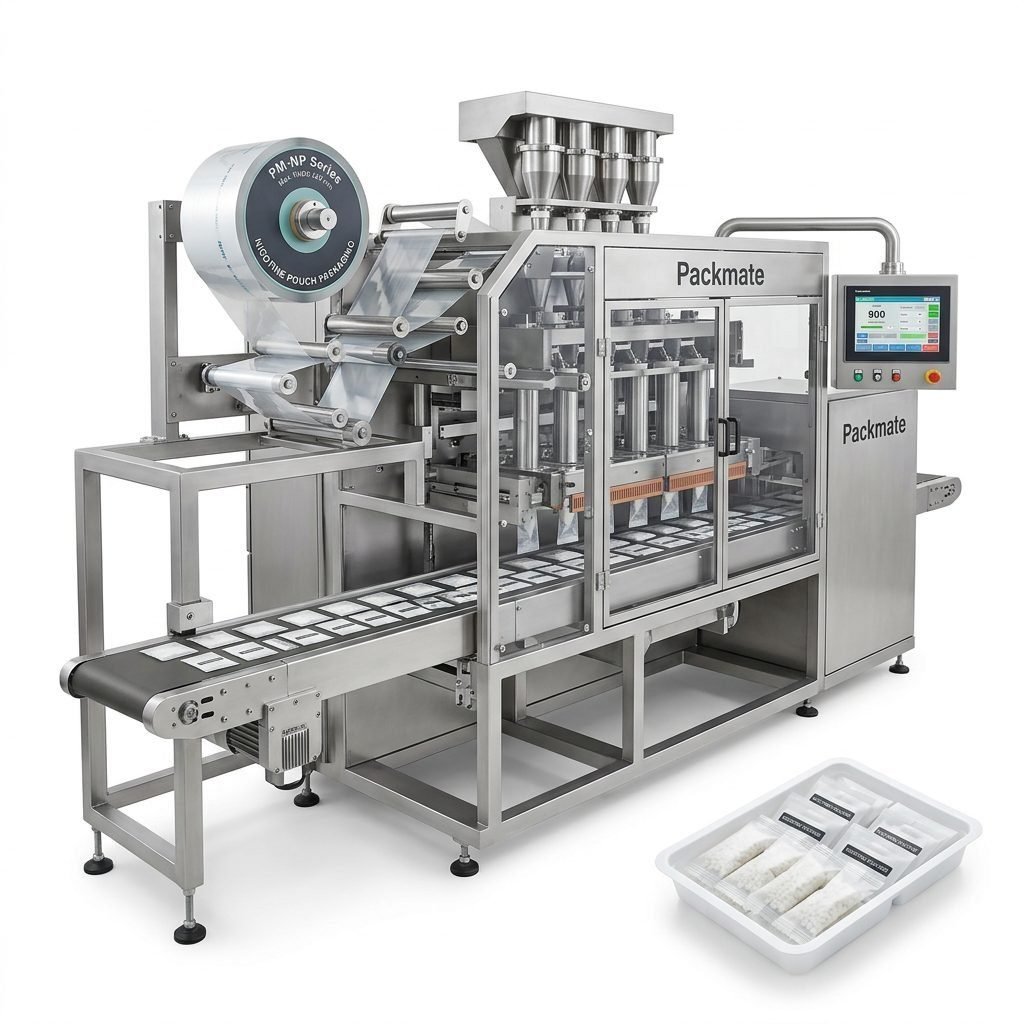
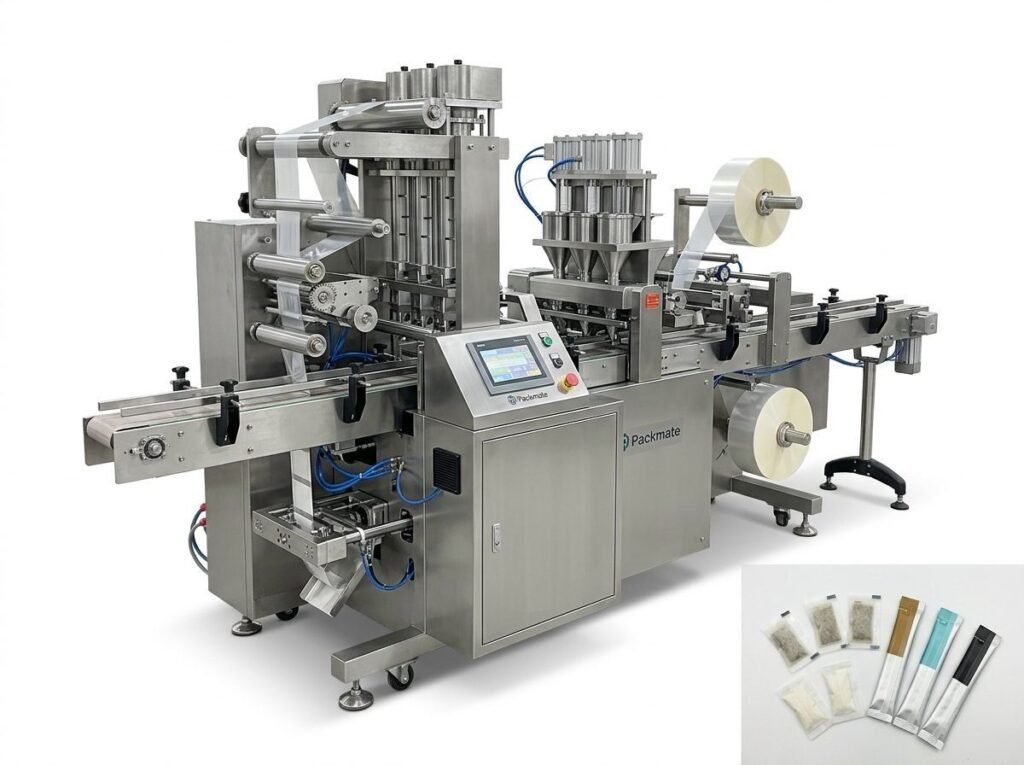
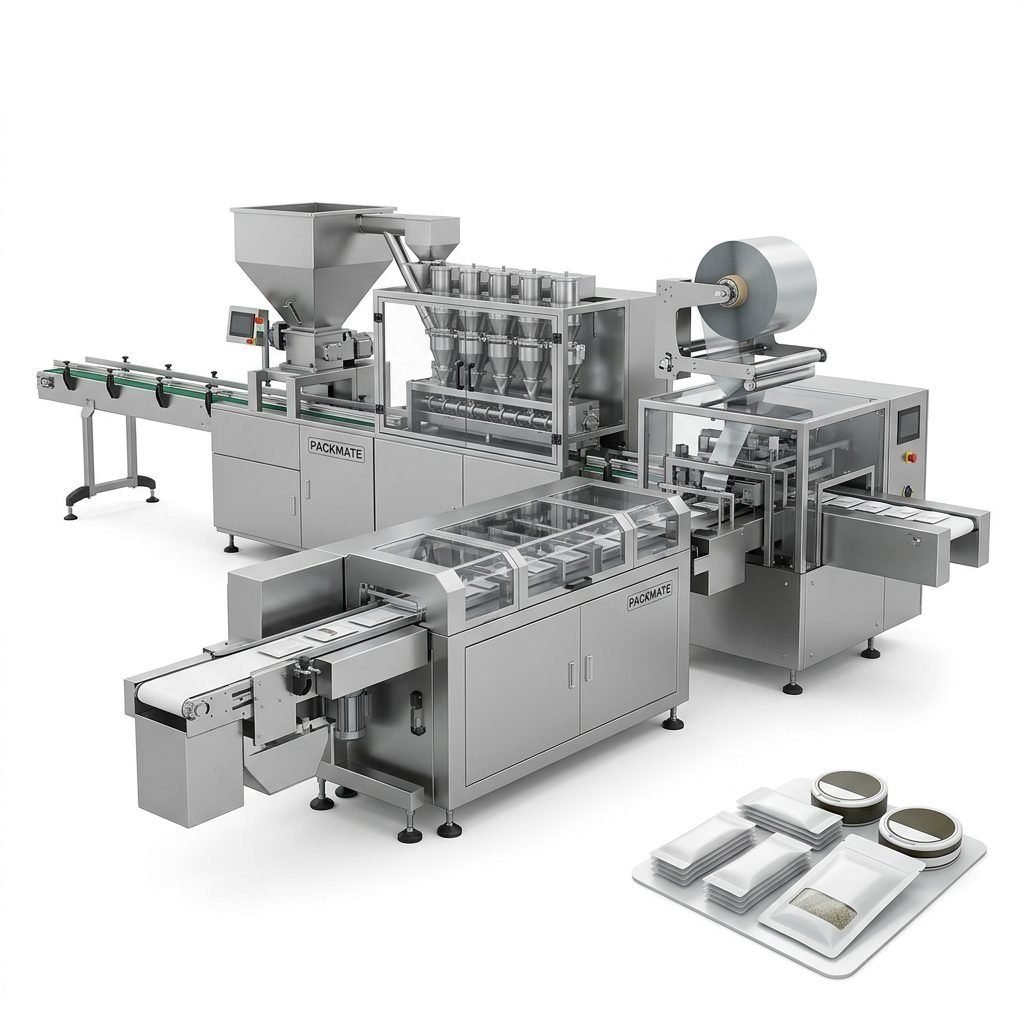
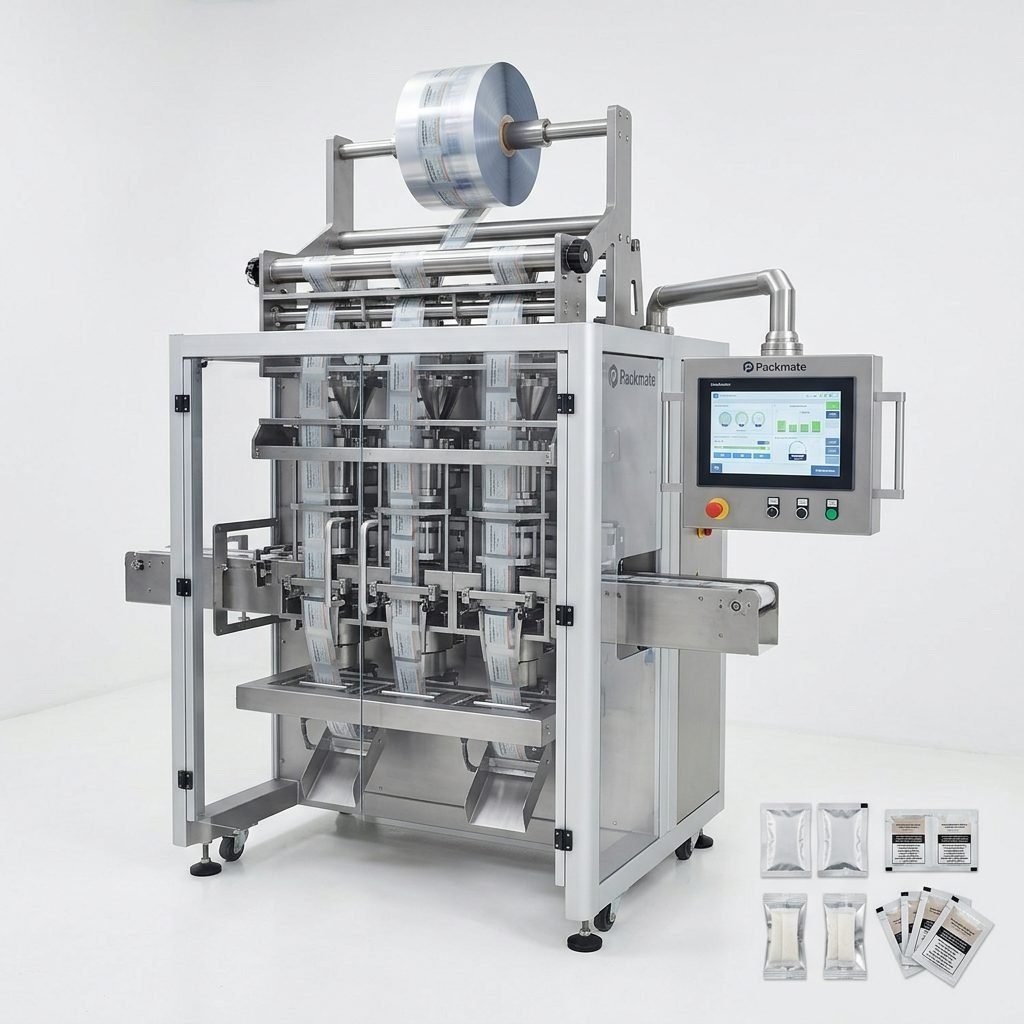
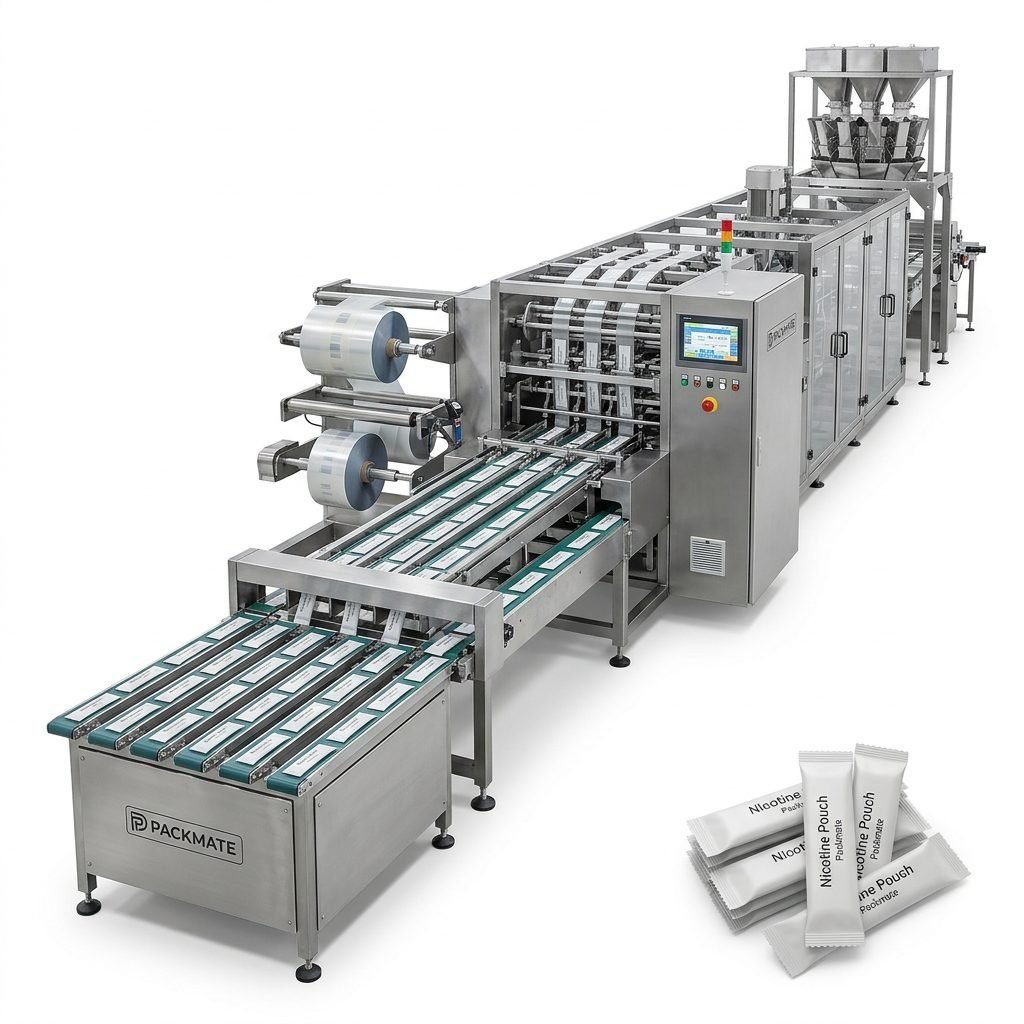
Choosing the right nicotine packaging machinery manufacturer in Hungary can make or break your production plans. Whether you are launching a new nicotine pouch brand, expanding production capacity, or optimizing costs, the partner you select should combine technical excellence, local market knowledge, and dependable after-sales support. This guide walks you through the practical steps and local considerations to identify the best fit for your business in Hungary — from machine specifications and certifications to Hungarian business customs and exhibition opportunities.
Why the Manufacturer Choice Matters
Choosing a packaging machinery manufacturer is not only about price. A reliable supplier affects your product quality, regulatory compliance, uptime, and long-term costs. For nicotine pouches, consistency in fill weights, pouch sealing, and contamination control are critical. You need a manufacturer that understands multi-lane pouch systems, continuous production, and can tailor solutions for nicotine products.
📌 Key consequence: A substandard machine increases rejects, downtime, and regulatory risks. Investing in the right partner reduces hidden costs and speeds up your time-to-market.
Understanding the Hungarian Market and Local Practices
Hungary sits in the heart of Central Europe and follows EU regulations, but local business culture and logistics nuances matter. Hungarian buyers value directness, clear technical documentation, and efficient site visits. Budapest and nearby industrial hubs host many international trade shows where packaging technology is demonstrated — making factory visits and exhibition meetings an effective due-diligence step.
Language can be a factor: while many Hungarian engineers and managers speak English, providing product literature and service manuals in Hungarian or bilingual formats improves operations and reduces miscommunication on the shop floor. Expect standard European payment terms, VAT handling, and import procedures for spare parts — planning these in advance helps avoid delays.
Technical Criteria: What to Inspect on the Machine
When evaluating snus or nicotine pouch packaging machines, focus on measurable technical aspects:
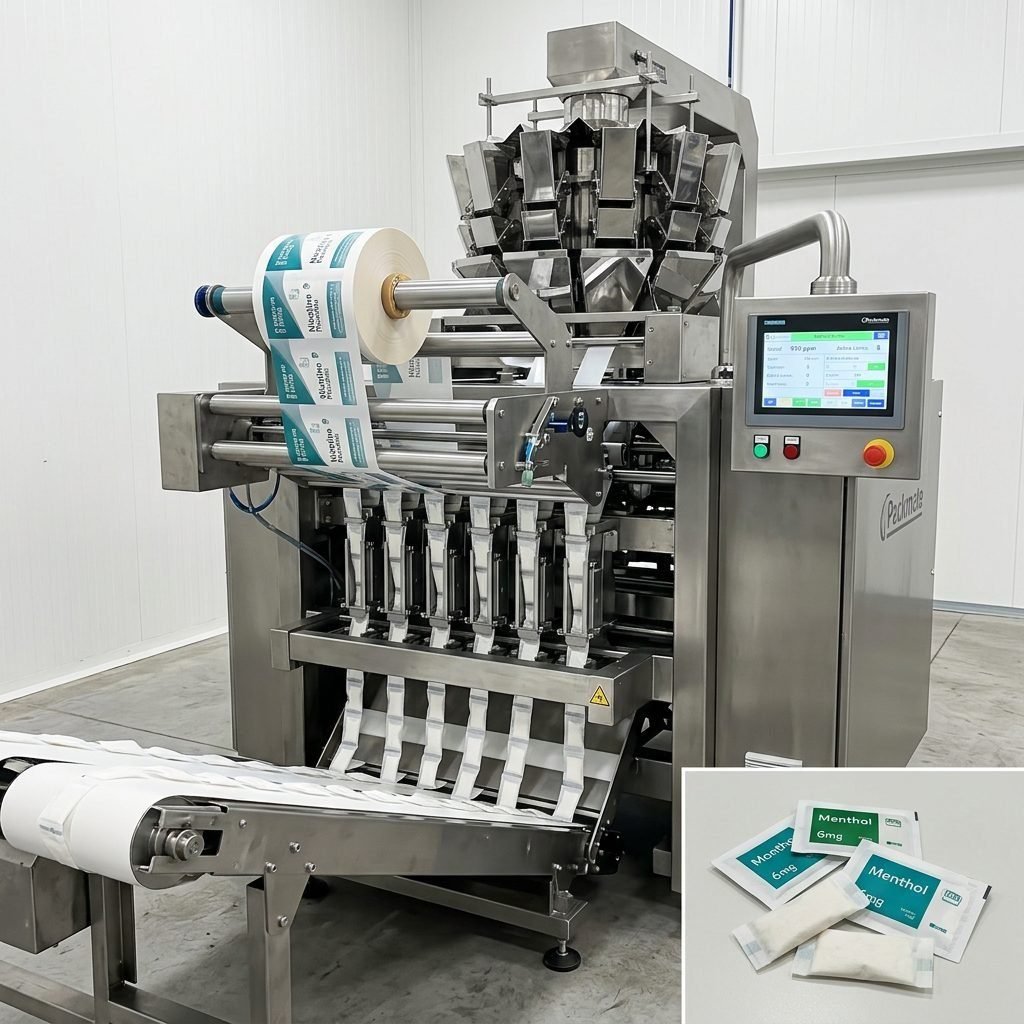
- Production speed (pouches/minute) and whether the machine supports multi-lane configurations for small-dose pouches.
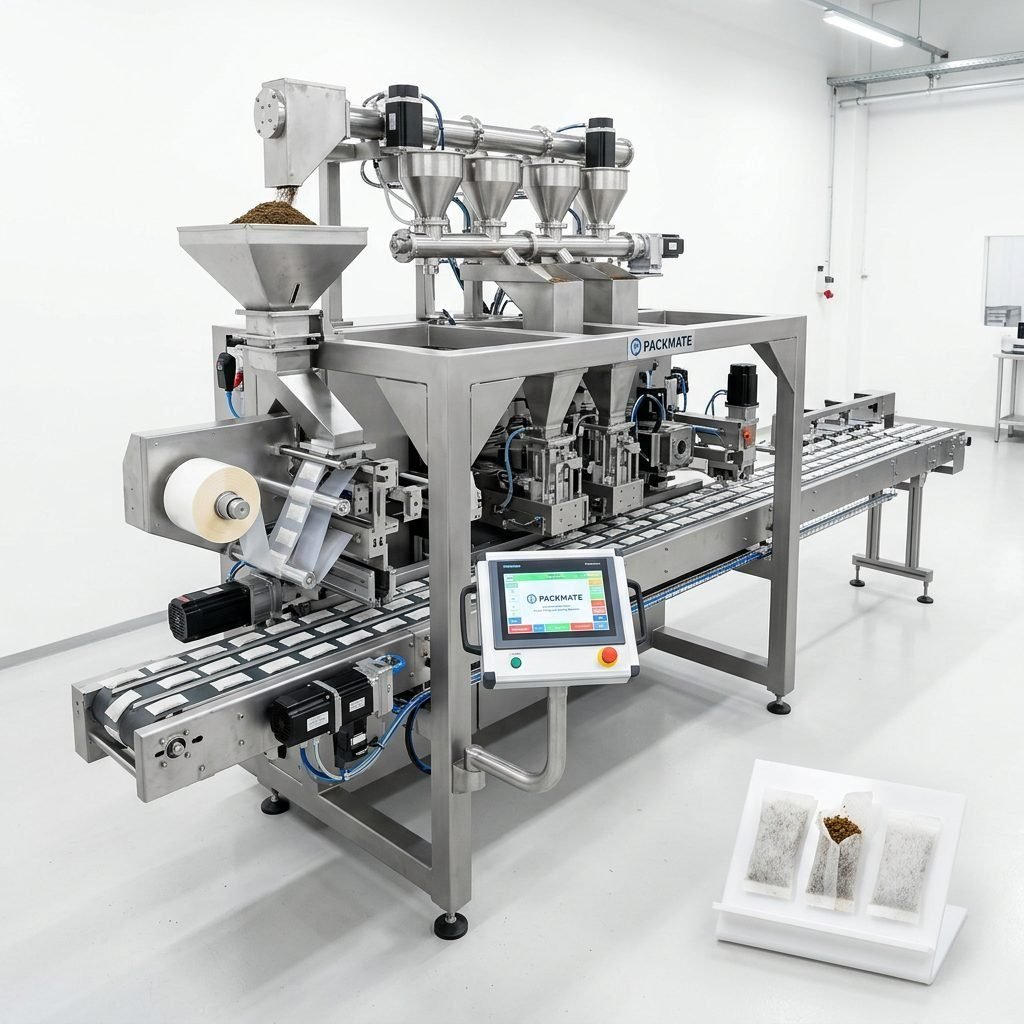
- Filling accuracy and weighing systems: look for integrated weighing solutions and easy calibration.
- Sealing reliability: hermetic seals and consistent packaging integrity reduce product failures.
- Changeover time and tooling flexibility: quick format changeovers save downtime when running multiple SKUs.
- Material compatibility: stainless steel contact parts, clean design for easy sanitation.
- Automation and Industry 4.0 features: remote monitoring, predictive maintenance, and PLC/HMI ease-of-use.
✅ Practical tip: Ask for a live demonstration of the exact pouch format you plan to run or request a trial run with your own material to verify fill, seal and appearance.
Quality, Certifications and Regulatory Compliance
Certifications are essential for exporting and for operating in EU markets. Confirm that the manufacturer offers CE-marked equipment and can supply documentation matching ISO or other relevant standards. For nicotine products, compliance extends beyond the machine — you must ensure traceability, hygienic design, and control systems that support your product registration and quality management.
Note: EU-wide frameworks such as the Tobacco Products Directive (TPD) and local Hungarian authorities influence labeling, notification and permissible product characteristics. Manufacturers that regularly supply European clients will be familiar with these constraints and can advise on machine guarding, cleaning regimes, and documentation needed for regulatory dossiers.
Documentation checklist
Include: CE declaration, electrical schematics, spare parts lists, FAT reports (Factory Acceptance Test), IQ/OQ templates, and maintenance manuals. Having these in English and optionally Hungarian accelerates commissioning.
Service, Spare Parts and Local Support
After-sales service is a decisive factor. Check whether the manufacturer provides:
- Local spare parts stock or guaranteed international shipping times.
- On-site commissioning and training for your operators and maintenance team.
- Remote troubleshooting and software updates with secure access.
- Service contracts and optional upgrades to extend machine life.
⚠️ Red flag: Vendors who cannot provide spare part lead times or refuse to provide references from European clients may lead to long downtimes.
Cost, Total Cost of Ownership (TCO) and ROI
Price quotes are just the starting point. Estimate Total Cost of Ownership by including installation, training, spare parts, energy consumption, expected uptime, and potential throughput increases. Higher initial investment in a reliable multi-lane system may deliver better ROI through lower per-unit costs and less waste.
Budgeting tips
Consider financing options, leasing, or phased rollouts that allow you to scale capacity while managing cash flow. Also account for customs VAT and potential installation requirements in Hungary (local electricians, floor preparation).
Factory Visits, Trials and Acceptance Tests
Arrange a Factory Acceptance Test (FAT) before shipment. During a FAT:
- Run your specific pouch format, materials and fill to validate weight accuracy and seal integrity.
- Verify machine cycle rates over several hours to observe stability.
- Inspect hygienic design and cleanability, especially for nicotine products where contamination control is essential.
- Review documentation completeness and operator training plans.
If a European demonstration at a trade show suits you better, schedule time to meet the supplier at events in Central Europe or request live-streamed demos if travel is restricted.
Questions to Ask Potential Manufacturers
Prepare a list of practical questions to differentiate vendors:
- Can you run our specific pouch material, size and nicotine formula during FAT?
- What is the mean time between failures (MTBF) and typical spare parts consumption?
- Do you offer local installation and training in Hungary or will you dispatch engineers?
- What digital tools are available for remote support and predictive maintenance?
- Can you provide EU/CE documentation and references from European tobacco or nicotine pouch producers?
Selecting Packmate or Other International Suppliers
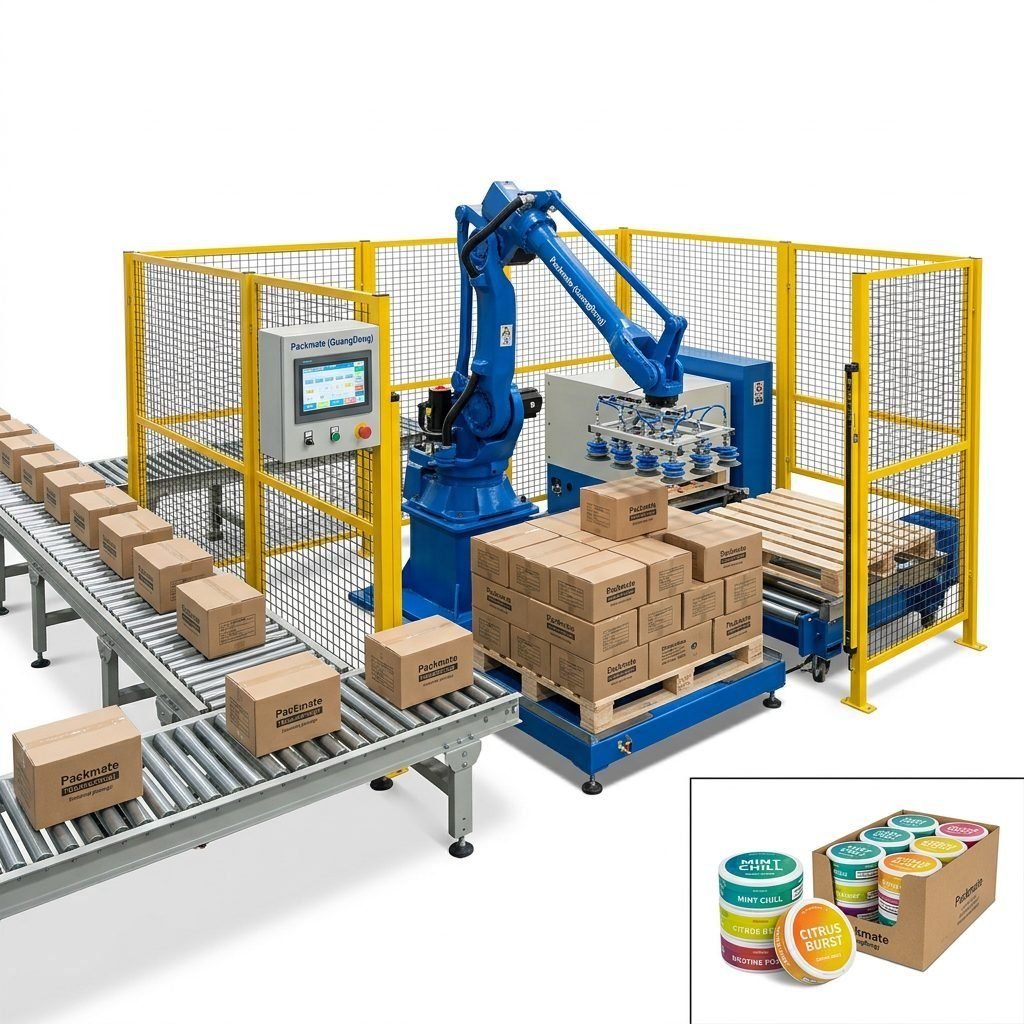
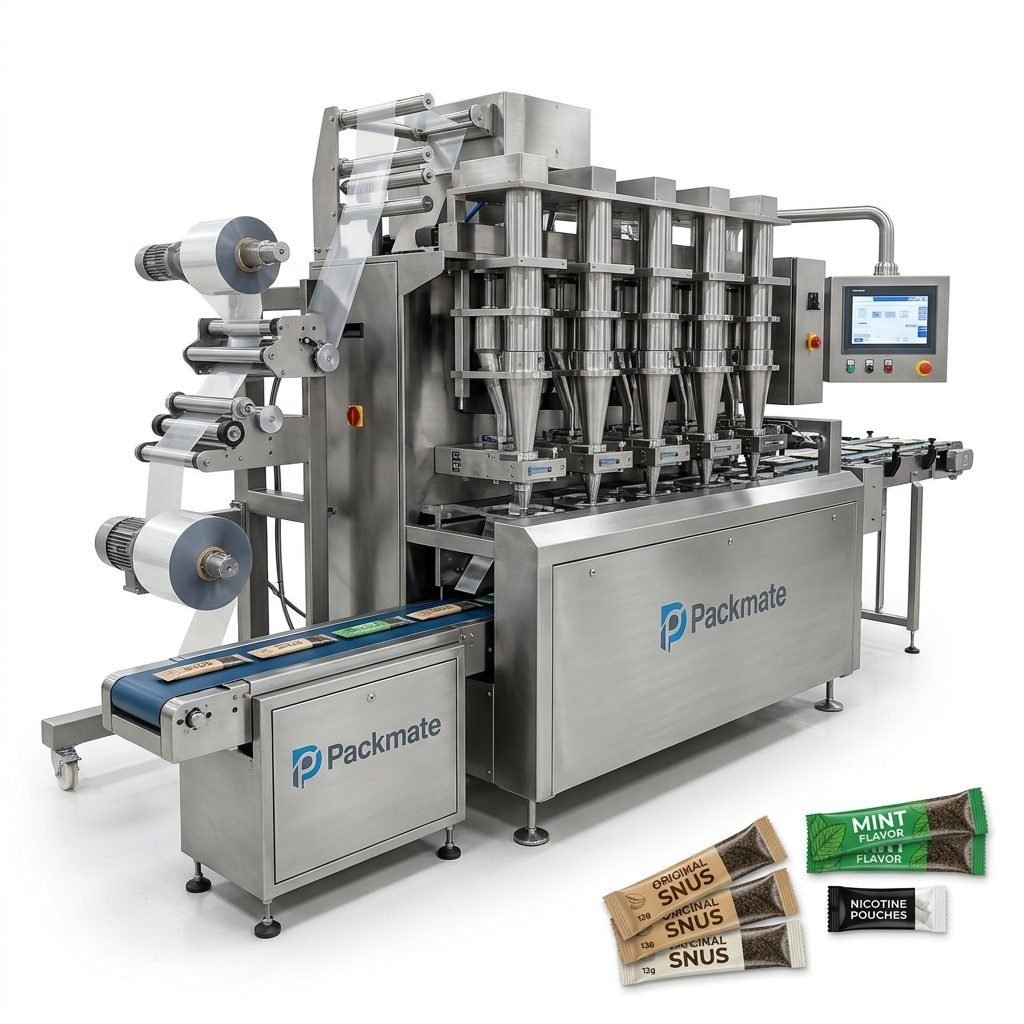
When considering experienced manufacturers like Packmate Snus Machine, check how their global experience translates to your Hungarian operation. Packmate offers specialized snus and nicotine pouch systems, multi-lane lines, and turnkey packaging solutions with over 30 years of engineering experience. Review specific product pages and case studies to match models with your production targets:
- Explore their product range for targeted machine types: Snus & Nicotine Packaging Machines
- See multi-format lines under Sachet & Stick Pack Machines
- Check company history and manufacturing capacity: About Packmate
- Review real-world installations in the Case section.
📌 Note: Vendors with a local European client base are often better prepared to manage VAT, CE documentation and spare parts logistics for Hungary.
Negotiation and Contract Items to Secure
When you negotiate, ensure the contract includes:
- Detailed scope of supply and spare parts list.
- Delivery schedule, incoterms and customs responsibilities.
- Performance acceptance criteria and penalties for non-compliance.
- Warranty period, response times for service, and optional extended support agreements.
- Training plan, documentation language, and IP ownership of any custom tooling or programs.
Practical Steps for Hungarian Buyers: A Quick Roadmap
1) Define your throughput and SKU mix. 2) Shortlist manufacturers with European references. 3) Request FAT with your materials. 4) Verify certifications and local support. 5) Plan installation, VAT and logistics for Hungary. 6) Sign a contract with clear acceptance criteria and service SLA.
Attending local or nearby European exhibitions can greatly speed up supplier evaluation — you can meet technical teams, see live demos, and compare multiple vendors in a short trip. Check exhibition schedules and request demonstrations in advance to maximize your visit.
Final Considerations: Cultural and Logistical Tips for Doing Business in Hungary
– Hungarian buyers appreciate punctuality and clear, written proposals. – Use bilingual documentation where possible. – Be prepared to discuss warranties, spare parts logistics and installation timelines in detail. – Leverage Budapest’s transport connections for quicker part shipments within Europe. – Consider local service partnerships or agreements to reduce response times for critical repairs.
✅ Action item: Before finalizing your purchase, request references of clients in the EU or Hungary and, if practical, visit a running installation to inspect product quality and service interactions.
Useful Resources & Next Steps
If you want to learn more about specific machine types or complete lines, review product categories and technical details on manufacturer websites. For example, explore additional systems such as weighing & packaging integrations or auxiliary equipment that complement primary pouch lines:
- Weighing & Packaging Systems
- Auxiliary Packaging Equipment
- Contact potential suppliers early to request catalogs and schedule FAT or exhibition demos: Contact Us
Summary
Selecting the best nicotine packaging machinery manufacturer for Hungary requires a balance of technical fit, regulatory awareness, and reliable after-sales service. Prioritize vendors with European references, robust documentation, and proven multi-lane snus or nicotine pouch solutions. Conduct FATs, verify spare parts lead-times, and secure contractual guarantees on performance and support to protect your production continuity and ROI.
Frequently Asked Questions
Q1: How important is CE certification for machines in Hungary?
A1: CE certification demonstrates compliance with EU safety and EMC directives and is generally required for legal operation and import. Ensure the machine’s documentation is complete and available in English; local authorities or your compliance advisor can confirm specific national requirements.
Q2: Should I insist on FAT before shipment?
A2: Yes. A Factory Acceptance Test validates that the machine meets your performance and quality criteria with your actual materials. It reduces risk and provides a baseline for acceptance criteria upon installation in Hungary.
Q3: How do I manage spare parts logistics for quick repairs?
A3: Negotiate spare parts kits and guaranteed lead times into your contract. Prefer suppliers with European distribution or recommend stocking critical components locally to minimize downtime.
Q4: Can Packmate support turnkey lines for nicotine pouches?
A4: Many manufacturers like Packmate provide turnkey packaging solutions, integrating multi-lane pouch machines with weighing, filling and auxiliary systems. Review their product pages and case studies to confirm compatibility with your production goals.
Q5: Are there specific Hungarian regulations for nicotine pouches?
A5: Hungary follows EU frameworks but also has national measures that may affect labeling, notification and sales. Consult a local regulatory expert to ensure your product and packaging processes comply before scaling operations.