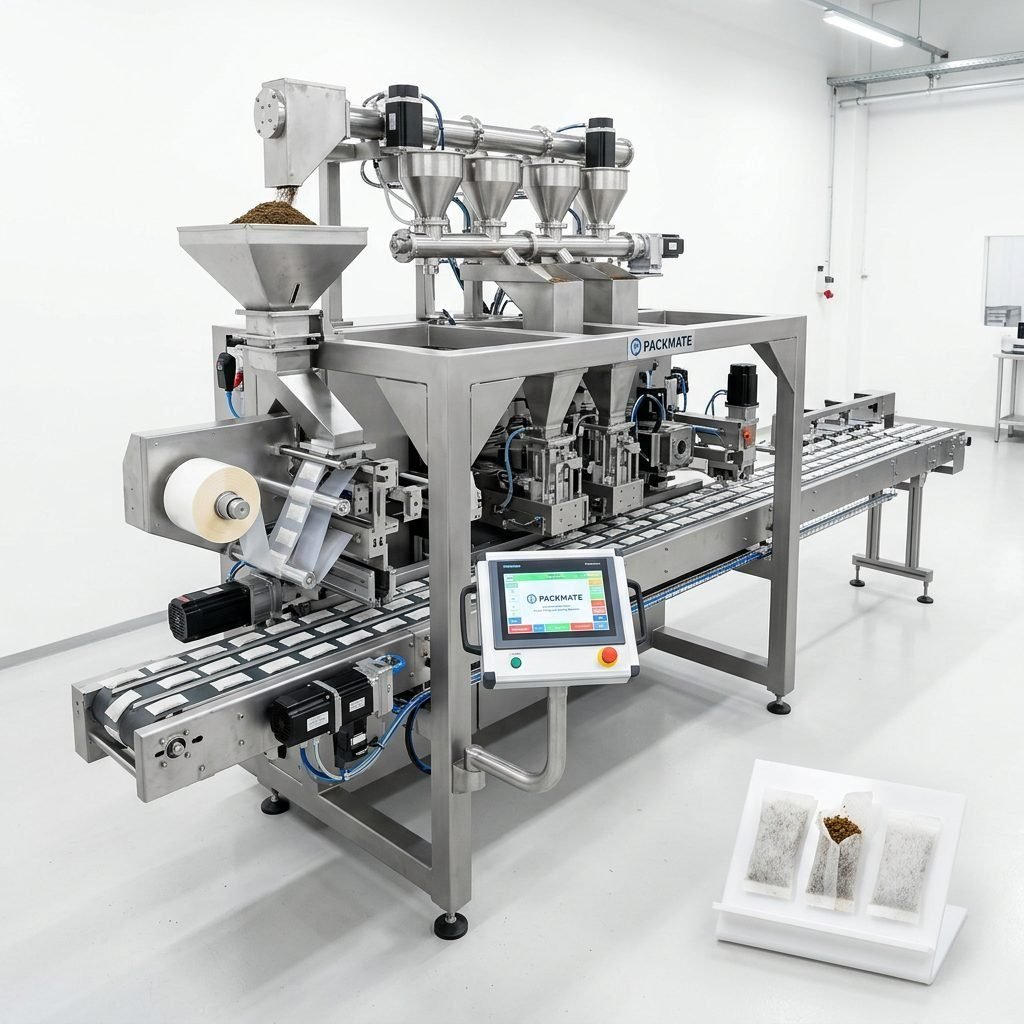
Choosing the right nicotine packaging machinery supplier for a factory in Ukraine requires a balanced view of technical capability, local compliance and cultural fit. This guide walks through practical steps—from defining production targets to on-site acceptance—so you can confidently select a partner that delivers reliable snus and nicotine pouch packaging lines with predictable uptime and long-term value.
Understand Your Production Requirements First
Before you contact suppliers, create a clear specification sheet for capacity and product format. Consider: daily output targets, pouch or can formats, sachet/stick pack needs, multi-lane options, and required hygiene/cleaning cycles. Factoring these early avoids costly rework or getting a machine that does not match your product mix.
Key technical parameters to define
- ⚙️ Production speed (packs/minute and lanes)
- 📦 Pack formats (pouches, sachets, stick packs, cans)
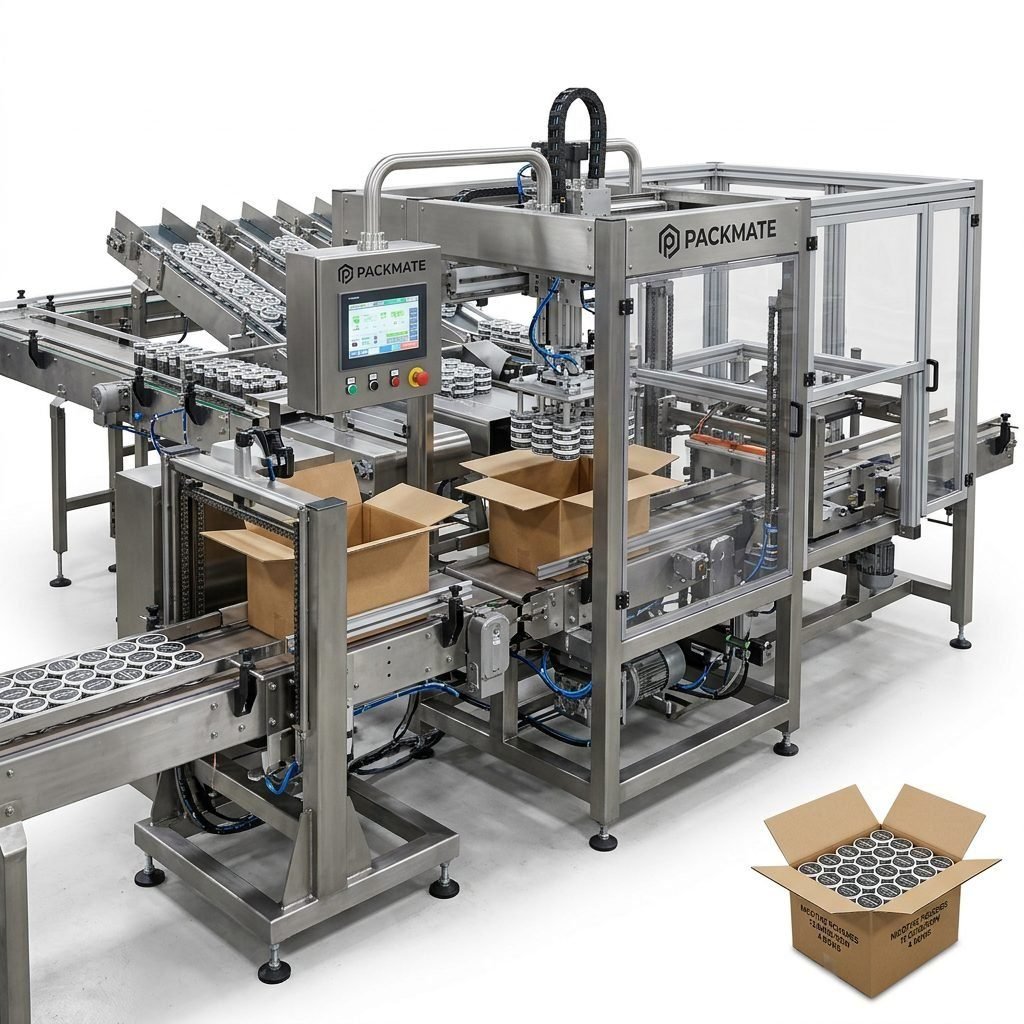
- 🔁 Integration needs (weighing, feeding, capping, case packing)
- 🔧 Utility demands (electric power, compressed air, floor space)
Match Machine Types to Your Product Line
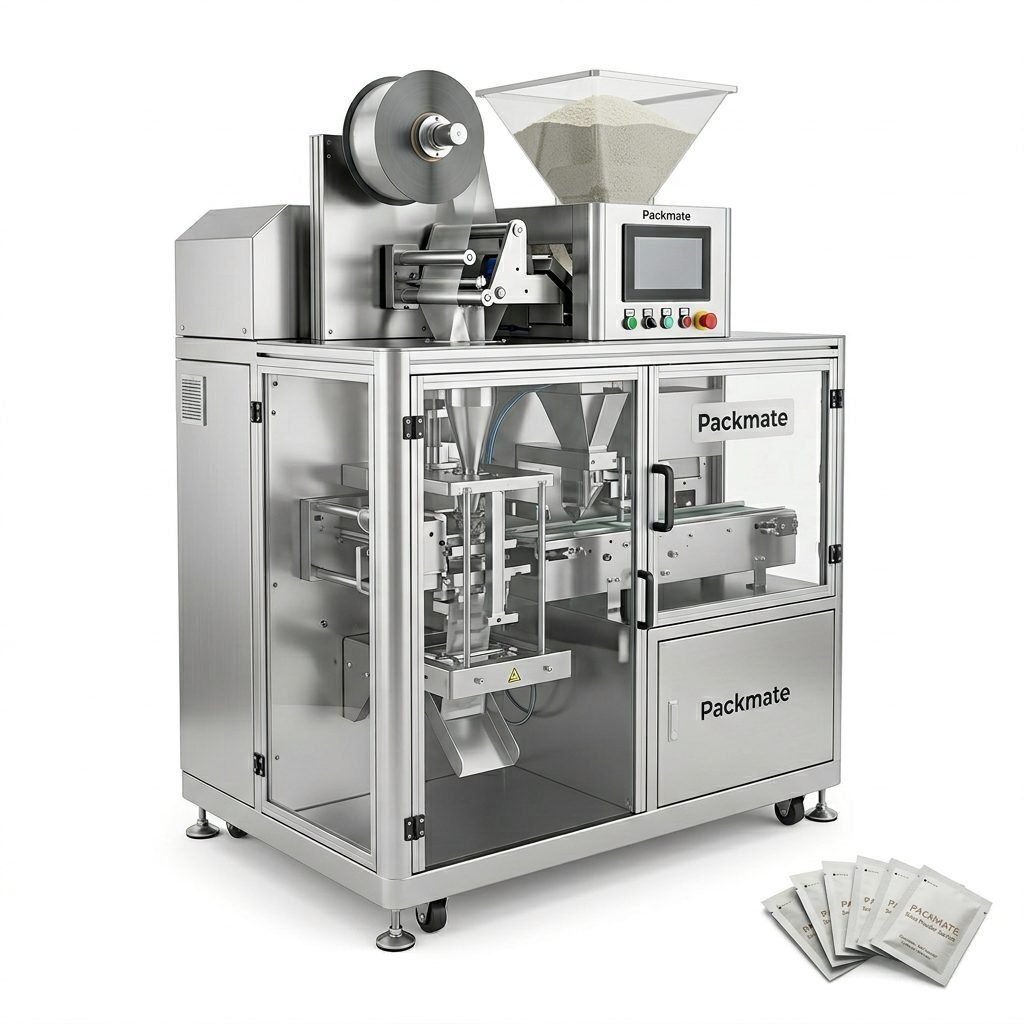
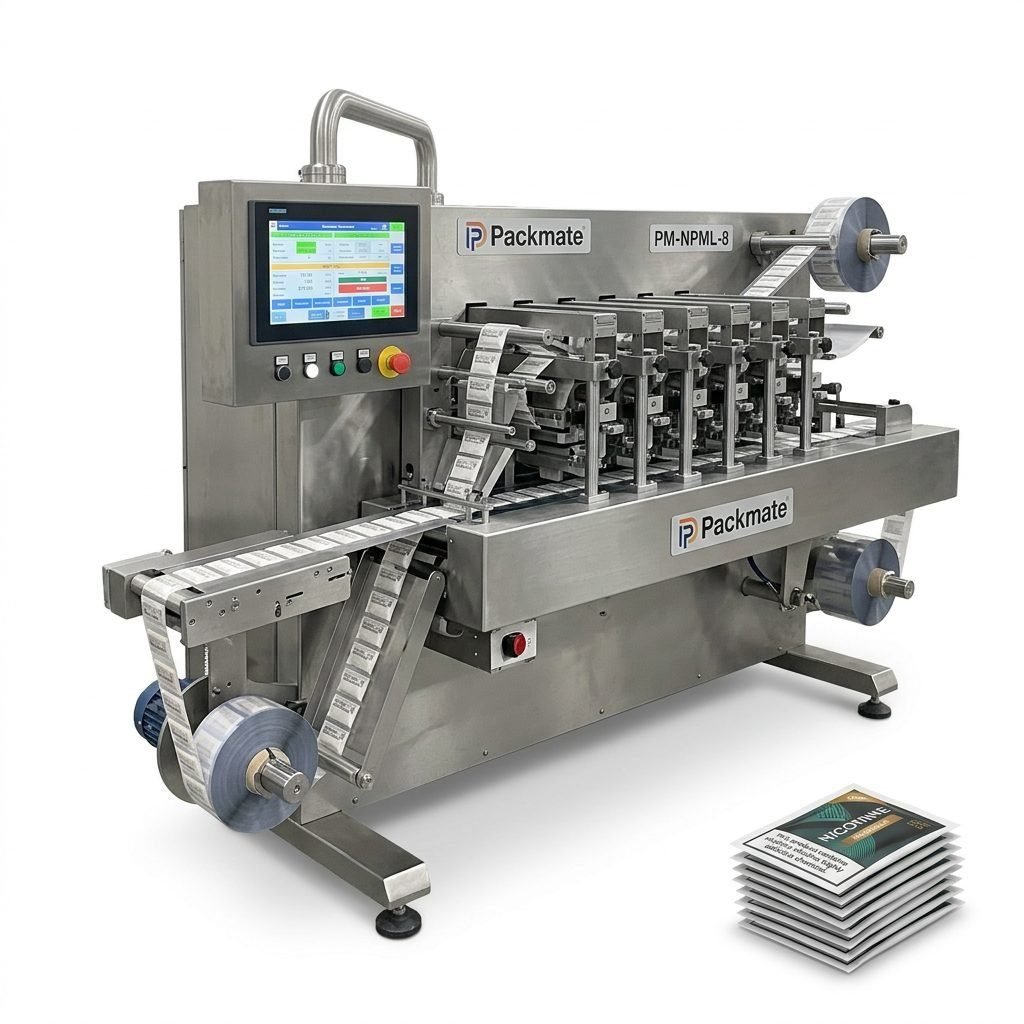
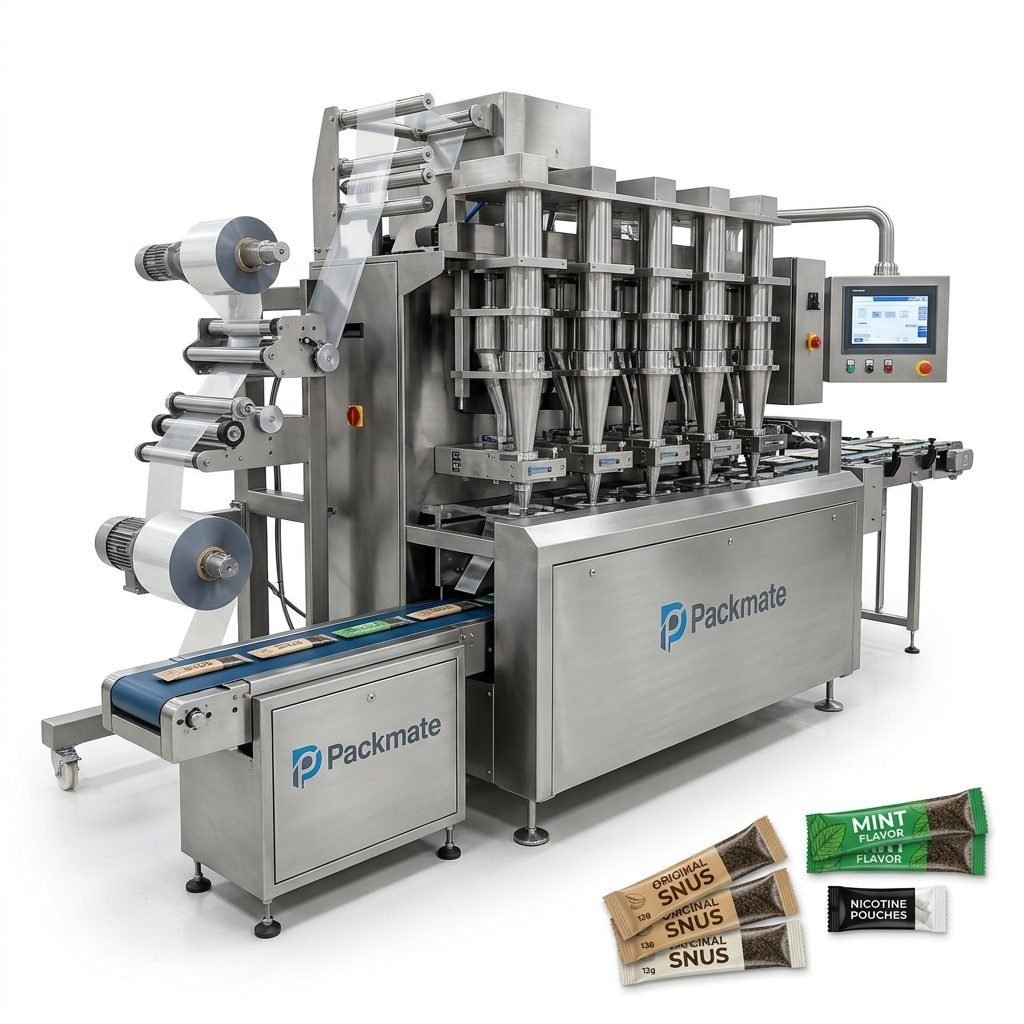
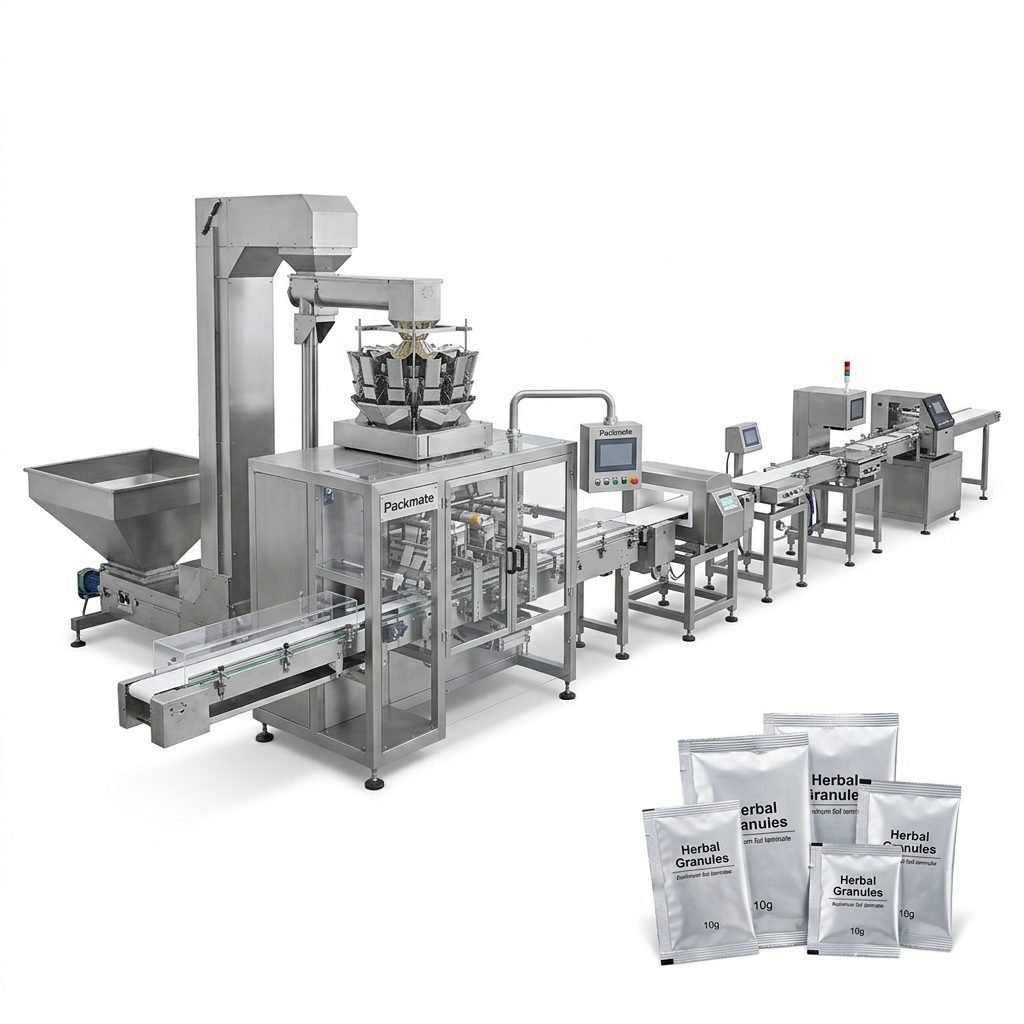
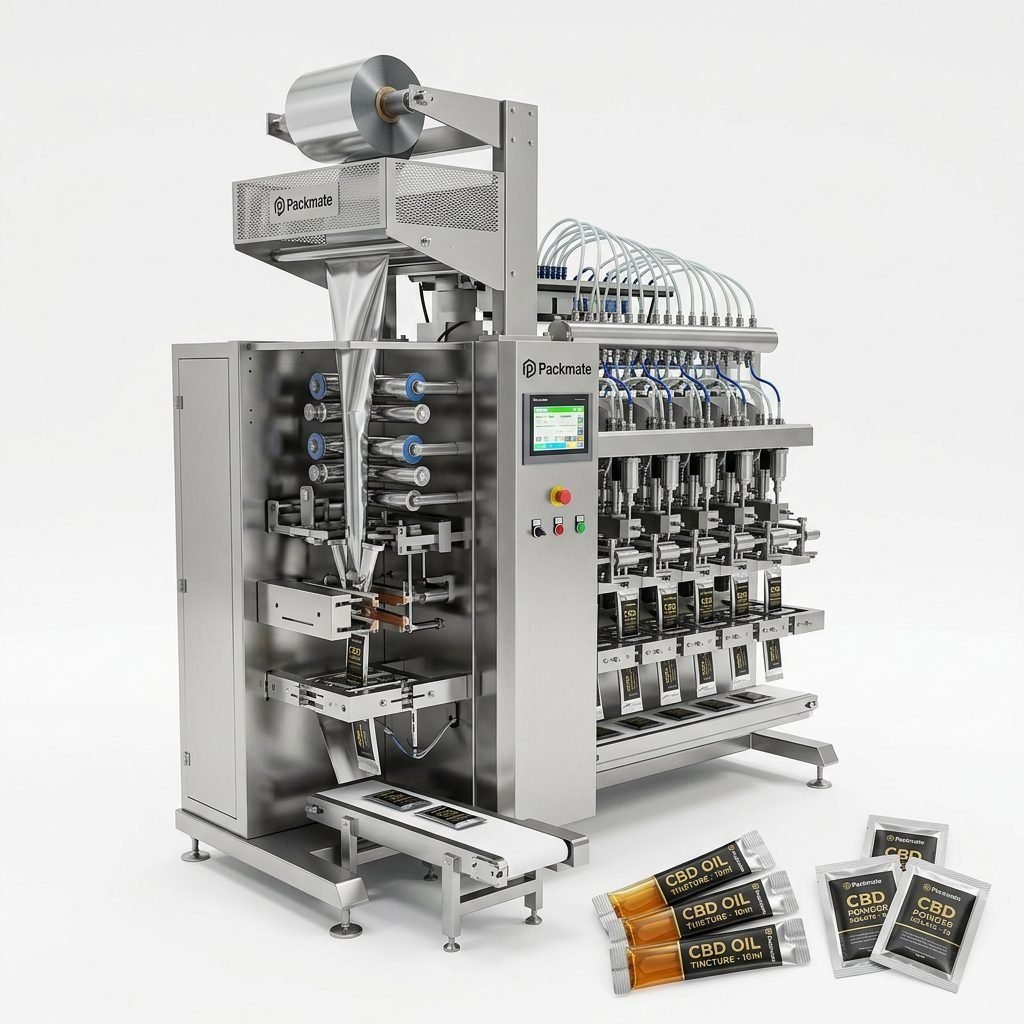
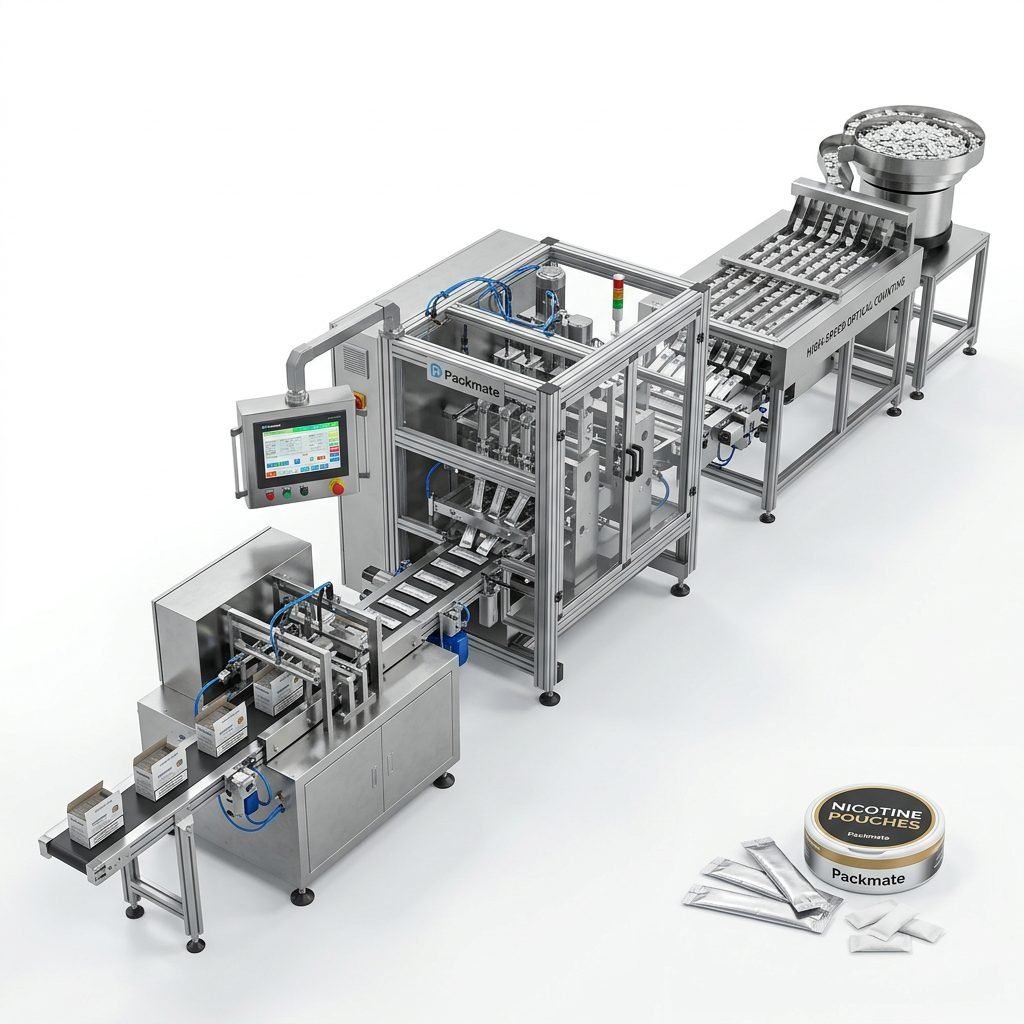
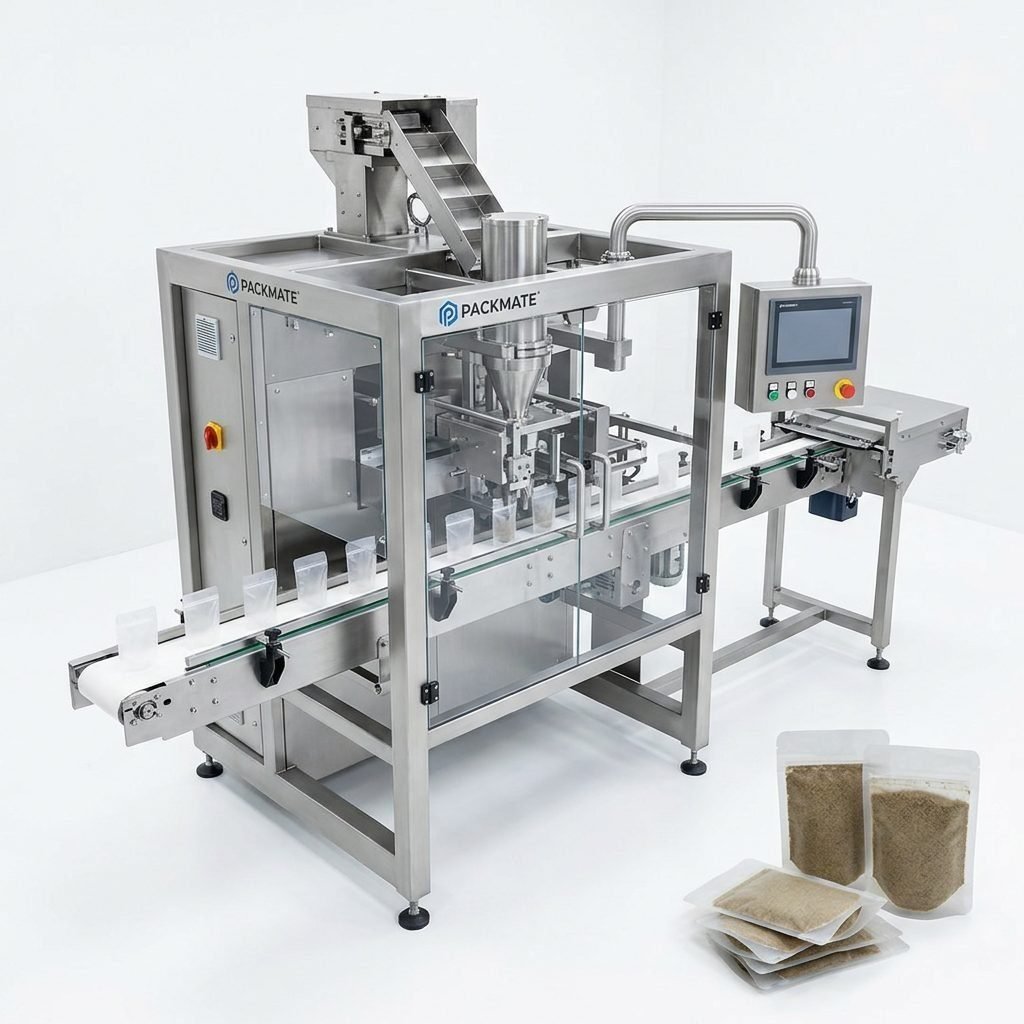
Different nicotine products need different packaging technologies. Standard snus pouch lines often use multi-lane pouch formers and sealing systems; stick and sachet formats use sachet/stick pack machines with precise dosing. If you need a turnkey line that includes weighing and filling, look for suppliers who can supply integrated solutions.
Explore relevant solution pages while shortlisting: Snus & Nicotine Packaging Machines, Sachet & Stick Pack Machines, and Weighing & Packaging Systems.
Evaluate Supplier Experience and Manufacturing Strength
Deep industry knowledge matters. Prefer suppliers with demonstrable experience in snus and nicotine systems, robust manufacturing facilities, and documented case studies. Look for companies with a long track record, modern CNC and assembly capabilities and standardized QA systems.
What to verify in supplier credentials
✔️ Years of R&D and production history (e.g., 20–30+ years) – this reduces risk.
✔️ Factory size and capacity (20,000㎡ or similar indicates large-scale manufacturing).
✔️ Model range and customization experience (50+ machine models is a strong sign).
✔️ International certifications (CE, ISO) and exhibition presence demonstrate global compliance.
For more background on an established manufacturer and certifications, see the supplier’s About Packmate page and their Certificate listings.
Service, Spare Parts and Local Support in Ukraine
After-sales service is as critical as machine specs. Consider lead times for spare parts shipping to Ukraine, local technicians availability, and language support. Ask whether the supplier provides remote diagnostics, scheduled maintenance programs, and on-site commissioning with training in English, Ukrainian or Russian.
Local presence and logistics
Ukraine’s logistics landscape includes seaports on the Black Sea, rail links to the EU and neighboring countries, and growing road freight corridors. Confirm the supplier’s experience exporting to Ukraine, customs documentation readiness, and ability to coordinate delivery to inland factories—especially if your site is in western Ukraine or near Lviv where road/rail transit are common.
Regulatory Compliance and Labeling for Ukrainian Market
Nicotine products are closely regulated. Machines should help you meet hygiene and traceability needs. Verify that materials contacting product are food-grade stainless steel and that the system supports labeling and serialization if required. While CE and ISO are accepted internationally, you should also check Ukrainian national requirements for tobacco and nicotine-related products and ensure packaging materials and labels meet local language and health warning regulations.
Work with a supplier who understands export paperwork: commercial invoices, packing lists, certificates of origin, and any special permits needed for nicotine-related equipment. This avoids delays at customs and unplanned costs.
Total Cost of Ownership (TCO) and Return on Investment
Evaluate TCO, not just purchase price. Consider spare parts pricing, mean time between failures (MTBF), energy consumption, required staffing, and training costs. A highly-automated multi-lane line may cost more up-front but deliver a lower per-unit cost and faster ROI.
TCO checklist
💡 Replacement part availability in Europe/Ukraine.
💡 Local maintenance training and spare parts stock levels.
💡 Energy use, air consumption and floor footprint.
💡 Warranty length and what it covers (mechanical, electrical, control systems).
Factory Acceptance, Testing and Documentation
Insist on a clear Factory Acceptance Test (FAT) procedure with documented performance results and sample packs. When machines arrive, conduct Site Acceptance Tests (SAT) that verify real product performance under your factory conditions. Request full electrical and mechanical drawings, source lists, spare parts catalogs, and a structured training program for operators and maintenance staff.
Reviewing past installations helps. See examples in supplier case studies to confirm real-world outcomes: Case.
How to Shortlist and Negotiate
Narrow down to 2–4 suppliers based on technical fit, references, and total cost estimate. Ask for a detailed quotation that breaks down machine cost, packing line integration, freight and installation. Negotiate payment terms, delivery schedules and penalties for missed milestones. Seek clarity on lead times for custom parts and long-lead components.
Contract essentials
Include acceptance criteria, delivery milestones, warranty terms, spare parts list, training schedule, and after-sales SLA. Where possible, require trial runs using your actual product or representative samples during FAT.
Cultural and Business Etiquette Tips for Working in Ukraine
Understanding local customs improves communication and speeds up project delivery. In Ukraine, business meetings are typically formal and punctual. Decisions may involve senior management—be prepared for a clear chain of authority. Small courtesies like accepting coffee or tea at meetings and showing respect for national holidays help build trust.
Language: Ukrainian is the official language, but many business professionals also use Russian or English. Provide technical documents in English and, if possible, a Ukrainian or Russian translation for site teams to accelerate commissioning.
Practical scheduling points
Be mindful of local holidays (e.g., Independence Day on August 24) and Orthodox Christmas (January 7) when planning shipments and on-site work. Factor in potential slowdowns during major regional observances.
A Practical Checklist: Questions to Ask Any Supplier
- 🔎 What are typical line speeds with our product and lanes?
- 🔎 Can you provide FAT videos and live demonstrations?
- 🔎 What is included in warranty and after-sales support?
- 🔎 Lead time for spare parts and local stock options?
- 🔎 Have you exported similar lines to Ukraine or neighboring EU markets?
- 🔎 Can the line be expanded or retooled for new SKUs in future?
Why Choose a Turnkey Global Supplier
Turnkey suppliers with strong engineering capabilities, CNC machining centers and end-to-end project experience reduce integration risk. They can provide complete lines—filling, weighing, pouch forming, sealing, and case packing—so you deal with one vendor for timelines and accountability. If you are evaluating a partner, review their portfolio of integrated lines and ask for references in the nicotine or similar industries.
For turnkey offerings and auxiliary equipment, review the supplier’s full product range: Filling & Packaging Lines and Auxiliary Packaging Equipment.
Final Selection and Onboarding
After selecting a supplier, agree on a clear timeline for FAT, shipping, installation, SAT and operator training. Ensure spare parts kits are shipped with the line or available locally. Ask for a detailed preventive maintenance schedule and a local contact for urgent support. A smooth onboarding will minimize downtime and help your team reach full production faster.
Useful resources and contacts
When you are ready to move forward, check the supplier’s service and contact channels to arrange technical discussions and factory visits: Service and Contact Us.
Closing Summary
Selecting a nicotine packaging machinery supplier in Ukraine means balancing technical fit, regulatory compliance, logistics and cultural alignment. Prioritize suppliers with proven snus/nicotine experience, robust manufacturing capacity, global certifications and reliable after-sales support. Insist on FAT/SAT transparency, spare parts planning, and operator training to secure long-term production stability.
Frequently Asked Questions
Q1: How long does it typically take from order to installation for a snus packaging line?
A: Lead times vary with customization and model, but a standard multi-lane snus line often requires 12–20 weeks for manufacturing, plus shipping and onsite installation; highly customized solutions may take longer.
Q2: What certifications should I look for when importing packaging machinery into Ukraine?
A: Look for CE and ISO certifications for safety and quality. Also confirm that the supplier can provide export documentation, electrical compliance details and any product-specific documentation required by Ukrainian authorities.
Q3: Can suppliers provide local support or spare parts within Ukraine?
A: Many global suppliers offer international spare parts shipping and can partner with local agents or distributors. Confirm spare part lead times and whether fast-shipment kits can be stocked in Europe or Ukraine.
Q4: Should I require FAT with my product during the factory test?
A: Yes. FAT using your actual product or a representative blend reduces surprises during commissioning and proves that line speeds and seals meet your specs.
Q5: How important is cultural understanding when working with Ukrainian factories?
A: Very important. Respect for local holidays, clear communication, and awareness of decision-making processes speeds approvals and builds trust for long-term partnerships.