Choosing the right nicotine packaging machinery supplier for your operation in Eswatini is a strategic decision that affects product quality, regulatory compliance, cost of ownership, and long-term business growth. This guide walks you through practical steps, technical checklists, cultural and logistical considerations specific to Eswatini, and negotiation tips so you can confidently select a supplier that meets your production targets and after-sales expectations.
Understand the Local Context in Eswatini
Eswatini (formerly Swaziland) has a small but growing manufacturing and distribution sector. When sourcing packaging machinery here, keep in mind: English and siSwati are commonly used in business, face-to-face relationships and trust matter, and most heavy imports move through South African ports. Regulatory clarity, clear documentation, and responsive service are especially valued by local businesses.
Key regional factors to consider
• Logistics: shipments commonly transit via Durban or Richards Bay; plan lead times accordingly.
• Power and climate: ensure machines are suitable for local voltage and humidity conditions.
• Import duties & certifications: verify documentation for customs and health regulations.
• Business etiquette: prefer suppliers who can provide reliable communication, local references, and options for on-site commissioning.
Define Your Production Needs First
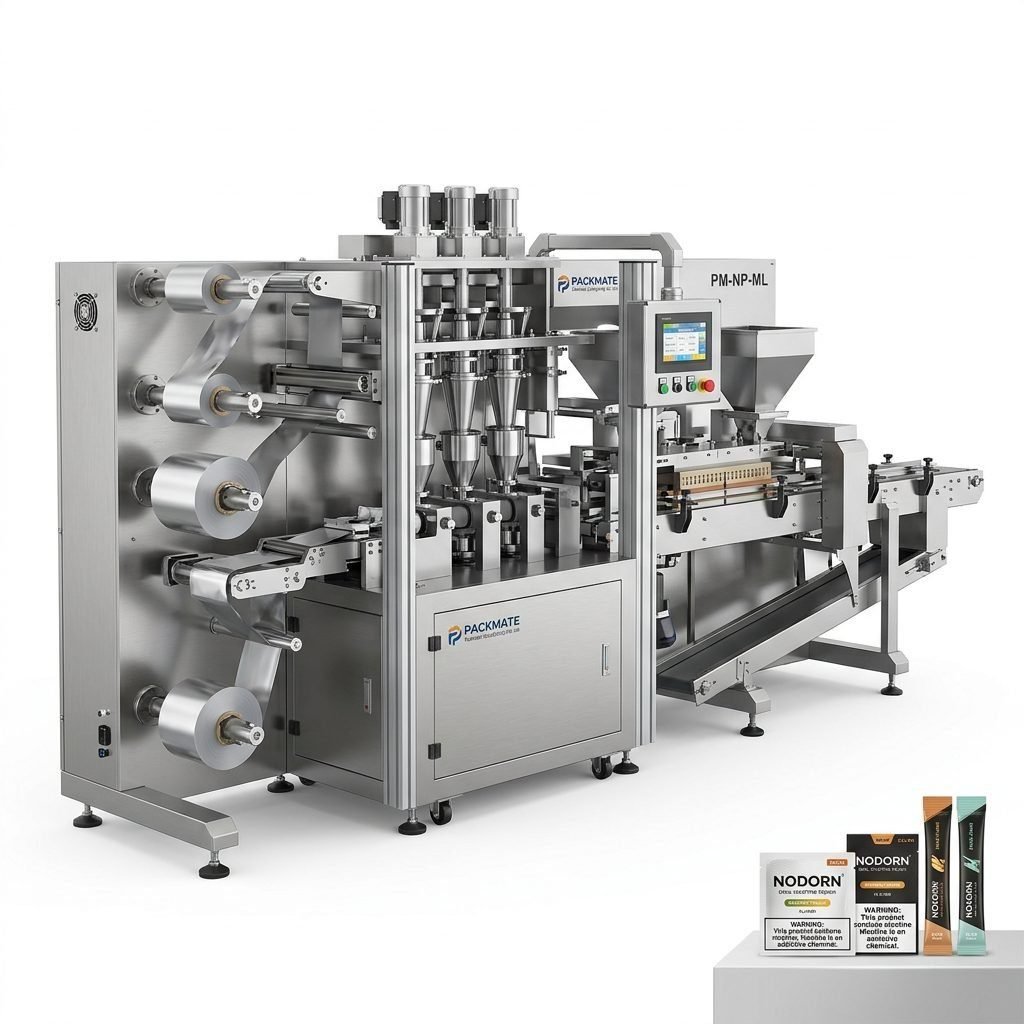
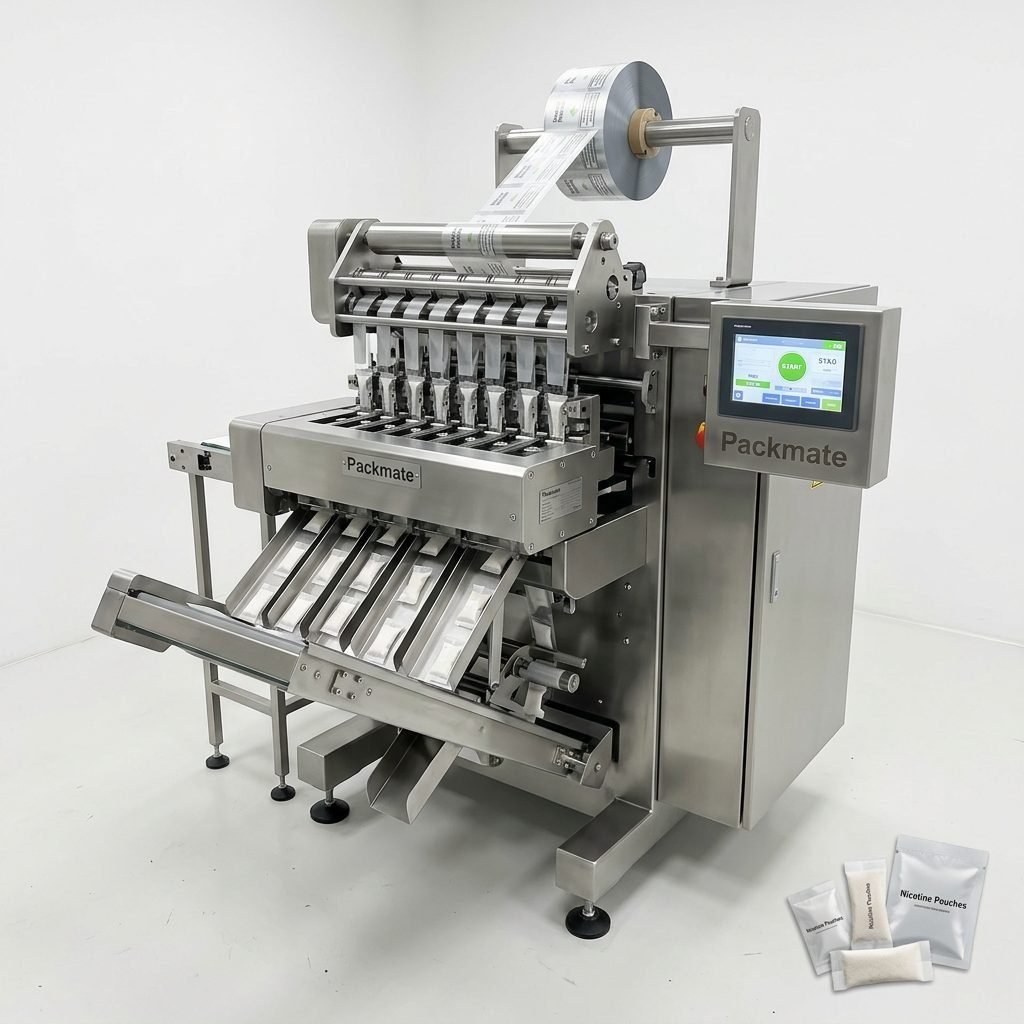
Before evaluating suppliers, define your product range, capacity targets, and flexibility requirements. For nicotine pouches and snus you might need multi-lane sachet lines, stick pack systems, or fully automated pouch solutions. Pick machines that match daily throughput, lane configuration, and packaging formats.
Quick checklist: production speed (pouches/min), lane count, filling accuracy, compatibility with hygroscopic powders, seal integrity, material types (foil, paper, laminated film).
Match machine type to product
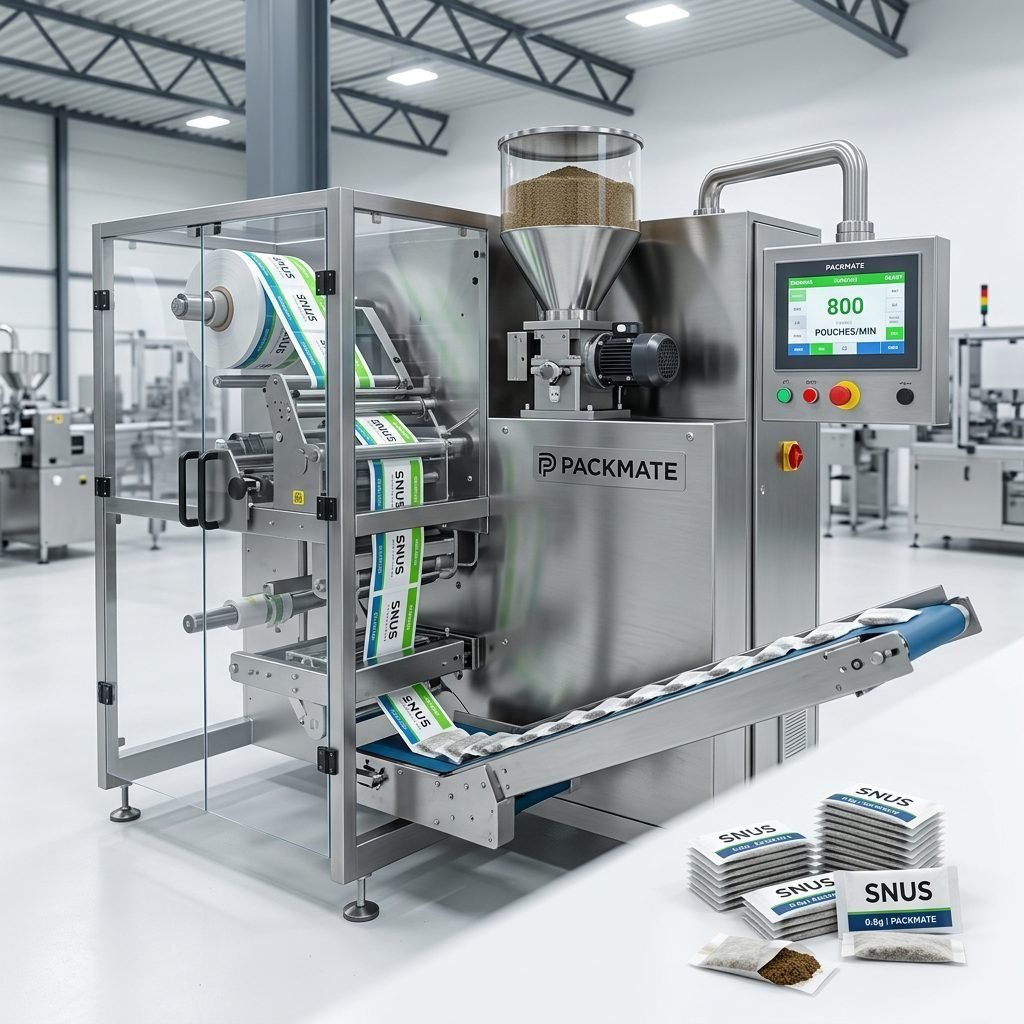
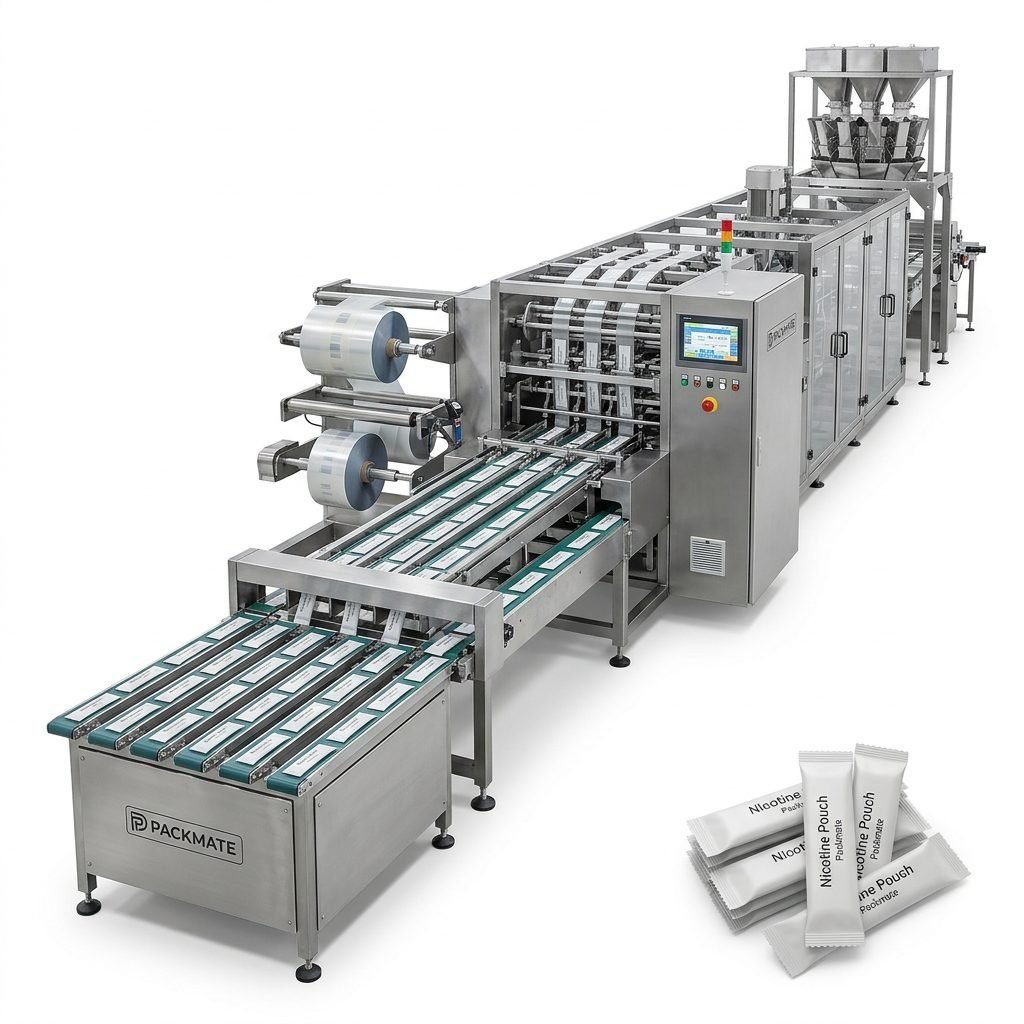
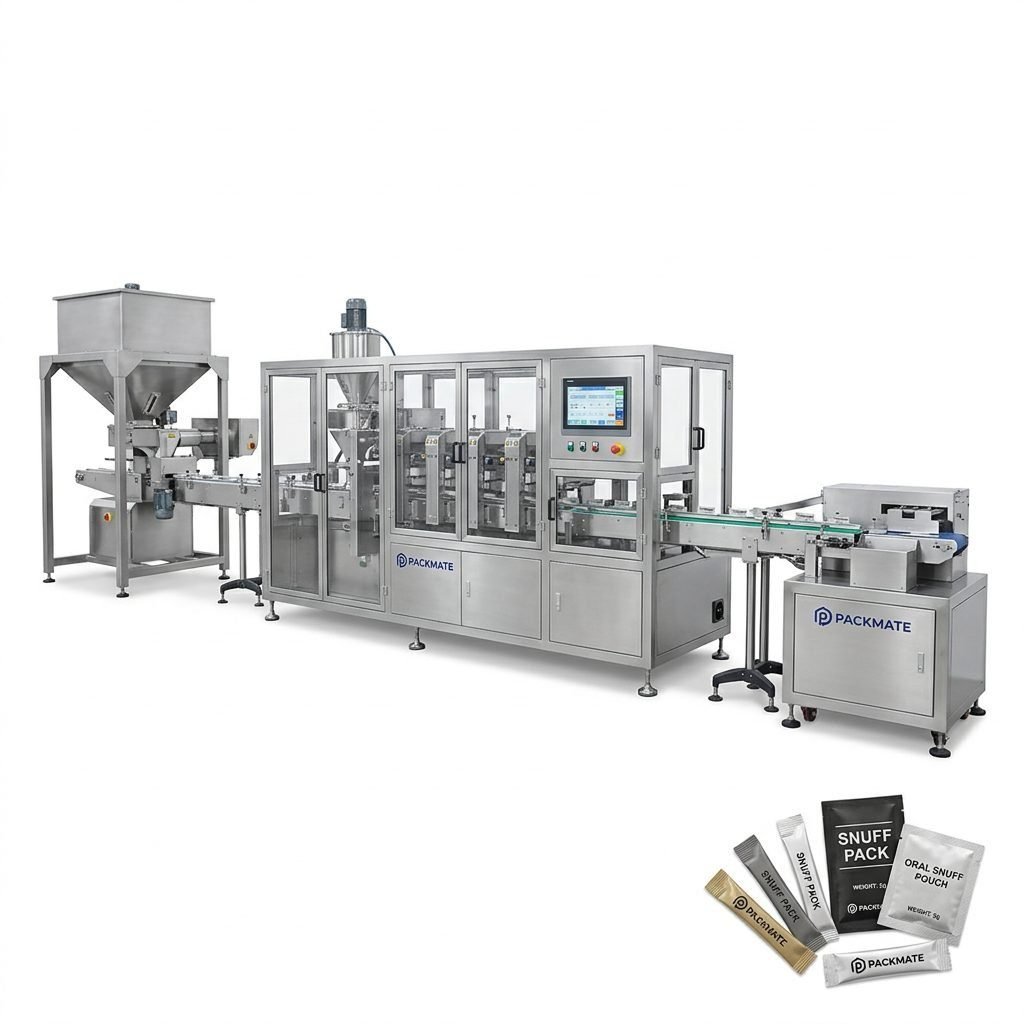
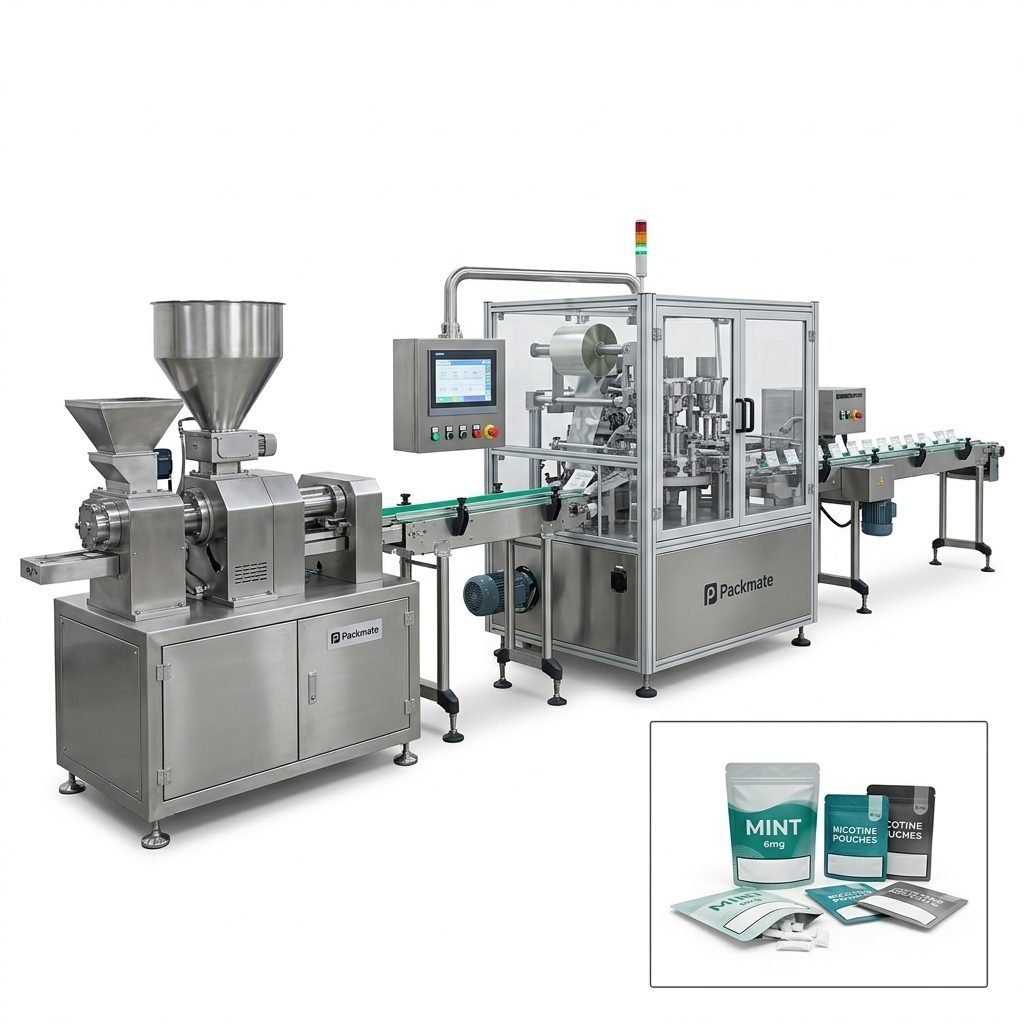
• Snus & nicotine pouch lines: look for precision multi-lane systems with stable dosing and hygienic design — see relevant models at Snus & Nicotine Packaging Machines.
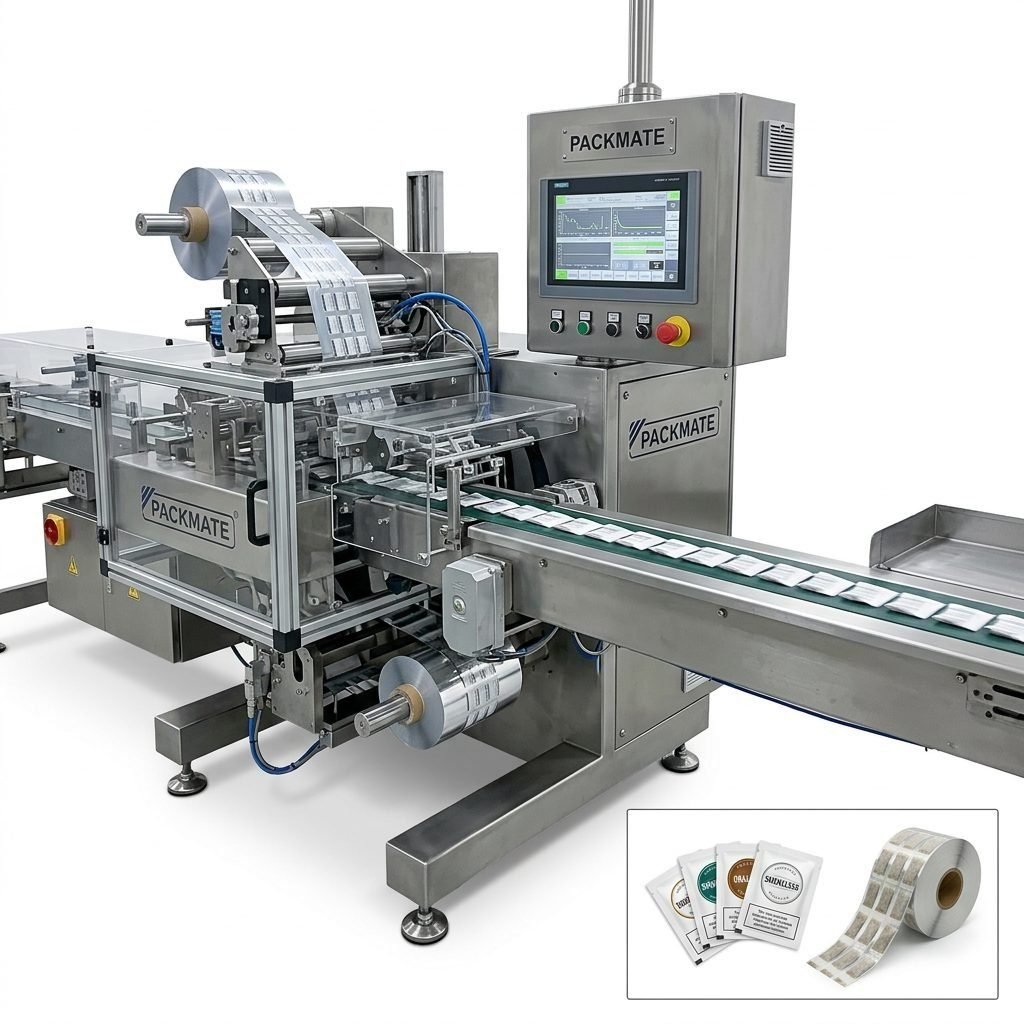
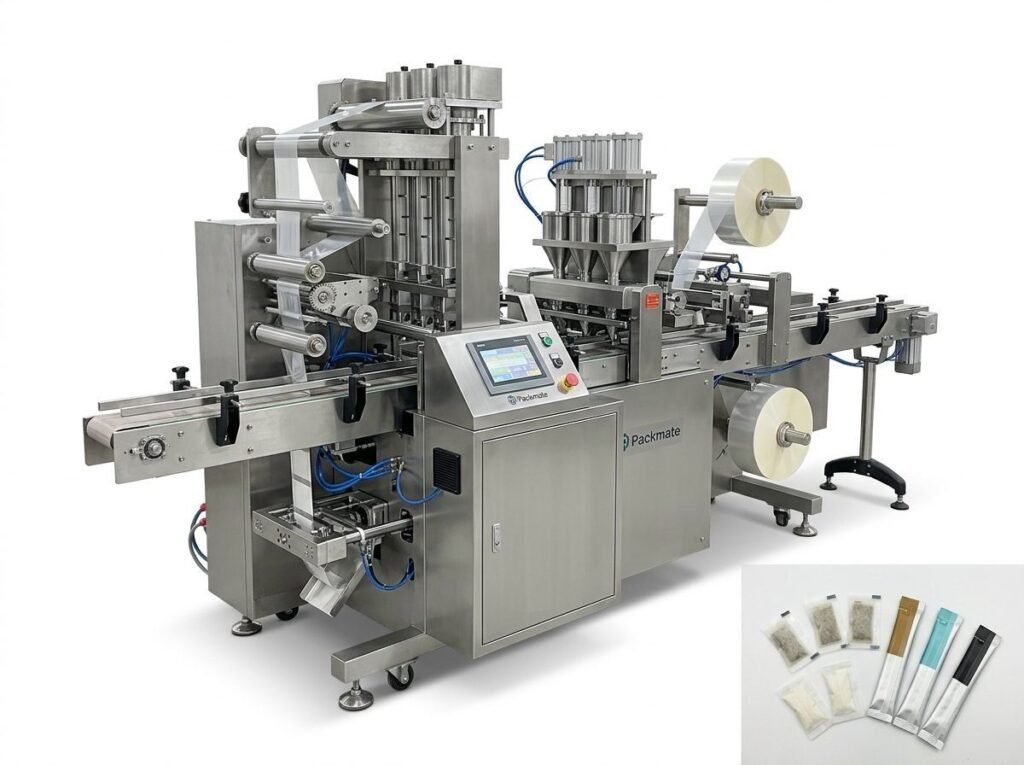
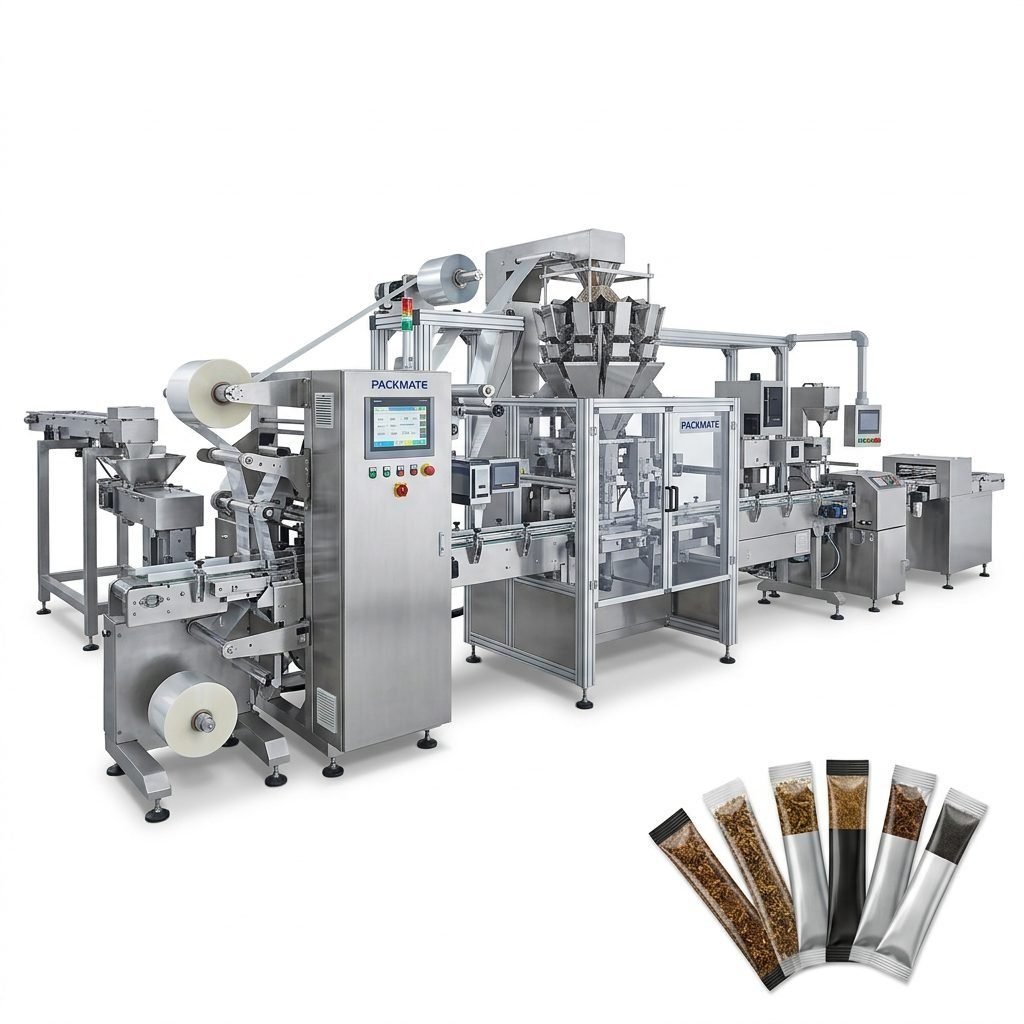
• Sachet & stick packaging: if you need single-dose stick packs or sachets, compare fill heads and sealing options at Sachet & Stick Pack Machines.
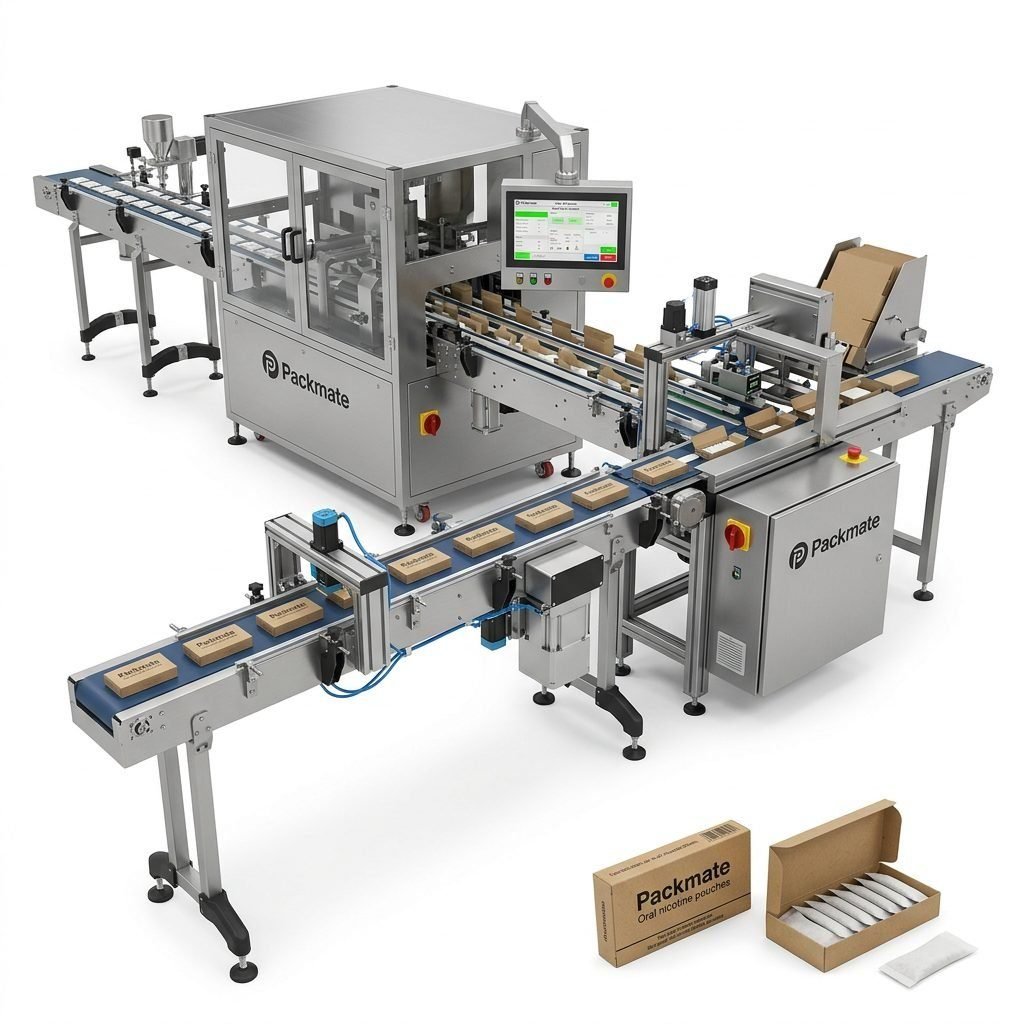
• Integrated filling or weighing: integrate weighing/feeding systems for powders and granules — suppliers often offer combined solutions like Weighing & Packaging Systems.
Assess Supplier Credentials and Manufacturing Strength
A reliable supplier should demonstrate solid engineering capacity, factory scale, quality systems, and relevant certifications. Ask for factory tour evidence, photos, or virtual demos. Prioritize suppliers with clear CE/ISO documentation and a stable history in packaging for nicotine products.
Manufacturer profile to request: years in business, factory area, CNC & assembly capability, model range, and past projects or case studies.
Why factory strength matters
Large-scale manufacturing with advanced CNC and precision assembly ensures consistent machine tolerances, easier spare parts availability, and better quality control — factors that reduce downtime and long-term costs. Packmate’s 20,000㎡ facility and 30+ years of engineering experience are examples of attributes to value.
Technical Evaluation: What to Inspect
When evaluating machines, verify technical details in writing and ideally through demonstration. The following items are essential.
Performance and process control
• Accuracy of dosing (± tolerance) and repeatability.
• Maximum and typical output rates (pouches per minute per lane).
• PLC and HMI control capabilities, recipe storage, and language options (English is essential for Eswatini operators).
• Sanitary design and ease of cleaning to prevent cross-contamination.
Materials and compatibility
• Supported film types and thicknesses.
• Filtration and dust control for powder handling.
• Adaptability to different pouch sizes and formats.
• Spare parts commonality and expected wear parts lifetime.
After-sales Support and Spare Parts
After-sales service is arguably the most important selection criterion for buyers in Eswatini: travel costs and lead times for foreign technicians can be high. Confirm service SLA, response times, training, and spare parts availability.
Service checklist: local or regional service partners, remote diagnostics, training for operators, initial commissioning included, and a clear spare parts list with lead times.
Quality, Certifications and Regulatory Compliance
Ensure the supplier provides necessary certifications (CE, ISO) and documentation to clear customs and meet Eswatini import requirements. For nicotine products, check local health and advertising regulations — some packaging elements may require special labeling or safety warnings.
Logistics: Shipping, Installation and Commissioning
Negotiate clear terms for FOB/CIF, expected delivery windows, and installation responsibilities. If the machine is large or multi-crated, plan for inland transport from South African ports and local crane or rigging needs. Confirm the supplier provides packing lists, lifting diagrams, and commissioning support.
Important shipping notes for Eswatini buyers
• Coordinate with customs brokers familiar with Eswatini import rules.
• Ask suppliers for export packing photos and container loading plans.
• Include spare parts and tooling in the initial shipment if possible to avoid delays.
Commercial Terms, Payment and Warranty
Clear contract terms protect both parties. Define warranty period, acceptance tests, payment milestones, and remedies for performance shortfalls. Payment methods (LC, TT) and currency should be agreed early.
Minimum contract items: scope of supply, lead time, FAT (Factory Acceptance Test) criteria, installation & training, warranty coverage, spare parts list, and penalty clauses for late delivery.
Factory & FAT: Insist on Demonstrations
Factory Acceptance Tests (FATs) let you validate performance before shipping. Either visit the factory (recommended) or request a live video demo running your actual materials. Confirm acceptance criteria in writing — throughput, weight accuracy, seal quality, and uptime expectations.
Reference Checks and Case Studies
Ask for local or regional references. Reviewing supplier case studies helps you assess real-world performance; many manufacturers publish project examples — for more details see the supplier’s case gallery and exhibition records such as Case and Our Exhibition.
Negotiation Tips for Eswatini Buyers
• Build rapport and ask for bundled offers (machine + spare parts + commissioning).
• Propose staged payments tied to FAT and successful installation.
• Request training packages for local technicians to reduce future service dependency.
• Confirm software and PLC language options — English is essential for smooth handover.
Why a Specialized Supplier Matters
Specialized snus and nicotine packaging machine manufacturers bring focused engineering, better material handling for hygroscopic products, and deeper domain knowledge. They often provide turnkey solutions including weighing and filling systems, which reduces integration risk. Learn more about specialized product lines at Filling & Packaging Lines.
Red flags to avoid
⚠️ Unwillingness to show factory or conduct FAT.
⚠️ Vague spare parts lists or long lead times.
⚠️ No clear warranty terms or after-sales SLA.
⚠️ Poor communication or unclear documentation for export and customs.
Final Pre-purchase Checklist (Printable)
✓ Defined product specs and target throughput.
✓ Verified supplier factory capability and certifications (CE/ISO).
✓ Completed FAT or live demo with your materials.
✓ Detailed spare parts list and local service plan.
✓ Clear shipping terms, installation plan, and training included.
✓ Written warranty and commercial terms.
Next Steps and Useful Resources
Start by shortlisting suppliers that specialize in nicotine and snus packaging, request technical datasheets and FAT schedules, and arrange reference checks. For an overview of factory credentials and service options, check suppliers’ About pages and Service sections such as About Packmate and Service. When ready, request an itemized quote and a formal proposal including delivery and commissioning.
Local Cultural Tips for Working with Suppliers
Build trust through clear, respectful communication. Where possible, arrange face-to-face meetings or detailed video calls. Provide clear timelines and keep stakeholders informed — reliability and relationship-building go a long way in Eswatini’s business culture.
Contact and Follow-up
Always verify supplier contact channels and escalation paths. If you need to reach out for quotations or technical clarifications, use the supplier’s contact portal such as Contact Us and request direct factory sales or engineering contacts.
Summary: Make an Informed, Practical Decision
Choosing the best nicotine packaging machinery supplier in Eswatini requires a balanced look at technical fit, factory capability, after-sales service, and logistics. Prioritize suppliers who demonstrate transparency, provide robust FAT protocols, and have a clear commitment to spare parts and training. With the right approach, you’ll secure equipment that delivers consistent product quality and supports long-term growth.
Frequently Asked Questions
Q1: How long does it typically take to deliver and install a snus packaging line in Eswatini?
A1: Delivery and installation timelines vary by machine complexity and shipping route. Account for 8–16 weeks for manufacturing plus 3–6 weeks transit and customs clearance via South African ports. Commissioning typically takes 3–7 days depending on configuration.
Q2: What warranty and spare parts support should I request?
A2: Ask for at least a 12-month warranty on major components, a defined spare parts kit for the first year of operation, and guaranteed lead times for critical wear parts. Remote support and training for local technicians reduce downtime.
Q3: Are there local regulations in Eswatini I should be aware of for nicotine pouch packaging?
A3: Regulations can cover labeling, health warnings, and restrictions on advertising. Confirm with local health authorities and customs agents. Also ensure machine documentation and electrical compliance papers are in order for smooth import clearance.
Q4: Should I choose a turnkey supplier or buy modular equipment and integrate locally?
A4: Turnkey suppliers reduce integration risk and speed up time-to-production, especially valuable where local integration expertise is limited. If you have competent local integrators and want lower upfront cost, modular equipment can work but requires careful coordination.
Q5: How can I verify a supplier’s reliability before purchase?
A5: Request factory photos, FAT videos, client references, certification copies, and site visit opportunities. Review case studies and exhibition participation records to confirm experience with nicotine pouch packaging.