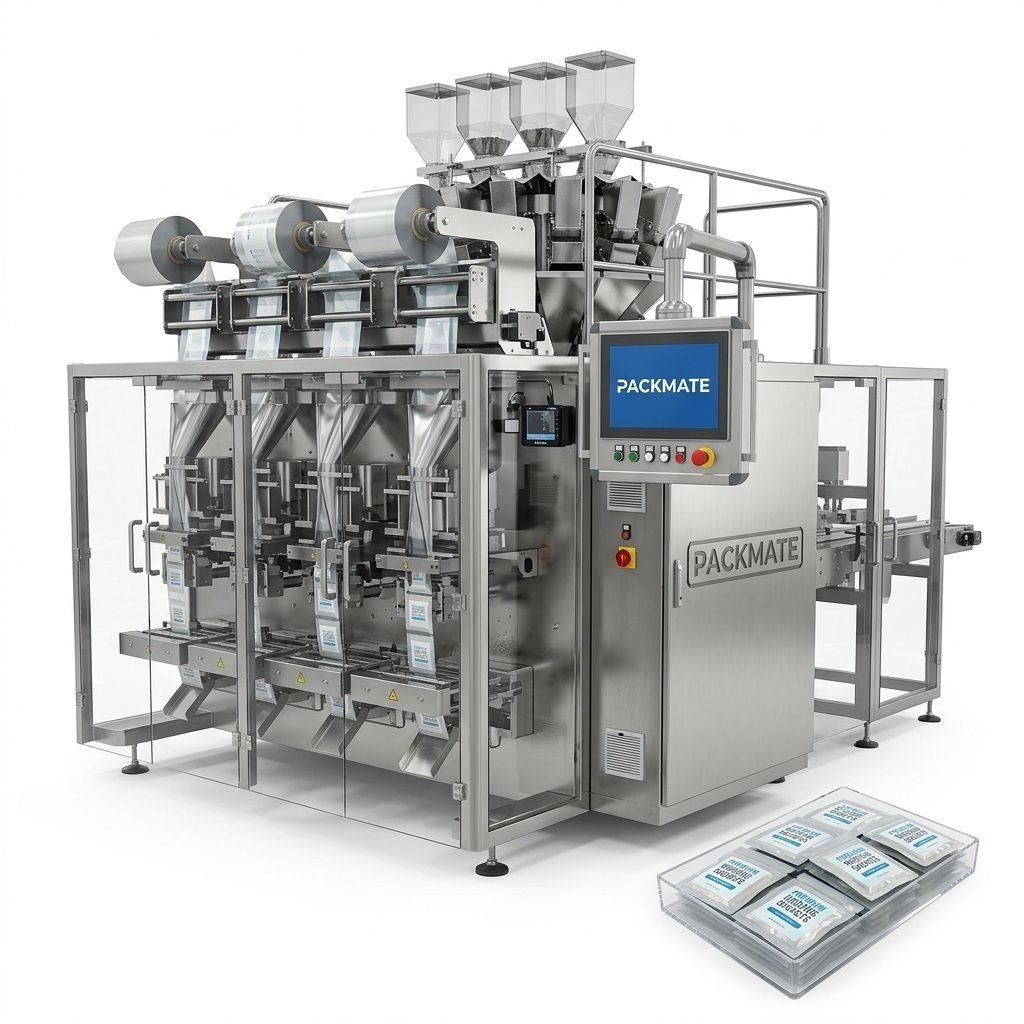
Operating a nicotine pouch or snus packaging business in Zimbabwe requires more than just a quality product — it demands the right packaging machinery tailored to local market needs, energy realities, regulatory environment, and cultural preferences. This guide helps Zimbabwean entrepreneurs, contract packers, and tobacco-related manufacturers evaluate and choose the best nicotine packaging machine for their business, covering machine types, capacity planning, energy and maintenance concerns, regulatory compliance, supplier selection, and return-on-investment considerations.
Understand the Zimbabwe Market and Local Customs
Zimbabwe has a unique market landscape shaped by local consumption habits, informal retail channels, and regulatory sensitivities around nicotine products. Before investing, consider:
- Local consumption patterns: small-format retail (kiosks and corner shops) favors sachets, stick packs, and small multi-pouch formats over large bulk packs.
- Payment and distribution: cash-based transactions and decentralized distribution require flexible packaging sizes and clear labeling to support retail turnover.
- Regulatory context: nicotine products are closely monitored; ensure machines can produce compliant packs for local labeling and health warnings.
- Cultural considerations: discreet, low-profile packaging can be preferred in conservative communities, while urban centers may accept more modern designs.
Why Zimbabwe-specific planning matters
Shipping costs, import duties, and local servicing availability make choosing the right machine model and supplier crucial. Local electrical reliability and worker skills also influence machine selection and automation level.
Types of Nicotine Packaging Machines to Consider
Choose a machine type that fits product format, desired speed, and investment capacity:
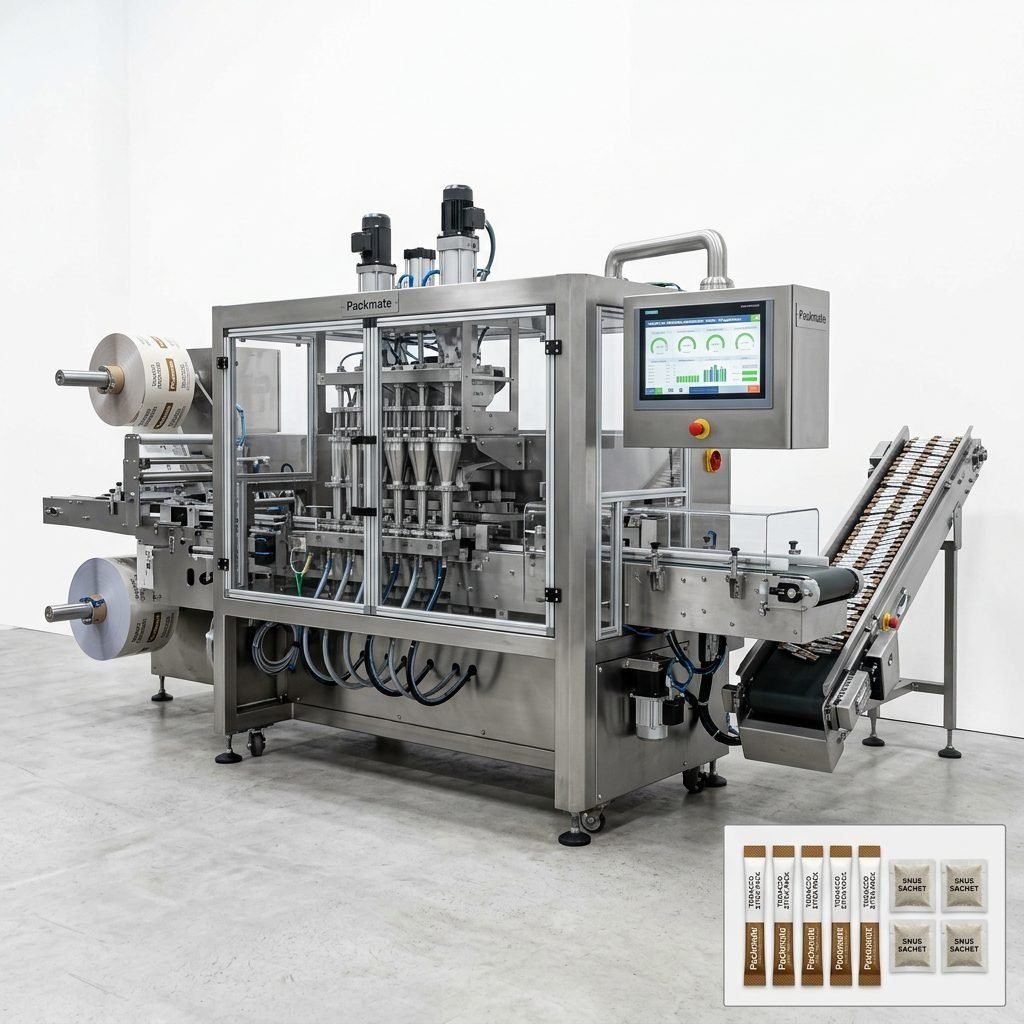
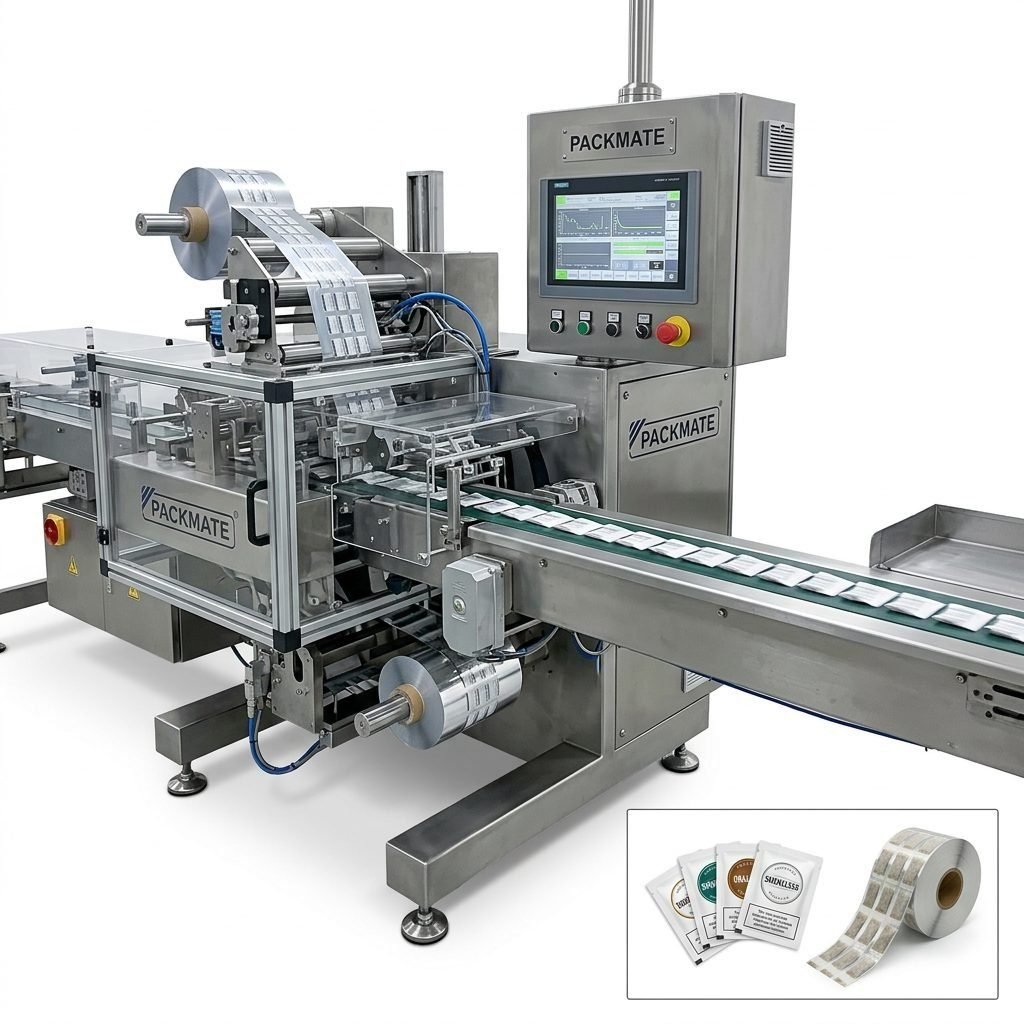
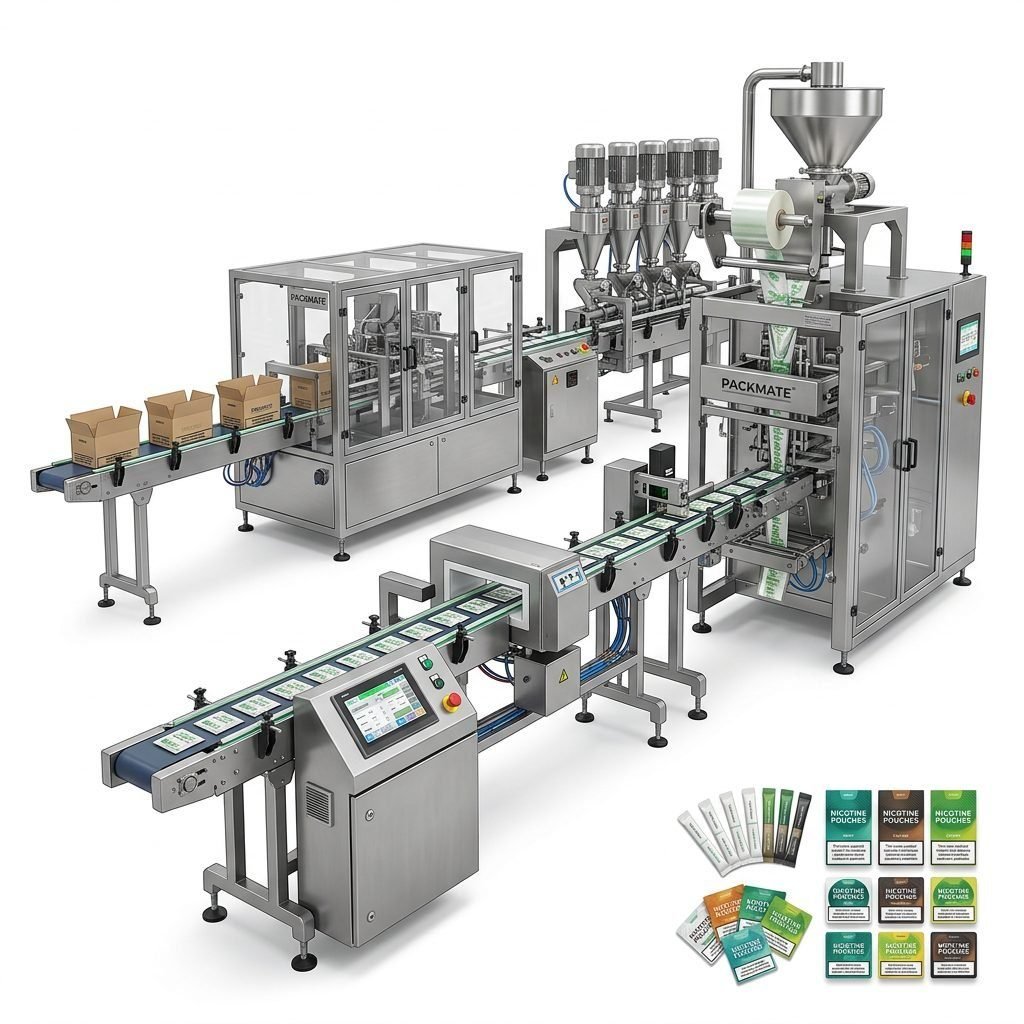
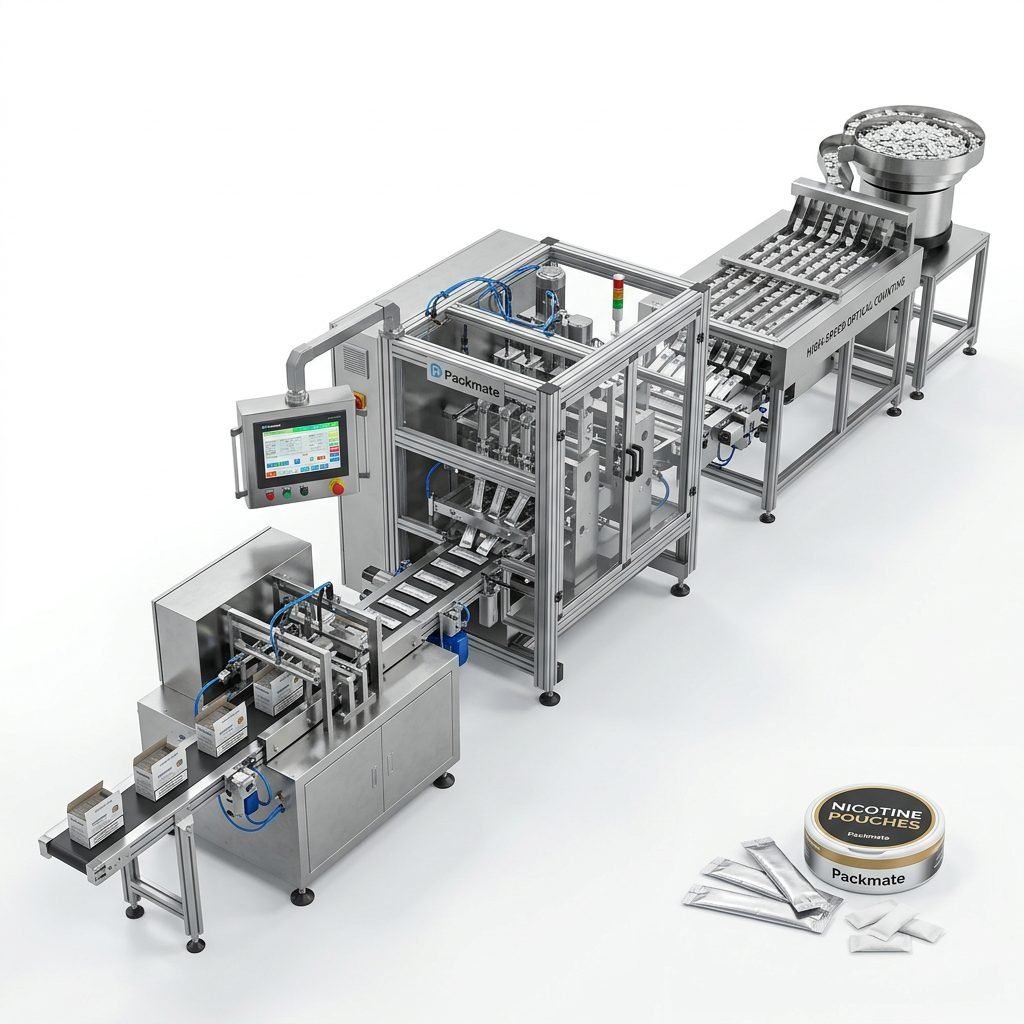
- Snus & Nicotine Pouch Machines — specialized for small-dose pouches with precise dosing and sterile handling. Ideal for nicotine pouches and snus-style products. See product options: Snus & Nicotine Packaging Machines.
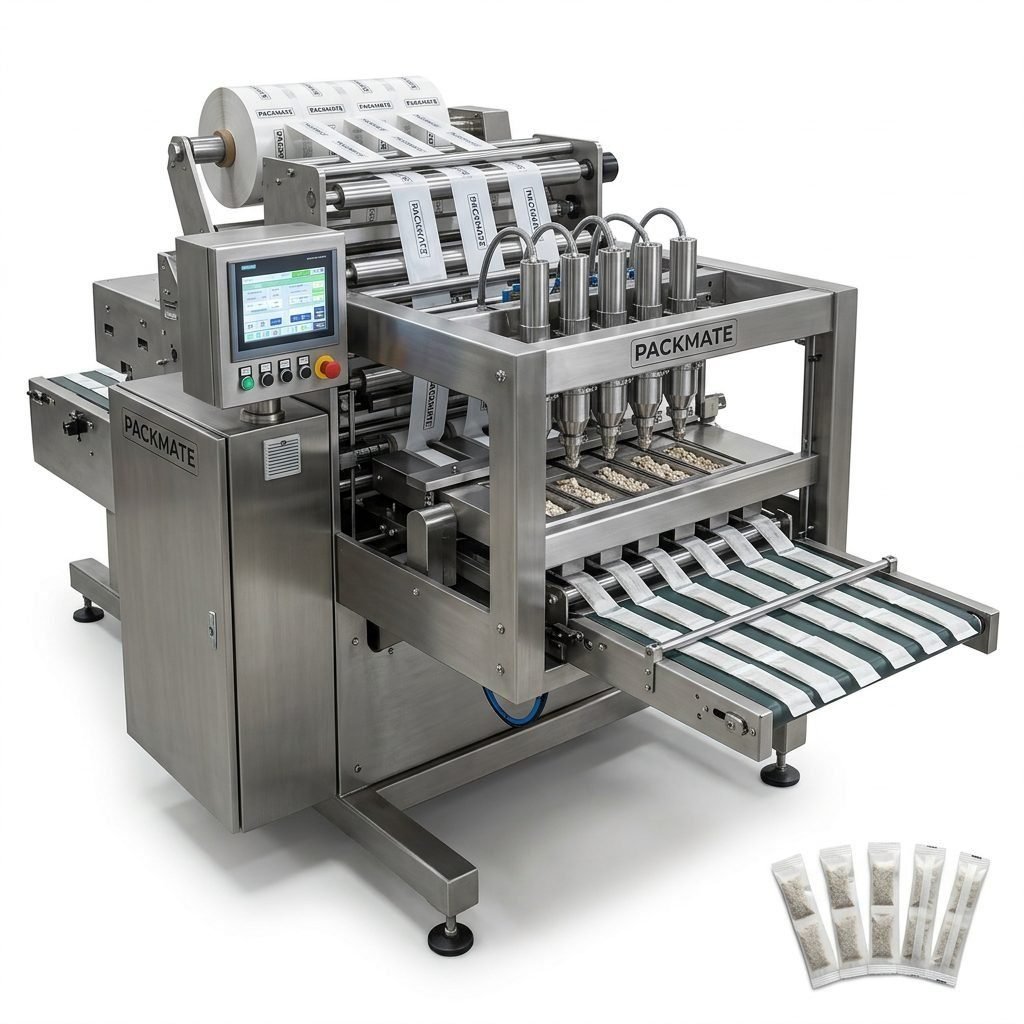
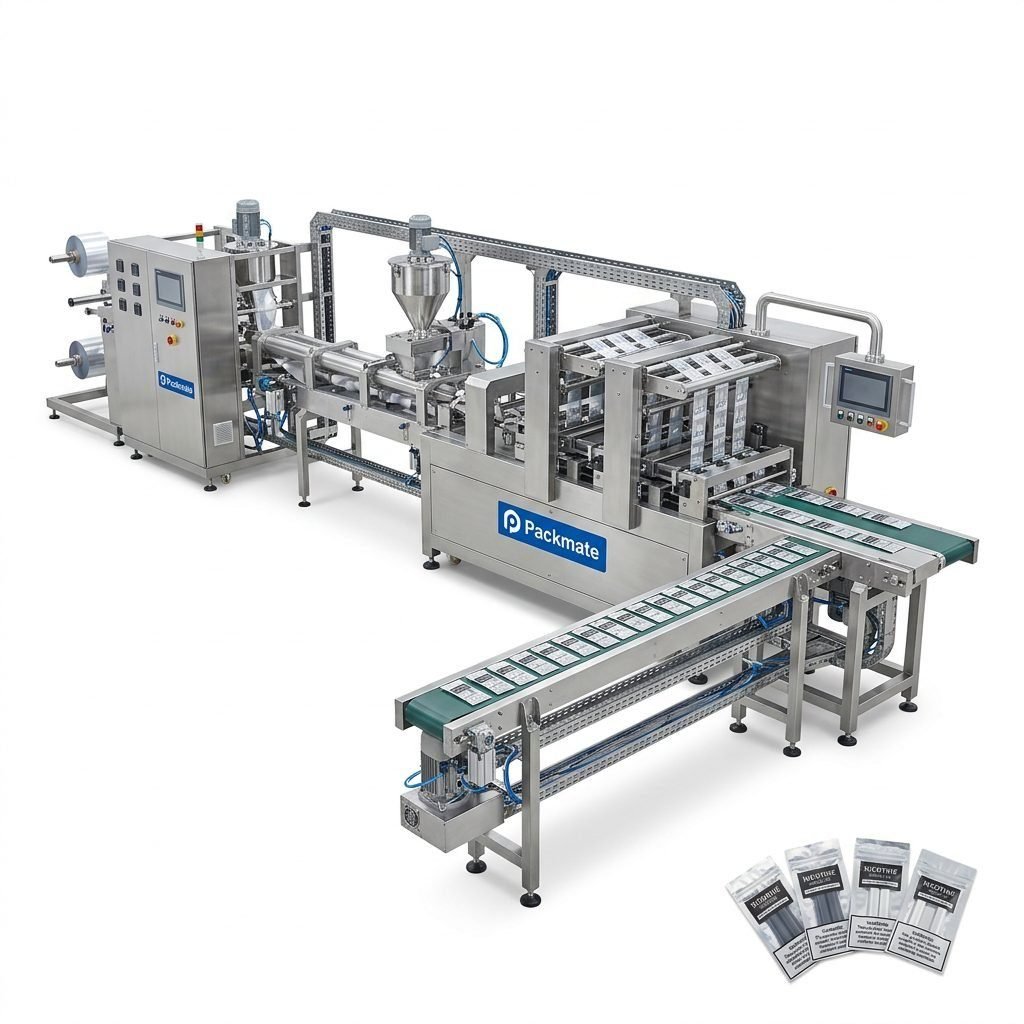
- Stick Pack Machines — good for single-serve, easy-to-open formats used in impulse purchases. High-speed stick pack lines are suited for growing urban sales.
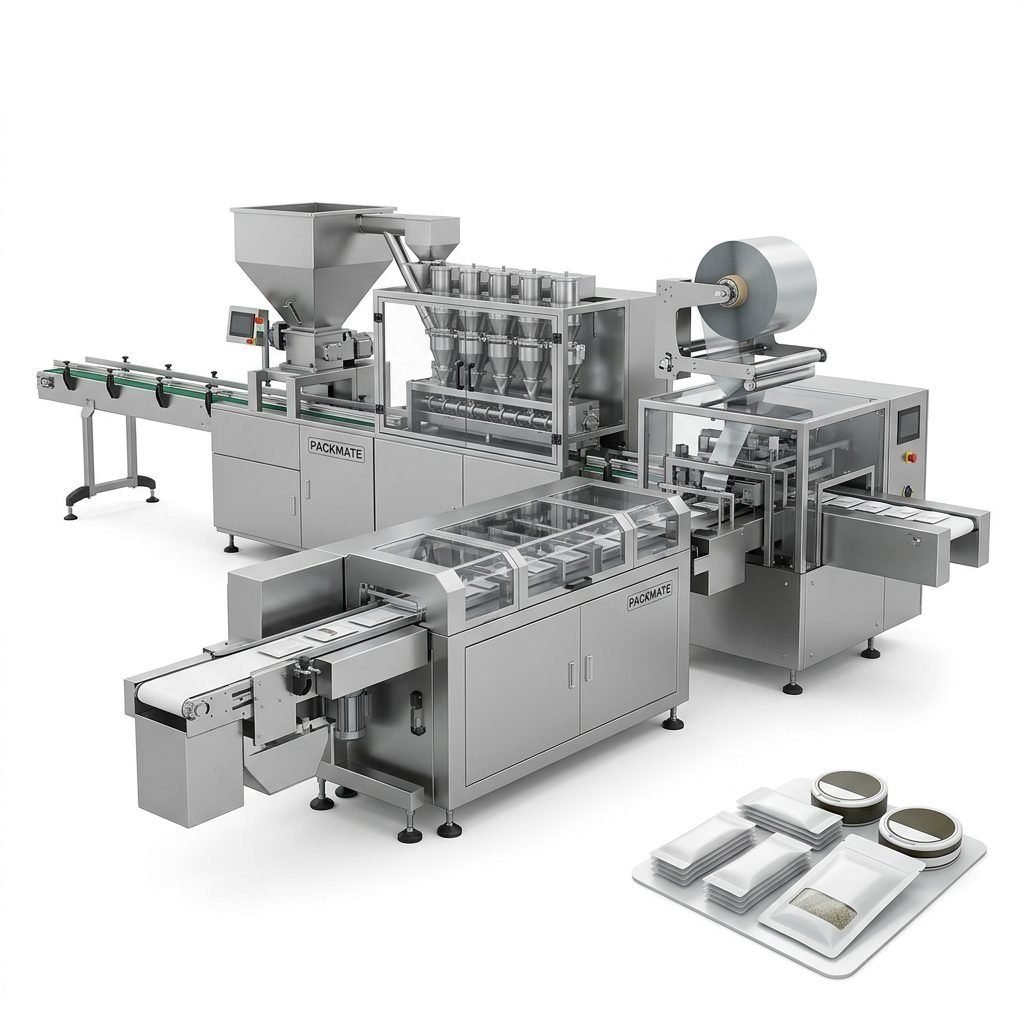
- Sachet Machines — versatile for different contents (powder, granules, liquid), useful if you plan multi-product lines: Sachet & Stick Pack Machines.
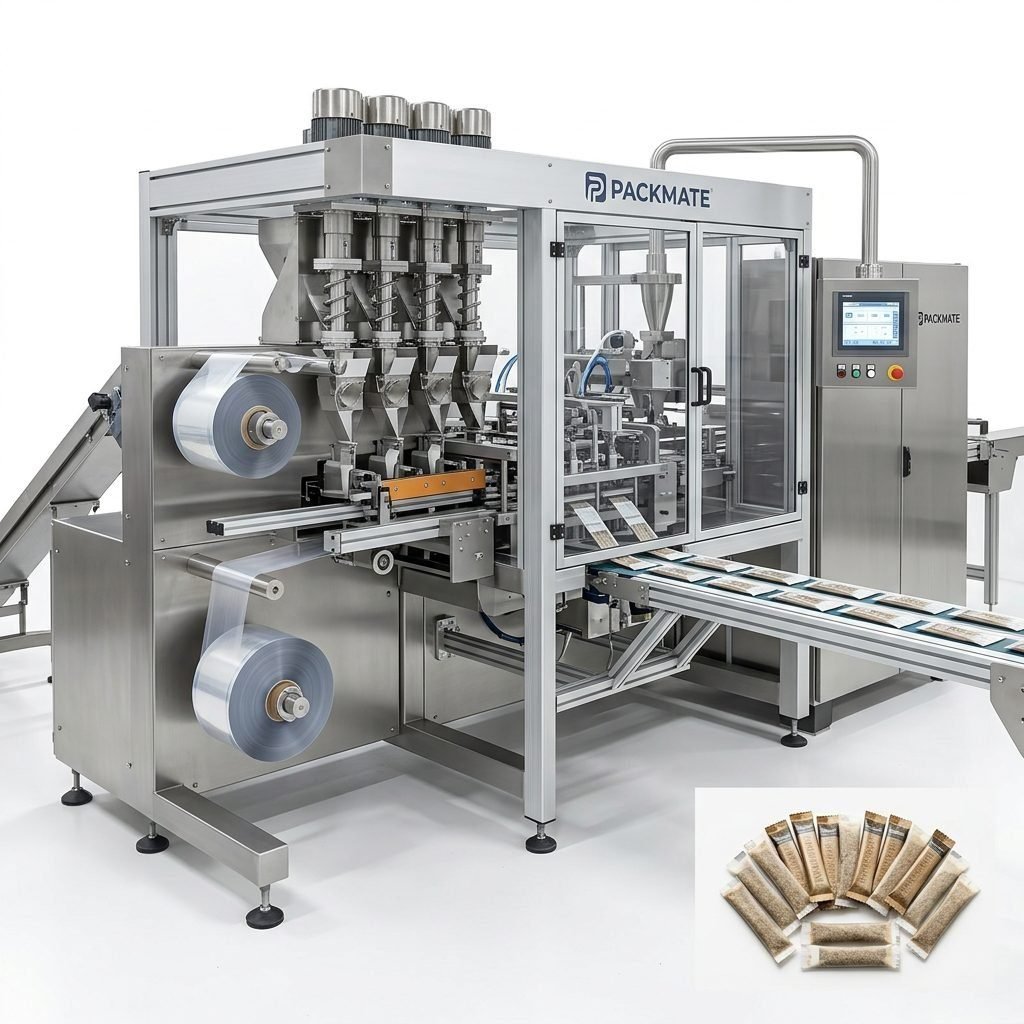
- Multi-lane Systems — increase throughput while saving floor space; best for manufacturers planning scale-up and export.
Key Technical Specifications to Evaluate
When comparing models, focus on these technical criteria:
- Throughput (packs per minute): Align machine speed with demand. Start-ups often choose moderate speed machines that allow reliable operation with a small workforce.
- Filling accuracy: For nicotine pouches, dosage precision affects both compliance and cost control.
- Lane configuration: Multi-lane machines offer better capacity scaling; single-lane systems are simpler to maintain.
- Material compatibility: Ensure machines support the film materials and barrier requirements for nicotine products.
- Automation & HMI: User-friendly interfaces reduce training time and minimize operator errors.
- Cleaning & maintenance accessibility: Quick-change parts and hygienic design reduce downtime and simplify compliance inspections.
🔴 Must-have: dose control and easy changeover. Zimbabwean plants often run mixed SKUs and need quick adjustment without skilled technicians.
Energy, Utilities and Local Infrastructure Considerations
Zimbabwe faces periodic power instability in some regions. Machine selection should reflect local energy realities:
- Power resilience: Choose machines tolerant of voltage fluctuations or ensure stable supply via UPS or voltage stabilizers.
- Compressed air & water: Check manufacturer requirements for air quality and pressure; install appropriate filtration and dryers to minimize downtime.
- Spare parts logistics: Select machines whose critical spares can be shipped quickly or locally stocked to avoid long downtime due to customs delays.
Local labor & training
Zimbabwe has a skilled technical workforce in manufacturing hubs, but specific machine training is essential. Partner with suppliers who provide on-site commissioning and training, or remote technical support.
Regulatory Compliance and Labeling for Zimbabwe
Complying with local regulations and international export rules is non-negotiable:
- Label capabilities: Your packaging line must support variable data printing for batch numbers, expiry dates, and statutory warnings.
- Material traceability: Traceable film and raw material handling help during inspections and recalls.
- Certifications: Seek suppliers whose machines meet CE and ISO standards; this simplifies export approvals and local regulatory acceptance.
Total Cost of Ownership (TCO) and ROI
Beyond the purchase price, evaluate these cost factors:
- Installation, commissioning, and training costs.
- Spare parts and consumables expenses.
- Energy consumption and maintenance labor.
- Downtime risk and service response times.
Estimate a conservative ROI timeline by factoring realistic production yields, local sales forecasts, and packaging material costs. A higher initial investment in a reliable multi-lane system can pay off quickly if you plan exports or large-scale local distribution.
✅ Quick tip: Compare the cost per pouch at expected production volumes — this reveals hidden savings from higher automation and less scrap.
Choosing a Reliable Supplier and After-Sales Support
Select a supplier with proven delivery records, local references, and robust service systems:
- Manufacturer credibility: Look for companies with decades of experience and a portfolio in nicotine pouch equipment. For example, Packmate offers specialized solutions with 30+ years’ engineering background: About Packmate.
- Global exhibition and case history: Suppliers who show case studies and exhibit internationally tend to have stronger quality controls and service networks. See examples: Case and Our Exhibition.
- After-sales service: Ensure availability of remote diagnostics, spare parts packages, and local service partners — key to minimizing downtime in Zimbabwe.
Factory & quality proof
Inspect the supplier’s factory capabilities: CNC machining centers, assembly lines, and testing systems indicate industrial maturity. Suppliers with CE & ISO certification can simplify compliance for exports and reassure quality.
Installation, Commissioning, and Local Training
Proper installation and operator training are essential for smooth operation:
- Plan for on-site commissioning with supplier engineers for setup and first production runs.
- Insist on operator and maintenance training focused on daily checks and quick troubleshooting.
- Obtain detailed operation manuals and a consumables/spare-parts list tailored for your machine model.
📌 Note: Ask suppliers about remote commissioning and online training — these services reduce travel time and accelerate production start-up.
Financing, Import, and Customs Considerations in Zimbabwe
Plan for capital flows and import logistics:
- Import duties & taxes: Factor customs clearance time and duty rates for machinery and spare parts. Work with freight forwarders familiar with Zimbabwe ports and customs.
- Local financing options: Explore bank financing, leasing, or supplier financing programs. Suppliers may partner with financial institutions for structured payments.
- Staged purchasing: Consider buying a base machine now and scaling with additional lanes or modules later to spread capital expenditure.
Operational Best Practices for Zimbabwean Plants
To maximize uptime and product quality in Zimbabwe, implement these best practices:
- Daily pre-shift checks for electricals, pneumatics, and dosing accuracy.
- Stock critical spares locally: belts, sensors, sealing jaws, PLC fuses.
- Train a small in-house maintenance team to handle routine repairs.
- Plan film and raw material procurement to avoid supply gaps due to import delays.
Multi-product flexibility
If you plan to produce snacks, tea sachets, or other formats, consider modular machines or multi-purpose lines — this increases asset utilization and spreads fixed costs across product lines. See broader solutions for bag/pouch and filling lines: Bag & Pouch Packaging Machines and Filling & Packaging Lines.
Checklist: Questions to Ask Your Supplier
Use this checklist during supplier evaluation:
- What is the expected uptime and mean time between failures (MTBF)?
- Can you provide references in African or similar emerging markets?
- What spare parts are essential to keep on-site and lead times for shipments?
- What warranties and service SLAs are offered?
- Is remote diagnostic support available and what does it cost?
- What training packages are included with purchase?
⚠️ Avoid purchasing the cheapest machine without verification. Hidden costs (downtime, low yield, expensive spares) often make low-end machines more costly over time.
Case Example: A Practical Approach for a Zimbabwe Start-up
Scenario: a Harare-based start-up planning to produce 200,000 pouches/month for local retail. Recommended approach:
- Choose a reliable single or dual-lane snus pouch machine with good dosing accuracy and easy maintenance.
- Start with moderate automation to match labor skills and local power reliability; invest in a UPS and voltage stabilizer.
- Purchase a spare parts kit covering common wear items (sealing jaws, belts, sensors).
- Negotiate on-site commissioning and operator training from the supplier. Prefer manufacturers with global case studies and strong QA like Packmate: Service.
- Plan incremental upgrades—add lanes or automation modules as demand and cashflow improve.
Working with Packmate and Similar Manufacturers
Manufacturers with decades of specialization in snus and nicotine pouch equipment bring advantages: mature designs, multi-lane options, and tailored turnkey lines. Packmate (Packmate Snus Machine) emphasizes high-performance snus pouch packaging lines, diverse machine models, and global support. For product range and solutions review: Weighing & Packaging Systems and Auxiliary Packaging Equipment.
Local partnerships and service
Ask suppliers about regional service partners or recommended local technicians who can assist after installation. This reduces lead times for repairs and increases production reliability.
Final Recommendations Before Purchase
Make a measured decision:
- Plan production and scale: align machine speed and flexibility with near-term sales forecasts.
- Prioritize dosing accuracy, sealing reliability, and ease of maintenance over headline speed.
- Verify supplier references and factory capabilities; ask for demonstration videos or remote demos.
- Negotiate training, spare parts package, and defined SLAs for service response times.
🔎 Remember: A slightly higher initial investment in a robust machine often leads to lower cost-per-pouch, fewer compliance issues, and a faster path to profitability in Zimbabwe.
Frequently Asked Questions
Q1: What machine type is best for a small Zimbabwean startup focused on local kiosks?
A1: A single or dual-lane snus/nicotine pouch machine or a low-to-mid speed stick pack machine with simple changeovers is ideal. These balance affordability with production flexibility.
Q2: How important is supplier after-sales service?
A2: Extremely important. Rapid response for spare parts and technical support prevents long downtimes that heavily affect small operations.
Q3: Should I worry about electricity stability in Zimbabwe when choosing a machine?
A3: Yes. Machines tolerant to voltage variation, plus a UPS and stabilizer, will reduce the risk of electrical damage and production interruptions.
Q4: Can I use the same equipment for nicotine pouches and other products like tea sachets?
A4: Some modular machines and multi-purpose lines can handle multiple products, but confirm compatibility of dosing, sealing, and film handling with the supplier.
Q5: Where can I find more information about reliable snus machinery and turnkey solutions?
A5: Review manufacturer pages and product catalogs for machine specs, case studies, and contact channels. For a starting point, explore product portfolios and contact options: Snus & Nicotine Packaging Machines, Catalog, and Contact Us.