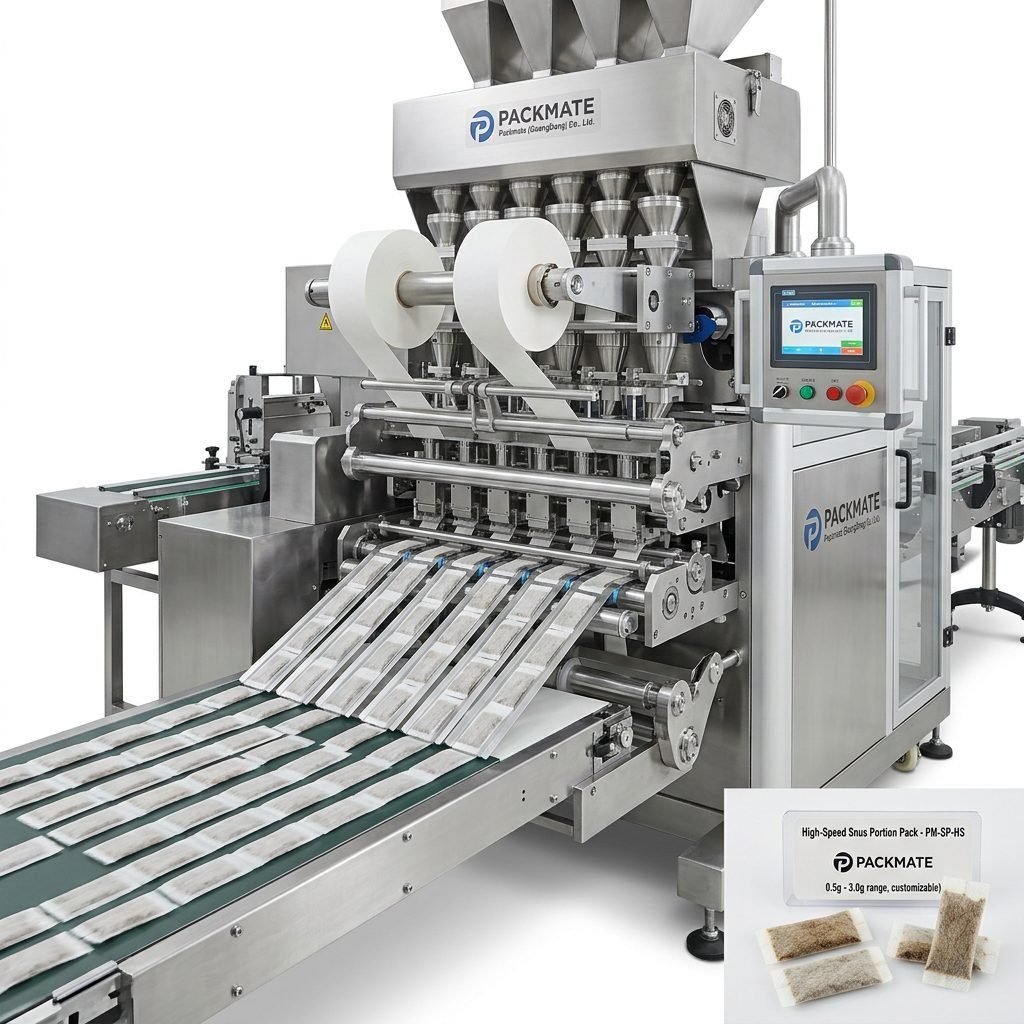
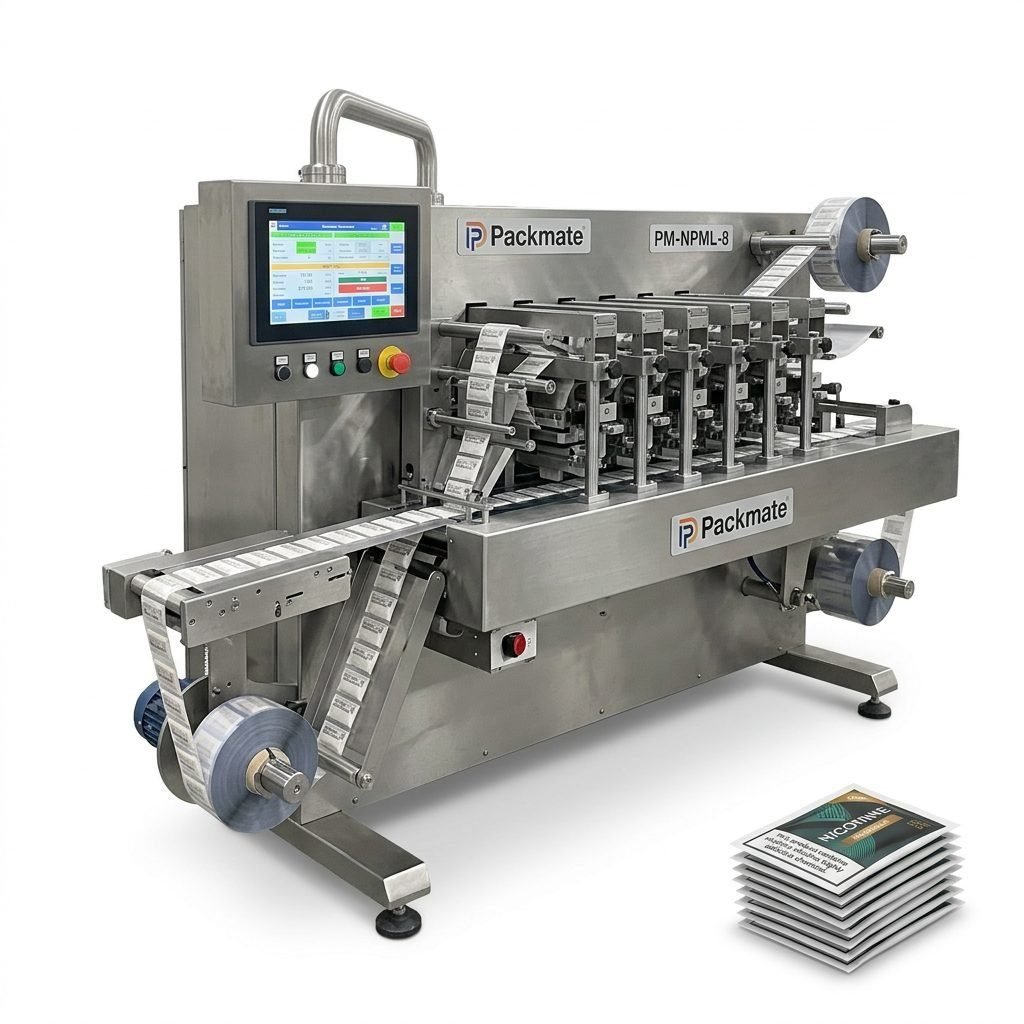
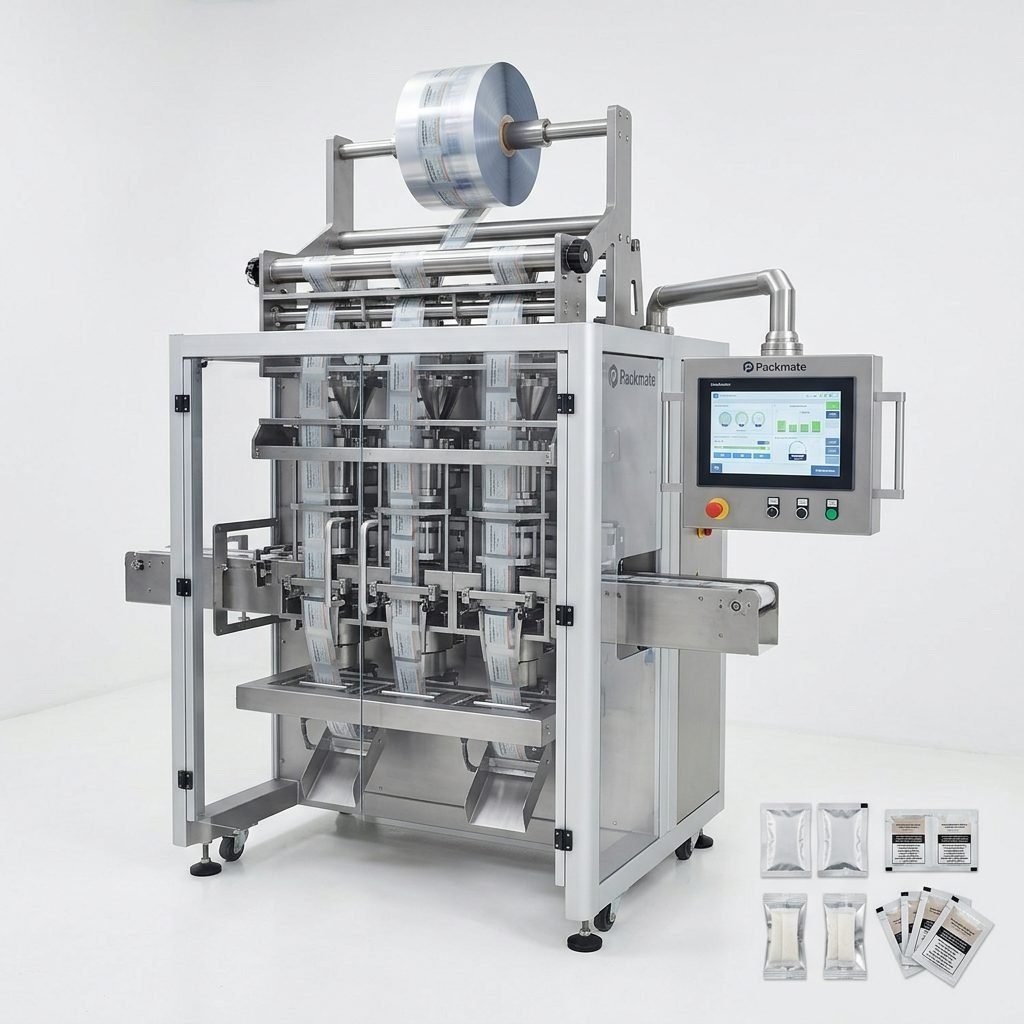
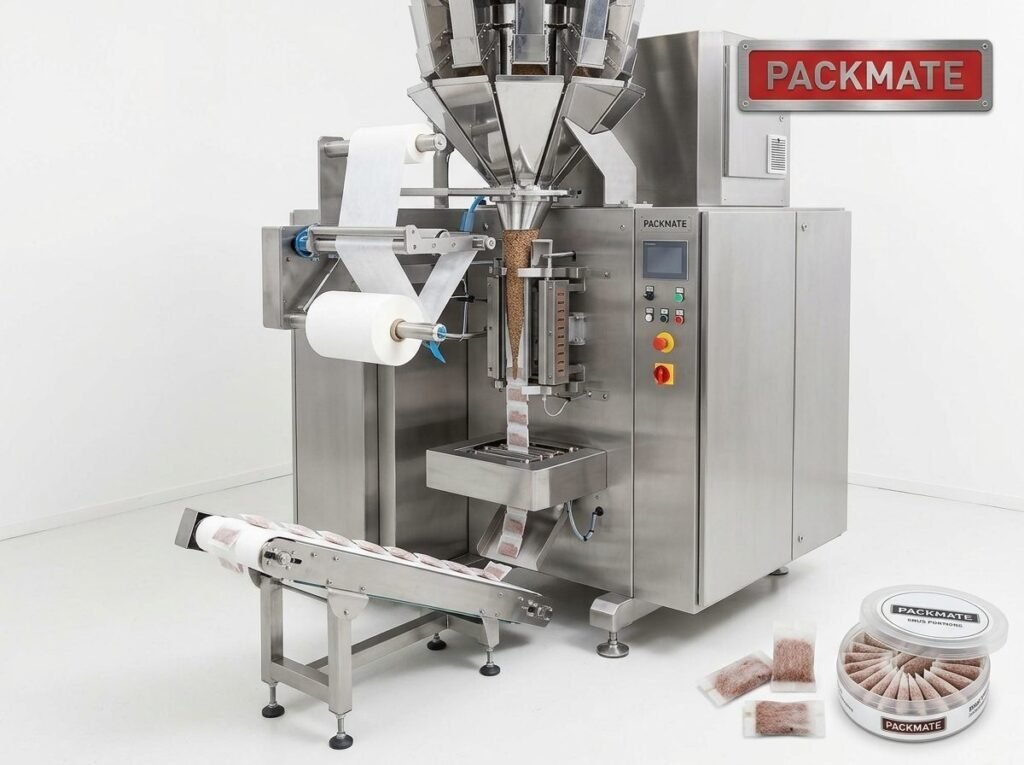
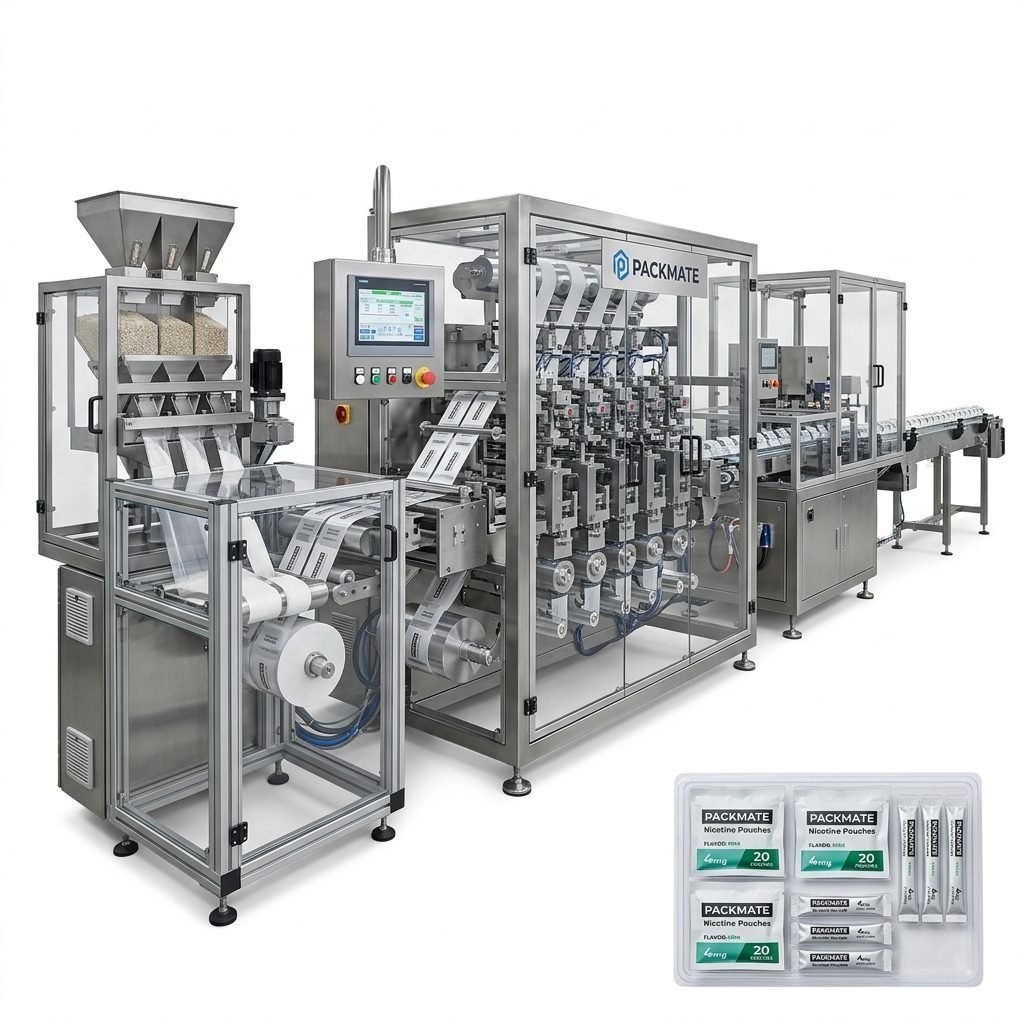
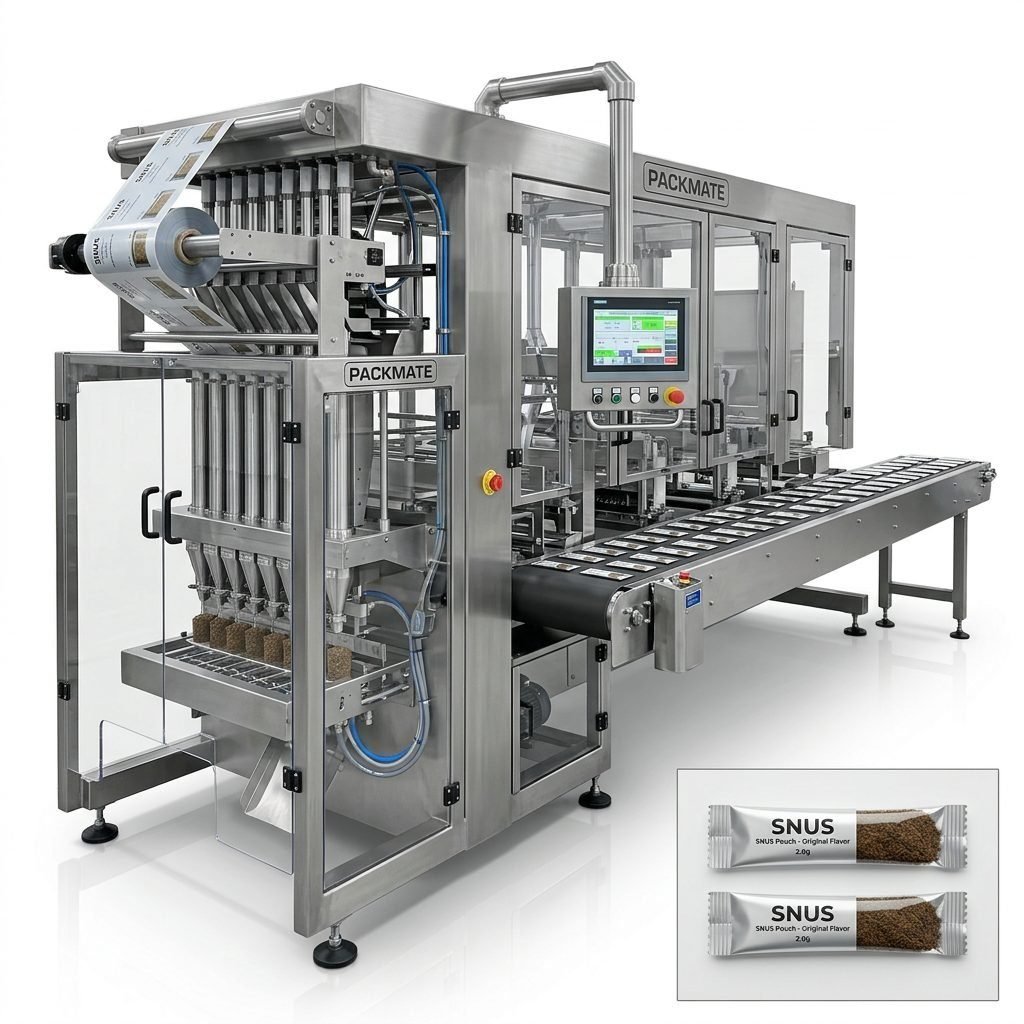
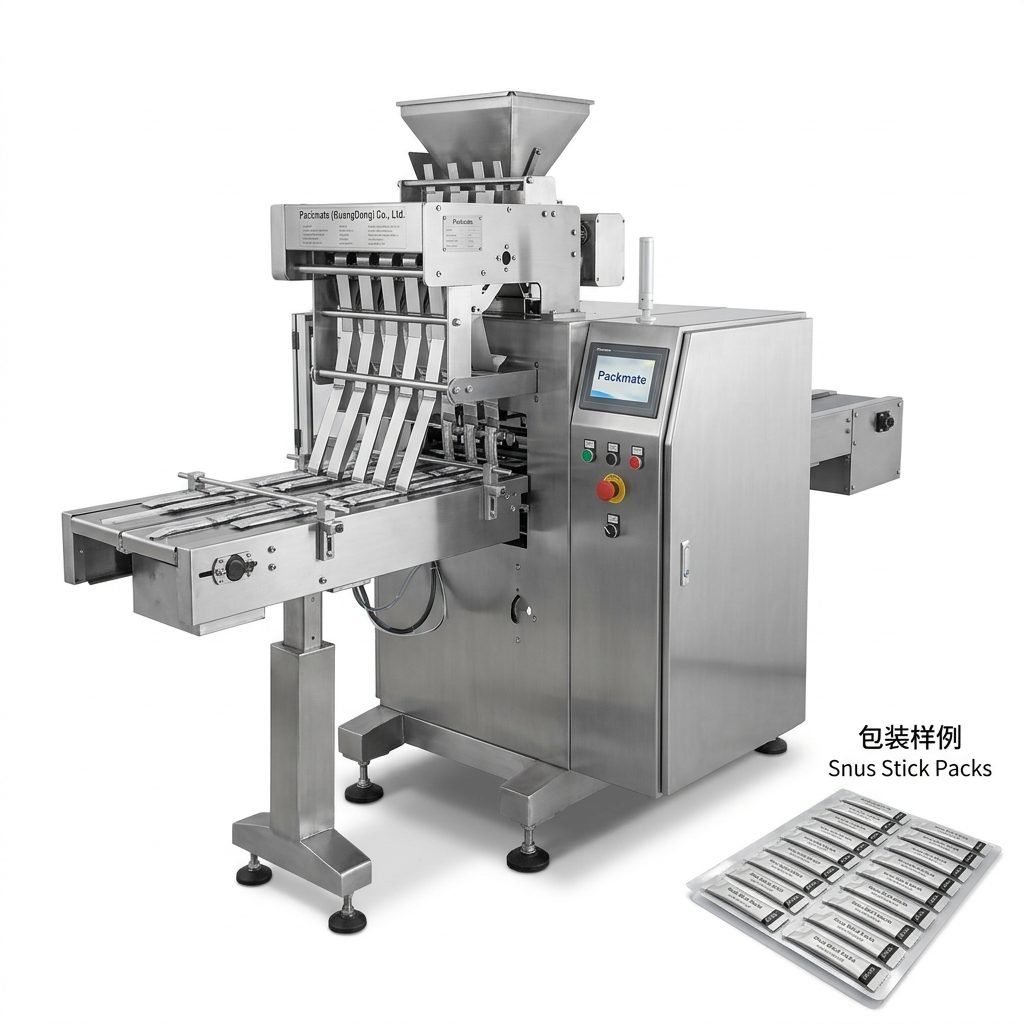
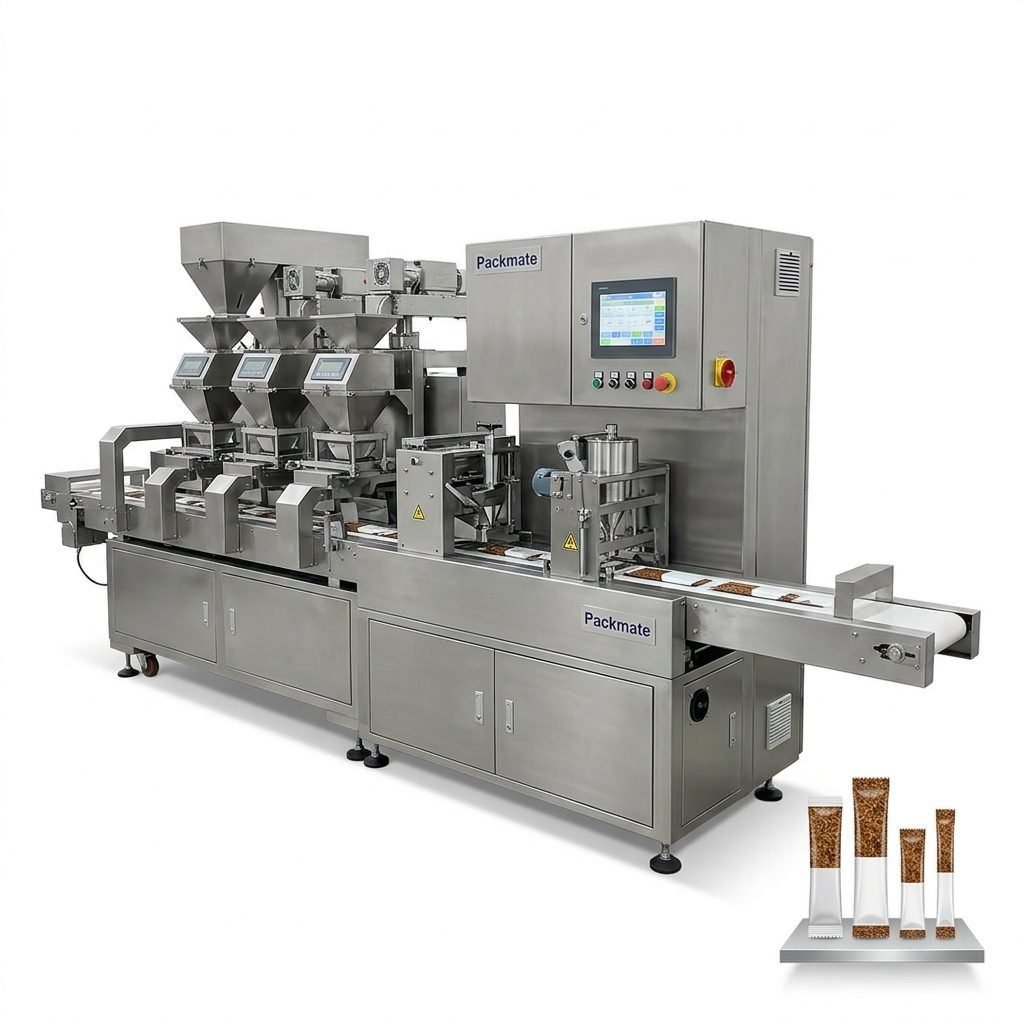
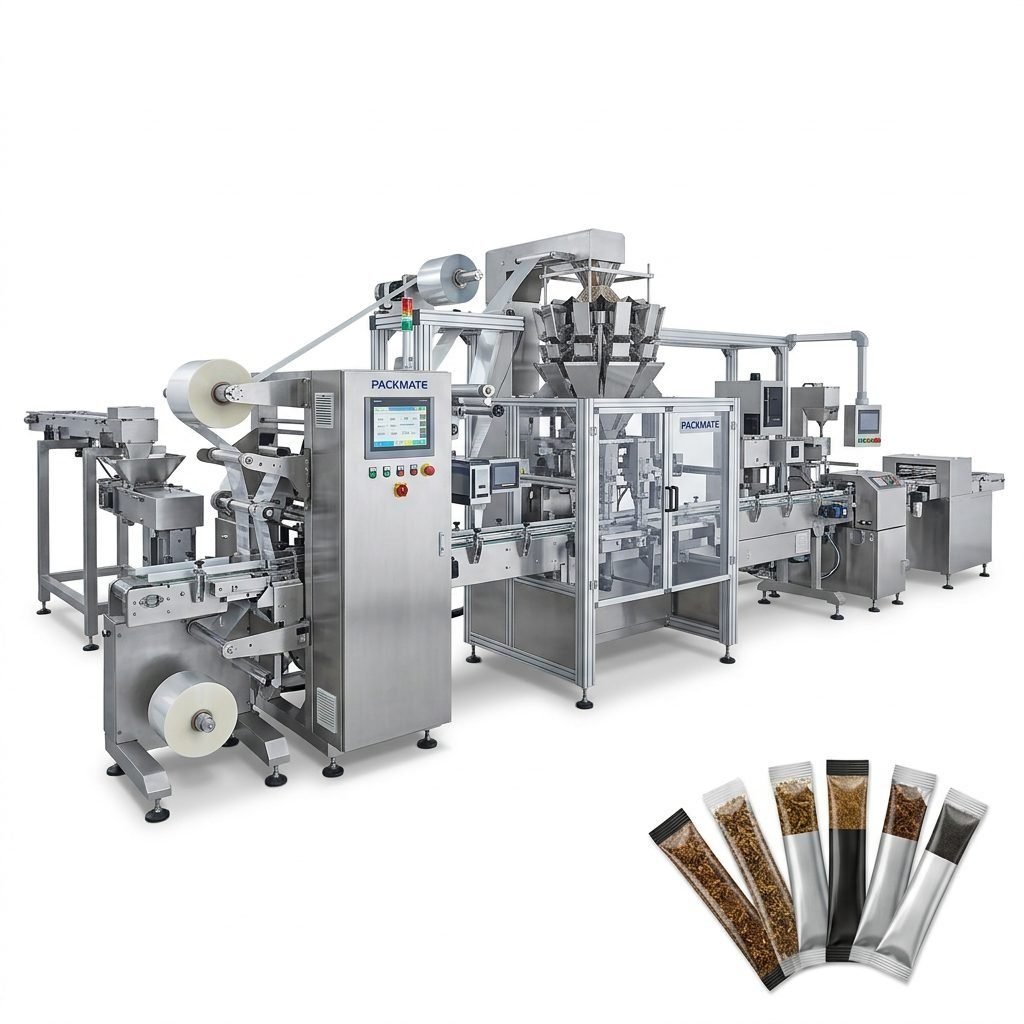
Improving snus packaging machine accuracy is essential for manufacturers who must deliver consistent portion weight, tight tolerances, and high-quality finished pouches. This guide outlines practical engineering, process, and operational strategies to optimize portion control on snus and nicotine pouch packaging lines, reduce giveaway, prevent rejects, and increase overall production efficiency.
Understanding the Accuracy Challenge ⚙️
Snus pouch machines face unique accuracy challenges because each portion is small, often measured in grams or sub-gram doses, and the product can be powdery, granular, or fibrous. Variability can come from inconsistent feed, vibration, mechanical wear, temperature and humidity shifts, or improper calibration. Improving accuracy requires a systems approach: examine the feed, weighing, filling, and sealing stages together rather than in isolation.
Key Performance Indicators to Monitor
Track metrics such as mean portion weight, standard deviation, reject rate, and giveaway percentage. Use a statistical control approach to spot trends before they become failures. Integrate inline checkweighers or sample weighing routines that feed data back to the machine PLC for closed-loop corrections.
🔍 Tip: Install an inline checkweigher that communicates with the dosing system. Real-time feedback reduces variance and lowers giveaway by enabling dynamic micro-adjustments.
Optimizing the Feeding System
Consistent feed is the foundation of accurate portions. For snus, consider hopper design, agitation, and vibratory or auger feed options depending on product characteristics. Use controlled vibration or variable-speed augers with closed-loop control so the feed rate stays constant despite changes in bulk density. Anti-bridging devices and level sensors in hoppers prevent starvation that leads to under-weight portions.
Precision Dosing: Weighing and Volumetric Options
Choose a dosing method that matches product behavior. Gravimetric (loss-in-weight or single-portion weighers) dosing gives the best accuracy for small portions; volumetric systems are faster but require tight material consistency. Multi-head weighers or multi-lane weigh belts can be used on high-output lines, but ensure each lane is tuned and balanced to avoid cross-lane variability.
⚖️ Pro recommendation: For nicotine pouches, gravimetric dosing with micro-loss-in-weight control yields the tightest distribution and minimizes giveaway.
Mechanical Precision and Synchronization
Mechanical wear, belt stretch, and gearbox backlash introduce variability. Use high-precision servo drives for synchronized multi-lane systems and ensure timing belts and cam tracks are tensioned and inspected regularly. When upgrading or designing new lines, prioritize components with tight positional repeatability, such as ball screws, linear guides, and high-resolution encoders.
Environmental Control: Temperature and Humidity
Environmental factors change the flow characteristics of snus material. Maintain an environmentally controlled packaging area where possible. Even modest humidity swings can make powder cling or cake, disrupting flow and causing overdosed or underfilled pouches. HVAC, dehumidifiers, and sealed material transfer points help maintain consistent feed behavior.
Material Handling and Formulation Considerations
Work closely with product development to optimize the formulation for processability. Particle size distribution, moisture, and binder content dramatically affect dosing accuracy. Consider pre-blending additives that improve flow, or use sieving and conditioning steps to homogenize batches before filling.
✅ Quality control checkpoint: Implement incoming material inspection for bulk density and moisture; reject or recondition lots that fall outside process windows.
Sensors, Automation, and Closed-Loop Control
Modern snus packaging lines benefit from sensor fusion and PLC/SCADA integration. Combine load cells, vision systems, and flow meters to provide context-aware control. Use PID or model-predictive controllers to adjust dosing parameters automatically. When a checkweigher detects drift, the PLC can alter dosing speed or feeder amplitude to bring the process back into target.
Regular Maintenance and Calibration
Establish a preventive maintenance schedule to replace wear items before they affect accuracy. Calibrate load cells and weigh modules frequently with certified weights. Lubricate and align mechanical components, and keep machine guards and covers in place to reduce contamination and maintain consistent mechanical conditions.
Operator Training and Process Documentation
Skilled operators are as important as hardware. Provide training focused on recognizing early signs of drift, performing quick checks, and executing corrective actions. Maintain clear standard operating procedures and changeover guides to ensure consistent behavior during recipe changes, lane adjustments, or product switchover.
Case Study: Multi-Lane Snus Line Optimization
A multi-lane snus line upgraded to servo-driven lane synchronization and installed an inline micro-loss-in-weight dosing system. After tuning, the line reduced standard deviation by 35% and cut giveaway by 22%, while increasing uptime due to predictive maintenance alerts from the PLC. (For detailed machine options and systems, explore Packmate product ranges such as Snus & Nicotine Packaging Machines and Weighing & Packaging Systems.)
Integrating Ancillary Equipment
Auxiliary equipment like vibratory conveyors, de-dusting modules, and automated feeding hoppers can stabilize upstream conditions. Coordinate suppliers and ensure electrical and data interfaces are compatible. For turnkey solutions that combine dosing, filling, sealing, and checkweighing, see examples of Filling & Packaging Lines and Auxiliary Packaging Equipment.
Regulatory and Certification Considerations
Machines used for nicotine pouch filling must meet hygiene and safety standards. Choose equipment compliant with CE and ISO requirements and maintain traceability records for calibration and maintenance. Packmate’s certified systems and documentation help simplify regulatory audits and ensure consistent production quality.
📌 Remember: Accuracy improvements usually yield fast ROI through reduced giveaway and lower reject rates. Small investments in sensors or a better dosing module can pay back quickly.
Selecting a Partner and Turnkey Solutions
When selecting a supplier, evaluate their experience with snus and nicotine pouch production. Look for companies that offer multi-lane systems, custom configurations, and after-sales support. Packmate Snus Machine’s factory capabilities and global support network make it a candidate for complex projects; review product categories like Sachet & Stick Pack Machines and Bag & Pouch Packaging Machines to find matched solutions.
Practical Checklist to Improve Accuracy
1) Implement inline checkweighing and closed-loop dosing control.
2) Choose gravimetric dosing for micro-portion control.
3) Maintain environmental control around the packaging line.
4) Standardize incoming material properties and pre-conditioning.
5) Schedule preventive maintenance and regular calibration.
6) Train operators and document changeover procedures.
For machine catalogs, technical specifications, or to discuss a turnkey snus packaging line, consult the Packmate resources such as About Packmate, Our Exhibition, and Contact Us. Engaging early with a supplier helps align machine design to product characteristics and production targets.
🔧 Action Plan: Start with a baseline audit of variance and causes, then pilot one closed-loop dosing upgrade lane. Measure impact, scale improvements, and document ROI to justify wider investment.
Frequently Asked Questions
Q1: How often should I calibrate weigh modules on a snus filling line?
A1: Calibrate load cells and weigh modules at a frequency determined by usage and regulatory requirements; for high-volume lines, a weekly verification with certified weights and a full calibration monthly is common practice. Keep calibration logs for traceability.
Q2: Is gravimetric dosing always better than volumetric dosing for nicotine pouches?
A2: Gravimetric dosing provides superior accuracy and repeatability for small-dose products but can be more complex and costlier. If product flowability is consistent and the tolerance range is wider, volumetric may be acceptable. For tight tolerances and giveaway reduction, gravimetric is preferred.
Q3: What environmental controls are most important for snus packaging accuracy?
A3: Humidity control is critical to prevent caking and adhesion; temperature stability helps maintain consistent material behavior. Implementing localized HVAC or dehumidifiers for the packaging area yields measurable accuracy improvements.
Q4: Can upgrading to servo drives improve multi-lane synchronization?
A4: Yes. Servo-driven systems offer precise synchronization and quick adjustments, reducing lane-to-lane variability. They also simplify recipe changes and speed up changeovers on multi-lane configurations.
Q5: Where can I find machine options and support for upgrading our line?
A5: Explore Packmate’s product pages such as Snus & Nicotine Packaging Machines, Weighing & Packaging Systems, and Auxiliary Packaging Equipment for options and case studies. For personalized solutions, visit About Packmate, Our Exhibition, or Contact Us to discuss your requirements.