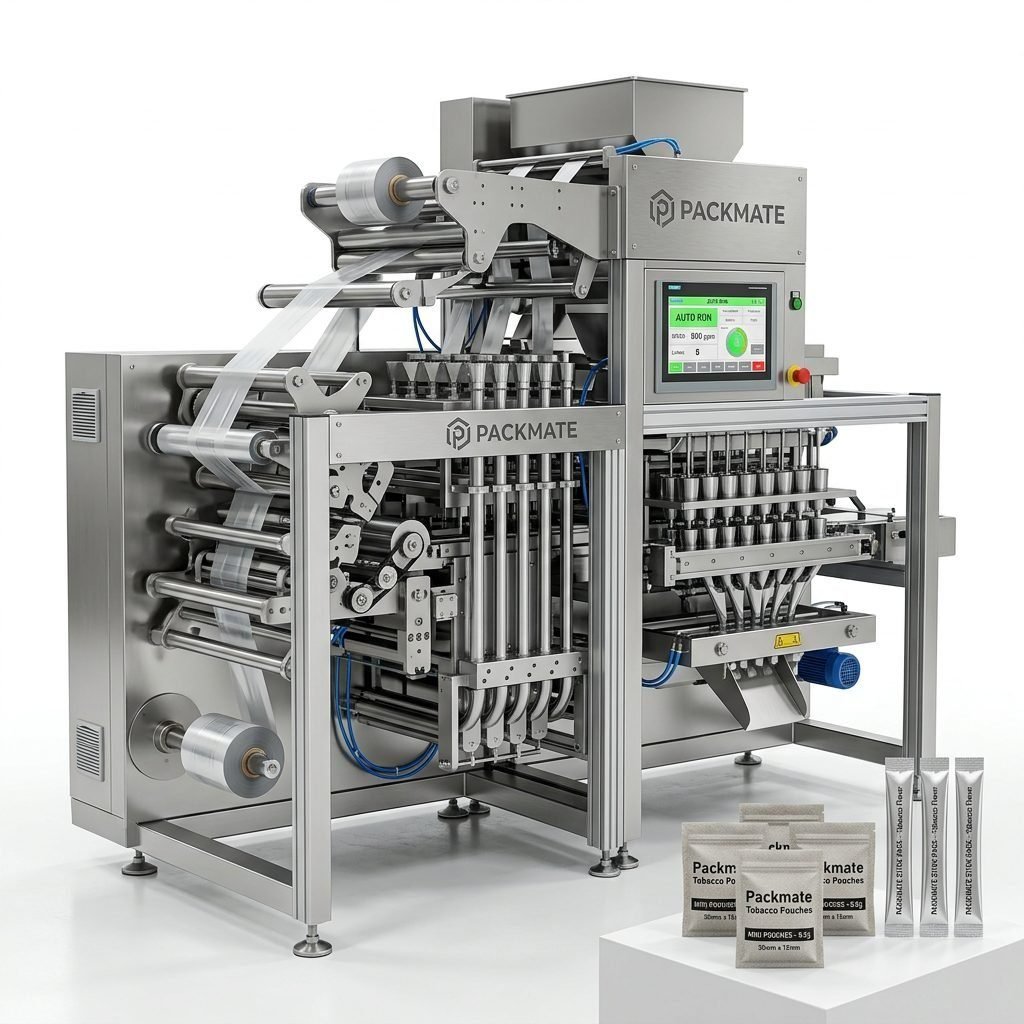
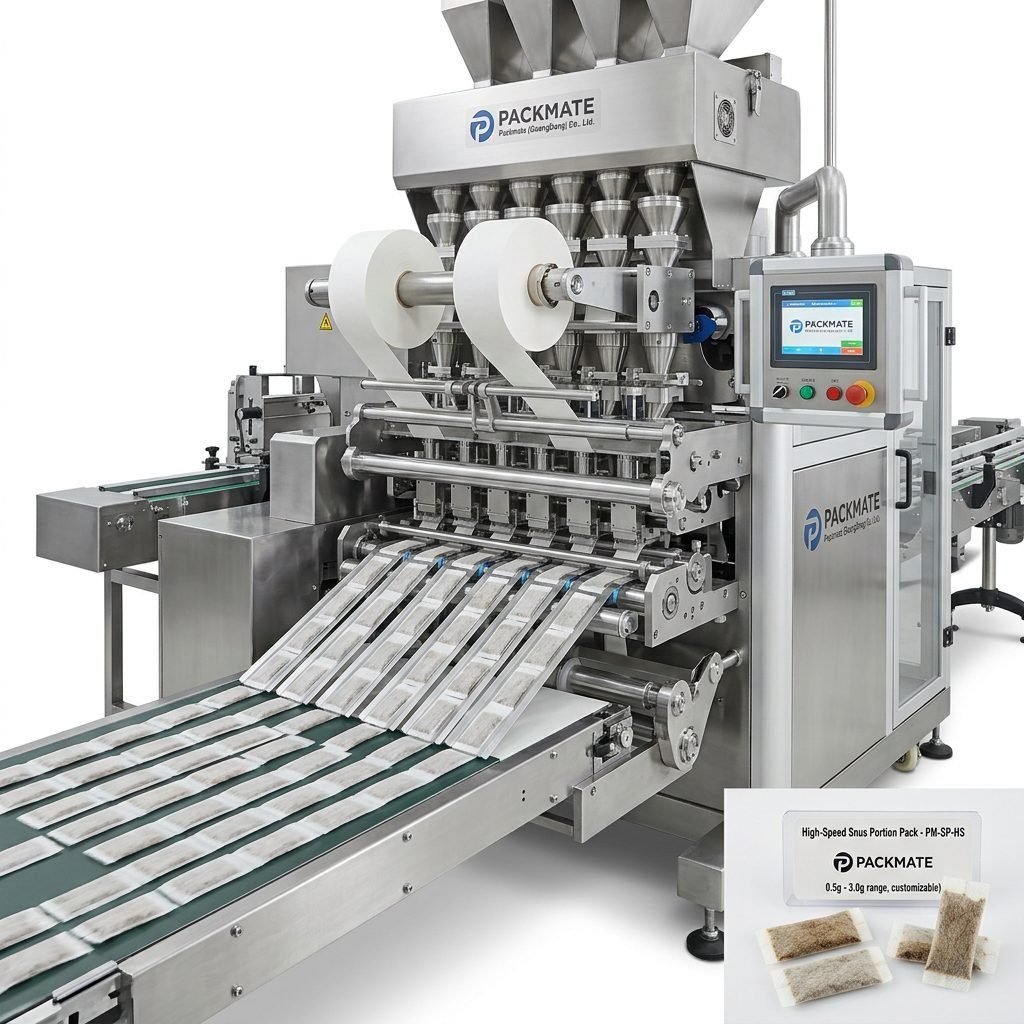
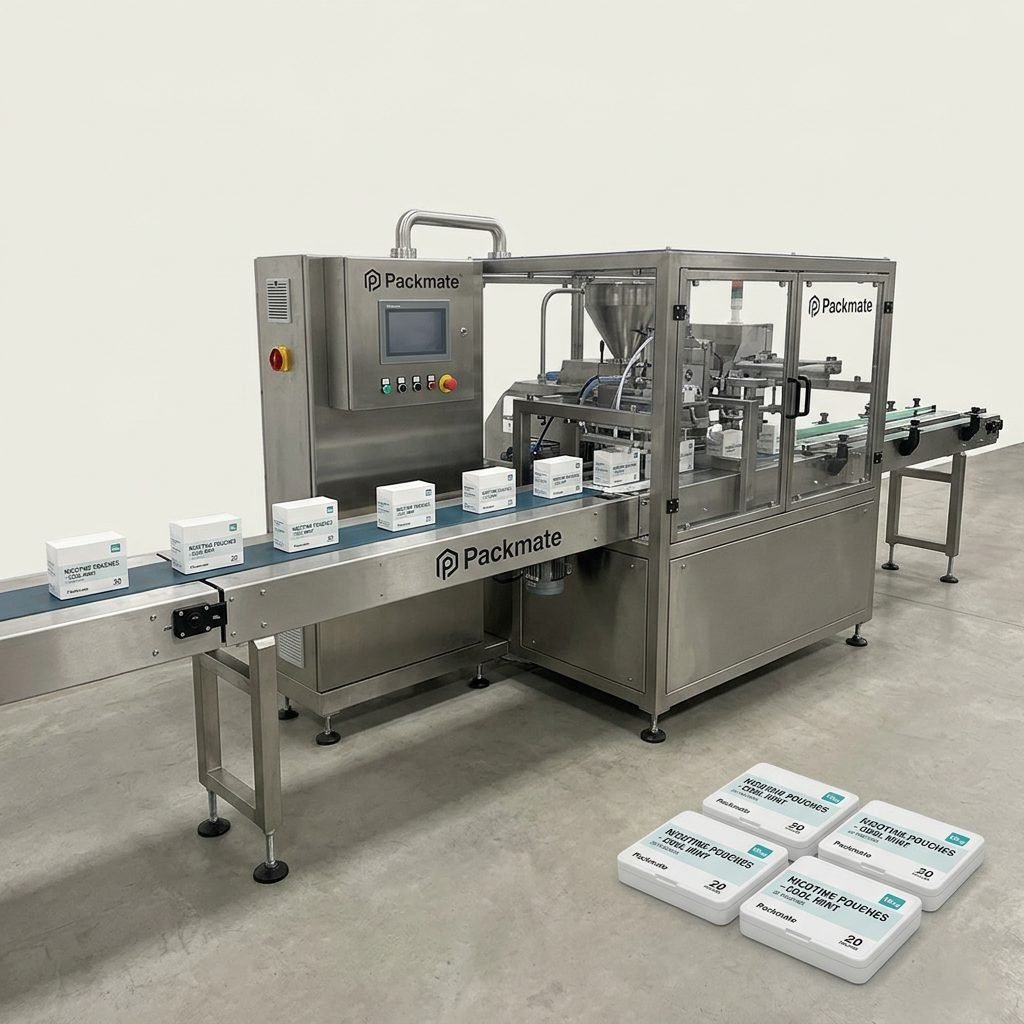
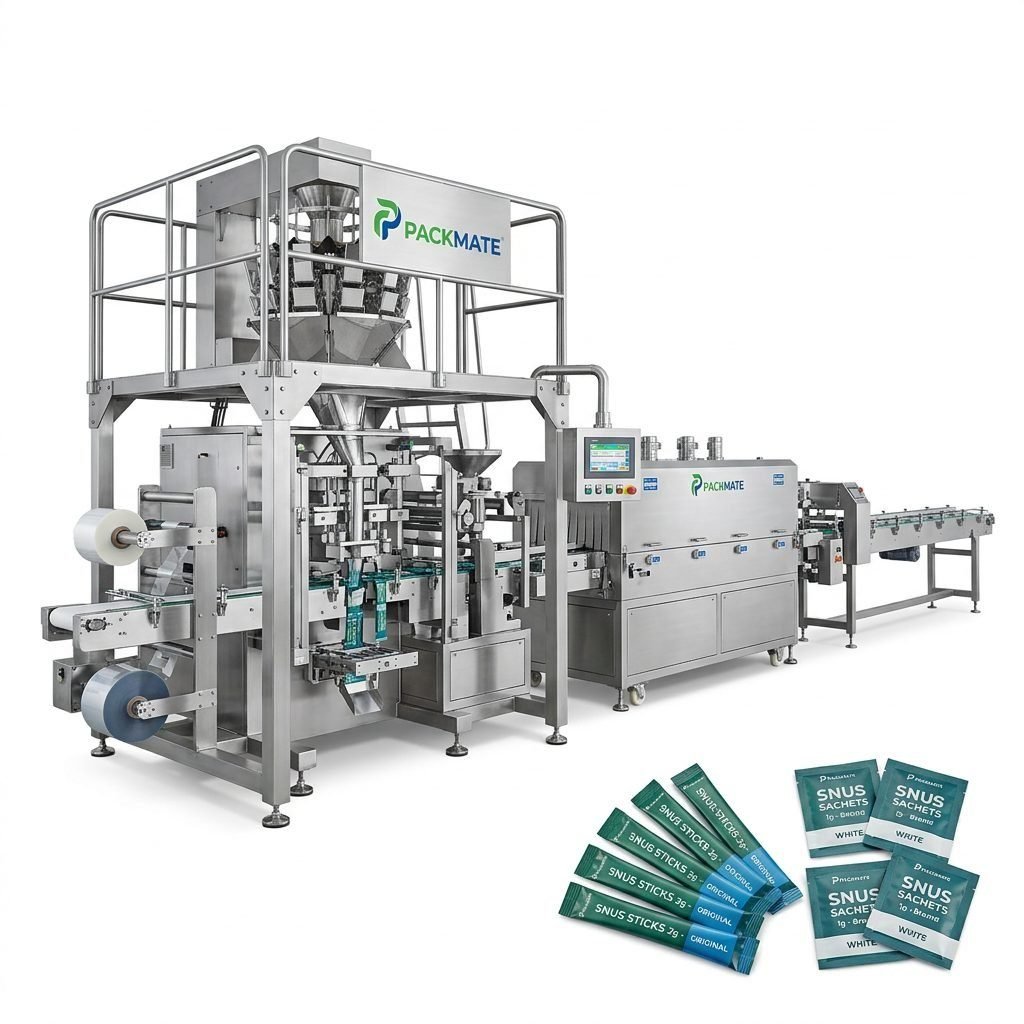
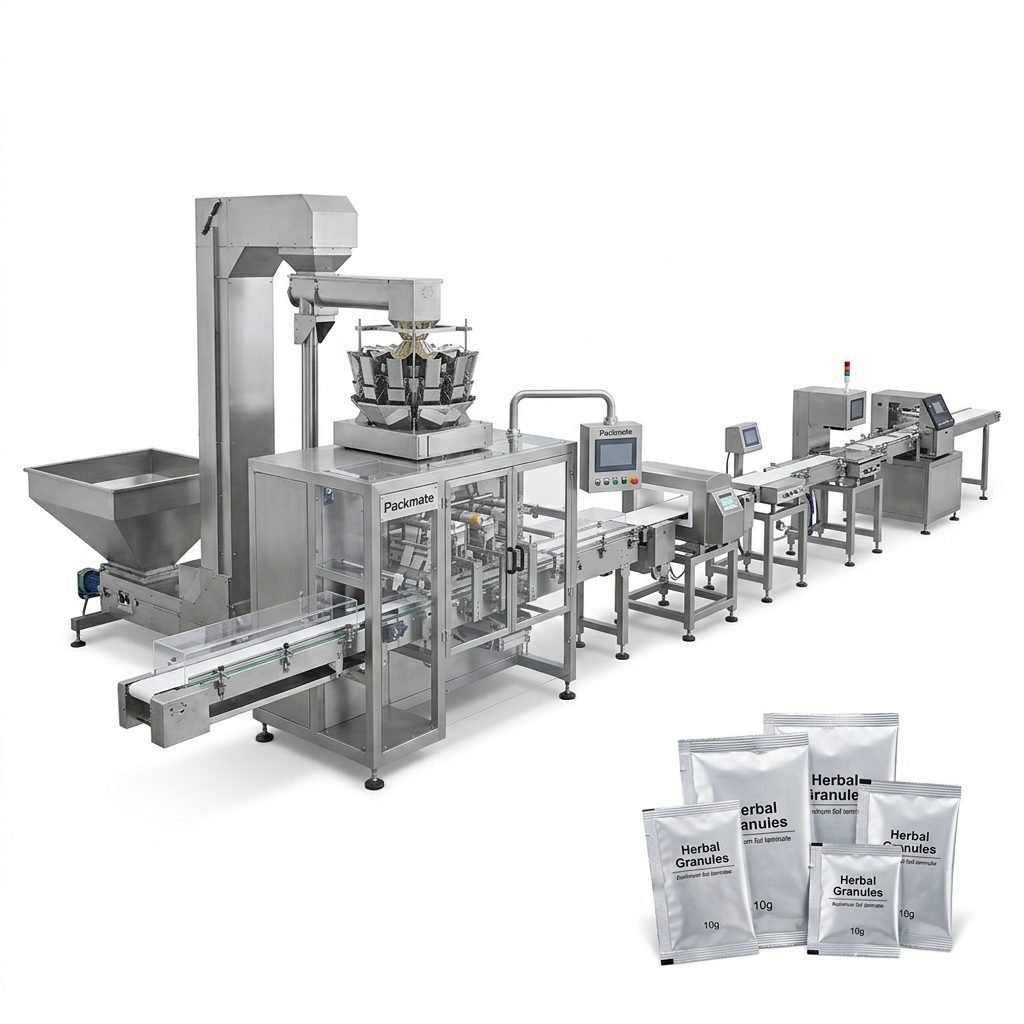
Choosing the right supplier for nicotine packaging machinery in Bahrain can make the difference between a smooth production launch and costly delays. This practical buyer’s guide explains how to evaluate suppliers, what technical and regulatory details matter in the Bahraini market, and how to build a durable supplier relationship that protects your timelines and margins.
Understand Bahrain’s market and business culture
Bahrain is a commercial hub in the Gulf Cooperation Council (GCC). When importing nicotine pouch or snus packaging equipment, you should be sensitive to local business norms: bilingual documentation (Arabic and English) is often appreciated, meetings may require advance scheduling, and trading partners place a high value on trust, face-to-face visits and clear contractual terms. During religious observances such as Ramadan, business hours and factory schedules may shift — factor this into project timelines.
Make sure all nicotine product machines are compliant with Bahraini import regulations and any GCC-wide requirements. Ask suppliers for documentation and certificates early.
Step 1 — Define your production needs precisely
Before contacting suppliers, clarify your production targets: pouch type (loose pouch, sachet, stick pack), dose size, lanes (single or multi-lane), target output per minute/hour/day, and downstream packaging needs such as cartoning or case packing. Also consider product characteristics — powder, granular, moisture-sensitive or sticky blends — as these influence machine selection and auxiliary systems.
Example checklist:
- Target daily throughput and peak demands
- Desired pouch format and sealing type
- Required integration with weighing, dosing and cartoning lines
- Floor space and utility availability (power, compressed air)
- Budget and timeline constraints
Step 2 — Evaluate supplier technical capabilities
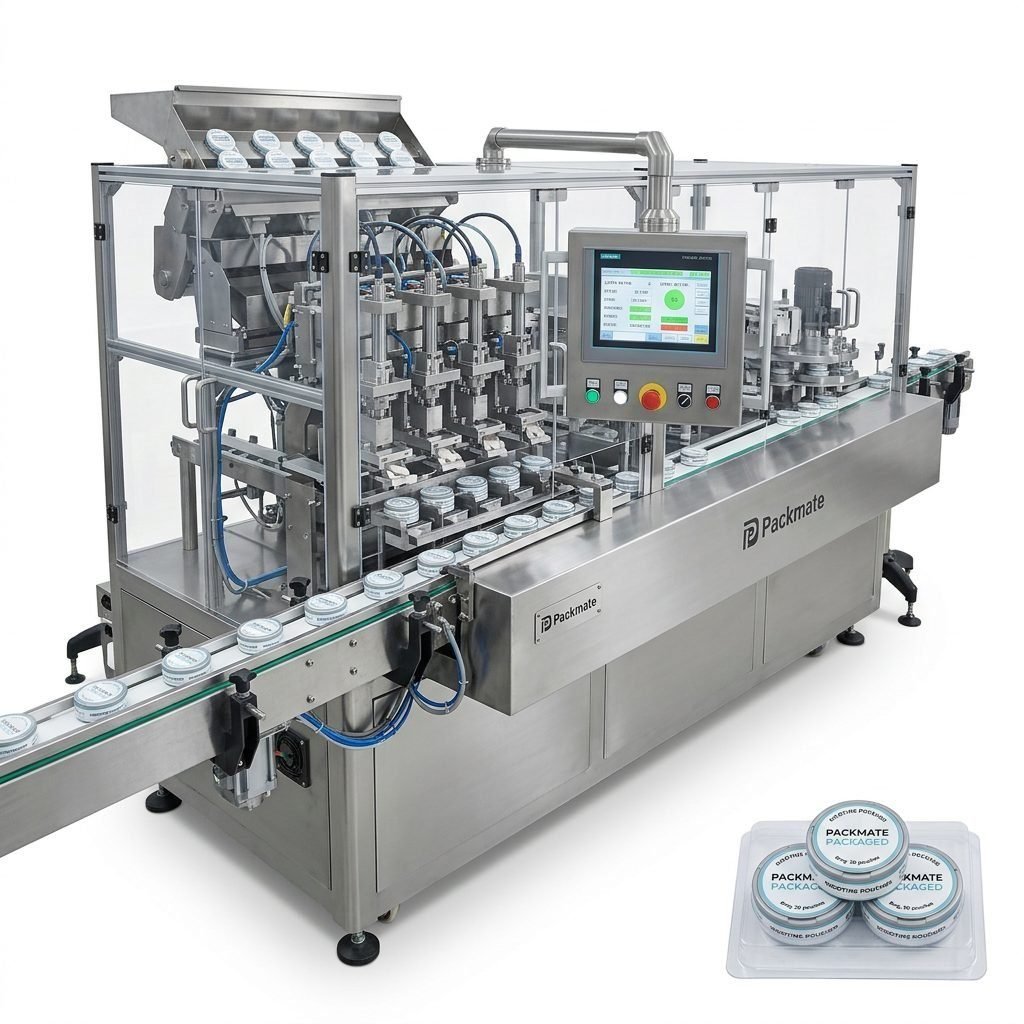
When you evaluate manufacturers for nicotine pouch packaging machinery, look for proven experience with similar products. Suppliers that have developed multi-lane snus and nicotine pouch machines demonstrate competency in small-dose, high-precision packaging. For example, a supplier with over 30 years in packaging engineering and a wide model range can usually tailor solutions faster and with fewer surprises.
- Missing test data or no live demonstrations
- No references from similar projects or regions
- Unclear scope for spare parts and maintenance
Step 3 — Inspect quality, certifications and factory capacity
Quality assurance is paramount. Ask for CE, ISO and any other applicable certifications. A strong manufacturer will show detailed quality control processes, CNC machining capability and an assembly line that supports consistent tolerances. If possible, request a factory visit or live demo video of the exact model you plan to buy.
Consider suppliers with scalable production and the ability to customize: larger facilities (for example a 20,000㎡ factory) and advanced CNC equipment typically indicate the ability to deliver consistent machine quality and spare parts over long-term agreements.
Questions to ask about factory and QA
- Can you provide live machine demos or client references?
- What is your average lead time for a complete line delivery?
- Do you carry CE/ISO certificates and can you share copies?
- How do you control parts tolerances and final acceptance tests?
Step 4 — Evaluate after-sales support and spare parts strategy
After-sales support is as important as the machine itself. For operations in Bahrain you want fast access to critical spare parts and remote troubleshooting capabilities. Confirm whether the supplier provides:
- Local or regional parts stockists or reliable shipping options to Bahrain
- Remote diagnostics and PLC/HMI support
- Training for your operators and maintenance teams
- Clear warranty terms and response time SLAs
Request a spare parts list with part numbers and estimated prices. This avoids downtime when consumables or wear parts are needed.
Step 5 — Check customization, integration and scalability
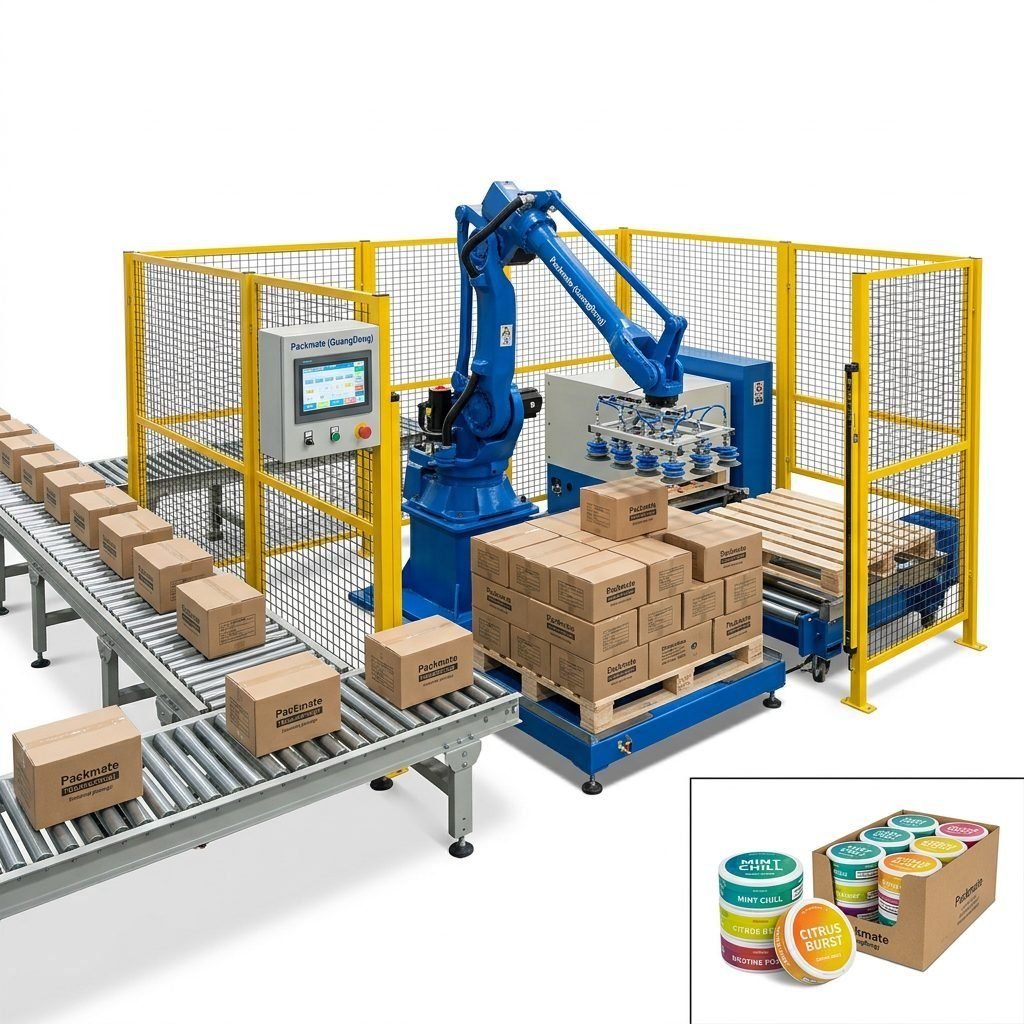
Your production needs may change. Choose suppliers who can deliver modular solutions: multi-lane upgrades, different dosing systems, or integration points for cartoners, case packers and inspection systems. Ask whether the supplier offers turnkey lines that include weighing systems, filling lines, or auxiliary equipment so you minimize integration risk.
For reference, look at product pages for specialized solutions such as Snus & Nicotine Packaging Machines and combined Weighing & Packaging Systems.
Step 6 — Negotiate contract terms and acceptance testing
Define acceptance criteria in the contract: performance tests, sample production, acceptable rejection rates, and commissioning plans. Include penalties or remedies for late delivery or performance failures when possible. Also confirm payment terms, shipment Incoterms, and responsibility for customs clearance into Bahrain.
Key commercial clauses to include
- Detailed scope and Bill of Materials
- Factory acceptance test (FAT) and site acceptance test (SAT) criteria
- Warranty length and scope, spare parts availability
- Delivery schedule, penalties, and force majeure terms
- Technical documentation language (Arabic/English) and training plan
Logistics, customs and installation in Bahrain
Plan logistics early. Heavy machinery requires special handling, crane access and sometimes special customs permits. Work with suppliers that have export experience to the GCC. Confirm packaging methods, palletization and whether the supplier offers on-site installation and commissioning.
It’s wise to coordinate with a local freight forwarder familiar with Bahraini customs and any product-specific inspections. Also plan for on-site utilities and any civil or mechanical fixtures required for machine mounting.
Supplier reputation and references
Check case studies and customer testimonials. A strong supplier will show global projects, exhibition presence and post-sale service records. For example, suppliers that attend major industry exhibitions and provide real-world case references demonstrate transparency and experience. You can learn more about supplier exhibitions and credentials via their exhibition and certificate pages: Our Exhibition and Certificate.
Suppliers with worldwide deliveries and turnkey solutions reduce integration risk. Look for documented projects across continents and industries.
Technical acceptance: FAT, SAT and commissioning
Agree on Factory Acceptance Tests (FAT) that replicate your production parameters — lane counts, pouch weights, speed, and sealing tests. After shipping, perform Site Acceptance Tests (SAT) and a full commissioning run with real materials. Ensure supplier technicians are present for initial runs and operator training.
Warranty, spare parts and service contracts
A robust warranty and optional service contracts help manage long-term risk. Understand which components are covered (mechanical, electrical, PLC/servo drives) and for how long. Consider multi-year service agreements that include periodic maintenance visits, software updates and priority spare parts shipping.
What to expect from a good service package
- Rapid spare parts dispatch (express shipping options to Bahrain)
- Remote troubleshooting via secure connection
- On-site maintenance and preventive maintenance schedules
- Operator and maintenance team training at factory and site
Why choose an experienced snus/nicotine specialist
Equipment designed specifically for nicotine pouches, snus and small-dose formats is engineered for precision dosing, gentle handling and high sealing accuracy. Generic packaging machines may not meet the tight tolerances and ergonomics required for these products, increasing waste and downtime. Suppliers focused on snus/nicotine packaging can offer specialized modules, multi-lane solutions and dosing systems tailored to your formulation.
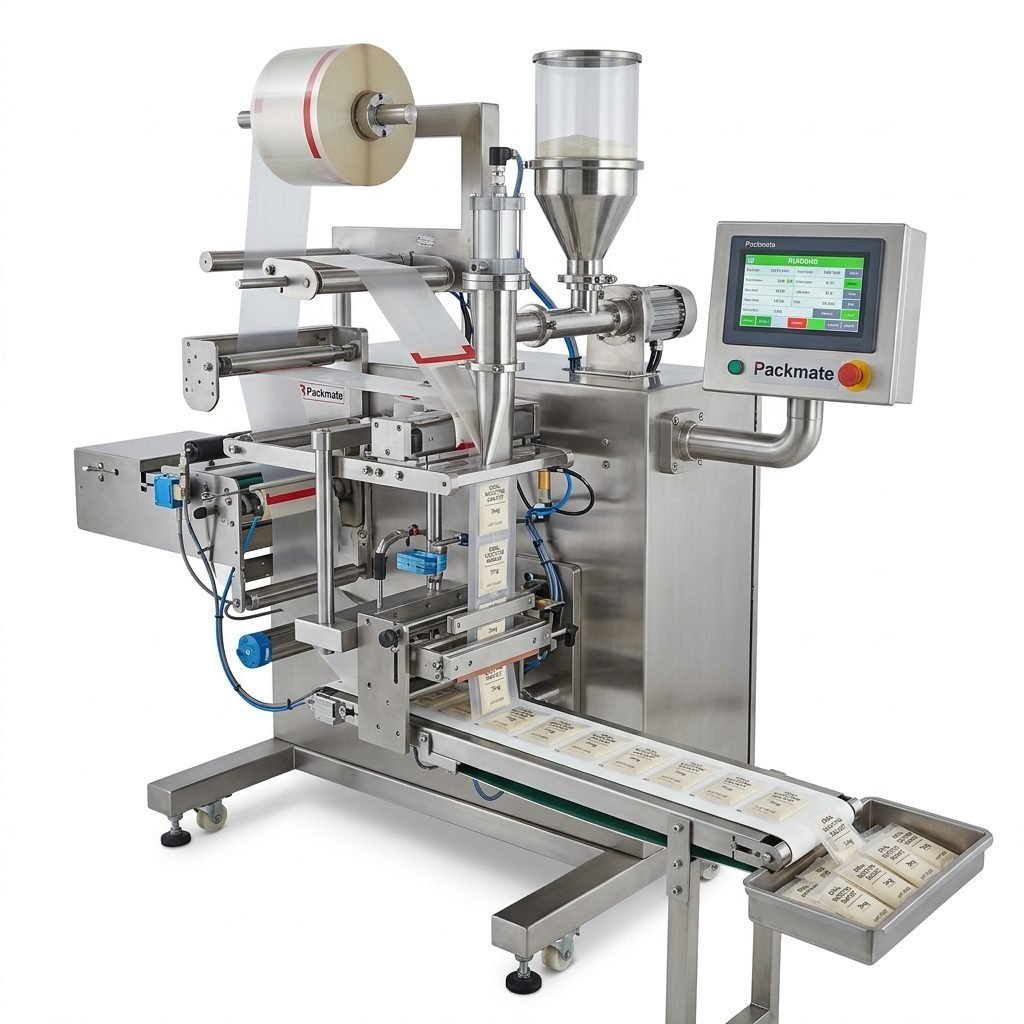
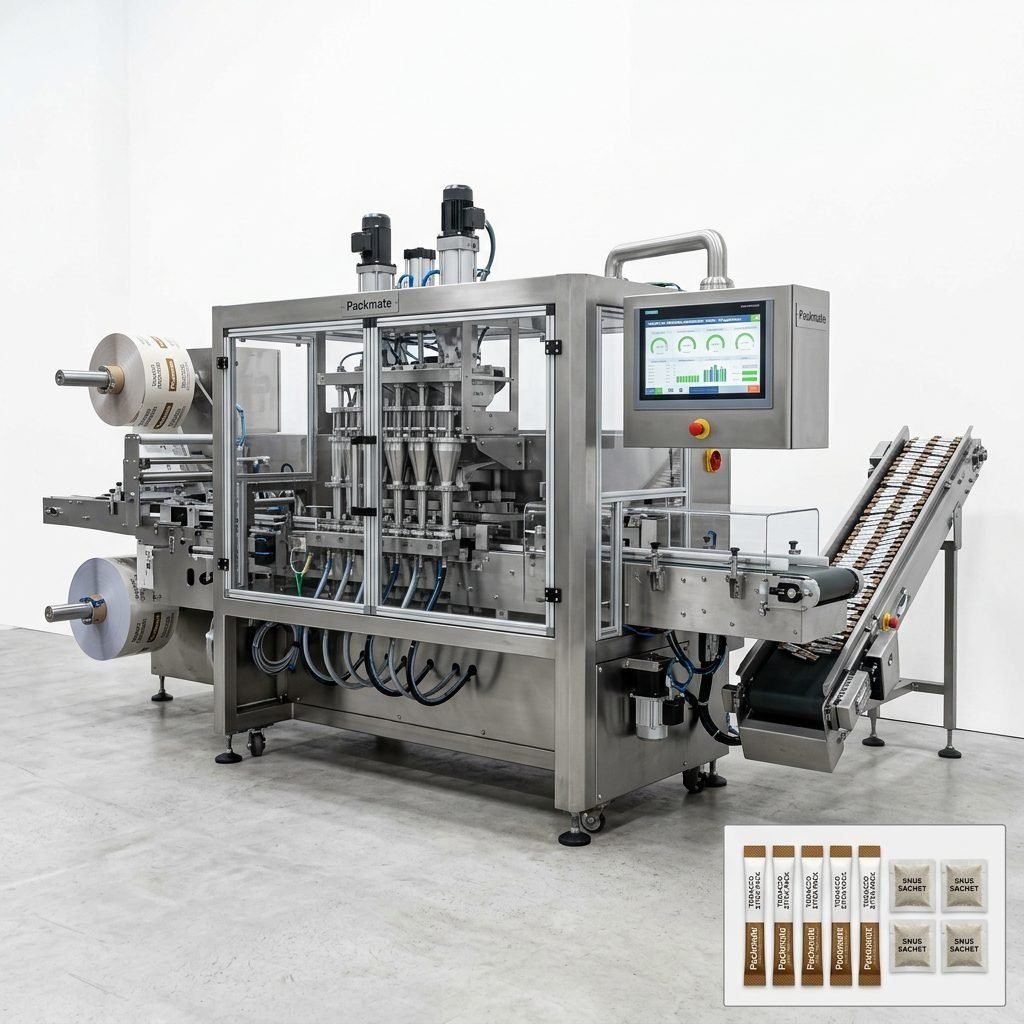
Explore dedicated product lines such as Sachet & Stick Pack Machines and integrated Filling & Packaging Lines when you need complete turnkey solutions.
Supplier shortlisting checklist (quick reference)
- Has relevant product experience and multi-lane solutions
- Provides FAT, SAT and clear acceptance criteria
- Offers training, spare parts and fast support to Bahrain
- Holds CE/ISO and can provide export documentation
- Demonstrates transparent pricing, timelines and contracts
How Packmate-style suppliers address buyer concerns
Suppliers with decades of experience, a sizable manufacturing facility and a wide model range are positioned to support complex nicotine pouch projects. They typically provide tailored multi-lane systems, CNC-driven components for repeatability, and global turnkey delivery. Reviewing a supplier’s About page, service portfolio and case studies can confirm their claims — for instance, see their About Packmate and Case pages for real project examples.
Final steps before purchase
1) Confirm FAT dates and acceptance metrics. 2) Finalize shipping Incoterms and responsibilities. 3) Lock in training and on-site commissioning windows that respect Bahrain’s working calendar and local holidays. 4) Ensure spare parts lists and lead times are agreed in writing.
Summary and buyer action plan
✔️ Action items:
- Define production specs and preferred pouch format.
- Shortlist 3–5 experienced suppliers and request FAT demos.
- Verify certifications, references and spare parts strategy.
- Negotiate clear acceptance tests and post-sale support.
- Plan logistics to Bahrain including customs and installation requirements.
Useful links
For detailed product information and to contact manufacturers, review supplier product pages and contact channels. Example resources include product portfolios and contact pages for detailed quotes and technical conversations: Bag & Pouch Packaging Machines, Service, and Contact Us.
Frequently Asked Questions
Q1: What certifications should I ask from a nicotine packaging machine supplier?
Request CE and ISO certifications as a baseline. Also ask for quality control records, FAT reports and, if applicable, certificates that relate to electrical safety and export compliance for the GCC.
Q2: How long does delivery and commissioning typically take?
Typical lead times depend on customization and current factory schedules — expect anywhere from 8 to 20 weeks for production plus shipping and commissioning. Always confirm firm FAT dates and build in extra time for customs clearance in Bahrain.
Q3: Can the supplier support integration with my existing lines?
Good suppliers will provide integration engineering, I/O definitions, and commission support. Ask for previous integration case studies and request pre-shipment integration plans.
Q4: What about spare parts and local support in Bahrain?
Check whether the supplier maintains regional parts stockists, expedited shipping options and remote support. Negotiate parts kits for critical wear items to be shipped with the line if local inventory is limited.
Q5: How to handle documentation language requirements?
Ask for operating manuals, electrical diagrams and training materials in English, and request Arabic translations for labels and user-facing documents if your market or regulatory body requires them in Bahrain.