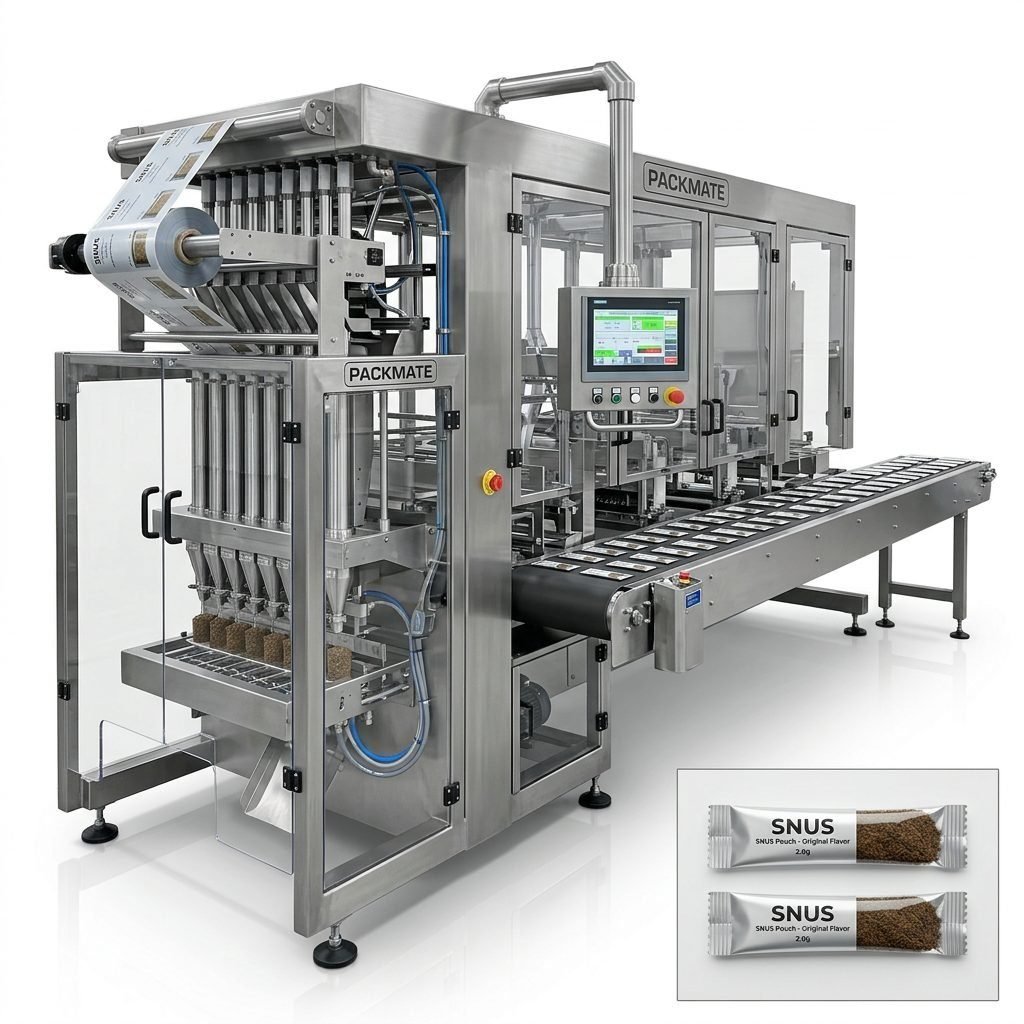
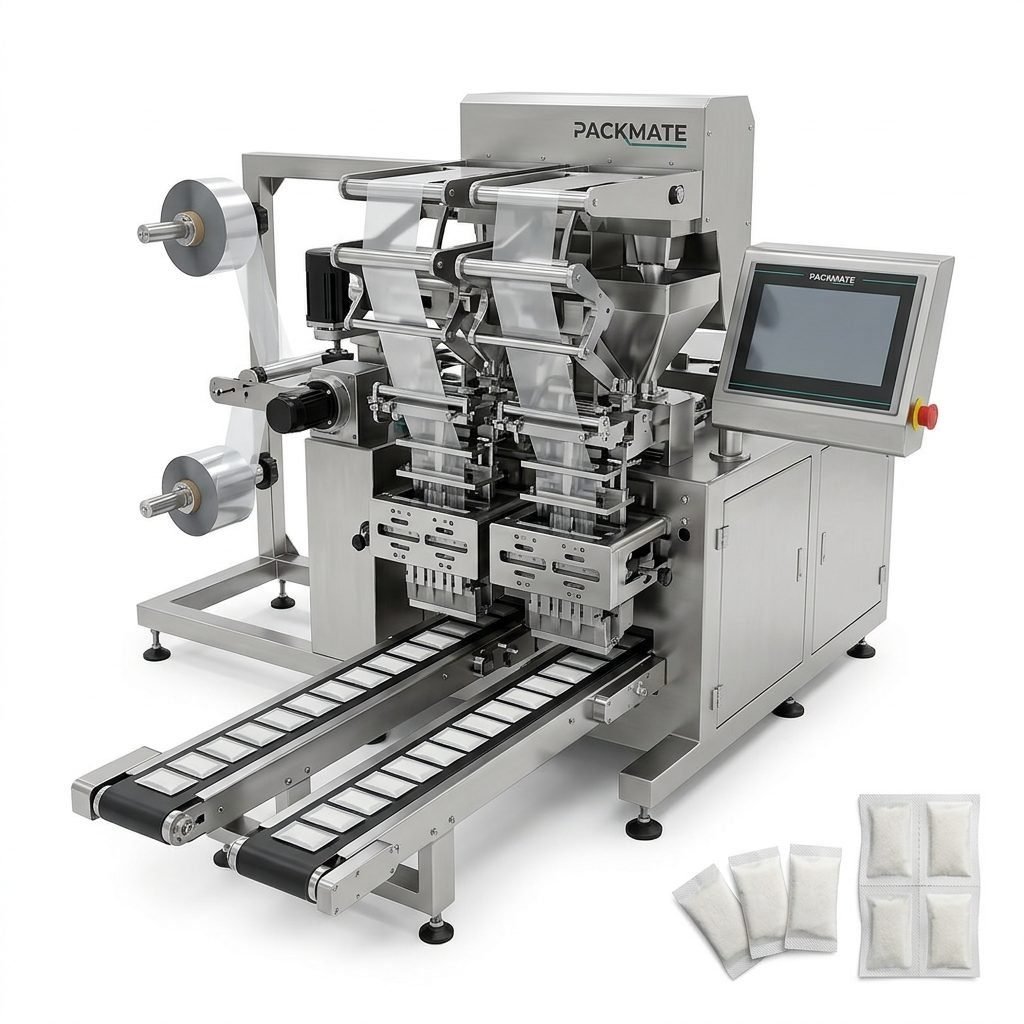
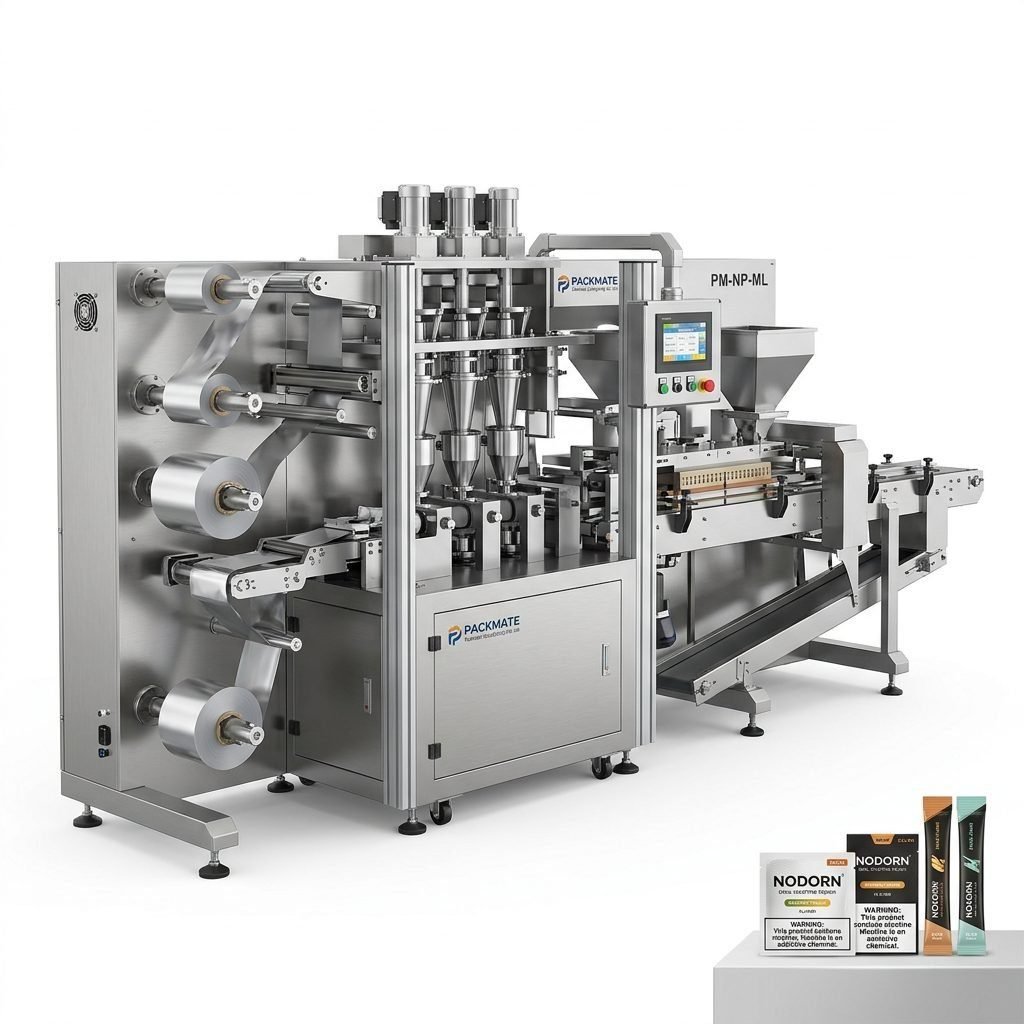
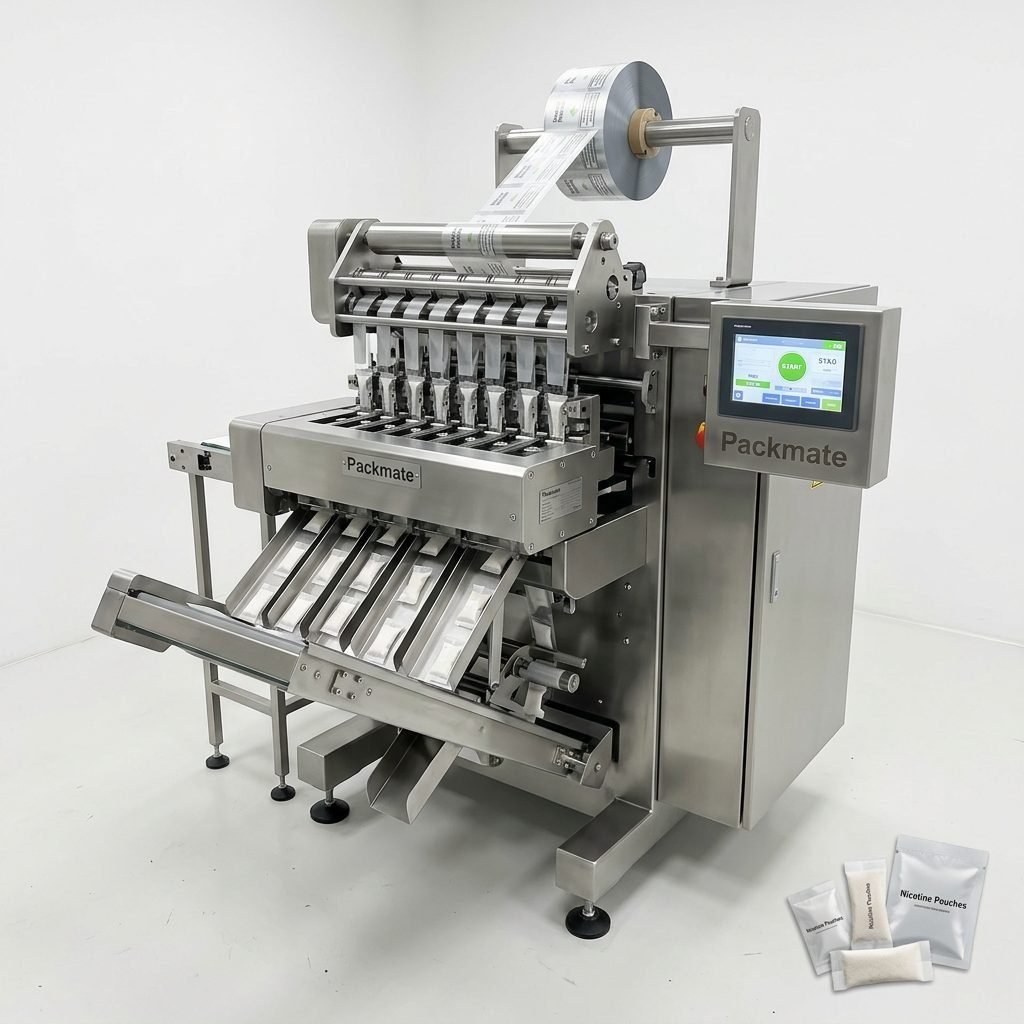
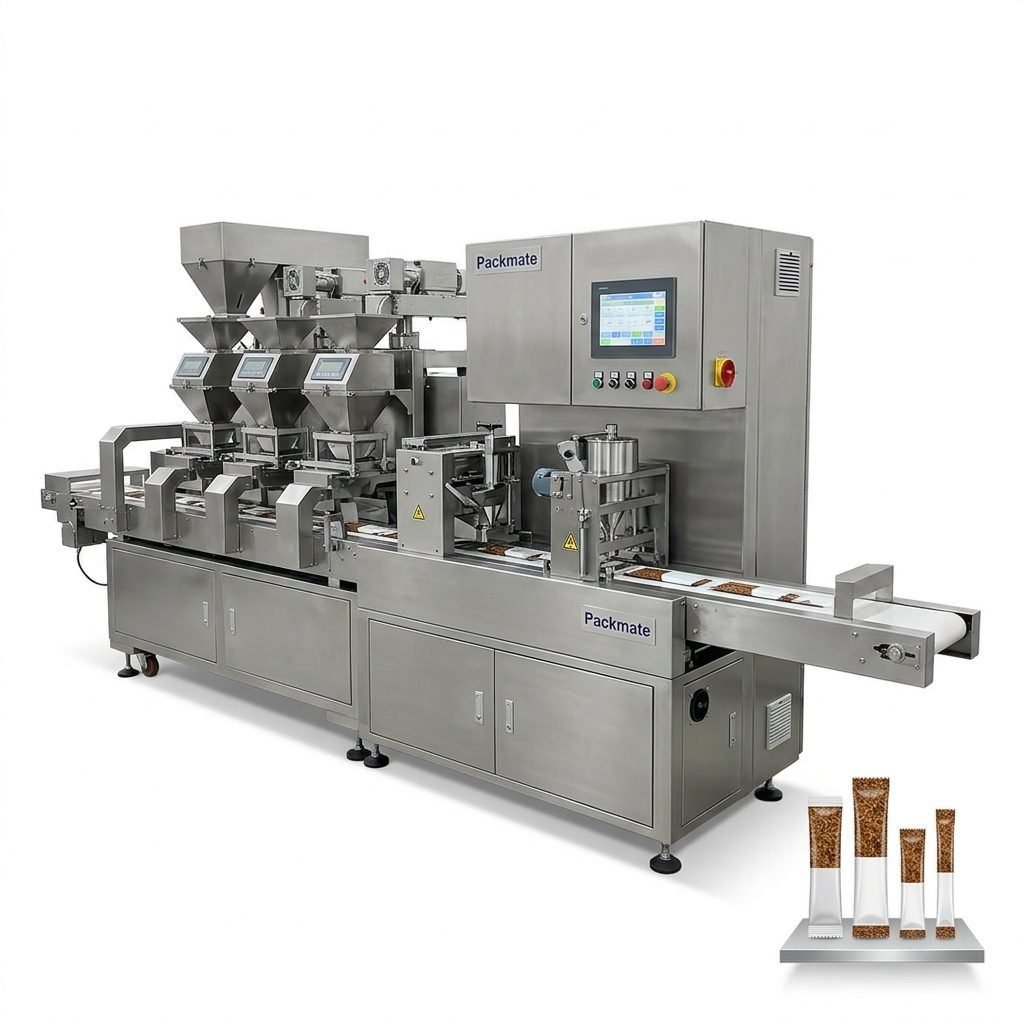
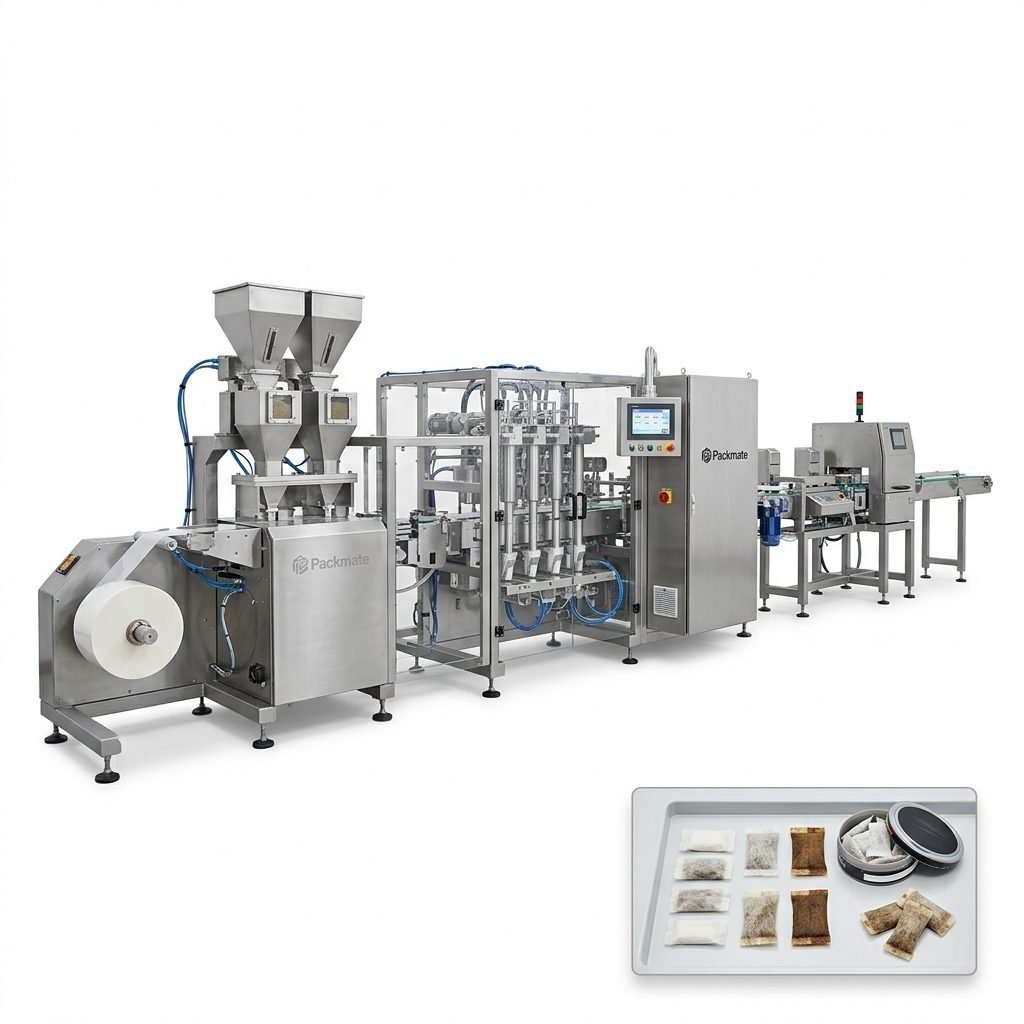
Choosing the right nicotine packaging machine supplier is one of the most strategic decisions a Russian manufacturer can make when expanding or modernizing snus and nicotine pouch production. A good supplier is not just a seller of equipment – they are a partner who ensures uptime, regulatory compliance, and product quality across cold winters, multilingual labeling requirements, and a market that values durability and predictable service. This guide walks through the most important technical, commercial, and local considerations to help you select the best supplier for your production needs in Russia.
Understand the Russian Market and Local Requirements
Russia and the Eurasian Economic Union (EAEU) region have specific regulatory, labeling, and customs patterns. Make sure your supplier understands:
🔍 Cyrillic labeling and documentation: packaging lines must be capable of accepting multi-language printing modules or compatible label applicators so health warnings and ingredients appear correctly in Russian.
⚠ Cold-chain and climate considerations: equipment that operates reliably in cold climates or outside heated warehouses (during transport or outdoor staging) will minimize downtime. Materials and lubrication choices matter.
✔ Customs & certification readiness: your supplier should provide complete technical files and documentation to facilitate customs clearance and any EAEU conformity assessment if required.
Key Technical Criteria to Evaluate
When comparing machines, focus on measurable performance indicators and design features that impact quality and maintainability. The following checklist helps prioritize what matters:
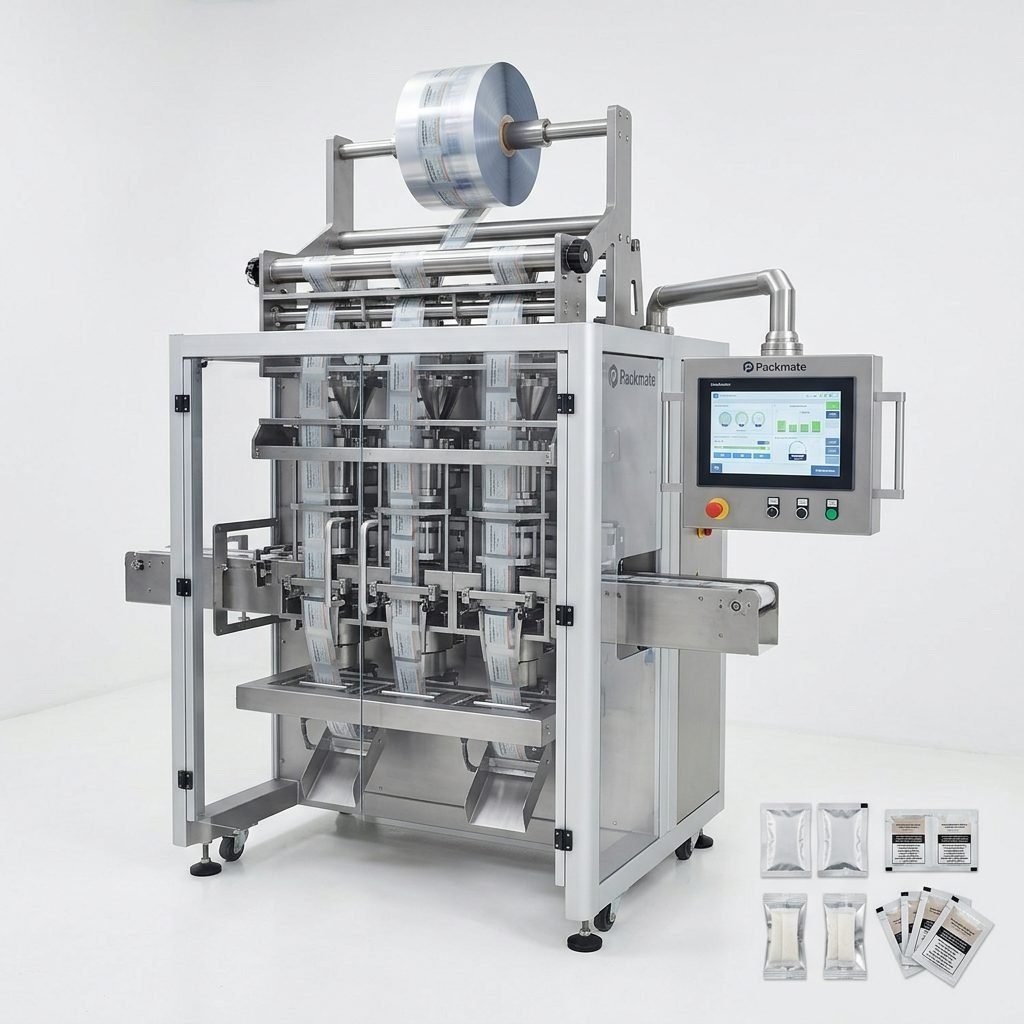
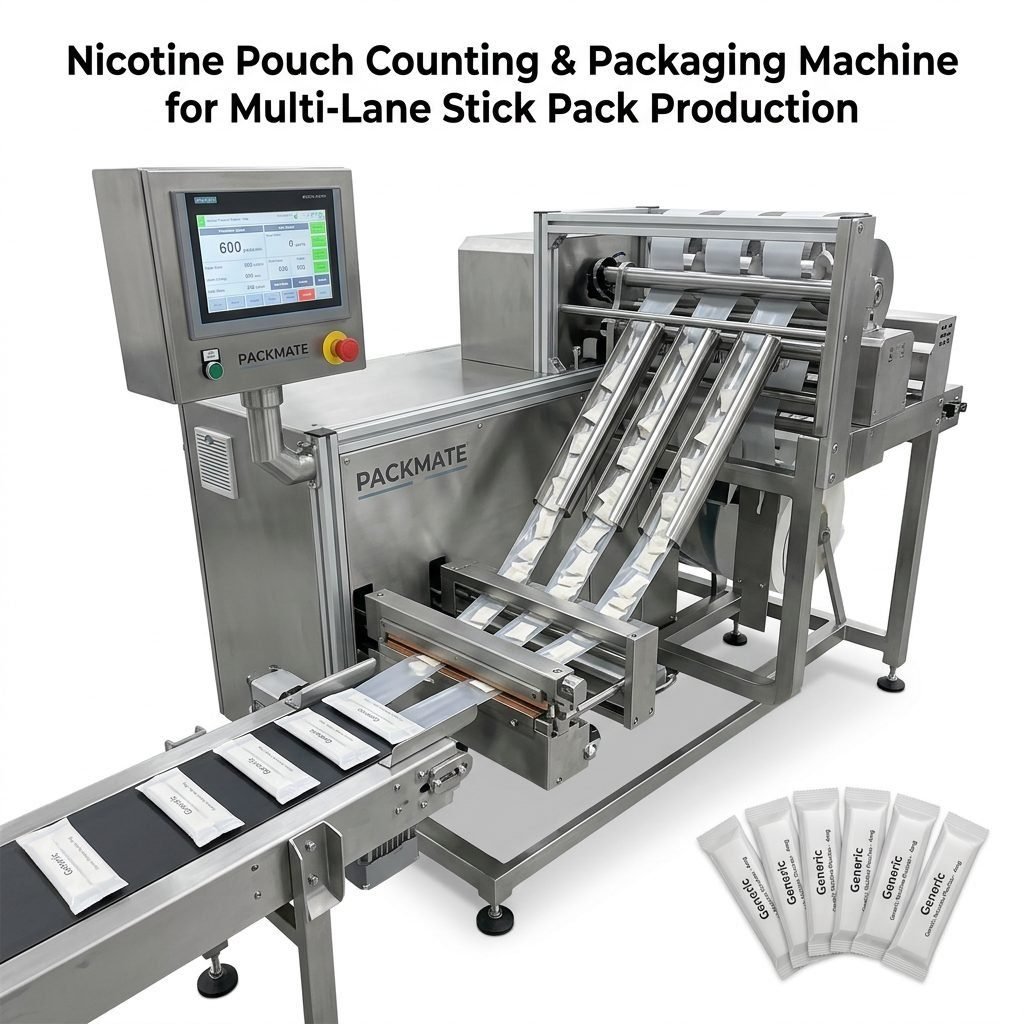
🔧 Type & format flexibility: can the machine handle stick packs, sachets, or multi-lane nicotine pouches without major changeovers?
⏱ Speed vs. accuracy: rated output (pieces/min) must be paired with dosing consistency. For nicotine pouches a tight ± tolerance on weight is critical to meet regulatory and brand claims.
🛠 Ease of maintenance: quick-change parts, clear access to wear parts, and widely available spares reduce mean time to repair.
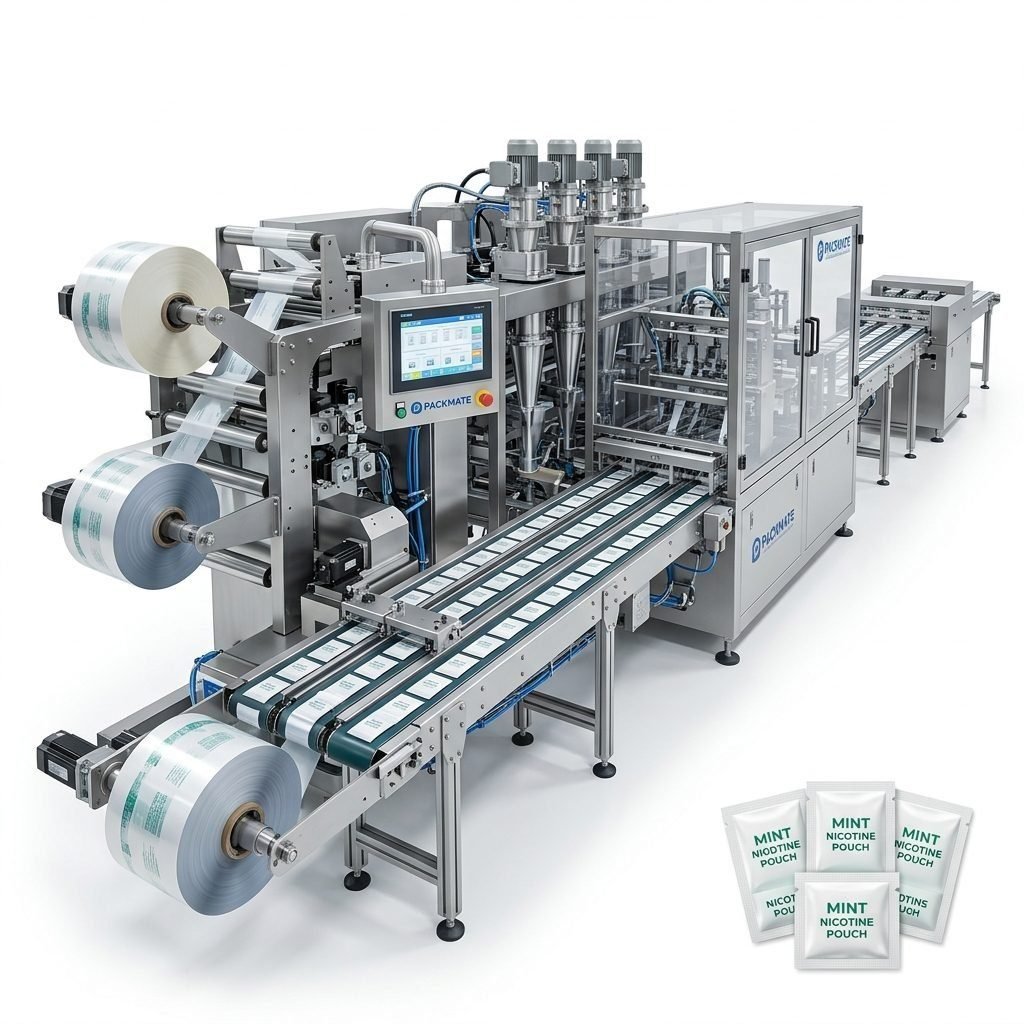
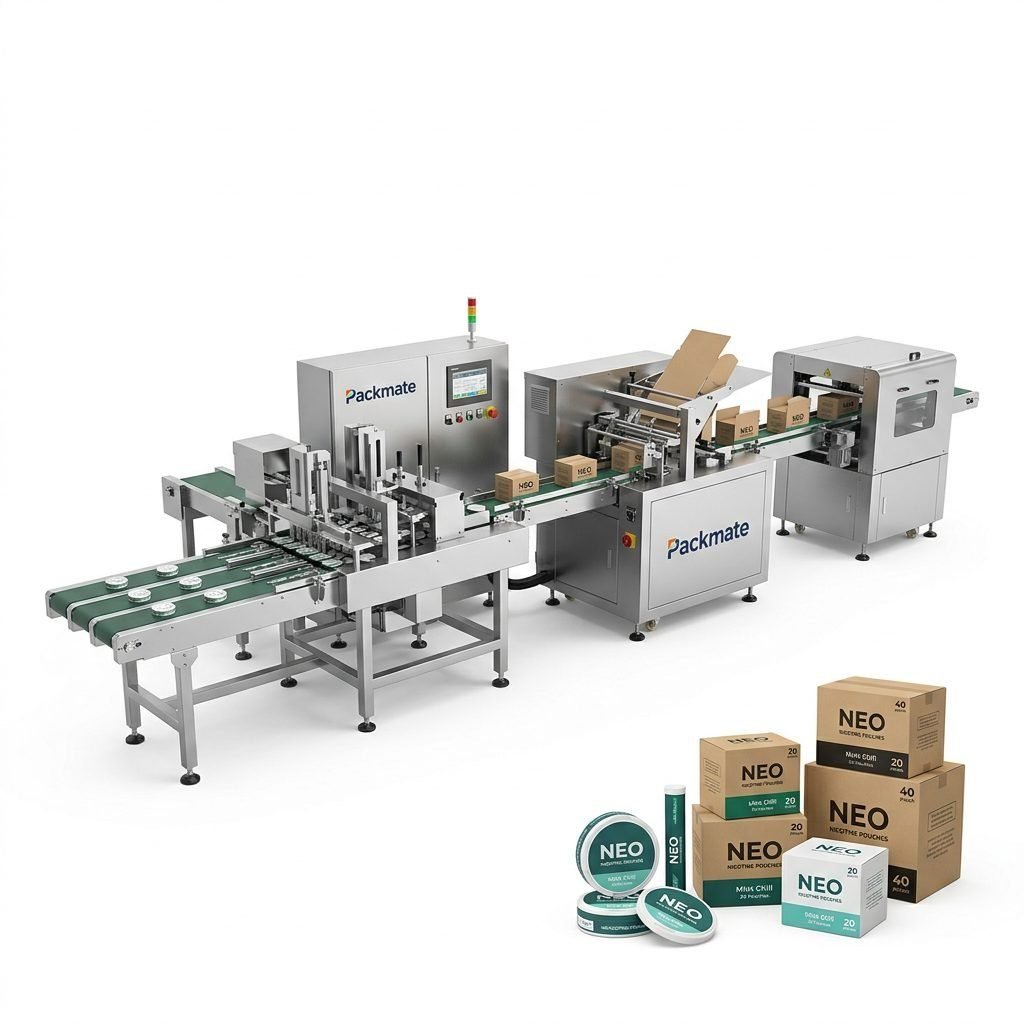
🔁 Automation & integration: does the supplier provide turnkey solutions—weighing, filling, sealing and downstream pack grouping—to minimize integration pain?
📊 Quality control features: integrated checkweighers, vision systems for print/code verification, and rejection systems are essential to protect brand integrity.
Why factory strength matters
A supplier with robust manufacturing capabilities, precision CNC machining and a large assembly facility delivers consistent quality and short lead times. For example, manufacturers that operate a 20,000㎡ facility with 30+ years of engineering experience tend to maintain stable spare parts flows, offer tailored multi-lane solutions, and support global turnkey projects with predictable timelines.
Assess Your Production Needs First
Before requesting quotes, internal alignment on product formats, required throughput, and future growth will make supplier responses comparable and realistic.
Consider these planning questions:
• What are your target daily/weekly outputs on full shifts?
• Which pouch/bag formats (multi-lane pouches, sachets, stick packs) will you produce now and in 2–3 years?
• Do you require dosing for powder, granule, or liquid nicotine formulations and what accuracy is essential?
• What downstream packaging (cartoning, case packing) and serialization or traceability functions are required?
Sizing machines to real output
Match machine rated speed to production reality. A machine advertised at a high speed may require ideal raw materials, trained operators, and precise upstream handling to reach that number. Always ask for performance data under production-like conditions and request references in similar applications.
After-sales Service: The Game Changer in Russia
Service and support differentiate a reliable supplier from a risky one. For suppliers working with Russian clients, prioritize:
📞 Russian-language support: manuals, training, and technical hotlines in Russian minimize misunderstandings and accelerate troubleshooting.
🚚 Local spare-parts inventory: having common wear parts already stocked in-region reduces downtime.
🧑🏫 On-site commissioning and operator training: hands-on training ensures operators can meet target speeds and maintain quality in real shifts.
🌐 Remote diagnostics & spare-part kits: modern machines with remote monitoring can resolve many issues without a technician visit, saving time and customs complexity.
Service KPIs to lock into contracts
Negotiate clear service-level agreements (SLAs) that specify response times for critical issues, parts shipment windows to Russia, and guaranteed training hours for operators and maintenance staff.
Certifications, Testing & Quality Assurance
Ensure the supplier provides full certification packages (CE, ISO, and any required EAEU documentation) and offers Factory Acceptance Tests (FAT) before shipment. FATs minimize surprises during site acceptance and prove the line meets agreed speed, weight accuracy, and quality metrics.
Ask for documented test runs, video records of FAT, and customer references in nicotine pouch production—consistent performance history is invaluable.
Commercial Terms, Lead Times and Logistics to Russia
Understand payment terms, lead times, and responsibilities for customs clearance. Typical negotiation points include:
• Deposit structure and financing options for high-value lines.
• Defined lead time from contract signature to shipment and expected shipping modes (FCL, RoRo, air freight).
• Responsibilities for freight, insurance, and customs documentation—consider DDP (Delivered Duty Paid) if you prefer minimal customs handling.
• Warranty terms, spare-parts kits included with shipment, and extended maintenance packages.
How to Evaluate Suppliers: A Practical Checklist
When narrowing suppliers, score each one against these criteria to make an objective decision:
✔ Technical fit: does the machine format and accuracy meet your product spec?
✔ Factory capability: machining precision, assembly quality, and capacity for custom builds.
✔ References: verified case studies or demonstrations in similar nicotine pouch applications.
✔ After-sales: Russian-language support, spare parts logistics, and training offerings.
✔ Certification & FAT reports: evidence of compliance and tested performance.
✔ Commercial risk: paint a clear picture on warranty, penalties for missed lead times, and payment security.
Requesting Quotes & Factory Visits
Always request a detailed specification sheet and a Bill of Materials (BOM) with pricing for wear parts. If possible, schedule a factory visit to confirm machining tolerances, assembly practices, and quality-control processes. When travel is difficult, ask for live remote demonstrations and recorded FATs of machines running your product format.
Real Customer Examples and Proven Lines
Reviewing real cases helps validate a supplier’s claims. Evaluate documented installations in climates and regulatory environments similar to Russia. Look for examples of multi-lane systems for small-dose pouch production, rapid changeover cases, and long-term service contracts that improved uptime.
For machine and solution references, review the supplier’s product portfolios and case studies:
Snus & Nicotine Packaging Machines,
Case,
and read about the manufacturer to understand manufacturing depth:
About Packmate.
Onboarding & Commissioning: What to Expect
A good supplier will provide a clear onboarding plan: delivery and unpacking instructions, mechanical and electrical site requirements, a commissioning timeline, operator and maintenance training sessions, and an agreed-upon acceptance protocol describing performance thresholds and acceptance tests.
Ensure this plan includes spare-part lists, recommended preventive-maintenance schedules, and escalation paths for technical support in Russia (local representatives, remote access credentials, and estimated response times).
Red flags to watch for
• Vague performance claims without FAT evidence or customer references.
• No clear spare-parts policy or long lead-times for common wear items.
• Lack of Russian-language documentation or training options.
Practical Next Steps for Russian Buyers
1) Collect internal requirements—formats, volumes, budget—and prioritize must-haves. 2) Shortlist suppliers with proven nicotine pouch experience and request detailed proposals and FAT videos. 3) Negotiate SLAs that reflect Russian operating realities (spare-part shipments, remote support, and on-site training). 4) Plan commissioning and acceptance tests with clear KPIs and penalties if commitments are missed.
Useful Links and Resources
Explore product categories and services to match your needs:
• Sachet & Stick Pack Machines
• Bag & Pouch Packaging Machines
• Contact Us to set up a consultation or request FAT documentation.
Final Recommendations
Prioritize suppliers who combine technical excellence with strong after-sales infrastructure tailored to Russia: Russian-language support, local spare parts availability, and experienced commissioning engineers. Request transparent FAT evidence and contractually defined SLAs for service response and spare parts. A partner with a proven track record in snus and nicotine packaging, robust manufacturing capability, and turnkey offerings will reduce operational risk and accelerate your time-to-market.
Frequently Asked Questions
Q1: What machines are best for small-dose nicotine pouches?
A1: Multi-lane pouch machines and specialized snus/nicotine packaging lines provide consistent dosing and high throughput. Look for machines designed specifically for small-dose production with precision weighing and gentle pouch handling.
Q2: How important is CE/ISO certification for suppliers?
A2: Very important. CE and ISO certification indicate compliance with international manufacturing and safety standards. For Russia, ensure you have the documentation required for customs and any EAEU conformity checks.
Q3: What after-sales services should I require in the contract?
A3: Define guaranteed response times, spare-parts availability, training hours, remote diagnostics, and scope of on-site visits. Include penalties or remedies if service levels are not met.
Q4: Can suppliers support multi-language printing and serialization?
A4: Yes—many modern packaging lines include integrated printers and vision systems capable of Russian (Cyrillic) printing and serialization. Confirm print station compatibility and software localization before purchase.
Q5: How can I verify supplier performance before buying?
A5: Request a FAT with your product, inspect recorded test runs, visit the factory if possible, and check references with customers in similar markets or applications.