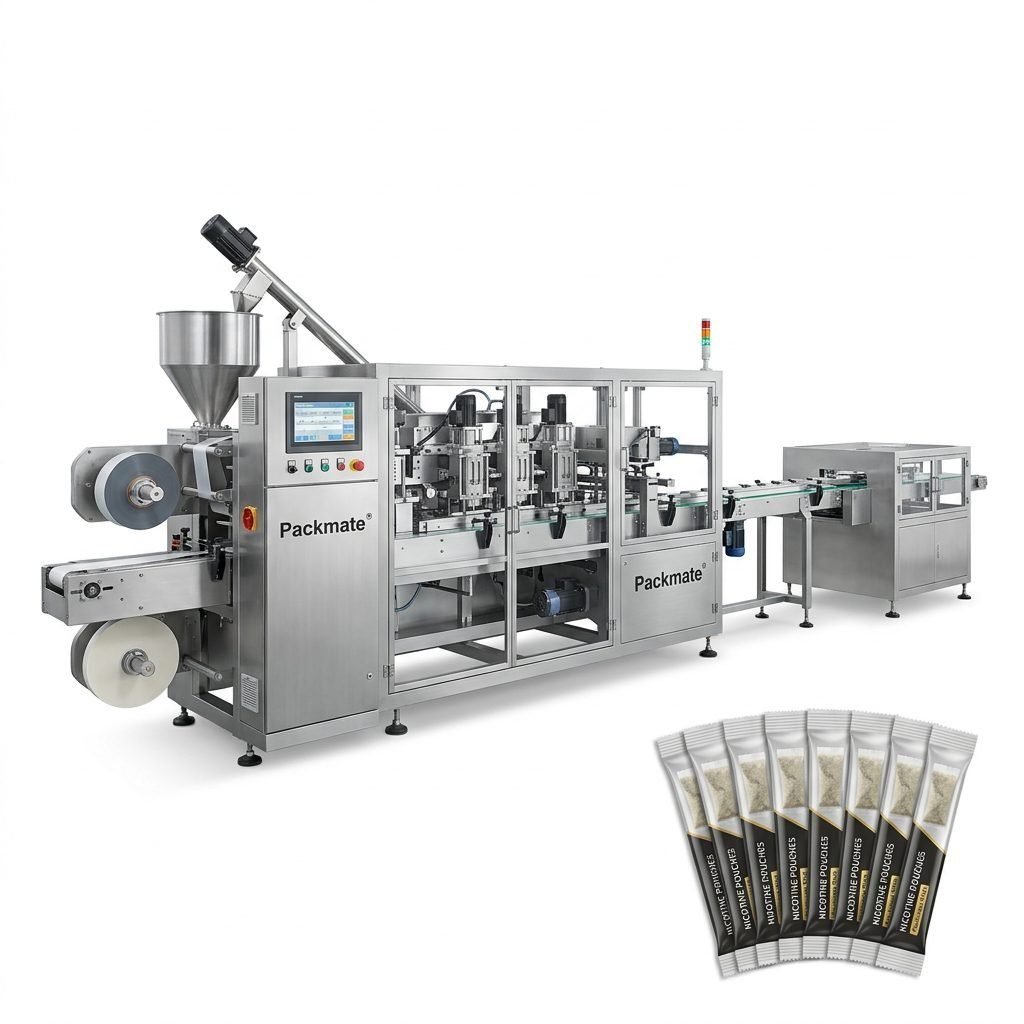
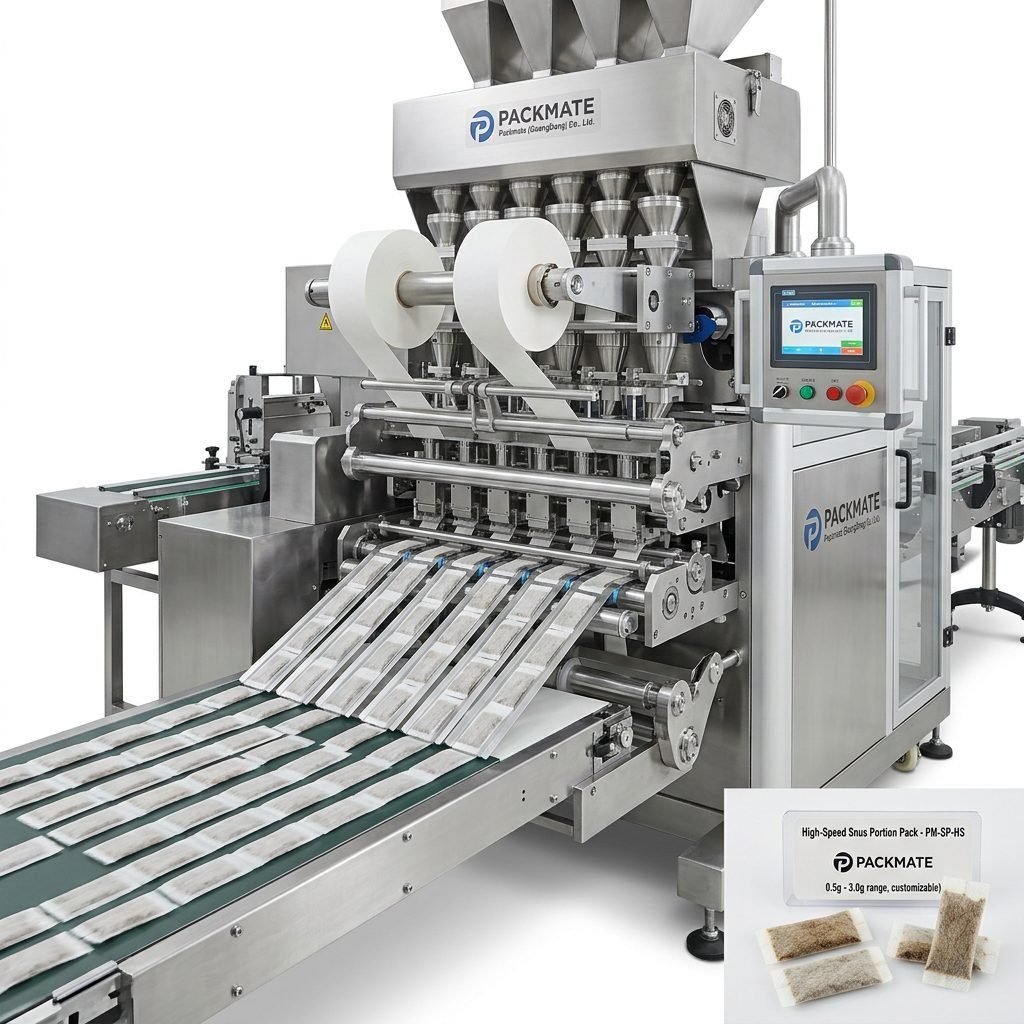
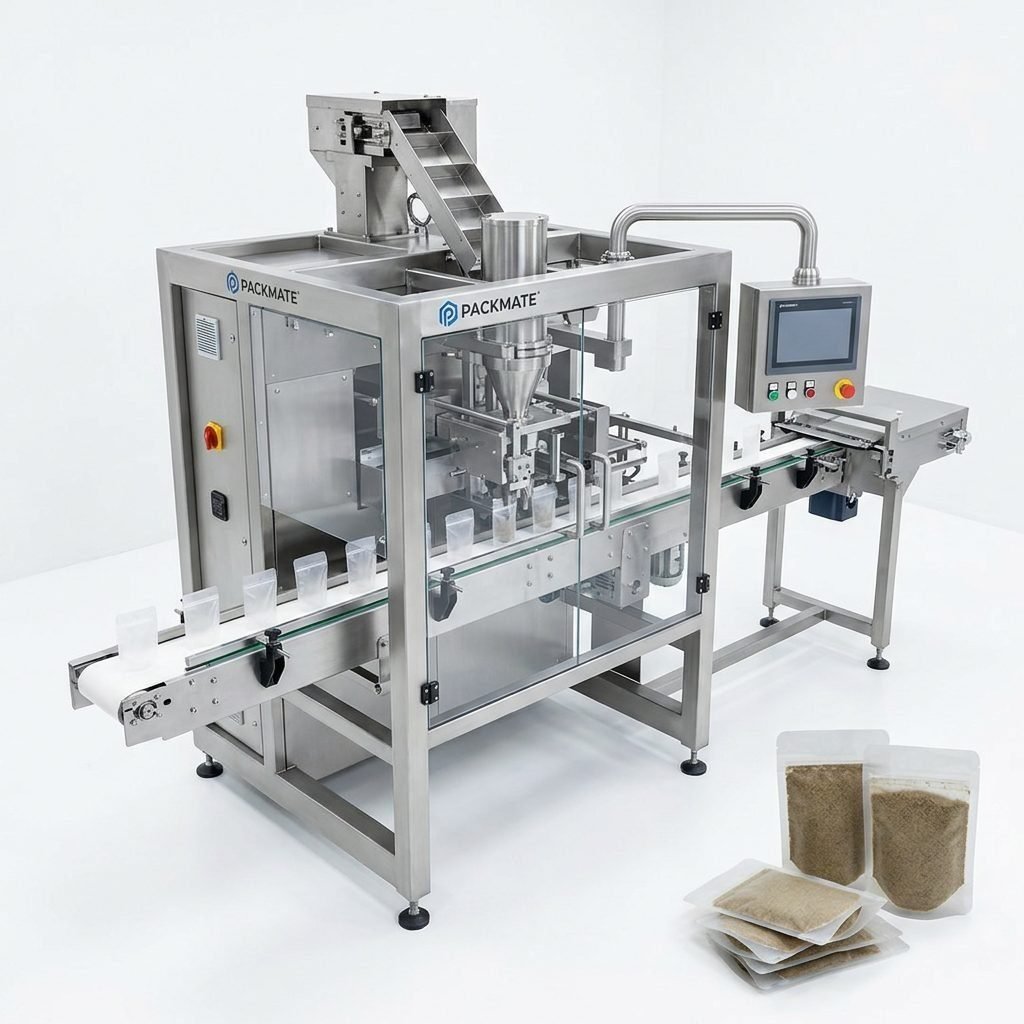
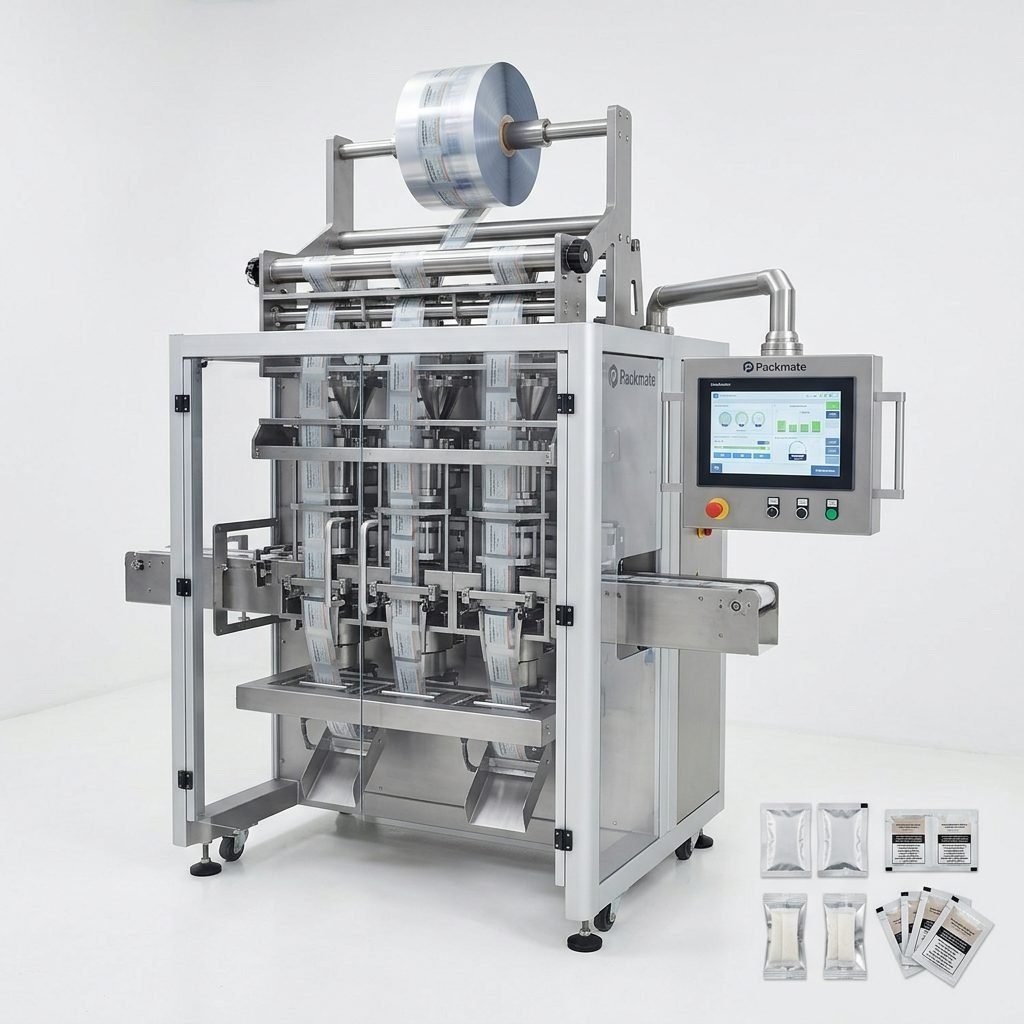
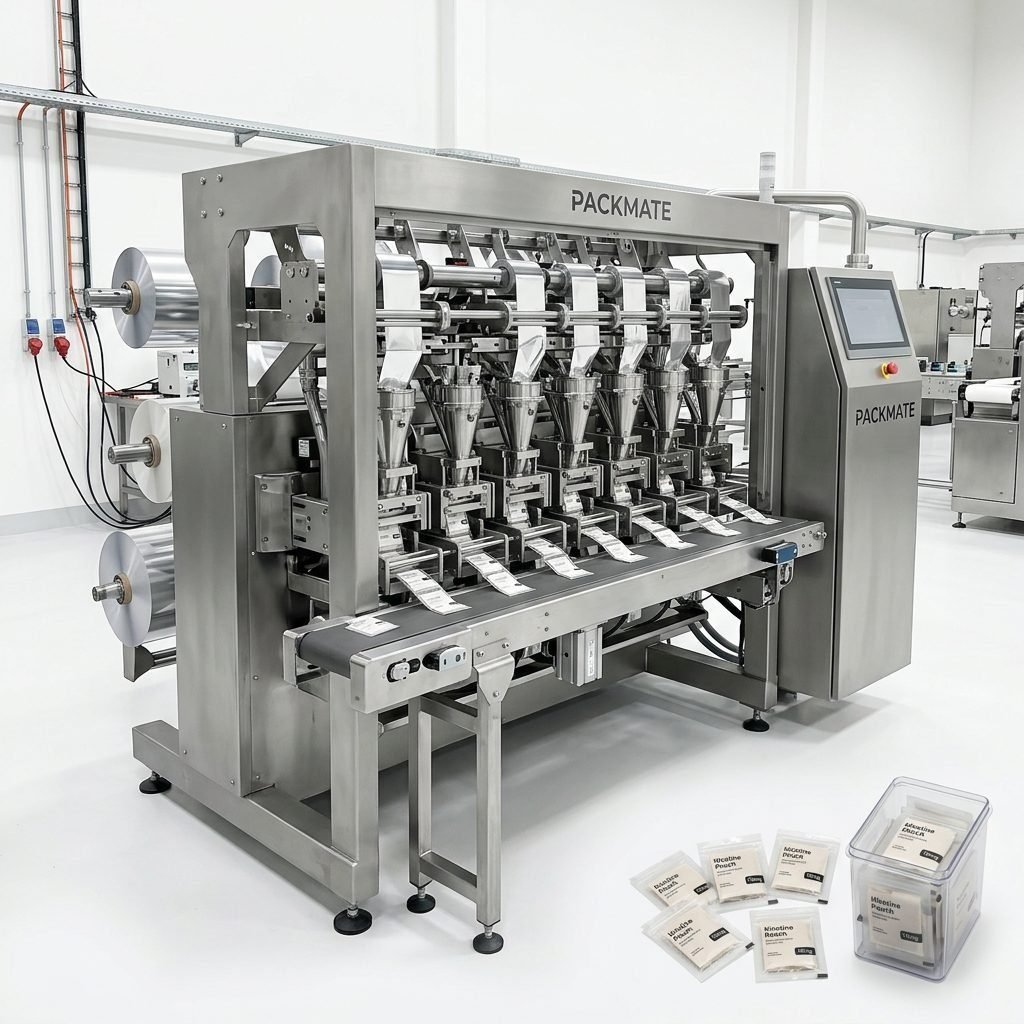
Entering the nicotine pouch and snus market requires more than a good product formula — it demands the right packaging partner. Choosing the best nicotine packaging machine manufacturer in Vietnam (or a supplier that supports Vietnamese operations) can make the difference between inconsistent output and a stable, scalable production line. This guide walks you through practical criteria, evaluation steps, and procurement tips so you can select a supplier that fits your business goals, production targets, and regulatory needs.
Why the right packaging machine manufacturer matters
Packaging machines are the backbone of modern nicotine pouch production. A reliable manufacturer not only supplies equipment but also delivers long-term service, spare parts, and process optimisation. Choosing poorly can lead to downtime, regulatory risks, and increased total cost of ownership. Focus on partners that combine engineering experience, quality control, and after-sales support.
Key criteria to evaluate potential manufacturers
1. Industry experience and product portfolio
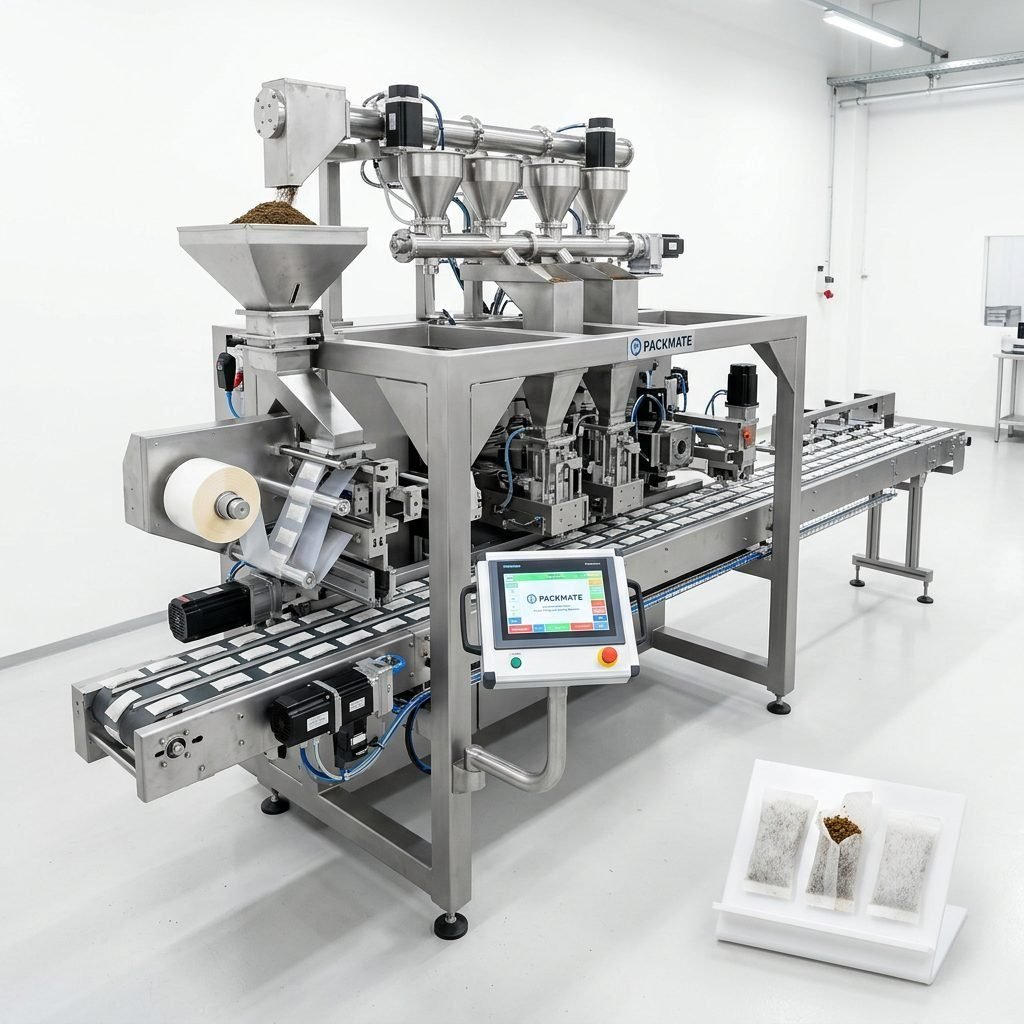
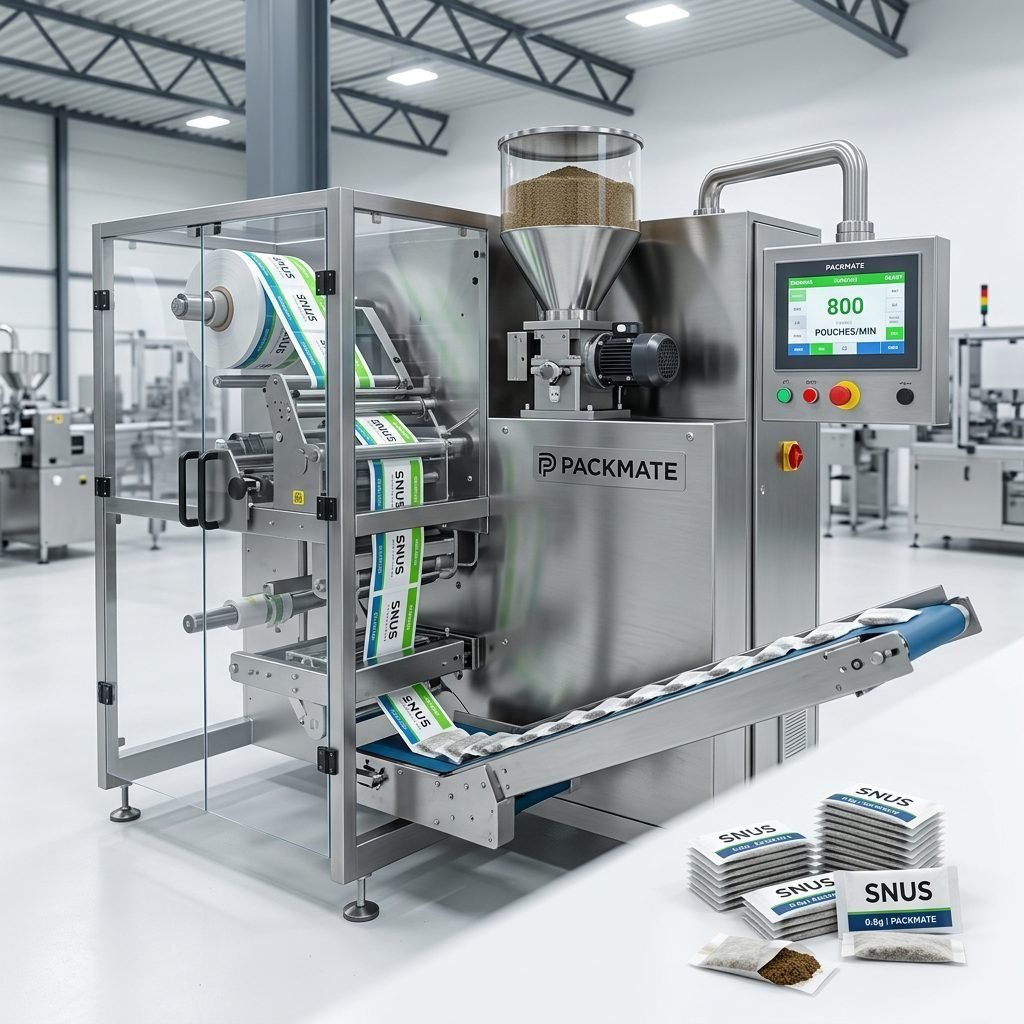
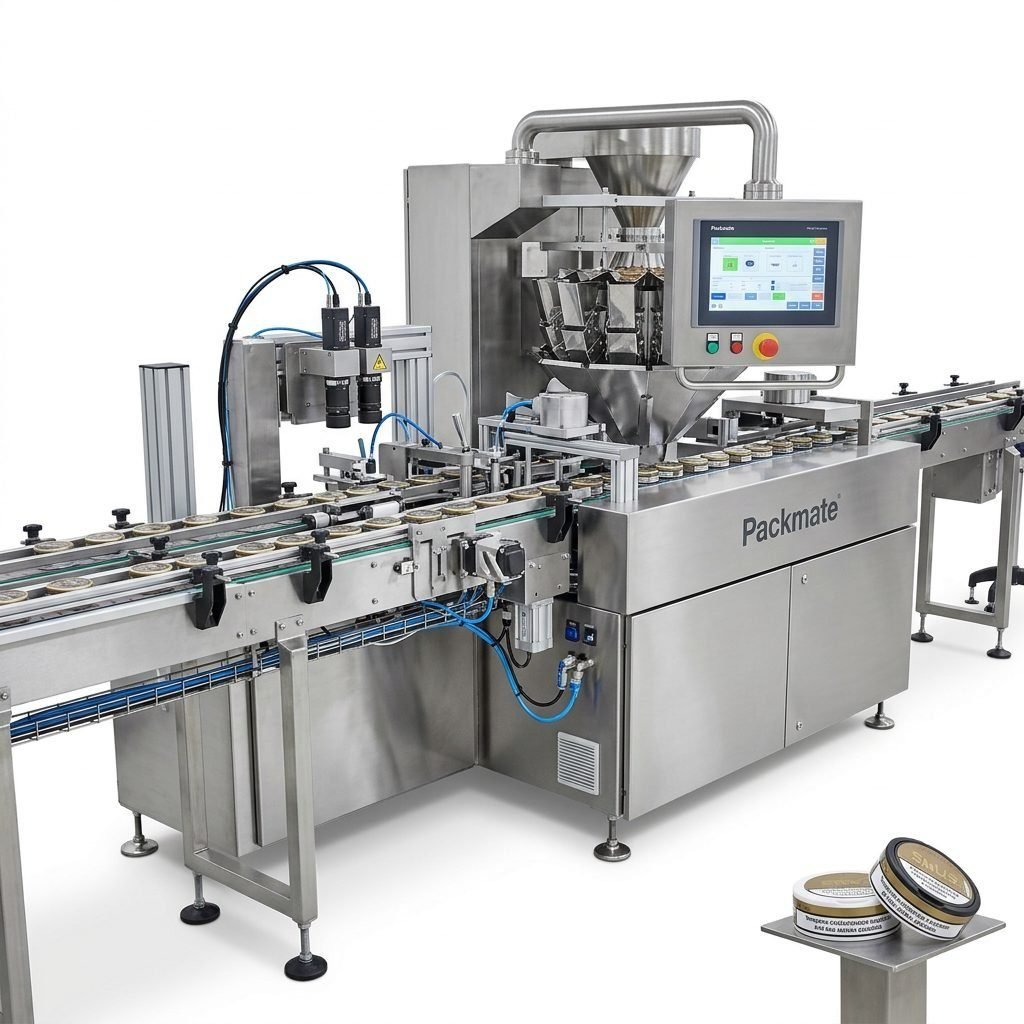
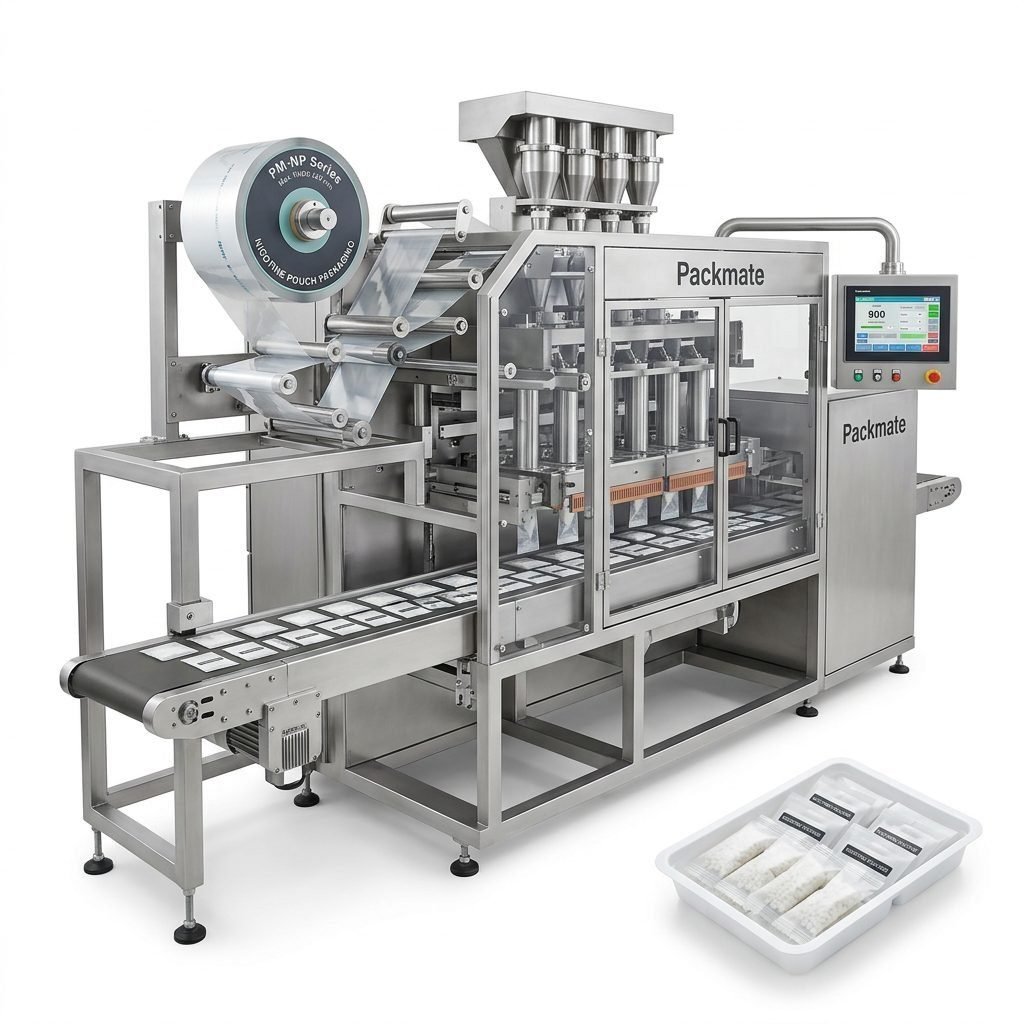
Look for manufacturers with proven expertise in snus and nicotine pouch solutions. Companies with decades of packaging engineering experience typically understand the nuances of small-dose pouch filling, multi-lane systems, and regulatory requirements. For example, Packmate Snus Machine brings over 30 years of engineering knowledge and a broad product lineup, which is critical when scaling or switching product formats.
🔧 Tip: Choose a supplier that offers diverse models — stick pack, sachet, multi-lane, and pouch machines — so you can adapt as your product range grows. See examples of machine types:
• Snus & Nicotine Packaging Machines • Sachet & Stick Pack Machines
2. Manufacturing capability and quality control
Factory size, precision machining centers, and assembly lines are not just marketing points — they determine delivery lead times and machine quality. A facility with advanced CNC centers and strict QC procedures reduces rejig time and increases machine longevity. Look for evidence of standardized testing, assembly checklists, and quality certificates.
3. Certifications and compliance
Regulatory compliance matters. Ask for CE, ISO, or equivalent certificates that demonstrate adherence to international safety and manufacturing standards. Compliance ensures safer operation, easier market access, and simplified documentation during audits.
Technical features to inspect during evaluation
Machines vary widely in build, control systems, and process accuracy. Prioritize these technical aspects:
⚙️ Filling accuracy: For nicotine pouches, dose consistency is critical for compliance and brand reputation.
📈 Speed & scalability: Multi-lane machines increase throughput without proportionally increasing footprint. Verify lane changeover complexity and OEE guarantees.
🔁 Automation & integration: Check compatibility with upstream weighing systems and downstream cartoning or case-packing lines. Manufacturers providing turnkey lines reduce integration risk — see examples of full lines like Filling & Packaging Lines.
🧰 Spare parts & serviceability: Easy access to wear parts and availability of local stock or fast international shipping is vital for minimizing downtime.
Service, training and after-sales support
A vendor’s technical support separates a good purchase from a regrettable one. Prioritize suppliers who offer:
✔️ Remote diagnostics and software support
✔️ On-site commissioning and operator training
✔️ Clear spare parts catalogues and warranty terms
🔔 Red flag: Vendors who provide vague service commitments or no clear spare parts turnaround time can cost you production days. Verify references and ask for SLA examples.
Factory visits, factory acceptance test (FAT) and site acceptance test (SAT)
Whenever possible, conduct a factory visit and witness a FAT. A proper FAT will demonstrate the equipment running with your product or with a representative product. Key checks:
• Machine cycle stability over extended runs
• Filling accuracy and weight variance reports
• Safety interlocks and CE/ISO documentation
• Documentation completeness: manuals, electrical schematics, PLC programs, spare parts lists
Customization and adaptability
Nicotine products evolve rapidly. Your machine partner should offer modular design and customization: pouch sizes, sealing types, lane counts, and integration with automatic weighing. Ask whether changeovers between SKUs are tool-less or require significant mechanical adjustments. Flexibility reduces future retrofit costs.
Total cost of ownership (TCO) vs upfront price
The cheapest quote is rarely the best long-term investment. Compare:
• Warranty period and warranty scope
• Expected lifetime of wear parts and mean time between failures (MTBF)
• Energy consumption, consumables cost, and required maintenance intervals
• Training and commissioning costs
💡 Remember: A higher upfront investment in a robust, well-supported machine can deliver lower operating costs, fewer stoppages, and faster ROI.
How to verify manufacturer claims
When evaluating vendors, verify claims through:
1) References and real-case performance data. Request case studies or customer contacts and try to speak with at least two customers operating similar machines.
2) Video evidence of long-run tests and product-specific runs. If on-site visits aren’t possible, insist on live video FATs and detailed test logs.
3) Documentation: request wiring diagrams, PLC code overview, machine calibration records and acceptance checklists.
Procurement checklist before signing
📝 Essential checklist:
• Detailed scope of supply and exclusions
• FAT procedure and acceptance criteria
• Lead time, delivery terms, and penalties for delays
• Spare parts list and recommended spare parts stock
• Training plan, commissioning schedule, and service SLA
• Payment milestones tied to acceptance tests
Why choose a proven supplier like Packmate Snus Machine
When selecting a supplier for nicotine pouch production, a supplier with decades of experience, extensive manufacturing capability, and a track record of global delivery reduces risk. Packmate Snus Machine, for example, emphasizes:
• Over 30 years of packaging engineering experience
• A 20,000㎡ manufacturing facility with advanced CNC and assembly systems
• 50+ machine models and turnkey solutions for snus and nicotine pouches
• Certifications and international exhibition presence that validate global compliance and service reach
Explore their portfolio and solution offerings: About Packmate • Service • Contact Us
Common negotiation points with vendors
Negotiation should focus on value rather than price alone. Consider:
• Warranty extension options and what they cover
• Spare parts package and initial spares inclusion
• Training hours and post-installation support windows
• Guaranteed throughput and accept/reject criteria during FAT
Risk mitigation for international procurement
If you source from overseas, especially for Vietnam-based operations, plan for:
• Clear import documentation and HS codes
• Local service partner identification or remote support contracts
• Contingency spare parts stock in-country
Making the final selection: decision matrix
Build a simple scoring matrix to compare vendors on critical attributes: experience, machine specs, TCO, lead time, certifications, and after-sales support. Assign weights according to your priorities and score each vendor objectively. This helps remove emotional bias and highlights the best long-term partner.
Final thought
Choosing the best nicotine packaging machine manufacturer is a strategic decision. Prioritise proven engineering capabilities, manufacturing strength, and robust after-sales service. A partner who offers turnkey solutions and global compliance will accelerate your production ramp-up and protect your brand reputation.
Frequently Asked Questions
Q1: How long is the typical lead time for a snus packaging line?
A1: Lead time varies by complexity and customization, but standard single-line machines often ship in 8–16 weeks; multi-lane turnkey lines can take longer. Always confirm lead times in the contract and include penalties for delays.
Q2: What certifications should I require?
A2: Require CE and ISO certificates as a minimum. If local regulations demand additional compliance, ask vendors to provide test reports and conformity documentation.
Q3: Can suppliers run trials with our formula before purchase?
A3: Reputable manufacturers offer FAT trials with your product or a representative sample. If a supplier refuses product-specific tests, treat this as a risk signal.
Q4: How do I ensure spare parts availability in Vietnam?
A4: Negotiate spare parts packages into the contract and ask about local distributors or stock points. Vendors with global reach frequently keep key parts available or offer fast shipping options.
Q5: Where can I view real cases and machine demos?
A5: Visit vendor case pages or exhibitions where they demonstrate live runs. For reference, review customer cases and exhibition info on vendor websites: Case • Our Exhibition.