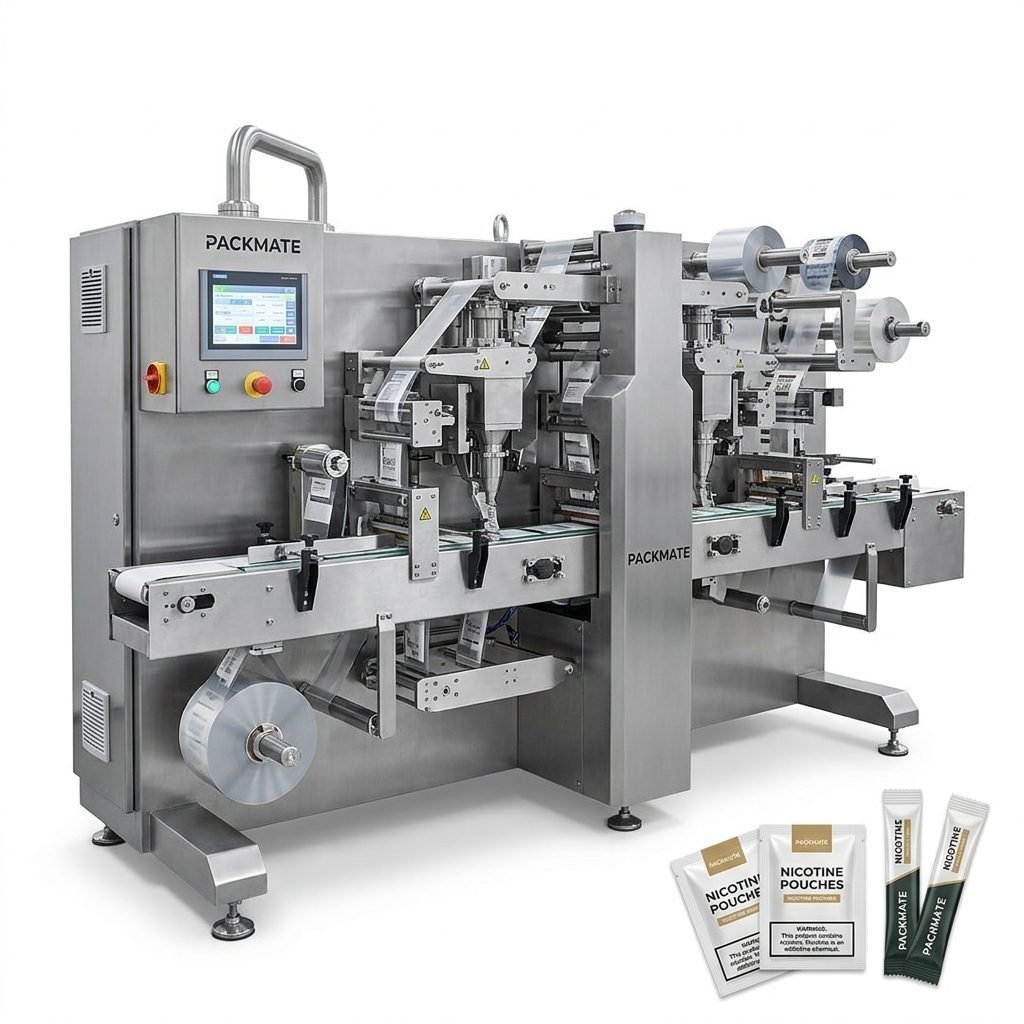
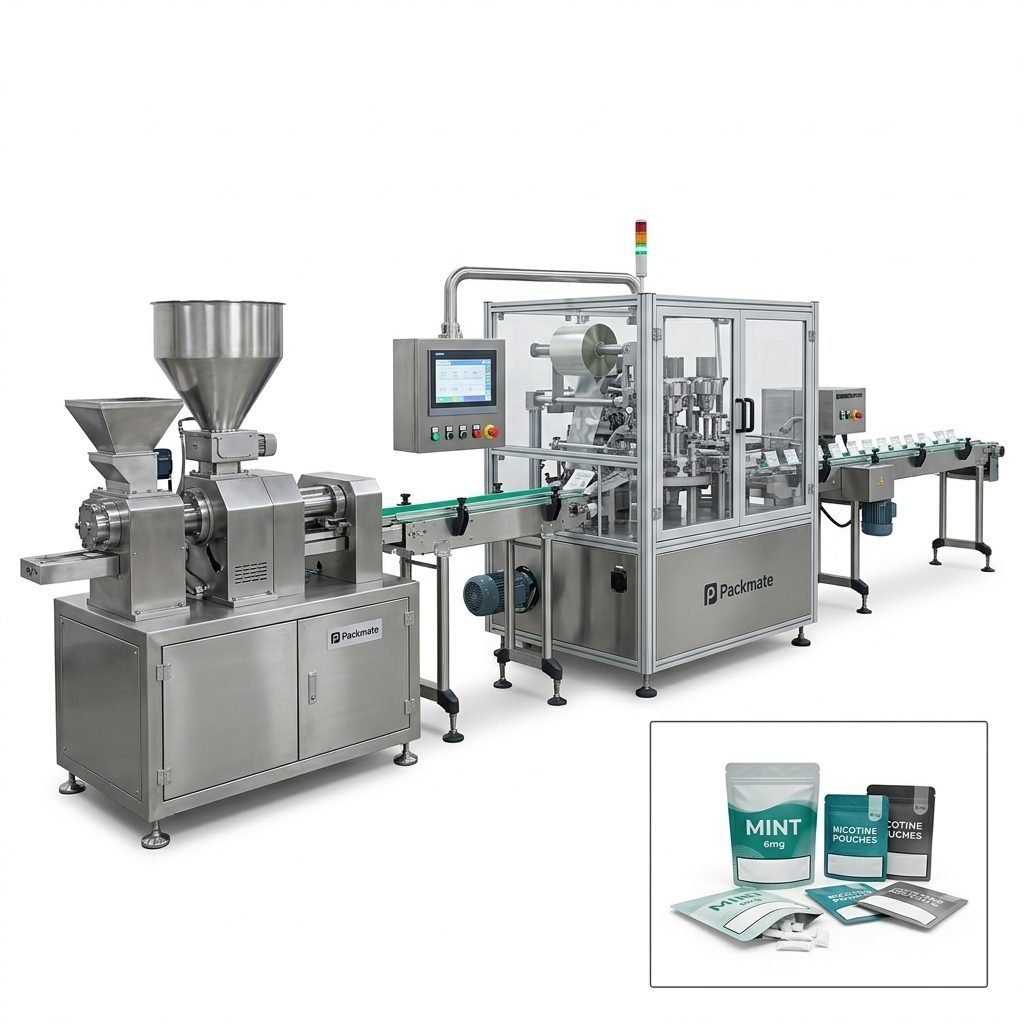
Malawi’s nicotine pouch market is evolving rapidly as consumers demand consistent quality, discreet formats, and compliant packaging. For manufacturers and entrepreneurs seeking the best nicotine packaging machine in Malawi, the choice influences product consistency, regulatory compliance, and return on investment. This guide walks you through practical selection criteria, machine types, production planning, and after-sales considerations so that you can select a solution that fits your production goals and budget.
Understand the Nicotine Pouch Market in Malawi
Knowing local market dynamics helps determine the right equipment. Consider current demand, legal framework for nicotine products, and distribution channels. Small-batch artisan brands require flexible multi-format machines, while larger producers need high-speed, multi-lane lines to meet wholesale or export volumes. Regulatory labeling and child-resistant packaging rules can also influence machine configuration.
Types of Packaging Machines and When to Use Them
Different product formats demand different packaging technologies. Below are the common options and their typical use cases.
Snus & Nicotine Pouch Packaging Machines
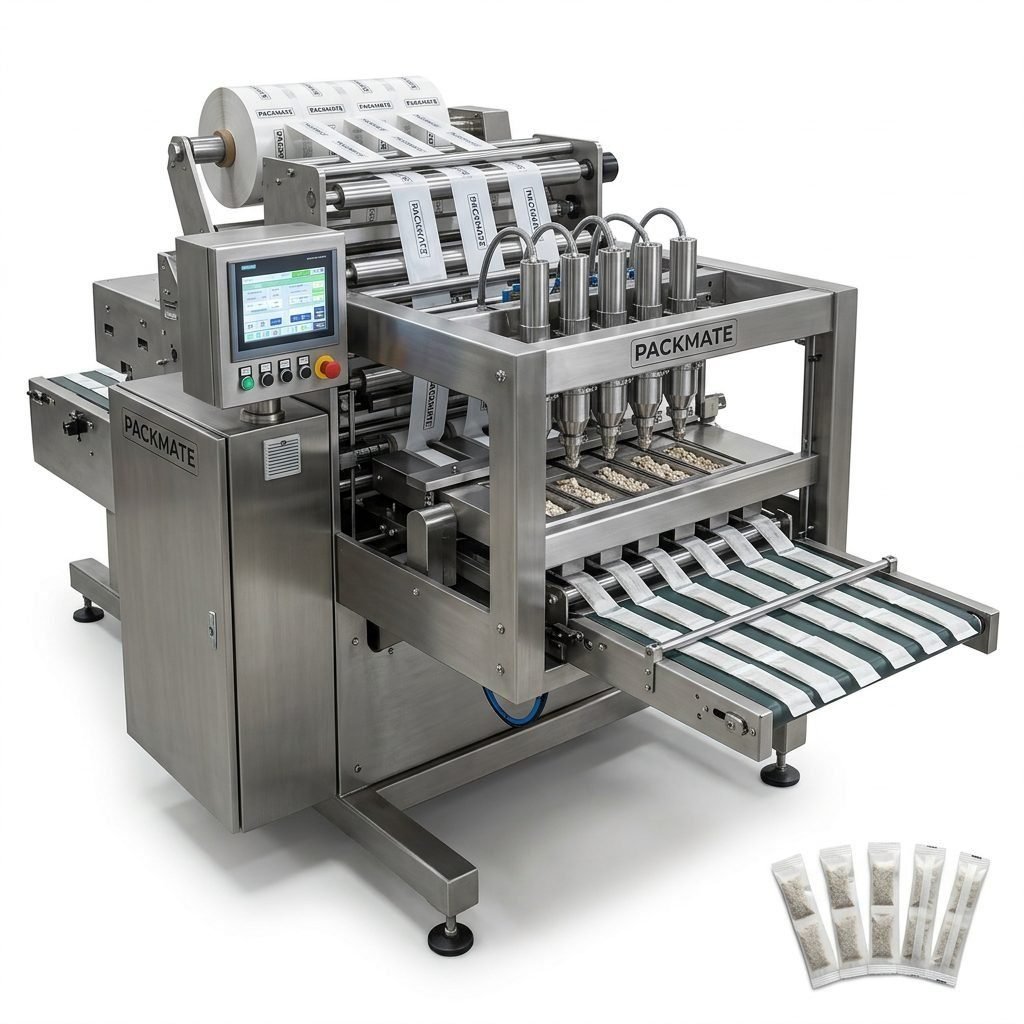
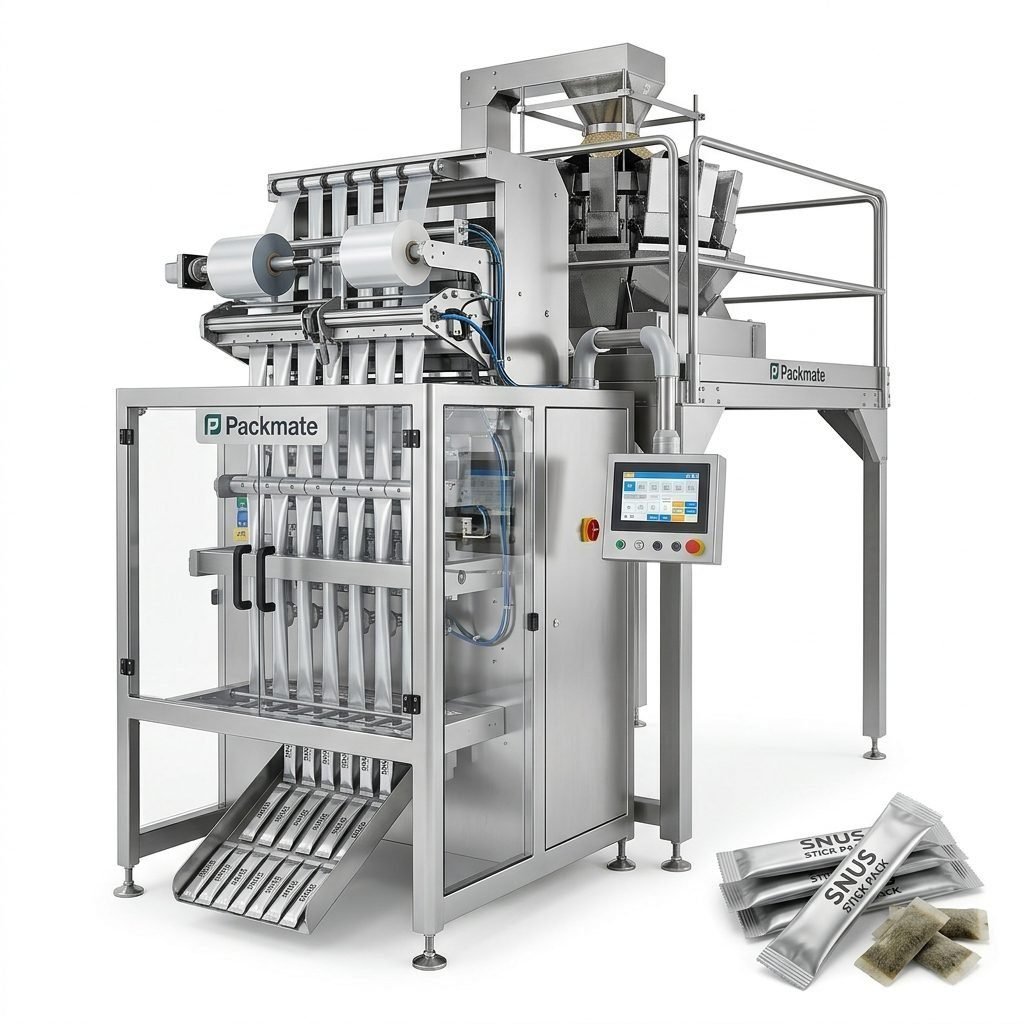
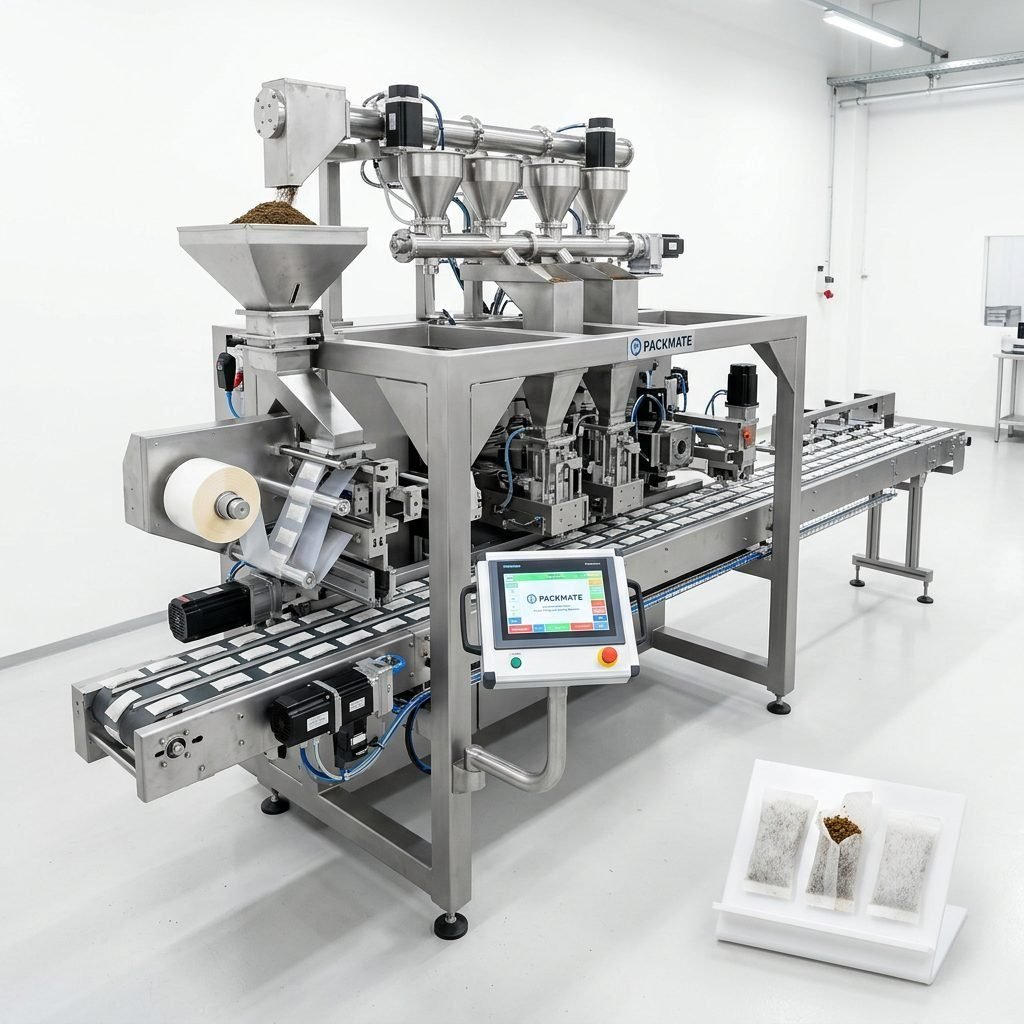
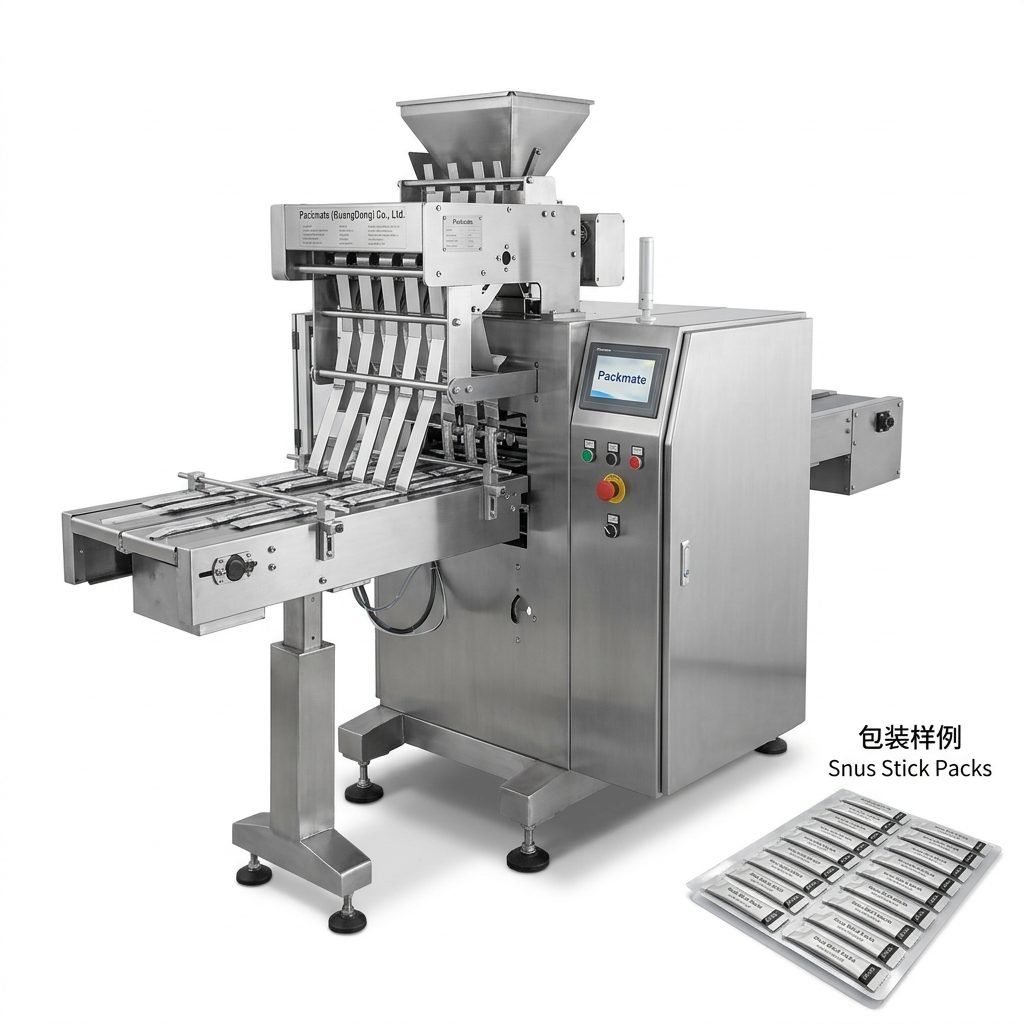
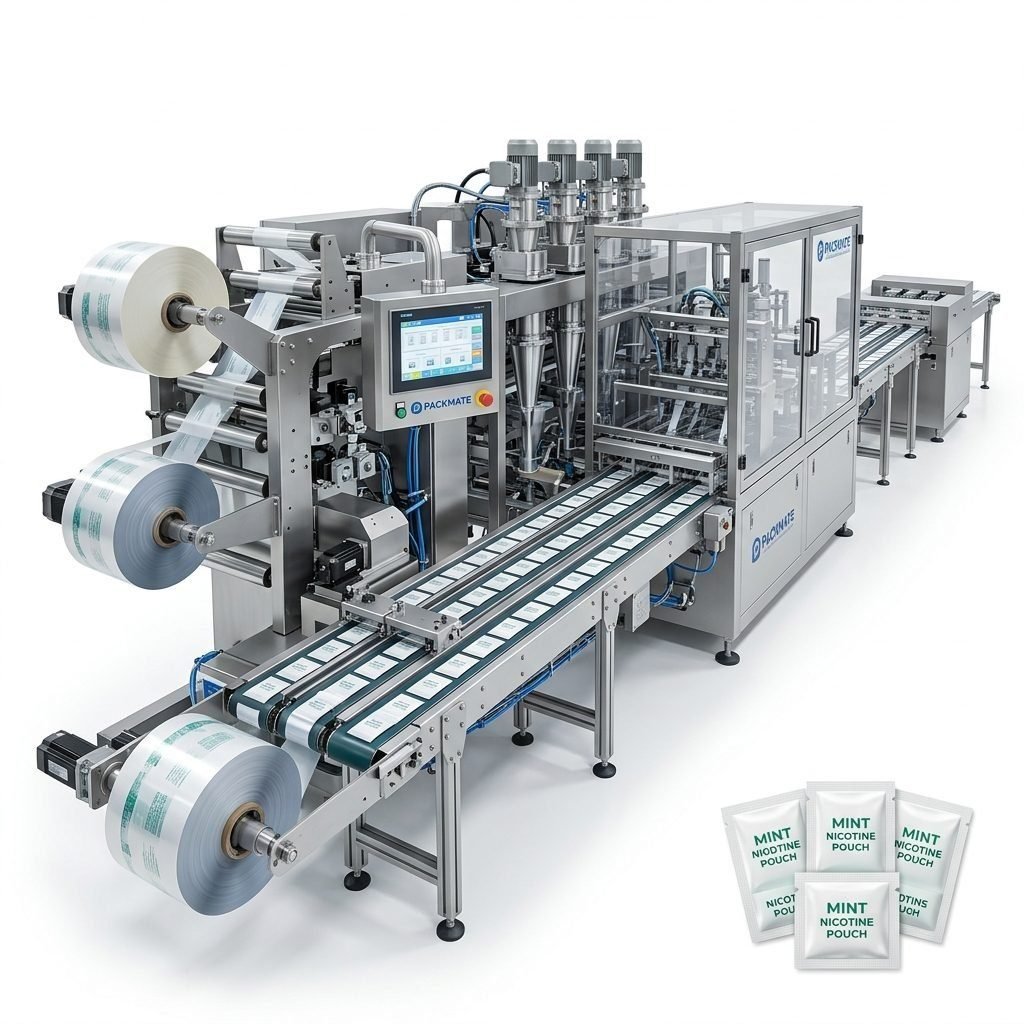
These machines are specifically designed for precise dosing and forming pouches suitable for nicotine sachets and snus. They excel at low-dose fillings with high dosing accuracy and are often offered as multi-lane models to scale capacity without increasing footprint.
Stick Pack and Sachet Machines
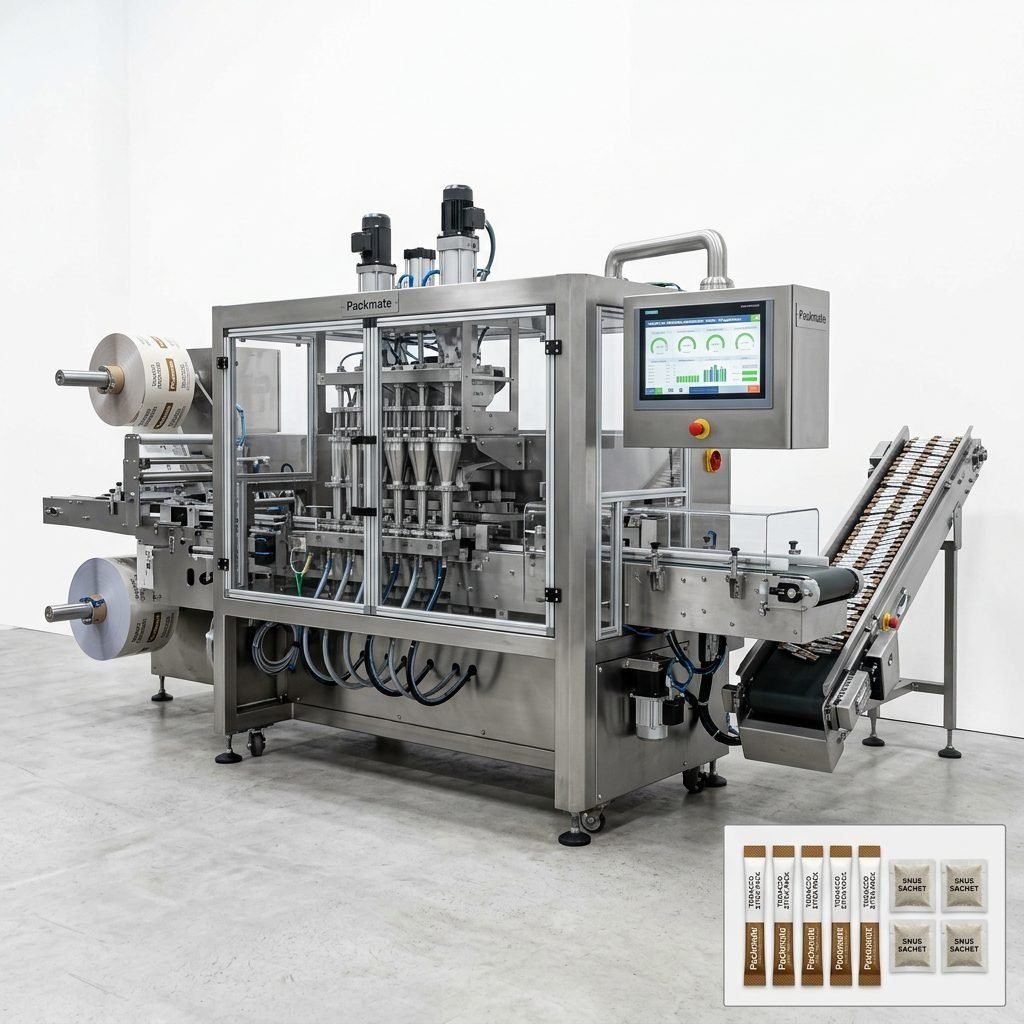
Stick pack and sachet systems are versatile for single-dose servings. Use stick packs for elongated, retail-friendly formats and sachet machines for small pillow packs. For more details and model ranges, see dedicated product lines such as Sachet & Stick Pack Machines.
Multi-Lane Systems & High-Speed Solutions
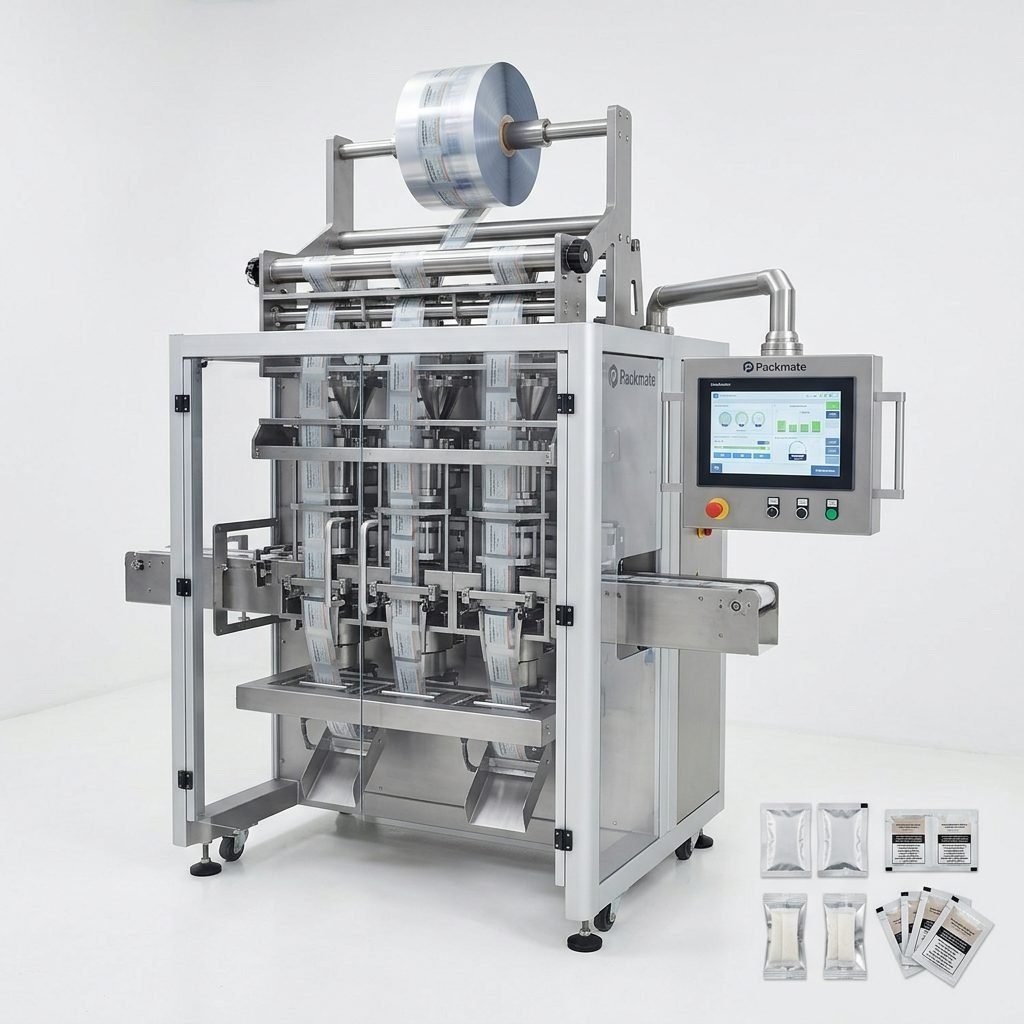
Multi-lane machines multiply throughput by running several lanes in parallel. Ideal for scaling production quickly without extending working hours, these systems are suited for contract manufacturers and larger brands targeting export markets.
Complementary Systems: Weighing, Filling & Auxiliary Equipment
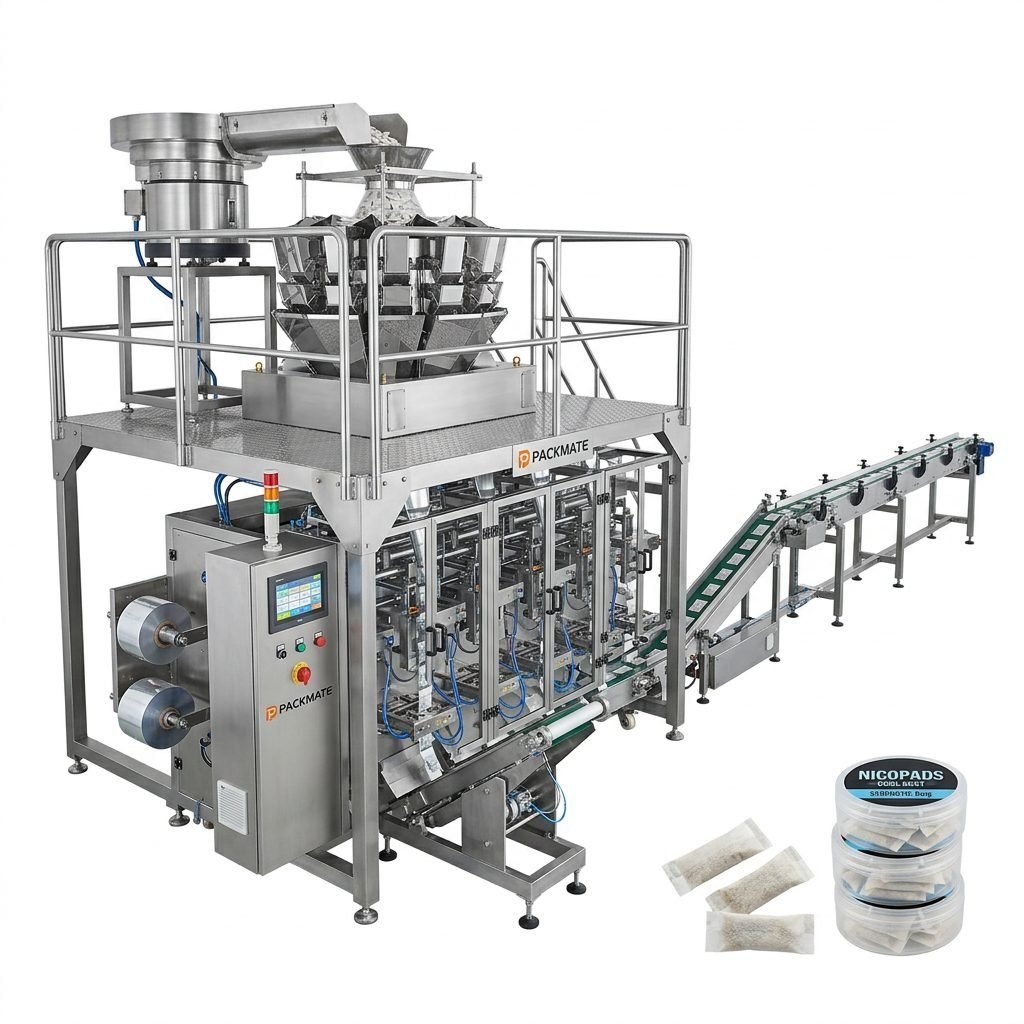
Accurate weighing and dosing systems ensure consistent nicotine content per pouch. Pair your primary packaging machine with reliable weighing and filling systems. Explore compatible modules like Weighing & Packaging Systems and other Auxiliary Packaging Equipment.
Key Selection Criteria: What Matters Most
Capacity & Speed: Decide units per minute and daily throughput. Factor in changeover losses and maintenance downtime.
- Production rate (pieces/minute) and whether you need multi-lane to meet targets.
- Filling accuracy — especially critical for nicotine content compliance.
- Material compatibility — paper, foil, film or laminated substrates require different handling.
- Footprint and site power — ensure your facility can accommodate the machine size and power needs.
- Automation level — manual, semi-automatic, or fully automated turnkey lines.
- Regulatory compliance — machines with CE/ISO standards facilitate export and local approvals.
Technical and Quality Considerations
Technical specifications translate directly into product quality and operational uptime. Look for a manufacturer with proven engineering, reliable control systems (PLC/HMI), and precision components. Where possible, request factory acceptance tests, performance videos, and case studies demonstrating long-term reliability.
Key component checklist: Servo drives, quality sealing jaws, precise weighers, hygienic machine frames, and easy-access parts for cleaning.
After-Sales & Local Support — Non-Negotiable
Post-purchase service determines how quickly you return to production after an issue. Evaluate spare part availability, remote support, training packages, and commissioning services. Manufacturers with global presence or local agents reduce lead time for parts and service. Packmate’s long engineering history demonstrates the value of solid after-sales support; learn more About Packmate.
Total Cost of Ownership & ROI
Upfront price is one element; long-term costs include consumables, service, energy, labor, and downtime. Estimate expected production volume, average selling price per pouch, and machine lifetime to calculate ROI. High-efficiency multi-lane machines may cost more initially but lower unit cost significantly.
Compliance, Safety & Certification
Ensure machines meet international safety and quality standards (CE, ISO) to ease regulatory approvals for Malawi and export markets. Machines designed for hygienic cleaning and easy sanitization extend product shelf life and reduce contamination risks.
Customization & Flexibility
Your initial SKU mix might change. Choose machines with flexible tooling and recipes to handle different pouch sizes, fill weights, and materials without extensive retrofitting. Many manufacturers provide modular solutions that allow gradual upgrades.
Factory Capability and Proven Track Record
Partner with manufacturers that demonstrate manufacturing scale, quality control, and a product range that matches your needs. A robust factory with advanced CNC and assembly lines supports consistent quality and the ability to customize. For machine portfolios and cases, review product pages such as Snus & Nicotine Packaging Machines and real-world examples in the Case section.
Site Planning and Installation Tips for Malawi Facilities
- Allocate enough clearance for maintenance and material loading.
- Ensure stable power supply and consider UPS for critical PLCs and servo systems.
- Plan raw material storage (films, foils) in humidity-controlled areas.
- Design production flow to minimize cross-contamination — separate filling, packing, and storage.
- Arrange for operator training during commissioning to shorten time-to-market.
Evaluating Suppliers — Questions to Ask
Must-ask items: warranty terms, spare parts lead times, onsite commissioning scope, training packages, references from current customers, and demonstration videos of your exact product format.
Cost Saving Strategies Without Sacrificing Quality
Consider buying a modular line that allows phased investment. Choose machines that reduce material waste through precise cut-and-seal mechanisms. Negotiate spare parts kits and training in the contract to avoid surprise costs. Energy-efficient components and planned maintenance can cut OPEX significantly.
Real-World Checklist Before Purchase
- Confirm capacity and production targets for 1–3 years.
- Validate sample production: request samples produced on the exact machine model.
- Check electrical, pneumatic, and footprint compatibility with your site.
- Assess local service network or remote support availability.
- Review certifications and export documentation if you plan to sell outside Malawi.
Why Work with Established Manufacturers
Experienced manufacturers bring engineering maturity, documented QA processes, and global references. For instance, companies with decades of development can offer a wide range of models, customized turnkey solutions, and well-established spare parts channels. You can contact manufacturers directly to discuss tailored solutions; for example, view contact options at Contact Us.
Planning Your Purchase: Timeline & Procurement Tips
Typical lead times range from 8–20 weeks depending on customization. Account for shipping, installation, and operator training. Lock in quotes for parts and tooling upfront and request a detailed delivery schedule. Consider attending exhibitions or requesting virtual demos to compare equipment in-depth — exhibition details are often posted in manufacturer sections such as Our Exhibition.
Quick Decision Matrix (Compact)
If you need help prioritizing: start with capacity and product format, then move to automation level, after-sales support, and certification. This sequence ensures your chosen machine meets core production needs while minimizing downstream risk.
Final Recommendations
Top-level advice: Invest in a machine that balances speed, accuracy, and service support. Prioritize vendors with proven multi-lane solutions and documented case studies to reduce implementation risk.
Where to Start
Begin by mapping your SKU forecast, required fill weights, and preferred pouch format. Request quotations from 2–3 reliable manufacturers, ask for sample runs, and verify warranty and spare-part policies. If you want a broad view of full line options, review Filling & Packaging Lines.
Quick icons and reminders
⚙️ Capacity first, then flexibility. ✓ Verify consumables and tooling availability. ℹ️ Ensure CE/ISO compliance for smoother trade. 🛠️ Confirm local or remote support for rapid troubleshooting.
Next steps
Reach out to experienced suppliers, request demonstrations on your product, and plan your factory readiness early. Strong vendor partnerships shorten commissioning time and ensure consistent production quality.
Frequently Asked Questions
Q1: How do I choose between single-lane and multi-lane machines?
A1: Base the decision on required output. Multi-lane systems increase throughput with minimal footprint growth, making them ideal for scaling production while keeping unit costs down.
Q2: What ongoing costs should I expect?
A2: Expect consumables (films, laminates), spare parts, periodic servicing, energy, and operator labor. Plan maintenance schedules to reduce unexpected downtime.
Q3: How important is after-sales support from the supplier?
A3: Extremely important. Fast access to parts, remote troubleshooting, and onsite service reduce production losses. Verify service terms before purchase.
Q4: Can these machines handle different pouch materials?
A4: Many modern systems are designed for flexible materials. Confirm with the supplier about the exact films or laminates you plan to use to ensure proper sealing and formability.
Q5: Where can I see real machine examples and customer cases?
A5: Manufacturer product pages and case studies showcase machine performance and installed lines. Visit sections like Case or contact suppliers for tailored references.