Entering the snus or nicotine pouch market in Mauritania requires more than a great product formula — it demands the right packaging machinery partner. This guide walks you through practical, step-by-step considerations to help you choose the best snus packaging machinery manufacturer for your business needs, focusing on compliance, production efficiency, total cost of ownership, and long-term partnership value.
Understand Mauritania Market Needs and Regulatory Basics
The local market size, distribution channels, and regulatory requirements will shape your machine selection. In Mauritania, import-based supply chains and regional distribution mean you should plan for machines that are robust, easy to maintain, and compatible with international standards. Compliance with CE and ISO or equivalent standards not only simplifies export or regional shipping but also ensures safety and predictable machine behavior.
Key regulatory checks
Make sure your manufacturer can provide documentation for hygiene standards, electrical safety, and materials compatibility. Ask for sample certificates and previous export records to African markets. If you intend to export finished goods from Mauritania, choose a supplier experienced with cross-border compliance.
Identify the Right Machine Type for Your Product
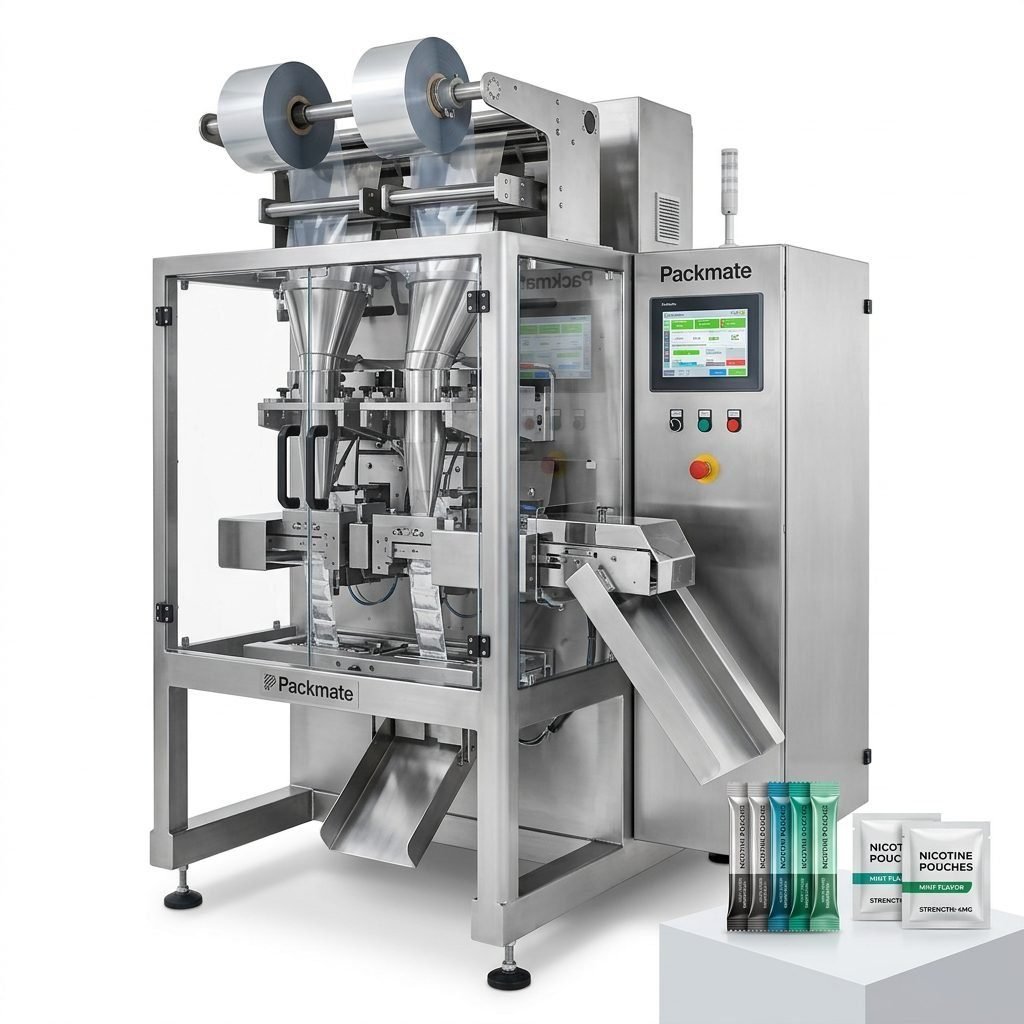
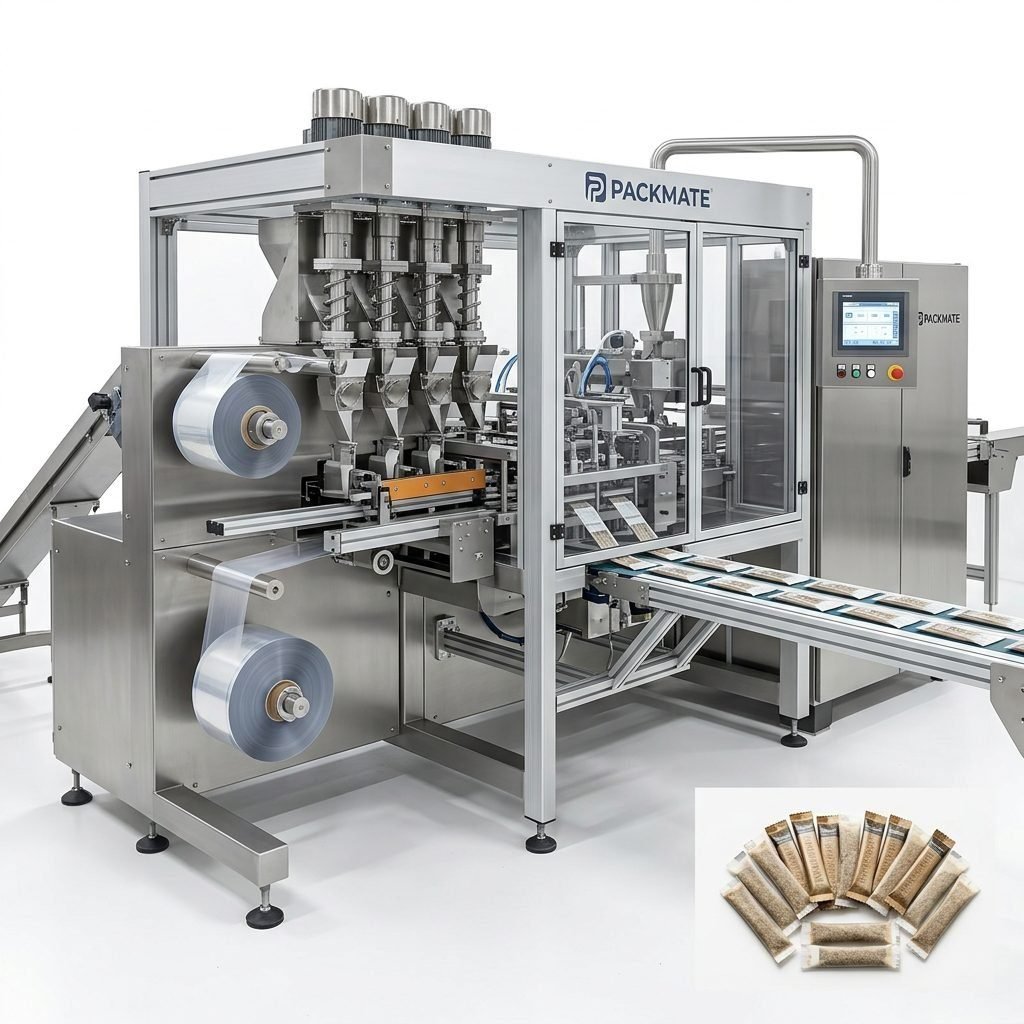
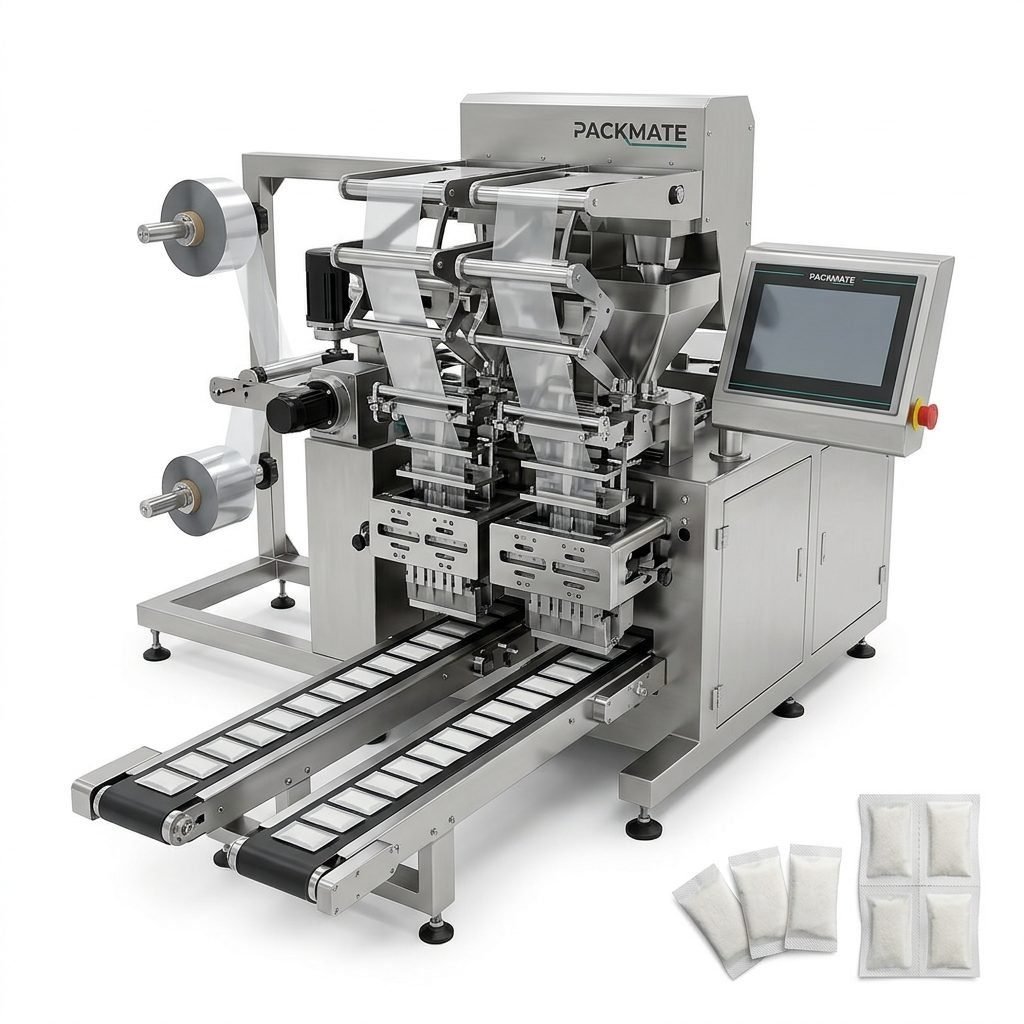
Snus and nicotine pouches come in multiple formats. Determine whether you need stick packs, sachets, multi-lane small-dose pouch systems, or a combination. Each format has different filling, sealing, and labeling requirements.
⚡
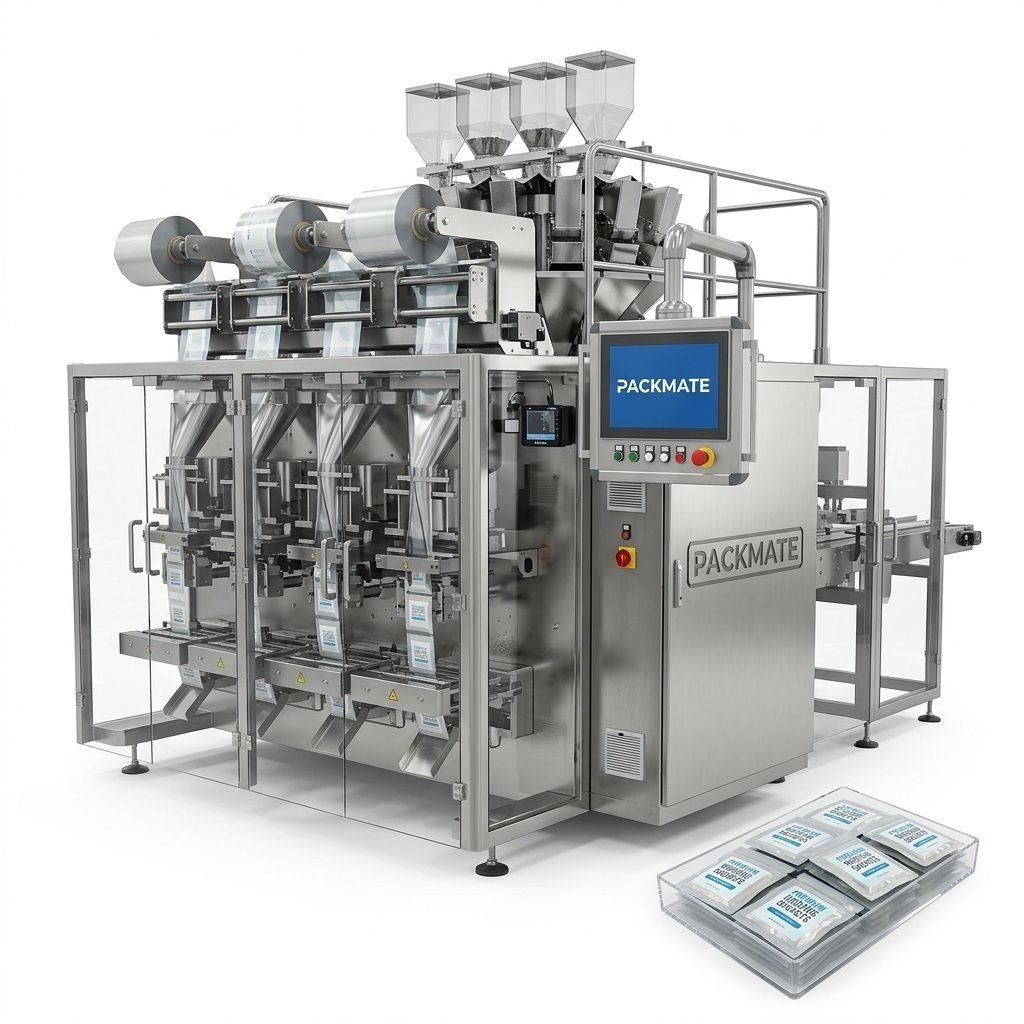
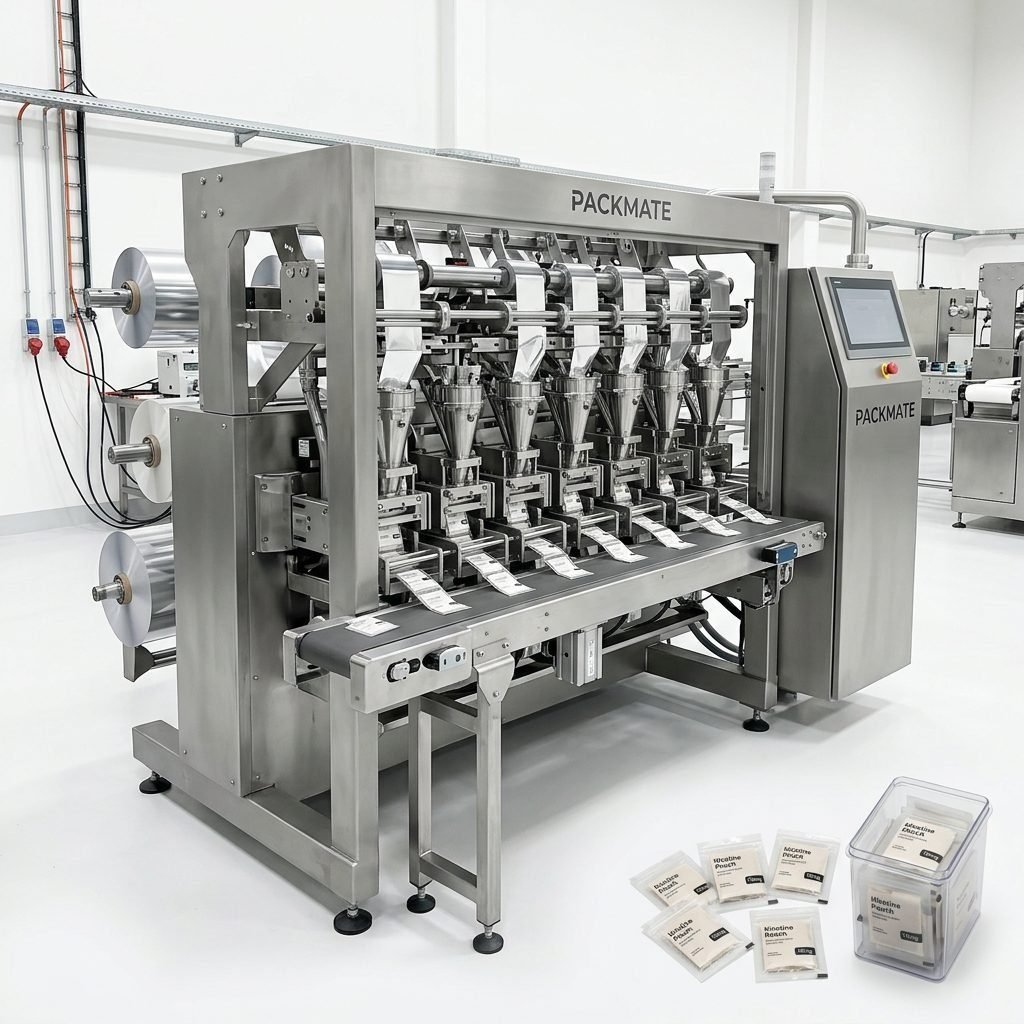
Recommendation: For small-dose multi-pouch production, consider high-precision multi-lane systems that maximize throughput while keeping pouch weight variance minimal.
Machine categories to evaluate
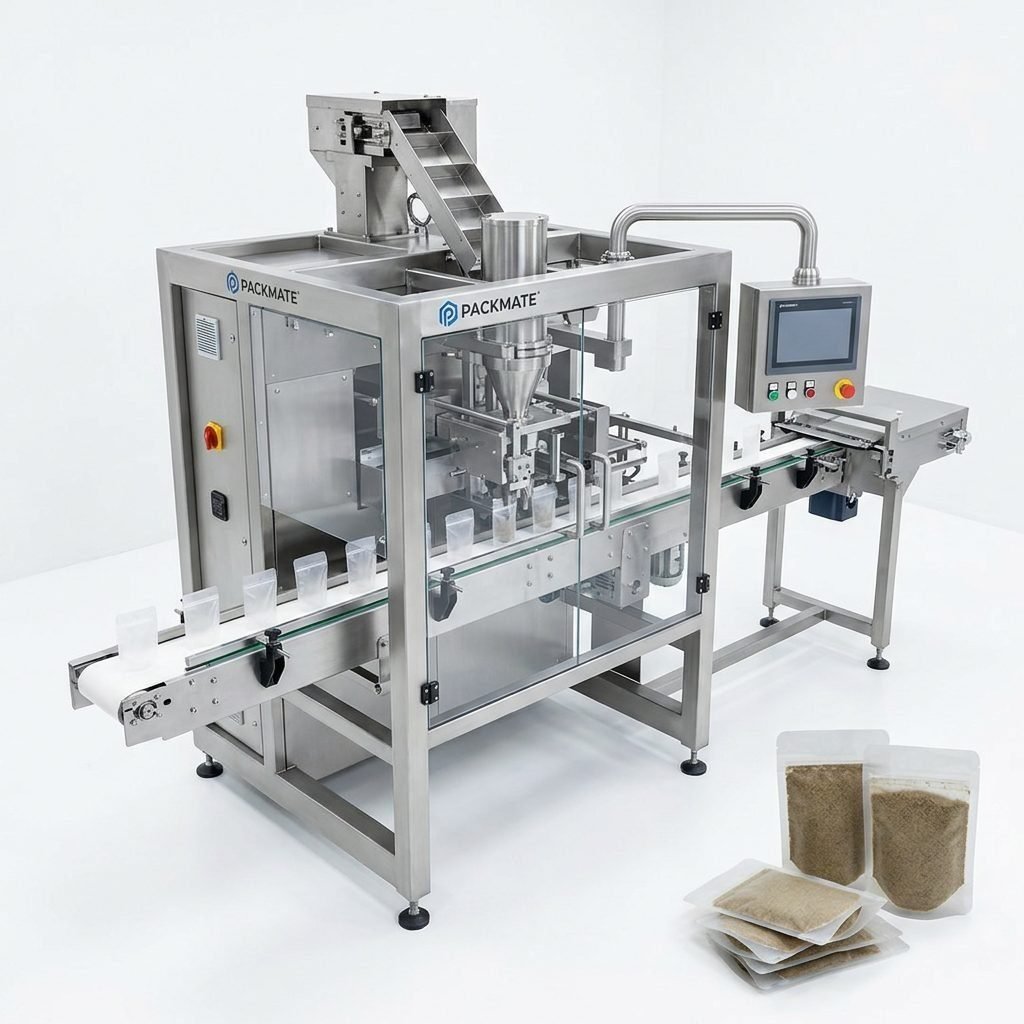
Choose from single-line stick pack machines for simple formats, sachet machines for larger pouches, or advanced multi-lane snus packaging machines for high-speed nicotine pouch lines. Consider whether you need integrated weighing and dosing or separate pre-weigh systems.
Production Capacity, Scalability, and Floor Footprint
Match machine output to your current and projected volumes. Overinvesting in capacity ties up capital, while underpowered lines create bottlenecks. Look for modular designs that let you scale lanes or add auxiliary equipment as demand grows.
Consider floor footprint and utility requirements. In Mauritania, infrastructure constraints or limited factory space often favor compact, high-efficiency machines with low maintenance access.
Throughput vs. flexibility
If you plan frequent SKU changes, prioritize flexibility and quick changeovers. If volume growth is the priority, choose machines with higher lane counts and automated feeding systems.
Quality, Material Compatibility and Tolerance Control
Snus and nicotine pouches require precise dosing and reliable sealing to preserve shelf life and comply with labeling. Evaluate a manufacturer’s ability to handle your product matrix — powders, moist tobacco blends, or humidified pouches — and their approach to contamination prevention.
✔
Key quality metrics: filling accuracy, seal integrity, hygienic design, and mean time between failures (MTBF).
Factory & Manufacturing Strength: Why It Matters
A manufacturer’s workshop size, machining capability, and assembly processes directly affect machine reliability. Prefer suppliers with dedicated CNC machining centers, precision assembly lines, and standardized quality control protocols. This reduces lead times and lowers the risk of fitment or performance issues after delivery.
For example, suppliers with a large, modern factory footprint and a range of models demonstrate the capacity to offer tailored turnkey solutions and spare parts continuity.
Certifications, Tests and Third-Party Validation
Request specific certificates (CE, ISO) and evidence of factory testing. A reputable manufacturer will deliver machine FAT (Factory Acceptance Test) reports, performance videos, and long-term reliability data. These documents help you validate the equipment’s performance before shipping to Mauritania.
Ask for:
Detailed FAT reports, material certificates, electrical schematics, and references from similar projects in Africa or comparable markets.
After-Sales Service, Training and Spare Parts Supply
After-sales service is a critical differentiator. Confirm lead times for spare parts, availability of remote diagnostics, and the manufacturer’s willingness to provide on-site commissioning and operator training in Mauritania or a nearby hub.
🛠
Service checklist: spare parts stock list, response SLA, training program, and remote support options.
Total Cost of Ownership (TCO) and Return on Investment (ROI)
Beyond the purchase price, evaluate energy consumption, spare parts pricing, consumables, operator labor, and expected uptime. An initially higher price machine can deliver a lower TCO through reduced downtime and higher efficiency.
Customization, Integration and Turnkey Solutions
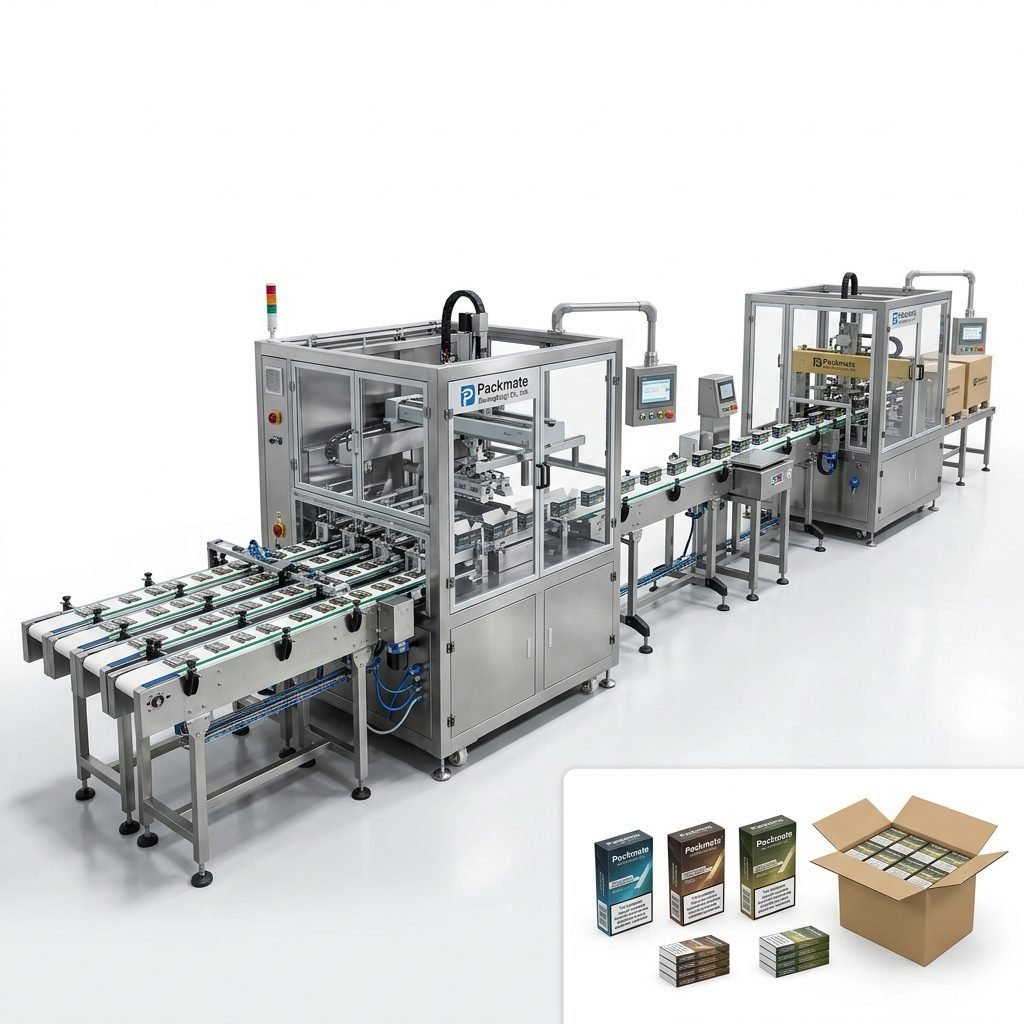
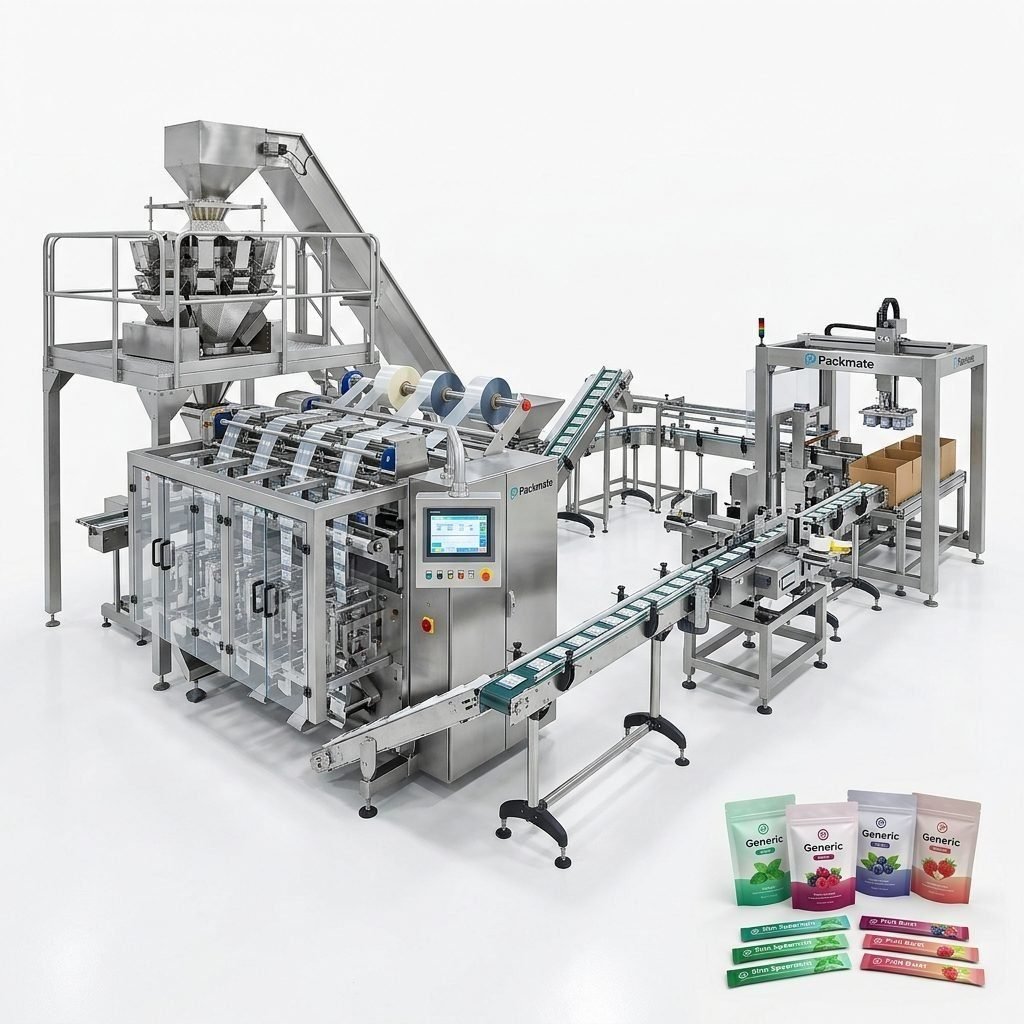
If you need labeling, batch coding, secondary packaging, or fully automated lines, select a manufacturer capable of delivering integrated solutions. Turnkey providers streamline commissioning, reduce interface risks, and ensure end-to-end compatibility with upstream and downstream equipment.
To view examples of multi-component lines and turnkey capabilities, explore specialized product categories such as Snus & Nicotine Packaging Machines and Filling & Packaging Lines.
How to Evaluate a Manufacturer — Practical Steps
A structured evaluation helps you avoid costly mistakes. Use a scoring system covering technical, commercial, and service criteria. Request full proposals and compare apples-to-apples.
Suggested evaluation steps
1. Technical spec review and performance guarantees.
2. FAT and on-site acceptance terms.
3. Spare parts and consumables pricing.
4. Warranty and service level agreements.
5. References and case studies.
Factory Visits, References and Case Studies
Whenever possible, visit the manufacturer’s factory or request a live demonstration at an exhibition. Review customer case studies and ask for contact details of similar projects. A credible supplier will provide video demos, references, and documented results. See real-world examples in the manufacturer’s case portfolio: Case.
🔎
On a factory visit check: assembly precision, spare parts inventory, test stations, and quality control records.
Logistics, Shipping and Local Installation Considerations in Mauritania
Confirm packing standards for sea/air freight, weight and dimensions, and local customs experience. Some suppliers offer pre-assembly and modular packing to simplify installation. If local technical resources are scarce, prioritize manufacturers that offer on-site installation and operator training or can dispatch engineers to Mauritania.
Contracts, Payment Terms and Risk Mitigation
Negotiate clear terms: delivery schedule, acceptance criteria, warranty period, penalties for late delivery, and a commitment on spare parts availability. Consider staged payments tied to milestones — design approval, FAT completion, and successful on-site commissioning.
Why Choose an Experienced Manufacturer: An Example
Manufacturers with decades of experience in snus and nicotine pouch equipment bring tested designs, proven multi-lane systems, and global service networks. Companies that operate large manufacturing facilities and offer diverse models and complete packaging solutions are well-positioned to deliver turnkey lines adapted to Mauritania’s market.
Learn more about an established supplier with deep experience, factory capability, and full-range products on their About Packmate page and detailed product lines such as Bag & Pouch Packaging Machines.
📌
Quick checklist before you buy: specs match, FAT in contract, spare parts list, training plan, and a clear warranty.
Final practical tips
– Engage a packaging engineer early to define technical specs.
– Include performance penalties in the contract to align incentives.
– Consider gradual scaling with modular machines to manage capital.
– Prioritize suppliers who provide transparent spare parts pricing and clear service SLAs.
Next steps
Shortlist 2–3 manufacturers, request detailed proposals, ask for FAT, and plan for a factory visit or live demonstration at an exhibition. You can review more product options and schedule inquiries through the manufacturer’s contact resources: Contact Us.
Frequently Asked Questions (FAQs)
Q1: How important are international certifications for machines shipped to Mauritania?
A1: Very important. Certifications such as CE and ISO indicate standardized quality control, safer operation, and can simplify customs and local approvals.
Q2: What level of after-sales support should I expect?
A2: Expect at least 12 months warranty, a defined spare parts lead time, and remote troubleshooting. For first-time integrators in Mauritania, on-site commissioning and operator training are highly recommended.
Q3: Can a manufacturer supply turnkey lines including upstream weighing and downstream secondary packaging?
A3: Yes. Many established suppliers offer end-to-end solutions. Review their product lines such as Weighing & Packaging Systems to confirm integration options.
Q4: How do I verify machine performance before purchase?
A4: Require a Factory Acceptance Test (FAT), performance videos, and at least two customer references. If possible, arrange a live demo at an exhibition or factory.
Q5: What are typical lead times for snus packaging machinery?
A5: Lead times vary but commonly range from 8 to 20 weeks depending on customization and production schedules. Confirm timelines upfront and include them in the contract.